Top 15 Best Wildflower Seed Mix for Roadside Planting Tips
Many roadside projects suffer from poor growth and quick die-off due to choosing the wrong seed. Finding the best wildflower seed mix for roadside planting matters because some mixes are packed with invasive species or require soil conditions that roadsides rarely meet. Using a cheap seed mix that isn’t suited for roadside soil or traffic will often lead to patchy, weed-filled spots that need frequent replanting.
A good wildflower seed mix for roadside planting contains a balanced blend of native perennial wildflowers combined with hardy native grasses to help with soil stabilization. The seed size should be small enough to spread easily but large enough to prevent being washed away or eaten before germination. A typical mix has about 70 to 90 percent wildflower seeds by count and 10 to 30 percent grasses, tailored to tolerate nutrient-poor soils and drought common on roadsides.
Need a Quick Check?
| Image | Product | Price |
|---|---|---|
Our Top Picks 1 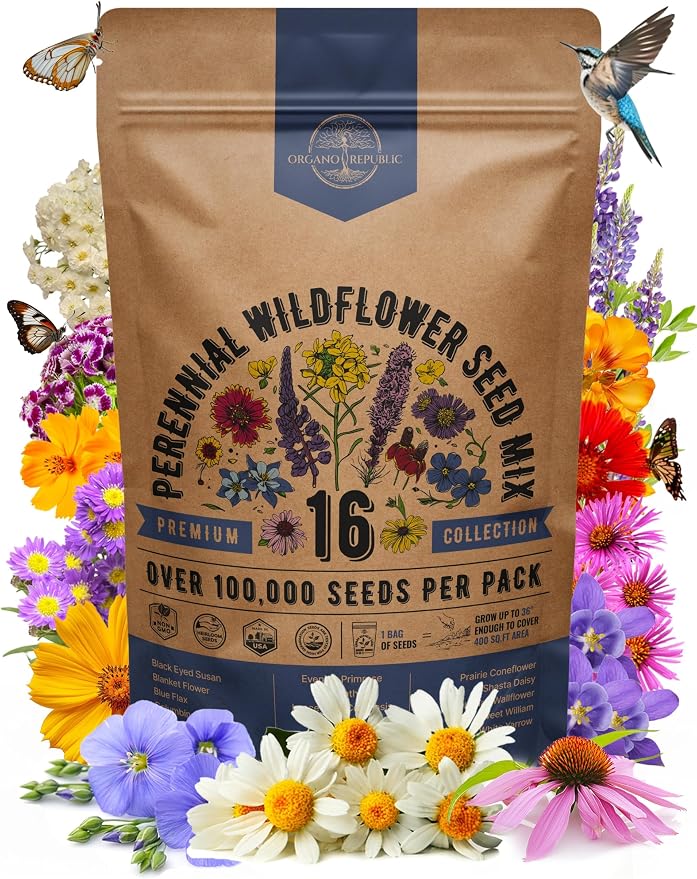 | Perennial Wildflower Mix | Check Price |
Our Top Picks 2  | Burpee Wildflower Mix | Check Price |
Our Top Picks 3  | Perennial Flower Seed Mix | Check Price |
Our Selected Top 15 Wildflower Seed Mix for Roadside Planting Worth Your Money
This list features carefully chosen wildflower seed mixes ideal for enhancing roadside areas with natural beauty and ecological benefits. Each review highlights how well the mix performs, who it is best suited for, and its main advantages and disadvantages to help you make an informed decision.
1. Perennial Wildflower Seeds Mix
Perennial Wildflower Seeds Mix stands out for its variety, offering a blend of more than 23 wildflower types designed specifically to attract pollinators like bees and butterflies. Perfect for roadside planting across many USDA zones, it suits anyone wanting vibrant blooms that support local wildlife from spring through fall.
Planting is straightforward thanks to the resealable packaging and individual bags that keep seeds fresh. Seeds do well in loam soil with regular moderate watering. Partial sun exposure fits the mix’s needs, and it thrives outdoors across all planting seasons, spring, summer, autumn, and even winter in milder zones.
The mix delivers a consistent bloom from spring to fall, reaching about 15 inches tall. High germination rates mean most seeds will sprout when properly cared for.
While the rich variety brings diverse colors and shapes, some find the height limit a bit short for their vision. The seed freshness keeps performance reliable year after year.
The mix is praised for its freshness and variety, which results in strong and colorful blooms that attract pollinators. Most people appreciate the reliability of germination, though some mention that the relatively short plant height can be a drawback depending on the desired roadside look.
Ideal for those looking to create a lively, pollinator-friendly roadside flower patch across many climates. Not the best pick if taller or full-sun wildflowers are needed to meet specific landscaping goals.
Pros
- Includes over 23 wildflower varieties
- High germination rate
- Resealable packaging keeps seeds fresh
- Attracts pollinators like bees and butterflies
Cons
- Expected height is only 15 inches
- Prefers partial sun, limiting some planting sites
| Specification | Details |
|---|---|
| Seed Count | 25,000 wildflower seeds |
| Blooming Period | Spring to Fall |
| Sunlight Exposure | Partial Sun |
| Expected Plant Height | 15 inches |
| USDA Hardiness Zone | 1 to 10, 12 |
| Soil Type | Loam Soil, Potting Mix |
2. Burpee Wildflower Seed Mix
Roadside patches can look dull and lifeless without some colorful blooms to bring them alive. Burpee Wildflower Seed Mix suits anyone wanting vibrant, natural landscaping that attracts hummingbirds and butterflies.
Its strongest feature is the variety of 18 sun-loving wildflowers that bloom from spring until fall, providing long-lasting beauty and wildlife support.
Sowing the seeds is simple: just pick a sunny spot on most soil types, scatter the non-GMO seeds widely across up to 1,000 square feet, and water moderately. The mix thrives outdoors and needs a bit of patience after frost danger passes. Its blend of annual and perennial flowers means the blooms appear in waves through the seasons, reducing empty gaps in the planting.
The flowers grow to about 65 centimeters and reliably attract pollinators, making the mix effective for roadside beautification and ecological benefits. Seed quality stands out since all are certified, heirloom, organic, and non-GMO, which helps with germination rate and plant health.
Some find certain flowers less abundant, but more effort in watering improves overall results.
Many appreciate how the seed mix draws hummingbirds and butterflies while providing vibrant blooms from spring through fall. A common downside is that some types of flowers do not always grow evenly, which can make parts of the roadside look less dense than expected. Regular watering helps mitigate this issue.
People looking to attract pollinators and add diverse wildflower colors to large sunny areas will find this mix perfect. Those with shady roadsides or limited watering ability might want to consider a different seed blend suited for less sun or drought conditions.
Pros
- Contains 18 varieties of wildflowers
- Attracts hummingbirds and butterflies all season
- Covers up to 1,000 square feet easily
- Seeds are non-GMO, heirloom, organic, and certified
Cons
- Some individual flowers may bloom less abundantly
- Requires full sun for best growth
| Specification | Details |
|---|---|
| Expected Blooming Period | Spring to Fall |
| Sunlight Exposure | Full Sun |
| Expected Plant Height | 65 centimeters |
| Moisture Needs | Moderate Watering |
| Seed Count | 25,000 NON-GMO Seeds |
| Planting Period | Spring to Summer |
3. Perennial Wildflower Seed Mix
Covering an area of 250-500 square feet, this seed mix suits anyone looking to brighten up roadside areas with a variety of colorful, pollinator-friendly plants. It stands out for its 100% pure, non-GMO seeds, focusing only on favorite easy-to-grow species without any fillers.
Planting is straightforward in spring or fall, with seeds thriving best in full or partial sun. Moderate watering keeps the mix happy, and it fits well within USDA zones 3 to 10. Biodegradable packaging adds an eco-friendly touch, so setting it out doesn’t introduce waste.
Watching the different flowers take root and attract bees and hummingbirds can make daily maintenance rewarding.
Performance is solid, with blooms spreading steadily up to 24 inches tall in both summer and fall, attracting plenty of pollinators as promised. The mix blends 18 distinct species, offering vibrant diversity. Some users mention a slower start in colder zones, which means patience is required before the display fills out.
The seed quality is high, with no fillers to hinder growth.
Rich diversity and pure seeds offer distinct colors and strong pollinator appeal, while some spots in colder areas see slower growth initially. Consistent watering is important to get the most out of this mix.
Gardeners looking for a vibrant, easy-to-grow wildflower display on roadsides or in moderate climates will appreciate this mix. Those seeking rapid bloom in very cold zones or with minimal watering needs may want alternatives.
Pros
- 100% Pure, Non-GMO seeds only
- Includes 18 easy-to-grow species
- Attracts bees, butterflies, hummingbirds
- Biodegradable packaging
Cons
- Slower germination in colder zones
- Requires moderate watering consistently
| Specification | Details |
|---|---|
| Expected Blooming Period | Fall, Summer |
| Sunlight Exposure | Full Sun, Partial Sun |
| Expected Plant Height | 24 inches |
| Moisture Needs | Moderate Watering |
| USDA Hardiness Zone | 3,4,5,6,7,8,9,10 |
4. Sow Right Mixed Wildflower Seeds

Gardening enthusiasts looking to create colorful roadside displays will appreciate this wildflower seed mix. It suits outdoor planting in sunny spots and stands out for its large coverage, enough to fill 500 square feet, making it ideal for big projects that attract pollinators.
Planting involves scattering seeds in areas with full sun and providing regular watering to keep moisture consistent. This mix combines perennials and annuals, ensuring blooms keep coming from spring to fall without the need for constant reseeding. The variety includes species like California Poppy and Purple Coneflower, offering a range of colors and flower types throughout the season.
The wildflower seeds have a high germination rate, bringing a dense, diverse flower patch once established. The mix attracts beneficial insects and birds, which adds to its appeal. One noted downside is the need for regular watering, which can be demanding depending on weather.
The large packet size is convenient but may be too much for small gardens, making storage or sharing important considerations.
The seed mix is praised for producing continuous, varied blooms that attract pollinators throughout the season. Commonly noted is the need for steady moisture, which can be a challenge during dry spells.
This mix will suit anyone planting large sunny areas who can manage regular watering and want a diverse flower display. Smaller gardens or low-maintenance needs might lead others to consider smaller or lower-water options.
Pros
- Extra large packet covers 500 square feet
- Includes both perennials and annuals
- High germination rate ensures dense blooms
- Attracts beneficial insects and birds
Cons
- Requires regular watering to maintain blooms
- Large packet size may be too much for small gardens
| Specification | Details |
|---|---|
| Indoor Outdoor Usage | Outdoor |
| Attracts Pollinators | Yes |
| Expected Blooming Period | Spring to Fall |
| Sunlight Exposure | Full Sun |
| Moisture Needs | Regular Watering |
5. Eden Brothers Perennial Wildflower Seeds

A seed mix made up of 19 favorite perennial wildflowers, perfect for anyone wanting a natural, colorful roadside or large outdoor planting area. Its biggest strength is the ability to cover up to 4,500 square feet while attracting bees, butterflies, and hummingbirds, making it ideal for areas needing pollinator-friendly plants.
Planting starts best in spring with full sun exposure and moderate watering to keep the mix thriving. The seeds are non-GMO and pure, meaning no fillers, just a range of species that work well together.
It’s suited to many climates, covering USDA zones 3 through 10, so it fits most outdoor spaces with sandy soil. You just spread the seeds over the area and watch as it establishes a hardy, diverse flower bed.
The seed mix turns into roughly 25-inch tall plants that bloom from summer to fall, providing consistent color. Its perennial nature means it comes back each year, saving replanting effort. Many appreciate how it reliably attracts pollinators, while some note that it requires moderate watering and sandy soil for best results.
It’s a straightforward choice for wildflower roadsides and fields.
This wildflower seed mix is praised for its ability to bring a variety of pollinators to a large outdoor area, creating vibrant blooms from summer through fall. The most common note is that it does best in sandy soil with consistent moderate watering, which can limit locations where it thrives.
Gardeners and roadside planners looking to attract wildlife and fill big spaces with durable perennial flowers will find this mix well suited. Those with heavy or clay soils or who cannot commit to regular watering might want to explore other options tailored to those conditions.
Pros
- Includes 19 easy-to-grow perennial species
- Attracts bees, butterflies, and hummingbirds
- Suitable for a wide range of USDA zones (3-10)
- Covers up to 4,500 square feet
Cons
- Requires sandy soil for best growth
- Needs moderate watering to establish well
| Specification | Details |
|---|---|
| USDA Hardiness Zone | 3,4,5,6,7,8,9,10 |
| Expected Plant Height | 25 inches |
| Soil Type | Sandy Soil |
| Moisture Needs | Moderate Watering |
| Sunlight Exposure | Full Sun |
| Blooming Period | Early Fall/Fall/Late Summer/Summer |
6. HOME GROWN Midwest Wildflower Mix

HOME GROWN Midwest Wildflower Mix is perfect for anyone wanting a vibrant flower display in Midwest regions like Indiana or Michigan. Its strongest point is the variety of 24 prairie wildflowers that grow well together, making it ideal for roadside planting and creating colorful, natural-looking landscapes.
Planting is straightforward, just scatter the seeds over prepared soil in full sun areas during spring or fall. The mix thrives in loam soil with moderate watering, and many flowers come back year after year since it includes perennials.
It works for both large and small spaces, making it versatile whether you’re planting a strip along the road or a bigger plot.
The mix grows reliably with a high germination rate, resulting in a lively spring to summer bloom. It reaches about 2 feet tall, which suits roadside visibility without overwhelming.
The seeds are non-GMO and sourced in the USA. Most people appreciate how easy it is to use, though some might wish for quicker blooms or additional drought tolerance.
The mix is praised for its reliable high germination and the beautiful variety of wildflowers that return year after year, creating consistent roadside color. The most frequent downside mentioned is that blooms sometimes take longer to appear and it requires moderate watering, which is less ideal for very dry conditions.
Anyone seeking a low-maintenance, natural wildflower cover for Midwest locations will appreciate this mix’s ease of use and plant diversity. Those looking for rapid blooms or flowers adapted to very dry or sandy soils might want to explore other options better suited to those specific needs.
Pros
- Contains 24 prairie wildflower varieties
- High germination rate with USA-sourced seeds
- Easy to plant for beginners and experts
- Attracts pollinators naturally
Cons
- Some desire faster blooming flowers
- May need regular watering in dry spells
| Specification | Details |
|---|---|
| Expected Blooming Period | Spring to Summer |
| Sunlight Exposure | Full Sun |
| Expected Plant Height | 2 feet |
| Soil Type | Loam Soil |
| Moisture Needs | Moderate Watering |
| USDA Hardiness Zone | 3, 4, 5, 6, 7, 8, 9 |
7. Midwest Regional Wildflower Mix

Planting a roadside area or a meadow feels rewarding when vibrant wildflowers fill the space. Perfect for Midwest gardens, the Midwest Regional Wildflower Mix suits anyone wanting a lively, natural look with native flowers that attract pollinators.
Its biggest strength lies in bringing a blend of colorful blooms tailored for local conditions, creating an inviting outdoor spot.
Starting with a generous 1 ounce packet, the mix contains over 15,000 live seeds enough to cover about 250 square feet. Spreading seeds evenly across your chosen area is straightforward, and watering them to encourage growth fits naturally into any outdoor routine.
This mix adapts well to roadside soil, making care practical without requiring special treatment or upkeep.
Flowers emerge in a variety of colors and textures, providing continuous seasonal interest. The seeds’ quality ensures good germination rates, and the selection includes hardy native plants suited for Midwest climates. A frequent complaint involves longer wait times for full bloom, but the diverse flower types grow steadily.
The packet and seed weight make it easy to handle and transport.
Customers appreciate the large quantity of seeds and how well the flowers thrive in Midwest climates, creating a colorful, lively garden. Some find the wait for blooms to appear and spread fully longer than expected, which requires patience.
This mix will suit those with enough space to plant a wide area and who enjoy gradual growth. People looking for quick results or smaller-scale projects might prefer a different seed mix designed for faster or more compact blooming.
Pros
- Large packet covers extensive area
- Mix designed for Midwest conditions
- Attracts pollinators effectively
- Includes diverse flower types and colors
Cons
- Seeds can take time to bloom fully
- Packet size may be overwhelming for small areas
| Specification | Details |
|---|---|
| Item Weight | 0.03 kg |
| Unit Count | 1 Ounce |
| Seed Quantity | Over 15,000 seeds |
| Coverage Area | 250 square feet |
8. Wildflower Seed Mix for Pollinators

Ideal for roadside planting, this seed mix shines in creating a colorful, varied wildflower area that attracts pollinators. Suited for anyone wanting a long blooming period and a wide assortment of flowers, it delivers an impressive variety combined with strong germination.
Planting is straightforward since the seeds come in five packets totaling over 5000 non-GMO heirloom seeds covering 15 different flower types. It thrives in full sun, and once sown, you can expect blooms from spring all the way through to fall. Maintaining it requires minimal effort beyond typical watering and ensuring good sunlight exposure.
The mix performs well by producing a diverse and vibrant display that changes through the seasons, helping to attract butterflies and hummingbirds. It is built from high-quality seeds with a noted high germination rate giving dependable results.
The most frequent complaint is about slower growth in shaded spots, which can limit flowering timing and density.
Reliably high germination and a vibrant range of flowers provide color from spring through fall. Growth slows noticeably without full sun exposure, affecting the overall bloom density and timing.
Ideal for anyone with sunny roadside areas aiming to support pollinators and enjoy variety. Those with shaded or partially shaded spots should consider a mix designed for low-light conditions instead.
Pros
- Long season bloom from spring to fall
- High germination rate for consistent growth
- Includes 15 diverse flower varieties
- Great for attracting pollinators outdoors
Cons
- Slower germination in shaded areas
- Requires full sun for best performance
| Specification | Details |
|---|---|
| Seed Varieties | 15 types including Sunflower, Zinnia, Echinacea |
| Seed Quantity | 5000+ seeds in 5 packets |
| Seed Type | Non-GMO heirloom |
| Sunlight Requirement | Full Sun |
| Blooming Period | Spring to Fall |
| Pollinator Friendly | Yes – Butterfly and Hummingbird |
9. California Wildflower Seed Mix

A mix of 22 annual and perennial California wildflower varieties form a colorful, drought-tolerant planting designed for outdoor use. Ideal for gardeners seeking natural-looking blooms in roadside or meadow-style settings, its biggest strength is easy coverage for large areas with a variety of flowers suited to the California climate.
Sowing the seeds is straightforward, best done in fall in mild-winter regions or early spring after frost in colder climates. It thrives in full sun and sandy soil with moderate watering needs, fitting naturally along roadsides or large garden beds.
Expect blooms from spring through fall, attracting pollinators while establishing perennial flowers for long-term appeal.
The 54,000+ seeds cover about 300 square feet, letting you plant broad swaths without constant replanting. The mix grows up to 30 inches tall, providing vibrant color across seasons. Customers frequently note the ease of planting and dependable blooms, although some mention that perennials take time to establish compared to the quick annual flowers.
Easy planting and reliable colorful blooms attract praise as the mix offers both immediate annual color and longer-term perennial growth. The slow establishment of perennials is commonly noted, reminding users to expect gradual development beyond the first season.
Gardeners wanting quick roadside color and natural pollinator habitat will find this mix fitting. Those with heavy clay soils or shady spots might want to explore other seed mixes better suited to those conditions.
Pros
- Wide variety of California native flowers
- Attracts pollinators like bees and butterflies
- Drought tolerant once established
- Large coverage area from one package
Cons
- Perennials take longer to become established
- Needs full sun and sandy soil to thrive
| Specification | Details |
|---|---|
| Annual and Perennial Varieties | 22 types (including California poppies and lupine) |
| Seed Coverage | 54,000+ seeds for 300 sq. ft. |
| Sunlight Exposure | Full Sun |
| Planting Period | Spring, Summer, Fall |
| Expected Plant Height | 30 inches |
| Soil Type | Sandy Soil |
10. Seed Needs Perennial Wildflower Mix

Bright, varied blooms from Black-Eyed Susan to Columbine make it a great choice for roadside spots. The Seed Needs Perennial Wildflower Mix suits anyone looking to create lasting color with perennials that grow easily in full sun. Its single biggest strength is the diversity of 16 wildflower species offering layered beauty year after year.
Starting the mix is straightforward in spring, planting directly outdoors in average soil with regular watering. The flowers generally grow between 12 and 48 inches tall, mostly landing in the 20 to 30 inches range, so you get decent height without overwhelming the space.
The wildflowers are all non-GMO and mature from summer into fall, providing a reliable blooming period along roadsides or open fields.
The mix performs as expected in tough outdoor environments, with all flowers perennial, so you avoid replanting every year. The packet contains pure live seed with no fillers, keeping germination focused.
Its biggest praise is the steady and diverse blooms over the growing season, while some find the tallest plants can reach up to 60 inches, occasionally needing trimming to stay neat on narrow roadsides.
The wildflower mix regularly produces a wide variety of blooms that last through summer to fall, meeting expectations for roadside visual appeal. Some plants grow taller than hoped, which can be tricky to manage in narrow or high-traffic areas. The seed quality is notable for being pure with no fillers, enhancing growth success.
Those looking for a perennial mix that offers reliable color variety across many hardiness zones will appreciate this product. Users in areas with water restrictions or very limited space might want to consider alternatives with shorter or drought-tolerant plants instead.
Pros
- Consists solely of perennial wildflowers
- Includes 16 different wildflower species
- Contains 100% pure live seed, no fillers
- Suitable for full sun outdoor planting
Cons
- Tallest plants can reach up to 60 inches
- Requires regular watering to thrive
| Specification | Details |
|---|---|
| Expected Blooming Period | Summer to Fall |
| Sunlight Exposure | Full Sun |
| Expected Plant Height | 60 inches |
| Soil Type | Average |
| Moisture Needs | Regular Watering |
| USDA Hardiness Zone | 1,2,3,4,5,6,7,8,9,10 |
11. Wildflower Seeds Bulk Mix

Great for those who want a rich, colorful meadow without spending too much time on planting details. It works well for roadside or backyard areas needing an easy, natural-looking wildflower burst.
The biggest advantage is the large seed quantity combined with a diverse flower mix that attracts pollinators.
Getting started is straightforward, simply scatter the seeds in a sunny spot where you want flowers to grow. The packet covers around 100 square feet, so it’s enough for a generous stretch.
It thrives best in full sun and doesn’t require complicated soil prep. Once planted, the flowers bloom sequentially throughout the year, keeping things lively outdoors.
The seeds reliably produce a thick, colorful display with over 25 different flower types supporting local pollinators like bees and butterflies. The air-purifying benefit is a nice bonus.
One frequent praise is the abundant seed count with no fillers, ensuring a dense growth. Some find that because it’s a natural, mixed meadow style, it may appear less controlled or manicured than more uniform seed mixes.
A big plus is the sheer number of high-quality seeds ensuring a dense, vibrant display that brings in pollinators. A common drawback is the natural, untamed look that some might find messier than a more uniform flower bed. The seed mix focuses on variety rather than neatness.
Gardeners seeking a lively, natural meadow that supports pollinators will appreciate this mix. Those wanting a tidy, uniform flower patch might want to look for a more controlled seed blend. Best suited for sunny roadside or backyard planting aimed at natural beauty and ecosystem support.
Pros
- Contains 25 diverse wildflower species
- Large 30-gram packet with no fillers
- Attracts bees, butterflies, hummingbirds
- Blooms year round in full sun
Cons
- Meadow style may look wild, not manicured
- Requires full sun location for best results
| Specification | Details |
|---|---|
| Seed Count | 10,000+ Pure Seeds |
| Coverage Area | Approximately 100 sq. ft. |
| Sunlight Exposure | Full Sun |
| Blooming Period | Year Round |
| Indoor/Outdoor Usage | Outdoor |
| Special Features | Air Purification, Pollinator Paradise |
12. Old Farmers Almanac Wildflower Seed Mix

Roadside patches often look dull or struggle to grow without careful attention. Old Farmers Almanac Wildflower Seed Mix suits anyone wanting to brighten these spots with colorful flowers that attract pollinators.
Its biggest strength lies in its high germination rate and ability to bloom from summer through fall, bringing life to full sun areas.
Starting with loose loam soil, you scatter these seeds outdoors between spring and fall, followed by regular watering. Because the mix is drought tolerant, it withstands dry spells better than many others. Watching the fragrant blooms appear over several months creates a lively roadside scene that’s constantly changing as various flowers open in waves.
Growth happens reliably thanks to the seed mix’s adaptability across USDA hardiness zones 2 through 11. It does well outdoors in full sun with regular moisture. Reviewers appreciate how long the blooms last and how the flowers attract bees and butterflies.
A common downside is the need for ongoing watering, which makes it less ideal for completely dry areas.
Flowering lasts for several months, keeping roadside areas colorful and lively. Most complaints focus on the need for regular watering, which can be a challenge in very dry conditions.
Ideal for gardeners looking to support pollinators and add seasonal color in sunny, moderately watered locations. Not recommended for spots with heavy shade or where irrigation isn’t practical.
Pros
- High germination rate ensures strong growth
- Attracts pollinators like bees and butterflies
- Drought tolerant for less frequent watering
- Extended bloom time from summer to fall
Cons
- Needs regular watering to thrive
- Best suited for full sun only
| Specification | Details |
|---|---|
| Sunlight Exposure | Full Sun |
| Expected Blooming Period | Summer to Fall |
| Expected Planting Period | Spring to Fall |
| USDA Hardiness Zone | 2,3,4,5,6,7,8,9,10,11 |
| Soil Type | Loam Soil |
| Moisture Needs | Regular Watering |
13. Earth Science Perennial Wildflower Mix

Containing wildflower seed, mulch, plant food, and soil conditioners all-in-one, this mix suits anyone looking to plant a long-lasting roadside garden with minimal fuss. Its biggest strength lies in offering a full growing solution packed into one convenient bag.
Setup requires simply spreading the seeds over prepared soil and watering moderately. It thrives best in full sun and needs only moderate watering, making daily care straightforward.
The included plant food and soil conditioners help promote steady growth, supporting blooms from spring through fall without extra fertilizers or soil treatments.
Designed exclusively for outdoor use, it produces vibrant perennial flowers that return year after year. The seed mix has been tested for purity and germination, ensuring a high chance of success. Many praise the variety of flowers it brings to roadside areas, though some note that a consistent moderate watering schedule is needed to keep the blooms healthy.
Many users appreciate the diversity and durability of the perennial flowers, enjoying colorful roadside patches year after year. At the same time, some find keeping up with the watering schedule challenging, especially in drier seasons, which can impact bloom quality.
People looking for a low-maintenance, long-blooming wildflower garden in full sun zones will find this an excellent fit. Those wanting a mix that tolerates shade or less frequent watering might want to look for alternatives better suited to those conditions.
Pros
- Includes seeds, mulch, plant food, soil conditioners
- 100% perennial wildflower varieties for lasting blooms
- Suitable for USDA zones 4 through 9
- Blooms from spring to fall with proper care
Cons
- Requires full sun exposure to thrive
- Needs consistent moderate watering to maintain flowers
| Specification | Details |
|---|---|
| Indoor Outdoor Usage | Outdoor |
| Expected Blooming Period | Spring to Fall |
| Sunlight Exposure | Full Sun |
| USDA Hardiness Zone | 4, 5, 6, 7, 8, 9 |
| Moisture Needs | Moderate Watering |
14. Outsidepride Perennial Wildflower Seed Mix

Gardeners looking to brighten up a roadside or natural space with minimal upkeep will find this seed mix well suited. Best for those wanting colorful perennial blooms that come back year after year without the fuss of replanting.
Its biggest strength lies in the variety and longevity of vibrant flowers it produces.
Preparing the soil with loam and choosing a full sun spot are the main steps for getting these seeds started. Planting in spring works best, knowing the first year mostly brings foliage growth. Beyond that, the wildflowers reach up to about 3 feet tall and show colors that persist from spring through fall.
They demand little watering, which makes regular care straightforward and low-maintenance.
The mix delivers a steady show of colorful blooms from multiple perennial species, including popular types like Purple Coneflower and Blue Flax. It stands up well to outdoor conditions in USDA Zone 4. Most appreciate the long-lasting flowers, while some find the first year slower on blooms as the focus is on roots and leaves. The seed variety creates a natural, full garden look over time.
The mix receives praise for its ability to produce a strong display of vibrant flowers year after year, especially after the initial slow growth period of foliage in the first year. A common drawback is the lack of immediate blooms since the plants concentrate on developing roots and leaves before flowering fully.
Someone who enjoys watching a garden mature slowly with low watering needs will appreciate this seed mix. It is less ideal for gardeners seeking quick floral results or those without a sunny planting spot and loam soil.
Pros
- Diverse mix of 17 perennial wildflower species
- Long-lasting blooms from spring through fall
- Needs very little watering once established
- Reaches up to 3 feet tall for strong visual impact
Cons
- First-year blooms are limited, focus on foliage
- Requires full sun and loam soil for best results
| Specification | Details |
|---|---|
| Expected Plant Height | 3 feet |
| Expected Blooming Period | Spring to Fall |
| Sunlight Exposure | Full Sun |
| Soil Type | Loam Soil |
| Moisture Needs | Little To No Watering |
| USDA Hardiness Zone | 4 |
15. GevaGrow Western Wildflower Seed Mix

Designed specifically for western climates, GevaGrow Western Wildflower Seed Mix thrives in partial sun and moderate watering conditions. It stands out by delivering vibrant blooms up to 3 feet tall, making it a solid choice for roadside planting across several Western states like Colorado and Oregon.
Setting up involves planting in sandy soil where partial sun is available, typical for road edges in the West. Daily care is minimal, requiring only moderate watering to maintain growth through spring and fall blooms. The selection suits areas that get both sun and shade intermittently, making it straightforward to establish and maintain.
The mix thrives in its intended environments, producing colorful wildflowers that brighten up roadside views effectively. It seems built for resilience in Western terrain and moderate watering routines.
Praise highlights its adaptability to local climates, while some mention the need for sandy soil limits where it can be planted.
The seed mix receives strong praise for thriving in the Western climate and producing colorful blooms that reach up to 3 feet tall. The most frequent concern revolves around its soil preference, as it performs best only in sandy soils, limiting its versatility in other soil types.
People planting in partially sunny Western areas with sandy soil and the ability to water moderately will find this mix very reliable. Those lacking sandy soil or consistent watering opportunities may want to consider other seed mixes better suited to their conditions.
Pros
- Suitable for partial sun conditions
- Reaches up to 3 ft in height
- Designed for Western states’ climates
- Flowers bloom in both spring and fall
Cons
- Requires sandy soil for best growth
- Needs consistent moderate watering
| Specification | Details |
|---|---|
| Expected Blooming Period | Fall, Spring |
| Sunlight Exposure | Partial Sun |
| Soil Type | Sandy Soil |
| Moisture Needs | Moderate Watering |
Comparison of Best Wildflower Seed Mixes for Roadside Planting
| Product | Blooming Period | Sunlight Exposure | Moisture Needs | USDA Hardiness Zone |
|---|---|---|---|---|
| Perennial Wildflower Mix | Spring to Fall | Partial Sun | – | – |
| Burpee Wildflower Mix | Spring to Fall | Full Sun | – | – |
| Perennial Flower Seed Mix | Fall, Summer | Full, Partial Sun | – | 3-10 |
| Sow Right Wildflower Seeds | Spring to Fall | Full Sun | Regular Watering | – |
| Eden Brothers Wildflower Mix | Summer to Fall | Full Sun | – | 3-10 |
| HOME GROWN Midwest Mix | – | – | – | – |
| Midwest Wildflower Mix | – | – | – | – |
| Pollinator Wildflower Mix | Spring to Fall | Full Sun | – | – |
| California Wildflower Mix | Spring to Fall | Full Sun | – | 1-10 |
| Seed Needs Perennial Mix | Summer to Fall | Full Sun | Regular Watering | 1-10 |
| Bulk Wildflower Seeds | Year Round | Full Sun | – | – |
| Old Farmers Almanac Mix | Summer to Fall | Full Sun | – | – |
| Earth Science Wildflower Mix | Spring to Fall | Full Sun | Moderate Watering | 4-9 |
| Outsidepride Perennial Mix | Spring to Fall | Full Sun | Little To No Watering | 4 |
| GevaGrow Western Mix | Fall, Spring | Partial Sun | Moderate Watering | – |
- Blooming PeriodSpring to Fall
- Sunlight ExposurePartial Sun
- Moisture Needs–
- USDA Hardiness Zone–
- Blooming PeriodSpring to Fall
- Sunlight ExposureFull Sun
- Moisture Needs–
- USDA Hardiness Zone–
- Blooming PeriodFall, Summer
- Sunlight ExposureFull, Partial Sun
- Moisture Needs–
- USDA Hardiness Zone3-10
- Blooming PeriodSpring to Fall
- Sunlight ExposureFull Sun
- Moisture NeedsRegular Watering
- USDA Hardiness Zone–
- Blooming PeriodSummer to Fall
- Sunlight ExposureFull Sun
- Moisture Needs–
- USDA Hardiness Zone3-10
- Blooming Period–
- Sunlight Exposure–
- Moisture Needs–
- USDA Hardiness Zone–
- Blooming Period–
- Sunlight Exposure–
- Moisture Needs–
- USDA Hardiness Zone–
- Blooming PeriodSpring to Fall
- Sunlight ExposureFull Sun
- Moisture Needs–
- USDA Hardiness Zone–
- Blooming PeriodSpring to Fall
- Sunlight ExposureFull Sun
- Moisture Needs–
- USDA Hardiness Zone1-10
- Blooming PeriodSummer to Fall
- Sunlight ExposureFull Sun
- Moisture NeedsRegular Watering
- USDA Hardiness Zone1-10
- Blooming PeriodYear Round
- Sunlight ExposureFull Sun
- Moisture Needs–
- USDA Hardiness Zone–
- Blooming PeriodSummer to Fall
- Sunlight ExposureFull Sun
- Moisture Needs–
- USDA Hardiness Zone–
- Blooming PeriodSpring to Fall
- Sunlight ExposureFull Sun
- Moisture NeedsModerate Watering
- USDA Hardiness Zone4-9
- Blooming PeriodSpring to Fall
- Sunlight ExposureFull Sun
- Moisture NeedsLittle To No Watering
- USDA Hardiness Zone4
- Blooming PeriodFall, Spring
- Sunlight ExposurePartial Sun
- Moisture NeedsModerate Watering
- USDA Hardiness Zone–
How to Choose the Best Wildflower Seed Mix
Selecting a wildflower seed mix for roadside planting requires considering factors like climate adaptability, soil type, and maintenance needs to ensure healthy growth. Choosing the right mix reduces replacement costs and minimizes upkeep, making the project more sustainable and cost-effective over time.
Seed Composition and Diversity
Roadside wildflower mixes that include native species usually perform noticeably better. In locations with harsh summers or cold winters, native plants have evolved to handle these extremes, meaning they often require less maintenance.
A seed mix heavy on just one type of flower, especially only annuals, tends to result in quick, flashy blooms that disappear by mid-season. Having a blend of annuals and perennials keeps color in the roadside patch over several months, reducing gaps in flowering.
Pollinator-friendly species like coneflowers or bee balm not only add to the visual appeal but also support local bees and butterflies. Such diversity is crucial to sustaining roadside ecosystems. Look for mixes that specify native species percentages and mention a balance between annuals and perennials.
This balance means the roadside looks alive longer and benefits local wildlife more.
Germination Rate and Viability
Seed packs that sit on shelves too long often produce patchy growth or fail to sprout altogether. Freshness matters; seeds stored correctly with a germination rate above 70% will give reliable results.
It helps when the pack details the expected germination timeframe, most wildflowers take two to four weeks under proper conditions.
Some seeds come pre-treated with coatings or fungicides to improve sprouting, but some treatments reduce longevity once exposed to air. Checking for expiration dates or production dates on the label is practical to avoid wasting effort on old or dormant seeds. Clear instructions about moisture and temperature conditions also increase the chance of successful germination.
Quantity and Coverage Area
Buying too little seed often means sparse roadside coverage and patchy appearance that invites weeds. Roadside mixes usually recommend seeding rates between 1 and 4 pounds per 1,000 square feet depending on seed size and desired density.
Packs specifying the area covered help avoid guesswork.
For small plots under 500 square feet, look for sample-size packages of under a pound for manageable planting without leftover seeds. Larger projects require 5-plus pounds or bulk options.
Paying attention to the seed weight or volume instead of just package size ensures enough coverage for consistent roadside blooms without waste.
Environmental Suitability
Roadside conditions often include drought, compacted or poor soil, and pollution exposure, which many flower mixes fail to tolerate. A suitable mix should contain plants known for toughness in these environments. Species that survive with minimal watering and resist soil disturbance save time and replanting effort.
Sun exposure along highways can vary widely from full sun to shaded areas under trees or bridges. Good mixes include species adaptable to different light levels.
Invasive, fast-spreading weeds and aggressive grasses are common roadside challenges. Choose mixes that claim some resistance or competitive advantage against these weeds to maintain wildflower presence longer.
Regulatory Compliance and Safety
Seed packs that meet local environmental regulations reduce risks of introducing invasive or noxious species which can cause legal issues or ecological harm. Certified mixes usually state compliance on their packaging or product information.
This certification offers some assurance that the roadside planting won’t violate planting restrictions.
Safety is another concern; some flowers grow tall or attract large wildlife that could cross roads unexpectedly. Selecting shorter species and those less attractive to deer or larger animals helps maintain roadside visibility and reduce accident risks.
Checking for noxious weed-free labeling prevents seeding plants banned in roadside planting zones.
Optimal Planting and Seasonal Timing for Wildflower Seed Mixes on Roadsides
Planting wildflower seed mixes at the right time of year is essential to establish a healthy roadside meadow. Most wildflower seeds require cooler soil temperatures to germinate, making early spring or late fall the best periods to sow. Before planting, prepare the soil by clearing away debris, mowing down existing grass, and lightly raking the surface to create good seed-to-soil contact.
Spacing also matters, especially on roadsides exposed to wind and traffic. Spreading seeds evenly helps prevent overcrowding and encourages diversity. Keep in mind some species in the mix will emerge quickly, while others take longer, so patience during growth is key.
Watering should be consistent but not excessive; roadside planting often relies on rainfall, so supplemental watering might only be necessary during extended dry spells.
Sustainable Maintenance Practices to Promote Healthy Wildflower Growth on Roadside Areas
Maintaining a wildflower planting on roadsides requires gentle but deliberate care. Mowing once or twice a year keeps woody growth from taking over and allows wildflowers space to reseed themselves naturally. Aim to mow after most flowers have set seed, usually late summer to early fall.
Avoid frequent mowing, which can stress plants and reduce seed production.
Controlling invasive plants is also important to prevent them from crowding out native wildflowers. Spot-treating weeds instead of broad herbicide application protects the wildflower mix. Monitoring soil conditions can help identify if supplemental nutrients or pH adjustments are necessary, but usually, wildflowers thrive in low-fertility soils common along roadsides.
Sustainable care tips:
- Limit mowing frequency and timing
- Remove invasive species manually or spot treat
- Depend on natural rainfall, supplement only if dry
- Preserve natural soil conditions without heavy fertilization
People Also Asked
How Much Area Does One Bag of Wildflower Seed Cover?
One bag of wildflower seeds usually covers about 500 to 1000 square feet, depending on the seed density. Check the seed packet for specific coverage instructions to avoid over or under sowing.
Are Wildflower Seeds Safe to Plant Near Busy Roadsides?
Wildflower seeds are generally safe to plant near busy roadsides as they do not interfere with traffic or soil stability. Select species that are tolerant of pollution and salt from road maintenance for better survival.
What Is the Best Soil Preparation for Roadside Wildflower Seeds?
The best soil preparation includes clearing existing vegetation and loosening the soil surface. Avoid deep tilling; a rough, bare soil surface helps seed contact and germination.
How Long Do Wildflowers from Roadside Mixes Typically Bloom?
Wildflowers from roadside mixes bloom for about six to eight weeks in mid to late summer. Some species may have staggered blooms, so planting a mix of early and late bloomers helps extend the flowering period.
Can Wildflower Seed Mixes Grow Well Alongside Native Grasses?
Wildflower seed mixes can grow well with native grasses if seeded properly. Use a seed spreader to evenly distribute both types without crowding, and mow late in the season to allow flowers to set seed.
Conclusion
Choosing the right wildflower seed mix for roadside planting depends mostly on the local climate, soil type, and the maintenance level you can provide. Seeds that thrive in your specific region and tolerate roadside conditions like drought or occasional mowing will have better success. Also, look for a mix with a good balance of native species to support local pollinators and prevent invasive plants from taking over.
Pick a seed mix that fits the size of your planting area and how much effort you’re willing to spend on upkeep. Smaller or irregular spaces may need a different seed ratio than large, open roadsides.
Check the comparison table and the picks above for options suited to different needs and budgets.

