Top 15 Best Potted Plants to Attract Hummingbirds Fast!
Many people try to attract hummingbirds with the best potted plants to attract hummingbirds but end up disappointed when the plants wilt quickly or fail to bloom. Cheap pots often don’t provide enough drainage or soil depth, causing roots to sit in water and rot. The wrong choice of plant can also mean no flowers that hummingbirds actually visit, wasting time and money.
Good potted plants for hummingbirds have deep pots, typically 8 to 12 inches, to support healthy root growth and proper drainage holes to prevent water buildup. The plant variety matters too; native flowering plants with tubular blooms are best, as they provide the right shape for hummingbirds to access nectar. A sturdy pot material like ceramic or thick plastic helps keep the plant stable in the wind and holds moisture better than thin plastic.
These factors combined make the difference between a thriving hummingbird haven and an empty pot.
Need a Quick Check?
| Image | Product | Price |
|---|---|---|
Our Top Picks 1  | Agastache Blue Fortune | Check Price |
Our Top Picks 2  | Pineapple Sage Plant | Check Price |
Our Top Picks 3  | Ruttya Fruitcosa Bush | Check Price |
Our Selected Top 15 Potted Plants to Attract Hummingbirds You Can Trust
This list features carefully chosen potted plants known for attracting hummingbirds, each reviewed for their performance and suitability. You will learn about their key benefits, ideal conditions, and any drawbacks, helping you pick the best options to improve your outdoor space.
1. Hummingbird Mint (Agastache Blue Fortune)
Hummingbird Mint stands out with its long-lasting lavender-blue blooms that attract hummingbirds all summer through fall. Ideal for gardeners looking to add vibrant color and wildlife interest, it grows well in a variety of soils and tolerates drought once established, making it low-maintenance and lively at the same time.
Setting it up requires planting in a spot that receives full sun and has well-drained soil. It thrives with moderate watering and minimal fuss after establishment.
The fragrant foliage keeps deer away naturally, while the tall flower spikes, reaching up to 36 inches, are eye-catching and full of nectar for hummingbirds. Watching the blooms continue for months keeps the garden lively well into fall.
Performance is impressive in attracting pollinators and adding steady color. It holds up well in USDA Zones 5–9, enduring heat and dry spells without much stress. The plant is built to sustain itself once growing, but some may find it doesn’t suit shadier areas or heavy, poorly draining soils.
Most appreciate the minimal care and deer resistance; a few wish it bloomed earlier in the season.
Long-lasting lavender-blue flowers consistently draw hummingbirds and other pollinators, while the deer-resistant foliage protects it naturally. The main drawback is that it requires full sun to bloom well and doesn’t provide color early in the season.
Gardeners seeking a colorful, low-maintenance outdoor plant for sunny spots and who want to attract hummingbirds will find this a great fit. Those needing an early bloomer or plants suitable for shaded areas should consider alternatives.
Pros
- Blooms from midsummer to fall
- Drought tolerant after establishment
- Keeps deer away with fragrant foliage
- Attracts beneficial pollinators
Cons
- Not ideal for shady spots
- Doesn’t bloom early in the season
| Specification | Details |
|---|---|
| Expected Blooming Period | Summer to Fall |
| Sunlight Exposure | Full Sun |
| USDA Hardiness Zone | 5-9 |
| Expected Plant Height | 36 inches |
| Soil Type | Well draining soil |
| Moisture Needs | Moderate Watering |
2. Pineapple Sage Live Plant
Pineapple Sage Live Plant is perfect for gardeners who want to attract hummingbirds with a plant that blooms late in the year. It excels at extending the flowering season into the fall, making it suitable for outdoor spaces that get plenty of sun.
Its organic nature adds a natural touch to any pollinator-friendly garden.
Setting it up outdoors in sandy soil is straightforward, as it thrives with moderate watering and full sun exposure. The plant grows to about 2 feet, so it fits well in garden beds or containers where space is limited.
Daily care mainly involves keeping moisture consistent without overwatering, which helps maintain its long, colorful flowering period.
Performance-wise, it reliably brings hummingbirds close with its bright blooms throughout the fall. Its build suits outdoor conditions well, showing resilience in sandy soil and sunny areas.
The strongest praise in reviews highlights its extended bloom time, while a common concern is the need for moderate watering to prevent drying out in hot climates.
Pineapple Sage is praised for its long-lasting fall blooms that keep hummingbirds coming back. However, it demands careful watering since it can dry out quickly under full sun and sandy soil conditions. This balance makes daily care important to keep it healthy and flowering.
Anyone wanting to extend wildlife activity in their garden during cooler months will enjoy this plant. It’s ideal for sunny, sandy outdoor spaces but might not be the best pick for those with shade-only areas or trouble maintaining consistent moisture levels.
Pros
- Attracts hummingbirds with vibrant fall flowers
- Organic and safe for pollinators
- Extended bloom time into fall season
- Compact size suitable for small gardens
Cons
- Needs moderate watering to avoid drying out
- Requires full sun, limiting shady garden spots
| Specification | Details |
|---|---|
| Indoor Outdoor Usage | Outdoor |
| Extended Bloom Time | Yes |
| Expected Blooming Period | Fall |
| Sunlight Exposure | Full Sun |
| Expected Plant Height | 2 feet |
| Soil Type | Sandy Soil |
| Moisture Needs | Moderate Watering |
3. Hummingbird Bush (Ruttya Fruitcosa) Live Plant
Bright and lively, the Hummingbird Bush (Ruttya fruitcosa) fits perfectly into gardens designed to attract hummingbirds and butterflies. Its standout feature is the nearly year-round display of vivid orange and brown speckled flowers that draw these pollinators in continuously, adding constant life and color to your outdoor space.
Setting it up requires planting in fertile, well-draining soil under full sun or light shade, making sure it gets moderate watering. It grows quickly to about 6 feet, so space planning is important. Care is straightforward with regular watering and placement in a warm climate, which lets it maintain its bloom cycle from spring through fall without much fuss.
The plant performs very well at attracting hummingbirds and other pollinators thanks to its nectar-rich, bird-shaped flowers. It handles heat well, making it suited for zones 9 to 11 outdoors.
Most praise is for its long bloom time and vivid colors, while the main drawback is the need for ample sunlight and specific climate conditions, restricting use in cooler or shaded areas.
The plant is praised for its constant vibrant flowers that fuel hummingbirds’ visits, making the outdoor area lively and colorful almost year-round. The biggest limitation comes from its preference for full sun and a warm climate, which means it won’t thrive in cooler or shaded environments.
Those living in warmer zones who want to attract hummingbirds will find this bush very rewarding and lively. Anyone with a garden in cooler regions or with significant shade should look for species better adapted to those conditions for more reliable growth and flowering.
Pros
- Nearly year-round blooming period
- Strong attraction for hummingbirds
- Heat tolerant for warm climates
- Grows to a moderate 6 feet tall
Cons
- Requires full sun or very light shade
- Limited to USDA zones 9 through 11
| Specification | Details |
|---|---|
| Expected Blooming Period | Spring to Fall |
| Sunlight Exposure | Full Sun |
| Expected Plant Height | 6 feet |
| Soil Type | Fertile Well-Draining |
| Moisture Needs | Moderate Watering |
| USDA Hardiness Zone | 9, 10, 11 |
4. Black Knight Butterfly Bush (Buddleia Davidii)

Great for sunny gardens, the Black Knight Butterfly Bush brings deep purple blooms that attract hummingbirds and butterflies alike. It suits gardeners wanting a low-maintenance, drought-tolerant plant that adds color and fragrance from summer into fall.
Planting is straightforward with a live 3-inch pot starter ready to take root outdoors. It thrives in full sun and prefers well-drained soil like loamy or sandy types. Moderate watering keeps it healthy, and once established, the drought tolerance means less frequent care.
Its long flower spikes offer consistent beauty in borders or pollinator-friendly beds.
Attracting hummingbirds is its main strength, with fragrant flowers that last through the growing season. The plant can grow up to about 7 feet tall, making it a striking addition to any outdoor space. Most praise the rich color and consistent blooms.
One downside is its height, which may require space planning to avoid overcrowding nearby plants.
Fragrant blooms and steady attraction of hummingbirds stand out in daily use, with many appreciating how it blooms consistently for months. Some find the plant’s height challenging in smaller gardens or when space is limited.
Gardeners looking for a striking, pollinator-friendly shrub that needs little attention will enjoy this plant. Those with small or shaded yards should consider more compact or shade-tolerant options instead.
Pros
- Attracts both hummingbirds and butterflies
- Long bloom period from summer through fall
- Drought tolerant once established
- Deep purple fragrant flowers
Cons
- Can grow as tall as 7 feet, requiring space
- Requires full sun for best flowering
| Specification | Details |
|---|---|
| Expected Blooming Period | Summer |
| Sunlight Exposure | Full Sun |
| Expected Plant Height | 7 feet |
| Soil Type | Loamy, Sandy, Well-drained |
| Moisture Needs | Moderate Watering |
| USDA Hardiness Zone | 5, 6, 7, 8, 9 |
5. Wildflower Seeds Butterfly and Hummingbird Mix

Pure live wildflower seeds packed in an extra-large 1-ounce packet make this mix a great pick for anyone wanting to draw hummingbirds and butterflies over a large area. Its biggest strength lies in the sheer volume of seeds, enough to cover about 100 square feet with vibrant blooms from spring to fall.
Setup is straightforward with clear planting instructions included, and the reusable zippered pouch keeps seeds fresh if you don’t use them all at once. Seeds do best in full sun and moderate watering, adapting to most soil types without fuss. Watching the area fill with color over several months while attracting wildlife makes daily gardening rewarding.
Seed germination rates are high, so growth tends to be consistent when following the guidelines. Plants generally reach around 4 feet tall, providing good height to attract hummingbirds. Most praise centers on the freshness and quantity of seeds, while the most frequent drawback reported is the need for consistent watering to maintain the blooms.
Many find the freshness and abundance of seeds ideal for creating a vibrant garden that draws hummingbirds, but the plants demand regular moderate watering to bloom healthily. The included planting instructions and durable storage package add convenience for repeated seasonal use.
Gardeners wanting a large, lively natural area full of hummingbird-friendly flowers will appreciate this mix. Those with shady yards or limited watering options might want to consider alternatives suited to low light or drought conditions.
Pros
- Large quantity: over 7,500 seeds
- Seeds maintain high germination rates
- Comes with planting instructions
- Reusable, sealed storage pouch
Cons
- Needs consistent moderate watering
- Plants require full sun to thrive
| Specification | Details |
|---|---|
| Expected Blooming Period | Spring to Fall |
| Sunlight Exposure | Full Sun |
| Expected Plant Height | 4 feet |
| Soil Type | Adaptable to most soils |
| Moisture Needs | Moderate Watering |
6. Nanho Blue Butterfly Bush Live Plant
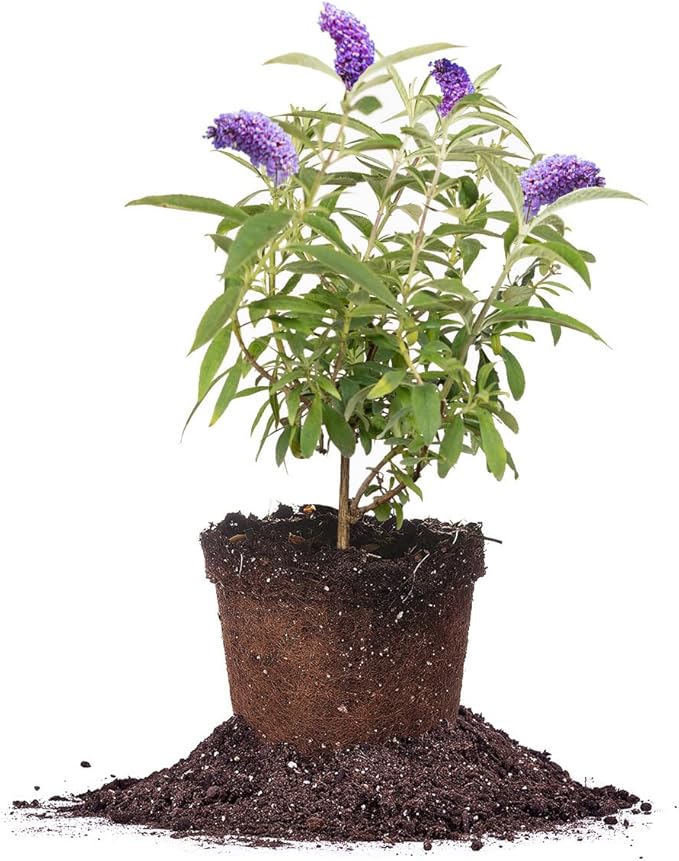
Honey-scented purple flowers are what catch most attention about the Nanho Blue Butterfly Bush Live Plant. Perfect for gardeners in USDA zones 5-9 looking to attract hummingbirds and other pollinators.
Its standout feature is the long blooming period from summer to fall, filling your outdoor space with vibrant color and scent.
Setting it up requires planting promptly when it arrives and watering deeply every day or two for the first two weeks. It prefers full sun and moderate watering afterward.
The shrub will grow between 4 to 6 feet tall and shows seasonal changes by dropping leaves in fall, then regrowing in spring. Its heat and drought tolerance make it reliable once your garden’s soil settles around the roots.
It performs well in attracting hummingbirds and bees, making your garden lively on warm days. The plant’s sturdiness against Southern heat is impressive, but in colder zones, it may die back during winter, requiring patience for regrowth. Some mention the need for consistent initial watering as a small challenge, but it’s well worth it for the lasting floral display.
The Nanho Blue Butterfly Bush is praised for its fragrant flowers that successfully attract hummingbirds and other pollinators, brightening outdoor spaces for months. The trade-off is its sensitivity to cold, often dying back in winter and needing spring regrowth, which can test one’s patience.
Gardeners in warmer climates or those who don’t mind seasonal dieback should find this shrub rewarding. Those in colder regions seeking evergreen plants or less maintenance might consider alternatives that stay green year-round or need less initial care.
Pros
- Honey-scented blooms attract hummingbirds
- Heat and drought tolerant once established
- Long blooming period from summer to fall
- Grown and shipped from a Florida family nursery
Cons
- May die back in colder winter zones
- Requires deep watering for first two weeks
| Specification | Details |
|---|---|
| USDA Hardiness Zone | 5 |
| Sunlight Exposure | Full Sun |
| Expected Blooming Period | Summer to Fall |
| Moisture Needs | Moderate Watering |
| Height at Maturity | 4-6 ft |
7. Hummingbird Trumpet Vine Plant Seeds

Hummingbird Trumpet Vine Plant Seeds are perfect for anyone wanting to bring hummingbirds into their outdoor space. Its biggest draw is the vibrant, trumpet-shaped flowers that not only look fantastic but consistently attract hummingbirds throughout the growing season.
Planting these seeds outdoors in sandy soil during summer is straightforward. They need full sun and moderate watering to thrive. Once established, the plant blooms from mid-summer through fall, offering a long season of color and bird activity without demanding constant care.
Performance-wise, the flowers effectively attract hummingbirds while filling the garden with a pleasant fragrance. The vine’s prolonged blooming period keeps the garden lively for months. Some notes mention that it requires full sun and can be a bit particular about soil type, so location matters for best results.
Many appreciate how this trumpet vine continuously draws hummingbirds over several months while adding color and scent to the garden. Some struggle with finding a sunny, sandy spot, as the plant’s needs can restrict suitable locations and impact success.
Anyone with a sunny outdoor space and sandy soil will enjoy the hummingbird visits and long bloom time. Gardeners lacking these conditions or wanting a more adaptable plant might want to look for other options.
Pros
- Attracts hummingbirds reliably throughout blooming season
- Long flowering period from mid-summer to fall
- Deep orange to salmon-red eye-catching flowers
- Fragrant blooms add sensory appeal
Cons
- Requires full sun for best growth
- Prefers sandy soil, limiting some garden types
| Specification | Details |
|---|---|
| Expected Blooming Period | Summer |
| Sunlight Exposure | Full Sun |
| Expected Planting Period | Summer |
| Soil Type | Sandy Soil |
| Moisture Needs | Moderate Watering |
8. Wildflower Seeds Mix for Hummingbirds and Butterflies

Trying to attract hummingbirds and butterflies to your garden can be tricky, especially when you want a variety of flowers that bloom reliably. Wildflower Seeds Mix for Hummingbirds and Butterflies suits anyone wanting a colorful, lively garden with a mix of annuals, perennials, and biennials.
Its strongest point is the high germination rate, ensuring most seeds actually grow.
Planting the seeds in spring or summer under full sun is straightforward and rewarding. The mix requires outdoor space since these wildflowers can reach up to 48 inches tall.
Watching the variety grow through 35 to 75 days, you’ll notice many species sprouting thanks to the fresh, 99% pure live seed mix. Having no fillers means you get mostly what you plant, which reduces wasted effort.
The mix performs well by attracting not just hummingbirds but a range of pollinators like butterflies, bumblebees, and ladybugs, which helps keep the garden lively. The seeds are tested for quality, so they sprout reliably. The overall build is natural and perennial-friendly.
Some users mention the delay in blooming for certain plants, but most praise the vibrant flowers and garden vitality.
The seed mix reliably produces vibrant flowers that bring a variety of pollinators to the garden, praised for its high germination rate and pure seed quality. The most frequent downside is that some plants need patience as they take longer to bloom, which can be a dealbreaker if immediate results are desired.
Anyone wanting a natural, colorful garden teeming with hummingbirds and pollinators will find this mix suitable. Those with limited outdoor space or shade-covered gardens might want to consider other options that thrive in less sunny conditions or indoors.
Pros
- Includes 24 annual, perennial, and biennial plants
- High germination rate ensures strong growth
- Attracts multiple pollinators beyond hummingbirds
- 99% pure live seed with no fillers
Cons
- Some flowers take longer to bloom
- Requires full sun and outdoor space only
| Specification | Details |
|---|---|
| Expected Blooming Period | 35-75 days |
| Sunlight Exposure | Full Sun |
| Expected Plant Height | 48 inches |
| Expected Planting Period | Spring and Summer |
| Indoor/Outdoor Usage | Outdoor |
9. Agastache Seeds Hummingbird Mint Herb

Attracting pollinators is the main strength of these Agastache Seeds for outdoor planting, ideal for those looking to welcome hummingbirds to their garden. Perfect for sunny spots that can handle sandy soil, this perennial herb is a natural option for outdoor growing enthusiasts who want moderate watering needs.
Starting the seeds requires full sun exposure and well-drained sandy soil, which suits many outdoor garden beds or large pots. It thrives without demanding frequent watering, making it manageable for folks who want a lively garden without constant maintenance. The hummingbird mint herb’s perennial nature means it comes back year after year, offering lasting enjoyment.
It successfully attracts hummingbirds and other pollinators, living up to its intended purpose. The plant grows robustly in the right conditions, though some may find its need for full sun and sandy soil limiting for certain garden spaces.
Reviews often mention its effectiveness with hummingbird visits as a highlight, while others note challenges in environments that don’t meet its sunlight or soil preferences.
The plant is praised for frequently attracting hummingbirds as advertised, making it a lively addition to outdoor gardens. The most common issue highlighted is the requirement for specific full sun and sandy soil conditions that not all gardens can provide.
Gardeners with sunny locations and sandy soil will find it a rewarding choice to invite hummingbirds. Those with shaded areas or heavier soil types might consider options better suited to their environment.
Pros
- Attracts hummingbirds and other pollinators
- Non-GMO heirloom seed variety
- Perennial plant returns yearly
- Requires only moderate watering
Cons
- Needs full sun to thrive
- Prefers sandy soil, limiting some gardens
| Specification | Details |
|---|---|
| Indoor Outdoor Usage | Outdoor |
| Sunlight Exposure | Full Sun |
| Soil Type | Sandy Soil |
| Moisture Needs | Moderate Watering |
10. Wildflower Seeds Butterfly Hummingbird Mix

Gardeners looking to attract hummingbirds and butterflies will find a versatile mix that provides varied blooms throughout the warmer months. It stands out for the diverse combination of 15 non-GMO wildflower varieties designed to last from spring until frost, offering long-lasting color and pollinator appeal.
Preparing to grow these seeds involves planting them in a sunny spot where they can soak up full sun daily. The mix includes over 5000 seeds spread across five packets, which makes it easy to cultivate a generous patch of flowers at once. High germination rates mean most seeds sprout well when given the right conditions.
Regular watering and patience are key to seeing flowers bloom continuously through the growing season.
Multiple wildflower types ensure hummingbirds find plenty to visit, so the main job of attracting pollinators is well covered. The heirloom seeds remain true to their type, producing a rich pallet of colors and flower shapes.
One common downside is the need for full sun, which might limit placement options in shadier gardens. Reviewers appreciate how vibrant and easy it is to grow but sometimes mention slower growth with insufficient sun.
Vibrant and diverse flowers succeed in attracting hummingbirds consistently, highlighting the mix’s strength in creating a lively outdoor habitat. A noticeable drawback is the necessity for full sun to ensure quick and prolific germination, which limits suitable planting locations in shaded gardens.
Gardeners with sunny outdoor spaces seeking seasonal color and pollinator activity will appreciate this seed mix. Those with shade-dominant yards or looking for instant blooms might want to explore alternative products that fit low-light environments or offer faster flowering options.
Pros
- Includes 15 different wildflower varieties
- Over 5000 seeds spread across multiple packets
- Non-GMO heirloom seed mix for garden authenticity
- Blooming lasts from spring until frost
Cons
- Requires full sun for best growth
- Slower germination in less optimal conditions
| Specification | Details |
|---|---|
| Varieties Included | 15 (Sunflower, Zinnia, Cosmos, Orchid, etc.) |
| Seed Count | 5000+ seeds (5 packets in 1 bag) |
| Seed Type | Non-GMO heirloom seeds |
| Blooming Period | Spring to Fall |
| Sunlight Exposure | Full Sun |
| Germination Rate | High |
11. Hummingbird Trumpet Vine Seeds

Hummingbird Trumpet Vine Seeds suit gardeners wanting a fast-growing vine to attract hummingbirds and butterflies to outdoor spaces. Its biggest strength lies in producing bright orange-red tubular blooms that bring wildlife to patios, fences, and trellises with minimal effort.
Starting these seeds in spring requires planting them outdoors in well-drained, rich organic soil with regular watering initially. The vine thrives in full sun to partial shade, and once established, it tolerates drought. Its climbing habit makes it easy to train over fences or pergolas, instantly adding vertical interest and natural privacy to gardens.
These vines grow rapidly, covering up to 30 feet, which makes them excellent for screening and decoration. The blooms reliably attract hummingbirds and butterflies between June and September. Praises focus on how quickly it fills space and appeals to pollinators.
Some mention occasional difficulty in seed germination as a drawback.
The vine quickly covers fences and attracts plenty of hummingbirds during summer and fall. Many note that while the blooms are vivid and abundant, seed germination can be uneven and slower than expected. Regular watering during early growth stages is important to get it off to a strong start.
Those wanting a wildlife-friendly, vertical plant that grows quickly will appreciate these seeds. Gardeners seeking fast coverage and color over fences or walls will be happy with the results. Those needing something to bloom in shadier spots or indoors might want to consider other options.
Pros
- Generous seed count for large garden coverage
- Fast-growing climber adapts to vertical spaces
- Bright blooms attract hummingbirds and butterflies
- Drought tolerant once mature
Cons
- Some seeds may be slow or hard to germinate
- Requires full sun to partial shade for best growth
| Specification | Details |
|---|---|
| Expected Plant Height | 30 feet |
| Expected Blooming Period | Summer To Fall (June Through September) |
| Sunlight Exposure | Full Sun To Partial Shade |
| Soil Type | Well-drained, Loamy, Rich Organic Soil |
| Moisture Needs | Medium – Regular Watering During Establishment, Drought Tolerant Once Mature |
| USDA Hardiness Zone | 4-9 |
12. Turks Cap Live Plant

Turks Cap Live Plant is perfect for gardeners aiming to attract hummingbirds with vibrant red blooms. It thrives in full sun to shaded areas, blooming continuously from summer to frost. Its standout feature is the unique turban-shaped flowers that hummingbirds love, making it a great pick for outdoor spaces in USDA zones 7-11.
Planting comes with an option of a 1 or 3 gallon pot, all grown container-style with well-rooted care, so it adapts quickly to your garden spot. The plant prefers medium moisture and well-draining soil.
It’s easy to place in partial shade or even full sun. Letting it rest a few days after delivery helps it settle before planting in spring or fall.
The plant naturally attracts hummingbirds with its specially shaped blooms that don’t open flat, keeping the birds coming back all summer. It dies back in cold winters but regrows each spring from its roots, lasting for years. The strong points are its long blooming in part shade and resilience through seasons; occasional slow start after planting has been noted in some reviews.
Red turban-shaped flowers draw hummingbirds quickly, and the plant blooms reliably through summer until frost. Some find that it requires a short resting period after shipping before settling into the garden fully. It’s a seasonal cycle plant that disappears and returns depending on weather.
Ideal for gardeners in USDA zones 7-11 looking to attract hummingbirds to shaded or sunny spaces. People in colder zones or those wanting year-round greenery should consider other plants that don’t die back in winter.
Pros
- Attracts hummingbirds with unique flower shape
- Blooms all summer to frost in shade or sun
- Comes in 1 or 3 gallon well-rooted pots
- Returns yearly from roots after cold winters
Cons
- Dies back in harsh winters before regrowth
- Needs a few days’ rest after shipping before planting
| Specification | Details |
|---|---|
| Expected Blooming Period | Summer, Fall |
| Sunlight Exposure | Full Sun, Partial Shade, Shade |
| USDA Hardiness Zone | 7-11 |
| Expected Plant Height | 48 inches |
| Soil Type | Well-draining |
| Moisture Needs | Medium |
13. Amethyst Lips Salvia Live Plant

Bright and inviting, the Amethyst Lips Salvia brings color and life to any sunny outdoor space. Perfect for gardeners wanting a vibrant, low-maintenance plant that attracts hummingbirds, bees, and butterflies. Its unique amethyst purple and white flowers catch attention and keep pollinators coming all summer long.
Setting up the plant is straightforward as it arrives fully rooted in a nursery pot, ready to be placed in full sun. It thrives with moderate watering and adapts well to well-drained loamy or sandy soils. Once settled in, it tolerates heat and drought, requiring minimal care throughout the blooming season from spring to early fall.
This salvia performs exceptionally in attracting pollinators thanks to its long-lasting summer blooms and bi-color flowers. The plant grows to about 24 inches tall, making it a charming addition without overwhelming space.
Most praise highlights its drought and deer resistance, although some mention it needs consistent sunlight to avoid poor flowering.
Its bi-color flowers and long blooming period make it a favorite for attracting hummingbirds and butterflies. Common limitations include a strong need for full sun and well-drained soil to stay healthy and bloom well.
Gardeners with sunny outdoor spaces looking for a low-maintenance, pollinator-friendly plant will appreciate its charm. Those with shaded gardens or heavy clay soils might want to consider other options better suited for those conditions.
Pros
- Attracts hummingbirds and other pollinators
- Unique amethyst purple and white blooms
- Drought and deer-resistant once established
- Long blooming season throughout summer
Cons
- Needs full sun for best flowering
- Requires well-drained soil to prevent root issues
| Specification | Details |
|---|---|
| Expected Blooming Period | Summer |
| Sunlight Exposure | Full Sun |
| Expected Plant Height | 24 inches |
| Moisture Needs | Moderate Watering |
| Soil Type | Loamy, Sandy, Well-drained |
| USDA Hardiness Zone | 7, 8, 9, 10, 11 |
14. Garden Lantana Camara Live Plants

Garden Lantana Camara Live Plants offer a vibrant addition to any outdoor space, perfect for those wanting to attract hummingbirds and butterflies. Their biggest strength lies in strong root development, ensuring healthy growth right from the start and making them ideal for gardens or patios looking for pollinator-friendly plants.
Setting up these plants is straightforward since they come in ready-to-grow 4” pots with sizes ranging from 4” to 8” tall. They thrive best in full sun and need regular watering, fitting well into typical garden routines. Their non-GMO nature and absence of harmful pesticides makes them suitable for eco-conscious gardeners focused on pollinator safety.
Performing well in all US zones, they grow robustly outdoors, often forming a natural barrier while attracting hummingbirds effectively. The careful packaging ensures plants arrive healthy.
While praised for their strong root systems and vibrant flowers, some note they are tender annuals in colder USDA zones, requiring seasonal attention or replanting.
The plants are praised for their strong root growth and bright ability to attract pollinators, making them a lively addition to any outdoor area. Packaging arrives carefully to avoid damage. A common limitation is their sensitivity to colder zones where they need extra care or replacement each year.
Gardeners with sunny spaces who want to boost local pollinator activity will appreciate these plants. Those in harsh winter zones may want to consider hardier perennials or protective measures since these lantanas act more like tender annuals in cold weather.
Pros
- Attracts butterflies and hummingbirds naturally
- Non-GMO with no neonicotinoids
- Strong 10x root development for healthier plants
- Suitable for all US zones
Cons
- Tender annual in Zones 9 and colder
- Requires full sun for best results
| Specification | Details |
|---|---|
| Indoor Outdoor Usage | Outdoor |
| Sunlight Exposure | Full Sun |
| USDA Hardiness Zone | All US Zones |
| Soil Type | Loamy |
| Moisture Needs | Regular Watering |
15. Abutilon Chinese Lantern Live Plant

Abutilon Chinese Lantern Live Plant is built as a live flowering plant designed to brighten gardens and patios with its vibrant bell-shaped flowers. Perfect for those looking to attract hummingbirds, its most impressive feature is its natural ability to bring these birds close due to the nectar-rich tubular blooms.
Setting it up involves placing the plant where it can get partial to full sun and ensuring the soil drains well. Watering needs a balance; the soil should dry slightly between sessions to avoid root rot.
It thrives in warm, frost-free environments and can fit nicely in patio containers or outdoor garden beds. Its manageable size works well in various outdoor spaces, so it’s straightforward to care for on a day-to-day basis.
The plant effectively draws hummingbirds, making any garden more lively and colorful from spring through fall. Lush maple-like leaves support the charming flowers, showing solid natural growth.
The most frequent complaint is about its sensitivity to cold temperatures, which limits where it can survive outdoors, especially in harsher climates. Despite that, it grows steadily and stays healthy with the right sunlight and water balance.
The Chinese Lantern’s standout feature is attracting hummingbirds due to its vivid, nectar-filled blooms and steady growth in warm conditions. Most issues come from its sensitivity to cold temperatures and the need to avoid overwatering, which can easily damage the roots.
Gardeners in USDA zones 9-11 who can provide warm, frost-free conditions and monitor watering will find this plant rewarding and lively. Those in colder climates or unable to maintain its watering needs might want to look for hardier, less sensitive plants.
Pros
- Attracts hummingbirds with nectar-rich flowers
- Thrives in bright indirect to full sun
- Grow your plants confidently with well-established foliage
- Compact size fits well in patios and containers
Cons
- Cannot tolerate frost or cold climates
- Requires careful watering to avoid root rot
| Specification | Details |
|---|---|
| Sunlight Exposure | Partial Sun |
| Expected Blooming Period | Spring to Fall |
| Expected Plant Height | 8 inches |
| USDA Hardiness Zone | 9-11 |
| Soil Type | Potting soil |
| Moisture Needs | Allow soil to dry slightly between waterings |
Best Potted Plants to Attract Hummingbirds Comparison
| Product | Blooming Period | Sunlight Exposure | Height | Special Features |
|---|---|---|---|---|
| Agastache Blue Fortune | Summer to Fall | Full Sun | 36 inches | Live Plant |
| Pineapple Sage Plant | Fall | Full Sun | 2 feet | Extended Bloom Time |
| Ruttya Fruitcosa Bush | Spring to Fall | Full Sun | – | Attracts Hummingbirds |
| Black Knight Butterfly Bush | Summer | Full Sun | – | Attracts Hummingbirds |
| Butterfly Hummingbird Wildflower Mix | Spring to Fall | Full Sun | 4 feet | Reusable |
| Nanho Blue Butterfly Bush | Summer to Fall | Full Sun | – | – |
| Hummingbird Trumpet Vine Seeds | Summer | Full Sun | – | Fragrant |
| Wildflower Hummingbird Butterfly Mix | 35-75 days | Full Sun | 48 inches | High Germination Rate |
| Agastache Hummingbird Mint Seeds | – | Full Sun | – | Attracts Pollinators |
| Butterfly Hummingbird Seed Mix | Spring to Fall | Full Sun | – | High Germination Rate |
| Hummingbird Trumpet Vine Seeds | Summer to Fall | Full Sun to Partial Shade | – | Attracts Hummingbirds |
| Turks Cap Plant | Summer, Fall | Full Sun, Partial Shade, Shade | 48 inches | Attracts Hummingbirds |
| Amethyst Lips Salvia Plant | Summer | Full Sun | – | Hummingbird-friendly |
| Garden Lantana Camara Plant | – | Full Sun | – | Attracts Pollinators |
| Abutilon Chinese Lantern Plant | Spring to Fall | Partial Sun | – | Hummingbird Attracting |
- Blooming PeriodSummer to Fall
- Sunlight ExposureFull Sun
- Height36 inches
- Special FeaturesLive Plant
- Blooming PeriodFall
- Sunlight ExposureFull Sun
- Height2 feet
- Special FeaturesExtended Bloom Time
- Blooming PeriodSpring to Fall
- Sunlight ExposureFull Sun
- Height–
- Special FeaturesAttracts Hummingbirds
- Blooming PeriodSummer
- Sunlight ExposureFull Sun
- Height–
- Special FeaturesAttracts Hummingbirds
- Blooming PeriodSpring to Fall
- Sunlight ExposureFull Sun
- Height4 feet
- Special FeaturesReusable
- Blooming PeriodSummer to Fall
- Sunlight ExposureFull Sun
- Height–
- Special Features–
- Blooming PeriodSummer
- Sunlight ExposureFull Sun
- Height–
- Special FeaturesFragrant
- Blooming Period35-75 days
- Sunlight ExposureFull Sun
- Height48 inches
- Special FeaturesHigh Germination Rate
- Blooming Period–
- Sunlight ExposureFull Sun
- Height–
- Special FeaturesAttracts Pollinators
- Blooming PeriodSpring to Fall
- Sunlight ExposureFull Sun
- Height–
- Special FeaturesHigh Germination Rate
- Blooming PeriodSummer to Fall
- Sunlight ExposureFull Sun to Partial Shade
- Height–
- Special FeaturesAttracts Hummingbirds
- Blooming PeriodSummer, Fall
- Sunlight ExposureFull Sun, Partial Shade, Shade
- Height48 inches
- Special FeaturesAttracts Hummingbirds
- Blooming PeriodSummer
- Sunlight ExposureFull Sun
- Height–
- Special FeaturesHummingbird-friendly
- Blooming Period–
- Sunlight ExposureFull Sun
- Height–
- Special FeaturesAttracts Pollinators
- Blooming PeriodSpring to Fall
- Sunlight ExposurePartial Sun
- Height–
- Special FeaturesHummingbird Attracting
How to Choose the Best Potted Plants for Hummingbirds
Choosing potted plants that attract hummingbirds involves focusing on nectar-rich flowers, bright colors, and plants suited to your climate. Selecting the right size and care needs ensures healthy growth, saving money and reducing maintenance efforts over time.
Plant Species and Flower Type
Some plants with certain flower shapes consistently draw small birds faster than others. Tubular flowers offer easier access to nectar, which is why selecting species with long, narrow blooms works best. The bloom season plays a big role in how often you’ll see activity; plants that flower at different times help keep these birds around from spring through late fall.
Stacking early bloomers with mid and late-season ones ensures a steady food source.
Colors matter too. Shades like deep red, bright orange, and vivid pink naturally catch the eyes of these birds. A mix of these hues in the garden or on a balcony can make a noticeable difference.
Look for plants known for high nectar content since some flowers may look good but have little to offer. Examples include trumpet vine or bee balm, which are commonly preferred for these traits.
Pot Size and Drainage
The health of a potted flowering plant depends largely on space for roots. Smaller pots often stunt growth and reduce flower production, limiting appeal. Choosing a container at least 10-12 inches in diameter gives roots room to spread and feed effectively.
Drainage is a critical detail; any pot without holes leads to standing water, which risks root rot and kills plants faster than drought.
Material affects weight and ease of moving the pot around to better spots. Lightweight plastic or resin pots are easier to handle but usually less insulating.
Clay or ceramic pots offer stability but become heavy when wet. Portability matters if you plan to relocate plants seasonally or clean under and around them. Strong drainage combined with a manageable size makes everyday care less of a chore.
Sunlight and Climate Requirements
Sun exposure varies widely by plant species; picking one that thrives in your available light conditions avoids disappointment. Some of these plants do well in full sun, requiring at least six hours a day, while others tolerate or prefer partial shade. Matching plant type to your space prevents wilting or sparse flowering, which cuts down the chance of seeing small birds visit.
Temperature tolerance is equally important. Certain species handle heat well, others need cooler nights or won’t survive frost. Knowing whether your setting experiences harsh winters or high humidity helps decide if the plants belong indoors or outside.
Indoor plants with bright light can attract these birds near windows, but outdoor placement tends to yield more frequent visits.
Maintenance and Care Needs
Regular watering and soil choice dictate how long flowers last. Avoid using heavy, poorly draining soil, which keeps roots moist too long and promotes disease. Well-draining mixes with organic content maintain consistent moisture without waterlogging.
Practices like pruning spent flowers (deadheading) encourage new blooms and continuous nectar supply.
Many of these plants also require occasional trimming to prevent leggy growth and maintain shape. Some varieties attract pests like aphids or spider mites more than others, so choosing resistant types or being prepared to treat infestations keeps the plants vigorous. Without basic upkeep, flowers become less abundant or stop producing nectar, reducing their attractiveness.
Environmental Impact and Safety
Choosing plants safe for pets and children avoids poisoning risks, especially since curious pets may chew leaves or flowers. Avoid species listed as toxic or known to cause allergies. Also, some non-native plants that look appealing can spread aggressively and disrupt local habitats if they escape pots or gardens.
Opting for native or sustainably propagated plants supports the wider ecosystem, providing familiar food and shelter for local wildlife. This approach benefits not just the birds but also pollinators and soil health.
Checking nursery sources or local cooperative extensions can help identify environmentally aligned options that fit your area.
Tips for Positioning Potted Plants to Maximize Hummingbird Attraction
Placing potted plants where hummingbirds are most likely to notice them increases the chances of visits. Position pots in sunny spots that receive at least 4 to 6 hours of direct sunlight daily, as most hummingbird-attracting plants thrive in sun.
Grouping several plants together creates a small feeding area that draws attention better than isolated pots. Keep pots near natural cover like shrubs or trees to provide a safe resting spot for hummingbirds after feeding. Avoid placing plants near heavy foot traffic or noisy areas, as sudden movement and noise can scare birds away.
Hanging pots or elevated stands can also help by placing flowers at hummingbird eye level, which is usually between 3 and 6 feet off the ground.
Helpful positioning tips:
- Choose bright, sunny locations
- Cluster pots to form a feeding patch
- Provide nearby shelter like bushes or trees
- Avoid busy or noisy areas
- Use hanging containers or stands for better access
Common Care Mistakes to Avoid When Growing Hummingbird-Friendly Plants Indoors
Overwatering is a common mistake that can harm hummingbird-friendly plants kept indoors. Many of these plants prefer moist but well-drained soil; waterlogged roots lead to rot and weaken the plant. Avoid placing pots in drafty areas or near heating vents, as fluctuating temperatures stress plants and reduce flower production.
Using pots without drainage holes results in stagnant water and root damage. Proper lighting is essential, insufficient sunlight indoors can cause plants to grow leggy or stop blooming altogether, reducing their appeal to hummingbirds.
Regularly clean leaves and remove dead flowers to encourage healthy growth. Mistakes like ignoring these factors often lead to plants that struggle to thrive and attract hummingbirds.
Key care points to remember:
- Water only when top inch of soil feels dry
- Ensure good drainage with proper pots
- Keep plants away from drafts and heat sources
- Provide bright, indirect sunlight
- Maintain cleanliness by removing dead foliage
People Also Asked
How Do I Care for Potted Plants That Attract Hummingbirds?
Keep the soil consistently moist but not waterlogged. These plants usually thrive in partial to full sun. Check the water level daily during hot spells and use a pot with drainage holes to avoid root rot.
What Size Pot Is Ideal for Hummingbird-Friendly Plants?
A pot 10 to 14 inches in diameter works well for most hummingbird-attracting plants. It gives roots enough room to grow while being manageable to move. Make sure it has good drainage to prevent soggy soil.
Are Hummingbird-Attracting Plants Safe for Pets and Children?
Many common hummingbird plants like salvia and bee balm are non-toxic, but some varieties can irritate pets or children. Always check specific plant toxicity online before placing them where kids or pets play.
How Long Do Hummingbird-Attracting Potted Plants Typically Live?
Potted hummingbird plants often live two to three seasons with proper care. Regular pruning helps keep them healthy and encourages more blooms, which attract more hummingbirds.
What Common Problems Should I Watch for with These Plants?
Watch out for aphids and powdery mildew, which can affect these plants. Inspect leaves regularly and remove any damaged parts. Good airflow and avoiding overhead watering can reduce disease risk.
Conclusion
Choosing potted plants that attract hummingbirds depends mostly on the flowers’ color, nectar availability, and bloom time. Bright reds and tubular shapes tend to draw these birds more. Also, consider plants that flower across seasons to keep your feeders busy for longer.
Pick plants that fit your space and how often you want to maintain them, some need more watering and care than others. Check the comparison table and detailed picks above to find options that suit your garden size and schedule.
This will help you enjoy hummingbirds without extra hassle.