Top 15 Best Plants to Attract Hummingbirds Fast & Easy!
Many gardeners trying to welcome hummingbirds quickly learn that not all flowering plants serve the purpose well. The best plants to attract hummingbirds usually produce plenty of nectar and have tubular blossoms that fit the birds’ feeding style. Without the right choices, a garden might see few or no hummingbirds at all, leaving the effort and expense feeling wasted.
Plants that stand out for attracting hummingbirds share certain traits. Bright red, orange, or pink tubular flowers tend to be most effective. Size matters too; flowers around 1.5 to 2 inches long fit hummingbird beaks perfectly.
Native species support local hummingbirds better, offering familiar food and sometimes better resistance to pests. Maintenance is simple since these plants thrive in conditions common in many backyards, like full sun and well-drained soil.
Need a Quick Check?
| Image | Product | Price |
|---|---|---|
Our Top Picks 1  | Wildflower Butterfly Mix | Check Price |
Our Top Picks 2  | Blue Fortune Hummingbird Mint | Check Price |
Our Top Picks 3  | Ruttya Hummingbird Bush | Check Price |
Our Selected Top 15 Plants to Attract Hummingbirds for Different Needs
This list features a variety of plants known for attracting hummingbirds, each reviewed for their growth habits, flower appeal, and suitability for different garden conditions. Readers will learn how each plant performs, its ideal environment, and the advantages and drawbacks to consider before planting.
1. Wildflower Seeds Butterfly and Hummingbird Mix
Wildflower Seeds Butterfly and Hummingbird Mix offers a generous quantity of seeds designed to cover a large area and attract hummingbirds and butterflies. Great for gardeners who want to turn about 100 square feet into a lively, colorful space with minimal fuss. Its key strength lies in the sheer volume and freshness of the seeds.
Opening the resealable packet and spreading the seeds is straightforward, accompanied by clear planting instructions. The mix is suitable for most soil types, making setup simple and accessible for varied garden conditions. Moderate watering and full sun exposure are needed, so maintenance fits well with typical garden routines.
The plant height of up to 4 feet provides substantial visual interest throughout the growing season.
The seeds tend to sprout reliably thanks to their freshness, making it easier to grow a dense wildflower patch. This blend thrives from spring through fall, providing continuous attraction for hummingbirds and butterflies.
The premium packaging with a reusable zipper helps preserve seed quality between uses. Long-lasting blooms are a highlight, but occasional thinning may be necessary due to the dense growth of the mix.
The freshness of the seeds leads to strong germination, creating a vibrant wildflower area that attracts hummingbirds effectively. However, the dense growth typical of this mix means some thinning is needed to keep plants healthy and manageable. The reusable packet ensures seeds stay fresh over time, adding convenience.
Gardeners looking for a straightforward way to plant a substantial, colorful wildflower area will appreciate this mix for its ease of use and broad coverage. Those wanting very low-maintenance or small-scale planting might prefer smaller seed packets or different species selections.
Pros
- Large quantity covers 100 square feet
- High germination rates for reliable growth
- Adaptable to most soil types
- Reusable packaging with clear instructions
Cons
- May require thinning due to dense growth
- Needs consistent moderate watering
| Specification | Details |
|---|---|
| Expected Blooming Period | Spring to Fall |
| Sunlight Exposure | Full Sun |
| Expected Plant Height | 4 feet |
| Soil Type | Adaptable to most soils |
| Moisture Needs | Moderate Watering |
| Packet Size | 1 ounce (over 7,500 seeds) |
2. Hummingbird Mint (Agastache) Blue Fortune Perennial
Deep Roots’ Hummingbird Mint Blue Fortune offers vibrant lavender-blue blooms that attract hummingbirds from midsummer through fall. Ideal for gardeners in USDA Zones 5–9 who want a colorful, low-maintenance plant that brings life to their outdoor space while resisting deer and supporting pollinators.
Planted in full sun with well-drained soil, this perennial grows up to 36 inches tall and spreads about 24 inches wide. Moderate watering and occasional care keep it thriving. Its drought tolerance after establishing means less frequent attention.
The fragrant foliage adds a pleasant scent and helps keep deer away, making it easier to maintain in a typical garden setting.
The plant’s long-lasting blooms provide continuous color, successfully attracting hummingbirds throughout the season. Built to withstand various weather conditions in zones 5 through 9, it meets expectations for durability and garden performance. A common note is that it requires well-draining soil to avoid issues, but it otherwise keeps up well with garden needs.
Abundant flowering and vibrant color make this plant a highlight in any sunny garden, but it does require well-drained soil to avoid problems. Its drought tolerance is a nice advantage, though it still needs moderate watering until rooted well.
Gardeners looking for a colorful, reliable perennial that invites hummingbirds and keeps deer at bay will find this plant a good fit. Those with heavy, poorly draining soil might want to consider alternatives better suited to wet conditions.
Pros
- Long-lasting lavender-blue blooms
- Deer-resistant fragrant foliage
- Drought tolerant once established
- Attracts beneficial pollinators
Cons
- Needs well-drained soil to thrive
- Moderate watering required initially
| Specification | Details |
|---|---|
| USDA Hardiness Zone | 5-9 |
| Expected Plant Height | 36 inches |
| Sunlight Exposure | Full Sun |
| Soil Type | Well draining soil |
| Moisture Needs | Moderate Watering |
3. Hummingbird Bush Ruttya Fruitcosa Live Plant
Bright orange flowers bring a lively splash of color to tropical gardens and attract hummingbirds almost constantly. Perfect for gardeners wanting a tall, vibrant bush that blooms for many months. Its standout feature is the nearly year-round display of nectar-rich, bird-shaped flowers that hummingbirds find irresistible.
Planting requires fertile, well-draining soil and full sun exposure, or a spot with very light shade to keep it thriving. Routine moderate watering keeps it healthy without trouble.
The bush grows quickly and reaches about 6 feet tall, so it needs enough space and support as it develops. Once established, it fits nicely in butterfly and hummingbird gardens by providing constant food sources.
It performs well as a hummingbird magnet with flowers appearing from spring through fall. The heat tolerance suits warmer climates in USDA zones 9 to 11. Construction is natural, so durability depends on proper soil and watering care.
The most praised aspect is its vibrant, long-lasting blooms. The biggest limitation is the need for sunny locations and well-draining soil, which might restrict placement options.
Flowers bloom almost continuously from spring to fall, providing a vibrant food source for hummingbirds. Most common drawback involves needing specific planting conditions like full sun and well-draining fertile soil to thrive well.
Gardeners in USDA zones 9 to 11 looking for a colorful, hummingbird-friendly bush will enjoy this plant. Those with limited sun exposure or rocky, poorly draining soil might prefer a different species better suited to their environment.
Pros
- Nearly year-round blooming period
- Bright orange, nectar-rich flowers
- Attracts hummingbirds and pollinators
- Heat tolerant tropical plant
Cons
- Needs full sun or very light shade
- Requires well-draining, fertile soil
| Specification | Details |
|---|---|
| Expected Blooming Period | Spring to Fall |
| Sunlight Exposure | Full Sun |
| Expected Plant Height | 6 feet |
| USDA Hardiness Zone | 9, 10, 11 |
| Soil Type | Fertile Well-Draining |
| Moisture Needs | Moderate Watering |
4. Pineapple Sage Live Plant

Perfect for gardeners aiming to attract hummingbirds, this Pineapple Sage Live Plant delivers a long bloom period and organic growth. It’s ideal for outdoor spaces with full sun, bringing vibrant color during fall and standing around two feet tall for noticeable garden interest.
Planting fits best in sandy soil that drains well, with moderate watering to keep it thriving. It’s suited to outdoor areas where sunlight is abundant.
Watching hummingbirds visit the bright red flowers throughout the fall makes maintaining this plant rewarding. The solid organic nature promises a natural approach to wildlife gardening.
The extended bloom time sets it apart by offering hummingbirds longer access to nectar feeders in your yard. Construction-wise, it is sturdy for a living plant and holds up well through the season.
One highlight from reviews is how it attracts hummingbirds persistently, while the main downside points to needing sandy soil, which may limit placement options for some.
Attracting hummingbirds effectively is the standout feature, with blooms lasting longer than many similar plants. Limited to sandy soil types, it demands some attention to planting location to flourish properly.
People with suitable outdoor spaces and sandy soil will find it rewarding. Gardeners lacking these conditions or wanting blooms outside of fall might consider alternative plants better matched to their gardens.
Pros
- Organic growth supports natural gardening
- Long bloom period attracts hummingbirds well
- Compact height fits many garden spaces
- Thrives in full sun with moderate water
Cons
- Requires specific sandy soil for best growth
- Only blooms during the fall season
| Specification | Details |
|---|---|
| Indoor Outdoor Usage | Outdoor |
| Extended Bloom Time | Yes |
| Expected Blooming Period | Fall |
| Sunlight Exposure | Full Sun |
| Expected Plant Height | 2 feet |
| Soil Type | Sandy Soil |
| Moisture Needs | Moderate Watering |
5. Seed Needs Flower Seeds Hummingbird and Butterfly Mix

Wildflower seeds combining annuals and perennials form a diverse mix aimed at attracting hummingbirds and butterflies. Ideal for outdoor gardens in various USDA hardiness zones, it suits gardeners looking to add color and wildlife to their space. Its biggest strength lies in the variety of flowers that bloom from summer to fall, filling the garden with vibrant colors.
Planting requires preparing an average soil area with full sun exposure. Seeds are best sown in spring and need daily watering for consistent growth.
The mix includes species like snapdragons, cosmos, butterfly milkweed, and scarlet salvia, which together maintain interest throughout the warmer seasons with steady blooms.
The flower mix reliably attracts pollinators, especially hummingbirds and butterflies, providing a lively garden atmosphere. Seed quality supports germination across a wide range of climates (zones 1 to 10).
Some concerns arise from the daily watering requirement and the need for sunlight, which means less suitability in shaded or drought-prone areas.
The mix is praised for bringing a steady stream of pollinators and striking colors through the summer and fall. A common drawback is its need for daily watering, which might be too demanding for some garden routines.
Gardeners with sunny spots willing to keep up with watering will enjoy a vibrant, lively garden. Those with less consistent watering habits or shaded gardens should consider options better suited to lower maintenance or different light conditions.
Pros
- Wide variety of flower colors and species
- Attracts both hummingbirds and butterflies
- Suitable for a large range of climates
- Includes both annual and perennial seeds
Cons
- Requires daily watering to thrive
- Needs full sun, limiting shady garden use
| Specification | Details |
|---|---|
| Sunlight Exposure | Full Sun |
| Moisture Needs | Water Daily |
| Expected Blooming Period | Summer to Fall |
| USDA Hardiness Zone | 1,2,3,4,5,6,7,8,9,10 |
| Expected Plant Height | 36 inches |
| Soil Type | Average |
6. Burpee Wildflower Seeds Hummingbird and Butterfly Mix

Bright and varied wildflowers draw hummingbirds and butterflies easily to any garden. Suited for outdoor spaces with full sun, this mix covers a wide area and feeds pollinators through multiple seasons.
Its biggest strength comes from offering 18 different flower types that bloom from spring until frost.
Planting requires picking a sunny spot free from frost risk, then scattering the easy-to-sow seeds across up to 1,000 square feet. Moderate watering keeps seeds moist without much fuss.
Over time, the mix grows into a colorful display of annual and perennial wildflowers reaching about 65 centimeters tall.
Flowers reliably attract hummingbirds and butterflies, ensuring plenty of garden visitors all season long. The seeds are non-GMO and certified organic, appealing to gardeners who value natural cultivation. Some mention uneven germination as a downside, but the range of blooms typically compensates with variety and extended flowering.
The blend succeeds in attracting a variety of pollinators with abundant blooms lasting into fall. Uneven germination appears as the main concern, sometimes leading to patchy flower growth. Most find the diversity makes up for this issue over the growing season.
Gardeners wanting a natural, long-lasting pollinator garden in sunny spots will appreciate the range and coverage. Those with shady yards or inconsistent watering schedules might want to look for alternatives better suited to lower light or drought tolerance.
Pros
- Covers large garden areas with one bag
- Blooms attract hummingbirds and butterflies reliably
- Contains a mix of 18 diverse wildflower varieties
- Non-GMO and certified organic seeds
Cons
- Some seeds may have uneven germination rates
- Requires full sun and moderate watering consistently
| Specification | Details |
|---|---|
| Sunlight Exposure | Full Sun |
| Expected Plant Height | 65 centimeters |
| Blooming Period | Spring to Fall |
| Moisture Needs | Moderate Watering |
| Seed Coverage | Up to 1,000 square feet |
| Seed Type | Non-GMO, Certified Organic, Heirloom |
7. Hummingbird Butterfly Wildflower Seed Mix

Packaged with over 7,500 seeds, this 1 ounce mix covers a large 100 square foot area with ease, perfect for gardeners wanting to attract hummingbirds and butterflies alike. Its biggest strength lies in offering a colorful, nectar-rich variety that supports pollinators while bringing vivid blooms throughout the season.
Planting the wildflower seeds is straightforward and suited for borders or wildflower zones. Just scatter across your chosen patch without needing specialized soil conditions.
The variety contained in the mix ensures continual blooms so you can enjoy watching the visitors all season long. You won’t have to worry about adding fertilizers or special treatments once it’s established.
The mix performs well by bringing in hummingbirds and butterflies as intended, creating a lively and eco-friendly garden space. The seed packet is a good size for those with medium garden spaces.
One noted drawback is some gardener’s concern about the mix taking time to fully establish, requiring patience before you see the full effect.
Many find the large quantity of seeds and continuous blooming valuable for attracting pollinators, while the most common complaint centers around the patience required for the seeds to fully grow and flower. This is not an instant garden solution but a seasonal project.
Gardeners looking to create a vibrant habitat that favors hummingbirds and butterflies will appreciate this mix. Those expecting immediate results or working with very small spaces might need to consider alternatives offering quicker flowering or smaller seed batches.
Pros
- Generous seed quantity for large coverage
- Attracts both hummingbirds and butterflies
- Colorful, nectar-rich blooms throughout season
- Easy to scatter in garden borders or wildflower areas
Cons
- May take time to fully establish and bloom
- Limited to 1 ounce, suitable for moderate plots
| Specification | Details |
|---|---|
| Unit Count | 1 Ounce |
| Seed Quantity | Over 7,500 seeds |
| Coverage Area | 100 square feet |
| Plant Type | Wildflower mix for hummingbirds and butterflies |
8. Wildflower Seeds Mix for Hummingbirds and Butterflies

Trying to bring more hummingbirds and butterflies into your garden requires plants that not only survive but thrive in your local conditions. The Wildflower Seeds Mix for Hummingbirds and Butterflies suits gardeners who want a variety of flowers that attract pollinators while being easy to grow.
Its biggest strength lies in offering fresh seeds with a high germination rate.
Planting is straightforward in spring or summer when the soil warms enough for the seeds to sprout reliably. The flower mix grows best in full sun, so positioning the garden plot where it gets ample daylight makes sense. Expect blooms to appear in about 35 to 75 days, and plants can reach up to 48 inches tall, making them a noticeable addition.
No special indoor care is needed as this mix is intended for outdoor use.
These wildflowers fulfill their main purpose by attracting hummingbirds, butterflies, and other pollinators, bringing life to the garden. Their construction as seed packets with 24 different annual, perennial, and biennial plants offers a good balance of variety and consistent growth.
The strongest praise in reviews points to the high germination rate and purity of seeds, while the most common complaint involves variability in blooming times among the different species.
High germination and seed purity mean most seeds sprout successfully, making the garden lively with pollinators. Some flowers bloom earlier than others, which can cause uneven flowering times but keeps the garden colorful over longer periods.
People who want a diverse, natural pollinator garden and have space for big outdoor plants will enjoy this seed mix. Those needing uniform bloom times or plants suited to shady spots might want to consider different options.
Pros
- High germination rate ensures strong plant growth
- Includes 24 types of flowering plants
- Attracts various pollinators beyond hummingbirds
- Seeds are 99% pure with no fillers
Cons
- Blooming periods vary between plants
- Requires full sun for optimal growth
| Specification | Details |
|---|---|
| Expected Blooming Period | 35-75 days |
| Sunlight Exposure | Full Sun |
| Planting Period | Spring and Summer |
| Expected Plant Height | 48 inches |
| Seed Purity | 99% pure live seed |
| Indoor/Outdoor Usage | Outdoor |
9. Hummingbird Trumpet Vine Seeds Non-GMO

Attracting hummingbirds with colorful, trumpet-shaped flowers is the standout feature of the Hummingbird Trumpet Vine Seeds Non-GMO. Ideal for gardeners aiming to bring hummingbirds to their outdoor spaces, these seeds produce vibrant deep orange to salmon-red blooms that last from mid-summer through fall.
Starting the seeds requires planting them outdoors in sandy soil during summer with moderate watering. The plant thrives in full sun and creates fragrant flowers, making daily garden care straightforward. Watching the vine grow and bloom over the season turns gardening into a lively experience as hummingbirds come closer to enjoy the nectar-rich blossoms.
The vine reliably attracts hummingbirds during its longer blooming period, adding continuous color to any garden. Plant structure is hearty enough for outdoor use, with flowers that stand out visually and offer fragrance. A common drawback is the need for consistent full sun and specific soil types, which means it won’t thrive in all environments.
The deep orange to salmon-red trumpet flowers consistently bring hummingbirds to the garden through a prolonged blooming season. Gardeners appreciate the fragrant blossoms and garden appeal, though some find the strict need for full sun and sandy soil limits planting options.
Gardeners with sunny, sandy outdoor spaces will find this plant adds both color and wildlife attraction. Those with shaded or moist gardens should explore alternatives better suited to different light and soil conditions.
Pros
- Attracts hummingbirds effectively
- Long blooming period from mid-summer to fall
- Fragrant, eye-catching trumpet-shaped flowers
- Suitable for outdoor sandy soil gardens
Cons
- Requires full sun exposure to thrive
- Limited to moderate watering, can’t tolerate excess moisture
| Specification | Details |
|---|---|
| Outdoor Usage | Outdoor |
| Blooming Period | Summer |
| Sunlight Exposure | Full Sun |
| Soil Type | Sandy Soil |
| Moisture Needs | Moderate Watering |
10. Dark Red Hummingbird Trumpet Vine Seeds

Gardeners looking to attract hummingbirds with a vibrant, flowering vine will enjoy growing these Dark Red Hummingbird Trumpet Vine Seeds. Their biggest strength lies in producing scarlet trumpet-shaped blooms on very tall vines, perfect for outdoor spaces needing a splash of summer color and hummingbird activity.
Starting these seeds requires following the detailed sowing instructions included in the packet. Since the plant thrives in full sun and loam soil with moderate watering, planting in summer ensures the best growth.
The vine can grow up to 40 feet, so choose a location that accommodates its size and provides ample space for climbing. Low maintenance care makes everyday tending straightforward.
Expect a high germination rate, which means most seeds will sprout successfully. The main job, attracting hummingbirds, is fulfilled well due to the showy scarlet blooms appearing throughout summer. The vine’s strong growth habit allows it to cover large areas quickly.
One common downside is the need for plenty of sun and space, which might limit some garden setups.
Strong sprouting thanks to high seed germination gets the vine off to a quick start, but it demands full sun and ample room to grow, which not all outdoor spaces can provide. The scarlet blooms consistently attract hummingbirds, offering reliable summer interest.
Gardeners with sunny, spacious gardens seeking to draw hummingbirds will appreciate this vine’s growth and color. Avoid smaller or shadier yards where the plant cannot reach its full height or flower as well.
Pros
- High germination rate ensures strong sprouting
- Attracts hummingbirds with vivid scarlet blooms
- Easy to grow with low maintenance needs
- Detailed planting guide included in packet
Cons
- Requires large space due to vine’s height
- Needs full sun, limiting shady garden areas
| Specification | Details |
|---|---|
| Expected Plant Height | 40 feet |
| Expected Blooming Period | Summer |
| Sunlight Exposure | Full Sun |
| Moisture Needs | Moderate Watering |
| USDA Hardiness Zone | 4-9 |
11. Agastache Hummingbird Mint Seeds Non-GMO

Agastache Hummingbird Mint Seeds stand out because they attract hummingbirds naturally while being non-GMO and heirloom. Perfect for gardeners wanting an outdoor perennial that supports pollinators and thrives in full sun. Its biggest strength lies in drawing hummingbirds, making it ideal for anyone keen to bring these delicate birds close to their garden.
Seeds require planting outdoors in sandy soil with moderate watering. Placement in an area receiving full sun is important to help the plant grow well.
Growing the hummingbird mint is straightforward once these conditions are met, letting you watch the plants flourish and the hummingbirds arrive. You’ll mainly spend time making sure moisture levels stay consistent without overwatering.
The plant attracts hummingbirds very effectively and grows as a hardy perennial outdoors. Reviews often praise it for bringing a lot of bird activity and being relatively easy to maintain with moderate watering. One common drawback mentioned is that it needs consistent full sun and the right soil, or it may not thrive as well as expected.
The seeds produce strong plants when cared for properly.
The plant draws many hummingbirds as promised and grows strong with sun and water, but struggles in less than ideal conditions. Regular moderate watering and sandy soil make a big difference in successful growth and hummingbird visits.
Anyone with a sunny spot and willingness to water moderately will enjoy attracting hummingbirds with this perennial mint. Those with shadier or wetter soil might want to consider plants that tolerate such environments better.
Pros
- Attracts hummingbirds and other pollinators
- Non-GMO, heirloom seeds
- Perennial plant, returns yearly
- Works well in full sun and sandy soil
Cons
- Requires consistent full sun for best growth
- Needs moderate watering, not drought-tolerant
| Specification | Details |
|---|---|
| Indoor Outdoor Usage | Outdoor |
| Sunlight Exposure | Full Sun |
| Soil Type | Sandy Soil |
| Moisture Needs | Moderate Watering |
12. Earth Science Butterfly and Hummingbird Seed Blend

Earth Science Butterfly and Hummingbird Seed Blend offers a colorful variety of wildflowers ideal for anyone wanting to attract hummingbirds and other pollinators. Its biggest strength lies in the wide range of flowers that bloom from spring to fall, bringing vibrant life to gardens big or small.
Planting the seeds requires a sunny outdoor spot and moderate watering to get the best results. The 4oz pack is enough to cover about 1,500 square feet, making it suitable for large garden spaces or meadows.
With over 40,000 seeds, it provides plenty of flowers like Purple Cone Flowers, Cosmos, and Black-Eyed Susans that keep your garden lively over several months.
Flowers reliably bloom throughout the growing season and attract a variety of pollinators including hummingbirds, butterflies, and bees. Plants perform well in USDA zones 4 through 9, handling moderate moisture without trouble. One common compliment praises how diverse and colorful the blooms are, while some mention patience is needed as the flowers take time to fully develop and spread.
The seed blend provides vibrant, diverse flowers that attract many pollinators over a long blooming season. It may take some patience as the plants need time to grow and fill out after sowing. Proper sunlight and watering are important to see good results.
Anyone with enough outdoor space seeking a natural, colorful garden habitat for hummingbirds and butterflies will be happy with this blend. Those with smaller or shadier spaces should consider alternatives suited to low light or container planting.
Pros
- Wide variety of flowers for extended bloom time
- Attracts hummingbirds, butterflies, and bees
- Covers large garden area with one pack
- Works outdoors in a wide range of USDA zones
Cons
- Flowers take time to fully develop and spread
- Requires consistent moderate watering and full sun
| Specification | Details |
|---|---|
| Expected Blooming Period | Spring to Fall |
| Sunlight Exposure | Full Sun |
| USDA Hardiness Zone | 4, 5, 6, 7, 8, 9 |
| Moisture Needs | Moderate Watering |
| Coverage Area | Approx. 1,500 square feet |
| Seed Count | Over 40,000 seeds |
13. Red Cardinal Flower Lobelia Cardinalis Seeds

Bright red flowers create a striking splash of color that naturally draws hummingbirds and butterflies. Great for garden lovers living in warmer zones, it thrives best in full sun and sandy soil, making it ideal for outdoor spaces looking to boost pollinator activity from summer into fall.
Planting seeds during summer works well when ensuring regular watering and having a sunny spot ready. Its upright form, reaching about 2 to 4 feet, fits nicely into flower beds without overwhelming other plants. Lance-shaped leaves add an elegant touch while supporting those vibrant blooms over several months.
The main attraction is how vividly it blooms from mid-summer until early fall, standing out when many other flowers are past their prime. It holds up reliably in USDA Zone 9 conditions, showing consistent growth in the right soil and watering care.
Some find the need for steady moisture a bit demanding, but its ornamental appeal makes up for that.
Vibrant red blooms consistently attract pollinators and keep color vivid through late summer and into fall. Regular watering is often needed to keep the plant healthy, which some find demanding, especially in hotter, drier climates.
Gardeners in USDA Zone 9 or similar warm areas looking for long-lasting, bright flowers will appreciate its performance. Those in cooler zones or with less ability to provide steady moisture might want to consider alternatives better suited to their environment.
Pros
- Bright, vibrant red flowers
- Long blooming from mid-summer to fall
- Good for attracting hummingbirds and butterflies
- Compact upright growth fits well in flower beds
Cons
- Requires consistent watering
- Best suited only for warmer USDA zones
| Specification | Details |
|---|---|
| Sunlight Exposure | Full Sun |
| Soil Type | Sandy Soil |
| Expected Blooming Period | Fall, Summer |
| Height and Structure | 2 to 4 feet tall, slender upright |
| USDA Hardiness Zone | 9 |
| Moisture Needs | Regular Watering |
14. Perfect Plants Nanho Blue Butterfly Bush
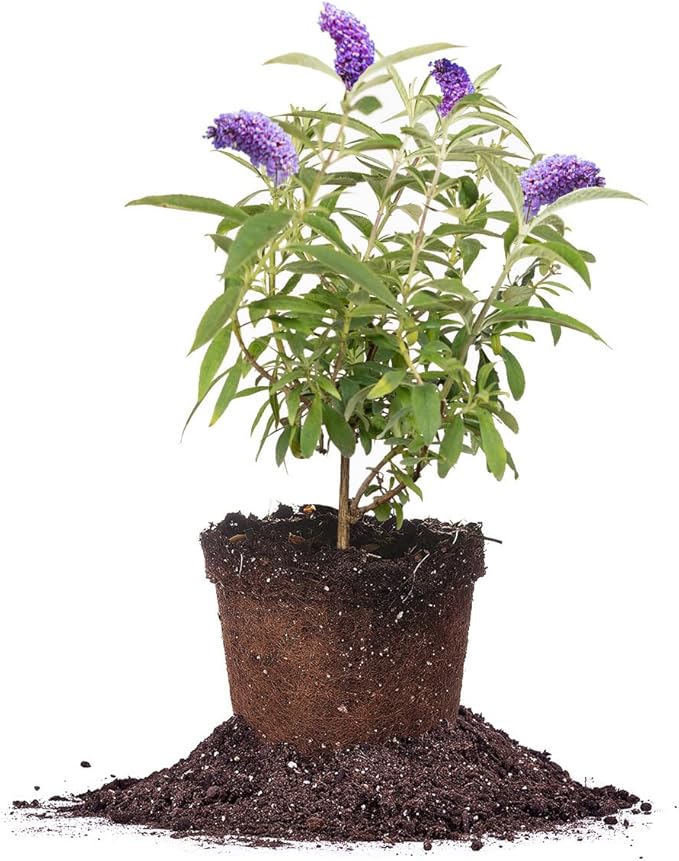
Perfect Plants Nanho Blue Butterfly Bush is a great choice for gardeners looking to attract hummingbirds and other pollinators with fragrant purple flowers. It suits those living in USDA zones 5-9 who want a drought-tolerant, heat-loving shrub that blooms from summer to fall.
Setup is straightforward: plant it promptly after arrival and water deeply every one or two days for the first two weeks to help roots settle. Daily care involves moderate watering and ensuring it gets full sun, ideal for its growth and bloom cycle.
It grows to 4-6 feet tall and drops leaves in the fall, which regrow in spring, making seasonal maintenance simple.
It performs well in attracting hummingbirds with its honey-scented blooms lasting through summer to fall. The shrub is built to handle heat and drought once established, though it may die back in winter in colder zones.
Most praise focuses on its fragrant flowers and attractiveness to pollinators. The common complaint is the need for consistent watering early on for successful establishment.
This bush is praised for its fragrant blooms that reliably draw in hummingbirds and other pollinators during the warmer months, adding both color and scent to the garden. A common challenge is the requirement for deep watering every day or two for the first two weeks after planting to ensure it takes hold well.
Anyone living in warmer or moderately cold climates wanting a colorful, pollinator-attracting shrub will appreciate this plant. Gardeners in colder zones expecting year-round greenery should consider that it drops leaves in fall and might die back in winter before regrowing in spring.
Pros
- Attracts hummingbirds and pollinators effectively
- Honey-scented purple flowers throughout summer and fall
- Heat and drought tolerant once established
- Grows well in USDA zones 5-9
Cons
- Needs frequent watering initially for root establishment
- May die back in winter in colder zones
| Specification | Details |
|---|---|
| Expected Blooming Period | Summer to Fall |
| Sunlight Exposure | Full Sun |
| USDA Hardiness Zone | 5-9 |
| Moisture Needs | Moderate Watering |
| Growth Height | 4-6 ft tall |
15. Columbine Aquilegia Perennial Flower Seeds

Delicate spurred blooms and fern-like foliage define Columbine Aquilegia, ideal for gardeners aiming to attract hummingbirds with a splash of color. Its perennial nature suits those looking for a flower that returns each year, pairing vibrant hues with vertical growth to enrich outdoor spaces.
Starting with well-drained soil in a spot that gets full sun to partial shade sets the stage for success. Sowing 1000 seeds offers a generous amount for borders or wildflower patches. Growth reaching 18-36 inches tall adds noticeable height and a natural feel, while the 10-18 inch spread helps fill garden areas without overcrowding.
Plants drawn from these seeds have nectar-rich flowers that reliably bring in hummingbirds, bees, and butterflies, turning the garden into a lively pollinator hub. The perennial nature offers the convenience of returning blooms without replanting yearly.
Some notes mention they prefer well-drained soil, so heavy or damp sites may not be ideal. Seedlings can vary in color intensity, which might affect consistency in the garden’s look.
The seeds produce reliable and nectar-rich flowers that bring pollinators, making it a favorite for natural gardens. However, soil drainage needs careful attention, as damp conditions may limit growth or longevity. The variability in bloom colors means gardeners should expect some diversity in appearance across plants.
Anyone wanting a durable, repeat-blooming plant to invite hummingbirds over multiple seasons will find this suitable. Those with consistently wet or poorly drained soil might look for alternatives that tolerate such environments better.
Pros
- Attracts hummingbirds, bees, and butterflies
- Returns year after year as a hardy perennial
- Vibrant and delicate spurred flower design
- Wide adaptability to sun and soil conditions
Cons
- Prefers well-drained soil, not ideal for wet areas
- Variation in bloom colors can affect uniformity
| Specification | Details |
|---|---|
| Seeds Quantity | 1000 Columbine Seeds (Aquilegia) |
| Height | 18-36” tall |
| Spread | 10-18” |
| Sunlight Exposure | Full sun to partial shade |
| Hardiness Zones | USDA zones 3-9 |
| Usage | Outdoor |
Best Plants to Attract Hummingbirds Comparison Table
| Product | Blooming Period | Sunlight Exposure | Plant Height | Special Features |
|---|---|---|---|---|
| Wildflower Butterfly Mix | Spring to Fall | Full Sun | 4 feet | Reusable |
| Blue Fortune Hummingbird Mint | Summer to Fall | Full Sun | 36 inches | Live Plant |
| Ruttya Hummingbird Bush | Spring to Fall | Full Sun | – | Attracts Hummingbirds |
| Pineapple Sage Plant | Fall | Full Sun | 2 feet | Extended Bloom Time |
| Seed Needs Hummingbird Mix | Summer to Fall | Full Sun | – | Attracts Pollinators |
| Burpee Hummingbird Mix | Spring to Fall | Full Sun | 65 centimeters | Certified Seeds |
| Hummingbird Butterfly Mix | – | – | – | Unit Count: 1 Ounce |
| Wildflower Hummingbird Mix | 35-75 days | Full Sun | 48 inches | High Germination Rate |
| Non-GMO Trumpet Vine | Summer | Full Sun | – | Fragrant |
| Dark Red Trumpet Vine | Summer | Full Sun | 40 feet | Easy to Grow |
| Agastache Mint Seeds | – | Full Sun | – | Attracts Pollinators |
| Earth Science Seed Blend | Spring to Fall | Full Sun | – | – |
| Red Cardinal Flower | Fall, Summer | Full Sun | – | Attracts Pollinators |
| Nanho Blue Butterfly Bush | Summer to Fall | Full Sun | – | – |
| Columbine Perennial Seeds | – | Full Sun | – | Attracts Pollinators |
- Blooming PeriodSpring to Fall
- Sunlight ExposureFull Sun
- Plant Height4 feet
- Special FeaturesReusable
- Blooming PeriodSummer to Fall
- Sunlight ExposureFull Sun
- Plant Height36 inches
- Special FeaturesLive Plant
- Blooming PeriodSpring to Fall
- Sunlight ExposureFull Sun
- Plant Height–
- Special FeaturesAttracts Hummingbirds
- Blooming PeriodFall
- Sunlight ExposureFull Sun
- Plant Height2 feet
- Special FeaturesExtended Bloom Time
- Blooming PeriodSummer to Fall
- Sunlight ExposureFull Sun
- Plant Height–
- Special FeaturesAttracts Pollinators
- Blooming PeriodSpring to Fall
- Sunlight ExposureFull Sun
- Plant Height65 centimeters
- Special FeaturesCertified Seeds
- Blooming Period–
- Sunlight Exposure–
- Plant Height–
- Special FeaturesUnit Count: 1 Ounce
- Blooming Period35-75 days
- Sunlight ExposureFull Sun
- Plant Height48 inches
- Special FeaturesHigh Germination Rate
- Blooming PeriodSummer
- Sunlight ExposureFull Sun
- Plant Height–
- Special FeaturesFragrant
- Blooming PeriodSummer
- Sunlight ExposureFull Sun
- Plant Height40 feet
- Special FeaturesEasy to Grow
- Blooming Period–
- Sunlight ExposureFull Sun
- Plant Height–
- Special FeaturesAttracts Pollinators
- Blooming PeriodSpring to Fall
- Sunlight ExposureFull Sun
- Plant Height–
- Special Features–
- Blooming PeriodFall, Summer
- Sunlight ExposureFull Sun
- Plant Height–
- Special FeaturesAttracts Pollinators
- Blooming PeriodSummer to Fall
- Sunlight ExposureFull Sun
- Plant Height–
- Special Features–
- Blooming Period–
- Sunlight ExposureFull Sun
- Plant Height–
- Special FeaturesAttracts Pollinators
How to Choose the Best Plants for Hummingbirds
Selecting plants that provide abundant nectar, suit your local climate, and bloom during hummingbirds’ active seasons ensures they will visit your garden frequently. Choosing the right plants saves money and effort by reducing the need for replacements and extra care.
Flower Type and Shape
In gardens where these small birds are frequent visitors, tubular flowers seem to be the clear favorites. Their shape fits perfectly with the birds’ long beaks, making nectar access easy and efficient.
Bright red, orange, and pink flowers tend to catch their attention more reliably than other colors, visibly increasing the chances that these birds will stop by. Choosing plants that are native or well-adapted to your region goes beyond aesthetics. Locally adapted species support the nutritional needs and behaviors specific to the hummingbirds in your area, encouraging consistent visits.
Flowers with a tube length matching the typical beak length around 1 to 2 inches usually work best. Native species like trumpet creeper or columbine often combine these traits, offering a balance between shape, color, and ecological compatibility that non-natives sometimes lack. Ignoring these details could result in fewer visits or even flowers that bloom but never get visited, which defeats the goal.
Blooming Period and Duration
Gardens with flowers that bloom only briefly can experience frustrating gaps in visits from these birds. Plants that offer a longer blooming period or staggered flowering times ensure nectar is available across months rather than just a few weeks.
This means the birds won’t need to move far in search of food, leading to a livelier garden throughout the season.
Taking the plant’s maturity time into account is important since some species take a full season or more before they start flowering. Choosing a mix of early, mid, and late bloomers, or perennials combined with annuals, keeps your garden constantly appealing.
Paying attention to bloom length, which can range from a few weeks up to several months depending on the species, helps with better planning.
Nectar Production and Quality
Plants producing abundant nectar tend to keep hummingbirds feeding longer and visiting more frequently. Those with higher nectar volume deliver more energy, which translates to birds sticking around rather than moving on quickly. Natural nectar composition is equally crucial since flowers reliant on added sugars or supplements commonly fail to offer sufficient nourishment on their own.
Some plants simply produce little nectar or flowers that are difficult for the birds to feed from efficiently, resulting in minimal attraction. It’s best to look for species documented as high nectar producers without needing human intervention. Direct observation or trusted gardening sources can indicate these traits, ensuring a steady, natural supply for the birds.
Growth Habit and Size
Size and growth habit affect how well plants fit into your garden and how easy they are to maintain. Compact plants or those that stay within manageable dimensions can be placed near feeders or walkways without overwhelming the space. Overly tall or sprawling species often grow beyond intended borders, making pruning and care more time-consuming and sometimes stressful.
Knowing the growth rate helps avoid surprises, some plants can double in size within a season, while others remain stable year after year. Final heights ranging from 1 to 4 feet generally work well for maintaining easy access for birds and gardeners alike.
Planning ahead according to these factors results in a tidy, hummingbird-friendly layout.
Maintenance and Hardiness
Ongoing care can be a barrier for many gardeners trying to attract these birds, so low-maintenance plants bring clear benefits. Those that tolerate drought or resist common pests and diseases native to the area require fewer interventions, saving time and effort. Selecting species hardy to your climate zone further increases chances they thrive year-round.
Knowing your USDA hardiness zone or equivalent local classification helps pick plants capable of surviving cold spells or dry seasons. This durability translates to a stable, reliable habitat for the birds, not needing constant replacement or special treatment, which makes gardening more sustainable and enjoyable.
Tips for Creating a Hummingbird-Friendly Garden Environment
Placing water features at ground level helps hummingbirds feel safe while drinking or bathing. They prefer moving water, so a small fountain can attract more visits. Plants with tubular flowers like trumpet vine or bee balm supply the nectar hummingbirds need.
Arrange plants in groups to create concentrated feeding zones. Avoid using pesticides because these chemicals can harm the insects hummingbirds feed on as a protein source.
Also, provide shelter by including shrubs or small trees where birds can rest and hide from predators.
- Choose brightly colored flowers in red, orange, or pink hues.
- Plant successive bloomers to offer nectar-rich flowers throughout the growing season.
- Place feeders away from direct sun to prevent nectar spoilage.
These steps give hummingbirds both food and protection, encouraging regular visits to your garden.
Comparing Native vs. Non-Native Plants for Hummingbird Attraction
Native plants tend to attract hummingbirds more reliably because local species have co-evolved with native hummingbird populations, fitting their feeding habits and migration patterns better. Examples include cardinal flower and columbine, which provide the right shape and nectar concentration hummingbirds prefer. Non-native plants can still be attractive but may not support hummingbirds as well or as consistently.
They might bloom at different times than native flowers and sometimes lack the necessary nectar quality.
Native plants also support local ecosystems by providing habitat for native insects and other wildlife that hummingbirds rely on for additional nutrition. Non-native species can sometimes become invasive, competing with local plants and reducing overall biodiversity. Using mostly native options generally creates a healthier, more sustainable environment beneficial to hummingbirds in both the short and long term.
People Also Asked
What Plants Attract Hummingbirds and Are Easy to Care For?
Bee balm, salvia, and trumpet vine attract hummingbirds and require minimal care once established. Plant them in sunny spots and water regularly during dry spells for the best results.
How Long Do Hummingbird-Attracting Plants Usually Bloom?
Many hummingbird-friendly flowers like columbine and penstemon bloom for about 4 to 6 weeks. Deadheading spent flowers can extend the blooming period in your garden.
Are Hummingbird-Friendly Plants Safe Around Pets and Children?
Most hummingbird-attracting plants such as zinnias and cardinal flowers are non-toxic to pets and children, but it’s best to keep an eye on young kids to prevent chewing on any plant parts.
Can Hummingbird Plants Grow Well in Small Containers?
Several hummingbird plants like petunias and nasturtiums grow well in small containers. Ensure they have good drainage and consistent watering to keep them healthy in limited space.
What Common Problems Affect Plants That Attract Hummingbirds?
Common issues include aphids, powdery mildew, and root rot, especially if plants are overwatered or improperly spaced. Maintaining airflow and keeping soil moist but not soggy helps prevent these problems.
Conclusion
Choose plants that provide plenty of nectar since that’s what hummingbirds feed on. Brightly colored flowers, especially reds and oranges, tend to catch their attention easier.
Also, consider plants that bloom at different times to keep hummingbirds coming throughout the season.
Think about the size of your garden and how much care you want to give the plants before you make a choice. Smaller spaces might need concentrated plantings while larger areas can support more variety. The table above can help you compare options quickly, and the picks list highlights plants that work well for various needs and conditions.