Top 15 Best Perennials for Hummingbirds That Wow Gardens
Many gardeners aiming to attract hummingbirds struggle with perennials that fail to bloom at the right time or don’t offer the nectar these birds prefer. Choosing the best perennials for hummingbirds matters because some plants may produce flowers that are too small, lack vibrant colors, or have short blooming periods, resulting in little to no hummingbird visits.
This often leaves those who enjoy watching these tiny birds feeling disappointed and frustrated.
Good perennials for hummingbirds typically feature tubular flowers that are 1 to 2 inches long, as these shapes accommodate the birds’ beaks and feeding habits. Bright red, orange, or pink blooms tend to attract hummingbirds more effectively, and plants that bloom continuously from late spring through early fall provide a dependable food source. Selecting native species ensures better adaptation to local conditions, making the plants hardier and more likely to thrive year after year.
Need a Quick Check?
| Image | Product | Price |
|---|---|---|
Our Top Picks 1  | Agastache Hummingbird Mint | Check Price |
Our Top Picks 2  | Blue Fortune Hummingbird Mint | Check Price |
Our Top Picks 3  | Wild Columbine Seeds | Check Price |
Our Selected Top 15 Perennials for Hummingbirds You Can Trust
This list features carefully chosen perennial plants that attract hummingbirds, highlighting their growth habits and bloom qualities. Each review explains how well the plant performs, which gardeners it suits best, and outlines its main advantages and potential drawbacks for informed selection.
1. Agastache Hummingbird Mint Seeds
Perfect for gardeners wanting to attract hummingbirds without fuss, Agastache Hummingbird Mint Seeds grow into vibrant, pollinator-friendly plants. Their ability to thrive in full sun and sandy soil makes them ideal for outdoor spaces seeking lively greenery and busy hummingbirds all summer long.
Planting these seeds outdoors is straightforward, especially in sunny spots with well-drained sandy soil. Moderate watering keeps them healthy without overdoing it.
Watching hummingbirds visit regularly is a rewarding daily experience, as the plants don’t require constant attention once established. They suit gardeners who prefer a perennial solution that brings natural activity to their garden with minimal hassle.
The seeds grow into sturdy perennial plants that effectively attract pollinators, particularly hummingbirds. They respond well to full sun and moderate moisture, ensuring good blooms. Most praise mentions how well the plants draw hummingbirds, while some note that the plants prefer sandy soil and may struggle in heavier clay soils or too much shade.
Plants grown from these seeds consistently attract hummingbirds, which makes the garden lively and engaging. Some gardeners find them less successful in soils that aren’t sandy or in spots without plenty of sun, limiting where they can be planted.
Those wanting to add natural beauty and pollinator activity to sunny, sandy areas will be pleased. Gardeners with heavy or clay soils or more shaded gardens might want to look for more adaptable perennials.
Pros
- Non-GMO heirloom seeds
- Attracts hummingbirds effectively
- Thrives in full sun
- Suitable for sandy soil
Cons
- Needs sandy soil for best growth
- Not ideal for shaded areas
| Specification | Details |
|---|---|
| Indoor Outdoor Usage | Outdoor |
| Sunlight Exposure | Full Sun |
| Soil Type | Sandy Soil |
| Moisture Needs | Moderate Watering |
| Special Features | Attracts Pollinators |
2. Hummingbird Mint Blue Fortune Perennial
Gardens that attract hummingbirds need blooms that last and stand out. Perfect for gardeners in USDA zones 5 to 9, this perennial produces soft lavender-blue flowers for months. Its main strength lies in the long-lasting color that keeps your outdoor space lively well into fall.
Plant grows between 24 and 36 inches tall and spreads to 18-24 inches wide, fitting nicely in medium-sized garden beds or borders. It thrives in full sun with well-drained soil and requires just moderate watering, making daily garden care simple. The fragrant leaves also add a pleasant scent to the area while naturally keeping deer away, so maintenance stays minimal.
The plant excels at attracting hummingbirds with abundant flower spikes from midsummer through fall. It is drought tolerant once settled and resists common garden pests due to its scent.
Reviewers praise the steady bloom cycle and low upkeep, but some mention it can take a bit of time to reach full size and flower production in the first season.
The plant consistently produces vibrant lavender-blue spikes from midsummer to fall, giving steady garden color and attracting hummingbirds well. It requires little maintenance after establishment but may take a season to mature fully and bloom abundantly. The fragrant foliage also helps with deer resistance, which is a practical bonus.
Anyone looking for a striking, fragrant perennial that fuels hummingbird visits will be pleased with this choice. Gardens lacking full sun or needing rapidly blooming plants might want to consider other options better suited for shade or quicker visual impact.
Pros
- Long-lasting lavender-blue blooms
- Fragrant foliage repels deer naturally
- Drought tolerant once established
- Attracts hummingbirds and pollinators
Cons
- Slow to reach full size and bloom
- Needs full sun for best results
| Specification | Details |
|---|---|
| Expected Plant Height | 36 inches |
| USDA Hardiness Zone | 5-9 |
| Sunlight Exposure | Full Sun |
| Soil Type | Well draining soil |
| Moisture Needs | Moderate Watering |
| Expected Blooming Period | Summer to Fall |
3. Wild Columbine Seeds Aquilegia Canadensis
Over 2000 wild columbine seeds come in one pack, making it perfect for gardeners wanting to attract hummingbirds and other pollinators. It suits those planting flower beds, borders, or woodland gardens, with the biggest strength being its ability to bring color and wildlife to your outdoor space.
Planting involves sowing the seeds in well-drained loamy or sandy soil. The flowers grow well in full sun but tolerate partial shade, making them flexible for different garden spots. Across spring through early summer, their red and yellow nodding blooms bring a unique look and consistently draw hummingbirds, adding life and movement to the garden.
The blooms reliably attract a variety of pollinators, especially hummingbirds and butterflies. Growth is straightforward due to their shade tolerance and ease of care. The seed count means you can cover large areas, though some might find managing this volume a bit much.
The flowers have a long blooming period but require suitable soil to thrive well.
More than 2000 seeds allow for broad planting areas, making it great for naturalizing spaces or pollinator gardens. Most praise focuses on the vibrant blooms and attraction of hummingbirds, while the usual concern involves the large seed volume that might overwhelm smaller garden setups.
Gardens aiming for a lively, wildlife-friendly environment with flexible sun exposure will benefit most. Those with limited space or without appropriate soil drainage might want to consider other options with fewer seeds or different growth needs.
Pros
- Large seed count for extensive planting
- Attracts hummingbirds and butterflies
- Grows in full sun to partial shade
- Unique red and yellow nodding flowers
Cons
- Requires well-drained soil to prevent problems
- Managing large quantity of seeds can be challenging
| Specification | Details |
|---|---|
| Seed Count | 2000+ |
| Sunlight Exposure | Full Sun |
| Soil Preference | Well-drained loamy or sandy soil |
| Bloom Colors | Red and yellow |
| Growth Habit | Shade tolerant |
4. Yellow Columbine Flower Seeds Aquilegia

Gardeners looking to attract hummingbirds while adding a splash of bright color to shady spots will appreciate these Yellow Columbine Flower Seeds Aquilegia. They suit anyone wanting vibrant perennial colonies with relatively low maintenance. Their biggest strength is creating a hummingbird-friendly garden even in partial shade.
Planting starts in spring, ideally in sandy soil that stays evenly moist. These seeds thrive best with regular watering and full sun exposure but also handle dappled woodland light, making them good for low-light garden borders. Expect spring to summer blooming, bringing cheerful yellow flowers with delicate backward spurs that give gardens a whimsical touch.
Once established, these flowers consistently draw hummingbirds, butterflies, and beneficial bees, supporting a lively garden ecosystem. The seeds are non-GMO heirloom, so you’re cultivating a native plant that’s resilient across USDA Hardiness Zone 6. They require low upkeep, but some gardeners find the shade requirements tricky if their spot is too dark or dry.
The flowers succeed in becoming a reliable nectar source, attracting hummingbirds and other pollinators, which adds life to any garden sanctuary. Some find it challenging to balance the watering and light needs, especially in shaded areas that are too dark or dry for the best growth.
Those with partially shaded garden spaces looking for vivid perennial plants will be pleased. Choosing this makes sense for gardeners who can provide consistent moisture. Anyone with very low-light or dry gardens may want to consider plants with lighter shade and water needs.
Pros
- Bright yellow blooms with intricate backward spurs
- Attracts hummingbirds, butterflies, and bees
- Thrives in partial shade and dappled woodland light
- Low maintenance once established
Cons
- Needs regular watering to thrive
- Shade requirements might limit planting locations
| Specification | Details |
|---|---|
| Sunlight Exposure | Full Sun |
| Expected Planting Period | Spring |
| Expected Blooming Period | Spring to Summer |
| Soil Type | Sandy Soil |
| Moisture Needs | Regular Watering |
| USDA Hardiness Zone | 6 |
5. Perennial Hummingbird Mint Flower Seeds

Attracts hummingbirds and other pollinators effectively, making it an excellent choice for gardeners wanting lively, buzzing outdoor spaces. Perfect for anyone with a sunny garden looking to brighten borders with colorful blooms and encouraging beneficial insects. The biggest strength lies in its consistent ability to draw in hummingbirds throughout the year.
Sowing happens after the last frost by pressing seeds gently into moist, well-draining soil where light can reach them, essential for germination. Keeping the soil consistently moist until sprouts appear helps ensure success. Once grown, these plants thrive in full sunlight, and their drought tolerance means watering needs drop significantly after establishment.
Performance in attracting hummingbirds and butterflies is very reliable, with vibrant flower spikes standing upright for a strong garden presence. The hardy build adapts well to outdoor conditions and requires little care over time, aside from initial watering.
Some find the need for consistent moisture at germination a slight challenge, but after that, the plants are easy to maintain.
The flowers successfully invite hummingbirds year-round, creating lively pollinator activity. Most users mention the challenge of keeping soil moist until seeds germinate properly, making that stage crucial to success.
Gardeners with sunny spots and patience during germination will be pleased. Those who struggle to maintain initial soil moisture might consider more forgiving plants for starting out.
Pros
- Attracts hummingbirds and butterflies effectively
- Grows well in full sun
- Drought tolerant after establishment
- Vibrant flower spikes for garden borders
Cons
- Requires consistent moisture during germination
- Needs light to germinate; cannot be buried deeply
| Specification | Details |
|---|---|
| Indoor Outdoor Usage | Outdoor |
| Sunlight Exposure | Full Sun |
| Expected Blooming Period | Year Round |
| Growth Conditions | Drought tolerant once established |
| Sowing Guide | Light to germinate; consistent moisture needed |
6. Wildflower Seed Mix Perennial & Annual

Botanical Interests Wildflower Seed Mix Perennial & Annual creates a lively garden space that attracts hummingbirds and other pollinators. It’s ideal for gardeners wanting a variety of flowers with a high germination rate and vibrant blooms that last from spring through summer.
Planting is straightforward during spring or summer in a sunny spot, where the mix thrives best. Seeds begin to bloom within 35 to 75 days, giving a long display of colorful flowers reaching up to 48 inches tall.
The blend includes 24 annual, perennial, and biennial plants, ensuring a diverse garden habitat that keeps butterflies, bumblebees, and ladybugs around your yard.
Growth meets expectations with a germination rate tested to be high, so most seeds you sow will sprout successfully. The seed mix is clean and free of fillers, which helps maintain seed quality.
Some reviews mention that patience is required for slower bloomers, but the overall vibrancy and pollinator attraction are consistently praised.
Reviews highlight the high germination rate and variety in the mix as major positives, but note that some flowers need patience to fully bloom. The mix’s clean seed quality supports a healthy garden that attracts diverse pollinators.
Ideal for gardeners who can dedicate a sunny outdoor space and appreciate varied floral displays to attract hummingbirds. Those wanting quicker blooms or indoor gardening should look for alternatives better suited to their needs.
Pros
- Includes 24 types of flowers for variety
- High germination rate ensures strong growth
- Attracts many pollinators like hummingbirds and bees
- Suitable for outdoor planting in full sun
Cons
- Some flowers take longer to bloom
- Requires consistent sunlight for best results
| Specification | Details |
|---|---|
| Expected Blooming Period | 35-75 days |
| Sunlight Exposure | Full Sun |
| Expected Plant Height | 48 inches |
| Indoor Outdoor Usage | Outdoor |
| Expected Planting Period | Spring and summer |
| High Germination Rate | Yes |
7. Burpee Wildflower Seed Mix Non-GMO

Planting these wildflower seeds feels like inviting a steady stream of hummingbirds and butterflies right into your garden. Perfect for anyone looking to brighten up their outdoor space while supporting pollinators, the biggest strength lies in the blend’s ability to bloom continuously from spring until the first frost.
Scattering the seeds in a sunny spot is simple, as the mix suits most soil types and covers up to 1,000 square feet. Expect to sow them after the last chance of frost in spring or early summer. Daily care involves moderate watering, and watching diverse flowers like Butterfly Milkweed and Foxglove emerge over the season is genuinely rewarding.
These 25,000 non-GMO, heirloom seeds reliably attract hummingbirds and butterflies throughout the growing period. The range of 18 varieties ensures vibrant, sun-loving blooms that typically reach about 65 centimeters tall. While praised for its organic and certified qualities, some find the need for consistent watering a bit demanding for low-maintenance gardens.
The most frequent positive feedback highlights how well the diverse wildflowers attract hummingbirds and butterflies all season long. On the downside, many point out the need for steady watering to keep the flowers thriving, which may demand more attention than some gardeners expect.
Anyone wanting a lively, pollinator-friendly garden with a variety of blooms will appreciate this seed mix. Those seeking a low-maintenance or shade-tolerant option should explore alternatives better suited for less sunny locations or drier conditions.
Pros
- Attracts hummingbirds and butterflies all season
- Contains 18 different wildflower varieties
- Covers large outdoor areas with one bag
- Certified non-GMO and organic seeds
Cons
- Requires moderate and consistent watering
- Needs full sun for best results
| Specification | Details |
|---|---|
| Expected Blooming Period | Spring to Fall |
| Sunlight Exposure | Full Sun |
| Moisture Needs | Moderate Watering |
| Expected Plant Height | 65 centimeters |
| Seed Coverage | Up to 1,000 square feet |
| Seed Type | Non-GMO, Organic, Heirloom |
8. Hummingbird Trumpet Vine Seeds

Hummingbird Trumpet Vine Seeds offer a great way to bring vibrant color and hummingbirds to your outdoor spaces. Ideal for gardeners who want a fast-growing perennial climber, these seeds promise plenty of blooms and lively wildlife visitors, especially during summer to fall.
Planting the seeds in well-drained, rich organic soil between March and June works best. Regular watering is important at the start to help the plants establish, though they become more drought tolerant later. The vine climbs quickly up fences or trellises, making it useful for adding vertical interest or privacy in sunny or partly shaded gardens.
Bright orange-red tubular flowers are highly attractive to hummingbirds and butterflies, fulfilling its core purpose well. The plant can reach up to 30 feet, covering large vertical spaces. Reviews highlight its vigorous growth as a standout feature, while some note that managing its rapid spread can be a challenge in smaller areas.
The seeds grow into a fast, vigorous climber that reliably attracts hummingbirds with its bright flowers, but keeping the vine contained requires attention due to its spread. It thrives in full sun to partial shade and can cover up to 30 feet.
Gardeners wanting quick vertical greenery and wildlife-friendly plants will appreciate this vine. Avoid it if you prefer low-maintenance or limited growth plants, as it demands regular watering early on and occasional pruning later.
Pros
- Large seed count for extensive planting
- Attracts hummingbirds and butterflies
- Fast-growing vine for quick coverage
- Hardy perennial suitable for zones 4-9
Cons
- Requires regular watering during establishment
- Growth can become hard to control
| Specification | Details |
|---|---|
| Expected Blooming Period | Summer To Fall (June Through September) |
| Sunlight Exposure | Full Sun To Partial Shade |
| Expected Plant Height | 30 feet |
| Soil Type | Well-drained, Loamy, Rich Organic Soil |
| Moisture Needs | Medium – Regular Watering During Establishment, Drought Tolerant Once Mature |
9. Wildflower Butterfly & Hummingbird Mix

Packed with over 7,500 pure live seeds, the Wildflower Butterfly & Hummingbird Mix aims to bring vibrant life to your garden. Perfect for anyone wanting to attract hummingbirds while covering a large area, it stands out by offering a generous 1-ounce packet that easily transforms 100 square feet into a blooming wildflower spot.
Preparing a sunny stretch of soil suits these seeds best, as they thrive in full sun with moderate watering. The packet includes planting instructions and a reusable zipper, making storage simple and convenient for repeated use.
Soil doesn’t need to be perfect, with adaptability to most types, so planting feels straightforward without fussing over conditions.
Plants from this mix reach about 4 feet tall and bloom from spring through fall, providing long-lasting visual and wildlife appeal. The seeds generally grow well thanks to their freshness and high germination rates, encouraging a colorful and lively space. Some users note the need for regular watering, but most praise how reliably the wildflowers flourish once established.
The mix earns high marks for its freshness and ability to cover a large area with diverse wildflowers, attracting hummingbirds effectively. Still, many find that the plants need steady moderate watering to keep them healthy, which can be a bit demanding in drier periods.
Ideal for gardeners with sunny spots looking to create a hummingbird-friendly space across a broad surface. Those with shady gardens or limited watering options might want to consider other varieties better suited to those conditions.
Pros
- Extra large packet with over 7,500 seeds
- High germination rates for solid growth
- Reusable packaging with planting instructions
- Compatible with most soil types
Cons
- Needs consistent moderate watering
- Requires full sun exposure to thrive
| Specification | Details |
|---|---|
| Expected Blooming Period | Spring to Fall |
| Sunlight Exposure | Full Sun |
| Expected Plant Height | 4 feet |
| Soil Type | Adaptable to most soils |
| Moisture Needs | Moderate Watering |
10. Red Columbine Flower Seeds Aquilegia

Bright red and yellow flowers catch the eye quickly, making these seeds great for anyone wanting to attract hummingbirds to a shaded outdoor spot. Its biggest strength lies in offering a colorful perennial that thrives in partial shade, blending well with woodland edges and natural gardens.
Planting starts with cold-moist stratification for 3–4 weeks before spring sowing or direct outdoor seeding in late fall for natural exposure. The seeds need surface sowing with light pressing and consistent moisture, making setup straightforward for beginners.
Day-to-day care revolves around keeping soil moderately moist while the plants establish in partial shade, with some tolerance for sun if watering is sufficient.
Flowers bloom from spring to fall, providing long-lasting color and steady attraction for hummingbirds and pollinators. At about 24 inches tall, the plants work well in borders or rock gardens. Most praise highlights the lively blooms and ease of self-seeding, though some find patience necessary since germination requires specific cold treatment and gentle handling of seeds.
Bright flowers that attract pollinators stand out as the biggest praise, while the need for cold-moist stratification before planting shows up as a common challenge. This method demands some patience and care to ensure successful germination.
Gardeners looking for an easy perennial to bring hummingbirds to partial shade areas will appreciate this plant. Those wanting quicker or less hands-on germination might prefer alternative plants without cold stratification needs.
Pros
- Attracts hummingbirds and other pollinators effectively
- Perennial with spring to fall blooming period
- Can tolerate both partial shade and some sun
- Self-seeds for naturalized garden areas
Cons
- Requires cold-moist stratification before spring planting
- Needs consistent moisture for best growth
| Specification | Details |
|---|---|
| Expected Blooming Period | Spring to Fall |
| Sunlight Exposure | Partial Shade |
| Expected Plant Height | 24 inches |
| Moisture Needs | Moderate Watering |
| USDA Hardiness Zone | 3, 4, 5, 6, 7, 8, 9 |
| Indoor Outdoor Usage | Outdoor |
11. Bee Balm Seeds Monarda Fistulosa

Bee Balm Seeds Monarda Fistulosa are perfect for gardeners looking to attract hummingbirds with vibrant purple flowers. Best suited for outdoor spaces with full sun, these seeds stand out because they produce a consistent purple bloom, giving a uniform and planned look to borders and native plantings.
Planting these seeds is straightforward, especially for beginners. Surface sow the seeds, press them gently into well-draining potting mix, and keep the soil moist without waterlogging. They germinate in about 10–21 days, with clear instructions making it easy to follow along.
The seeds should be planted from spring to early summer, and they’ll produce blooms in about 60 to 90 days.
Once established, these bee balm plants attract hummingbirds, bees, and butterflies, creating lively movement in your garden. Growing up to about 6 inches tall, they fit well into cottage borders or fence lines. The biggest upside is the uniform purple color that looks thoughtfully planned.
A common drawback is the need for consistent moisture, as dryness can affect seedling success.
Those growing bee balm from these seeds enjoy a clear, uniform purple bloom that complements garden beds well. The most frequent issue comes from the seeds needing light and moist soil to germinate, making watering attention crucial during the early stages.
The seeds suit gardeners wanting a beginner-friendly option that reliably attracts hummingbirds and fits small to medium spaces. Anyone seeking taller plants or less maintenance in watering might want to consider other options suited for such needs.
Pros
- Consistent uniform purple flowers
- Attracts hummingbirds and other pollinators
- Easy light germination process
- Suitable for outdoor planting in full sun
Cons
- Requires consistent moisture to avoid seedling failure
- Plant height limited to 6 inches, not for tall displays
| Specification | Details |
|---|---|
| Expected Blooming Period | 60-90 Days |
| Sunlight Exposure | Full Sun |
| Expected Plant Height | 6 inches |
| USDA Hardiness Zone | 3-9 |
| Soil Type | Well-draining Potting Mix |
| Moisture Needs | Keep Soil Moist But Not Waterlogged |
12. Perennial Aquilegia Columbine McKana Giants
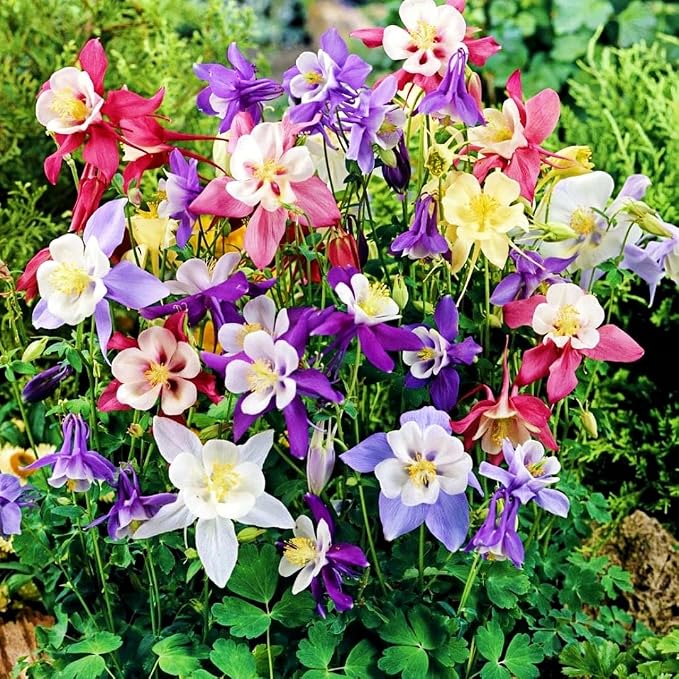
Creating a vibrant garden full of hummingbirds and butterflies takes special plants, especially ones with big, eye-catching flowers. Aquilegia Columbine McKana Giants is for gardeners who want large, colorful blooms that act like a magnet for wildlife. Its biggest strength is the dramatic size and unique shape of the flowers that really stand out.
Planting these columbines outside is straightforward, and they need normal garden soil and enough sun to thrive. The flowers open gradually and stay colorful through the season, providing a constant food source for hummingbirds and butterflies. Their multi-colored, spurred petals add unique texture to flower beds and make the garden more lively without much maintenance.
The vibrant and oversized blooms do a great job at attracting pollinators, fulfilling their main purpose well. The plant itself is sturdy and well-suited for outdoor growth in various gardens. One highlight is the impressive size of the blossoms everyone notices.
On the downside, some may find the flowers’ shape unusual or not fitting every garden style.
These columbine flowers consistently attract hummingbirds thanks to their large size and bright colors. Their biggest drawback comes from the unique shape, which can look out of place in more traditional or uniform garden settings. The plants work best outdoors in full sun and provide ongoing support to pollinators throughout the season.
Gardeners looking for bold, wildlife-friendly plants will appreciate these columbines. Anyone wanting simpler flower shapes or an indoor plant should look for alternatives. These are perfect for adding both color and activity to your outdoor flower beds.
Pros
- Large, colorful flowers attract hummingbirds effectively
- Unique spurred blossoms create visual interest
- Supports a lively ecosystem with nectar-rich blooms
Cons
- Unusual flower shape may not suit every garden
- Outdoor use only, not for indoor growing
| Specification | Details |
|---|---|
| Indoor Outdoor Usage | Outdoor |
13. Red Four Oclock Flower Seeds Outsidepride

Deep red, trumpet-shaped flowers that bloom from spring through summer make the Red Four Oclock Flower Seeds perfect for gardeners wanting to attract hummingbirds with a fragrant, eye-catching display. Its ability to bloom in the late afternoon and stay open overnight stands out as its biggest strength for adding continuous color and wildlife interest.
Planting the seeds in the spring into loam soil will start off the growing season, with partial sun exposure best for healthy growth. Once established, the plants need little to no watering, making daily care simple. Their shrub-like growth helps them quickly fill garden spaces, making them great for borders and adding colorful edges to your yard.
Performance is quite reliable, with blooms lasting well into summer and attracting hummingbirds consistently. The plants grow between 18 and 36 inches tall and wide, creating dense, multi-branched foliage that holds color through the season. A common drawback is their specific preference for USDA hardiness zone 8, which limits where they can thrive year-round.
Flowers consistently bloom from spring through summer, providing a fragrant and colorful presence that attracts hummingbirds and other pollinators. However, many notice the plant’s limited hardiness zone means it may not survive harsh winters or very different climates.
Gardeners in USDA zone 8 looking for low-maintenance, long-blooming perennials will appreciate this plant. Those outside this zone or with different soil types might want to consider other perennials better suited to their environment.
Pros
- Blooms open late afternoon and stay overnight
- Attracts hummingbirds, moths, and butterflies
- Dense, shrub-like growth for filling garden spaces
- Requires little to no watering once established
Cons
- Best suited for USDA hardiness zone 8 only
- Needs partial sun and loam soil for optimum growth
| Specification | Details |
|---|---|
| Expected Blooming Period | Summer |
| Sunlight Exposure | Partial Sun |
| Expected Planting Period | Spring |
| USDA Hardiness Zone | 8 |
| Expected Plant Height | 3 feet |
| Soil Type | Loam Soil |
14. Perennial Aquilegia Columbine Seeds

Gardeners wanting to attract hummingbirds will appreciate these perennial aquilegia columbine seeds. Ideal for outdoor planting in USDA zones 3 to 8, they are valued for their uniquely shaped flowers that provide nectar to hummingbirds and bees. Their ability to come back each year makes them a solid choice for long-term garden enjoyment.
Planting these seeds requires timing them just after the last spring frost and a light touch when pressing them into the soil, as they need light to germinate. Consistent moisture is important during the early growth phase, along with choosing a spot offering full sun to partial shade and well-drained soil. Avoid places where water pools, as the plants prefer moderate moisture conditions.
The flowers attract hummingbirds reliably year-round, supporting local pollinators effectively while fitting well into cottage-style and woodland gardens. They grow as expected in their hardiness zones, with the main praise highlighting their nectary shape. Some gardeners noted that they require careful soil moisture management since standing water harms them.
The biggest positive is how well the flower shape draws in hummingbirds and bees, making any garden lively with pollinators. The main drawback is the sensitivity to soil moisture, too much water can be harmful, so maintaining proper drainage is essential.
Gardeners with well-drained soil and the ability to monitor watering will find these seeds rewarding. Those lacking these conditions or living outside the designated zones might want to explore other perennial options suited to their environments.
Pros
- Attracts hummingbirds and bees effectively
- Suitable for a wide range of USDA zones
- Establishes as a returning perennial
- Works well in partial shade to full sun
Cons
- Requires consistent moisture without standing water
- Needs careful soil placement to avoid waterlogging
| Specification | Details |
|---|---|
| USDA Hardiness Zones | 3 to 8 |
| Blooming Period | Year Round |
| Sunlight Exposure | Full Sun |
| Soil Preference | Good drainage and moderate moisture |
| Usage | Outdoor |
15. Proven Winners Echinacea Lakota Coneflower

Proven Winners Echinacea Lakota Coneflower stands out for attracting hummingbirds and butterflies while resisting deer and rabbits. Ideal for gardeners in USDA zones 4-9 looking for a low maintenance perennial with a pleasant smell, it suits those who want compact, well-rooted plants that bloom from summer to fall.
Planting comes ready in a #1 Size Container, fully rooted and ready to be placed in a sunny spot. It prefers well-drained soil and moderate watering, making daily care straightforward. Its compact size, reaching 12-16 inches high and 16-18 inches wide, makes it great for groupings without overcrowding, while attracting wildlife adds visual interest over the warmer months.
The plant performs reliably in full sun throughout zones 4 to 9 and blooms consistently from summer to fall. It is sturdy in build, resisting deer and rabbits, which reduces the need for extra protection.
The most notable praise revolves around its effectiveness in drawing hummingbirds, while some mention that care is needed to keep moisture consistent owing to its moderate watering needs.
Attracting butterflies and hummingbirds is a standout feature of this perennial, while the need for consistent moderate watering is a common consideration. Its deer and rabbit resistance makes it low stress to maintain but demands attention to soil moisture to thrive.
Gardeners who want a compact plant that reliably invites hummingbirds and tolerates common pests will appreciate this coneflower. Those who prefer taller plants or drier conditions may want to look at other options better suited to those needs.
Pros
- Attracts hummingbirds and butterflies effectively
- Resistant to deer and rabbits
- Low maintenance, fully rooted on arrival
- Pleasant fragrance adds to garden appeal
Cons
- Needs moderate watering, not drought tolerant
- Height may be shorter than some expect
| Specification | Details |
|---|---|
| USDA Hardiness Zone | 4 |
| Mature Size | 12-16in H x 16-18in W |
| Sunlight Exposure | Full Sun |
| Soil Type | Well-drained |
| Moisture Needs | Moderate Watering |
Best Perennials for Hummingbirds Comparison Table
| Product | Attracts Hummingbirds | Sunlight Exposure | Blooming Period | USDA Hardiness Zone |
|---|---|---|---|---|
| Agastache Hummingbird Mint | Yes | Full Sun | – | – |
| Blue Fortune Hummingbird Mint | – | Full Sun | Summer to Fall | 5-9 |
| Wild Columbine Seeds | – | Full Sun | – | – |
| Yellow Columbine Seeds | – | Full Sun | Spring to Summer | 6 |
| Perennial Hummingbird Mint | Yes | Full Sun | Year Round | – |
| Wildflower Seed Mix | – | Full Sun | 35-75 days | – |
| Burpee Wildflower Mix | – | Full Sun | Spring to Fall | – |
| Hummingbird Trumpet Vine | Yes | Full Sun to Partial Shade | Summer to Fall | – |
| Butterfly Hummingbird Mix | Yes | Full Sun | Spring to Fall | – |
| Red Columbine Seeds | Yes | Partial Shade | Spring to Fall | 3-9 |
| Bee Balm Monarda Seeds | – | Full Sun | 60-90 Days | 3-9 |
| McKana Giant Columbine | – | – | – | – |
| Outsidepride Red Four Oclock | – | Partial Sun | Summer | 8 |
| Perennial Aquilegia Seeds | Yes | Full Sun | Year Round | – |
| Proven Winners Echinacea | – | Full Sun | Summer to Fall | 4 |
- Attracts HummingbirdsYes
- Sunlight ExposureFull Sun
- Blooming Period–
- USDA Hardiness Zone–
- Attracts Hummingbirds–
- Sunlight ExposureFull Sun
- Blooming PeriodSummer to Fall
- USDA Hardiness Zone5-9
- Attracts Hummingbirds–
- Sunlight ExposureFull Sun
- Blooming Period–
- USDA Hardiness Zone–
- Attracts Hummingbirds–
- Sunlight ExposureFull Sun
- Blooming PeriodSpring to Summer
- USDA Hardiness Zone6
- Attracts HummingbirdsYes
- Sunlight ExposureFull Sun
- Blooming PeriodYear Round
- USDA Hardiness Zone–
- Attracts Hummingbirds–
- Sunlight ExposureFull Sun
- Blooming Period35-75 days
- USDA Hardiness Zone–
- Attracts Hummingbirds–
- Sunlight ExposureFull Sun
- Blooming PeriodSpring to Fall
- USDA Hardiness Zone–
- Attracts HummingbirdsYes
- Sunlight ExposureFull Sun to Partial Shade
- Blooming PeriodSummer to Fall
- USDA Hardiness Zone–
- Attracts HummingbirdsYes
- Sunlight ExposureFull Sun
- Blooming PeriodSpring to Fall
- USDA Hardiness Zone–
- Attracts HummingbirdsYes
- Sunlight ExposurePartial Shade
- Blooming PeriodSpring to Fall
- USDA Hardiness Zone3-9
- Attracts Hummingbirds–
- Sunlight ExposureFull Sun
- Blooming Period60-90 Days
- USDA Hardiness Zone3-9
- Attracts Hummingbirds–
- Sunlight Exposure–
- Blooming Period–
- USDA Hardiness Zone–
- Attracts Hummingbirds–
- Sunlight ExposurePartial Sun
- Blooming PeriodSummer
- USDA Hardiness Zone8
- Attracts HummingbirdsYes
- Sunlight ExposureFull Sun
- Blooming PeriodYear Round
- USDA Hardiness Zone–
- Attracts Hummingbirds–
- Sunlight ExposureFull Sun
- Blooming PeriodSummer to Fall
- USDA Hardiness Zone4
How to Choose the Best Perennials for Hummingbirds
Choosing perennials that attract hummingbirds involves considering flower shape, color, and blooming season to provide consistent nectar sources. Selecting plants suited to your local climate and soil conditions ensures healthy growth, which prevents wasted time and money on replacements or extra care.
Bloom Time and Duration
Many hummingbird enthusiasts learn quickly how frustrating it is when their garden is full of flowers that bloom too early or too late for the birds’ active seasons. Choosing perennials that flower during peak times means more frequent visits and better chances for these birds to find food. Varieties with extended or multiple blooming periods keep your garden lively, providing continuous interest rather than a short burst and then nothing.
A good plant will hold vibrant blooms for several weeks, sometimes even months, instead of fading after a few days.
Look for specific bloom times listed on seed packets or nursery tags and opt for species known to flower through late spring into summer and early fall. A succession of blooms spaced out offers the best results, meaning hummingbirds keep coming back. For practical garden planning, combine early, mid, and late bloomers to maintain nectar sources over the growing season.
Nectar Production and Flower Shape
Hummingbirds prefer flowers rich in nectar and shaped to allow easy feeding, mainly tubular or trumpet forms. Plants that produce abundant, high-quality nectar attract them naturally, but those with shallow or hard-to-reach nectar quickly lose their appeal.
Some flowers look bright and inviting but deliver very little nectar, which ends up disappointing both the gardener and the birds.
Strong nectar production often depends on flower type and health, so choose perennials with a reputation for deep, tubular blooms. Avoid flat, open flowers or those with nectar hidden behind tough petals. A few dependable shapes include trumpet or bell varieties, which perfectly match the hummingbird’s long beak and feeding habits.
Plant Hardiness and Growing Conditions
Gardening experience shows that ignoring hardiness zones leads to plants that don’t survive winter or struggle through summer heat. Selecting perennials suited for your USDA hardiness zone or local climate is key to keeping your garden full and healthy without constant replacement.
Soil quality, sunlight levels, and moisture must match the plant’s needs to avoid weak growth and fewer flowers.
Plants that tolerate local pests and diseases reduce frustration and save time on treatments. Check hardiness ratings and research soil preferences, some thrive in sandy, well-draining soil, while others prefer richer, moisture-retentive ground. Spotting plants resilient to your area’s common stressors avoids bare patches and failed seasons.
Growth Habit and Size
Characterizing the size and growth habit of perennials before planting helps avoid overcrowding and competition. Many gardeners find their first beds overrun by sprawling plants crowding slower growers out of space. Measuring mature height and spread on tags or info sheets guides how much room to allow.
This improves air circulation and access to sunlight, which benefits all plants.
Deciding between bushy and upright growth depends on garden layout. Upright plants work well in narrow or layered beds, while bushy types can fill larger areas or act as backdrop shrubs. Matching growth habits with garden design reduces maintenance and maintains a balanced, healthy environment where hummingbird favorites can thrive together.
Maintenance and Care Needs
Watering needs can quickly become a chore if poorly matched to your schedule or garden conditions. Plants with low drought tolerance demand frequent watering; this becomes impractical in dry summers or busy routines.
Choosing perennials with higher drought resistance cuts down on watering frequency without sacrificing flower quality.
Pruning and deadheading improve blooming but should be manageable based on your time commitment. Some perennials need regular clean-up, while others bloom abundantly regardless. Pest susceptibility affects maintenance, too, resilient plants mean less time spent treating insects or fungal issues.
Look for varieties rated as pest-resistant to keep care simple.
Optimal Planting Strategies to Attract and Support Hummingbirds
Planting perennials that attract hummingbirds requires careful placement and timing. Choose a sunny spot where the flowers get at least six hours of direct sunlight daily, since hummingbirds are most active in well-lit areas.
Group plants with tubular flowers close together to create an inviting feeding station. Keep watering consistent but avoid overwatering, as soggy soil can harm root systems and reduce bloom quality.
Timing the bloom sequence extends the feeding period for hummingbirds. Select a mix of early, mid, and late-season bloomers to provide nectar through the entire growing season.
Positioning taller plants towards the back and smaller ones in front ensures easy access for the birds. Including native species often works best since local hummingbirds are adapted to those flower types.
- Plant in sunny locations with good drainage
- Group tubular flowers close together
- Choose a variety of bloom times
- Prefer native plants suited to local hummingbirds
Common Maintenance Mistakes to Avoid for Healthy Hummingbird-Friendly Perennials
Allowing perennials to dry out between waterings is important, but avoid letting them wilt, especially during hot weather. Overwatering is a common mistake that leads to root rot and reduces flower production, both of which can deter hummingbirds. Deadheading spent blooms encourages more flowering and maintains nectar supply.
Too much fertilizer can promote leaf growth at the expense of flowers. Use a balanced, low-nitrogen fertilizer sparingly.
Avoid using pesticides and herbicides near hummingbird-friendly plants since these chemicals can harm both the birds and their insect food sources.
- Do not overwater; keep soil moist but well-drained
- Remove spent flowers regularly to encourage reblooming
- Use fertilizer sparingly to avoid excessive foliage
- Avoid pesticides and herbicides near flowers
People Also Asked
How Do I Care for Perennials That Attract Hummingbirds?
Perennials that attract hummingbirds need regular watering, especially during dry spells. Deadheading spent flowers helps encourage more blooms, so keep an eye on the stages of flowering to maintain continuous nectar sources for the birds.
What Size Perennial Plants Are Ideal for Hummingbird Gardens?
Medium-sized perennials between one to four feet are usually best for hummingbird gardens. This height is ideal because it allows birds to hover easily while feeding and provides some shelter in the garden without overwhelming the space.
Are These Perennials Safe for Other Garden Wildlife and Pets?
Most perennials that attract hummingbirds are safe for other garden wildlife and pets. Avoid plants treated heavily with pesticides or chemicals, as these can harm beneficial insects and animals visiting your garden.
How Long Do Hummingbird-Attracting Perennials Typically Bloom?
These perennials generally bloom for several weeks, often from late spring through summer. Continuous care, such as regular watering and fertilizing, can extend the blooming period and keep hummingbirds coming back.
What Common Problems Affect Hummingbird-Friendly Perennial Plants?
Common problems include powdery mildew, aphids, and root rot in poor soil conditions. Keeping plants well-spaced for air circulation and checking regularly for pests helps maintain healthy blooms that appeal to hummingbirds.
Conclusion
Choose perennials that provide plenty of nectar and have tubular flowers, as these shapes suit hummingbirds best. Consider bloom time to ensure flowers are available throughout the hummingbird season. Also, pay attention to the plant’s hardiness zones so they will survive your local climate.
Think about the size of your garden and how much time you want to spend caring for your plants when making your choice. Take another look at the comparison table and detailed picks above to find perennials that fit your space and preferences.