Top 15 Best Hummingbird Perennials That Attract Swarms!
Many gardeners want to attract hummingbirds, but buying the wrong plants or perennials can leave their yard looking bare and the birds uninterested. The best hummingbird perennials reliably bloom year after year, offering enough nectar and color to keep these tiny visitors around.
Cheaper or poorly chosen perennials might not flower long enough or produce the right type of blooms, causing frustration and disappointment.
Good hummingbird perennials typically have tubular flowers that provide easy access to nectar, with flower lengths around one to two inches preferred by hummingbirds. They also thrive in local growing conditions, soil type, sunlight, and moisture levels, and come back season after season without needing replanting. Plants that bloom across a span of months, often mid-summer through fall, help ensure continuous food for hummingbirds during their active period.
Need a Quick Check?
| Image | Product | Price |
|---|---|---|
Our Top Picks 1  | Hummingbird Mint Mix | Check Price |
Our Top Picks 2  | Blue Fortune Mint | Check Price |
Our Top Picks 3  | EATONS Red Penstemon | Check Price |
Our Selected Top 15 Hummingbird Perennials You Can Trust
This list features carefully chosen perennial plants known for attracting hummingbirds, with detailed insights on their performance and suitability for different gardens. Each review highlights key strengths and potential drawbacks to help you select the best options for your outdoor space.
1. Perennial Mix Hummingbird Mint Flower Seeds
Watching hummingbirds visit bright, lively flowers adds a joyful touch to any garden, especially when those blossoms come from a plant that’s easy to grow and maintain. Perfect for anyone wanting to attract pollinators with minimal fuss, this mix of hummingbird mint seeds stands out for its vibrant colors and ability to keep hummingbirds coming back throughout the year.
Starting the seeds involves pressing them gently onto moist, well-drained soil after the last frost, making sure they get plenty of light to sprout. Daily care means keeping the soil consistently moist until germination.
Once established, these plants are drought tolerant and only need minimal watering. Their upright flower spikes brighten borders or act as fresh cut flowers, thriving best under full sun.
The flowers do a great job attracting hummingbirds and butterflies, staying in bloom through multiple seasons. The plants are hardy once rooted and handle dry conditions well.
Some find that the need for full sun limits where they can grow, and the seeds require patience and consistent moisture at the start. The upright habit makes them easy to spot and enjoy.
The plant draws numerous hummingbirds and butterflies, making it lively throughout the year. Its biggest challenge lies in the initial care; seeds must remain moist and exposed to light to sprout well, requiring careful attention during early growth stages.
Anyone with a sunny outdoor space looking to attract pollinators will find it rewarding. Those with shady gardens or limited time for delicate seed care might prefer a different, more shade-tolerant or easier-start perennial.
Pros
- Attracts hummingbirds, butterflies, and pollinators
- Drought tolerant once established
- Year-round blooming with vibrant flower spikes
- Great for borders or cut flowers
Cons
- Seeds need consistent moisture to germinate
- Requires full sun for best growth
| Specification | Details |
|---|---|
| Expected Blooming Period | Year Round |
| Sunlight Exposure | Full Sun |
| Indoor Outdoor Usage | Outdoor |
| Attracts Pollinators | Yes |
2. Hummingbird Mint Blue Fortune Perennial Plant
Perfect for gardeners aiming to attract hummingbirds, the Blue Fortune Mint stands out with its vibrant lavender-blue blooms lasting from midsummer well into fall. It suits outdoor spaces in zones 5 to 9 and offers a colorful, fragrant option that keeps blooming for months.
Plants arrive fresh from the greenhouse, ready to grow in full sun spots with well-draining soil. Growing 24–36 inches tall and 18–24 inches wide, it needs only moderate watering once established. The minimal upkeep and drought tolerance make it a straightforward choice for anyone wanting long-lasting color without tedious care.
It blooms reliably from summer through fall, providing continuous garden interest. Aside from flowers, the fragrant foliage naturally deters deer, a thoughtful bonus for many gardens. Build quality isn’t a concern here since it’s a live plant shipped directly from a trusted source.
Praises highlight its abundant, showy flowers, while complaints mostly concern size expectations, as some find it smaller than anticipated.
Blue Fortune Mint is praised for its abundant and vibrant blooms that enrich the garden for months. Some find the mature size less than described, which can surprise those expecting a bigger, more imposing plant.
Ideal for gardeners in USDA zones 5 to 9 seeking an easy-care perennial with summer to fall interest and deer resistance. Not suitable for indoor planting or gardens outside the recommended zones.
Pros
- Long-lasting lavender-blue blooms
- Fragrant foliage repels deer naturally
- Drought tolerant once established
- Requires minimal maintenance
Cons
- Plant height can be smaller than expected
- Limited to outdoor use in specific zones
| Specification | Details |
|---|---|
| USDA Hardiness Zone | 5-9 |
| Expected Plant Height | 36 inches |
| Expected Blooming Period | Summer to Fall |
| Sunlight Exposure | Full Sun |
| Soil Type | Well draining soil |
| Moisture Needs | Moderate Watering |
3. EATONS Red Penstemon Hummingbird Perennial Seeds
Bright red flowers and a sturdy perennial design make EATONS Red Penstemon seeds a solid choice for anyone wanting to attract hummingbirds and pollinators. Perfect for gardeners who have a sunny spot and don’t mind carefully following planting guidelines, the biggest strength is how well it draws bees, birds, and butterflies to the garden.
Starting with fresh seeds, planting requires attention to timing and instructions, especially planting in fall or spring. The seeds expect full sun but handle some partial shade, and spacing between plants needs to be about 12-15 inches.
Moderate watering keeps the plants happy during growing, and once established, these reach about 16-18 inches tall, adding striking color to late spring and early summer blooms.
Performance focuses heavily on following planting guidelines. When grown as directed, the red penstemon blooms vividly and attracts lots of pollinators.
The seeds are always fresh and produce strong plants able to thrive in a variety of soil types. The most frequent complaint is from those who did not follow the instructions carefully and ended up with poor or no growth, making correct planting essential.
The seeds reliably produce vibrant red blooms and attract pollinators when planted exactly as directed. Most issues relate to not following the specific timing and care instructions, leading to failed growth. The quality and freshness of seeds are consistent, but planting outside recommended periods usually results in disappointment.
Gardeners with patience and attention to directions will enjoy a colorful, hummingbird-friendly perennial garden. Those looking for an easier, more forgiving planting experience may want to consider other options that tolerate varied conditions better.
Pros
- Attracts bees, birds, and butterflies
- Fresh seeds with high germination potential
- Thrives in various soil types
- Suitable across many USDA zones (4-11)
Cons
- Strict planting instructions must be followed
- Not forgiving to off-season planting attempts
| Specification | Details |
|---|---|
| Cycle | Perennial |
| Plant Height | 18 inches |
| Light Requirements | Full Sun, Partial Shade |
| Plant Spacing | 12-15 inches |
| Bloom Season | Late Spring to Early Summer |
| Moisture Needs | Moderate Watering |
4. Wild Columbine Aquilegia Canadensis Flower Seeds

Wild Columbine Aquilegia Canadensis seeds offer a striking splash of red and yellow blooms perfect for gardeners who want to attract hummingbirds and other pollinators. It suits those planting in shaded or partially sunny areas, with its biggest strength being ease of growth combined with a generous number of seeds to start a lively garden space.
Planting these seeds is straightforward, especially in well-drained loamy or sandy soil. They do well in both partial shade and full sun, which fits many garden setups. The large seed count means you can fill borders, naturalized areas, or pollinator gardens without worrying about running out quickly.
The blooms show up in spring and last through early summer, offering a colorful nodding effect that stands out where they grow. Plants attract hummingbirds and butterflies effectively, supporting wildlife-friendly gardening goals.
Some notes mention that while most find them easy to grow, occasional challenges with soil drainage can affect success.
Strong praise centers on the abundant seed supply and the ability to attract hummingbirds, making the garden lively and colorful. The most frequent complaint relates to soil drainage requirements, which can hinder healthy growth if not managed properly.
Gardeners wanting a reliable, native perennial for shaded spots with plenty of seeds to work with will appreciate this. Those seeking longer blooming periods or plants less sensitive to soil conditions might consider other options.
Pros
- Large quantity of seeds for extensive planting
- Attracts hummingbirds and butterflies effectively
- Grows well in partial shade or full sun
- Colorful red and yellow blooms in spring
Cons
- Requires well-drained soil to avoid growth issues
- Flowering period is limited to spring through early summer
| Specification | Details |
|---|---|
| Seed Count | 2000+ wild columbine seeds |
| Flower Colors | Red and yellow nodding blooms |
| Sunlight Exposure | Full Sun |
| Growth Preferences | Partial shade to full sun |
| Soil Type | Well-drained loamy or sandy soil |
5. Wildflower Seed Mix Perennial and Annual Flowers

Wildflower Seed Mix Perennial and Annual Flowers is ideal for gardeners wanting a lively, colorful space that attracts hummingbirds and pollinators. Its standout feature lies in the freshness and purity of the seeds, promising a very high germination rate compared to less carefully sourced mixes.
Starting a garden with these seeds is straightforward when sown in spring or summer under full sun. The mix includes 24 different flowers, including perennials and annuals, giving your garden diversity across the growing season.
You’ll watch most seeds sprout reliably within 35 to 75 days and can expect plants to grow up to 48 inches tall, making for a striking display with regular watering.
The seeds do their job well by producing a vibrant patch full of blooms that attract butterflies, bees, and hummingbirds, helping your garden thrive naturally. The freshness of the seeds helps explain the high germination success, but some gardeners may find waiting up to 75 days for blooms longer than hoped. It’s a dependable mix that works as described for a bright, pollinator-friendly garden.
Seeds are fresh and clean, almost all sprout successfully, making the garden colorful and lively. The longest wait is the 75-day bloom period some flowers require before showing color.
Those wanting a dependable mix to attract pollinators will be pleased, especially with a sunny outdoor spot. Gardeners seeking quicker flowering or indoor options may prefer alternatives.
Pros
- High germination rate ensures most seeds sprout
- Includes 24 annual, perennial, and biennial plants
- Attracts hummingbirds, butterflies, and beneficial insects
- Seeds are 99% pure without filler
Cons
- Flowering can take up to 75 days to begin
- Only suited for outdoor planting in full sun
| Specification | Details |
|---|---|
| Expected Blooming Period | 35-75 days |
| Sunlight Exposure | Full Sun |
| Expected Plant Height | 48 inches |
| Indoor Outdoor Usage | Outdoor |
| Expected Planting Period | Spring and Summer |
6. Burpee Wildflower Seed Mix Non-GMO

Attracting hummingbirds and butterflies to a garden can be tricky, especially when aiming for long-lasting blooms. Burpee Wildflower Seed Mix offers a straightforward solution for anyone wanting to fill their outdoor space with vibrant flowers that thrive in full sun and bloom from spring through fall.
Scattering the seeds in a sunny spot after the last frost is all that’s needed to get started. The mix combines 18 different varieties, ranging from annuals to perennials, so you’ll see steady growth across the seasons.
It’s designed for most soil types and only requires moderate watering, making it manageable for gardeners who prefer a lower-maintenance approach.
The blend covers up to 1,000 square feet and tends to attract plenty of hummingbirds and butterflies, which is exactly the goal. The seeds are certified non-GMO and organic, meaning they come with fewer concerns about chemicals.
Some users point out that blooming can vary depending on the specific mix and local conditions; however, the overall effect of diverse colors and flowers is highly praised.
Positive feedback highlights its ability to consistently bring hummingbirds and butterflies to gardens during bloom months. Some note that flower growth and blooming intensity can vary depending on soil and sun exposure, affecting the overall experience.
Those looking to naturally attract pollinators with a mix of native and heirloom flowers will appreciate this seed blend. Gardeners with shady yards or who prefer quick results might want to explore more targeted annual options instead.
Pros
- Attracts hummingbirds and butterflies all season
- Contains 18 wildflower varieties
- Easy to sow over large areas
- Non-GMO, organic, and certified seeds
Cons
- Blooming affected by local conditions
- Needs full sun to thrive well
| Specification | Details |
|---|---|
| Expected Blooming Period | Spring to Fall |
| Sunlight Exposure | Full Sun |
| Plant Height | 65 centimeters |
| Moisture Needs | Moderate Watering |
| Seed Count | 25,000 NON-GMO Seeds |
| Planting Period | Spring to Summer |
7. Arizona Sandstone Hummingbird Mint Flower Seeds

Highly drought tolerant, these Arizona Sandstone Hummingbird Mint Flower Seeds work well for gardeners dealing with dry climates who want to attract hummingbirds. Their biggest strength lies in thriving under limited water availability, making them a resilient choice for sandy soil and full sun locations.
Planting during summer fits its expected cycle, requiring moderate watering to get started. A high germination rate helps bring your garden to life with colorful blooms that attract pollinators like hummingbirds, butterflies, and bees. Once established, the plants demand little attention, fitting naturally into low-maintenance outdoor gardening routines.
They deliver a long blooming period throughout summer, providing consistent color and activity in the garden. The seeds perform well in their preferred full sun environments and sandy soil, showing strong resilience to dryness.
Positive notes highlight how vibrant the flowers are and how well they sustain over time. Occasional remarks mention their specific soil preference limiting use in richer garden beds.
The flowers attract hummingbirds effectively with vibrant colors and last through the summer, but thrive best in sandy soil, which restricts where they can grow well. Their drought tolerance reduces watering needs after establishment, appealing for dry environments.
Those living in arid or semi-arid areas with sandy soil will appreciate these seeds. People with richer or clay-heavy gardens might want to look for plants better suited to those conditions for optimal growth and bloom longevity.
Pros
- Drought tolerant and suited for dry conditions
- Attracts hummingbirds, butterflies, and bees
- High germination rate in sandy soil
- Long blooming season during summer
Cons
- Requires specific sandy soil type to thrive
- Blooming limited to summer months only
| Specification | Details |
|---|---|
| Expected Blooming Period | Summer |
| Sunlight Exposure | Full Sun |
| Expected Planting Period | Summer |
| Soil Type | Sandy Soil |
| Moisture Needs | Moderate Watering |
| Indoor Outdoor Usage | Outdoor |
8. Hummingbird Trumpet Vine Climbing Flower Seeds

Gardeners looking to bring hummingbirds and butterflies to their outdoor space will appreciate these trumpet vine climbing flower seeds. Their main strength lies in producing bright orange-red blooms that act as a magnet for pollinators, while covering fences or trellises with lush greenery.
Planting seeds during spring through early summer is straightforward, especially in well-drained, loamy soil. The fast-growing vine quickly climbs vertical surfaces, making it great for creating privacy or decorating pergolas.
It prefers full sun to partial shade and needs regular watering while establishing, then tolerates drought once mature.
Bright, tubular blooms reliably attract hummingbirds and butterflies from summer into fall, providing a lively garden atmosphere. The vine grows vigorously up to 30 feet, hardy in USDA zones 4-9. The most praised feature is how quickly it covers spaces, while a common drawback is the need to keep it contained as it can spread extensively.
The vine’s rapid growth allows it to cover fences or pergolas quickly, creating vibrant vertical interest. It thrives outdoors in rich, well-drained soil, but managing its spread can be a challenge for some gardens. Bright blooms attract pollinators effectively during the summer to fall months.
Anyone wanting to add color and wildlife activity around fences or trellises will enjoy this plant. Those who prefer low-maintenance or controlled growth may prefer alternative options, as this vine demands some attention to keep it from becoming invasive.
Pros
- Attracts hummingbirds and butterflies reliably
- Fast-growing for quick garden coverage
- Produces bright orange-red tubular flowers
- Hardy in a wide range of USDA zones
Cons
- Requires containment to prevent overgrowth
- Needs regular watering while establishing
| Specification | Details |
|---|---|
| Expected Blooming Period | June Through September |
| Sunlight Exposure | Full Sun To Partial Shade |
| USDA Hardiness Zone | 4-9 |
| Expected Plant Height | 30 feet |
| Soil Type | Well-drained, Loamy, Rich Organic Soil |
| Moisture Needs | Medium – Regular Watering During Establishment, Drought Tolerant Once Mature |
9. Trumpet Creeper Hummingbird Vine Seeds Non-GMO

Madame Galen trumpet vine seeds stand out as a hummingbird magnet for any garden that enjoys vibrant color and wildlife activity. Best for gardeners with full sun and sandy soil seeking a longer blooming season combined with fragrant, deep orange to salmon-red flowers.
Planting the seeds during summer suits the outdoor environment well, thriving in sandy soil with moderate watering. The trumpet-shaped blooms attract hummingbirds from mid-summer through fall, meaning your garden stays lively and colorful for months.
Growing requires some patience but the bloom period keeps the space interesting over several months.
The trumpet vine performs reliably, offering a good balance between flower quality and duration. It draws hummingbirds with ease and maintains beautiful hues throughout its season. Complaints tend to focus on the moderate watering needs, which may require some attention compared to drought-tolerant plants.
The plant itself is sturdy, complemented by its strong fragrance and eye-catching shape.
Attraction of hummingbirds for an extended period is a clear benefit. Moderate watering has been noted as a needed commitment, meaning it won’t thrive without regular care. Gardeners enjoy the colorful presence but must watch soil moisture diligently.
Those wanting a fragrant, sun-loving vine to keep a hummingbird display going late into the season will appreciate this variety. Anyone looking for a low-maintenance or shade-tolerant option might want to look elsewhere.
Pros
- Attracts hummingbirds throughout blooming season
- Long blooming period from mid-summer to fall
- Fragrant, deep orange to salmon-red flowers
- Suited for full sun and sandy soil
Cons
- Requires moderate watering, not drought-tolerant
- Needs summer planting for best results
| Specification | Details |
|---|---|
| Indoor Outdoor Usage | Outdoor |
| Sunlight Exposure | Full Sun |
| Soil Type | Sandy Soil |
| Moisture Needs | Moderate Watering |
| Expected Blooming Period | Summer |
10. Outsidepride Blue Sage Perennial Wildflower Seeds

Outsidepride Blue Sage Perennial Wildflower Seeds bring bright blue blooms ideal for gardeners aiming to attract hummingbirds and add color to their outdoor spaces. Perfect for those living in USDA Zone 7 looking for a drought-tolerant, low-maintenance plant that flowers from early summer through fall.
Planting these seeds outdoors in partial sun brings tall, graceful blue flowers that stand out throughout the warmer months. Once established, the plants require minimal watering, making them well-suited for gardens with occasional dryness.
The seeds work well in borders or open spaces, enhancing garden aesthetics without demanding much care on a day-to-day basis.
These perennial salvias thrive in low-water conditions and offer lasting blooms, providing consistent color for months. The seeds germinate reliably, though they do need regular watering initially before becoming drought-tolerant. Most praise focuses on the vibrant blue flowers and ease of growth, while some note that the initial seedling phase requires patience and consistent moisture.
Bright blue flowers create strong visual appeal, while some gardeners find the seed germination phase demands patient watering to ensure success. These seeds need regular care when young before they adapt to drier conditions.
Gardeners in appropriate hardiness zones who want to attract hummingbirds and enjoy vibrant long-lasting blooms will appreciate this plant. Those outside USDA Zone 7 or seeking a faster-growing flower might consider other options.
Pros
- Brilliant blue blooms from early summer to fall
- Thrives with minimal watering once established
- Ideal for dry climates and low-water gardens
- Adds height and color to garden borders
Cons
- Requires consistent watering during initial growth
- Best suited for USDA Zone 7 only
| Specification | Details |
|---|---|
| Sunlight Exposure | Partial Sun |
| USDA Hardiness Zone | 7 |
| Moisture Needs | Regular Watering |
| Expected Blooming Period | Summer |
| Indoor/Outdoor Usage | Outdoor |
11. Pink Hummingbird Mint Agastache Perennial Seeds

Bringing bright pink flower spikes and a delightful mint-anise scent to your garden, this perennial seed choice is ideal for anyone wanting to attract hummingbirds and other pollinators. Its standout feature is the steady bloom from early summer right through to fall, giving reliable color and life to outdoor spaces.
Planting the seeds in spring is straightforward, especially in sandy soil under full sun. Regular watering keeps the plants healthy, and they quickly develop fragrant foliage that releases a strong mint-anise aroma when brushed. This smell helps keep deer and rabbits away, making it suitable for gardens where these animals are a concern.
The flowers also work well for cutting, lasting for quite some time indoors.
The seeds germinate well, leading to multiple clumps that provide a consistent nectar source for hummingbirds, bees, and butterflies. Drought tolerance means less worry during dry spells, but regular watering still supports the best growth. The main praise is its continuous blooming and fragrant leaves; the most frequent issue is its restriction to USDA zone 9, limiting planting areas.
These seeds produce flowers that bloom continuously through summer into fall and come with fragrant leaves that naturally keep deer and rabbits away. However, they are limited to growing in USDA hardiness zone 9, which may not suit gardeners outside this climate range.
Anyone in zone 9 who wants a long-lasting, pollinator-friendly garden will find these seeds a good fit. Those outside this zone or with limited watering ability might want to consider other options better suited to their conditions.
Pros
- Continuous blooming from early summer to fall
- Strong mint-anise fragrance deters deer and rabbits
- Drought tolerant once established
- Attracts hummingbirds, bees, and butterflies
Cons
- Only grows well in USDA hardiness zone 9
- Requires regular watering for optimal growth
| Specification | Details |
|---|---|
| Sunlight Exposure | Full Sun |
| Soil Type | Sandy Soil |
| Moisture Needs | Regular Watering |
| Expected Blooming Period | Summer to Fall |
| USDA Hardiness Zone | 9 |
12. Yellow Columbine Aquilegia Heirloom Flower Seeds

Bright yellow columbine seeds suit gardeners wanting a native perennial that attracts hummingbirds and thrives in partial shade. Its biggest strength lies in producing vibrant, intricate flowers that support pollinators in low-light garden areas.
Planting begins in spring with these 97+ non-GMO heirloom seeds. They grow well indoors before transplanting outdoors into sandy soil.
Regular watering is needed to keep them healthy. Their adaptability to dappled woodland light makes them a good choice for shade gardens, requiring little ongoing maintenance once established.
They reliably bloom from spring to summer, delivering bright yellow, thimble-shaped flowers with backward spurs that hummingbirds love. The plants perform well in USDA zone 6 and handle partial sun exposure. The most common comment praises their ability to attract hummingbirds consistently, while a noted downside is the need for somewhat regular watering to maintain blooms.
The flowers consistently attract hummingbirds, making the garden lively during blooming months. Maintaining regular watering is necessary to avoid stressed plants, especially in drier periods. The seeds grow reliably into striking yellow columbines that fit naturally into shade gardens.
Gardeners with partial shade spots seeking pollinator-friendly perennials will enjoy these seeds. Those in hotter zones or without the ability to water regularly may want to consider plants with lower moisture needs or broader hardiness ranges.
Pros
- Attracts hummingbirds and beneficial pollinators
- Thrives in partial shade and low-light areas
- Produces unique, elegant yellow flowers
- Low maintenance once plants are established
Cons
- Requires consistent watering to prevent wilting
- Best suited to USDA zone 6, limiting climate range
| Specification | Details |
|---|---|
| Expected Blooming Period | Spring to Summer |
| Sunlight Exposure | Full Sun |
| Expected Planting Period | Spring |
| USDA Hardiness Zone | 6 |
| Soil Type | Sandy Soil |
| Moisture Needs | Regular Watering |
13. Aquilegia McKana Giant Columbine Flower Seeds
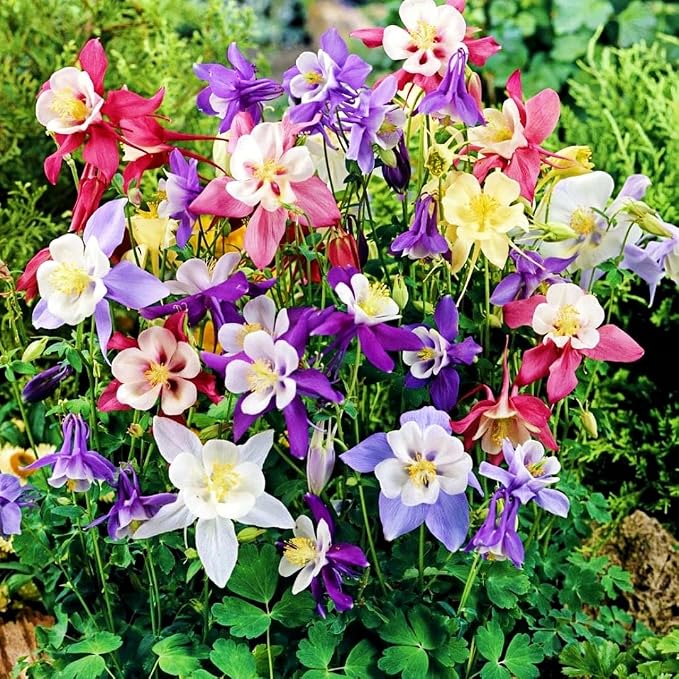
Aquilegia McKana Giant Columbine Flower Seeds grow into outdoor perennials known for their oversized, colorful columbine flowers. Perfect for gardeners wanting to attract hummingbirds and butterflies, they stand out with large, spurred blossoms that create a lively, nectar-rich environment.
Sowing these seeds requires a spot outdoors where they can spread and develop naturally. Gardeners will appreciate watching the multi-colored petals bloom into large flowers as the plants grow.
Their unique shape not only looks striking but also serves to draw in pollinators, adding life and movement to the garden throughout the season.
The plants deliver stunning blooms that reach impressive sizes, making them a standout in any garden setup. Built to thrive outside, their structure efficiently supports pollinators like hummingbirds and butterflies.
High praise often goes to how effectively they attract wildlife, while the most noted drawback is the need for outdoor space and time to flourish fully.
The flowers grow to be impressively large and draw in a lot of hummingbirds and butterflies, creating a busy garden scene. Many find the wait for their full bloom size a bit long, especially if looking for quick results.
Those wanting a vibrant garden that attracts wildlife will get a lot from these seeds. Gardeners with limited outdoor space or who want faster flowering might want to consider alternatives.
Pros
- Produces oversized, vibrantly colored flowers
- Attracts hummingbirds and butterflies reliably
- Supports local pollinators with nectar-rich blooms
Cons
- Requires outdoor space for proper growth
- Needs time before blooms reach full size
| Specification | Details |
|---|---|
| Indoor/Outdoor Usage | Outdoor |
14. BBB Seed Hummingbird Wildflower Seed Mix

Vibrant blooms that attract hummingbirds stand out most about BBB Seed Hummingbird Wildflower Seed Mix. Ideal for gardeners in USDA zones 2-9 looking to fill over 100 sq.
ft. with hardy, nectar-rich flowers suitable for full sun and sandy soil conditions.
Preparing the soil and sowing in spring or late fall sets the stage for a colorful garden that supports year-round hummingbird visits. Moderate watering keeps the mix thriving without overdoing moisture. Seeds come without fillers, simplifying planting decisions and ensuring only quality flowers grow.
The mix combines both annuals and perennials, giving seasonal variety and longer-lasting appeal.
Blooms provide continuous color and nectar sources that hummingbirds love, supporting outdoor spaces with vibrant wildlife activity. Seed quality and germination are high since every lot is tested.
The seed mix is crafted to thrive in moderate watering and full sun, adapting well to sandy soils. Some report uneven germination in less ideal soil or if watering is inconsistent, which seems to be the main downside.
Excellent seed quality and diversity provide colorful blooms that hummingbirds enjoy throughout many seasons. Performance depends heavily on proper soil preparation and watering routines, with some patchy growth reported when conditions are less than ideal.
Gardeners seeking a long-lasting, varied hummingbird garden will find this mix fitting well, especially in sandy, full sun locations. Those with heavier soils or irregular watering schedules might want to explore options better suited to those conditions.
Pros
- High-quality non-GMO seeds with no fillers
- Attracts a variety of hummingbirds effectively
- Good coverage for over 100 sq. ft. from 1 oz
- Includes diverse annual and perennial wildflowers
Cons
- Germination may be uneven in poor soil conditions
- Needs moderate watering, not suited for overly wet areas
| Specification | Details |
|---|---|
| Sunlight Exposure | Full Sun |
| Expected Blooming Period | Year Round |
| Soil Type | Sandy Soil |
| Moisture Needs | Moderate Watering |
| USDA Hardiness Zone | 2-9 |
| Expected Planting Period | Spring and late Fall |
15. Hummingbird Butterfly Wildflower Seed Mix

Perfect for gardeners aiming to attract hummingbirds and butterflies, this wildflower seed mix fills large areas with a variety of colorful blooms. Its biggest strength lies in blending annuals for quick color and perennials for lasting garden beauty, making it a versatile choice for both beginners and experienced planters.
Planting is straightforward since seeds just need to be scattered on cleared soil in full sun or partial shade after the frost passes. Simply press them lightly into the soil and keep the ground damp while they start to sprout.
The mix suits different seasons for sowing and adapts to various USDA zones, making it convenient to fit into many outdoor garden plans.
Once the flowers grow, they provide a lively display that keeps hummingbirds and butterflies returning from spring through fall. The large seed quantity can cover 300 square feet, which feels generous for bigger garden beds or border areas.
Most compliments praise the diversity of flower types, while some note that weed control before sowing is important to avoid competition.
The mix offers a broad variety of flowers that keep gardens lively and full of pollinators through several seasons. Many find the coverage area generous, though some users mention the importance of preparing the soil well to avoid weeds choking the young seedlings.
People wanting a colorful, pollinator-friendly garden with a mix of quick and long-term blooms will appreciate this seed blend. Those seeking a low-maintenance or smaller scale planting might look for alternatives with fewer or more specialized flower types.
Pros
- Includes 18 annual and perennial flower varieties
- Covers a large area of 300 square feet
- Attracts both hummingbirds and butterflies
- Suitable for wide range of USDA zones
Cons
- Requires cleared ground to prevent weed competition
- Needs consistent moisture during seed establishment
| Specification | Details |
|---|---|
| Expected Blooming Period | Spring to Fall |
| Sunlight Exposure | Full Sun |
| Expected Planting Period | Spring, Summer, Fall |
| USDA Hardiness Zone | 1, 2, 3, 4, 5, 6, 7, 8, 9, 10 |
| Moisture Needs | Moderate Watering |
| Outdoor Usage | Outdoor |
Comparison of Top Hummingbird Perennial Plants
| Product | Bloom Period | Sunlight Exposure | USDA Hardiness Zone | Attracts Pollinators |
|---|---|---|---|---|
| Hummingbird Mint Mix | Year Round | Full Sun | – | Yes |
| Blue Fortune Mint | Summer to Fall | Full Sun | 5-9 | – |
| EATONS Red Penstemon | Spring to Summer | Full Sun, Partial Shade | 4-11 | Yes |
| Wild Columbine Seeds | – | Full Sun | – | – |
| Perennial Wildflower Mix | 35-75 days | Full Sun | – | – |
| Burpee Wildflower Mix | Spring to Fall | Full Sun | – | – |
| Arizona Sandstone Mint | Summer | Full Sun | – | – |
| Trumpet Vine Seeds | Summer to Fall | Full Sun, Partial Shade | – | Yes |
| Trumpet Creeper Seeds | Summer | Full Sun | – | – |
| Outsidepride Blue Sage | Summer | Partial Sun | 7 | – |
| Pink Hummingbird Mint | Summer to Fall | Full Sun | 9 | – |
| Yellow Columbine Seeds | Spring to Summer | Full Sun | 6 | – |
| McKana Giant Columbine | – | – | – | – |
| BBB Hummingbird Mix | Year Round | Full Sun | 2-9 | Yes |
| Hummingbird Butterfly Mix | Spring to Fall | Full Sun | 1-10 | Yes |
- Bloom PeriodYear Round
- Sunlight ExposureFull Sun
- USDA Hardiness Zone–
- Attracts PollinatorsYes
- Bloom PeriodSummer to Fall
- Sunlight ExposureFull Sun
- USDA Hardiness Zone5-9
- Attracts Pollinators–
- Bloom PeriodSpring to Summer
- Sunlight ExposureFull Sun, Partial Shade
- USDA Hardiness Zone4-11
- Attracts PollinatorsYes
- Bloom Period–
- Sunlight ExposureFull Sun
- USDA Hardiness Zone–
- Attracts Pollinators–
- Bloom Period35-75 days
- Sunlight ExposureFull Sun
- USDA Hardiness Zone–
- Attracts Pollinators–
- Bloom PeriodSpring to Fall
- Sunlight ExposureFull Sun
- USDA Hardiness Zone–
- Attracts Pollinators–
- Bloom PeriodSummer
- Sunlight ExposureFull Sun
- USDA Hardiness Zone–
- Attracts Pollinators–
- Bloom PeriodSummer to Fall
- Sunlight ExposureFull Sun, Partial Shade
- USDA Hardiness Zone–
- Attracts PollinatorsYes
- Bloom PeriodSummer
- Sunlight ExposureFull Sun
- USDA Hardiness Zone–
- Attracts Pollinators–
- Bloom PeriodSummer
- Sunlight ExposurePartial Sun
- USDA Hardiness Zone7
- Attracts Pollinators–
- Bloom PeriodSummer to Fall
- Sunlight ExposureFull Sun
- USDA Hardiness Zone9
- Attracts Pollinators–
- Bloom PeriodSpring to Summer
- Sunlight ExposureFull Sun
- USDA Hardiness Zone6
- Attracts Pollinators–
- Bloom Period–
- Sunlight Exposure–
- USDA Hardiness Zone–
- Attracts Pollinators–
- Bloom PeriodYear Round
- Sunlight ExposureFull Sun
- USDA Hardiness Zone2-9
- Attracts PollinatorsYes
- Bloom PeriodSpring to Fall
- Sunlight ExposureFull Sun
- USDA Hardiness Zone1-10
- Attracts PollinatorsYes
How to Choose the Right Hummingbird Perennials
Consider factors like climate compatibility, bloom time, and nectar availability to attract hummingbirds effectively. Choosing perennials suited to your area reduces plant loss and maintenance, saving time and money while ensuring a vibrant, hummingbird-friendly garden year after year.
Flower Attractiveness
Hummingbirds tend to visit flowers with vivid colors like red, orange, and pink. Flowers that combine bright shades stay visible to these birds from a distance and encourage frequent visits.
Nectar plays a direct role in their attraction; blooms producing abundant, accessible nectar keep hummingbirds returning day after day. Flowers with long, tubular shapes often hold more nectar suited for their feeding style.
The length of the blooming period directly affects whether your garden keeps hummingbirds interested throughout the warmer months. Plants that bloom over several months provide a steady food source, avoiding gaps when birds might look elsewhere. Choosing flowers with both strong color saturation and long-lasting blooms results in a more engaging space for hummingbirds over time.
Plant Hardiness
Plants that match your USDA hardiness zone have a better chance of surviving winter and summer extremes without frequent replacement. Choosing species resistant to pests like aphids or powdery mildew saves time and reduces chemical use later.
Some perennials also tolerate both sandy and clay soils, avoiding constant soil amendments or replanting.
Ignoring hardiness can lead to poor growth or increased vulnerability to disease, frustrating gardeners. Opt for plants rated to thrive within your zone and known to fend off local pests.
Those that tolerate a variety of moisture conditions, neither drought-sensitive nor demanding constantly wet soil, also reduce daily care hassles.
Growth Habit and Size
Plants that grow too tall might overshadow smaller flowers or dominate garden corners unexpectedly, while those that spread aggressively can crowd out desired neighbors. Knowing a plant’s mature height and spread in advance helps plan a balanced layout.
Medium-growing options, around 2 to 4 feet tall and wide, often fit well in typical garden beds.
Growth rate matters too. Fast growers might require more frequent pruning to maintain shape and prevent overcrowding. Slow growers can be an advantage in low-maintenance designs but might need patience before they fill the space.
Consider how each plant pairs with others in terms of color and size for a cohesive look.
Pollinator Friendliness
Flowers with deep, narrow tubes often match hummingbird beak shapes best, allowing the birds to access nectar efficiently. High nectar volume per bloom supports sustained hovering feeding without excessive energy use. Pollinator-friendly plants avoid systemic pesticides or treatments that linger on petals or in nectar, protecting hummingbird health.
Limited nectar or improperly shaped flowers can frustrate hummingbirds, causing them to skip your garden. Check labels or sources for details about nectar production and flower morphology.
Choosing plants naturally free from harsh chemicals also ensures the garden doesn’t become a risk zone for these delicate birds.
Care and Maintenance
Watering needs vary widely; drought-tolerant perennials reduce daily watering tasks, while thirsty plants might require more attention in dry spells. Feeding with balanced fertilizer encourages regular flowering but excessive nutrients can promote leafy growth over blooms.
Pruning dead stems and spent flowers encourages new buds and extends blooming season.
Selecting perennials that reliably come back year after year means fewer replacements and a more stable garden environment. Some of these plants thrive for several seasons with minimal care, making them suitable for gardeners with limited time. Understanding each plant’s specific maintenance helps avoid over- or under-care.
Tips for Attracting Hummingbirds to Your Perennial Garden
Hummingbirds are drawn to bright, tubular flowers because their long beaks and tongues are well-suited for extracting nectar. Planting perennials that bloom at different times from early spring to late fall ensures a continuous food source. Focus on flowers in reds, oranges, and pinks, as these colors stand out to hummingbirds.
Group several plants closely to create a dense patch of blossoms, making it easier for hummingbirds to feed efficiently. Incorporate native perennials such as coral honeysuckle, bee balm, and cardinal flower, which are known to attract these birds without needing much extra care.
- Provide a shallow water source, like a birdbath with moving water, for drinking and bathing.
- Avoid using pesticides that could harm hummingbirds or the insects they consume.
- Include perches like thin branches nearby for resting.
Consistent care and thoughtful plant choices bring hummingbirds back season after season.
Common Mistakes to Avoid When Planting Hummingbird-Attracting Perennials
Planting hummingbird-attracting perennials in full shade is a common mistake that reduces flower production and nectar availability. Most of these plants thrive in at least six hours of sun per day, ensuring they generate enough blooms to entice hummingbirds.
Overcrowding plants can also be problematic. While hummingbirds appreciate clustered blooms, tight spacing can lead to poor air circulation, increasing fungal issues and reducing overall plant health.
- Avoid planting only annuals or plants with short bloom periods; mix in perennials that bloom across seasons.
- Neglecting soil preparation results in weaker plants; nutrient-rich, well-drained soil supports vigorous growth.
- Using fertilizers high in nitrogen promotes leafy growth but reduces flowers, limiting nectar sources.
Choosing the right location, spacing, and soil conditions helps perennials flourish and keeps hummingbirds coming back.
People Also Asked
How Do I Care for Hummingbird Perennial Plants Year-Round?
Keep hummingbird perennials watered during dry spells and remove dead flowers to encourage more blooms. Mulching helps regulate soil temperature and retain moisture throughout the year. In colder climates, some perennials may benefit from winter protection like a light mulch layer or covering.
What Size Do Hummingbird Perennials Typically Grow To?
Most hummingbird perennials grow between 1 to 4 feet tall. Their width can vary but expect a spread of about 1 to 3 feet. Pruning back after flowering keeps plants tidy and encourages bushier growth.
Are Hummingbird Perennials Safe for Pets and Children?
Several hummingbird perennials are non-toxic, but always check specific plant types before planting around pets or children. Avoid plants known to be harmful like lantana or foxglove. Keep plant clippings and debris away to prevent accidental ingestion.
How Long Do Hummingbird Perennials Usually Bloom Each Season?
Bloom time ranges from a few weeks up to several months depending on the species and climate. Deadheading spent flowers often extends blooming. Some varieties may rebloom later if cut back properly.
What Common Problems Affect Hummingbird Perennials and How to Fix?
Common problems include powdery mildew, aphids, and root rot due to overwatering. Address mildew with good air circulation and remove infected leaves. Use insecticidal soap for aphids and ensure soil drains well to prevent root rot.
Conclusion
Selecting the best hummingbird perennials means focusing on plants that attract birds with vibrant flowers and provide nectar throughout the season. Look for varieties that fit your local climate so they thrive without extra effort. It’s also important to consider bloom times to keep hummingbirds visiting your garden longer.
Choose plants that suit the size of your garden and the time you can spend caring for them. Some require minimal maintenance, while others need more attention to flourish.
Check the comparison table and detailed descriptions above to find options that match your space and preferred level of care.


