Top 15 Best Flowers That Attract Hummingbirds Fast!
Trying to attract hummingbirds with the wrong flowers often leads to disappointment. Many people plant flowers that bloom too briefly or lack the nectar that hummingbirds are drawn to.
The best flowers that attract hummingbirds consistently offer vibrant colors and produce ample nectar, creating a reliable source of food that encourages these tiny birds to visit your garden often.
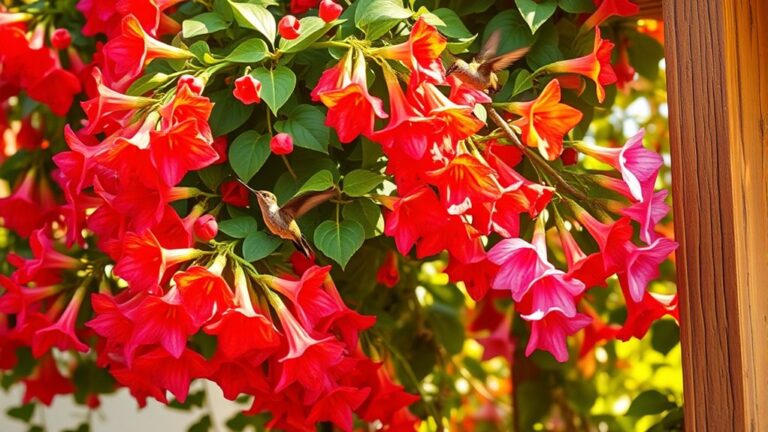
Good hummingbird-attracting flowers usually have tubular shapes and are red, orange, or pink, as these colors catch the birds’ attention better than others. The right size matters too; blooms that are around one to two inches long are ideal for a hummingbird’s beak and tongue.
Choosing flowers that bloom throughout the warmer months helps keep a constant food supply rather than only a brief feeding window.
Need a Quick Check?
| Image | Product | Price |
|---|---|---|
Our Top Picks 1  | Burpee Wildflower Mix | Check Price |
Our Top Picks 2  | Earth Science Wildflower Seeds | Check Price |
Our Top Picks 3  | Survival Garden Hummingbird Seeds | Check Price |
Our Selected Top 15 Flowers That Attract Hummingbirds You Can Trust
This list features a variety of flowers known for attracting hummingbirds, with details on how each performs in different environments. You’ll learn about their growth habits, appeal to hummingbirds, and the benefits and drawbacks of each option to help you choose the best fit for your garden.
1. Burpee Wildflower Flower Seeds Mix
Burpee Wildflower Flower Seeds Mix is ideal for anyone wanting to attract hummingbirds and butterflies to their garden throughout the growing season. It stands out for offering a variety of 18 vibrant flower types that bloom from spring until frost, providing continuous outdoor color and wildlife activity.
Planting is simple, requiring a sunny spot and some patience through the growing season. The mix contains 25,000 non-GMO seeds that cover up to 1,000 square feet, so scattering them in open soil works well.
Moderate watering is needed, and the seeds respond nicely to typical garden care during spring and summer planting.
Growth delivers a lively mix of annuals and perennials, with flowers reaching about 65 centimeters. The variety ensures hummingbirds and butterflies stay drawn in.
Most find the seed packet easy to handle and appreciate the organic, heirloom nature of the seeds. Some users do note that blooms can be patchy if conditions aren’t ideal.
The seed mix consistently attracts hummingbirds and butterflies across a wide area, with plenty of floral variety to maintain interest. Some gardeners find that blooms aren’t guaranteed to be dense everywhere and that success depends on proper sun exposure.
People looking for long-season wildlife-friendly flowers will enjoy the blend, especially in sunny spots with moderate care. Those with shade or less garden space might want to explore alternatives suited to their specific conditions.
Pros
- Contains 18 wildflower varieties attracting hummingbirds
- Covers up to 1,000 square feet
- Non-GMO, certified heirloom seeds
- Blooms from spring until frost
Cons
- Bloom density can vary with growing conditions
- Requires full sun for best results
| Specification | Details |
|---|---|
| Expected Blooming Period | Spring to Fall |
| Sunlight Exposure | Full Sun |
| Expected Plant Height | 65 centimeters |
| Moisture Needs | Moderate Watering |
| Seed Count | 25,000 NON-GMO Seeds |
| Planting Period | Spring to Summer |
2. Earth Science Butterfly & Hummingbird Wildflower Seeds
Choosing a wildflower seed blend that attracts hummingbirds and other pollinators makes sense for any garden aiming to support local wildlife while keeping things colorful from summer to fall. Great for outdoor spaces with enough sun, it stands out by offering a rich mix of flower types in one pack, providing variety and extended blooming seasons.
Planting the seeds is straightforward, best done in areas that receive full sun and require moderate watering. The large quantity allows coverage of around 1,500 square feet, whether it’s a small garden patch or a larger meadow.
Watching the different flowers emerge over time turns the space into a lively habitat for hummingbirds, bees, and butterflies alike.
The blend performs well in zones 4 through 9, producing well-known garden favorites such as Purple Cone Flowers and Black-Eyed Susans. It reliably blooms from spring up until fall, offering continuous color.
It’s praised for the biodiversity it encourages, though some find the large coverage area demanding if space is limited.
The blend receives strong praise for attracting a broad range of pollinators and providing vibrant, long-lasting blooms. The main drawback is its large coverage area, which can make it impractical for very small garden spaces.
Gardens with ample sunny space and a desire to create a pollinator-friendly habitat will benefit most from this blend. Those with limited space or less sun exposure might consider different seed options better suited to smaller or shadier spots.
Pros
- Diverse mix of popular wildflowers
- Attracts multiple pollinators including hummingbirds
- Supports large garden or meadow areas
- Long blooming season from spring to fall
Cons
- Requires full sun and moderate watering
- Large coverage area may be too big for small gardens
| Specification | Details |
|---|---|
| Expected Blooming Period | Spring to Fall |
| Sunlight Exposure | Full Sun |
| USDA Hardiness Zone | 4, 5, 6, 7, 8, 9 |
| Moisture Needs | Moderate Watering |
| Seed Quantity | 4oz includes over 40,000 seeds |
| Coverage | Approx. 1,500 square feet |
3. Survival Garden Hummingbird Flower Seeds
Trying to bring hummingbirds to your garden can be a challenge, especially when you want flowers that bloom for a long time and handle a variety of outdoor conditions. Survival Garden Hummingbird Flower Seeds suit anyone looking for a colorful mix of nectar-rich flowers that attract hummingbirds and other pollinators throughout the entire growing season.
Planting the assortment in spring is straightforward with plenty of varieties designed for moderate watering and full sun exposure. The mix includes annuals and perennials that bloom in stages, so you get continuous color and interest in your garden from spring to fall. It works well in loam soil, and the drought tolerant nature means it doesn’t demand constant care once established.
These seeds deliver on attracting hummingbirds with many tubular blooms full of nectar. The flowers reach about 36 inches tall, creating a lush display. Many appreciate the high germination rate and long bloom time.
The main complaint centers around the need for full sun and moderate water; shady or overly dry spots might limit growth or bloom quality.
Survival Garden’s mix brings reliable hummingbird visits thanks to its variety of nectar-rich tubular flowers that bloom all season long. Most commonly, the flowers need proper sunlight and watering; insufficient sun can reduce bloom quality or frequency.
Gardeners with sunny spots looking for low-maintenance, colorful plants attracting pollinators will appreciate this mix. Anyone with mostly shade or very dry soil might want to consider other flower options better suited to those conditions.
Pros
- Colorful mix blooms continuously through the season
- Attracts hummingbirds, butterflies, and pollinators
- Drought tolerant with moderate water needs
- High germination rate from untreated seeds
Cons
- Requires full sun for best bloom
- Not suited for very dry or shady locations
| Specification | Details |
|---|---|
| Expected Blooming Period | Spring to Fall |
| Sunlight Exposure | Full Sun |
| Expected Plant Height | 36 inches |
| Moisture Needs | Moderate Watering |
| USDA Hardiness Zone | 3-10 |
4. BBB Seed Hummingbird Flower Seeds Mix

Covering over 100 sq. ft. with one ounce, this hummingbird flower seed mix suits gardeners wanting vibrant flowers that attract hummingbirds.
Its biggest strength lies in the diverse selection of annual and perennial wildflowers tailored to bring in hummingbirds with colorful blooms and nectar sources they enjoy.
Planting is straightforward when sown in full sun during spring or late fall. The seeds thrive in sandy soil and need moderate watering.
Growing them outdoors where they get ample sunlight supports their blooming all year round. Their hardy nature fits USDA zones 2-9, making them adaptable to various climates for continuous hummingbird visits.
Flowers bloom reliably, attracting many hummingbirds as intended. The seed mix is premium quality, non-GMO, and thoroughly tested for germination, which ensures good growth.
Strong praise notes how vibrant the flowers turn out while the common complaint points to the need for moderate watering and proper soil conditions for best results.
The seed mix receives strong praise for producing vibrant, diverse flowers that truly attract hummingbirds throughout the year. A common drawback is the necessity for suitable soil conditions and consistent watering to maintain their blooming potential.
Gardeners with sunny outdoor spaces and sandy soil will appreciate this mix’s versatility and hardy plants. Those lacking proper soil or consistent access to moderate watering might want to look for alternatives better suited to their environment.
Pros
- High-quality non-GMO, open-pollinated seeds
- Covers over 100 sq. ft. with one ounce
- Includes variety of annual and perennial flowers
- Tested for germination and weed seed quality
Cons
- Requires moderate watering and sandy soil
- Needs full sun to bloom effectively
| Specification | Details |
|---|---|
| Sunlight Exposure | Full Sun |
| Expected Blooming Period | Year Round |
| Soil Type | Sandy Soil |
| Moisture Needs | Moderate Watering |
| Expected Planting Period | Spring and late Fall |
| USDA Hardiness Zone | 2-9 |
5. Seed Needs Hummingbird and Butterfly Flower Seeds

Gardeners looking to attract hummingbirds and butterflies will appreciate the colorful variety in this seed mix. It suits those wanting a lively garden with a range of red, orange, yellow, blue, pink, and purple flowers. Its biggest strength is the mix of annual and perennial wildflower seeds designed to thrive outdoors in full sun.
Planting the seeds in spring requires a spot with full sun and regular watering, ideally daily for best results. The mix includes flowers like snapdragon, cosmos, and butterfly milkweed, which together create an inviting habitat for pollinators over the summer to fall blooming period. Growing to around 36 inches, these flowers can fill your garden space nicely without much fuss.
It performs well for attracting hummingbirds and butterflies thanks to the diverse flower types that bloom at different times. The seeds handle average soil and various USDA zones, making them adaptable. Reviewers often praise the vibrant colors and variety, while some mention the need for frequent watering as a common challenge.
It’s built for outdoor gardens with moderate care.
Many appreciate the wide color range and mix of flower types that attract pollinators, creating a bright, lively garden. A frequent drawback noted is the need for consistent, daily watering to keep the flowers healthy throughout the growing period.
This seed mix fits gardeners ready for some regular care and sun exposure who want to boost hummingbird and butterfly activity. Those looking for low-maintenance or indoor options might want to consider other seeds better suited for different growing conditions.
Pros
- Wide variety of colorful flowers
- Includes annual and perennial seeds
- Attracts butterflies and hummingbirds
- Works across many USDA zones
Cons
- Needs daily watering for best results
- Outdoor use only, not suitable indoors
| Specification | Details |
|---|---|
| Sunlight Exposure | Full Sun |
| Expected Blooming Period | Summer to Fall |
| Expected Plant Height | 36 inches |
| Moisture Needs | Water Daily |
| USDA Hardiness Zone | 1,2,3,4,5,6,7,8,9,10 |
| Indoor Outdoor Usage | Outdoor |
6. Wildflower Seeds Mix for Hummingbirds and Butterflies

Wildflower Seeds Mix for Hummingbirds and Butterflies brings together 24 types of annual, perennial, and biennial plants that thrive in full sun. Ideal for garden lovers wanting a lively outdoor space filled with hummingbirds and butterflies, its strongest point is the high germination rate ensuring most seeds sprout successfully.
Preparation is straightforward, plant outdoors during spring or summer in a sunny spot. The seeds need a bit of space to grow up to 48 inches tall, adding vertical interest to your garden. Daily, these wildflowers attract a variety of pollinators including bees, ladybugs, and butterflies, contributing to a thriving ecosystem around you.
The wildflowers deliver on their promise to bring pollinators and color. Being a seed mix, it takes between 35 to 75 days for blooming, revealing a diverse array of shapes and colors.
A common drawback is the need for consistent sunlight and specific planting seasons, which may limit where and when they flourish best.
High germination rate results in a garden rich with pollinators and colorful flowers, though limited to outdoor use with full sun and spring or summer planting times. The mix brings genuine life to outdoor spaces with minimal filler seeds.
Those looking to attract a wide range of pollinators and enjoy varied flowers will appreciate this seed mix. Gardeners without consistent sunny spots or outside planting seasons might want to look for alternatives better suited to their conditions.
Pros
- Includes 24 diverse flower types
- High germination rate ensures strong growth
- Attracts butterflies, bees, and hummingbirds
- Seeds tested for freshness and purity
Cons
- Requires full sun exposure
- Best planted in specific seasons
| Specification | Details |
|---|---|
| Sunlight Exposure | Full Sun |
| Indoor/Outdoor Usage | Outdoor |
| Expected Blooming Period | 35-75 days |
| Expected Plant Height | 48 inches |
| Expected Planting Period | Spring and Summer |
| Seed Purity | 99% pure live seed |
7. Butterfly Bush Perennial Flower Seeds Mix

Butterfly Bush Perennial Flower Seeds Mix offers a colorful way to attract hummingbirds and other pollinators to your garden. Ideal for outdoor gardeners looking to add vertical interest and lively activity, it stands out for its tall flower spikes and ability to bloom year-round in full sun.
Starting these seeds indoors about six to eight weeks before the last frost gives a better head start. You press the seeds lightly into moist seed-starting mix, making sure they get enough light for germination.
Keeping the soil consistently moist until seedlings appear is important. Once planted outside, their mounding habit works well at the back of borders or as a standalone feature, thriving best under full sun.
Work of attracting pollinators, especially hummingbirds and butterflies, is strong, filling your garden with life and color. Plants reliably produce tall spikes from the seeds, giving a nice backdrop or focal point in outdoor spaces.
Most reviews highlight the vibrant blooms and continuous blossoming. Some find patience necessary during seed starting, as it requires careful moisture and light management before outdoor planting.
Gardens quickly become lively with hummingbirds and butterflies thanks to the bright, tall blooms that come year-round. Starting seeds indoors demands keeping soil moist and providing light, which some find a bit tricky before transplanting outdoors.
People wanting a garden that attracts pollinators in sunny outdoor spots will appreciate this perennial seed mix. Those looking for instant blooms or less hands-on seed care might prefer alternative flower options or established plants.
Pros
- Attracts a variety of pollinators including hummingbirds
- Tall, colorful flower spikes add vertical interest
- Suitable for outdoor use with full sun exposure
- Blooms throughout the year providing ongoing color
Cons
- Requires careful moisture and light during seed starting
- Need patience before seedlings emerge indoors
| Specification | Details |
|---|---|
| Indoor Outdoor Usage | Outdoor |
| Expected Blooming Period | Year Round |
| Sunlight Exposure | Full Sun |
| Sowing Guidance | Start indoors 6-8 weeks before last frost |
| Plant Habit | Tall flower spikes, mounding |
8. Columbine (Aquilegia) Perennial Flower Seeds

Bright spurred blooms and delicate foliage make it stand out in any garden space, especially for those wanting to attract hummingbirds. Ideal for gardeners looking to add height and color while supporting local pollinators in climates ranging from cool to warm.
Planting the seeds takes some patience, but they thrive in well-drained soil with a mix of sun and shade. Growing up to 36 inches tall, they bring vertical interest without crowding.
Watching hummingbirds visit the nectar-rich flowers becomes part of the everyday joy, making the garden feel alive and buzzing with activity.
Flowers return year after year, proving this perennial’s hardiness in USDA zones 3-9. Its build is natural but tough, suited for outdoor conditions, and the spread of 10-18 inches allows for generous patches without overwhelming space. Most appreciate the vibrant colors and steady return, though some find waiting for blooms from seeds a test of patience.
The flowers attract a variety of pollinators consistently and come back reliably each season, but the wait for blooms after planting seeds can feel lengthy. Gardeners appreciate their vibrant colors and vertical height, yet patience is needed before enjoying the full display.
Anyone wanting a lasting, colorful addition that supports wildlife will find this choice rewarding. Those wanting faster blooms or indoor options might prefer a different plant for quicker results or less reliance on outdoor conditions.
Pros
- Attracts hummingbirds, bees, and butterflies
- Hardy perennial returning year after year
- Vibrant spurred blooms add garden color
- Adaptable to full sun or partial shade
Cons
- Slow to bloom from seed starting
- Requires well-drained soil for best growth
| Specification | Details |
|---|---|
| Plant Height | 18-36” tall |
| Plant Spread | 10-18” spread |
| Sun Exposure | Full Sun to Partial Shade |
| USDA Zones | 3-9 |
| Seed Count | 1000 Columbine Seeds |
| Usage | Outdoor |
9. Wildflower Seeds Butterfly and Hummingbird Mix

Perfect for anyone wanting to bring hummingbirds and butterflies to their garden, this packet covers a large area and contains a huge number of seeds. Its biggest strength is the sheer volume of viable seeds, offering a vibrant natural escape for 100 square feet with minimal effort.
Setup is straightforward, needing a sunny spot and moderate watering. Seeds come fresh each season in a resealable package designed to keep them viable for longer.
Planting instructions help guide through soil preparation that adapts well to most types. The flowers grow to about 4 feet, making the area lively from spring through fall.
Plants grown from these seeds provide a colorful display that attracts hummingbirds reliably. The seeds have a high germination rate, contributing to consistent growth if conditions are right. A handy reusable package protects seed freshness but many note the variety does not offer a wide range of colors or flower types.
Seeds are praised for their freshness and ability to sprout reliably, resulting in a vibrant garden that attracts hummingbirds. The main complaint centers on the limited variety in flower selection, which may not satisfy those seeking diverse blossoms.
Anyone looking to fill a moderately sized sunny area with consistent blooms suited for hummingbirds will appreciate this mix. Gardeners aiming for a broader color range or shade-tolerant plants might prefer exploring other options.
Pros
- Large 1-ounce packet with over 7,500 seeds
- Fresh seeds ensure high germination rates
- Reusable packaging with planting instructions
- Adaptable to most soil types
Cons
- Limited variety of flower types and colors
- Requires full sun for best blooming
| Specification | Details |
|---|---|
| Expected Blooming Period | Spring to Fall |
| Sunlight Exposure | Full Sun |
| Expected Plant Height | 4 feet |
| Soil Type | Adaptable to most soils |
| Moisture Needs | Moderate Watering |
10. Hummingbird Trumpet Vine Flower Seeds

Vivid trumpet-shaped flowers with a deep orange to salmon-red hue make these seeds a solid choice for gardeners looking to bring hummingbirds close. Ideal for outdoor spaces that get full sun, they thrive best in sandy soil and moderate watering, standing out for their long blooming period.
Planting in summer is straightforward, and the moderate watering need fits well within typical garden routines. Over those months stretching mid-summer through fall, the flowers release a noticeable fragrance while attracting hummingbirds consistently.
Gardening with these seeds requires paying attention to soil type and sunlight to get the best results.
The flowers reliably attract hummingbirds and maintain a striking color throughout a long blooming period. The plant is hardy in sandy soil under full sun. While praised for its beauty and fragrance, some find the moderate watering requirement demands regular attention.
The growth contributes both to garden visual appeal and bird activity, making it a lively addition.
These seeds consistently deliver deep orange to salmon-red blooms that hummingbirds love, lasting well into fall. Most find the watering needs manageable but note it’s important not to let the soil dry out completely. The combination of fragrance and color creates a lively garden atmosphere.
Gardeners with full sun areas and sandy soil who want to enjoy hummingbird sightings will appreciate these seeds. Those lacking consistent outdoor summer planting conditions or frequent watering attention should consider alternatives better suited to low-maintenance environments.
Pros
- Attracts hummingbirds throughout blooming season
- Long blooming period from mid-summer to fall
- Fragrant, trumpet-shaped flowers add visual appeal
- Thrives in full sun and sandy soil
Cons
- Requires moderate watering, which demands regular care
- Only suitable for outdoor planting in summer
| Specification | Details |
|---|---|
| Expected Blooming Period | Summer |
| Sunlight Exposure | Full Sun |
| Expected Planting Period | Summer |
| Soil Type | Sandy Soil |
| Moisture Needs | Moderate Watering |
11. Blue Moon Wisteria Vine Plant

Giant clusters of lilac-blue flowers are hard to miss with this vine. Perfect for anyone wanting a long-lasting bloom that attracts hummingbirds and butterflies, it stands out because it flowers three times a year. A great choice for outdoor spaces that can handle its size and partial sun needs.
Growing this vine involves choosing a spot with partial sun and loam soil, then planting in fall for best results. Moderate watering keeps it happy without fuss.
You can train it along a trellis or weave it into a tree, which makes handling its eventual 25-foot length easier. It fills summer with fragrant blooms held in foot-long racemes that resemble grape clusters, adding beauty and wildlife attraction.
The plant performs well in zones 4-9 and produces blooms thrice annually with a nice scent. Its main appeal lies in how it invites hummingbirds and butterflies to your garden while thriving outdoors. The vine can grow quite tall, reaching 25 feet, which is impressive but means space is needed.
Some users find the size a challenge to manage, but most praise its repeat blooming and fragrance.
Many appreciate the repeated blooming cycle and beautiful fragrance that keep the garden lively through summer. On the downside, managing its size can be a hassle due to its growth reaching up to 25 feet, which may demand regular trimming or a large growing area.
Those with enough outdoor space looking for a flowering vine that invites hummingbirds will find this plant fitting well. For small gardens or indoor spaces, a more compact option would be more suitable since this vine thrives best outdoors and needs room to expand.
Pros
- Blooms three times per year
- Attracts hummingbirds and butterflies
- Fragrant lilac-blue flowers
- Can be trained on trellises or trees
Cons
- Grows very tall, needs plenty of space
- Requires moderate watering and partial sun
| Specification | Details |
|---|---|
| Expected Plant Height | 25 feet |
| Expected Blooming Period | Summer |
| Sunlight Exposure | Partial Sun |
| Moisture Needs | Moderate Watering |
| USDA Hardiness Zone | 4-9 |
| Expected Planting Period | Fall |
12. Hummingbird Trumpet Vine Flower Seeds

A generous package with 300 trumpet vine seeds offers excellent value for anyone wanting to cover large outdoor areas with vibrant flowers that attract hummingbirds. It suits gardeners focused on fast-growing climbers that bring life and color while drawing in pollinators during summer and fall.
Planting begins in spring to early summer in well-drained, rich organic soil. The vine grows quickly, making it perfect for fences or trellises needing fast coverage or privacy.
It thrives in full sun to partial shade and only requires medium watering during establishment, showing good drought tolerance once mature, keeping care straightforward week to week.
The bright orange-red tubular blooms do a great job attracting hummingbirds and butterflies from June through September. As a perennial hardy in USDA zones 4-9, it reliably returns yearly and can reach heights of up to 30 feet, creating impressive vertical interest. Most praise its rapid growth and abundant flowers, while some mention the vigorous nature can become hard to control.
The seeds produce vigorous, bright orange-red blooms that successfully attract hummingbirds and butterflies over several months. The vine grows quickly and can cover large vertical areas, but this rapid growth sometimes requires extra effort to keep it in check.
Well-suited for gardeners wanting fast coverage and a lively garden full of pollinators, especially in climates ranging from zone 4 to 9. Those preferring low-maintenance plants or smaller growth habits might prefer different options.
Pros
- Large seed count for extensive garden coverage
- Attracts hummingbirds and butterflies effectively
- Fast-growing climber reaching up to 30 feet
- Hardy perennial suitable for zones 4-9
Cons
- Growth can become difficult to control
- Needs regular watering during establishment
| Specification | Details |
|---|---|
| Expected Blooming Period | Summer To Fall (June Through September) |
| Sunlight Exposure | Full Sun To Partial Shade |
| Expected Planting Period | Spring To Early Summer (March To June) |
| USDA Hardiness Zone | 4-9 |
| Expected Plant Height | 30 feet |
| Soil Type | Well-drained, Loamy, Rich Organic Soil |
13. Hummingbird Butterfly Wildflower Seeds Mix

Bringing hummingbirds and butterflies close to your garden adds a lot of life and color, and this wildflower seed mix specializes in making that happen. Perfect for gardeners who want a natural, vibrant space, it stands out by offering a large packet that can cover a generous 100 square feet with nectar-rich flowers.
Planting the seeds is straightforward since the packet contains over 7,500 live seeds, enough for a substantial garden area. Tending the wildflowers involves regular watering and letting the mix grow in borders or wildflower sections. The blooms show up throughout the season, keeping the garden lively for several months while inviting pollinators to visit.
The mix performs well by attracting hummingbirds and butterflies consistently thanks to its diverse nectar-rich blooms. Built for ease, it provides plenty of seeds in one ounce for broad coverage. Users often appreciate the vibrant, sustained blooming but occasionally mention that some seeds might take longer to sprout or need specific conditions to thrive fully.
The richest highlight is the large volume of healthy seeds that deliver sustained color and pollinator visits. A noted challenge relates to the variability in germination, meaning patience and proper care are essential for the best display.
This seed mix suits gardeners looking to fill a generous space with lively, nectar-rich wildflowers and who enjoy watching hummingbirds and butterflies. Those preferring quick sprouting or more controlled gardens might want an alternative focused on uniform growth.
Pros
- Large packet with thousands of seeds
- Continuous blooming through the season
- Supports local pollinators effectively
- Easy to grow in varied garden areas
Cons
- Some seeds may have delayed germination
- Growth success depends on conditions
| Specification | Details |
|---|---|
| Unit Count | 1 Ounce |
| Seed Quantity | Over 7,500 pure live seeds |
| Coverage Area | 100 square feet |
| Intended Use | Attract hummingbirds and butterflies |
| Mix Type | Nectar-rich wildflower variety |
14. Eatons Penstemon Red Hummingbird Flower Seeds

Red blooms rising to about 18 inches tall make these seeds perfect for gardeners wanting to attract hummingbirds along with bees and butterflies. Best suited for outdoor planting in full sun, the bright red flowers bloom from late spring into early summer, drawing pollinators naturally.
Planting follows seasonal guidelines closely, ideally in spring or fall, with moderate watering and decent soil all being enough to grow them well. Spacing them 12 to 15 inches apart helps the plants spread nicely without overcrowding.
They handle USDA hardiness zones 4 through 11, making them flexible across many climates.
Once established, the flowers reliably pull in hummingbirds and other pollinators, adding vibrant color to the garden scene. The seeds come fresh, but strict adherence to planting instructions is essential, growth won’t happen otherwise.
Most praise the consistent freshness of the seeds, while some frustration comes from overlooked planting timing affecting success.
Seeds are noted for being fresh and producing healthy plants when grown on schedule. The biggest challenge comes from missing detailed planting instructions, which leads to poor growth or no plants at all. Strict timing and care are crucial.
Great for gardeners ready to commit to seasonal planting guidelines, especially in zones 4 to 11. Those looking for low-maintenance plants or blooms outside the spring-summer window might want to explore other options.
Pros
- Attracts hummingbirds, bees, and butterflies well
- Fresh seeds ensure higher germination rates
- Grows in wide USDA zones 4 through 11
- Bright red color stands out in gardens
Cons
- Must follow planting instructions exactly to succeed
- Limited bloom period from late spring to early summer
| Specification | Details |
|---|---|
| Plant Height | 16-18″ |
| Bloom Season | Late Spring to Early Summer |
| Light Requirements | Full Sun, Partial Shade |
| Plant Spacing | 12-15 inches |
| USDA Hardiness Zone | 4,5,6,7,8,9,10,11 |
| Moisture Needs | Moderate Watering |
15. Ferry-Morse Bulk Hummingbird Wildflower Seeds

Gardeners looking to attract hummingbirds will appreciate this wildflower seed mix made for outdoor sunny spots. Its biggest benefit is how it covers a large area with a diverse selection of flowers that bloom from spring to fall, creating vibrant colors that hummingbirds favor.
Planting requires full sun and consistent watering to keep the seeds thriving. Each pound covers 762 to 1,524 square feet, making it ideal for bigger gardens or open spaces. The mix includes a huge number of seeds, around 148,000 to 151,000, which ensures many flowers come up, offering long blooming periods and a variety of heights up to 72 inches.
Flowers grow well throughout spring to fall and have proven effective at drawing hummingbirds and other pollinators throughout the season. It’s non-GMO, which will appeal to those who prefer natural options. Some find managing regular watering a bit demanding, especially in less sunny or drier areas, but the quality and volume of flowers make it worth the effort.
Many people appreciate how the seed mix produces a vibrant, hummingbird-friendly garden that lasts throughout the warmer seasons. A frequent downside is the ongoing need to water regularly, which can be challenging in areas without consistent rainfall or easy irrigation.
Anyone with a well-sunny outdoor space and time to care for the plants will enjoy a lively floral display that attracts hummingbirds. Those unwilling to provide daily attention or with shady gardens should look for options that require less sun and water.
Pros
- Large coverage area for one package
- Diverse flower mix attracts hummingbirds well
- Long blooming season from spring through fall
- Non-GMO seeds included
Cons
- Requires full sun for best results
- Needs regular watering to maintain growth
| Specification | Details |
|---|---|
| Seed Count and Variety | About 148,000 to 151,000 seeds |
| Coverage Area | 762 to 1,524 sq. ft. |
| Sunlight Exposure | Full Sun |
| Moisture Needs | Regular Watering |
| Blooming Period | Spring to Fall |
| Plant Height | 12 to 72 in. |
Best Flowers That Attract Hummingbirds Comparison Table
| Product | Bloom Period | Sunlight Exposure | Special Features | Plant Height |
|---|---|---|---|---|
| Burpee Wildflower Mix | Spring to Fall | Full Sun | Certified, Heirloom, Organic | 65 cm |
| Earth Science Wildflower Seeds | Spring to Fall | Full Sun | – | – |
| Survival Garden Hummingbird Seeds | Spring to Fall | Full Sun | Attracts Pollinators, Drought Tolerant | – |
| BBB Hummingbird Seed Mix | Year Round | Full Sun | Attracts Pollinators | – |
| Seed Needs Butterfly Hummingbird | Summer to Fall | Full Sun | Attracts Butterflies, Heirloom | – |
| Wildflower Hummingbird Butterfly Mix | 35-75 days | Full Sun | High Germination Rate | 48 inches |
| Butterfly Bush Seed Mix | Year Round | Full Sun | Attracts Pollinators | – |
| Columbine Perennial Seeds | – | Full Sun | Attracts Pollinators | – |
| Wildflower Butterfly Hummingbird Mix | Spring to Fall | Full Sun | Reusable | 4 feet |
| Hummingbird Trumpet Vine Seeds | Summer | Full Sun | Fragrant | – |
| Blue Moon Wisteria Plant | Summer | Partial Sun | Fragrant | 25 feet |
| Trumpet Vine Hummingbird Seeds | Summer to Fall | Full to Partial Shade | Fast-growing, Attracts Hummingbirds | – |
| Hummingbird Butterfly Wildflower Mix | – | – | – | – |
| Eatons Red Penstemon Seeds | Spring to Summer | Full to Partial Shade | Attracts Pollinators | 18 inches |
| Ferry-Morse Bulk Wildflower Seeds | Spring to Fall | Full Sun | Non-GMO | – |
- Bloom PeriodSpring to Fall
- Sunlight ExposureFull Sun
- Special FeaturesCertified, Heirloom, Organic
- Plant Height65 cm
- Bloom PeriodSpring to Fall
- Sunlight ExposureFull Sun
- Special Features–
- Plant Height–
- Bloom PeriodSpring to Fall
- Sunlight ExposureFull Sun
- Special FeaturesAttracts Pollinators, Drought Tolerant
- Plant Height–
- Bloom PeriodYear Round
- Sunlight ExposureFull Sun
- Special FeaturesAttracts Pollinators
- Plant Height–
- Bloom PeriodSummer to Fall
- Sunlight ExposureFull Sun
- Special FeaturesAttracts Butterflies, Heirloom
- Plant Height–
- Bloom Period35-75 days
- Sunlight ExposureFull Sun
- Special FeaturesHigh Germination Rate
- Plant Height48 inches
- Bloom PeriodYear Round
- Sunlight ExposureFull Sun
- Special FeaturesAttracts Pollinators
- Plant Height–
- Bloom Period–
- Sunlight ExposureFull Sun
- Special FeaturesAttracts Pollinators
- Plant Height–
- Bloom PeriodSpring to Fall
- Sunlight ExposureFull Sun
- Special FeaturesReusable
- Plant Height4 feet
- Bloom PeriodSummer
- Sunlight ExposureFull Sun
- Special FeaturesFragrant
- Plant Height–
- Bloom PeriodSummer
- Sunlight ExposurePartial Sun
- Special FeaturesFragrant
- Plant Height25 feet
- Bloom PeriodSummer to Fall
- Sunlight ExposureFull to Partial Shade
- Special FeaturesFast-growing, Attracts Hummingbirds
- Plant Height–
- Bloom Period–
- Sunlight Exposure–
- Special Features–
- Plant Height–
- Bloom PeriodSpring to Summer
- Sunlight ExposureFull to Partial Shade
- Special FeaturesAttracts Pollinators
- Plant Height18 inches
- Bloom PeriodSpring to Fall
- Sunlight ExposureFull Sun
- Special FeaturesNon-GMO
- Plant Height–
How to Choose Flowers That Attract Hummingbirds
Choosing flowers with bright colors, tubular shapes, and abundant nectar ensures they effectively attract hummingbirds. Paying attention to these factors helps avoid wasted time and resources on plants that birds ignore, leading to a more vibrant and successful garden.
Bloom Type and Shape
Hummingbirds are drawn to flowers with a specific form that suits their long bills and tongues. Tubular or trumpet shapes allow these birds easy access to nectar deep inside, while flat or open blooms often leave nectar unreachable. A flower’s shape directly affects how frequently hummingbirds visit, it’s common to see them repeatedly return to blossoms that fit this profile.
The color contrast plays a major role as well. Flowers with bright reds and oranges stand out against green foliage, quickly catching the attention of hummingbirds. Less vibrant or blended colors often result in fewer visits because the birds don’t spot these flowers as easily.
Aim for plants with strong visual cues and classic tubular forms to keep these tiny feeders interested in your garden.
Nectar Production and Quality
Nectar production varies widely between species. Some flowers produce small amounts but replenish often, while others produce larger quantities at less frequent intervals. Hummingbirds prefer plants that provide a steady, reliable source of sugar-rich nectar throughout the day.
Monitoring how often nectar is available can prevent frustration when the birds arrive to find empty blooms.
The sugar concentration in the nectar also matters. Nectar that is too diluted may not attract hummingbirds as effectively as one with moderate to high sugar content. Choose flowers known for their sweet nectar, often around 20-25% sugar concentration.
Those that bloom over multiple weeks or months provide a longer feeding season and better support for visiting hummingbirds during their migration.
Plant Growth Habit and Size
Knowing the growth habit of a plant helps fit it into an appropriate space, whether a full bed or a small container. Some bloomers grow quickly and tall, requiring regular pruning to keep in check, while others stay compact and slow-growing, which suits tighter spots. Using the right size avoids overcrowding and competition with neighboring plants.
Compatibility with other garden plants counts toward creating a welcoming habitat. Mixing species with overlapping bloom times increases feeding options for hummingbirds. Plants that grow aggressively or spread rapidly can dominate a garden, so choosing species that coexist without overwhelming others is key for a balanced environment.
Climate and Hardiness Zone
Plants that can survive your local temperature swings and weather challenges save time and money. Some species tolerate frost better, enabling extended bloom periods in cooler areas, while others thrive in heat or handle drought well.
Selecting based on your USDA hardiness zone or local climate helps ensure that these flowers will return each year.
Matching the bloom period with hummingbird arrival improves chances to see these birds consistently. Flowers blooming too early or late might miss the peak activity of local hummingbird populations.
Understanding seasonal timing relative to migration patterns provides a steady nectar source when hummingbirds are present.
Maintenance and Care Needs
Caring for nectar plants requires attention to watering needs. Overly wet soil can rot roots, but dry conditions reduce flower production and nectar quality. Knowing the moisture preference of each species, whether drought-tolerant or needing frequent water, helps maintain healthy, attractive blooms.
Pest problems range from minor to severe, so choosing plants less prone to disease or with easy treatment options reduces frustration. Regular pruning and deadheading support continued blooming by removing spent flowers and encouraging new growth.
This maintenance keeps the plants vigorous and consistently appealing to nectar-feeding birds.
Tips for Planting and Arranging Flowers to Maximize Hummingbird Attraction
Hummingbirds are drawn to bright, tubular flowers that offer easy access to nectar. Positioning these plants in sunny spots will increase their bloom time and make them more visible to birds. Group several plants of the same type closely together rather than scattering them across the garden.
This approach creates a richer feeding area and makes it easier for hummingbirds to find food without expending too much energy flying.
Consider these tips:
- Choose flowers in shades of red, orange, or pink, which are particularly attractive to hummingbirds.
- Plant at varying heights to accommodate the birds’ flight paths and perching habits.
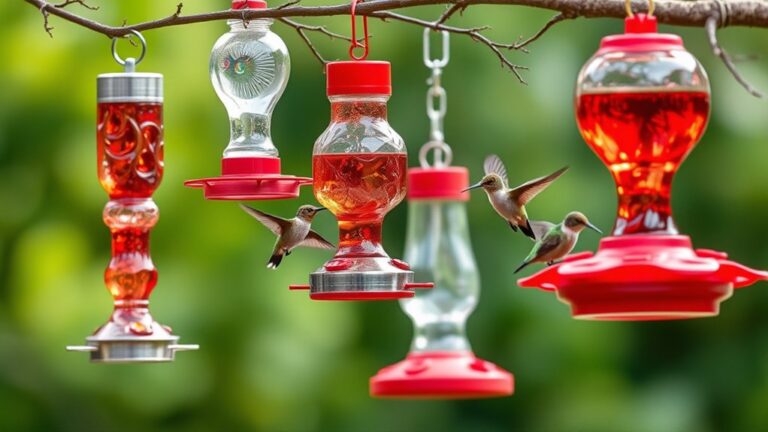
- Place feeders near the flowers to provide supplemental nourishment and encourage visits.
- Avoid densely planting with other non-attractive species that may confuse or deter hummingbirds.
Using these practices helps create an inviting and efficient feeding environment that hummingbirds will return to often.
Common Mistakes to Avoid When Growing Hummingbird-Friendly Flowers
Planting flowering species that hummingbirds do not prefer is a common mistake. For instance, flowers with closed or overly intricate shapes can limit access to nectar. Crowding plants too tightly can restrict airflow and create damp conditions that encourage disease.
Over-fertilizing often leads to excessive leaf growth at the expense of flowers, reducing nectar availability.
Other pitfalls include:
- Ignoring bloom timing; planting only early or late bloomers may limit food availability across the hummingbird season.
- Using pesticides that harm pollinators or deter hummingbirds.
- Placing feeders too far from flower beds, causing birds to avoid the area.
- Failing to maintain consistent watering, which reduces flower health and nectar production.
Addressing these issues improves plant survival and boosts hummingbird visits, making the effort more rewarding.
People Also Asked
What Flowers Attract Hummingbirds and Are Easy to Care For?
Trumpet vine, bee balm, and salvia attract hummingbirds and are easy to grow. These plants tolerate a range of soil types and need moderate watering to stay healthy. Planting them in sunny spots encourages more blooms and brighter colors, which hummingbirds prefer.
How Long Do Hummingbird-Attracting Flowers Typically Last in Gardens?
Hummingbird-attracting flowers can last from a few weeks to several months during the blooming season. Deadheading spent flowers regularly helps prolong blooming. Some perennials will come back year after year, offering long-term benefits.
Are Certain Flowers Safe for Hummingbirds and Pets to Be Around?
Most hummingbird-friendly flowers like fuchsia, columbine, and honeysuckle are safe for both birds and pets. Avoid plants treated with harmful pesticides to keep the environment safe. Monitor pets around plants just as you would in any garden.
What Size Plants Work Best for Attracting Hummingbirds in Small Spaces?
Compact varieties of bee balm, columbine, or penstemon work well in small spaces. These usually grow one to three feet tall and can fit into containers. Grouping a few plants can create a small hummingbird feeding station on a balcony or patio.
How Can I Prevent Common Problems with Hummingbird-Friendly Flowers?
Problems like fungal disease or pest infestations often begin with overwatering or poor air circulation. Water plants at the base instead of overhead to reduce leaf dampness. Keep plants spaced well, and remove any damaged leaves promptly to maintain plant health.
Conclusion
Choosing flowers that attract hummingbirds depends mainly on picking species with tubular shapes and bright colors, especially reds and oranges. Nectar production is key since hummingbirds need energy from the sugar-rich juice.
Also, consider the blooming season to provide a steady food source throughout the warmer months.
Think about the size of your garden and how much care you can give the plants before making a choice. Smaller spaces or lower budgets may call for more compact or easy-to-grow flowers. Check the comparison table and the detailed picks above to find options that fit your specific needs and environment.