Top 15 Best Agastache for Hummingbirds That Wow Gardeners
Having a garden with the best agastache for hummingbirds can be frustrating when the plants either fail to attract hummingbirds or don’t thrive in your climate. Many agastaches end up with sparse flowers or lose their vibrant colors too quickly, which means fewer visits from these birds. A poorly chosen agastache can also struggle with diseases or pests, making it less appealing overall despite care and watering.
The main things that set a good agastache for hummingbirds apart are flower density, bloom duration, and hardiness zone compatibility. The best varieties produce upright flower spikes packed with tubular blossoms that hummingbirds prefer and bloom consistently from mid-summer to early fall. Selecting agastache suited for your USDA zone, often 5 through 9, ensures the plant survives winters and resists common fungal issues.
Drought tolerance also matters since hummingbirds often visit during dry spells.
Need a Quick Check?
| Image | Product | Price |
|---|---|---|
Our Top Picks 1  | Agastache Hummingbird Mint Seeds | Check Price |
Our Top Picks 2  | Hummingbird Mint Blue Fortune Plant | Check Price |
Our Top Picks 3  | Agastache Aurantiaca Seeds | Check Price |
Our Selected Top 15 Agastache for Hummingbirds for Every Budget
This list features a variety of agastache plants known for attracting hummingbirds, covering different sizes, colors, and growing conditions. Each review explains how well the plant performs, who it’s best suited for, and highlights its strengths and weaknesses to help you make an informed choice.
1. Agastache Hummingbird Mint Seeds
Keeping hummingbirds returning to your garden often means planting flowers they love. Agastache Hummingbird Mint Seeds are ideal for anyone wanting to attract these tiny visitors with a perennial herb that thrives outdoors and draws pollinators consistently.
The biggest strength is how well it pulls in hummingbirds to your yard.
Starting with full sun exposure, these seeds need sandy soil and moderate watering to grow properly. Once planted outdoors, the hummingbird mint grows into a sturdy herb that doesn’t require constant attention but does reward you by inviting hummingbirds close by. Its adaptability to standard garden conditions makes daily care simple and straightforward for anyone with some outdoor space.
The plant attracts pollinators effectively, fulfilling its main job in the garden. Being an heirloom and non-GMO, it brings a sense of natural cultivation to your flowers.
Most praise mentions how reliably it brings hummingbirds around, while a common drawback is that it needs full sun and sandy soil, which might not suit all locations.
These seeds are praised for reliably attracting hummingbirds and pollinators, making them a staple for many gardens. Some struggle with planting them in less than ideal conditions, such as areas without full sun or with heavy soil different from sandy soil.
Anyone with sunny outdoor spaces and sandy soil will find these seeds a rewarding choice. Those without those conditions or who desire more flexible plants may want to explore alternatives better suited to shade or different soil types.
Pros
- Attracts hummingbirds and other pollinators effectively
- Thrives in full sun with moderate water needs
- Non-GMO heirloom seeds for natural gardening
- Suitable for outdoor planting in sandy soil
Cons
- Requires full sun, limiting planting spots
- Prefers sandy soil, not ideal for all gardens
| Specification | Details |
|---|---|
| Indoor Outdoor Usage | Outdoor |
| Sunlight Exposure | Full Sun |
| Soil Type | Sandy Soil |
| Moisture Needs | Moderate Watering |
| Seed Type | Non-GMO Heirloom |
2. Hummingbird Mint Blue Fortune Perennial Plant
Producing abundant spikes of soft lavender-blue flowers from midsummer through fall, this perennial plant is perfect for anyone wanting to attract hummingbirds while adding long-lasting color to their garden. It suits gardeners in USDA zones 5–9 looking for a low-maintenance yet vibrant addition.
Planting is straightforward, needing full sun and well-drained soil to thrive. Growing up to 36 inches tall and spreading 18–24 inches wide, it fits well in medium-sized garden beds.
Once established, it handles drought well, requiring only moderate watering most days. Its fragrant foliage helps keep deer away naturally, making daily garden care easier.
Flowers remain abundant over several months, making it very effective in attracting hummingbirds and other pollinators. The plant is hardy and suited to outdoor climates across its USDA zones. The strongest praise highlights its long bloom period and scent, while some find it needs more water during its first season to establish properly.
Many appreciate the months of vibrant blooms and easy care once the plant settles in the garden. Some mention that new plants need extra watering to get through the first growth period successfully. The balance between beauty and resilience is well noted in informal feedback.
Gardeners in climate zones 5 through 9 looking for a colorful, low-maintenance perennial that attracts hummingbirds will find this plant a great fit. Those outside these zones or with soils that don’t drain well might want to look for options better suited to their environment.
Pros
- Produces long-lasting lavender-blue blooms
- Drought tolerant once established
- Fragrant foliage repels deer naturally
- Attracts hummingbirds and beneficial pollinators
Cons
- Requires moderate watering during early growth
- Limited to USDA zones 5–9
| Specification | Details |
|---|---|
| USDA Hardiness Zone | 5-9 |
| Expected Plant Height | 36 inches |
| Soil Type | Well draining soil |
| Moisture Needs | Moderate Watering |
| Sunlight Exposure | Full Sun |
| Expected Blooming Period | Summer to Fall |
3. Agastache Aurantiaca Hummingbird Mint Seeds
Gardeners looking to attract hummingbirds and other pollinators will appreciate Agastache Aurantiaca Hummingbird Mint Seeds. It stands out for producing fragrant plants that offer a steady nectar source while being deer and rabbit resistant. Its year-round bloom keeps your outdoor space lively and inviting to wildlife.
Starting from seeds, these plants need full sun and regular watering to thrive, especially in sandy soil. Once established, their deep roots make them drought tolerant, so watering becomes less frequent. The leaves release a strong mint-anise scent when brushed, adding a sensory touch while naturally keeping deer and rabbits at bay with their aromatic properties.
Plants grown from these seeds reliably attract hummingbirds, butterflies, and bees, ensuring consistent pollinator activity throughout the seasons. They grow back each spring stronger with only minimal winter protection needed. High germination rates make growing straightforward, though keeping them in sandy soil with full sun is important for best results.
Some may find the strong scent overpowering if planted close to seating areas.
Many find the strong mint-anise fragrance a highlight, adding a pleasant garden aroma and naturally deterring unwanted animals. The most common downside is that the scent can be overpowering if the plants are placed too close to where people spend time outdoors. Growth and bloom are reliable but need the right conditions.
Those wanting a hummingbird-friendly garden with minimal pest damage will be glad with these seeds. People lacking the ideal sunny, sandy spot or sensitive to strong plant fragrances might prefer a different variety better suited to their surroundings.
Pros
- Leaves release strong mint-anise scent
- Attracts hummingbirds, butterflies, and bees
- High germination rate for easy growing
- Drought tolerant with deep root system
Cons
- Strong scent may be too intense near living areas
- Requires sandy soil and full sun to perform best
| Specification | Details |
|---|---|
| Sunlight Exposure | Full Sun |
| USDA Hardiness Zone | 5 |
| Soil Type | Sandy Soil |
| Moisture Needs | Regular Watering |
| Expected Blooming Period | Year Round |
4. Hummingbird Mint Arizona Sandstone Seeds

Hummingbird Mint Arizona Sandstone Seeds stand out for their vibrant sandstone-colored blooms and aromatic leaves, perfect for anyone keen on attracting hummingbirds and other pollinators. Ideal for gardeners seeking a perennial that not only beautifies but also supports local wildlife throughout the seasons.
Getting the seeds started involves simple planting in outdoor beds, borders, or containers, making it flexible for different garden types. The 50 high-germination seeds offer plenty of chances to fill spaces and experiment with placement.
Throughout the growing period, the fragrant foliage and long-lasting flower spikes provide ongoing sensory appeal and draw a variety of pollinators to your space.
These seeds reliably produce plants that fulfill their main job of attracting hummingbirds and beneficial insects, boosting garden activity. Plants come back each year, showing hardy perennial traits.
The standout feature is their strong aroma, which some find pleasantly inviting, while a common complaint is that the visual impact requires patience before full bloom and effect.
More than enough seeds come with excellent germination, creating a lively pollinator-friendly environment. The aromatic foliage provides a delightful garden touch, but the blooms require patience before truly enhancing the outdoor space. The majority feel rewarded once the plants mature and hummingbirds frequent the flowers.
Gardeners who want to support pollinators and enjoy fragrant, colorful perennial plants will find these seeds appealing. Those looking for quick visual gratification or indoor planting options might prefer alternatives better suited to immediate or indoor growth conditions.
Pros
- High seed count for multiple planting attempts
- Attracts hummingbirds, butterflies, and bees
- Perennial with aromatic leaves
- Long-lasting flower spikes in warm hues
Cons
- Visual impact takes time to develop
- Limited to outdoor planting only
| Specification | Details |
|---|---|
| Premium Seed Count | 50 high-germination seeds |
| Usage | Outdoor |
5. Hyssop Agastache Hummingbird Mint Seeds

Hyssop Agastache Hummingbird Mint Seeds suit gardeners wanting a fragrant, pollinator-friendly herb that grows well with little fuss. What stands out most is how easily these seeds adapt to various garden spots while attracting hummingbirds with their bloom.
Starting the seeds indoors during winter or planting directly outside in sandy soil under full sun works best. They grow upright and bushy, reaching about two feet tall.
Regular watering keeps them healthy, yet once established, they demand minimal care. The seeds germinate reliably across USDA Zones 5 to 9, thriving day by day in temperate climates.
These seeds grow into hardy plants that bloom year-round, fulfilling their role as a hummingbird magnet and a lovely aromatic addition. Build quality in a garden sense comes from their ability to survive across multiple zones and maintain vibrant growth. Most praise highlights the plant’s quick establishment and consistent flowers; the main drawback is the need for regular watering to keep them thriving.
Quick growth and year-round blooming make it a reliable choice for garden enthusiasts wanting a hummingbird-friendly plant. Most users found it easy to grow, though consistent watering is necessary to keep the plants thriving without drying out.
Ideal for people gardening in temperate zones who can commit to occasional watering and want a plant that supports pollinators. Those in harsher climates or with irregular watering schedules might want to consider other options better suited to their conditions.
Pros
- Attracts hummingbirds and pollinators effectively
- Adapts well to full sun and sandy soil
- Produces fragrant and medicinal perennial herbs
- Easy to grow and quickly establishes
Cons
- Needs regular watering to stay healthy
- Limited to USDA Zones 5 through 9
| Specification | Details |
|---|---|
| Expected Plant Height | 24 inches |
| Expected Blooming Period | Year Round |
| Soil Type | Sandy Soil |
| Sunlight Exposure | Full Sun |
| Moisture Needs | Regular Watering |
| USDA Hardiness Zone | 5,6,7,8,9 |
6. Agastache Hummingbird Mint Mixed Seeds

Growing hummingbird mint from seed brings lively color and fresh scent to any garden. Perfect for those who want to attract hummingbirds, butterflies, and bees. Its biggest strength is how easily it transforms outdoor spaces into a vibrant, active spot full of wildlife activity over the warmer months.
Starting the seeds indoors or sowing them directly outside is straightforward thanks to a high germination rate. Planted in full sun, the pink flower spikes soon appear, filling the garden with aromatic foliage. The perennial nature means it comes back year after year, offering a reliable source of nectar from summer to fall.
Handling over 200 seeds per packet makes for plenty of plants to spread around.
The mix excels at attracting hummingbirds along with other pollinators due to its rich nectar and tubular flowers. The seeds are non-GMO and heirloom, which appeals to gardeners mindful of quality. Most users mention eagerness to see the hummingbirds flock to the blooms.
A common mention is that growing them requires patience until flowering season arrives, since blooms take time to develop.
Many appreciate how effectively it draws hummingbirds and pollinators with its nectar-rich tubular flowers and aromatic leaves. The main drawback is the wait time for the plants to bloom once started from seed, which might feel long to eager gardeners.
This seed mix suits anyone wanting to create a lively pollinator-friendly garden, especially in sunny spots. Those seeking quicker floral displays or low-sun alternatives may want to explore different varieties.
Pros
- More than 200 seeds per packet
- Attracts hummingbirds, bees, butterflies
- High germination rate
- Produces vibrant pink flowers and aromatic foliage
Cons
- Requires patience for blooms to appear
- Needs full sun exposure for best results
| Specification | Details |
|---|---|
| Seed Count | 200+ Seeds |
| Plant Type | Perennial Agastache (Hyssop) |
| Bloom Period | Summer to Fall |
| Sunlight | Full Sun |
| Seed Type | Non-GMO Heirloom |
| Indoor/Outdoor | Indoor, Outdoor |
7. Agastache Hummingbird Mint Perennial Seeds

Perfect for anyone wanting to attract hummingbirds and butterflies, Agastache Hummingbird Mint Perennial Seeds stand out with colorful, tubular blooms that brighten any garden. Its strongest point is how well it draws pollinators while adding a vibrant touch to outdoor spaces.
Planting requires shallow sowing in well-draining soil with plenty of sunlight, ensuring the seeds get the moisture they need without sitting in water. Daily care involves keeping the soil consistently moist during germination. Once established, it becomes a lively part of the garden, offering continuous blooms that catch the eye of hummingbirds and butterflies.
Blooms appear year-round when planted in full sun, creating a reliable food source for wildlife. The plant thrives outdoors and demands full sunlight to perform well.
The visual impact among green foliage is frequently praised, though some note the need to monitor watering closely to avoid root issues. It’s sturdy once growing but requires attentive initial care.
The ongoing praise focuses on how it draws pollinators and keeps blooming throughout the year, brightening up any outdoor space. The most common challenge is maintaining soil moisture just right, avoiding waterlogged conditions that can harm roots during the early stages.
Those who want a lively, colorful garden full of hummingbirds will appreciate these seeds. Gardeners who prefer low-maintenance plants or who have difficulty controlling soil moisture might want to consider alternatives.
Pros
- Attracts hummingbirds and butterflies effectively
- Offers year-round blooming with colorful flowers
- Creates a striking visual contrast in gardens
- Requires only full sun and well-draining soil
Cons
- Needs consistent moisture without waterlogging
- Requires careful monitoring during germination phase
| Specification | Details |
|---|---|
| Expected Blooming Period | Year Round |
| Sunlight Exposure | Full Sun |
| Indoor/Outdoor Usage | Outdoor |
| Garden Placement | Focal point with striking contrast |
| Attracts Pollinators | Yes, hummingbirds and butterflies |
8. Agastache Aurantiaca Mixed Color Seeds

Vibrant mixed colors make these Agastache Aurantiaca seeds a great choice for gardeners seeking a bright, lively garden that attracts hummingbirds. Ideal for anyone wanting a colorful display that lasts all summer while providing fragrant flowers to draw pollinators.
Planting starts best outdoors after the last frost or indoors a few weeks earlier, with a bit of space between plants to accommodate their 24-36 inch height. They grow well in full sun or part shade and adapt to average soil and moisture, making day-to-day care straightforward without needing special attention.
These seeds reliably produce fragrant tubular flowers that successfully attract hummingbirds, bees, and butterflies. Hardy enough for zones 4-10, they return year after year. The main praise highlights their long blooming season and ability to bring pollinators.
Some note slight variability in bloom colors and the need for sun exposure to thrive well.
The flowers reliably attract hummingbirds through a full summer season, offering a fragrant and colorful addition to the garden. A common note is that they need good sun exposure to fully thrive and bring out their best colors.
Those wanting a bright, low-maintenance garden will be satisfied with these seeds, especially in USDA zones 4-10. Gardens with limited sun or smaller spaces might want to consider alternatives that fit those conditions better.
Pros
- Attracts hummingbirds and pollinators consistently
- Long blooming season with colorful flowers
- Hardy perennial suited to many climates
- Fragrant tubular flowers add garden appeal
Cons
- Requires space due to plant height
- Needs sun to perform at best
| Specification | Details |
|---|---|
| Expected Blooming Period | All Summer |
| Sunlight Exposure | Sun – Part Shade |
| Expected Plant Height | 32 inches |
| Soil Type | Average |
| Moisture Needs | Average |
9. Blue Agastache Starter Plant
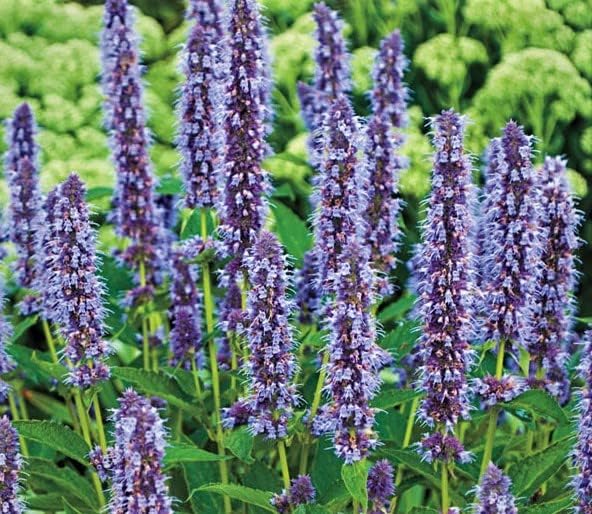
Bright blue flowers catch the eye right away, making it perfect for anyone wanting to attract hummingbirds while adding color to their garden. It suits gardeners who can provide partial sun and moderate watering, with a hardy plant that blooms beautifully in summer.
Planting involves choosing a spot with partial sun, as it thrives best there. Moderate watering keeps it healthy without much fuss. It grows to about 2 feet tall, making it a manageable size for most garden spaces.
The plant’s hardiness to USDA zone 3 allows it to survive colder climates, so it handles some winter chill without trouble.
The blooming period in summer offers a delightful show that hummingbirds love visiting regularly. The build, being a starter plant, means it’s young but well-prepared to thrive with proper care. People appreciate its color and resilience, though some mention watching its watering needs to avoid drying out or oversaturating.
Blue flowers attract hummingbirds effectively, and the plant withstands cold zones well. Some find managing its watering a bit tricky, needing just the right balance to keep it healthy.
Anyone with a garden spot that offers partial sun and moderate watering will enjoy this plant’s blooms and hummingbird visits. Those looking for year-round flowering or low-maintenance watering might want to explore other options.
Pros
- Beautiful blue flowers that attract hummingbirds
- Thrives in partial sun conditions
- Hardy in USDA zone 3 climates
- Compact height of about 2 feet
Cons
- Needs careful watering to avoid stress
- Limited blooming period during summer only
| Specification | Details |
|---|---|
| Expected Blooming Period | Summer |
| Sunlight Exposure | Partial Sun |
| USDA Hardiness Zone | 3 |
| Expected Plant Height | 2 feet |
| Moisture Needs | Moderate Watering |
10. Agastache Apricot Sprite Seeds

Agastache Apricot Sprite Seeds offer vibrant apricot-orange blooms that attract hummingbirds and other pollinators, perfect for gardeners aiming to create a lively, wildlife-friendly outdoor space. Its main draw is a compact growth habit combined with drought tolerance, making it great for gardeners with limited space or water resources.
Starting these seeds in spring or early summer sets you up for colorful spikes in late summer to early fall. They thrive in well-draining, fertile soil and appreciate conditions from partial shade to full sun.
After establishing, they require minimal watering thanks to their drought-resistant nature. Their low height fits nicely in containers or borders, and their fragrant, mint-scented leaves add another layer of garden appeal.
These plants attract hummingbirds, bees, and butterflies reliably during bloom time, delivering on their wildlife-friendly promise. Their resistance to deer and rabbits makes them tough in outdoor settings prone to these pests.
One point of frustration mentioned is that they only bloom late in the season, so expecting earlier flowers might lead to disappointment. Their durability and sustained return each year stand out positively.
The bright, tubular flowers reliably draw in pollinators, while the fragrant mint-scented foliage adds charm. Most users notice blooms arrive late in the season, which might not suit those wanting earlier color in the garden.
Gardeners with warm climates and limited water supply will find this plant rewarding. Those living outside USDA zones 9 to 11 or needing earlier blooms should consider alternatives better suited for cooler zones or earlier flowering.
Pros
- Attracts hummingbirds, bees, and butterflies well
- Drought-tolerant after establishment
- Compact size fits small garden spaces
- Resistant to deer and rabbits
Cons
- Blooms start only in late summer
- Limited to USDA zones 9-11
| Specification | Details |
|---|---|
| Expected Blooming Period | Late Summer To Early Fall |
| Sunlight Exposure | Partial Shade To Full Sun |
| USDA Hardiness Zone | 9-11 |
| Expected Plant Height | 12 inches |
| Moisture Needs | Low |
11. Agastache Aurantiaca Mixed Seeds

Attracting hummingbirds and adding color to your garden can be tricky, but this mix of Agastache Aurantiaca seeds offers a bright, fragrant option. Suited for gardeners in zones 6 to 10, it stands out for blooming all summer with multiple colors, making it perfect for anyone wanting a lively, long-lasting floral display.
Planting these seeds during summer is straightforward, as they thrive in average soil and need only sun to part shade conditions. Space the plants about 15 to 18 inches apart, allowing them room to grow between 24 and 36 inches tall.
Their fragrant flowers keep attracting hummingbirds, bees, and butterflies through the summer months without demanding special care.
This mix performs well in attracting pollinators with its colorful flowers that last all summer. The plants hold up nicely in USDA hardiness zones 6 through 10, showing resilience outdoors. The strongest praise is for its long bloom time and fragrance, while some note it may require specific spacing to avoid overcrowding in smaller areas.
Flowers bloom for a long time and provide strong fragrance, drawing in hummingbirds effectively. Some users found managing plant spacing necessary to prevent crowding as plants mature between 24 and 36 inches tall.
Ideal for gardeners wanting colorful, pollinator-friendly flowers in zones 6 to 10. Those with limited space or outside these zones may want to look for alternatives better suited to smaller areas or different climates.
Pros
- Attracts hummingbirds, bees, and butterflies
- Long blooming period throughout summer
- Variety of colors like pink, orange, and purple
- Fragrant flowers add garden appeal
Cons
- Needs proper spacing to avoid overcrowding
- Best suited for zones 6 through 10 only
| Specification | Details |
|---|---|
| Scientific Name | Agastache Aurantiaca |
| Bloom Time | All Summer |
| Plant Height | 24 – 36″ |
| Plant Spacing | 15 – 18″ |
| Hardiness Zone | 6 – 10 |
| Light Requirements | Sun – Part Shade |
12. Agastache Mexicana Sangria Seeds
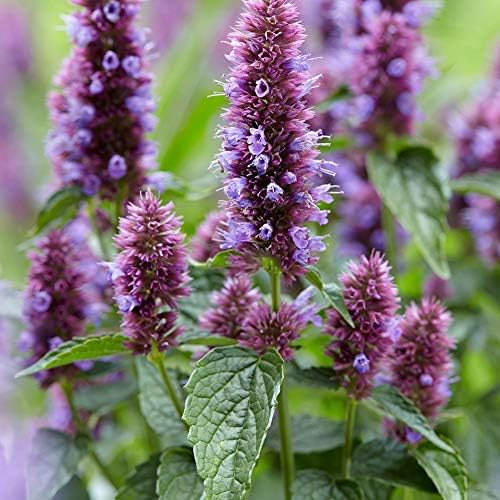
Easy to grow from seed and thriving in full summer sun, these Agastache Mexicana Sangria plants suit gardeners wanting bright, hummingbird-friendly flowers. Their biggest strength lies in adapting well outdoors, especially in sandy soil, making them a great choice for welcoming wildlife to your garden.
Starting seeds indoors gives you control over early growth before moving the plants outside during summer. Moderate watering is enough to keep them healthy. These plants need full sun to bloom properly, so placing them in a sunny spot is essential.
Growing in sandy soil works well, making them adaptable to less rich garden beds.
The colorful blooms attract hummingbirds reliably throughout summer. They hold up well in USDA hardiness zone 3, showing resilience in cooler areas. The biggest compliment from reviews is how lively and vibrant the flowers are.
A frequent downside is their moderate need for watering, which means they can struggle if left too dry.
The flowers appear vibrant and lively, making the plant a favorite for anyone wanting a hummingbird magnet. Watering needs are moderate, so neglect can cause wilting or poor growth. Planning for that upkeep is important to keep it thriving.
Gardeners in cooler climates or sandy soil areas will appreciate this plant’s adaptability and hummingbird appeal. Those who cannot consistently water or want blooms beyond summer might look for other options better suited to low water or extended flowering seasons.
Pros
- Bright blooms attract hummingbirds effectively
- Grows well in sandy soil
- Suitable for USDA zone 3 climates
- Easy to start indoors from seeds
Cons
- Needs regular moderate watering
- Only blooms in summer
| Specification | Details |
|---|---|
| Indoor Outdoor Usage | Indoor |
| Expected Blooming Period | Summer |
| Sunlight Exposure | Full Sun |
| Expected Planting Period | Summer |
| USDA Hardiness Zone | 3 |
| Soil Type | Sandy Soil |
| Moisture Needs | Moderate Watering |
13. Lavender Blue Giant Hyssop Seeds

Gardeners looking to attract hummingbirds will appreciate these Lavender Blue Giant Hyssop seeds for their drought tolerance and ability to thrive in different climates. Their height and bright orange flowers make them a striking addition, especially suited for those with USDA Zones 5-9 and access to well-drained soil.
Planting begins in spring, and the seeds prefer full sun but can handle partial shade. Once established, plants need only moderate watering and can manage dry conditions well.
The vertical growth reaching around 30 inches adds structure to the garden and encourages hummingbird visits throughout the summer to fall blooming period.
These seeds grow into perennial plants that reliably self-seed and come back year after year. They produce vibrant orange flowers that serve their purpose in attracting hummingbirds. The strongest praise is for their drought tolerance and adaptability.
Some growers noticed they thrive best in loam soil but may struggle in less ideal soil types.
Giant Hyssop seeds are appreciated for drought tolerance and their vibrant, long-lasting summer flowers. They perform reliably in well-drained loam soil but may face challenges outside that soil type. Their moderate water needs keep them manageable for garden care.
Those growing in USDA Zone 7 or similar climates and with well-drained loam soil will find these plants fit well. Gardeners in harsher zones or with poor soil might want to consider other, more adaptable options for hummingbird-friendly plants.
Pros
- Drought-tolerant once established
- Grows well vertical interest up to 30 inches
- Bright orange summer to fall flowers
- Self-seeding perennial
Cons
- Prefers loam soil, less flexible with poor soil
- Best suited for USDA Zone 7, limited hardiness range
| Specification | Details |
|---|---|
| Expected Plant Height | 30 inches |
| Expected Blooming Period | Summer to Fall |
| Sunlight Exposure | Full Sun |
| USDA Hardiness Zone | 7 |
| Soil Type | Loam Soil |
| Moisture Needs | Moderate Watering |
14. Purple Lavender Hyssop Agastache Seeds

Perfect for gardeners aiming to attract hummingbirds along with other pollinators, these Purple Lavender Hyssop Agastache Seeds grow into tall, vibrant plants that thrive in a variety of conditions. Its biggest strength lies in drawing bees, birds, and butterflies, adding lively activity and color to any outdoor space.
Planting these seeds is straightforward either indoors a few weeks before the last frost or directly outdoors after frost has passed. They require moderate watering and do well placed in full sun or partial shade, making them versatile for many garden spots.
Spacing plants 18 inches apart helps ensure healthy growth and enough room for their potential height of up to 48 inches.
Once established, these perennials bloom all summer, consistently attracting hummingbirds and other pollinators. The plant’s sturdy growth up to 4 feet tall creates a nice feature in the garden. A common note is that while it adapts well to various soils, too much shade may slow blooming.
The ease of growing seeds outdoors after frost is a strong selling point.
The strongest praise comes from consistently attracting hummingbirds and pollinators throughout its summer bloom. Many appreciate the flexibility of planting outdoors after frost or starting indoors, which fits well with varied gardening routines. Some note that its performance dips if grown with too much shade, affecting bloom quality.
Gardeners who want a tall, colorful perennial that supports wildlife will enjoy growing this agastache. Those with very shaded areas or low water availability might consider alternatives better suited to those conditions.
Pros
- Attracts hummingbirds, bees, and butterflies
- Grows well in full sun or partial shade
- Perennial that blooms throughout summer
- Seeds easy to plant indoors or outdoors
Cons
- May require more water in drier conditions
- Blooming can reduce with excessive shade
| Specification | Details |
|---|---|
| Plant Height | 24-48″ |
| Light Requirements | Full Sun, Partial Shade |
| Bloom Season | Summer |
| Plant Spacing | 18″ |
| Hardiness Zones | 3-9 |
15. Agastache Candy Apple Potted Plant

Agastache Candy Apple Potted Plant brings vibrant color and charm to gardens and patios, especially suited for those looking to attract hummingbirds. Its brightest feature is the stunning flowers that readily draw hummingbirds, making it a lively addition for anyone wanting to support pollinators with a sun-loving plant.
Placing the plant in full sun ensures it thrives, as it needs plenty of light to bloom well. Daily care is minimal; the plant comes potted and ready to move outdoors once it’s warm enough. Watching the flowers bloom day by day makes gardening feel rewarding, especially as the hummingbirds start visiting regularly.
It performs its main role by flowering vibrantly under full sun and attracting hummingbirds reliably. Built as a potted plant, it’s sturdy enough for outdoor life but may require attention to watering. Most praise notes its beautiful, rich blooms, while some find managing water levels can be tricky if neglected.
Bright, colorful blooms consistently attract hummingbirds, creating a lively garden environment. Watering regularly is necessary to prevent the plant from drying out, which some find challenging to maintain over time.
Gardeners wanting a sun-loving plant to draw hummingbirds will appreciate this one, especially with the convenience of a potted start. Those without access to full sun or who struggle with watering should consider other options.
Pros
- Rich, beautiful flowers that attract hummingbirds
- Easy to start with as a potted plant
- Thrives well in full sun conditions
Cons
- Needs consistent watering to stay healthy
- Not suited for shady or indoor environments
| Specification | Details |
|---|---|
| Sunlight Exposure | Full Sun |
Best Agastache for Hummingbirds Comparison Table
| Product | Attracts Hummingbirds | Blooming Period | Sunlight Exposure | Plant Height |
|---|---|---|---|---|
| Agastache Hummingbird Mint Seeds | Yes | – | Full Sun | – |
| Hummingbird Mint Blue Fortune Plant | Yes | Summer to Fall | Full Sun | 36 inches |
| Agastache Aurantiaca Seeds | – | Year Round | Full Sun | – |
| Hummingbird Mint Arizona Sandstone Seeds | – | – | – | – |
| Hyssop Agastache Seeds | Yes | Year Round | Full Sun | 24 inches |
| Agastache Hummingbird Mixed Seeds | Yes | Summer to Fall | Full Sun | – |
| Agastache Hummingbird Perennial Seeds | Yes | Year Round | Full Sun | – |
| Aurantiaca Mixed Color Seeds | Yes | All Summer | Sun – Part Shade | – |
| Blue Agastache Starter Plant | – | Summer | Partial Sun | 24 inches |
| Agastache Apricot Sprite Seeds | – | Late Summer – Early Fall | Partial Shade – Full Sun | 12 inches |
| Aurantiaca Mixed Seeds | – | Summer | – | – |
| Agastache Mexicana Sangria Seeds | – | Summer | Full Sun | – |
| Lavender Blue Giant Hyssop Seeds | – | Summer to Fall | Full Sun | 30 inches |
| Purple Lavender Hyssop Seeds | Yes | Summer | Full Sun, Partial Shade | 48 inches |
| Agastache Candy Apple Plant | – | – | Full Sun | – |
- Attracts HummingbirdsYes
- Blooming Period–
- Sunlight ExposureFull Sun
- Plant Height–
- Attracts HummingbirdsYes
- Blooming PeriodSummer to Fall
- Sunlight ExposureFull Sun
- Plant Height36 inches
- Attracts Hummingbirds–
- Blooming PeriodYear Round
- Sunlight ExposureFull Sun
- Plant Height–
- Attracts Hummingbirds–
- Blooming Period–
- Sunlight Exposure–
- Plant Height–
- Attracts HummingbirdsYes
- Blooming PeriodYear Round
- Sunlight ExposureFull Sun
- Plant Height24 inches
- Attracts HummingbirdsYes
- Blooming PeriodSummer to Fall
- Sunlight ExposureFull Sun
- Plant Height–
- Attracts HummingbirdsYes
- Blooming PeriodYear Round
- Sunlight ExposureFull Sun
- Plant Height–
- Attracts HummingbirdsYes
- Blooming PeriodAll Summer
- Sunlight ExposureSun – Part Shade
- Plant Height–
- Attracts Hummingbirds–
- Blooming PeriodSummer
- Sunlight ExposurePartial Sun
- Plant Height24 inches
- Attracts Hummingbirds–
- Blooming PeriodLate Summer – Early Fall
- Sunlight ExposurePartial Shade – Full Sun
- Plant Height12 inches
- Attracts Hummingbirds–
- Blooming PeriodSummer
- Sunlight Exposure–
- Plant Height–
- Attracts Hummingbirds–
- Blooming PeriodSummer
- Sunlight ExposureFull Sun
- Plant Height–
- Attracts Hummingbirds–
- Blooming PeriodSummer to Fall
- Sunlight ExposureFull Sun
- Plant Height30 inches
- Attracts HummingbirdsYes
- Blooming PeriodSummer
- Sunlight ExposureFull Sun, Partial Shade
- Plant Height48 inches
- Attracts Hummingbirds–
- Blooming Period–
- Sunlight ExposureFull Sun
- Plant Height–
How to Choose the Best Agastache for Hummingbirds
Choosing agastache varieties with vibrant flowers, strong nectar production, and adaptability to your local climate ensures hummingbirds are attracted and plants thrive. Prioritizing these factors helps avoid wasted effort and expenses on plants that don’t flourish or fail to support wildlife effectively.
Flower Color and Shape
Bright red and orange flowers tend to catch the eye of hummingbirds more than other colors, but purple shades also work well if the blooms are tubular. A flower’s shape plays a big role since these birds have long, narrow bills designed to reach deep nectar sources. Narrow, tubular flowers fit perfectly with their feeding method while wide-open or flat shapes can be less attractive.
Bloom vibrancy keeps the flowers noticeable even from a distance, and having plants that hold their color well throughout the season means hummingbirds keep coming back.
Plants that maintain bright, saturated colors and have flowers that last several days without fading make a noticeable difference in attracting hummingbirds consistently. Ideally, choose varieties with rich reds or oranges and trumpet-shaped blooms to ensure the birds can easily feed and stay interested over weeks or months.
Plant Size and Growth Habit
The mature size of the plant is crucial to fit your garden layout without overcrowding other plants or blocking access for hummingbirds. Smaller plants, around 2 to 3 feet tall with a spread of about 2 feet, work well for window boxes or patios. Taller, upright forms that grow 4 feet or more provide better access since hummingbirds can hover freely around the flowers without leaves getting in the way.
In contrast, bushier forms may be too dense for easy feeding.
Container planting calls for moderate-sized plants with manageable root systems. In-ground, you can accommodate larger varieties but keep in mind the space needed for growth. Make sure the plant’s growth habit complements the local hummingbird feeding behavior, often favoring upright flowers on slim stalks.
Blooming Period
Hummingbirds benefit most from plants that flower for at least three months or more, providing nectar throughout their active season. Short bloomers create uncertain food sources, and the birds may skip gardens lacking consistent flowers.
Early and late blooming varieties extend feeding options as hummingbirds migrate through different regions.
Plants that have a capacity for reflowering or producing blossoms multiple times during the season ensure nectar remains available. A blooming period overlapping with local hummingbird migration typically runs from late spring to early fall, matching the time when these birds need the most energy.
Climate and Hardiness
Matching the plant’s USDA hardiness zone to your local zone ensures it survives winters and grows back without issues. Plants hardy to zones 5 through 9 cover most hummingbird habitats in the U.S., but knowing the exact zone tolerance avoids wasted effort. Beyond cold hardiness, good tolerance to heat and dry spells matters as hummingbirds are active in these weather conditions.
Some varieties handle drought better, requiring less frequent watering. Resistance to typical pests like aphids or fungal diseases ensures the plants stay healthy and abundant with flowers, avoiding problems that reduce nectar availability.
Maintenance and Care Requirements
Understanding watering requirements is key. Some plants need regular moisture to thrive, while others tolerate dry spells once established, which makes daily care less demanding. Preference for well-drained soils prevents root rot, so heavy clay soils might need amendment.
Fertilizing sparingly with balanced plant food favors healthy growth without excessive leafiness at the expense of flowers.
Regular pruning or deadheading keeps the plant producing new blooms. Removing spent flowers prevents seed production, redirecting energy into flower formation instead. This routine maintenance ensures the plant continues to offer nectar sources throughout the season without becoming overgrown or patchy.
Optimal Planting Conditions to Attract More Hummingbirds with Agastache
Agastache thrives best in full sun, so choose a spot in your garden that receives at least six hours of direct sunlight daily. This is key because hummingbirds are most attracted to bright, open areas where nectar sources are easy to spot. Well-drained soil is another crucial factor; these plants struggle in soggy conditions and prefer soil that dries out between waterings.
Spacing matters as well. Plant Agastache about 12 to 18 inches apart to ensure good air circulation, which helps prevent fungal issues and supports healthy growth. Adding a layer of mulch around the base helps retain moisture without causing root rot.
- Consistent watering during dry spells keeps blooms vibrant and nectar-rich.
- Deadheading spent flowers promotes longer blooming periods.
- Grouping several plants can amplify the hummingbird attraction since clusters produce more nectar.
Positioning the plants near a natural water source or a hummingbird feeder can increase visits, making your garden a lively spot to watch these birds.
Comparing Agastache Varieties: Which Ones Are Most Attractive and Hardy for Your Garden
Agastache varieties vary in bloom color, size, and hardiness, which influences their appeal and durability in different gardens. For example, Agastache ‘Blue Fortune’ produces dense spikes of deep blue flowers that attract hummingbirds reliably and tolerates heat well.
‘Apricot Sprite’ offers a subtler orange hue with a compact form, suitable for small spaces or container planting. It’s hardy but prefers some afternoon shade in hotter regions.
In contrast, ‘Golden Jubilee’ showcases bright yellow flowers and stands out for its resistance to deer and rabbits, an advantage in wildlife-prone areas.
- Hardiness zones: Most common agastache varieties do well in USDA zones 5 through 10.
- Flowering times: Some bloom early summer through fall, providing season-long nectar.
- Attractiveness: Colors range from purple and pink to orange and yellow, attracting hummingbirds visually as well as by scent.
Select varieties based on your local climate and garden conditions to ensure long-lasting performance and consistent hummingbird visits.
People Also Asked
How Tall Does Agastache Grow for Hummingbird Gardens?
Agastache typically grows between 2 to 4 feet tall in hummingbird gardens. It can be supported by staking if planted in windy areas to keep its tall flower spikes upright.
Is Agastache Safe for Hummingbirds and Other Pollinators?
Agastache is safe for hummingbirds and is attractive to various pollinators like bees and butterflies as well. The tubular flowers provide easy access to nectar, making it ideal for these visitors.
What Type of Soil Is Best for Growing Agastache?
Well-drained soil is best for growing agastache to prevent root rot and other moisture-related issues. Adding some sand or grit can improve drainage if your soil tends to stay wet.
How Long Does Agastache Typically Bloom in Spring and Summer?
The typical blooming period for agastache in spring and summer lasts around 6 to 8 weeks. Deadheading spent flowers encourages more blooms and keeps the plant looking tidy.
Can Agastache Thrive in Partial Shade or Full Sun?
Agastache thrives best in full sun but can tolerate partial shade, especially in hot climates to avoid leaf scorch. In less sunny areas, expect fewer flowers and a leggier growth habit.
Conclusion
Choose an agastache that flowers abundantly and produces plenty of nectar to attract hummingbirds. Consider the plant’s hardiness and how well it fits your local climate to ensure it thrives. Also, picking a variety with a height and spread that suits your garden layout helps keep the hummingbirds accessible for viewing.
Think about the space you have available and how much time you want to spend on maintenance. Match the plant choices to your garden size and your budget for optimal results.
For detailed comparisons and to revisit the options, refer back to the table and picks above.


