Yellow Throated Bunting: Diet, Migration, and Notable Features
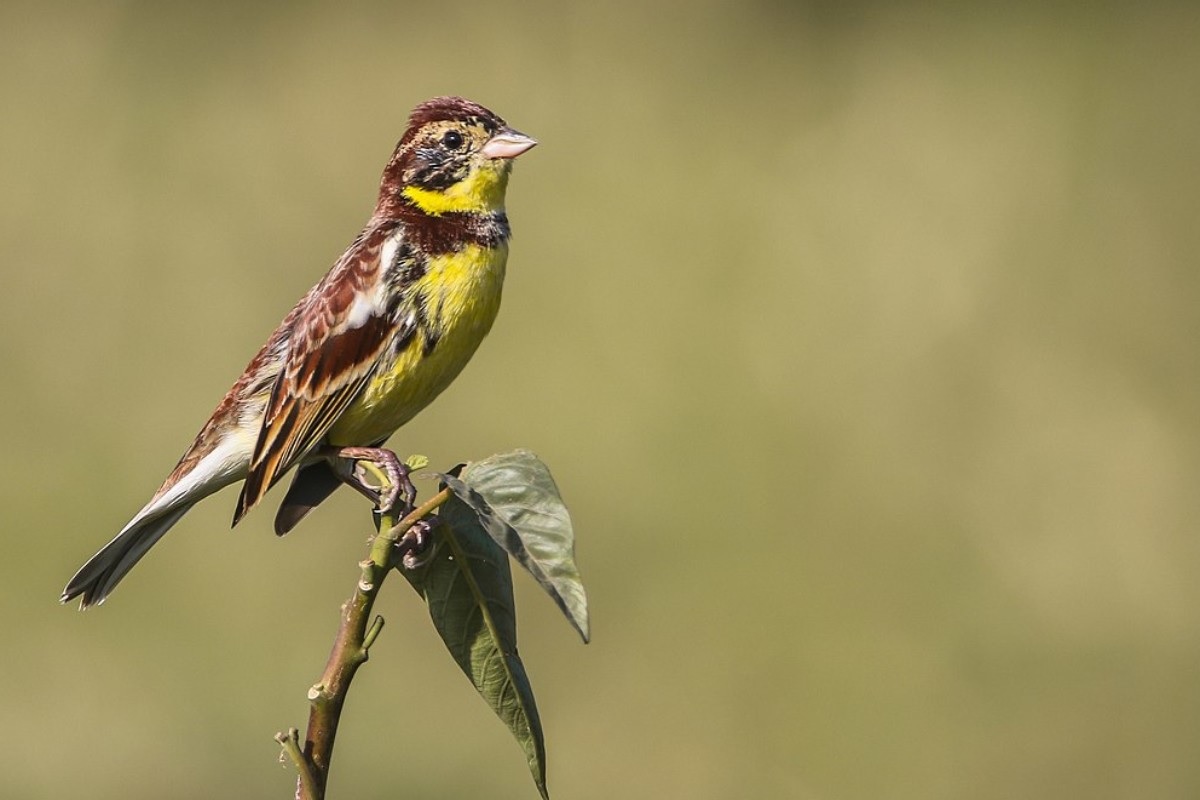
The yellow throated bunting is a striking small bird known for its vibrant colors and lively presence in wooded and shrub-filled habitats. You may notice its distinctive yellow throat, which stands out against a mix of earthy brown and black markings, making it relatively easy to identify among other songbirds. This species is often found across parts of Asia, particularly in regions with dense undergrowth, where it forages for seeds, insects, and small invertebrates.
Observing the yellow throated bunting offers insight into its behaviors, including foraging techniques, social interactions, and seasonal movements. By paying attention to its appearance and habits, you can appreciate how this bird adapts to its environment, interacts with others, and plays a role in local ecosystems. Learning about the yellow throated bunting enriches your understanding of avian diversity and the subtle beauty of smaller bird species.
Physical Characteristics of Yellow Throated Bunting
The yellow throated bunting is a visually striking bird, and understanding its physical characteristics helps you identify it in the wild. Its vivid yellow throat is the most distinctive feature, complemented by patterned brown, black, and sometimes olive plumage. Observing size, feather arrangement, beak shape, and other subtle traits provides insight into its adaptations for foraging, communication, and survival. By focusing on these characteristics, you can better appreciate the unique appearance of the yellow throated bunting and distinguish it from other similar bird species in its habitat.
Plumage and Coloration
The plumage of the yellow throated bunting is both vibrant and functional, helping it blend into wooded environments while allowing for easy identification. You notice that the bird’s bright yellow throat contrasts sharply with earthy brown, black, and olive tones on its back and wings. This combination provides camouflage while still allowing the yellow markings to stand out during social displays or mating rituals. Males often display more vivid coloring than females, particularly during the breeding season, which helps attract mates and establish territory.
Subtle patterns on the wings and back, such as streaking or edging on feathers, aid in distinguishing this species from other buntings or small passerines. Juveniles may have duller, less defined coloration, reflecting their age and stage of development. Observing these details gives you a better understanding of how plumage functions not only for survival but also for communication within the species. The arrangement and coloration of feathers highlight adaptations for camouflage, mating displays, and social interactions, making the yellow throated bunting a visually fascinating bird to study.
Size and Shape
The yellow throated bunting has a compact, streamlined body that allows it to navigate dense undergrowth with ease. You may notice its small size, generally ranging from 13 to 15 centimeters in length, with a relatively short tail and rounded wings. This body structure supports quick, agile movements, making it adept at foraging in bushes, shrubs, and low trees. Its proportions also enable short, rapid flights that are ideal for avoiding predators while maintaining access to food sources.
The beak of the yellow throated bunting is short and conical, perfectly suited for cracking seeds, picking small insects, and handling other natural food sources. Legs are strong yet delicate, allowing the bird to hop efficiently along branches and on the ground. These physical features collectively reflect evolutionary adaptations for survival in its habitat, combining agility, strength, and precision. Observing the size and shape of the yellow throated bunting helps you anticipate its movements, feeding behavior, and ability to thrive in dense, complex environments.
Head and Facial Markings
The head and facial markings of the yellow throated bunting are distinctive and aid in identification. Its bright yellow throat extends slightly upward, merging with subtle streaks around the face and eyes. You may notice a thin dark line running from the beak toward the eye, which adds definition and contrast to its facial features. These markings are particularly pronounced in adult males, while females and juveniles may exhibit softer, less vivid patterns.
The combination of eye color, beak shape, and facial streaking allows you to distinguish the yellow throated bunting from similar species in overlapping habitats. Observing these details can also provide insights into age, sex, and even health, as vibrant coloration often signals good nutrition and genetic fitness. By studying the head and facial patterns, you gain a clearer understanding of how this bird communicates visually and how its features support recognition, mating, and social interaction.
Habitat and Preferred Locations
The yellow throated bunting is commonly found in habitats that offer dense undergrowth, shrubs, and wooded areas. Its preference for areas with ample cover and food sources allows it to forage safely while avoiding predators. Understanding its habitat and preferred locations helps you anticipate where to observe this species in the wild. By recognizing the environmental features that attract yellow throated buntings, you can better appreciate their adaptations, behavior, and role in the ecosystem.
Forests and Wooded Areas
Yellow throated buntings are frequently found in forests and wooded areas, where thick vegetation provides both shelter and food sources. You may notice them foraging among shrubs, fallen leaves, and low branches, taking advantage of insects, seeds, and small invertebrates that thrive in such environments. Forest edges and clearings often attract them as well, since these areas provide a mix of open ground for feeding and dense cover for protection.
These habitats offer not only safety from predators but also favorable conditions for nesting. Dense foliage helps conceal nests, while proximity to food ensures chicks are well-fed. Seasonal changes can affect their exact locations within forests, as they may move slightly to follow food availability or adjust to temperature shifts. By observing yellow throated buntings in wooded habitats, you can gain insight into their daily routines, social interactions, and ecological preferences, highlighting how their choice of location directly supports survival and reproduction.
Shrublands and Thickets
In addition to forests, yellow throated buntings often inhabit shrublands and dense thickets. These areas provide excellent cover for foraging and nesting, allowing the birds to remain concealed from predators while accessing a rich variety of seeds and insects. You may notice them hopping between branches and low vegetation, taking advantage of the protective environment to feed and rest.
Shrublands often feature a mix of native plants, small trees, and ground cover that creates an ideal combination of shelter and food resources. Seasonal shifts in these habitats can influence the movement and distribution of yellow throated buntings, with birds relocating slightly to follow the most abundant food sources. Observing their behavior in thickets reveals how they utilize vertical and horizontal space for feeding, nesting, and social interaction. These preferred locations demonstrate the species’ adaptability and highlight the importance of dense vegetation for their survival and reproductive success.
Human-Influenced Areas
Yellow throated buntings may also be spotted near human-influenced areas, such as parks, gardens, and agricultural fields, particularly when these areas provide food and shelter. You may notice them foraging along hedgerows, fruit trees, or field edges, taking advantage of resources created by human activity. These locations mimic some features of their natural habitats, offering cover, feeding opportunities, and nesting sites.
Birds in these areas may display slightly different behaviors, such as being more tolerant of human presence while remaining cautious. Observing yellow throated buntings in human-influenced environments highlights their ability to adapt to changing landscapes and exploit available resources efficiently. Understanding their use of these habitats gives you a clearer picture of how flexible the species can be and how they balance safety, food access, and interaction with humans in modern ecosystems.
Behavior and Social Patterns
The yellow throated bunting exhibits fascinating behavior and social patterns that reveal its adaptability and interactions with other birds. Observing its daily activities, communication methods, and group dynamics helps you understand how it survives, forages, and reproduces in the wild. By studying these behaviors, you can gain insight into its feeding strategies, territorial habits, and social hierarchy. Understanding the behavioral patterns of yellow throated buntings allows you to appreciate their complex interactions within both natural and human-influenced environments.
Feeding Behavior and Foraging
Yellow throated buntings display versatile feeding behavior that allows them to thrive in diverse environments. You often notice them foraging on the ground, hopping among fallen leaves, shrubs, and low vegetation in search of seeds, insects, and small invertebrates. They may also feed on berries, fruits, or other plant material depending on availability. Their feeding patterns often change with the seasons, adjusting to shifts in food abundance and environmental conditions.
These birds exhibit both solitary and group foraging behavior, sometimes feeding alongside other small birds while maintaining a level of social awareness. They use visual and auditory cues to locate food, quickly reacting to movements or disturbances. Their foraging strategy combines efficiency and caution, ensuring they acquire sufficient nutrients while minimizing predation risk. Observing feeding behavior provides insight into their adaptability, resourcefulness, and the role they play in controlling insect populations and dispersing seeds in their habitats.
Territorial and Social Interactions
Yellow throated buntings display a range of social behaviors, from solitary territoriality to group cohesion. Males are often territorial during the breeding season, using song and visual displays to defend nesting sites and attract mates. You may notice males perched prominently, singing and flicking their wings to assert dominance over rivals. Outside the breeding season, buntings often form small flocks or loose groups, particularly when foraging or migrating, which provides safety in numbers and improved access to resources.
Interactions within these flocks are governed by subtle social hierarchies. Dominant individuals may secure the best feeding spots or perches, while younger or subordinate birds adapt to less advantageous positions. Communication through calls, posture, and feather displays allows them to maintain group cohesion and alert others to potential threats. By observing these social dynamics, you gain a clearer understanding of how yellow throated buntings balance competition and cooperation, demonstrating the complexity of their behavior and the adaptive strategies that support survival and reproduction.
Vocalizations and Communication
Vocal communication is central to the social behavior of yellow throated buntings. Their calls and songs serve multiple purposes, including territory defense, mate attraction, and coordination within flocks. You may hear a variety of sounds, from short alert calls signaling danger to melodious songs used during courtship displays. These vocalizations help maintain social structure and ensure that birds remain aware of each other’s presence, even in dense vegetation.
Observing communication behaviors provides insight into their social intelligence. Birds adjust the frequency, volume, and pattern of calls depending on context, showing a nuanced understanding of how to convey information effectively. Vocalizations also play a role in bonding between mates or family groups, reinforcing social ties and cooperation. By paying attention to these auditory signals, you can better interpret interactions within flocks, the establishment of territories, and responses to environmental changes, highlighting the importance of communication in the survival and social organization of yellow throated buntings.
Breeding and Nesting Behavior
The yellow throated bunting exhibits fascinating breeding and nesting behavior that reflects its adaptability and survival strategies. Observing how it selects nesting sites, builds nests, and raises young provides insight into its life cycle and reproductive success. Understanding these behaviors helps you appreciate the care and effort involved in raising chicks, the role of parental investment, and the environmental factors that influence breeding. Studying breeding and nesting habits also highlights how this species interacts with its habitat and maintains population stability.
Nest Site Selection and Construction
Yellow throated buntings are selective when choosing nest sites, favoring locations that offer both concealment and access to food. Dense shrubs, low tree branches, and thick undergrowth are common choices, providing protection from predators and harsh weather. Nest placement is strategic, balancing safety with proximity to foraging areas, allowing parents to feed chicks efficiently. These sites are chosen with care to maximize survival chances for the offspring.
Nest construction is a collaborative effort, though females typically take the lead in weaving the nest. They use twigs, grasses, leaves, and other natural materials to form a cup-shaped structure that holds eggs and nestlings securely. The interior is lined with softer items such as feathers or fine grasses, creating insulation and comfort. Watching nest-building behavior highlights the bunting’s adaptability, attention to detail, and instinctive understanding of its environment.
Courtship and Mating Behavior
Courtship in yellow throated buntings involves a combination of visual displays, vocalizations, and close interactions between males and females. Males often sing from elevated perches, flick their wings, or show off the bright yellow throat to attract a mate. These displays signal health, fitness, and territorial ownership, helping females evaluate potential partners.
Females respond to these displays by choosing mates that demonstrate strong genetics and suitability for reproduction. After pairing, the focus shifts to nest preparation and egg-laying. Males may assist in defending the territory, while females concentrate on constructing the nest and incubating eggs. Observing courtship provides insight into the social dynamics, communication methods, and selective behaviors critical for successful reproduction in this species.
Incubation and Chick Rearing
Once the eggs are laid, incubation becomes the primary focus. Females spend long periods on the nest, maintaining optimal temperature and humidity while remaining alert to threats. Males often contribute by guarding the area and supplying food to the incubating female, ensuring her safety and energy needs.
After hatching, both parents actively participate in feeding and caring for the chicks. The diet typically includes seeds, insects, and small invertebrates, providing the nutrients necessary for rapid growth. Chicks stay in the nest for several days to weeks, gradually developing feathers and strength before fledging. Observing these stages highlights the dedication and cooperative strategies employed by yellow throated buntings, emphasizing the importance of parental care in ensuring the next generation’s survival.
Observing Yellow Throated Buntings in the Wild
Watching yellow throated buntings in their natural habitat offers an opportunity to understand their behavior, social interactions, and adaptations. Observing them requires patience, awareness, and knowledge of their preferred locations and daily routines. By focusing on their movements, feeding habits, and vocalizations, you gain a deeper appreciation for their life cycle and ecological role. Understanding how to observe these birds responsibly also ensures minimal disturbance, allowing you to witness natural behaviors while contributing to conservation awareness.
Choosing the Right Locations
To observe yellow throated buntings effectively, it is important to select the right locations. These birds are commonly found in forests, shrublands, and areas with dense undergrowth, where they can forage safely and find shelter. You may also spot them in gardens, parks, or edges of agricultural fields, particularly where food sources such as seeds, insects, or berries are abundant. Choosing observation sites with a clear view of feeding areas or nesting sites increases the likelihood of spotting these birds without disturbing them.
Understanding their preferred locations also involves considering seasonal movements. During breeding seasons, they tend to remain closer to dense vegetation for nesting and protection, while during other times, they may explore open areas for foraging. Observing their habitat preferences provides insight into their behavior, environmental adaptations, and patterns of movement. By carefully selecting observation sites, you can witness the yellow throated bunting’s daily routines, interactions, and feeding strategies, enhancing your understanding of this species in the wild.
Tools and Techniques for Observation
Using proper tools and techniques is crucial for observing yellow throated buntings effectively. Binoculars or spotting scopes allow you to monitor birds from a distance without causing disturbance. Keeping a field notebook or using digital apps helps track sightings, behaviors, and environmental conditions, creating a record that can reveal patterns over time. Quiet, patient observation is key, as sudden movements or loud noises may cause birds to hide or fly away.
Timing your observation sessions is also important. Early mornings or late afternoons are often ideal, as birds are more active during cooler parts of the day when foraging and socializing. Observing behaviors such as feeding, singing, or courtship displays requires attention to detail and minimal interference. By combining proper equipment with thoughtful observation techniques, you can gain a comprehensive understanding of yellow throated buntings, appreciating their unique characteristics while contributing valuable insights into their natural behaviors and habitats.
Understanding Behavior and Interaction
Observing yellow throated buntings in the wild allows you to study their feeding habits, social interactions, and responses to environmental cues. You may notice them foraging on the ground, hopping between shrubs, or engaging in vocal exchanges with other birds. These behaviors provide insight into their survival strategies, such as locating food, avoiding predators, and maintaining social cohesion within flocks.
Social interactions, including mating displays or territorial behaviors, are also observable when approached carefully. Birds use both visual signals and vocalizations to communicate, making attentive observation essential for understanding their social dynamics. Watching these interactions helps you interpret patterns in flock behavior, dominance hierarchies, and cooperative strategies. By observing yellow throated buntings closely, you gain a richer understanding of how these small yet intelligent birds navigate their environment, maintain social structures, and adapt to seasonal and environmental changes.
People Also Asked
What Is a Yellow Throated Bunting?
The yellow throated bunting is a small, vibrantly colored bird known for its striking yellow throat and patterned brown and black plumage. You may notice it inhabiting forests, shrublands, and areas with dense undergrowth, where it can forage safely and find shelter. This species is commonly found in parts of Asia, and its vivid markings make it relatively easy to identify among other small passerines. Observing a yellow throated bunting provides insight into its feeding behavior, social interactions, and adaptations that allow it to thrive in its natural environment.
Where Can You Find Yellow Throated Buntings?
Yellow throated buntings are typically found in regions with dense vegetation, including forests, shrublands, and the edges of agricultural fields. You may also spot them in gardens, parks, and other human-influenced areas that provide food and shelter. They prefer areas with ample cover for nesting and foraging, which helps protect them from predators. Seasonal movements and local food availability can influence where they appear, so paying attention to their preferred habitats increases your chances of observing them in the wild.
What Does a Yellow Throated Bunting Eat?
The yellow throated bunting has a varied diet consisting of seeds, small insects, and other invertebrates. You may notice it foraging on the ground, hopping through fallen leaves, or searching low shrubs for food. During breeding seasons, insects provide essential protein for chicks, while seeds and berries sustain adults year-round. Their feeding behavior is adaptive, allowing them to exploit different food sources based on seasonal availability and environmental conditions. Observing their diet gives you insight into their ecological role and how they maintain energy for survival and reproduction.
How Can You Identify a Yellow Throated Bunting?
Identification of a yellow throated bunting relies on its distinctive yellow throat, contrasting with brown, black, and olive plumage. You may also notice streaks on its wings and back, as well as a short, conical beak suited for seed eating. Males often display more vivid colors during the breeding season, while females and juveniles exhibit duller tones. Observing these features, along with its behavior and habitat preferences, helps you distinguish it from other small birds and improves your ability to recognize this species in the wild.
What Is the Breeding Behavior of Yellow Throated Buntings?
Yellow throated buntings display fascinating breeding behavior that includes courtship displays, nest-building, and parental care. Males sing and show off their bright yellow throats to attract females, while nests are typically built in dense shrubs or low branches. Both parents may participate in feeding and protecting chicks. Courtship and nesting behavior are influenced by environmental conditions, and seasonal patterns determine the timing of breeding. Observing these behaviors allows you to understand the species’ reproductive strategies, parental investment, and how they ensure the survival of the next generation.
Are Yellow Throated Buntings Social Birds?
Yes, yellow throated buntings exhibit social behavior, particularly outside the breeding season. You may notice them forming small flocks for foraging, which provides safety in numbers and better access to food resources. Within these groups, they communicate through vocalizations and visual cues to coordinate movements and maintain social hierarchy. Territorial behavior is more pronounced during breeding seasons, when males defend nesting areas. Observing their social interactions reveals their intelligence, adaptability, and the ways they balance competition and cooperation for survival in both natural and human-influenced habitats.
Final Thoughts
Observing this vibrant and distinctive bird can be a rewarding experience for any birdwatcher or nature enthusiast, especially when you learn to recognize the features and behaviors of the yellow throated bunting. Its striking yellow throat, unique plumage patterns, and melodious calls make it stand out among other birds in its habitat. Understanding its feeding habits, social interactions, and nesting behavior provides deeper insight into its daily life and survival strategies.
Awareness of potential threats, such as predators and habitat changes, highlights the importance of conservation efforts to protect this species. By learning when and where to observe the yellow throated bunting, enthusiasts can enjoy safe and responsible birdwatching while contributing to its preservation. Overall, appreciating the beauty, adaptability, and behaviors of the yellow throated bunting enhances our connection with the natural world.