What Is a Birds Habitat: Explained Simply and Clearly
Birds are fascinating creatures that adapt to a wide variety of environments, from dense forests and open grasslands to coastal shores and urban areas. Understanding their living spaces helps us appreciate how they survive, find food, and reproduce. The concept of habitat plays a crucial role in the life of a bird, as it provides shelter, safety from predators, and access to resources necessary for survival.
Observing their surroundings reveals patterns in behavior, migration, and even communication. Many species develop specific adaptations suited to their habitats, such as specialized beaks for particular diets or nesting preferences. Exploring what is a birds habitat allows us to recognize the diversity of ecosystems birds rely on and highlights the importance of protecting these environments. By learning about where birds live, one can gain insight into the intricate balance of nature and the interconnectedness of all living creatures.
Types of Bird Habitats
Birds occupy a wide range of habitats, each offering unique resources for survival. From dense forests and open grasslands to wetlands and coastal regions, every habitat provides food, shelter, and breeding grounds tailored to specific bird species. Understanding the different types of bird habitats helps in recognizing patterns of behavior, migration, and adaptation. Birds often evolve physical and behavioral traits suited to their environments, making each habitat essential for their survival and ecological balance.
Forest Habitats
Forests are home to an incredible diversity of bird species, ranging from tiny songbirds to larger birds of prey. These habitats provide dense foliage for nesting, abundant food in the form of insects, fruits, and seeds, and protection from predators. Tropical forests, in particular, are rich in species diversity, supporting birds with vibrant plumage and unique calls. Temperate forests, while less dense, offer seasonal resources, prompting birds to migrate or adapt their diets according to availability.
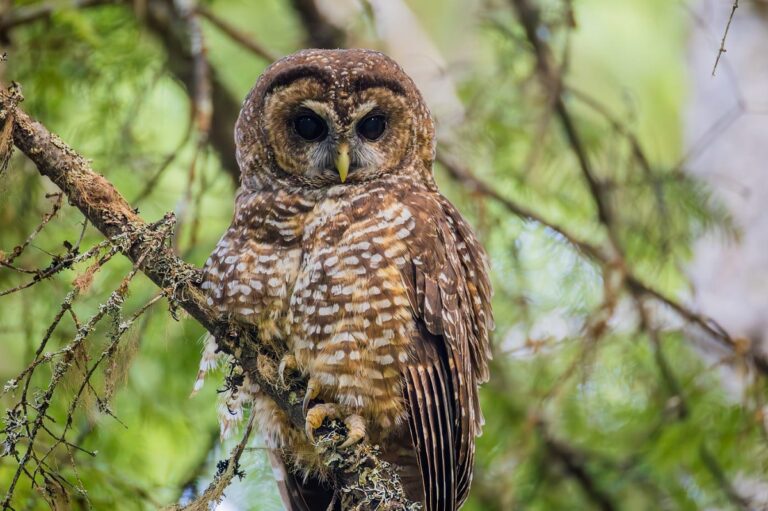
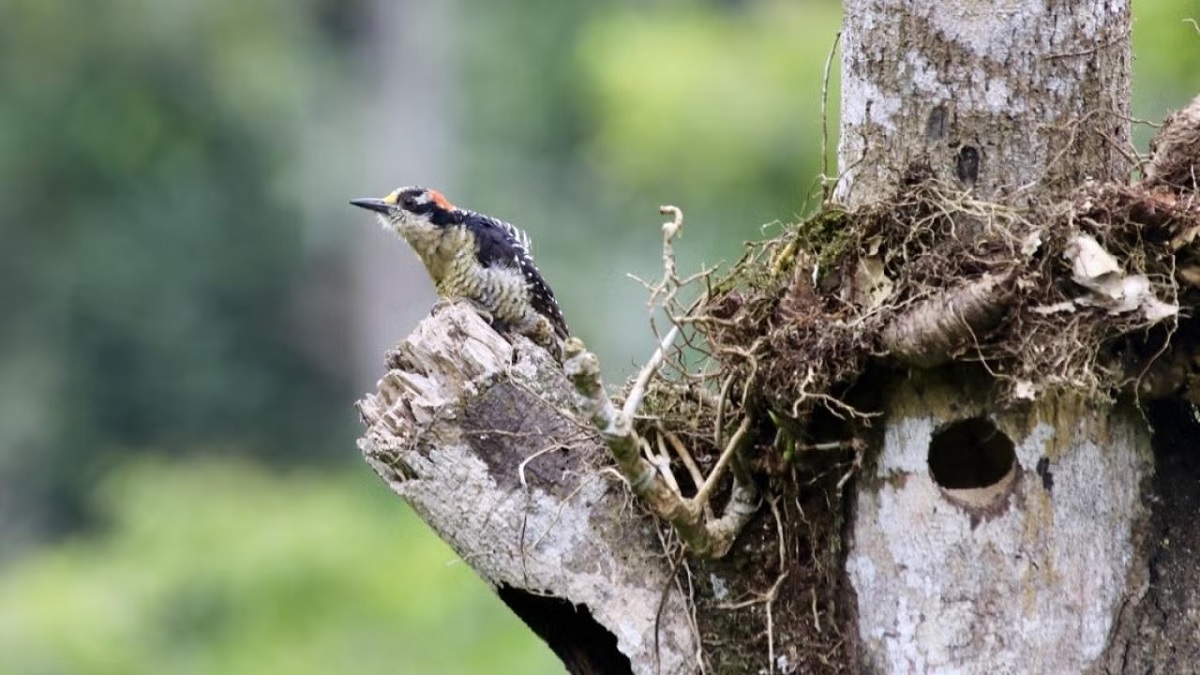
Birds like woodpeckers, owls, and warblers are commonly found in forested areas, taking advantage of tree cavities, thick branches, and layered canopies. The structure of the forest influences social behavior, mating patterns, and feeding techniques, with some birds specializing in canopy foraging while others search the forest floor. Forests also serve as crucial stopover points during migration, providing shelter and nourishment along long journeys. The protection forests offer directly affects population health and species survival.
Grassland Habitats
Grasslands are open areas dominated by grasses rather than trees, offering a distinct environment for bird life. Birds in these habitats often rely on ground nesting and camouflage for protection, as the open spaces leave them more exposed to predators. Species such as larks, sparrows, and certain raptors thrive in grasslands, taking advantage of abundant insects, seeds, and small mammals. Grasslands also support large migratory flocks that travel long distances between feeding grounds. Birds in these regions have adapted to the seasonal changes, developing behaviors like flocking for safety and long-distance foraging.
Grasslands’ wide expanses provide clear sightlines, benefiting birds of prey that hunt by sight. Additionally, fire and grazing cycles in grasslands influence vegetation structure, which in turn shapes nesting sites and food availability. Conservation of grasslands is critical, as human activities like agriculture and urban expansion threaten these habitats, directly affecting the bird species dependent on them. Understanding how birds adapt to grasslands reveals their resilience and specialized survival strategies in open ecosystems.
Wetland Habitats
Wetlands, including marshes, swamps, and riverbanks, are vital habitats for birds that rely on aquatic environments. These areas offer abundant food resources such as fish, amphibians, and aquatic plants, supporting species like herons, ducks, and kingfishers. Wetlands provide both nesting sites and safe resting areas for migratory birds, making them crucial for species that travel long distances. Birds in wetlands often exhibit unique adaptations, such as specialized beaks for fishing or webbed feet for swimming.
The vegetation in wetlands offers protection from predators and harsh weather, while the water ensures a constant food supply. Seasonal changes in water levels also influence bird behavior, including breeding timing and foraging patterns. Wetlands act as natural filters and maintain biodiversity, supporting both resident and migratory bird populations. The delicate balance of water, plants, and animals in these habitats underscores the importance of wetland conservation, ensuring that birds can continue to thrive in these ecosystems.
Coastal and Marine Habitats
Coastal and marine habitats support birds that are specially adapted to life near oceans, seas, and estuaries. These habitats provide rich feeding grounds, including fish, crustaceans, and other marine organisms, attracting seabirds, shorebirds, and gulls. Birds such as pelicans, puffins, and sandpipers have developed unique adaptations for swimming, diving, or long-distance flight to access food. Coastal areas also offer nesting sites on cliffs, sandy beaches, and mangroves, often providing protection from inland predators. Seasonal changes in tides and currents influence feeding schedules and migration patterns.
Many species rely on these habitats for breeding colonies, where dense populations gather in a limited space, showcasing complex social behavior. Human activity, pollution, and climate change pose significant threats to coastal habitats, impacting the food chain and nesting areas. Understanding bird behavior in marine environments helps highlight the intricate relationships between birds and ocean ecosystems. Conservation efforts are essential to maintaining these habitats, ensuring that both resident and migratory species continue to benefit from these resource-rich areas.
Urban Habitats
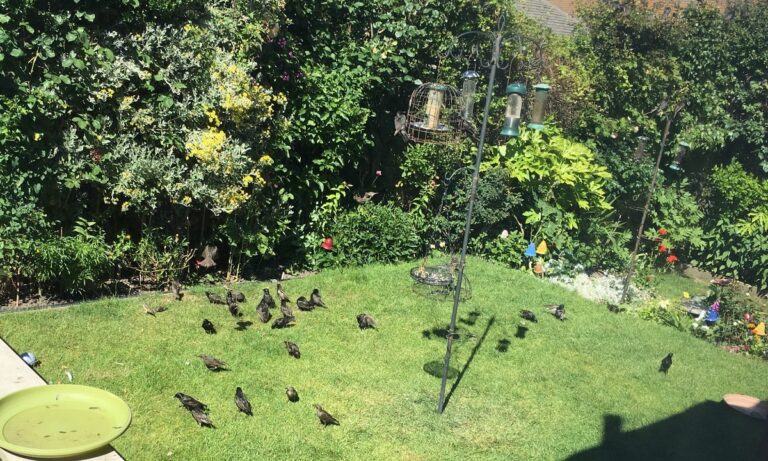
Urban environments, though human-dominated, have become unexpected habitats for many bird species. Cities offer food sources such as scraps, seeds, and insects, along with structures like buildings and bridges for nesting. Birds such as pigeons, sparrows, and crows thrive in urban areas, often adapting behaviors to avoid humans and exploit new resources. Urban habitats also create microclimates, offering warmth and shelter, particularly during colder months. Artificial lighting and noise, however, influence their activity patterns, migration routes, and communication methods.
Urban green spaces, parks, and gardens play a crucial role in supporting bird populations by providing vegetation and water. Birds in cities often develop remarkable adaptability, learning to navigate traffic, predators, and human interaction. While urbanization can threaten natural habitats, it also demonstrates the resilience of birds in finding niches in new and challenging environments, reflecting their capacity for survival and flexibility.
Factors Influencing Bird Habitats
Bird habitats are shaped by a variety of environmental, biological, and human-related factors. These influences determine where birds live, feed, and breed, and they directly impact population distribution and survival.
Climate, availability of food and water, vegetation, and predation all play critical roles in habitat selection. Human activities such as urban development, pollution, and deforestation further modify habitats, sometimes forcing birds to adapt or relocate. Understanding these factors provides insight into bird behavior, migration patterns, and the importance of habitat conservation.
Climate and Weather Conditions
Climate and weather conditions are major determinants of where birds can thrive. Temperature, rainfall, and seasonal changes influence food availability, nesting opportunities, and migration patterns.
Birds in temperate regions often migrate seasonally to access resources and avoid harsh winters, while tropical species may remain in the same area year-round due to stable climates. Extreme weather events, such as storms or prolonged droughts, can disrupt feeding and breeding, forcing birds to relocate temporarily or permanently. Additionally, climate impacts the types of vegetation and prey species present in an area, which in turn affects which bird species can survive there.
Birds have evolved behaviors and physical adaptations to cope with varying climatic conditions, such as insulating feathers, hibernation-like torpor, or changes in migratory timing. Shifts in climate due to global warming are increasingly influencing bird habitats, causing alterations in migration routes, breeding seasons, and even the suitability of traditional habitats. Studying the relationship between birds and climate helps predict population changes and highlights the need for proactive habitat management.
Food and Water Availability
The availability of food and water is a critical factor that influences where birds establish their habitats. Birds require specific diets ranging from insects, seeds, fruits, and nectar to fish and small mammals, depending on the species. Areas rich in food resources attract larger populations and support breeding and chick-rearing. Water sources such as rivers, lakes, and wetlands are equally vital, providing hydration, food, and nesting grounds for many species.
Seasonal changes in resource availability often drive migratory behavior, as birds move to find sufficient nourishment during times of scarcity. Competition for food can also determine habitat selection, with dominant species often occupying the most resource-rich areas. Additionally, water quality and habitat integrity influence the health and survival of bird populations, as polluted or degraded water sources can reduce prey abundance and increase disease risk. Understanding how food and water shape bird habitats helps in identifying critical feeding areas and designing conservation strategies to maintain ecosystem balance and support bird diversity.
Vegetation and Shelter
Vegetation provides essential shelter, nesting sites, and protection for birds, making it a key factor in habitat selection. Different species prefer specific types of vegetation based on their nesting and feeding habits, ranging from dense forests and shrubs to open grasslands and mangroves. Trees and shrubs offer perching, camouflage, and protection from predators, while also hosting insects and fruits that serve as food sources. Seasonal growth and flowering patterns influence breeding and foraging behaviors, as birds time reproduction with periods of high food availability.
Human activities like deforestation, agriculture, and urban expansion can disrupt vegetation, forcing birds to adapt to new environments or relocate. Birds often show remarkable adaptability, using artificial structures like buildings and gardens when natural vegetation is limited. Preserving native plants and maintaining diverse vegetation structures are crucial for sustaining bird populations, as the loss of suitable shelter directly affects survival, reproduction, and species diversity. Vegetation thus forms the backbone of a healthy habitat, influencing the ecological balance and supporting complex food webs.
Predation and Human Impact
Predation and human activity are significant factors shaping bird habitats. Natural predators, including mammals, reptiles, and larger birds, influence where birds choose to nest and forage. Birds develop strategies like nesting in inaccessible locations, flocking for protection, and exhibiting camouflage to avoid predation. Human activities, however, increasingly dominate these influences. Urbanization, deforestation, pollution, and hunting can degrade habitats, reduce food sources, and fragment populations.
Some birds adapt to human presence by utilizing urban environments, while others struggle to survive as natural habitats disappear. Noise, light pollution, and invasive species also alter bird behavior, affecting feeding, mating, and migration. Conservation efforts, such as protected areas, wildlife corridors, and habitat restoration, help mitigate human impact, allowing birds to maintain natural behaviors and ecological roles. Understanding the interplay of predation and human influence is essential for creating sustainable habitats and promoting coexistence between humans and wildlife.
Threats to Bird Habitats
Bird habitats face growing pressures from both natural and human-induced threats. Destruction of natural environments, pollution, climate change, and invasive species all endanger the delicate ecosystems that birds depend on. These threats can reduce access to food, water, and shelter, disrupt migration patterns, and impact breeding success. Understanding these threats is crucial for protecting bird populations and maintaining ecological balance.
Habitat Destruction
Habitat destruction is one of the most significant threats to bird populations worldwide. Urban development, agriculture, logging, and mining clear forests, grasslands, and wetlands that many birds rely on for nesting and feeding. When habitats are fragmented, bird populations become isolated, reducing genetic diversity and making them more vulnerable to disease, predation, and environmental changes. For species that rely on large territories, fragmentation can prevent them from finding adequate resources, directly impacting survival rates.
In addition, deforestation and wetland drainage remove critical shelter and food sources. Birds forced into smaller or degraded areas may struggle to find suitable nesting sites, often resulting in increased competition and stress. Some species can adapt to human-altered landscapes, but many cannot, leading to declining populations or local extinction. The long-term consequences of habitat destruction affect not only individual species but entire ecosystems, emphasizing the need for habitat protection and restoration initiatives.
Pollution
Pollution is a pervasive threat that affects birds in multiple ways. Industrial waste, pesticides, plastics, and oil spills contaminate water, soil, and air, directly impacting the health and survival of birds. Ingesting polluted water or food can lead to poisoning, reproductive failure, or weakened immune systems. Oil spills are especially devastating for coastal and marine birds, as oil coats feathers, reducing insulation and buoyancy and often resulting in death.
Beyond chemical pollution, noise and light pollution disrupt natural behaviors. Artificial lighting can interfere with nocturnal navigation and migration, while urban noise affects communication, mating calls, and predator awareness. Pollution also indirectly harms birds by reducing the availability of prey and degrading plant life in their habitats. Wetlands, rivers, forests, and coastal zones are particularly vulnerable to contamination. Protecting these ecosystems through stricter environmental regulations, cleanup programs, and sustainable practices is essential to maintain healthy bird populations.
Climate Change
Climate change significantly influences bird habitats, altering ecosystems and resource availability. Rising temperatures, shifting rainfall patterns, and extreme weather events disrupt food sources, nesting periods, and migration schedules. Birds in temperate regions may need to migrate earlier or longer distances, while tropical species may struggle to adapt to changing conditions. Coastal and wetland birds face threats from rising sea levels, storm surges, and flooding that destroy nests and reduce feeding grounds.
Additionally, climate change affects the timing of plant flowering and fruiting, impacting the availability of seeds, nectar, and insects. Birds may attempt to relocate to higher altitudes or latitudes, but suitable habitats are not always available, increasing competition and stress. Extreme weather events, such as hurricanes or prolonged droughts, can destroy entire populations in a single season. The combined effects of climate change with other threats, such as pollution and habitat loss, amplify the risks for birds, making proactive conservation efforts increasingly important.
Invasive Species
Invasive species are another major threat, as they compete with native birds for food, shelter, and nesting sites. Non-native plants can alter vegetation, reducing suitable habitats and food sources. Predatory invasive species, such as rats, cats, and snakes, are particularly dangerous for ground-nesting birds and island populations, often causing rapid declines.
Invasive insects and pathogens can also disrupt ecosystems, reducing prey availability or spreading diseases that native birds are not adapted to fight. Human activity, including trade and transport, often introduces these species to new environments, creating challenges for native wildlife. Controlling invasive species requires careful monitoring, habitat management, and sometimes removal programs. Protecting native vegetation and ecosystems is critical to maintaining biodiversity and ensuring that birds have safe, stable habitats to thrive in.
People Also Asked
What Is a Birds Habitat And Why Is It Important?
A bird’s habitat is the natural environment where he or she lives, feeds, and breeds. This includes forests, wetlands, grasslands, coastal areas, and even urban spaces. The habitat provides food, water, shelter, and nesting sites, all of which are essential for survival. Without a suitable habitat, birds struggle to find resources, avoid predators, and reproduce successfully. Understanding what is a birds habitat helps you recognize how each species is adapted to its environment and why protecting these areas is crucial for maintaining biodiversity and ecological balance.
How Do Birds Choose Their Habitat?
Birds select their habitat based on access to food, water, and shelter, as well as safety from predators. You will notice that certain birds prefer dense forests, while others thrive in open grasslands or wetlands. Seasonal changes and migration patterns also influence habitat choice, as birds move to areas where resources are abundant. He or she may also consider nesting suitability, climate, and competition with other species. Observing where birds gather can give you insight into their specific needs and behaviors, helping you understand what is a birds habitat in practical terms.
What Are The Main Types Of Bird Habitats?
Bird habitats vary widely depending on the species. Forests provide shelter and nesting sites for woodpeckers and owls, while grasslands support larks and sparrows that rely on open spaces. Wetlands, including marshes and rivers, are home to ducks, herons, and kingfishers. Coastal and marine habitats attract gulls, pelicans, and shorebirds, while urban areas accommodate pigeons and crows. Each habitat offers unique resources and challenges, shaping the behavior, diet, and reproduction of birds. Knowing these types helps you understand what is a birds habitat and the diversity of ecosystems they inhabit.
How Does Habitat Affect Bird Behavior?
A bird’s habitat directly influences its feeding, breeding, and social behaviors. In dense forests, he or she may forage in tree canopies and nest in hidden cavities, while grassland birds may stay on the ground and rely on camouflage. Wetland birds adapt to wading, swimming, or diving for food. Urban birds often change their routines to avoid humans and exploit available resources. By observing behavior in different habitats, you can see how birds adjust to environmental conditions. This helps you understand what is a birds habitat and why certain species thrive only in specific environments.
What Are The Threats To Bird Habitats?
Bird habitats face threats from deforestation, urbanization, pollution, climate change, and invasive species. These challenges reduce food availability, nesting sites, and shelter, forcing birds to relocate or adapt to less suitable areas. You may notice population declines or behavioral changes when habitats are degraded. Wetlands, forests, and coastal regions are especially vulnerable. Protecting habitats ensures that he or she can feed, breed, and survive naturally. Awareness of these threats is key to understanding what is a birds habitat and why conservation efforts are vital for maintaining bird populations.
How Can Humans Help Protect Bird Habitats?
Humans can play a crucial role in conserving bird habitats. Planting native trees, maintaining wetlands, reducing pesticide use, and creating urban green spaces provide food and shelter for birds. Protecting forests, grasslands, and coastal areas from deforestation and pollution preserves natural ecosystems. You can also support wildlife corridors and conservation programs that connect fragmented habitats. By taking these steps, you help ensure that he or she has safe and sustainable environments. Understanding what is a birds habitat allows you to contribute effectively to preserving the ecosystems essential for bird survival.
Final Words
Birds rely on a variety of environments to meet their survival needs, from dense forests and wetlands to grasslands, mountains, and even urban areas. Each habitat provides essential resources such as food, water, shelter, and nesting sites, influencing the behavior, breeding, and migration patterns of different species.
Adaptations in physical traits and behaviors allow birds to thrive in their specific surroundings, ensuring their survival despite environmental challenges. However, human activities, climate change, and habitat destruction pose significant threats to these delicate ecosystems. Protecting and conserving these environments is crucial for maintaining biodiversity and supporting the life cycles of countless bird species. Understanding What Is a Birds Habitat helps highlight the importance of each ecosystem, the role birds play within them, and why preserving these natural spaces is vital for both wildlife and humans alike.