What Does It Mean When Black Birds Are in Your Yard: Symbolism and Interpretations
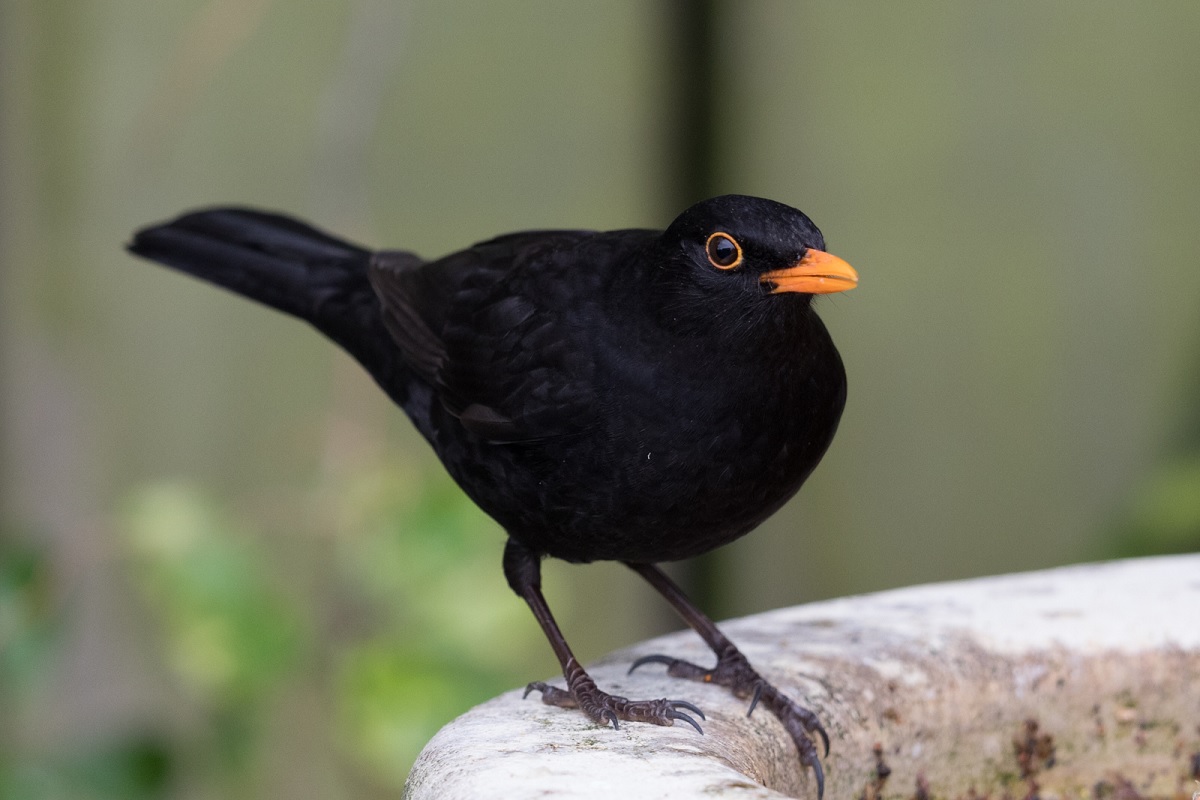
Noticing a flock of black birds in your yard can immediately capture your attention, prompting curiosity about their presence and significance. Their dark feathers, sudden movements, and unusual calls often make you wonder about the messages they might carry. She may perceive their appearance as a natural phenomenon, while others associate it with cultural, spiritual, or symbolic meanings. Exploring what does it mean when black birds are in your yard can provide insight into behavior, seasonal patterns, and folklore interpretations.
These birds, often crows, ravens, or blackbirds, are intelligent and highly adaptable, and their presence may signal changes in the environment, upcoming weather, or shifts in local wildlife activity. Understanding their habits and symbolic associations allows you to interpret their appearance in a meaningful way, blending observation, tradition, and practical knowledge about these striking birds.
Common Black Birds Found in Yards
Black birds are a frequent sight in yards and gardens, often drawing attention with their glossy feathers and intelligent behavior. You often notice their adaptability to human environments, allowing them to thrive in urban, suburban, and rural areas. She highlights that observing these birds can reveal a lot about seasonal patterns, diet, and social behavior. Understanding common black birds found in yards helps you appreciate their ecological role, interactions with other species, and the unique characteristics that distinguish crows, ravens, grackles, and blackbirds.
Crows
Crows are among the most recognizable black birds in yards due to their size, glossy black feathers, and remarkable intelligence. You notice their problem-solving skills, ability to use tools, and complex social interactions, which make them highly adaptable in urban and suburban settings. She often observes crows working in groups to locate food, communicate threats, and even play, reflecting advanced cognitive abilities that rival some mammals. Their intelligence allows them to exploit a wide range of food sources, from insects and small animals to human leftovers.
Seasonal changes influence crow behavior and feeding patterns. You notice that during spring and summer, they focus on insects, fruits, and eggs, while in fall and winter, they shift toward grains, seeds, and scavenged food. She observes how crows remember food locations, sometimes hiding and retrieving food later, showcasing exceptional memory and planning skills. Social behavior is also evident, as crows gather in large communal roosts, providing safety in numbers and reinforcing social bonds. These adaptive traits allow crows to thrive in diverse environments, making them a resilient and fascinating species in your yard.
Crows’ communication methods are also noteworthy. You notice a wide range of calls used to warn of predators, signal food sources, or coordinate group activities. She highlights that their vocal repertoire and problem-solving abilities suggest advanced learning and cultural transmission, where younger crows observe and imitate adults. By understanding crows’ intelligence and social behavior, you gain insight into how highly adaptable black birds interact with their environment, other species, and humans, making them one of the most dynamic birds commonly seen in yards.
Ravens
Ravens are often confused with crows but are generally larger, with thicker beaks and longer tails. You notice their solitary or paired lifestyle, contrasting with the social flocks of crows. She observes ravens employing strategic thinking, such as dropping hard-shelled food from heights to crack it open or collaborating during hunting. Ravens’ intelligence and problem-solving capabilities are remarkable, allowing them to adapt to varying habitats, including forests, mountains, and suburban areas where food is accessible.
Ravens’ vocalizations are complex, consisting of deep croaks and calls used for communication and territory defense. You notice that their interactions with other ravens involve coordinated behavior, sometimes displaying play or ritualized conflict resolution. She highlights their adaptability, which allows them to exploit both natural and human-related food sources, from small animals and insects to discarded human food. Their strategic thinking and independence make ravens a captivating example of how black birds integrate intelligence, behavior, and survival strategies in yards and nearby habitats.
Ravens’ flight patterns also demonstrate agility and skill. You notice their soaring, gliding, and sudden aerial maneuvers as they search for food or patrol territory. She observes that these behaviors reflect both hunting strategies and social interaction, as they navigate complex landscapes while maintaining awareness of threats and opportunities. Ravens’ ability to adapt to human-modified environments further underscores their intelligence and resourcefulness, making them both resilient and influential members of the local ecosystem.
Grackles and European Starlings
Grackles and European starlings are smaller black birds commonly found in yards, known for their adaptability and opportunistic feeding habits. You notice their glossy black or iridescent feathers, long tails, and social nature, often forming flocks to forage and protect against predators. She observes that these species exploit a wide range of food sources, including insects, seeds, grains, and human food, allowing them to thrive in diverse environments, from gardens to parking lots.
Flocking behavior is key to their survival. You notice that large groups of grackles or starlings can overwhelm smaller food competitors, efficiently locating and consuming resources while providing safety in numbers. She highlights their adaptability to seasonal changes, shifting diets based on availability and weather conditions. This flexibility ensures that they maintain energy and nutrition throughout the year, contributing to their success in urban and suburban settings.
Their vocalizations are also significant, ranging from melodious calls to harsh chattering. You notice these communications are used for warning, coordination, and maintaining group cohesion. She observes that their intelligence, adaptability, and social behavior allow these black birds to coexist with humans, often navigating gardens, yards, and agricultural areas with skill. Grackles and starlings demonstrate the remarkable resilience of common black birds, thriving in close proximity to human activity while maintaining essential ecological roles.
Ecological Role and Human Interaction
Common black birds in yards play important ecological roles. You notice that crows, ravens, grackles, and blackbirds help control insect populations, disperse seeds, and scavenge waste, contributing to environmental balance. She observes their interaction with humans can be both beneficial and challenging, as they may feed on crops, gardens, or trash while also providing pest control and enriching biodiversity.
These birds’ intelligence and adaptability allow them to thrive in changing environments. You notice their presence reflects local food availability, weather patterns, and habitat structure, making them indicators of environmental health. She highlights that understanding their behavior and ecological contributions fosters coexistence, encouraging practices that support bird populations while minimizing conflicts. Black birds’ roles in yards extend beyond aesthetics, integrating functional, ecological, and cultural significance into everyday human environments.
By observing and learning about common black birds found in yards, you gain insight into their adaptability, intelligence, and ecological importance. She demonstrates that their social behavior, dietary flexibility, and interactions with humans illustrate the dynamic balance between wildlife and urban or suburban environments. You notice that appreciating these traits enhances both awareness and enjoyment of local birdlife, showing how even common species play vital roles in ecosystems and everyday life.
Symbolic Interpretations
Black birds have held symbolic significance across cultures for centuries, often associated with mystery, intelligence, and transformation. You often notice how their appearance in yards can evoke curiosity, fear, or admiration, depending on cultural context and personal beliefs. She highlights that understanding the symbolic interpretations of black birds can provide insight into folklore, spiritual practices, and human psychology. Observing these birds allows you to connect natural behavior with deeper symbolic meanings, blending ecological awareness with cultural and historical perspectives.
Black Birds as Omens and Messengers
Throughout history, black birds such as crows and ravens have often been viewed as omens or messengers. You notice that many cultures interpret their sudden appearance as a sign of change, warning, or upcoming events. She demonstrates that folklore often links these birds to death, transition, or important spiritual messages, reflecting human fascination with life, mortality, and the unknown. Their intelligent behavior and vocalizations amplify their symbolic impact, creating a sense of awareness and attentiveness in those observing them.
In some traditions, black birds are considered protective or guiding spirits. You notice that their presence can symbolize insight, foresight, or the ability to navigate challenges. She observes that this duality—between warning and guidance—is a recurring theme, where black birds embody both cautionary and empowering messages. Cultural stories frequently portray these birds as agents of transformation, signaling a shift in perspective, personal growth, or the need to adapt. Their role as messengers reflects human desire to interpret natural phenomena as meaningful signs.
The symbolism of black birds as omens is often reinforced by their social and intelligent behavior. You notice how crows and ravens communicate, work cooperatively, and problem-solve, which humans have interpreted as signs of cunning, wisdom, or prophecy. She highlights that these traits have shaped myths, legends, and spiritual practices across regions, creating a layered symbolic identity that persists in literature, art, and everyday observations. Their consistent presence near humans enhances this symbolism, merging natural observation with cultural interpretation.
Transformation and Mystery
Black birds are frequently linked to transformation and mystery, symbolizing the unknown and the unseen aspects of life. You notice that their dark feathers, sudden movements, and shadow-like presence evoke contemplation of change, hidden knowledge, and personal growth. She demonstrates that these interpretations often connect with human experiences of uncertainty, adaptation, and the process of learning from challenges. The birds’ ability to thrive in varied environments mirrors human resilience and adaptability, reinforcing their symbolic association with transformation.
The concept of mystery also stems from black birds’ nocturnal or twilight activity in some species. You notice how ravens and crows appear both in daylight and near dusk, linking them to liminal spaces and the threshold between known and unknown. She observes that their presence can inspire reflection, intuition, and heightened awareness, encouraging humans to consider unseen possibilities or alternative perspectives. This symbolic connection between birds and mystery enriches cultural narratives, spiritual practices, and personal interpretations.
Symbolism of transformation is also reinforced by black birds’ role in ecosystems. You notice how their scavenging, seed dispersal, and intelligence facilitate change in their surroundings, symbolically representing cycles of death, renewal, and adaptation. She highlights that observing black birds can inspire humans to embrace flexibility, awareness, and growth, interpreting natural behavior as lessons or metaphors for navigating life’s transitions. Their symbolic resonance combines environmental observation with cultural and psychological insight, making them powerful icons of change.
Wisdom, Intelligence, and Connection to Nature
Black birds are often associated with wisdom, knowledge, and a deep connection to the natural world. You notice their problem-solving abilities, social strategies, and adaptive behavior, which humans have long admired and incorporated into symbolic frameworks. She demonstrates that these traits inspire interpretations of intelligence, foresight, and cunning, portraying black birds as guides in both literal and metaphorical journeys. Observing their behavior encourages reflection on strategy, observation, and learning from the environment.
Cultural interpretations frequently link black birds to guardianship or spiritual guidance. You notice how folklore often portrays them as protectors, teachers, or observers of human actions, emphasizing vigilance and attentiveness. She observes that these symbolic associations highlight the birds’ dual nature as both ordinary wildlife and vessels of deeper meaning, bridging natural observation with human imagination. Their intelligence and adaptability reinforce their role as symbols of insight and awareness, making them enduring figures in art, mythology, and personal reflection.
By exploring black birds’ symbolic interpretations, you gain insight into their role in culture, psychology, and the environment. She demonstrates that these birds embody a blend of mystery, transformation, and wisdom, connecting human perception with ecological and behavioral realities. You notice that their presence invites contemplation, reflection, and appreciation, enriching understanding of both nature and the symbolic frameworks humans create to interpret the world around them.
Spiritual and Psychological Perspectives
The presence of black birds in your yard often carries spiritual and psychological significance, reflecting beliefs, symbolism, and human perception of nature. You notice that these birds can evoke feelings of mystery, reflection, or forewarning, depending on personal or cultural interpretation. She highlights that understanding spiritual and psychological perspectives allows you to explore the deeper meanings humans attribute to black birds, linking natural observation with intuition, emotional response, and traditional wisdom while enriching your appreciation for these intelligent and enigmatic creatures.
Spiritual Interpretations Across Cultures
Black birds have long been associated with spiritual messages, transformation, and guidance in various cultures. You notice that crows and ravens, in particular, are often seen as messengers between the physical world and the spiritual realm. She demonstrates that many traditions consider them symbols of change, insight, and foresight, representing transitions in life or alerts to impending events. Their mysterious appearance and behavior have made them central to folklore, mythology, and rituals, where they are respected for their perceived wisdom and connection to unseen forces.
In some Native American cultures, black birds are revered as protectors and teachers, offering lessons in observation, adaptability, and strategy. You notice that their role extends beyond mere symbolism, often guiding humans to pay attention to the environment or make important decisions. She highlights that similar interpretations are found worldwide, from European folklore portraying ravens as prophetic guides to Asian traditions linking black birds to transformation and spiritual awareness. These spiritual perspectives show how humans have long observed and integrated the behavior of black birds into cultural and metaphysical frameworks.
The symbolism of black birds as spiritual guides is reinforced by their intelligence and interaction with humans. You notice how their problem-solving skills, social organization, and adaptability create an impression of purposeful observation and awareness. She demonstrates that these behaviors enhance the perception of black birds as mystical or insightful, bridging the gap between ecological reality and human interpretation. Spiritual perspectives emphasize the birds’ role in reminding observers to reflect, adapt, and remain vigilant, highlighting the intertwined relationship between nature, symbolism, and human consciousness.
Psychological Perspectives and Emotional Impact
Black birds also carry psychological significance, influencing human emotion, perception, and thought. You notice that seeing them in yards can evoke curiosity, caution, or a sense of awe, depending on prior experiences and cultural conditioning. She illustrates that their dark appearance, intelligent behavior, and vocalizations can trigger subconscious associations with mystery, insight, or even danger, prompting introspection and heightened awareness of surroundings. The psychological impact of black birds is often linked to human interpretation of patterns, symbolism, and environmental cues.
Observers may experience feelings of reflection or mindfulness when black birds appear. You notice that their presence can encourage focus, patience, and attention to subtle changes in the environment. She demonstrates that black birds’ behavior, such as coordinated movement or problem-solving, can inspire admiration and curiosity, stimulating learning and observational skills. The psychological response is shaped by both innate perception and cultural influence, revealing how humans internalize interactions with wildlife as meaningful experiences.
Additionally, black birds can symbolize personal transformation or psychological states. You notice that their association with change, adaptation, and intelligence mirrors aspects of human life, encouraging resilience, strategy, and insight. She highlights that encountering black birds may prompt reflection on decision-making, challenges, or transitions, linking natural behavior to introspective thought. These psychological perspectives show how observing black birds extends beyond ecological observation, offering opportunities for self-awareness, learning, and emotional growth.
Integration of Spiritual and Psychological Views
Spiritual and psychological interpretations of black birds often overlap, combining cultural symbolism with emotional and cognitive responses. You notice that both perspectives emphasize awareness, adaptability, and reflection, suggesting that black birds serve as catalysts for understanding both the external environment and internal states. She demonstrates that observing black birds in yards can provide guidance, inspiration, or insight, whether interpreted as spiritual messages or psychological prompts for mindfulness and reflection.
Their intelligence and social behavior reinforce both spiritual and psychological readings. You notice that crows, ravens, and other black birds exhibit problem-solving, communication, and observational skills that humans often interpret as signs of wisdom or intentional guidance. She highlights that these behaviors enhance symbolic meaning, bridging the natural and metaphysical worlds. Observing black birds allows humans to engage with both tangible behaviors and symbolic interpretations, enriching understanding of ecology, culture, and self-awareness.
By considering spiritual and psychological perspectives, you gain a holistic view of black birds’ presence in your yard. She demonstrates that these interpretations connect natural observation, cultural meaning, and human emotion, highlighting how intelligent, adaptable birds inspire reflection, learning, and personal growth while maintaining their ecological roles and behavioral significance.
FAQs
What Does It Mean When Black Birds Are In Your Yard?
The presence of black birds in your yard often signals adaptation, food availability, and environmental observation. You notice that crows, ravens, and blackbirds are intelligent and opportunistic, drawn to areas with accessible resources like insects, seeds, or human leftovers. She demonstrates that their appearance may also carry symbolic or spiritual interpretations, reflecting mystery, transformation, or alertness. Observing their behavior can help you understand seasonal changes, territorial patterns, and social interactions, linking their natural habits to ecological balance while also inspiring reflection on folklore and personal perception.
Are Black Birds Considered Omens?
Black birds have historically been associated with omens in many cultures, representing change, foresight, or messages from the spiritual realm. You notice that sudden gatherings or repeated appearances may be interpreted as warnings or indicators of transformation. She highlights that these symbolic associations stem from folklore, mythology, and human interpretation of mysterious or intelligent behavior. While there is no scientific basis for omens, observing black birds encourages awareness, reflection, and mindfulness, allowing you to appreciate their presence both ecologically and symbolically.
Why Do Black Birds Gather In Yards?
Black birds gather in yards primarily for food, safety, and social interaction. You notice that they are opportunistic feeders, drawn to insects, seeds, fruits, and human-provided food sources. She demonstrates that yards offer shelter, perching areas, and favorable observation points, making them ideal for both foraging and resting. Flocking behavior also provides protection from predators and improves communication within groups. Their presence reflects behavioral adaptation, intelligence, and social organization, allowing you to observe ecological strategies and seasonal activity patterns that explain why your yard becomes a hotspot for these birds.
What Can Black Birds Indicate About Your Local Environment?
Black birds often serve as indicators of environmental health, food availability, and habitat quality. You notice that their presence signals accessible resources, including insects, seeds, and shelter. She highlights that observing population patterns, feeding behavior, and flock size can reveal ecological changes, such as shifts in seasons, urbanization impacts, or predator activity. By understanding these environmental cues, you can interpret the yard’s suitability for wildlife and gain insight into broader ecosystem dynamics. Black birds offer both practical ecological information and an opportunity to connect with natural surroundings.
How Does Seasonal Change Affect Black Bird Behavior?
Seasonal changes strongly influence black bird activity in your yard. You notice that during spring and summer, they focus on insects, fruits, and breeding-related behavior, while in fall and winter, seeds, grains, and human food become primary resources. She demonstrates that migration, flocking patterns, and territorial behavior also shift with the seasons, impacting when and where you see black birds. Observing these seasonal patterns helps you understand their adaptability, survival strategies, and social dynamics, providing insight into their ecological needs and behavioral responses to changing environments.
Do Black Birds Have Spiritual or Psychological Significance?
Black birds often carry spiritual and psychological meanings beyond their natural behaviors. You notice that many traditions interpret crows, ravens, and blackbirds as symbols of wisdom, transformation, or guidance. She highlights that their presence can inspire reflection, mindfulness, or a sense of alertness to personal or environmental changes. Psychologically, observing black birds may evoke curiosity, contemplation, or awareness, encouraging you to consider adaptation, strategy, and perception. Their symbolic and emotional impact complements ecological observation, showing that black birds influence both human thought and cultural interpretation.
Conclusion
Seeing black birds frequently in your yard can be both intriguing and mysterious, prompting curiosity about their presence. These birds often carry layers of meaning, from practical behavioral reasons such as foraging, nesting, or migration, to symbolic interpretations rooted in culture and folklore. Observing their patterns, calls, and interactions can provide insight into their intelligence and social behavior, revealing why they are drawn to specific areas.
When considering what does it mean when black birds are in your yard, it becomes clear that their appearance may signal natural environmental factors, changes in the surroundings, or even symbolic messages depending on personal beliefs. Appreciating their role in the ecosystem and understanding their behavior allows for a balanced perspective, blending practicality with curiosity. Recognizing the presence of black birds encourages respect for wildlife while uncovering the fascinating stories these intelligent creatures can tell.