What Does It Mean When Birds Swarm: Key Reasons And Insights
Birds often gather in large groups, moving together in coordinated patterns that can be both mesmerizing and puzzling to watch. This behavior raises questions about their purpose, prompting the inquiry of [what does it mean when birds swarm]. Swarming typically involves birds congregating for feeding, protection, or social interaction. Observing these large flocks in motion can reveal intricate communication, collective decision-making, and survival strategies that have evolved over time. Swarming behavior is not random; it reflects the ways birds respond to environmental cues, predation threats, and resource availability.
Understanding why birds engage in this behavior provides insight into their ecological roles, social structures, and adaptive strategies. By exploring the reasons behind swarming, you can appreciate the remarkable coordination and intelligence that allow birds to navigate their environment safely and efficiently while benefiting from the advantages of group living.
Behavioral Reasons For Bird Swarming
Bird swarming is a fascinating behavior observed across many species and serves multiple ecological and social purposes. Swarming allows birds to respond collectively to environmental challenges, communicate effectively, and exploit resources more efficiently. By studying the behavioral reasons for bird swarming, you gain insight into their survival strategies, group dynamics, and adaptive responses to predators and changing conditions. Observing swarming behavior offers a deeper understanding of how birds balance cooperation, competition, and safety in their natural habitats.
Protection Against Predators
One of the primary behavioral reasons birds swarm is predator avoidance. Large flocks provide safety in numbers, reducing the risk of individual predation. When birds gather in a swarm, it becomes harder for predators, such as hawks or falcons, to single out and capture a target. The constantly shifting positions and coordinated movements of a flock confuse predators, creating a dynamic “safety bubble” that enhances the survival of each member.
Swarming also enables birds to detect threats more efficiently. With many eyes scanning the environment, potential dangers are identified quickly, and alarm signals can be communicated across the group. This collective vigilance allows individuals to forage and move with a greater sense of security. Understanding the protective function of swarming highlights how social behavior in birds has evolved to maximize survival. The flock’s cohesion, coordinated maneuvers, and responsive communication all demonstrate an intricate system of predator deterrence that benefits the group as a whole.
Efficient Foraging And Resource Location
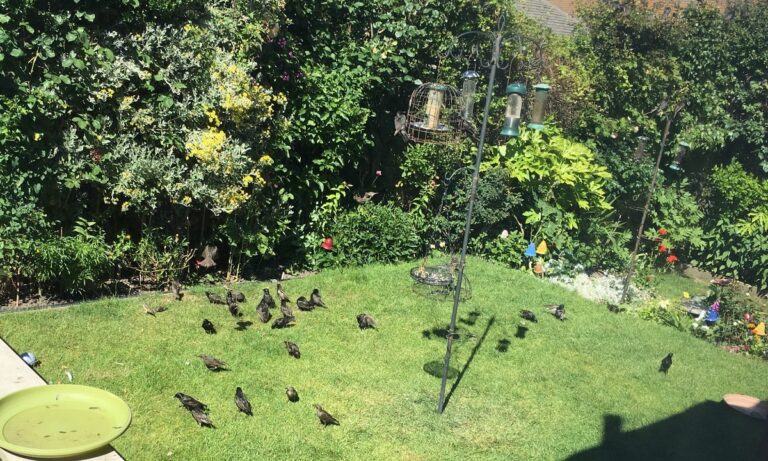
Birds often swarm to improve foraging efficiency and locate food resources more effectively. When multiple individuals move together, they can cover larger areas while sharing information about the location of abundant food sources. For example, starlings, pigeons, and blackbirds often form large foraging flocks to exploit insect swarms, fruiting trees, or crop fields. Swarming allows individuals to save energy by following others to high-quality feeding sites instead of searching alone.
This cooperative behavior also reduces competition for resources. Birds can monitor where others are feeding and adjust their positions to access the most productive areas. By observing swarming during foraging, you can appreciate how social dynamics influence energy acquisition, efficiency, and survival. The behavior reflects both a practical and adaptive strategy, demonstrating that swarming is not just a defensive measure but also an essential mechanism for exploiting environmental opportunities in a structured, collective manner.
Social Interaction And Communication
Swarming is also a key aspect of social interaction and communication among birds. Large flocks facilitate mating displays, hierarchical organization, and information exchange. For instance, communal roosts and pre-migration gatherings allow individuals to synchronize movements, learn about migratory routes, and strengthen social bonds. These social dynamics are crucial for species that rely on coordinated behavior to survive in unpredictable environments.
Communication within a swarm can occur through visual cues, vocalizations, and coordinated flight patterns. Birds learn from observing one another, adjusting their speed, direction, and positioning to maintain cohesion. Swarming behavior reflects an intricate balance between individual decision-making and group coordination, demonstrating how birds combine instinct, learning, and social awareness. By examining social and communicative aspects of swarming, you gain insight into the cognitive and behavioral sophistication that underlies this captivating phenomenon.
Feeding And Foraging Strategies
Birds exhibit diverse feeding and foraging strategies that reflect their adaptations to different habitats and available resources. Their techniques vary depending on species, diet, and environmental conditions, ranging from solitary hunting to coordinated flock foraging. Understanding these strategies provides insight into how birds maximize energy intake, minimize risk, and maintain ecological balance. Observing feeding behavior also reveals the intricate relationships between birds and their ecosystems, highlighting the importance of behavioral adaptations for survival and reproductive success.
Solitary Foraging
Many bird species employ solitary foraging strategies, relying on stealth, patience, and precision to capture prey or gather food. Predatory birds like hawks, owls, and kingfishers often hunt alone, using keen eyesight and rapid strikes to capture small animals, insects, or fish. Solitary foraging minimizes competition with conspecifics and allows individuals to exploit specific microhabitats effectively.
This approach also demands energy efficiency and adaptability, as birds must adjust to changing prey availability, weather conditions, and habitat structures. By observing solitary foraging, you can appreciate how birds rely on specialized physical adaptations, such as sharp talons, pointed beaks, and enhanced vision, to maximize feeding success. Solitary strategies are particularly common among species that target high-value prey, requiring skillful hunting techniques and careful planning to meet nutritional needs without the support of a group.
Group Foraging And Swarming
Other birds adopt group foraging strategies, forming flocks to locate and capture food collectively. Starlings, pigeons, and sparrows often forage in large groups to locate insect swarms, fruiting trees, or seed patches. Group foraging provides multiple advantages, including increased efficiency in finding resources, shared vigilance against predators, and social learning opportunities.
Coordinated movements within the flock allow birds to exploit resources that may be overlooked by solitary individuals. Social cues, such as changes in flight direction or feeding activity, help members identify productive areas quickly. Group foraging also facilitates energy conservation, as following experienced individuals reduces the time and effort needed to locate food. Observing flock dynamics provides insight into how social behavior enhances feeding efficiency and reinforces the importance of cooperation in certain ecological contexts.
Specialized Foraging Techniques
Some bird species have evolved specialized foraging techniques to exploit unique food sources. For example, woodpeckers peck into tree bark to extract insects, hummingbirds hover while feeding on nectar, and shorebirds probe mudflats with elongated bills to find crustaceans. These techniques are closely linked to their physical adaptations, including bill shape, tongue structure, and leg length.
Specialized foraging allows birds to reduce competition by targeting niche resources that may be unavailable to generalist feeders. Seasonal shifts often influence these behaviors, as birds may switch techniques or diets depending on resource availability. By studying specialized strategies, you can understand the evolutionary pressures shaping morphology, behavior, and ecological interactions, highlighting the intricate connections between physical traits, environmental conditions, and survival strategies in birds.
Migratory Patterns And Navigation
Bird migration is one of the most remarkable natural phenomena, showcasing the incredible endurance, instincts, and navigational abilities of avian species. Migratory patterns involve seasonal movements between breeding and non-breeding areas, often covering thousands of kilometers. Understanding migratory behavior and navigation strategies provides insight into how birds locate food, avoid harsh climates, and maintain survival across diverse habitats. Studying these patterns reveals the intricate adaptations that allow birds to travel long distances with precision and efficiency.
Seasonal Migration Routes
Many bird species undertake long-distance migrations to exploit seasonal resources and favorable climates. For instance, songbirds, shorebirds, and raptors travel from temperate breeding grounds to warmer regions during winter. These seasonal routes are often traditional, following the same paths each year, which may include stopover sites where birds rest and refuel. Migration timing is typically synchronized with food availability, weather conditions, and reproductive cycles.
Understanding these routes helps you recognize the importance of specific habitats along migratory pathways. Wetlands, forests, and coastal areas serve as critical refueling and resting sites, supporting energy-demanding journeys. Birds that fail to locate these key areas may experience fatigue, reduced reproductive success, or increased mortality. Observing migratory routes highlights the connection between distant ecosystems and underscores the importance of conserving habitats across regions to ensure successful seasonal movement.
Navigation And Orientation
Birds rely on sophisticated navigation mechanisms to travel thousands of kilometers with remarkable accuracy. Multiple cues guide their orientation, including the position of the sun, stars, Earth’s magnetic field, and visual landmarks. Some species also use olfactory cues, polarized light patterns, and even infrasound to maintain direction. These navigation abilities are often innate but can be refined through experience and social learning.
The precision of avian navigation ensures birds reach breeding, feeding, and wintering grounds on time, which is crucial for survival and reproductive success. Young birds may follow experienced adults during their first migration to learn routes and stopover points. Understanding navigation techniques offers insight into the cognitive and sensory adaptations that enable long-distance travel. This remarkable coordination emphasizes how migratory behavior is a blend of instinct, learning, and environmental awareness, ensuring that birds optimize survival and energy efficiency during seasonal movements.
Ecological Significance Of Migration
Migration plays a critical role in ecosystem dynamics by facilitating energy flow, nutrient distribution, and species interactions across regions. Migratory birds contribute to seed dispersal, pollination, and insect population control in areas they visit. Their seasonal movements also create opportunities for predator-prey interactions and influence competition within local bird communities.
Additionally, migration reflects environmental health. Changes in migratory patterns, timing, or population size can indicate habitat degradation, climate change, or resource scarcity. By studying migration, you gain insight into global ecological processes, interconnectivity of habitats, and the resilience of bird populations. Understanding these patterns emphasizes the need for international conservation efforts to protect critical habitats and ensure that migratory birds can complete their journeys successfully, maintaining biodiversity and ecosystem balance.
Species-Specific Swarming Behavior
Different bird species exhibit unique swarming behaviors that reflect their ecological needs, social structures, and environmental adaptations. The way birds gather, move, and interact in groups varies widely, influenced by factors such as feeding habits, predator avoidance, and mating strategies. Studying species-specific swarming behavior allows you to understand how individual species optimize survival and efficiency within flocks. Observing these patterns provides insight into the diversity of avian social and ecological strategies.
Swarming in Starlings
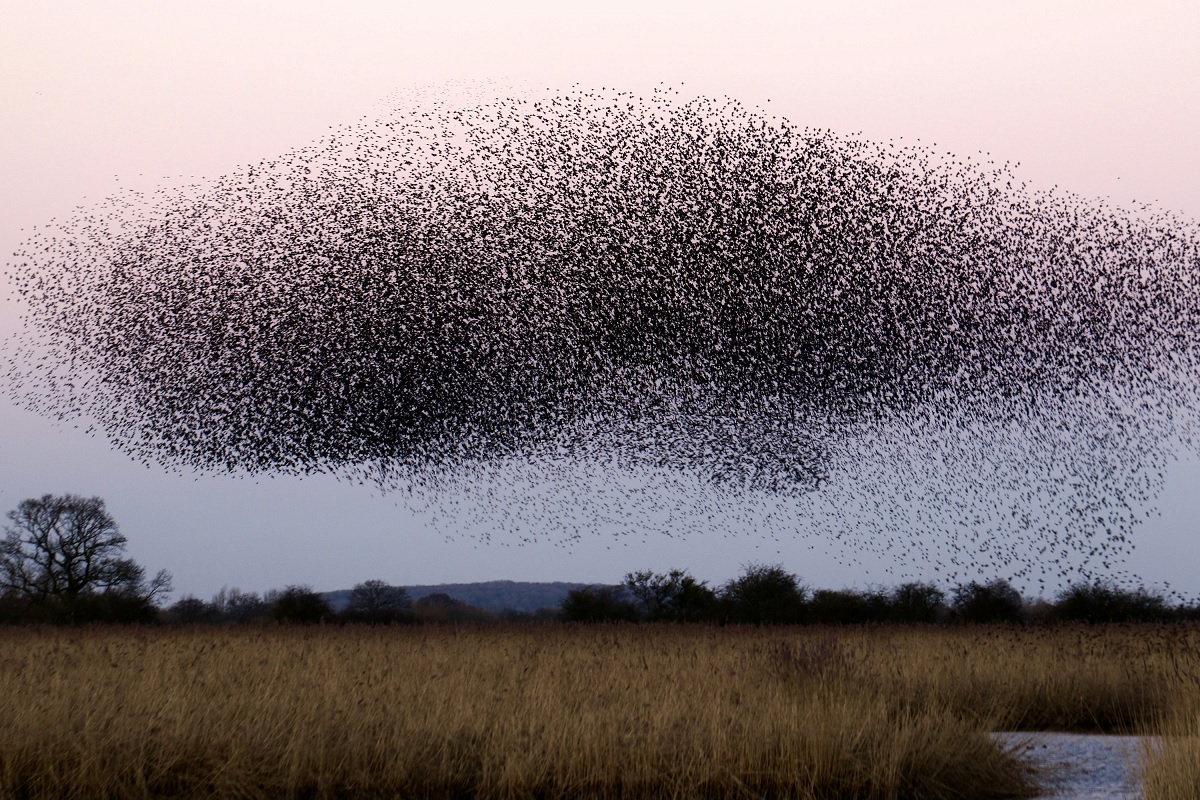
Starlings are famous for their spectacular murmurations, where thousands of individuals fly in highly coordinated, fluid patterns. These large-scale aerial displays serve multiple purposes, including predator avoidance, social cohesion, and communication. The dynamic, synchronized movements of starlings make it difficult for predators to single out an individual, enhancing survival.
The formation and movement within murmurations are not random. Each bird adjusts its speed and position relative to its neighbors, maintaining a constant distance to avoid collisions. These interactions rely on visual cues and rapid responses, demonstrating the species’ remarkable coordination and collective intelligence. Observing starlings’ swarming behavior highlights how individual actions contribute to the group’s safety and efficiency, emphasizing the intricate balance between individual and collective behavior.
Swarming in Shorebirds
Shorebirds, such as sandpipers and plovers, also exhibit species-specific swarming behavior, particularly during migration or foraging. These birds often form dense flocks over mudflats or coastal areas, moving in unison while probing for food. Swarming provides protection from predators and increases foraging efficiency, as the flock can locate food sources more quickly than solitary individuals.
Communication within these flocks is subtle, relying on body movements and synchronized changes in direction to coordinate activities. By observing shorebirds, you can see how species-specific swarming strategies balance safety, energy efficiency, and access to resources. Their behavior illustrates how evolution has shaped feeding and social strategies to suit particular ecological niches, highlighting the diversity of swarming adaptations across bird species.
Swarming in Migratory Birds
Many migratory birds also exhibit species-specific swarming during long-distance travel. For instance, geese, cranes, and certain ducks fly in V-shaped or echelon formations, optimizing energy expenditure by taking advantage of aerodynamic benefits. This swarming pattern allows each bird to reduce air resistance and conserve energy over long flights while maintaining group cohesion and navigation accuracy.
These formations also facilitate communication and social interaction during migration. Leaders rotate positions to share the energy burden, and visual or vocal cues help maintain alignment and direction. Studying migratory swarming behavior provides insight into the adaptive strategies birds use to cope with challenging environmental demands. It underscores how species-specific patterns evolve to maximize survival, efficiency, and coordination during critical life cycle events such as migration.
Environmental And External Factors
Bird swarming behavior is influenced not only by internal instincts but also by various environmental and external factors. Elements such as weather conditions, food availability, predator presence, and habitat characteristics can significantly affect how, when, and why birds swarm. Understanding these influences provides insight into adaptive strategies birds use to navigate challenges in their surroundings. Observing the interplay between environmental cues and swarming patterns reveals the complexity of avian behavior and the importance of habitat conditions in shaping group dynamics.
Weather And Climatic Conditions
Weather plays a critical role in bird swarming behavior. Strong winds, rain, or temperature fluctuations can trigger or alter swarming patterns. For example, migratory birds often adjust their flight formations and timing to take advantage of favorable winds, conserving energy during long journeys. Sudden storms or adverse weather may cause birds to cluster tightly in temporary refuges, delaying migration or altering feeding behavior.
Temperature changes and seasonal shifts also influence swarming. In temperate regions, birds may form large winter flocks to maintain warmth, share information about food sources, and reduce predation risk. These flocks are often more tightly coordinated under challenging weather conditions. Observing how birds respond to environmental stressors demonstrates the flexibility of swarming behavior and highlights its importance as an adaptive mechanism. By considering weather and climate, you can understand how external conditions drive collective movement and survival strategies.
Food Availability And Resource Distribution
The abundance and distribution of food sources are major external factors affecting bird swarming. Birds often gather in large numbers in areas with high concentrations of prey, seeds, or fruits. Foraging in groups allows them to locate resources more efficiently and take advantage of ephemeral or patchy food supplies.
Resource scarcity can also influence swarming intensity and duration. When food is limited, birds may form larger flocks to increase foraging success, or they may disperse temporarily to reduce competition. In migratory species, stopover sites with plentiful resources become critical hubs where swarming occurs, allowing individuals to refuel and rest. Observing these patterns illustrates how swarming is closely tied to ecological conditions and resource dynamics, highlighting the adaptive interplay between behavior and the environment.
Predator Presence And Threat Levels
Predator activity is another external factor that strongly influences swarming behavior. The presence of raptors or other avian predators can trigger sudden flocking, coordinated flight, and evasive maneuvers. Birds adjust their spacing, flight patterns, and vigilance levels depending on the perceived level of threat.
Predator-driven swarming enhances survival by confusing predators, reducing individual predation risk, and increasing collective awareness. Different species exhibit unique responses to threats, with some forming tighter clusters and others relying on rapid, agile flight to evade capture. Observing these interactions shows how environmental pressures shape behavior, demonstrating that swarming is not merely a social phenomenon but a critical adaptation for coping with external risks in natural habitats.
People Also Asked
Why Do Birds Swarm Together?
Birds swarm together primarily for safety and social reasons. He or she benefits from the “safety in numbers” effect, which helps reduce the risk of predator attacks. Swarming also allows birds to communicate and coordinate movement more effectively within a group. You can observe them flying in tight formations or gathering in large numbers on trees or fields. This collective behavior helps birds conserve energy, find food more efficiently, and stay aware of environmental changes. Understanding why birds swarm gives you insight into their natural survival strategies.
How Does Swarming Help Birds Find Food?
Swarming is an effective strategy for locating food sources. He or she can follow the movements of other birds to discover abundant feeding areas. You may notice large flocks feeding together on insects, seeds, or crops. By foraging collectively, birds increase the efficiency of locating food while also reducing the time and energy spent searching individually. This cooperative approach benefits each member of the swarm and helps maintain balance within their ecosystem. Observing swarming behavior can help you predict where food sources are concentrated.
Do Birds Swarm During Migration?
Yes, birds often swarm during migration to increase survival and efficiency. He or she travels in coordinated groups to conserve energy by reducing wind resistance and maintaining visual contact. You can see flocks moving in V-shaped formations, spirals, or large clouds depending on the species. Swarming also helps navigate long distances safely, as experienced birds lead the way for younger or less experienced ones. Understanding swarming during migration helps you recognize the patterns and timing of seasonal bird movements.
Can Environmental Factors Trigger Bird Swarming?
Environmental factors like weather changes, habitat disturbance, and predator presence can trigger swarming. He or she responds to these cues by grouping with other birds to enhance safety and survival. You might observe sudden flocks taking off during storms or when humans enter their nesting areas. Swarming under these conditions allows birds to adapt quickly to changing environments and protect themselves from threats. Recognizing these triggers helps you understand the link between bird behavior and ecological changes in their habitats.
Which Bird Species Are Known For Swarming?
Certain bird species are more prone to swarming, including starlings, blackbirds, pigeons, and sparrows. He or she can identify these species by observing large flocks moving together in coordinated patterns. Some species form impressive murmurations, especially starlings, creating stunning aerial displays. Swarming is a natural behavior that serves feeding, protection, and migration purposes. By knowing which birds commonly swarm, you can predict their behavior and find the best opportunities for birdwatching or ecological observation.
What Is The Ecological Significance Of Bird Swarming?
Bird swarming plays an important ecological role by aiding seed dispersal, pest control, and maintaining population balance. He or she contributes to regulating insect populations, which protects crops and natural vegetation. Swarming behavior also allows birds to efficiently exploit food resources without depleting them completely. You can see the impact of swarms on both urban and rural ecosystems. Understanding the ecological significance of swarming helps you appreciate how these collective behaviors support biodiversity and overall ecosystem health.
Final Thoughts
Observing birds gather in large, coordinated groups offers valuable insight into their survival strategies and social behavior. Swarming serves multiple purposes, including predator avoidance, efficient foraging, communication, and navigation during migration. The collective movement of birds allows them to respond quickly to environmental challenges, share information about resources, and maintain safety through coordinated vigilance. Understanding [what does it mean when birds swarm] highlights the remarkable adaptability and intelligence of avian species. These behaviors reflect a complex interplay between instinct, learning, and environmental cues, demonstrating how birds optimize survival in dynamic ecosystems.
Studying swarming patterns also emphasizes the importance of conserving habitats, as changes in food availability, climate, or human disturbance can directly impact flock behavior. By examining these patterns, you gain a deeper appreciation for the ecological and social significance of bird swarming in maintaining balance and resilience in natural environments.