What Birds Are Scavengers: Top Species, Traits, And Habits
Scavenger birds play a crucial role in ecosystems by helping to clean up carrion and organic waste, preventing the spread of disease and contributing to nutrient recycling. These birds are specially adapted to locate and feed on dead animals, often covering large areas in search of food. Their keen eyesight, strong beaks, and digestive systems allow them to consume meat that other animals might avoid.
Understanding what birds are scavengers can help you appreciate their importance in maintaining ecological balance and the health of natural habitats. Many scavenger birds, such as vultures, condors, and certain species of eagles and storks, have evolved unique behaviors and physical traits to thrive in this niche. Studying them provides insight into how these birds interact with their environment and the vital role they play in the food chain.
Common Scavenger Birds
Scavenger birds are essential contributors to ecosystems, feeding primarily on dead animals and organic waste. These birds help prevent the spread of disease while recycling nutrients back into the environment. Many scavenger species have specialized adaptations, including strong beaks, powerful digestive systems, and keen eyesight for locating carrion from great distances. Studying common scavenger birds allows you to understand their ecological roles, behaviors, and importance in maintaining balance within food chains. These birds range from vultures and condors to certain eagles and storks, each with unique traits suited to scavenging.
Vultures
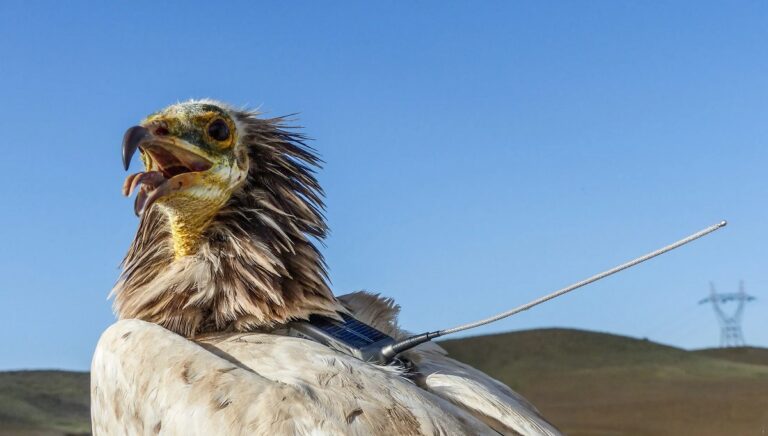
Vultures are among the most iconic scavenger birds and are recognized worldwide for their critical ecological role. They feed primarily on carrion, efficiently cleaning up dead animals and reducing the spread of disease. Vultures possess powerful beaks capable of tearing through tough hides, strong stomach acids that neutralize bacteria and toxins, and excellent eyesight that enables them to spot carcasses from miles away. They often soar at high altitudes, scanning large areas for food, which makes them highly effective natural cleaners.
There are several species of vultures, including the Old World vultures found in Africa, Europe, and Asia, and New World vultures native to the Americas. Old World vultures rely heavily on keen vision, while New World vultures, such as the Turkey Vulture, also have an extraordinary sense of smell to detect decomposing flesh. Vultures are social birds, often feeding in groups, which helps them locate and consume carrion more efficiently. These behaviors highlight the importance of vultures in ecosystems, where they act as a first line of defense against the spread of pathogens.
Condors
Condors are large scavenger birds, known for their impressive wingspans and high-flying habits. The Andean Condor and California Condor are among the most well-known species. These birds feed almost exclusively on carrion, playing a vital role in cleaning up ecosystems and recycling nutrients. Their massive size allows them to dominate carcasses, and they can travel long distances to locate food. Condors rely on keen eyesight to spot potential meals while soaring high above valleys, mountains, and open plains.
Condors have extremely strong digestive systems, enabling them to safely consume decaying meat that could be harmful to other animals. Social behaviors are also notable; condors often feed communally and establish hierarchies at carcasses to avoid conflict. Conservation efforts have been crucial for condors, as habitat loss, poisoning, and human interference have endangered several populations. Studying condors as scavenger birds reveals how size, social structure, and ecological adaptations contribute to their effectiveness in maintaining environmental health.
Eagles
Certain eagle species, such as the Bald Eagle and Golden Eagle, act as opportunistic scavengers alongside their hunting behavior. These eagles feed on fish, small mammals, and occasionally carrion, particularly during food scarcity or in harsh conditions. Their powerful talons, sharp beaks, and keen eyesight allow them to detect and access carrion efficiently. Eagles may steal prey from other birds or scavenge from carcasses, demonstrating flexibility in feeding behavior.
Eagles often use their elevated perches or soaring flight to monitor large areas for potential food sources. They exhibit remarkable intelligence in locating and utilizing carrion, which makes them an important component of the scavenger bird community. By consuming dead animals, eagles contribute to ecosystem cleanliness and nutrient cycling. Their dual role as hunters and scavengers highlights the adaptability of birds to changing food availability, ensuring survival and ecological balance in diverse habitats.
Storks
Storks are large wading birds that primarily feed on small animals, but some species also scavenge carrion when available. White Storks and Marabou Storks, in particular, are known to consume dead fish, mammals, and other animal remains, especially near wetlands or urban areas. Their long, strong bills allow them to handle a variety of food types, making them versatile feeders. Storks often forage both alone and in groups, adapting their behavior to the availability of resources.
The scavenging behavior of storks contributes to their ecological importance, particularly in controlling decomposing matter in wetland and savanna ecosystems. They also act as indicators of environmental health, as changes in carrion availability can influence their population distribution and behavior. Studying storks as scavenger birds highlights how even primarily predatory species can adapt to scavenging opportunities, reinforcing the interconnectedness of ecological systems.
Crows and Ravens
Crows and ravens are intelligent scavenger birds found worldwide. They are highly adaptable and feed on a variety of food sources, including carrion, insects, seeds, and human waste. Their problem-solving abilities allow them to locate and access food efficiently, often caching it for later consumption. Crows and ravens are social, using group communication to share information about food sources.
These birds are versatile in urban and rural environments, scavenging along roadsides, garbage dumps, and natural habitats. Their ability to exploit a wide range of food sources makes them critical for waste management in ecosystems. Despite their smaller size compared to vultures or condors, crows and ravens demonstrate that intelligence, social structure, and adaptability are equally important traits for scavenger birds. Their presence in diverse habitats underscores their ecological significance in maintaining balance and cleaning up carrion efficiently.
Seagulls
Seagulls, particularly in coastal areas, are opportunistic scavengers feeding on fish, marine invertebrates, and carrion. They are often seen feeding along beaches, docks, and urban areas, taking advantage of both natural and human-provided food sources. Seagulls have strong, versatile beaks that allow them to tear flesh and consume a wide variety of foods.
Seagulls often forage in groups, using social behavior to locate food efficiently. They are highly adaptable, capable of thriving in diverse environments, from remote islands to bustling cities. Their scavenging behavior contributes to ecosystem health by removing decaying matter and controlling populations of smaller animals. Studying seagulls highlights the role of opportunistic feeding in scavenger birds and their adaptability to human-altered environments.
Other Scavenger Birds
Beyond vultures, condors, and storks, many other bird species contribute significantly to scavenging within ecosystems. These birds often feed opportunistically on carrion, decaying plant matter, and discarded human food. Their scavenging behavior plays a critical role in maintaining environmental health, preventing disease, and recycling nutrients. Studying other scavenger birds allows you to appreciate the diversity of species that perform this essential ecological function. From intelligent corvids to opportunistic seabirds, these birds exhibit unique adaptations that enable them to thrive in a scavenging niche.
Kites
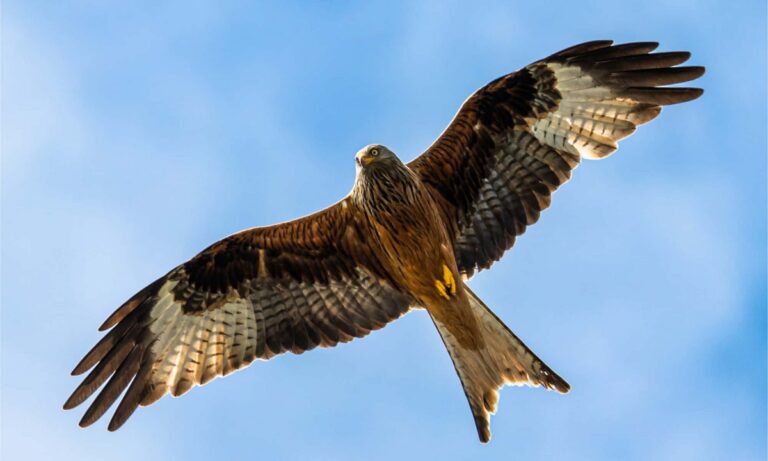
Kites are medium-sized birds of prey that often feed on carrion, making them opportunistic scavengers. Species such as the Black Kite and Red Kite are commonly found in Europe, Asia, and Africa. While kites are capable hunters, they frequently scavenge on dead animals, roadkill, or food waste. Their sharp talons and hooked beaks allow them to tear flesh efficiently, while their agile flight helps them reach carcasses quickly. Kites are highly adaptable, often living near human settlements where food sources are plentiful.
These birds play a vital ecological role by cleaning up carrion that might otherwise spread disease. Social behavior is also observed, as kites often gather in small groups to feed, reducing predation risks and increasing efficiency in locating food. Their scavenging habits make them essential contributors to ecosystem balance, demonstrating that scavenging is not limited to classic species like vultures or condors. Understanding kites as scavenger birds highlights the diversity and adaptability of avian species in this ecological niche.
Owls
While primarily nocturnal predators, certain owl species may opportunistically scavenge carrion when prey is scarce. Species like the Barn Owl or Great Horned Owl have been observed consuming dead animals in addition to hunting small mammals and birds. Their keen night vision, silent flight, and sharp talons allow them to locate both live prey and carrion efficiently. Owls’ scavenging behavior is less common than in vultures, but it demonstrates their ecological flexibility and ability to exploit multiple food sources.
By including carrion in their diet, owls contribute to nutrient recycling in ecosystems and help prevent the accumulation of decomposing animals. Their scavenging habits are often opportunistic, depending on seasonal food availability or environmental conditions. Studying owls as scavenger birds provides insight into how predators can supplement their diet with carrion, highlighting the adaptability of avian species in managing energy needs and contributing to ecological balance.
Skuas
Skuas are seabirds known for their aggressive and opportunistic feeding behavior. While they hunt fish and other seabirds, they frequently scavenge carcasses or steal food from other birds in kleptoparasitic interactions. Skuas are found in polar and temperate coastal regions and are highly adaptable to harsh environments. Their strong beaks and powerful flight allow them to access carrion and compete effectively with other scavengers.
Scavenging behavior in skuas is essential in marine ecosystems, where they help remove decaying matter and maintain balance in the food web. Skuas exhibit both solitary and social scavenging, depending on food availability and competition. Their intelligence and adaptability make them highly successful scavengers, demonstrating that scavenging behaviors can be present in predatory and opportunistic species alike. Studying skuas provides insight into the diversity of scavenger strategies among birds in different habitats.
Magpies
Magpies are highly intelligent corvids that display opportunistic scavenging behavior. They feed on a wide range of food, including carrion, insects, fruits, and human food waste. Their problem-solving skills, memory, and social behavior allow them to locate and access carrion efficiently. Magpies often work in small groups or pairs, communicating about potential food sources, which enhances their scavenging success.
The scavenging habits of magpies make them important contributors to ecosystem health, as they consume decomposing matter and prevent waste accumulation. They are adaptable to urban and rural environments, demonstrating flexibility in finding food in both natural and human-altered landscapes. By studying magpies as scavenger birds, you can understand how intelligence, social dynamics, and opportunistic feeding combine to create effective ecological cleaners among avian species.
Crows
Crows are highly versatile scavenger birds, capable of exploiting both natural and human-provided food sources. They feed on carrion, insects, small animals, and waste, demonstrating remarkable adaptability. Crows use their intelligence to access food, such as opening containers, dropping hard-shelled prey to crack them, or following other animals to carcasses. Their social behavior allows them to share information about food availability within their flock.
Crows’ scavenging behavior is crucial in ecosystems because it helps recycle nutrients and control waste accumulation. They thrive in urban, suburban, and rural habitats, adapting their feeding strategies to available resources. Studying crows as scavenger birds highlights the role of intelligence, adaptability, and social structure in successful scavenging, showing that scavenger birds are not limited to predatory species but include highly adaptable omnivorous birds.
Seabirds
Many seabird species, including gulls, terns, and albatrosses, exhibit scavenging behavior. They feed on fish, marine invertebrates, and carrion found along coastlines or in the open ocean. Gulls, in particular, are opportunistic feeders, scavenging human waste, dead fish, and marine mammals. Their strong beaks, flight skills, and adaptability allow them to exploit diverse food sources in coastal and marine ecosystems.
Seabirds’ scavenging behavior contributes to cleaning up beaches and ocean surfaces, reducing the spread of disease, and controlling decomposing matter in marine habitats. Many species forage alone or in groups, showing complex social interactions that aid in finding food. Studying seabirds as scavenger birds highlights their ecological importance, adaptability, and ability to occupy diverse habitats, reinforcing the wide range of birds that play vital roles in scavenging.
Human Interaction and Scavenger Birds
Scavenger birds play a critical role in ecosystems, but their interactions with humans significantly influence their behavior, survival, and population dynamics. These birds often adapt to urban and rural environments, exploiting human waste, roadkill, and agricultural by-products as food sources. Human activities can both positively and negatively impact scavenger species, from providing abundant food to causing habitat loss or exposure to toxins. Understanding the relationship between humans and scavenger birds helps you appreciate their adaptability and highlights the importance of responsible coexistence.
Urban Adaptation
Many scavenger birds have adapted remarkably well to urban environments, taking advantage of human-generated food sources. Species such as crows, gulls, and pigeons often feed on garbage, discarded food, and roadkill. These birds have developed behaviors to navigate busy streets, avoid human threats, and exploit new opportunities for nourishment. Urban adaptation demonstrates their intelligence, problem-solving skills, and ability to thrive alongside humans.
The presence of scavenger birds in cities also provides ecological benefits, such as cleaning up organic waste and controlling pest populations. However, human interactions can pose risks, including vehicle collisions, poisoning from contaminated food, or entanglement in litter. Understanding urban adaptation highlights both the resilience of scavenger birds and the responsibilities humans have in managing waste and minimizing hazards. Studying urban scavenger birds allows you to appreciate their ingenuity while recognizing the challenges they face in anthropogenic environments.
Agriculture and Livestock
Scavenger birds often benefit from agricultural practices by feeding on leftover crops, livestock carcasses, and insects in farm fields. Species like kites, vultures, and storks frequently inhabit farmlands, using open spaces to spot potential food sources. Livestock waste, discarded animals, and crop by-products create abundant foraging opportunities, supporting scavenger populations. These interactions demonstrate how human land use can shape the distribution and behavior of scavenger birds.
While agricultural areas provide food, they can also expose scavengers to risks such as pesticides, veterinary drugs, and poisoning intended for pests. Some species, particularly vultures in South Asia, have suffered dramatic population declines due to chemicals in livestock carcasses. Understanding how scavenger birds interact with agriculture allows you to see both the advantages and threats posed by human activity. Responsible farming practices, such as safe carcass disposal and reduced chemical use, can support healthy scavenger populations while maintaining ecological balance.
Wildlife Conservation and Education
Human interaction also plays a crucial role in the conservation and education surrounding scavenger birds. Programs that monitor populations, protect habitats, and rehabilitate injured birds help sustain species like condors, eagles, and vultures. Public awareness campaigns educate people about the ecological importance of scavengers, dispelling myths that these birds are pests or nuisances. Conservation initiatives often involve collaboration between governments, NGOs, and local communities to ensure the survival of scavenger species.
Education efforts emphasize how scavenger birds maintain ecosystem health by consuming carrion, controlling disease, and supporting nutrient recycling. By fostering understanding and appreciation, humans can reduce negative interactions, such as persecution or poisoning. Studying conservation and education highlights the positive impact that humans can have on scavenger birds, demonstrating how responsible behavior, policy, and advocacy can ensure these species continue performing vital ecological functions.
Ecotourism and Observation
Scavenger birds also influence and benefit from ecotourism, as many enthusiasts and photographers are drawn to observe vultures, condors, and other large scavengers in natural habitats. Wildlife reserves, national parks, and sanctuaries often offer opportunities to see these birds feeding, nesting, or soaring. This interaction creates economic incentives to protect habitats and maintain healthy populations of scavenger species.
Ecotourism promotes appreciation for scavenger birds, highlighting their unique adaptations and ecological roles. However, excessive human presence can disturb nesting sites or feeding behaviors if not managed carefully. Responsible ecotourism balances observation with minimal impact, ensuring birds continue their natural activities. Understanding this interaction allows you to see the mutual benefits of human interest and conservation, fostering respect for scavenger birds while supporting sustainable economic and educational opportunities.
Negative Human Impacts
Despite their adaptability, scavenger birds face numerous threats from human activity. Habitat destruction, urbanization, pollution, and poisoning all pose significant risks. Roadkill, often an abundant food source, also leads to vehicle collisions, while contaminated waste and chemical exposure can cause illness or death. In some regions, cultural beliefs or misinformation lead to intentional persecution of scavenger birds, further endangering populations.
Recognizing these negative impacts underscores the need for responsible behavior, policy enforcement, and community engagement to protect scavenger species. Measures like safe waste management, awareness campaigns, and habitat protection can mitigate threats while promoting coexistence. Studying negative human impacts highlights the delicate balance between scavenger bird survival and human activity, emphasizing the shared responsibility in maintaining healthy ecosystems.
Frequently Asked Questions
What Are Scavenger Birds?
Scavenger birds are species that primarily feed on dead animals or organic waste. They play a crucial role in ecosystems by preventing the spread of disease and recycling nutrients back into the environment. These birds have specialized adaptations, such as strong beaks for tearing flesh, sharp eyesight for locating carrion, and powerful digestive systems to safely process decaying matter. By understanding what birds are scavengers, you can appreciate their ecological importance and the role they play in maintaining a clean and balanced environment, supporting both wildlife and human communities.
Which Birds Are Considered Scavengers?
Birds commonly considered scavengers include vultures, condors, eagles, storks, crows, and gulls. While some species rely solely on carrion, others are opportunistic feeders, consuming dead animals when available. These birds can be found in diverse habitats, from forests and mountains to urban areas and coastlines. Observing their behaviors, such as soaring in search of food or congregating at carcasses, helps you identify them. Recognizing scavenger birds allows you to understand their ecological role in cleaning up the environment and supporting nutrient cycling in both natural and human-influenced ecosystems.
How Do Scavenger Birds Find Their Food?
Scavenger birds use a combination of keen eyesight, intelligence, and sometimes smell to locate food. Vultures, for example, can spot carcasses from miles away while soaring at high altitudes, while some New World vultures also rely on their sense of smell. Opportunistic scavengers like crows and gulls observe other animals or human activity to locate edible waste. These techniques allow scavenger birds to efficiently find food while reducing competition. Understanding their methods gives you insight into their adaptability, survival strategies, and the important ecological role they play in consuming carrion.
Why Are Scavenger Birds Important To Ecosystems?
Scavenger birds are vital for maintaining ecosystem health. By consuming dead animals, they prevent the spread of disease and reduce the accumulation of decaying matter. Their feeding also recycles nutrients back into the soil, supporting plant growth and overall biodiversity. Scavenger birds indirectly support other wildlife by limiting the spread of harmful pathogens and providing food for secondary consumers. Recognizing their importance helps you understand how natural systems rely on these birds, highlighting their ecological role beyond mere feeding behavior and emphasizing the need for their protection and conservation.
How Do Human Activities Affect Scavenger Birds?
Human activities can have both positive and negative effects on scavenger birds. Urban environments and agricultural areas provide additional food sources through waste, roadkill, and livestock by-products. However, pollution, chemical contamination, habitat destruction, and intentional poisoning pose significant threats. Vehicle collisions and encroachment on nesting sites also impact populations. Understanding these effects allows you to see the delicate balance between scavenger survival and human influence, emphasizing the importance of responsible waste management, habitat protection, and awareness to support healthy scavenger bird populations.
Can All Birds Be Scavengers?
Not all birds are scavengers. While many species may opportunistically feed on carrion, true scavengers have specialized adaptations that allow them to rely heavily on dead animals. Birds like vultures and condors are obligate scavengers, whereas others, such as eagles, gulls, and crows, are opportunistic feeders. Physical traits like strong beaks, sharp talons, excellent vision, and robust digestive systems distinguish scavenger birds from species that primarily hunt or forage for live prey. Understanding these differences helps you identify which birds play an essential role in cleaning ecosystems and maintaining ecological balance.
Final Thoughts
Scavenger birds play a vital role in maintaining ecological balance by consuming carrion and organic waste, preventing the spread of disease, and recycling nutrients back into the environment. From vultures and condors to crows, ravens, and gulls, these birds have developed unique adaptations like keen eyesight, strong beaks, and intelligent foraging behaviors that allow them to thrive in diverse habitats.
They are not only essential in natural ecosystems but also demonstrate remarkable adaptability in urban and coastal areas where human activity provides additional food sources. Understanding what birds are scavengers helps highlight their ecological importance and the need to protect their populations, many of which face threats from habitat loss, poisoning, and human interference. Appreciating their role encourages conservation efforts and a greater awareness of how these birds contribute to the health and sustainability of the environment.