What Bird Is a Seahawk: Facts About the Fierce Coastal Hunter
The term “seahawk” often sparks curiosity among bird enthusiasts and sports fans alike. Many people encounter this name in various contexts, from wildlife documentaries to sports team mascots, leading them to wonder about the actual bird behind the name. Understanding the identity and characteristics of this bird provides clarity and appreciation for its unique traits.
What bird is a seahawk is a question that relates primarily to the osprey, a large raptor known for its exceptional fishing skills. Ospreys are found near rivers, lakes, and coastal regions across the world, where they hunt for fish with remarkable precision. Their appearance, with sharp talons, hooked beaks, and striking brown-and-white plumage, makes them easily recognizable in the wild.
The behavior of these birds also sets them apart. Known for their dramatic dives and ability to hover above water before striking, they demonstrate impressive agility and hunting techniques.
Learning about the seahawk’s habitat, diet, and role in ecosystems helps people appreciate its significance in nature. These birds are not just fascinating predators but also indicators of healthy aquatic environments, making them an essential part of the wildlife landscape.
By exploring the traits and lifestyle of the seahawk, you can better understand why this bird has captured attention and admiration across different cultures and regions.
Identifying the Seahawk
Identifying the seahawk involves understanding its distinctive physical traits, behavior, and habitat. Often confused with other large birds of prey, this bird has unique features that make it stand out. Recognizing these characteristics is key for bird watchers, wildlife enthusiasts, and anyone curious about this impressive raptor.
Physical Appearance and Size
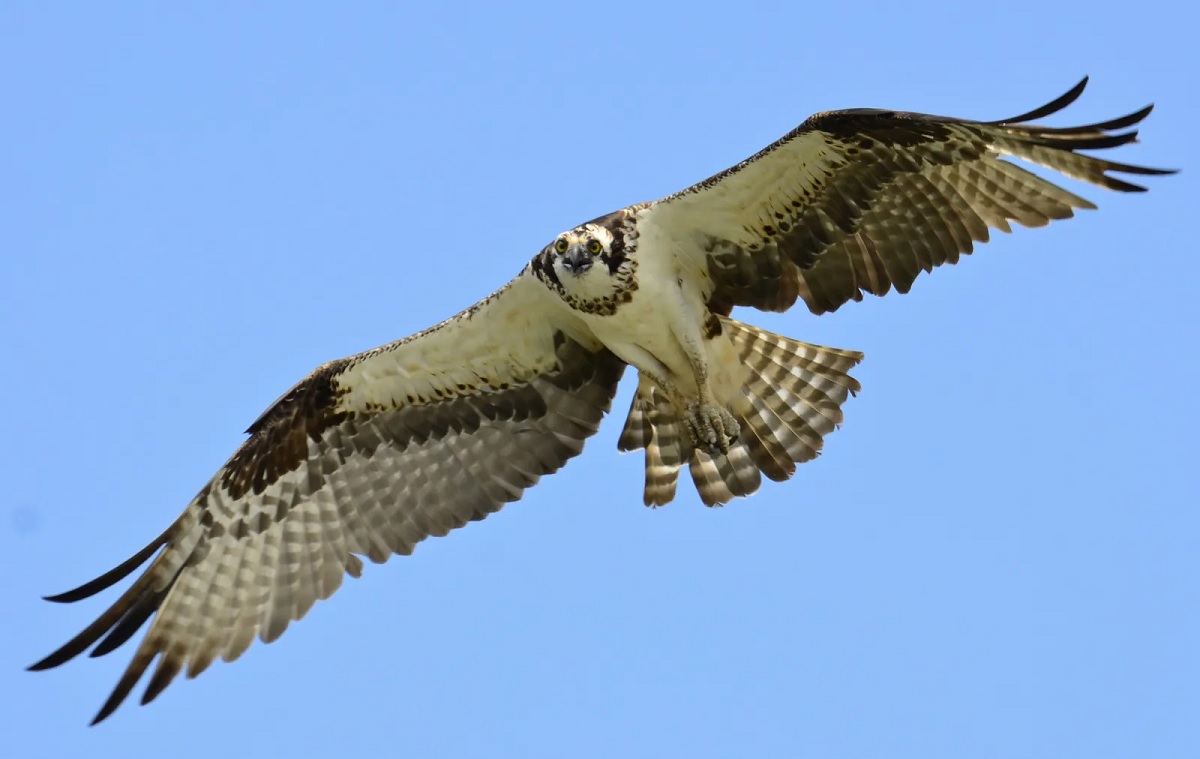
The seahawk, more commonly known as the osprey, is a large raptor with a wingspan ranging from 5 to 6 feet. Its body is mostly brown on the upper side, while the underside is primarily white, creating a stark contrast that is noticeable during flight. A distinctive dark eye stripe runs from the beak through the eyes, enhancing its sharp, predatory look.
Ospreys have strong, hooked beaks designed for tearing into fish, their primary diet. Their legs are pale and equipped with powerful talons that feature rough pads, which help grip slippery prey. The overall size, sharp features, and striking coloration make the seahawk relatively easy to identify compared to other raptors in the same habitats.
Observing these physical traits in combination with their behavior and surroundings gives you confidence in identifying the seahawk accurately. Their size and plumage are the first clues that set them apart from eagles, hawks, or falcons.
Flight Pattern and Hunting Behavior
One of the most distinctive ways to identify the seahawk is through its flight and hunting behavior. Ospreys often hover above water with slow, deliberate wingbeats before plunging talons-first into rivers, lakes, or coastal areas to catch fish. This dramatic dive is both a hunting technique and a clear behavioral identifier.
During flight, their wings often bend slightly at the wrist, creating an M-shape when viewed from below. Unlike many other raptors, ospreys rarely soar with broad, flat wings; instead, they glide steadily with strong, purposeful strokes. Observing this flight pattern near water bodies is a strong indicator that the bird is a seahawk.
Hunting behavior also includes carrying fish with their talons facing forward, which is unique among raptors and helps them reduce air resistance while flying. Watching the bird engage in these hunting techniques provides clear evidence for identification.
Vocalizations and Calls
Another key factor in identifying the seahawk is its vocalizations. Ospreys have a sharp, high-pitched whistle or chirp that they use during flight, courtship, or when defending their nests. These calls are distinct from the screeches of hawks or the caws of larger raptors.
Bird watchers can often locate ospreys by listening for these repeated whistles, especially near water bodies during the breeding season. Juveniles tend to emit softer, more continuous begging calls when calling for food, while adults use a louder, more deliberate whistle when interacting with their mate or warding off intruders.
Recognizing these vocal cues, combined with visual identification, increases accuracy in spotting seahawks in the wild. Their calls are subtle but distinct enough for experienced birders to differentiate from other species in similar habitats.
Nesting and Habitat Indicators
Observing nesting behavior and habitat can further help identify the seahawk. Ospreys typically build large stick nests on tall structures, including trees, cliffs, or even man-made platforms near water. The size and location of these nests often indicate the presence of seahawks in the area.
Ospreys are strongly associated with bodies of water such as lakes, rivers, and coastal regions, reflecting their reliance on fish as the primary food source. Spotting a large raptor near water, particularly hovering or diving, is a strong visual cue for identification. Their tendency to return to the same nesting sites year after year also makes these locations reliable for spotting the birds.
Understanding the relationship between seahawks and their environment allows you to anticipate where and when to observe them. Nesting sites and hunting grounds provide valuable clues for accurate identification.
Seasonal Behavior and Migration
Seahawks exhibit seasonal behaviors that can aid in identification. During breeding season, they are highly territorial and often visible around nests, performing courtship flights or defending their young. In contrast, migratory patterns may make them more sporadic in certain regions during the off-season.
Adult ospreys often migrate long distances between breeding and wintering grounds, with some traveling thousands of miles. Observing seasonal changes in behavior and location can help differentiate seahawks from resident raptors. Juveniles migrating alongside adults may also display less refined hunting techniques, providing opportunities to study different age groups for identification purposes.
Habitat and Range
Understanding the habitat and range of the seahawk, or osprey, is essential for spotting and appreciating these remarkable birds. Their choice of habitat is closely tied to their primary diet of fish, and their range spans multiple continents. By studying their preferred environments and migratory patterns, you can gain a deeper understanding of where and when these birds are most likely to be observed.
Preferred Habitats
Seahawks are highly adapted to aquatic environments. They are most commonly found near rivers, lakes, estuaries, and coastal shorelines where fish populations are abundant. Trees, cliffs, and man-made structures near water often serve as ideal nesting and perching sites. Their nests are typically built at high vantage points, allowing adults to spot prey efficiently and provide safety from ground predators.
The presence of clean, unpolluted water is crucial for their survival, as fish are their sole food source. They also prefer areas with minimal human disturbance, although some populations have adapted to urban and suburban water bodies with suitable nesting platforms. Habitat selection is influenced by prey availability, nest security, and environmental stability.
Geographic Range
Seahawks have a nearly global distribution. They are found throughout North America, Europe, Asia, and parts of Australia and Africa. In North America, they range from Canada and Alaska in the north to the Gulf of Mexico and Central America during migration. European populations are concentrated around coastal regions, rivers, and lakes, extending into parts of Asia and the Middle East.
Their wide geographic range is facilitated by their strong flying abilities and migratory behavior. Although some populations are resident year-round in temperate and tropical regions, others travel thousands of miles between breeding and wintering grounds. Understanding the range helps bird watchers anticipate their presence and plan observations accordingly.
Seasonal Movements and Migration
Seasonal migration plays a significant role in the seahawk’s habitat usage. During breeding season, they occupy northern regions where daylight is longer and fish are plentiful. In winter, many migrate south to warmer coastal and inland waters. Migration routes often follow coastlines and major rivers, where birds can rest and feed along the way.
Juveniles learn migration routes by following adults, and stopover sites along these routes are essential for refueling and survival. Changes in water temperature, food availability, and environmental conditions influence the timing and duration of migration. Observing these movements provides insights into the adaptability and resilience of seahawks in varying habitats.
Adaptation to Different Environments
Seahawks are highly adaptable to a variety of aquatic environments. While they prefer freshwater lakes and rivers, they are equally skilled at hunting in estuaries and coastal waters with fluctuating tides. Their ability to perch on man-made structures, such as poles and nesting platforms, demonstrates flexibility in environments altered by humans.
Adaptation also extends to their diet, as they can target a wide range of fish species depending on local availability. This flexibility in both habitat and diet allows seahawks to maintain stable populations across diverse regions, making them one of the most successful fish-eating raptors worldwide.
Nesting Sites and Territory
Nesting sites are critical to understanding seahawk habitat. They prefer elevated locations near abundant water sources, which offer safety for eggs and chicks. Nests are large, stick-built structures that are reused and expanded each year, sometimes reaching several feet in diameter.
Territorial behavior is also tied to habitat, as seahawks defend nesting sites aggressively from intruders. Access to productive fishing grounds ensures that both adults and young receive sufficient food. By studying nesting patterns and territory selection, you can gain a complete picture of how seahawks interact with their environment and maintain thriving populations across their range.
Hunting and Feeding Behavior
The hunting and feeding behavior of the seahawk, or osprey, is one of its most fascinating traits. These birds are expert fish hunters, displaying remarkable skill, precision, and adaptability. Observing their techniques reveals not only their unique predatory abilities but also the ways they interact with their environment to sustain themselves and their young.
Fishing Techniques and Dive Strategy
Seahawks primarily feed on fish, which they capture using a highly specialized hunting method. They hover above water, scanning for movement with their sharp vision. Once prey is located, the bird executes a dramatic plunge, talons-first, into the water to grasp the fish. This dive can reach speeds of up to 50 miles per hour, demonstrating both agility and precision.
Ospreys often adjust the angle of their dive to compensate for water refraction, ensuring accurate capture. They can snatch fish near the surface or dive deeper for larger prey. After catching a fish, they reposition it with their talons so it faces headfirst, reducing resistance while flying back to a perch or nest.
This hunting strategy highlights the seahawk’s specialization and efficiency. Unlike many raptors that hunt from land, their adaptations allow them to thrive in aquatic environments, making them highly skilled and successful predators.
Feeding Habits and Prey Preferences
Seahawks show selectivity in their diet, preferring fish species that are abundant and easily accessible. Common prey includes trout, perch, and mullet, but they can adapt to local fish populations depending on seasonal availability. Their keen eyesight enables them to spot even camouflaged fish from high above water.
Adult ospreys feed themselves while also hunting to provide for their chicks. They deliver fish to the nest multiple times a day, sometimes tearing it into smaller portions to ensure the young receive adequate nutrition. Juveniles learn to hunt gradually, often practicing with smaller fish under adult supervision.
Feeding patterns are influenced by water clarity, weather conditions, and the presence of other predators. Seahawks adjust their hunting techniques accordingly, demonstrating adaptability that is crucial for survival in varying aquatic ecosystems.
Hunting Behavior Across Different Environments
Seahawks adapt their hunting behavior based on the environment. In rivers or lakes, they may hover steadily above water for extended periods, scanning for prey. Coastal ospreys exploit tidal areas where fish are concentrated, diving repeatedly in quick succession to capture multiple fish.
They can also exploit man-made structures, such as docks or piers, to perch and hunt from a stable vantage point. This flexibility allows them to thrive in both remote wilderness and areas impacted by human activity. Their behavior ensures a steady food supply while minimizing energy expenditure.
Environmental adaptation is critical during migration, as seahawks may encounter unfamiliar water bodies. Learning local fish populations and adjusting hunting techniques demonstrates the species’ resilience and intelligence.
Social and Territorial Feeding Behavior
Seahawks are primarily solitary hunters, but nesting pairs display cooperative behavior. Adults defend hunting territories around their nests to secure consistent access to fish for themselves and their young. Conflicts with neighboring ospreys are common, especially in areas with limited food resources.
Courtship and mating also influence feeding behavior. Males often present captured fish to females as part of bonding rituals. This sharing not only strengthens pair bonds but also ensures that the female can maintain energy during egg-laying and chick-rearing periods.
Understanding these social dynamics provides insight into how feeding behavior supports survival, reproduction, and territorial defense. Observing these interactions helps bird watchers identify seahawks and appreciate the complexity of their natural behavior.
Daily and Seasonal Feeding Patterns
Seahawks exhibit daily feeding routines aligned with daylight and fish activity. They typically hunt during daylight hours when visibility is optimal, avoiding times when glare or low light reduces hunting efficiency. Seasonal patterns also affect feeding; during breeding season, food demand increases dramatically to support growing chicks.
During migration, ospreys may feed opportunistically at multiple water bodies along their route. They adjust hunting frequency and location based on prey availability and energy needs, balancing the demands of long-distance travel with sustenance requirements.
Breeding and Nesting
The breeding and nesting behavior of the seahawk, or osprey, is a fascinating aspect of their life cycle. These birds invest considerable effort in raising their young, selecting strategic locations and displaying strong parental care. Understanding their reproductive habits helps you appreciate their survival strategies and the importance of habitat conservation for their continued success.
Courtship and Mating Rituals
Seahawks exhibit elaborate courtship behaviors that strengthen pair bonds and prepare for breeding. Males often perform aerial displays, diving and soaring with fish in their talons to impress potential mates. These presentations demonstrate strength, hunting ability, and suitability as a partner.
Courtship also involves vocalizations and mutual flying exercises, where both birds engage in synchronized movements above the nesting site. This behavior not only solidifies pair bonds but also establishes territorial boundaries for the breeding season. The exchange of captured fish between males and females is common, serving as both a courtship gesture and a nutritional supplement for the female.
These rituals are vital for successful reproduction, ensuring that both parents are committed to raising chicks. Observing these behaviors provides insight into the social dynamics and mating strategies of seahawks in the wild.
Nest Site Selection
Seahawks carefully select nest sites to maximize safety and access to food. Nests are typically constructed on tall structures, such as trees, cliffs, or man-made platforms near water. Height provides protection from ground predators, while proximity to abundant fish ensures easy foraging.
Nests are large, sturdy structures made of sticks, moss, and other natural materials. Adult ospreys often reuse and expand these nests year after year, creating substantial platforms that can reach several feet in diameter. The nest’s position also allows adults to monitor their surroundings and defend the site from intruders.
Site selection is influenced by local environmental factors, including predator presence, water quality, and human disturbance. By choosing optimal nesting sites, seahawks increase the survival chances of their eggs and chicks.
Egg Laying and Incubation
Female seahawks lay between two to four eggs per breeding season, depending on food availability and environmental conditions. The eggs are typically pale with reddish-brown speckles, providing some camouflage within the nest. Both parents share responsibilities, though the female does most of the incubation.
Incubation lasts approximately 35 to 42 days. During this period, the male provides food and protection, hunting fish to sustain both the incubating female and the developing embryos. Eggs are carefully turned to ensure even warmth and proper development.
Successful incubation requires vigilance, as nests may be threatened by predators or extreme weather. By maintaining constant care and cooperation, seahawks maximize the likelihood of producing healthy chicks.
Chick Rearing and Development
Once hatched, seahawk chicks are altricial, meaning they are born blind, featherless, and entirely dependent on their parents. Both adults participate in feeding, bringing freshly caught fish to the nest and tearing it into manageable portions for the chicks.
Chicks grow rapidly over the first few weeks, developing feathers and strengthening their wings. Parents teach them basic survival skills, such as tearing fish and preparing for fledging. The young gradually become more independent but remain in the nest for several weeks until they can fly and hunt on their own.
Parental care continues until fledglings are competent hunters, highlighting the significant investment seahawks make in ensuring the next generation’s survival. Observing these behaviors emphasizes the importance of safe nesting sites and plentiful food sources.
Seasonal Breeding Patterns
Seahawks breed during specific times of the year, generally in spring and early summer in temperate regions. Breeding season aligns with increased daylight and fish availability, ensuring that adults can meet the energetic demands of raising chicks.
In migratory populations, timing also ensures that adults are in optimal habitats with sufficient resources. Nesting pairs often return to the same sites annually, demonstrating site fidelity and territorial consistency. Seasonal breeding patterns reflect the seahawk’s adaptation to its environment, balancing energy demands, predator risks, and resource availability to maximize reproductive success.
Common Species Referred to as Seahawks
The term “seahawk” is often used informally to describe birds closely associated with aquatic environments and known for exceptional fishing skills. While many people may not realize it, the name primarily refers to certain raptors with specialized adaptations for hunting fish. Understanding the species commonly called seahawks helps bird watchers identify them in the wild and appreciate their unique traits.
Osprey (Pandion haliaetus)
The osprey is the bird most commonly referred to as a seahawk. Found on every continent except Antarctica, ospreys are large raptors with a wingspan of 5 to 6 feet and striking brown-and-white plumage. Their signature dark eye stripe and hooked beak make them highly recognizable.
Ospreys are almost entirely fish-eaters, diving from heights to snatch prey with their sharp talons. They have specialized foot pads and reversible outer toes to help grip slippery fish securely. These birds often nest near rivers, lakes, and coastal regions, building large stick nests on trees, cliffs, or man-made platforms.
The osprey’s global range and specialized adaptations make it the quintessential seahawk. Observing one in flight, hovering above water, or diving for fish immediately identifies it as a top aerial predator.
Bald Eagle (Haliaeetus leucocephalus)
Although primarily known as a symbol of North America, the bald eagle is sometimes loosely referred to as a seahawk due to its affinity for fishing. Bald eagles are larger than ospreys, with wingspans exceeding seven feet, and have a distinctive white head and tail contrasting with dark brown bodies.
Bald eagles are opportunistic hunters and often snatch fish from water surfaces, much like ospreys. They may also scavenge or steal prey from other birds, demonstrating versatile feeding behavior. Their nests are massive structures, often located in tall trees near rivers, lakes, or coastal areas, allowing easy access to fish and a safe environment for raising chicks.
While not a true seahawk in the strictest sense, the bald eagle shares many ecological and behavioral similarities, making the informal association understandable in regions where both species coexist.
White-tailed Eagle (Haliaeetus albicilla)
The white-tailed eagle, found across Europe and parts of Asia, is another species occasionally referred to as a seahawk due to its fish-hunting habits. These birds are large, powerful raptors with broad wings, pale heads, and distinctive wedge-shaped tails.
White-tailed eagles primarily hunt fish but will also prey on waterfowl or scavenge carrion. They are known for impressive soaring flight, often covering large areas while searching for prey. Nests are built on cliffs, large trees, or coastal ledges, providing safety and easy access to feeding grounds.
This species highlights the diversity of raptors associated with aquatic habitats and reinforces why the term “seahawk” can apply to multiple fish-eating birds of prey across different regions.
Other Regional “Seahawks”
In some coastal and island regions, other birds are colloquially called seahawks due to their hunting style or association with water. For example, certain species of sea eagles in Australia or Asia may receive this nickname locally. These birds share common traits such as strong talons, large size, and fish-oriented diets, even if they are not taxonomically related to ospreys.
These regional variations demonstrate the flexibility of the term “seahawk” in popular usage. While it is most accurately applied to the osprey, understanding other fish-eating raptors helps clarify identification and ecological roles in different habitats.
Distinguishing Characteristics Among Species
Despite the informal use of “seahawk,” each species exhibits distinct traits. Ospreys are unique for their reversible toe and specialized talon pads, making them unrivaled fish catchers. Bald eagles are larger and more opportunistic, often feeding on carrion, while white-tailed eagles combine soaring hunting techniques with a broad diet of fish and birds.
Recognizing these differences in size, plumage, hunting style, and habitat allows bird watchers to correctly identify which “seahawk” they are observing. By focusing on these distinguishing features, enthusiasts can appreciate both the diversity and ecological significance of fish-eating raptors worldwide.
FAQs
What Bird Is A Seahawk?
The bird most commonly referred to as a seahawk is the osprey. Ospreys are large raptors found near rivers, lakes, and coastal waters worldwide. They are known for their exceptional fishing skills, using sharp talons to catch fish from water with remarkable precision.
Ospreys have distinctive brown and white plumage, a dark eye stripe, and a hooked beak designed for tearing into fish. Observing these traits, along with their characteristic hovering and diving behavior over water, can help you accurately identify this iconic seahawk in the wild.
How Can I Identify A Seahawk In The Wild?
You can identify a seahawk by looking for a large bird with a wingspan of 5 to 6 feet, brown upperparts, and white underparts. A dark stripe runs across its eyes, giving it a sharp, predatory appearance.
Watching behavior is equally important. Seahawks hover above water before diving talons-first into fish. Their strong talons, reversible outer toes, and rough foot pads are specialized adaptations for gripping slippery prey. Observing these physical features and hunting techniques ensures you are correctly identifying a seahawk rather than another raptor.
Where Do Seahawks Live?
Seahawks primarily inhabit areas close to water, including rivers, lakes, estuaries, and coastal regions. They need abundant fish populations to survive and prefer nesting sites that provide safety and a clear view of the surroundings.
Tall trees, cliffs, or man-made platforms near water are ideal for nesting. These habitats support both hunting and raising chicks, making them critical to the bird’s survival. You are most likely to spot seahawks where clean, unpolluted water offers a steady supply of fish throughout the year.
What Do Seahawks Eat?
Seahawks feed almost exclusively on fish, making them highly specialized predators. They dive from heights of up to 50 feet to snatch fish with their talons, often carrying the prey back to a perch or nest.
Their diet includes a wide range of fish species, from small trout and perch to larger mullet, depending on local availability. Feeding is a constant activity, especially during breeding season, when adults provide for hungry chicks. Watching them hunt offers a fascinating glimpse into their skill and adaptability.
Are Seahawks The Same As Bald Eagles?
No, seahawks and bald eagles are different species, though both are fish-eating raptors. Ospreys, or seahawks, are smaller, with a wingspan of 5 to 6 feet, and are almost exclusively fish eaters. Bald eagles are larger, with wingspans exceeding 7 feet, and are more opportunistic, scavenging or hunting other prey in addition to fish.
While both birds may share aquatic habitats and occasionally be seen in the same areas, their hunting techniques, size, and plumage help distinguish seahawks from bald eagles in the wild.
Do Seahawks Migrate?
Yes, many seahawk populations are migratory. They breed in temperate or northern regions and migrate to warmer coastal or inland waters during winter. Some populations are resident year-round in tropical areas with abundant fish.
Migration routes often follow rivers, coastlines, or lakes, with stopover sites used for resting and feeding. Juveniles typically learn migration paths by following adults. Seasonal movement ensures that seahawks have access to sufficient prey and suitable breeding conditions throughout the year.
Final Thoughts
Seahawks are remarkable birds of prey known for their hunting skill and adaptability to coastal environments. With sharp talons, keen eyesight, and agile flight, they excel at catching fish and other aquatic prey, making them a vital part of the ecosystems they inhabit. Observing their hunting techniques and distinctive behaviors provides insight into how they thrive along shorelines, rivers, and estuaries.
Understanding what bird is a seahawk clarifies that the term commonly refers to the osprey, a bird specialized for fishing. Unlike other raptors, ospreys have unique adaptations, including reversible outer toes and dense, oily plumage, which enable them to hunt efficiently in water. Recognizing these features helps birdwatchers and enthusiasts correctly identify them in the wild and distinguish them from similar coastal birds.
Studying what bird is a seahawk also highlights the importance of conservation. Protecting coastal habitats and ensuring clean waterways support healthy seahawk populations, allowing future generations to witness their remarkable hunting prowess and maintain the balance of aquatic ecosystems.