What Bird Has A Forked Tail: Top Species, Identification, and Facts
Birds display an incredible variety of tail shapes, each adapted to their flying style, habitat, and feeding habits. Among these, certain species stand out for their distinctive forked tails, which not only aid in maneuverability but also make them visually striking. Observing these birds in flight reveals the elegance and precision that a forked tail provides, allowing them to glide, dart, and change direction with remarkable agility.
The forked tail is often associated with swift, agile flyers. Birds that possess this feature use it to maintain balance while performing sharp turns or hovering briefly during hunting. This tail structure also plays a role in social signaling and mating displays, highlighting the bird’s health and fitness to potential partners.
Species with forked tails are found across various regions, ranging from open skies to coastal areas. Their feeding behavior, flight patterns, and nesting preferences are closely linked to this tail adaptation.
Learning about what bird has a forked tail offers insight into the evolutionary advantages of tail morphology. By understanding their physical traits and behaviors, birdwatchers and enthusiasts gain a deeper appreciation for these remarkable creatures.
The presence of a forked tail is more than just an aesthetic feature; it exemplifies how birds have evolved to navigate their environments efficiently. Observing these birds in their natural habitats demonstrates the intricate relationship between form, function, and survival.
Key Identification Features
Identifying a bird accurately requires careful observation of several physical and behavioral traits. Key identification features include tail shape, wing patterns, coloration, beak structure, and flight behavior. By paying attention to these characteristics, you can distinguish one species from another even at a distance. Birds with unique tail shapes, like forked tails, or distinct plumage patterns are often easier to recognize, making these features essential for birdwatchers and enthusiasts alike.
Tail Shape and Structure
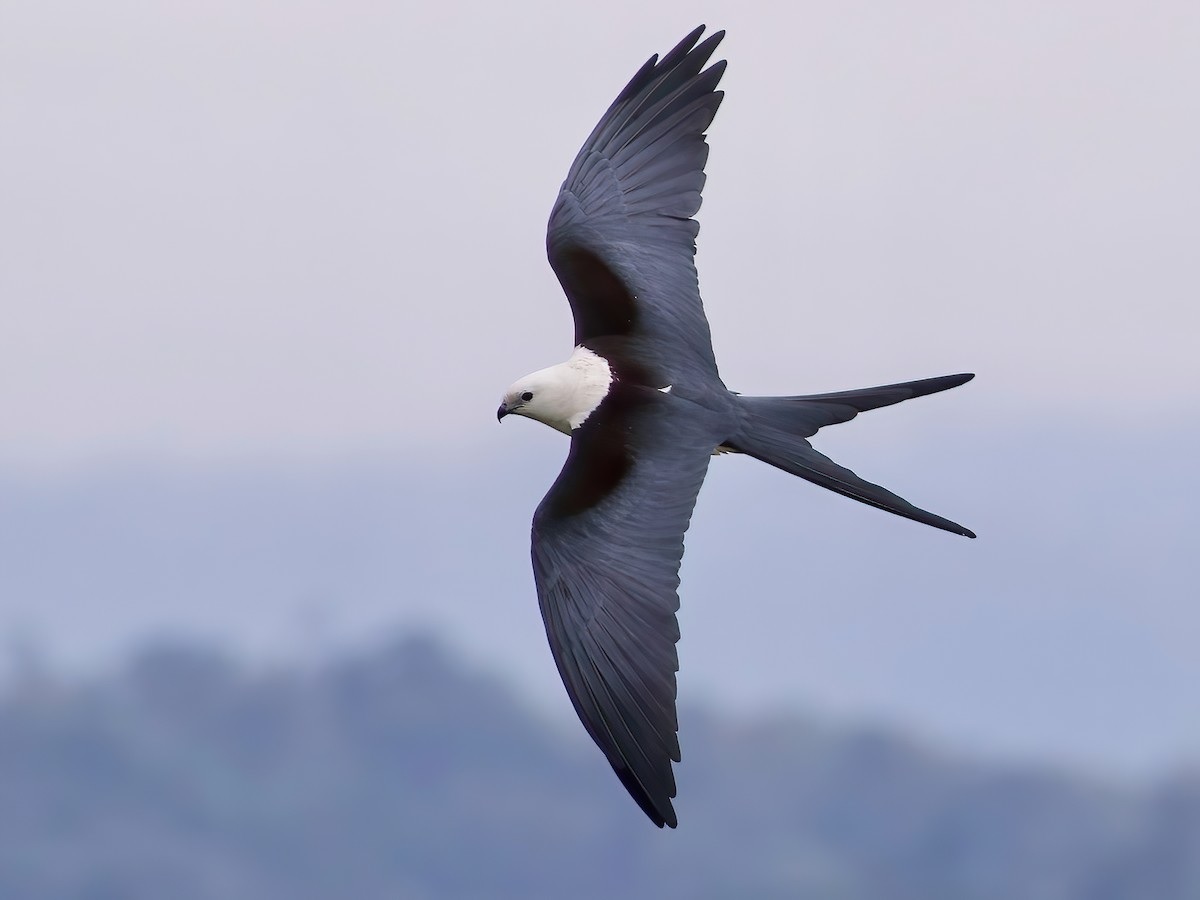
One of the most distinctive identification features in birds is the tail shape. A forked tail, for example, is a clear indicator in species like swallows and some terns. This tail design allows birds to maneuver sharply while flying, improving agility and control during aerial hunting. Observing tail shape in motion can help differentiate species that might otherwise look similar from a distance.
Beyond forked tails, other tail shapes like square, rounded, or pointed can also provide clues about a bird’s behavior and flight style. Birds with long, deeply forked tails often glide effortlessly and execute quick turns mid-air. Juveniles may display slightly different tail patterns compared to adults, so observing multiple individuals can provide a better understanding of the species’ variation. Tail structure, combined with flight behavior, is often one of the first clues in identifying birds in their natural habitats.
Plumage and Coloration
Plumage and coloration are key visual markers for identification. Many birds have distinct color patterns on their head, wings, or underparts that serve as species-specific identifiers. Bright or contrasting colors can indicate age, sex, or breeding status. In some species, subtle color differences distinguish males from females, while juveniles may display mottled or duller tones compared to adults.
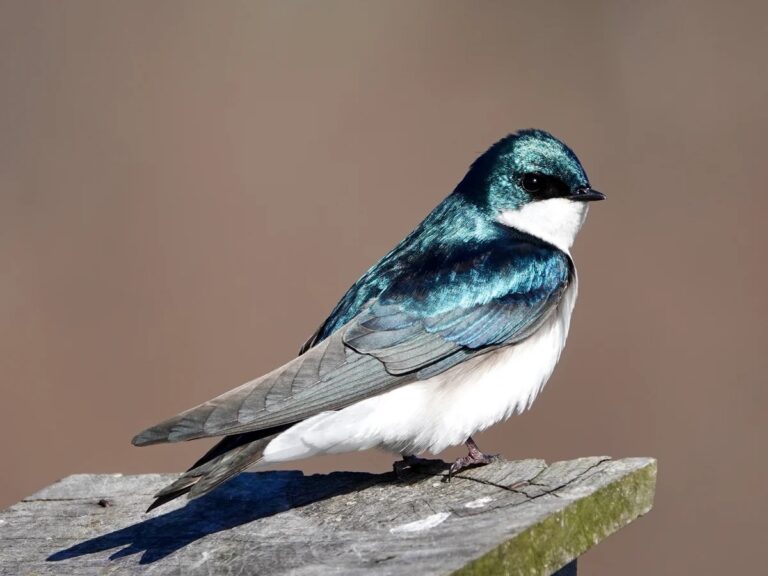
For example, birds with forked tails may also feature sleek, iridescent feathers or contrasting wing markings that catch the eye during flight. Observing plumage under different lighting conditions is important, as colors can appear differently in shade or sunlight. Seasonal changes also play a role, as breeding plumage may differ from non-breeding appearances. Paying attention to these subtle details helps birdwatchers identify species with confidence.
Beak and Head Features
The shape and size of the beak are critical identification markers. Birds have evolved beaks to suit their feeding habits, ranging from slender, pointed beaks for catching insects to stout, conical beaks for cracking seeds. In addition to beak shape, head markings, eye rings, and facial stripes provide valuable clues.
Birds with forked tails often have streamlined heads and beaks designed for aerial hunting. Observing these features while the bird is perched or in flight can help differentiate similar-looking species. Some species may also have distinctive calls or vocalizations linked to their beak structure, which can serve as an auditory identifier in addition to visual cues. Combined, the head and beak features are essential for confirming species, especially when tail or plumage traits are less clear.
Wing Patterns and Flight Behavior
Wing shape and flight behavior are vital for identifying birds in motion. Long, pointed wings often indicate a bird built for speed and long-distance flight, while shorter, rounded wings suggest maneuverability in dense habitats. Observing how a bird flaps, glides, or soars can provide additional identification clues.
Birds with forked tails often exhibit rapid, acrobatic flight patterns. They may twist and turn mid-air while pursuing insects or small prey. Wing markings, such as contrasting bands or patches, also aid in distinguishing species during flight. Learning to observe both wing structure and motion helps birdwatchers identify birds even when they are far away, making these traits as important as plumage or tail shape in accurate identification.
Size and Body Proportions
Overall size and body proportions play a significant role in identification. Length, wingspan, and relative proportions of head, body, and tail can help distinguish between closely related species. Birds with forked tails may appear more streamlined due to their elongated tails and slender bodies, which enhances aerial maneuverability.
Comparing size in relation to surrounding birds or known objects can provide a reference point for identification. Juveniles and adults may differ slightly in proportions, so observing multiple individuals helps confirm species traits. Size, when combined with tail shape, plumage, and flight behavior, provides a holistic approach to bird identification, allowing enthusiasts to recognize species with greater accuracy in the wild.
Common Birds With Forked Tails
Forked tails are a distinctive feature in several bird species, aiding in flight control and maneuverability. Birds with forked tails are often agile flyers, capable of sharp turns and rapid dives. Observing these tail shapes can help birdwatchers identify species from a distance. Many birds with forked tails also display unique behaviors and markings that make them fascinating to watch.
Swallows
Swallows are among the most well-known birds with forked tails, often seen darting gracefully over fields, lakes, and rivers. Their deeply forked tails help them maneuver sharply while catching insects mid-air, making them highly efficient hunters. Swallows are small, slender birds with glossy blue or black upperparts and lighter underparts.
Their long wings and forked tails provide a combination of speed and agility. During the breeding season, swallows display aerial acrobatics to attract mates and defend territories. Observing the forked tail in motion is one of the easiest ways to distinguish swallows from other small birds, even from a distance. Their social nature is also notable, as swallows often roost and migrate in large flocks, enhancing visibility for birdwatchers.
Terns
Terns are coastal birds frequently identified by their forked tails and slender bodies. These birds glide effortlessly over water, using their forked tails for precise turns while hunting small fish near the surface. Terns typically have white or pale gray plumage with black markings on the head, making them easy to spot in coastal environments.
During flight, their forked tails spread wide to maintain stability while diving into the water at high speeds. Terns often nest in colonies along sandy shores or rocky islands, where their tail shape and flight patterns are visible to observers. These birds rely heavily on aerial hunting techniques, and their forked tails are a key adaptation for catching prey efficiently in open, windy habitats.
Kingfishers
Certain kingfisher species also feature slightly forked tails, which complement their rapid, direct flight. These birds are known for hunting fish and small aquatic animals, diving from perches into water with remarkable precision. Kingfishers’ vibrant plumage, often in shades of blue and orange, contrasts beautifully with the slender tail, creating a distinctive silhouette during flight.
The forked tail assists in steering and balancing during dives, enhancing accuracy when striking prey. Kingfishers are generally solitary and territorial, and their flight patterns combined with tail shape make them easier to identify in riparian habitats. Observing these features is crucial for distinguishing them from similar-looking species in dense vegetation or along rivers.
Swifts
Swifts are aerial specialists with long, pointed wings and deeply forked tails. These birds spend the majority of their lives in flight, feeding on insects while gliding and twisting mid-air. Their forked tails improve agility, allowing sudden turns to capture prey and avoid obstacles.
Swifts often appear as fast-moving silhouettes, making tail observation key for identification. Their plumage is usually dark with subtle lighter underparts, and they are rarely seen perched. Observing the forked tail alongside flight style helps differentiate swifts from swallows, as swifts tend to fly higher and with more rapid, continuous wingbeats. Their extreme aerial lifestyle highlights the importance of tail shape in survival.
Scissor-Tailed Flycatchers
Scissor-tailed flycatchers are iconic birds with extraordinarily long, forked tails. These birds use their tails for balance and spectacular aerial displays while hunting insects in open fields and prairies. Their striking tails can be nearly twice the length of their body, making them highly noticeable during flight.
The forked tail allows precise maneuvering while swooping and twisting to catch prey. Males often use tail displays to attract mates, spreading and flicking the tail in elaborate courtship rituals. Observing these birds in open landscapes highlights the dual role of the forked tail in survival and social signaling. Their dramatic tail shape makes them one of the most recognizable fork-tailed species in North America.
Habitat and Range of Birds With Forked Tails
Birds with forked tails are widely distributed across different regions, ranging from open fields to coastal areas and freshwater habitats. Their habitats are closely tied to their feeding strategies, nesting preferences, and migratory behavior. Observing where these birds live can provide valuable clues for identification and understanding their ecological roles. From urban environments to remote islands, fork-tailed birds demonstrate remarkable adaptability.
Open Fields and Grasslands
Many birds with forked tails, such as swallows and scissor-tailed flycatchers, thrive in open fields and grasslands. These habitats provide unobstructed airspace for agile flight and efficient hunting of flying insects. The forked tail helps them maneuver swiftly, making it easier to capture prey in wide-open landscapes.
Swallows often nest on cliffs, barns, or under bridges in grassland areas, using elevated surfaces for protection and vantage points. Scissor-tailed flycatchers, with their long tails, are commonly found perching on fence posts or trees, scanning for insects to catch mid-flight. The abundance of flying insects in these habitats supports the birds’ energetic lifestyles. Open fields also allow observers to spot the distinctive forked tail in motion, making identification easier.
Grasslands and savannas offer both food and nesting opportunities. Birds often select elevated perches for visibility and safety from ground predators. Seasonal migration patterns in these regions further influence habitat use, as many fork-tailed species move south during colder months in search of abundant food sources.
Coastal and Wetland Habitats
Birds like terns and certain swallows are commonly associated with coastal and wetland areas. These regions provide access to fish and aquatic insects, essential for their diet. Forked tails aid in precise flight maneuvers over water surfaces, allowing them to dive or hover while hunting.
Terns nest on sandy shores, islands, or rocky outcrops, often forming large colonies. Swallows may also forage near wetlands, using the open airspace above water to catch insects efficiently. Coastal winds and water currents influence flight patterns, making the aerodynamic advantage of a forked tail particularly valuable.
These habitats support both adult and juvenile birds, offering plentiful food while minimizing terrestrial predators. Observing these birds near coastal or freshwater regions allows birdwatchers to see their forked tails in action, particularly during hunting and courtship flights.
Forest Edges and Riparian Zones
Some birds with forked tails, including kingfishers and certain swallows, inhabit forest edges and riparian zones. These environments provide a combination of perching sites, nesting opportunities, and abundant food sources such as insects or small fish. The forked tail enhances flight control in narrow spaces, allowing quick turns between trees or along riverbanks.
Kingfishers often perch near streams or ponds, diving into the water to catch fish with pinpoint accuracy. Swallows at forest edges capitalize on open air corridors created by tree lines to hunt flying insects. Riparian zones also offer cover for nesting and protection from predators while providing access to abundant prey.
The presence of fork-tailed birds in these habitats highlights their versatility. They balance the need for open space during flight with the protection of trees or vegetation. Understanding their preferred environments helps birdwatchers anticipate where these species are likely to be observed.
Migratory Patterns and Seasonal Range
Many birds with forked tails are migratory, moving seasonally to optimize feeding and breeding opportunities. Swallows, for example, breed in temperate regions during spring and summer and migrate south for the winter. Scissor-tailed flycatchers migrate to warmer regions in Central America during colder months.
Migration allows these birds to exploit different habitats at various times of the year, from coastal areas to grasslands and wetlands. Forked tails provide the agility and endurance needed for long flights, improving survival during extensive migrations. Observing migratory movements can reveal patterns in habitat use, helping enthusiasts and researchers understand the species’ ecological needs.
Seasonal range also affects colony formation, feeding strategies, and social behavior. Birds adapt to changing conditions by selecting habitats that provide optimal food availability, safe nesting sites, and favorable climate, demonstrating their remarkable flexibility and resilience.
Feeding and Hunting Techniques
Birds with forked tails are known for their agility and precision in the air, traits that play a critical role in their feeding and hunting. Their forked tails aid in maneuvering, hovering, and diving, allowing them to catch prey efficiently. Understanding their techniques provides insight into how these birds thrive in diverse habitats, from open fields to coastal waters.
Aerial Hunting and Insect Catching
Many fork-tailed birds, such as swallows and scissor-tailed flycatchers, rely on aerial hunting to capture insects. They soar high or glide close to vegetation, using their sharp eyesight to spot prey in mid-air. Once a target is identified, the forked tail allows rapid direction changes, sharp turns, and precise dives to snatch insects without losing speed or balance.
These birds often hunt over open fields, meadows, or near water, where insects are abundant. Swallows are particularly skilled at catching flying insects while performing acrobatic maneuvers in large flocks. The forked tail not only improves stability during sudden twists but also reduces energy expenditure during prolonged hunting sessions. Juveniles learn these techniques by observing adults, gradually mastering the complex aerial patterns necessary for survival.
Aerial hunting is highly efficient because it allows continuous foraging while covering large areas. Birds can exploit seasonal insect surges, adjusting flight altitude and hunting strategy according to prey density. These techniques highlight the synergy between physical adaptations and behavioral skill in fork-tailed species.
Diving and Fishing Techniques
Birds like terns and kingfishers utilize their forked tails for precision while hunting fish. Terns hover or glide above water, spotting schools of small fish before performing high-speed plunge dives. The forked tail helps stabilize the body upon impact, allowing accurate strikes and quick recovery for repeated dives.
Kingfishers perch near water and use similar techniques, diving straight into streams or ponds to capture prey. Their forked tails provide balance and steering control during underwater pursuit. Timing, visual acuity, and streamlined body shape work together with the tail’s aerodynamic advantage to ensure efficient hunting.
These methods are energy-intensive but highly effective. Birds adapt their techniques depending on water depth, fish size, and environmental conditions. Observation reveals that the forked tail is integral to both control and agility, ensuring success in catching elusive aquatic prey.
Cooperative Feeding Behavior
Some fork-tailed species, particularly swallows, exhibit cooperative or social feeding behaviors. When insects gather in swarms, groups of birds may hunt together, increasing efficiency by driving prey into tighter clusters. This collaborative approach reduces individual effort and maximizes feeding success.
Social feeding also helps young birds learn techniques faster. Observing adults perform synchronized dives or maneuvers allows juveniles to develop precision and coordination. Even during migration, birds may forage in loose flocks, combining skills and instincts to exploit temporary feeding grounds.
Cooperative strategies highlight how social dynamics, in addition to physical adaptations, play a role in survival. The forked tail enhances the efficiency of group maneuvers, allowing birds to navigate tight aerial spaces while capturing prey.
Seasonal and Environmental Adaptations
Feeding techniques in fork-tailed birds vary seasonally and with environmental conditions. Insects may be scarce during colder months, prompting some species to migrate to warmer regions or adjust their diet to include other small prey. Aquatic species, like terns, may shift foraging locations depending on fish migrations and water clarity.
Birds also modify flight patterns according to wind conditions. Tail shape allows them to stabilize during gusts, hover more effectively, or perform rapid turns. Seasonal changes influence energy requirements, dictating hunting intensity and flight strategy. Adaptability in feeding and hunting ensures survival across habitats and climates, emphasizing the importance of forked tails in these processes.
Frequently Asked Questions
What Bird Has A Forked Tail?
Several bird species have forked tails, which help them maneuver skillfully in the air. Swallows are the most commonly recognized, with their deeply forked tails aiding in agile flight while catching insects mid-air. Terns, scissor-tailed flycatchers, and some swifts also exhibit forked tails, which enhance stability and control during flight.
You will notice that the forked tail is not just for show—it allows these birds to perform rapid turns, hover briefly, and execute precise dives. Observing the tail shape in motion often helps identify these species quickly in the wild.
Why Do Some Birds Have Forked Tails?
Birds with forked tails have evolved this feature primarily to improve flight performance. The forked shape provides better maneuverability and control, especially for birds that hunt on the wing. It allows sudden twists, sharp turns, and quick directional changes without losing speed.
This adaptation is essential for aerial hunters like swallows and terns, which catch insects or small fish mid-flight. Forked tails also play a role in courtship displays, signaling agility and fitness to potential mates, making the tail both functional and socially significant.
How Can You Identify Birds With Forked Tails?
Identifying birds with forked tails involves observing both tail shape and flight behavior. Birds like swallows have deeply forked tails that spread wide during flight, while terns have more subtle forks. Long, pointed wings and slender bodies often accompany these tails.
Pay attention to the bird’s habitat and behavior. Swallows are typically seen over fields or water catching insects, whereas terns dive into water for fish. Forked tails, combined with color patterns, flight style, and habitat, provide reliable clues for accurate identification.
Are All Birds With Forked Tails Small?
No, birds with forked tails vary in size. Swallows and swifts are small, lightweight birds designed for acrobatic flight, while scissor-tailed flycatchers are medium-sized with exceptionally long tails. Terns fall somewhere in between, with slender bodies adapted for gliding over water.
The size of the bird often correlates with its feeding style and habitat. Smaller species excel at insect hunting in the air, while larger fork-tailed birds may hunt fish or display their tails during courtship. Observing both tail shape and overall body size helps you narrow down the species.
Do Juvenile Birds Have Forked Tails?
Juvenile birds may have less pronounced forked tails compared to adults. For example, young swallows often show shorter or more rounded tails, which gradually elongate and fork fully as they mature. Observing tail development can indicate the bird’s age and growth stage.
Juveniles may also have duller or mottled plumage, making tail observation even more critical for identification. Understanding these changes helps birdwatchers distinguish between immature and fully grown birds while studying feeding, flight, or social behavior.
Which Habitats Are Common For Birds With Forked Tails?
Birds with forked tails occupy diverse habitats depending on their feeding needs. Swallows and scissor-tailed flycatchers prefer open fields, grasslands, or meadows where aerial insects are abundant. Terns are typically found in coastal regions, beaches, or near lakes and rivers where they hunt small fish.
Some fork-tailed species, like swifts, spend most of their lives in the air, foraging far from the ground. Observing habitat preferences alongside tail shape makes it easier to identify these birds and understand their ecological roles in both terrestrial and aquatic environments.
Final Thoughts
Birds with forked tails are a fascinating example of how nature designs for both beauty and function. Their distinctive tail shapes not only make them easy to identify but also give them incredible agility and speed in flight. Observing these birds in action, whether gliding over water or darting through the air, highlights the importance of tail structure in maneuverability and hunting efficiency.
Understanding what bird has a forked tail can help birdwatchers, researchers, and enthusiasts appreciate the subtle differences between species. From swallows to terns, these birds use their unique tail shapes to navigate diverse habitats, catch prey mid-air, and communicate through aerial displays. Recognizing these characteristics can make spotting them in the wild an exciting and educational experience.
Conservation efforts are essential to protect these birds and their habitats. By learning about what bird has a forked tail and the ecosystems they rely on, we can support initiatives that safeguard their populations. Preserving these birds ensures that future generations can continue to witness their striking flight and remarkable adaptations.