What Are Wading Birds: Key Traits, Habitats, And Examples
Understanding coastal and wetland ecosystems becomes easier when you explore what are wading birds and how they fit into their habitats. These birds stand out for their long legs, slender bodies, and incredible ability to move through shallow waters with ease. When you watch them search for food along marshes, riverbanks, and tidal flats, you begin to notice how their physical traits and feeding styles shape their daily lives. Learning what are wading birds also helps you appreciate their role in maintaining ecological balance, from controlling insect populations to supporting healthy aquatic environments.
Their presence often signals a thriving habitat, making them important indicators of environmental health. As you look closer at their behaviors, appearances, and feeding patterns, you gain a clearer understanding of why these birds are unique and why they matter so much to wetland biodiversity.
Common Characteristics Of Wading Birds
Wading birds share a unique set of traits that allow them to live and thrive in shallow wetlands, marshes, and coastal areas. Their specialized physical features help them move gracefully through water while searching for food.
You can easily recognize these birds by their long legs, sharp bills, and slow, deliberate movements. These characteristics not only support their feeding habits but also help them adapt to various watery habitats. By understanding these shared features, you gain a clearer picture of how wading birds survive and interact with their environment.
Long Legs And Adapted Feet
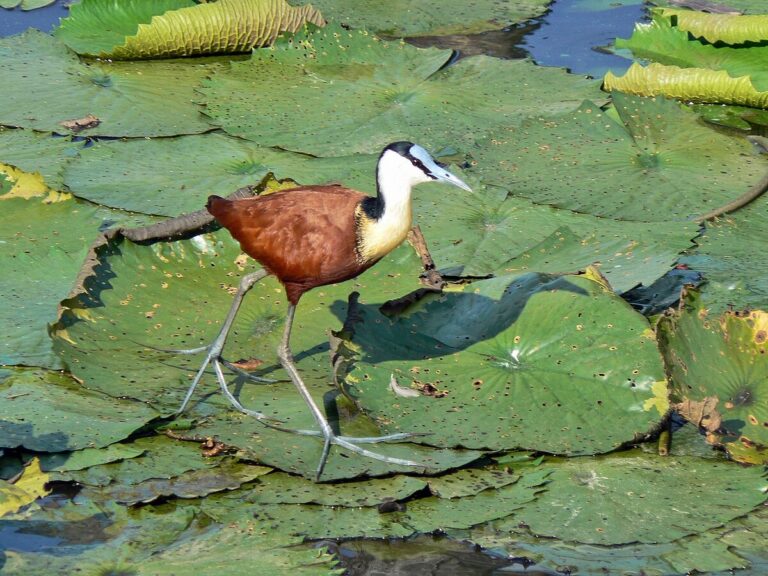
Long legs are one of the most defining characteristics of wading birds, helping them move effortlessly through shallow waters without getting their bodies wet. Their legs are designed to keep them steady even on muddy or uneven surfaces, allowing them to maintain balance while searching for prey. You may notice that many species also have long toes that distribute their weight and prevent sinking into soft ground.
These leg and foot adaptations make it easier for wading birds to explore different water depths while staying agile. Their movements often appear slow and calculated, helping them avoid startling fish, insects, and amphibians hiding beneath the surface.
Specialized Bills For Feeding
Wading birds use a wide variety of bill shapes and sizes, each suited to their specific feeding style. Some species have long, sharp bills for spearing fish, while others have curved or spoon-shaped bills that help them sift through mud for insects or crustaceans. These bill adaptations play a major role in determining a bird’s diet and hunting strategy.
When you watch a wading bird foraging, you will see how precisely it uses its bill to locate prey, sometimes by touch alone. Their sensitive bills help them detect subtle movements underwater, increasing their chances of catching hidden food. This specialization allows different species to coexist without competing heavily for the same food sources.
Tall, Slender Bodies And Graceful Movements
Wading birds typically have tall and slender bodies that make it easier for them to move through water with minimal resistance. Their lightweight frames allow them to navigate wetlands quietly, which is essential for approaching prey without drawing attention. You will often see them walking slowly, pausing frequently as they scan their surroundings or prepare to strike.
This graceful movement pattern is not only energy-efficient but also a key hunting technique. Their posture also helps them maintain a clear view across the water’s surface, making it easier to detect predators or food. These body adaptations enhance both their safety and their success in capturing prey.
Adaptations For Habitat Survival
Wading birds are equipped with several behavioral and physical traits that ensure they thrive in wetland environments. Many species have waterproof feathers that keep them dry even after hours of standing or feeding in water. Their long necks help them strike quickly at prey or reach into deeper water where smaller birds cannot.
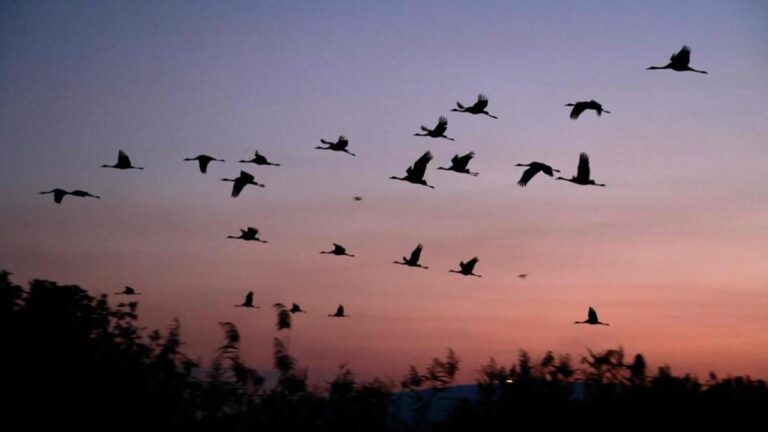
Some species are also skilled flyers, migrating long distances to access seasonal food sources. Their keen eyesight allows them to detect movement from far away, giving them an advantage in both hunting and avoiding danger. These combined adaptations make wading birds uniquely suited to life in diverse aquatic habitats.
Habitats Where Wading Birds Are Found
Wading birds rely on a variety of wet environments that offer a steady supply of food, safe nesting areas, and comfortable foraging conditions. These habitats generally include shallow waters that allow them to move easily using their long legs.
You will often see these birds gathering in areas with slow-moving or still waters because such places support dense aquatic life. These environments not only help them feed efficiently but also protect them from predators. Learning about where wading birds live helps you understand how important healthy wetlands are for their survival.
Wetlands And Marshes
Wetlands and marshes are among the most essential habitats for wading birds because they provide a rich supply of small fish, insects, crustaceans, and amphibians. These shallow areas allow birds to walk comfortably while searching for prey, making foraging more effective.
The thick vegetation found in marshes offers excellent cover during nesting seasons and also helps protect birds from predators. Many species return to the same marshland every year due to the reliable food supply and stable conditions.
The muddy grounds of wetlands are especially valuable because they hide burrowing creatures such as worms and small crustaceans. Wading birds use their sensitive bills to detect subtle movements beneath the surface. Whether freshwater or brackish, wetlands remain vital ecosystems that support diverse and thriving bird populations.
Lakeshores, Riverbanks, And Estuaries
Lakeshores, riverbanks, and estuaries create attractive feeding zones for wading birds thanks to their constant supply of aquatic organisms. These locations usually feature gently sloping banks and shallow edges, allowing birds simple access to prey.
Estuaries are particularly important because the mixing of freshwater and saltwater creates nutrient-rich environments. This blend supports a large variety of fish and invertebrates that wading birds depend on. Along riverbanks, birds often gather where small fish form schools or hide among aquatic plants.
Lakeshores offer open spaces that help birds spot predators while they forage. These areas also serve as resting or roosting spots, especially for birds that migrate long distances. Together, these habitats provide reliable sources of food and essential support for daily survival.
Coastal Mudflats And Mangrove Forests
Coastal mudflats and mangrove forests are crucial habitats, especially for species adapted to tidal environments. Mudflats reveal rich feeding grounds during low tide, exposing worms, mollusks, and crustaceans. Birds spread widely across these open areas, probing the mud with their bills to locate hidden prey.
Mangrove forests offer a very different but equally supportive habitat. Their tangled root systems create calm, sheltered waters where young birds can feed and develop safely. These dense roots also protect birds from strong currents and predators.
Many migratory birds depend on these coastal areas as stopover sites during long journeys. They use the abundant food supply to regain energy before continuing. Both mudflats and mangroves play a global ecological role, making them essential environments for wading birds throughout the world.
Types Of Wading Birds
Wading birds represent a diverse group of species adapted to life in shallow waters and wetlands. Their long legs, specialized bills, and unique behaviors allow them to thrive in marshes, estuaries, and mudflats. Understanding the different types of wading birds helps you identify species, observe their habits, and appreciate the roles they play in their ecosystems. These birds vary widely in size, feeding style, and habitat preferences, making them fascinating subjects for birdwatchers, researchers, and nature enthusiasts alike.
Herons And Egrets
Herons and egrets are among the most iconic wading birds, easily recognized by their tall, slender bodies and long necks. They inhabit freshwater and coastal environments, often seen standing motionless in shallow waters while hunting. Their long, pointed bills allow them to spear fish, amphibians, and crustaceans with precision.
Herons tend to be larger, with some species like the Great Blue Heron reaching impressive heights, while egrets are generally smaller but equally elegant, often with striking white plumage. Both groups exhibit patience and stealth, using slow, deliberate movements to approach prey. They are also social birds, frequently nesting in colonies called rookeries, which provides safety and increases breeding success. Observing these species highlights their adaptability and the specialized hunting techniques that allow them to thrive in aquatic habitats.
Ibises And Spoonbills
Ibises and spoonbills are wading birds with distinctive feeding adaptations. Ibises have long, curved bills that they use to probe mud and shallow water for invertebrates, while spoonbills have flat, spatula-shaped bills that sweep through water to catch small fish and crustaceans. These specialized bills define their foraging techniques and often determine their preferred feeding habitats.
Both ibises and spoonbills are often found in wetlands, marshes, and estuaries, and many species migrate seasonally to access food-rich environments. Their social behavior is notable, as they often feed and nest in large groups. Their brightly colored feathers and unique bill shapes make them visually striking, attracting the attention of birdwatchers. Understanding their feeding strategies and habitat preferences gives insight into how these species occupy ecological niches alongside other wading birds.
Storks And Bitterns
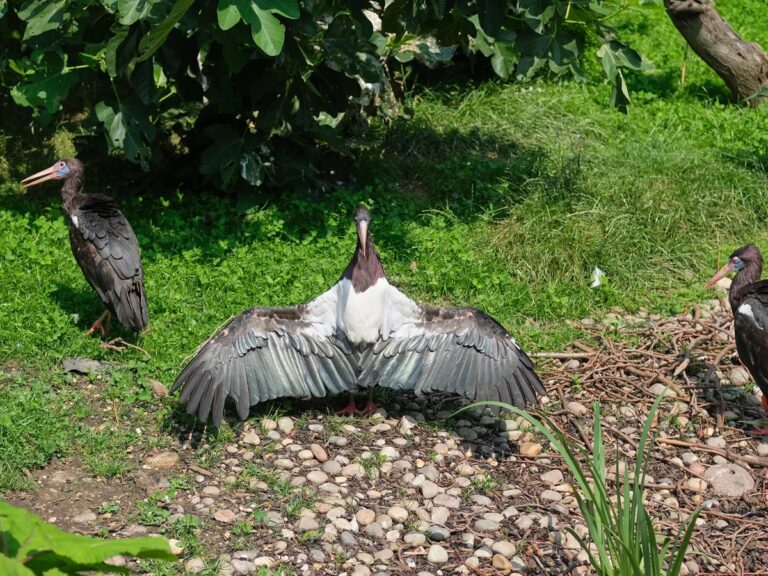
Storks and bitterns are less commonly observed but equally fascinating wading birds. Storks are typically large, long-legged birds that feed on fish, amphibians, and small mammals. They often inhabit freshwater wetlands and floodplains and are known for their long-distance migratory behavior. Many stork species form large nesting colonies, which helps protect them from predators and allows for social interaction.
Bitterns, on the other hand, are smaller, more secretive wading birds. They rely on dense reed beds and marsh vegetation for camouflage while hunting for fish, frogs, and insects. Their cryptic plumage allows them to blend seamlessly into their surroundings, making them difficult to spot. Both storks and bitterns illustrate the diversity within wading birds, showing how species adapt differently to available habitats, feeding strategies, and predator pressures while still thriving in aquatic environments.
Plovers, Sandpipers, And Other Shorebirds
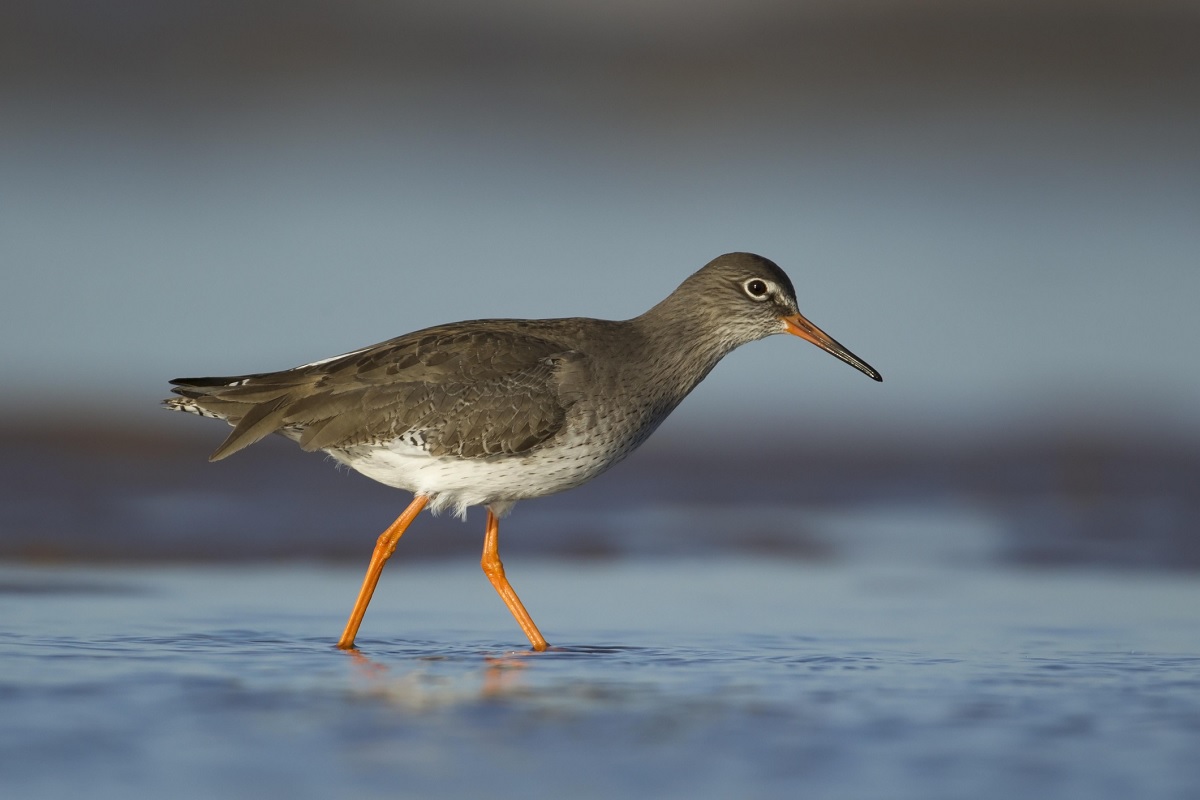
Plovers, sandpipers, and similar shorebirds represent smaller wading birds commonly found along mudflats, beaches, and estuarine zones. They typically have shorter legs than herons or storks but are highly agile, allowing them to chase small invertebrates along wet sand and shallow water. Their foraging behavior involves quick, repetitive movements and probing bills adapted for picking prey from the substrate.
These birds are often migratory, traveling thousands of miles between breeding and wintering grounds. Their flocking behavior offers protection against predators and helps locate abundant feeding sites. Plovers and sandpipers contribute to the ecological balance of coastal environments by controlling invertebrate populations and acting as indicators of healthy shorelines. Their diversity in size, color, and behavior adds to the rich tapestry of wading bird species found across the globe.
Feeding Behaviors And Diet
Wading birds have evolved specialized feeding behaviors that allow them to exploit a variety of aquatic and semi-aquatic habitats. Their diet and hunting strategies are closely linked to their physical adaptations, such as long legs and unique bill shapes. Understanding how wading birds feed gives insight into their ecological roles and the diversity of prey they consume. Observing their foraging patterns also highlights how different species reduce competition by targeting specific food types and using distinct hunting techniques.
Probing And Sifting Techniques
Many wading birds rely on probing or sifting techniques to locate prey hidden beneath mud, sand, or shallow water. Birds like ibises use their long, curved bills to reach invertebrates, crustaceans, and small fish buried under soft sediments. Spoonbills, on the other hand, sweep their flat bills from side to side through shallow water, catching prey as it comes into contact with their sensitive bill tips.
These feeding behaviors are highly efficient, allowing birds to access food resources that may be unavailable to other species. Probing and sifting are particularly advantageous in wetland and tidal flat environments, where prey often hides beneath the substrate. By specializing in these methods, wading birds reduce competition and can coexist with other birds that use different foraging strategies, such as spearing or surface pecking. Observing these techniques in action reveals the precision and adaptability of wading birds in securing their food.
Spearing And Catching Prey
Other wading birds, such as herons and egrets, employ spearing techniques to catch prey. These birds stand still or move slowly through shallow water, using their sharp, pointed bills to strike fish, amphibians, and small crustaceans with speed and accuracy. Their long necks allow for sudden, rapid strikes while maintaining balance on uneven or muddy terrain.
This hunting method requires patience, excellent vision, and precise timing. Birds that rely on spearing often occupy similar habitats to those using probing techniques but focus on larger or more mobile prey. By doing so, they can exploit different ecological niches within the same environment. Spearing and catching behaviors demonstrate how physical adaptations such as bill shape, neck length, and leg structure are intricately linked to the dietary needs and survival strategies of wading birds.
Pecking And Surface Feeding
Some wading birds prefer pecking or surface feeding, which involves picking up small prey items directly from the water’s surface, vegetation, or exposed sand. Species such as plovers and sandpipers use short, strong bills to seize insects, mollusks, and small crustaceans quickly. These birds often forage in flocks, moving rapidly and covering large areas to locate food efficiently.
Surface feeding requires keen eyesight and quick reactions, as prey can be mobile and difficult to capture. This method allows smaller wading birds to exploit food resources overlooked by larger species, supporting species diversity within shared habitats. Pecking and surface feeding behaviors highlight the flexibility and variety of foraging strategies among wading birds, demonstrating how each species adapts to its environment to maximize energy intake.
FAQs
What Are Wading Birds?
Wading birds are species specially adapted to forage in shallow water. He or she typically has long legs and a slender body that allows movement through marshes, wetlands, and coastal areas. You can observe them using their long beaks to probe mud or water for food. Wading birds rely on these adaptations to hunt fish, insects, amphibians, and crustaceans effectively. Understanding what defines a wading bird helps you identify them in the wild and appreciate how their physical traits support their unique feeding habits in watery habitats.
Which Birds Are Considered Wading Birds?
Common wading birds include herons, egrets, storks, ibises, spoonbills, and flamingos. He or she may also spot shorebirds that feed in shallow water at times. These birds share long legs, specialized beaks, and behaviors that allow them to navigate wetlands and marshes efficiently. You can identify them by observing their feeding techniques and preferred habitats. Knowing which species are wading birds helps you recognize their ecological role and behavior patterns, whether you are birdwatching, studying wildlife, or exploring natural habitats.
What Habitats Do Wading Birds Prefer?
Wading birds are most commonly found in wetlands, marshes, tidal flats, riversides, and shallow lakes. He or she may also inhabit estuaries and coastal lagoons during certain seasons. These habitats provide easy access to food sources like fish, insects, and crustaceans. You can often see them standing or walking in shallow water, using their long legs to avoid getting wet while hunting. Understanding the habitats of wading birds helps you locate them for observation and highlights the importance of preserving these aquatic ecosystems.
How Do Wading Birds Feed?
Wading birds use specialized feeding techniques to catch their prey. He or she often probes mud or water with long, slender beaks to locate fish, insects, amphibians, and small crustaceans. Some, like spoonbills, sweep their beaks from side to side, while herons may stab quickly with precision. You can observe them moving slowly and deliberately to avoid scaring prey away. Their feeding behaviors are closely linked to their physical adaptations, such as long legs and beaks, which make hunting in shallow water highly efficient and successful.
What Adaptations Help Wading Birds Survive?
Wading birds have unique adaptations that support their lifestyle in shallow waters. He or she benefits from long legs that allow them to walk through water without wetting their bodies. Their beaks are designed for probing, spearing, or sweeping for prey. You can also notice waterproof feathers and keen eyesight that improve hunting efficiency. These adaptations help them feed effectively, navigate watery environments, and avoid predators. Understanding these traits allows you to see how evolution has shaped wading birds to thrive in specific habitats and perform their ecological role efficiently.
Why Are Wading Birds Important For Ecosystems?
Wading birds play a crucial role in maintaining the balance of aquatic ecosystems. He or she helps control populations of fish, insects, and other small animals, preventing overpopulation. You can also see their presence as an indicator of wetland health and biodiversity. By feeding in shallow waters, they contribute to nutrient cycling and help support a balanced ecosystem. Protecting wading birds ensures the survival of these habitats and maintains ecological diversity. Understanding their importance emphasizes why conservation efforts for wetlands and waterbirds are vital.
Final Thoughts
Wading birds are remarkable examples of adaptation, perfectly suited for life in shallow waters, wetlands, and coastal areas. Learning about [what are wading birds] helps you understand their specialized physical traits, such as long legs, slender bodies, and unique bills, which allow them to forage efficiently and navigate diverse aquatic habitats. Their feeding behaviors, ranging from probing and sifting to spearing and surface pecking, demonstrate a high degree of specialization that supports survival and reduces competition.
These birds also play vital ecological roles, controlling insect and fish populations while acting as indicators of healthy wetland ecosystems. Observing wading birds in their natural habitats highlights the diversity of species, from herons and egrets to ibises, spoonbills, and plovers. Understanding these aspects deepens your appreciation of their importance to biodiversity and underscores the need for conservation of the fragile environments they depend on.