What Are the White Birds That Hang Around Cows: Behavior and Facts
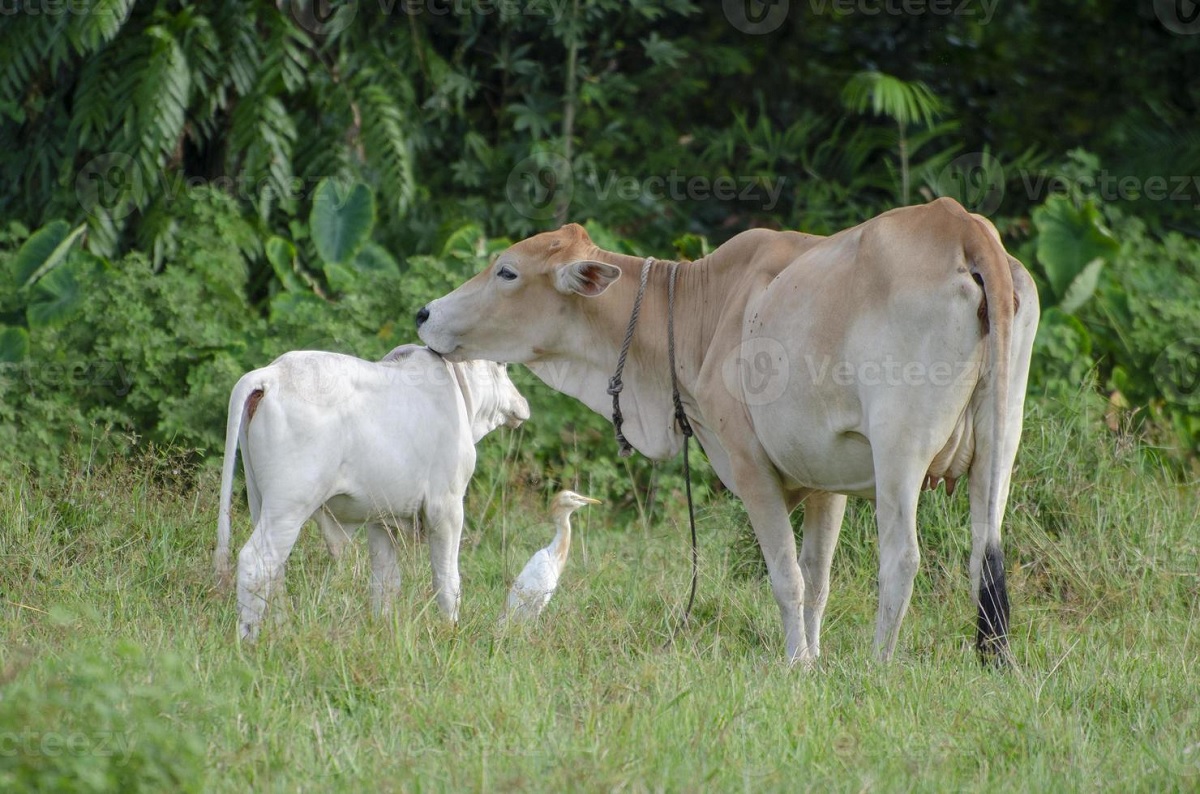
In many rural landscapes, you might often notice small white birds following cows as they graze through fields. These birds are not just randomly wandering; they have a unique relationship with the cattle. They feed on insects stirred up by the cows’ movements, benefiting from easy access to food while helping reduce pests for the livestock. Observing these birds provides an interesting glimpse into nature’s cooperative behaviors and the subtle ways different species interact for mutual advantage.
Understanding what are the white birds that hang around cows helps you identify them, learn about their habits, and appreciate the ecological role they play in maintaining a balanced environment. These birds are commonly seen in pastures and open fields, displaying behaviors that demonstrate both opportunistic feeding and adaptability, making them a fascinating part of the countryside ecosystem.
Common Species of White Birds Around Cattle
White birds are frequently observed following cattle in pastures and open fields, forming an interesting ecological interaction. These birds take advantage of insects, ticks, and other small invertebrates that the cows stir up while grazing. Understanding the common species of white birds around cattle helps you identify these birds, their behaviors, and their role in the ecosystem. While several species exhibit this behavior, each has unique traits, feeding habits, and adaptations that make them effective in taking advantage of grazing livestock. Observing these birds provides insight into the subtle interdependence between birds and farm animals.
Cattle Egret
The Cattle Egret is one of the most recognizable white birds frequently seen around cattle. With pure white plumage and a relatively short, stocky body compared to other egrets, it often perches on the backs of grazing cows or follows closely behind them. Its orange-yellow beak is perfectly adapted for catching insects, ticks, and small invertebrates stirred up by the movement of the cattle. These birds are highly opportunistic, feeding primarily on insects but also small frogs or worms when available.
Cattle Egrets display interesting social behavior, often seen in groups foraging together, which increases their efficiency in locating food. They are migratory in many regions, adapting to seasonal changes and moving to areas with abundant grazing animals. Their interaction with cattle is mutually beneficial: the birds get easy access to food, while cows experience reduced insect annoyance. Observing Cattle Egrets reveals a perfect example of commensalism in nature, where one species benefits while the other remains largely unaffected. Their adaptability to human-modified environments has contributed to their global spread, making them a familiar sight in pastures worldwide.
Little Egret
Little Egrets are another common white bird species often found near cattle, though they tend to be slightly smaller and more slender than Cattle Egrets. With long black legs, delicate white feathers, and yellow feet, these birds have a graceful appearance and are highly agile when hunting insects and small aquatic creatures. Unlike the Cattle Egret, Little Egrets are more likely to forage along the edges of fields, wetlands, or shallow waters, but they are opportunistic enough to follow livestock when insects are plentiful.
Their feeding strategy involves careful stalking and quick pecking movements, allowing them to catch insects disturbed by the cows. Little Egrets are often solitary or found in small groups, and they are highly vocal during breeding seasons. Their presence around cattle is less frequent than that of Cattle Egrets but still significant, especially in regions where pastures are adjacent to wetlands or rivers. Observing Little Egrets helps you understand how bird species exploit multiple ecological niches, showing adaptability to both aquatic and terrestrial food sources while taking advantage of grazing animals.
Great Egret
The Great Egret is a larger and more elegant species, easily identifiable by its long, curved neck and striking white plumage. Often seen around cattle in open fields, it primarily feeds on insects but can also hunt small fish, frogs, or rodents when near water sources. This species is slower and more deliberate in its movements, preferring to wait for prey to appear rather than chasing it actively. Its large size allows it to dominate smaller white birds in competitive feeding situations, though it is generally non-aggressive toward livestock.
Great Egrets exhibit solitary or small-group foraging behavior and are highly territorial during nesting periods. While they are capable of flying long distances, they often stay near areas where cattle or other grazing animals provide a reliable source of disturbed insects. Their presence around cattle highlights the flexibility of their feeding behavior and the interspecies interactions that can develop in pastures. By observing Great Egrets, you can see how size and physical adaptations influence foraging strategies and social interactions among white birds.
Snowy Egret
The Snowy Egret, smaller than the Great Egret but similar in color, is distinguished by its slender black bill, black legs, and bright yellow feet. Though more commonly associated with wetlands, Snowy Egrets have been observed foraging near cattle when insects are abundant. They rely on their agility and quick pecking motions to catch small insects stirred up by grazing animals. Their smaller size allows them to access areas larger birds cannot, including closer proximity to cows without disturbance.
Snowy Egrets are highly social birds, often foraging in small flocks. Their interaction with cattle may not be as consistent as Cattle Egrets, but when they are present, they actively exploit opportunities to hunt insects. Vocal communication and visual cues help maintain group cohesion during feeding. Studying Snowy Egrets shows how multiple white bird species can coexist in the same grazing environment, each carving out specific niches to minimize competition. Their opportunistic behavior demonstrates adaptability and flexibility in exploiting human-altered landscapes.
Intermediate Egret
Intermediate Egrets are medium-sized birds that bridge the size gap between Cattle Egrets and Great Egrets. With pure white plumage, yellow beak, and relatively long legs, they are versatile foragers often observed following livestock in pastures. Their diet is similar to other egrets, feeding on insects, small amphibians, and other invertebrates. They often exploit the insects that cows stir up while grazing, efficiently capturing prey in open fields.
Intermediate Egrets are highly adaptable, foraging alone or in loose groups. Their flexible diet allows them to inhabit both wetlands and dry pastures, depending on seasonal food availability. Interaction with cattle demonstrates a form of opportunistic feeding, where they adjust their behavior to exploit the presence of livestock. Observing Intermediate Egrets provides insight into how size, agility, and feeding specialization influence which white bird species are most commonly associated with grazing animals.
Other White Birds Observed Around Cattle
Apart from egrets, other white birds like some species of ibises and herons occasionally forage near livestock. These species are less specialized in following cattle but may take advantage of the insects or small vertebrates displaced by grazing animals. Their feeding behavior tends to be more opportunistic, appearing in pastures when insect populations are high or water sources are nearby.
These occasional visitors demonstrate the broader ecological pattern of birds exploiting livestock for feeding opportunities. Even when not permanently associated with cows, these species benefit from the same commensal relationship that egrets do. Observing these white birds adds a layer of diversity to pasture ecosystems, highlighting how multiple species interact with farm animals to enhance their survival. Their sporadic presence shows the adaptability of birds to human-influenced environments and reinforces the importance of grazing lands for supporting wildlife.
Behavior Around Cows and Livestock
White birds that hang around cows and other livestock display fascinating behavioral patterns shaped by opportunity and mutual benefits. These birds often follow grazing animals to feed on insects, ticks, and small invertebrates disturbed by movement, demonstrating a clear example of commensalism. Observing their behavior around cows and livestock reveals not only how they adapt their feeding strategies but also how they interact socially and respond to environmental cues. Their behaviors vary across species, from vigilant foraging and group coordination to perching on livestock for easy access to food.
Foraging and Feeding Strategies
White birds around livestock exhibit specialized foraging behaviors that maximize their food intake. Cattle Egrets, for instance, often walk closely behind cows, pecking at insects flushed from the grass. They may also perch on the cows’ backs, capturing ticks or other ectoparasites directly. This opportunistic behavior allows the birds to expend minimal energy while accessing abundant food sources. Other species, such as Snowy Egrets and Intermediate Egrets, tend to stay on the periphery of herds, waiting for insects to be disturbed but remaining ready to flee at the first sign of danger.
Feeding strategies are influenced by social hierarchy and species interactions. Birds often forage in small groups to increase efficiency, with dominant individuals claiming the most productive spots. Many of these white birds also use keen eyesight to detect prey at a distance, adjusting their movements as cows graze. Timing is critical: birds may follow livestock in the morning or late afternoon when insects are most active. These behaviors highlight the adaptive intelligence of white birds and their ability to exploit livestock for consistent feeding opportunities.
Social Behavior and Group Dynamics
Social interactions among white birds around livestock vary with species and population density. Cattle Egrets frequently form flocks, foraging in synchronized patterns that reduce competition and enhance predator detection. Lesser species, like the Little Egret, often forage alone or in pairs but maintain visual contact with nearby birds. These dynamics allow birds to maximize foraging success while maintaining safety in numbers, particularly in open pastures where predators may pose a risk.
Group dynamics also influence interactions with the livestock themselves. Birds may exhibit cautious behavior when approaching cows, especially in areas with larger or more active herds. Dominant birds often secure positions closer to the livestock, gaining access to richer insect patches, while subordinate individuals feed at the edges. These patterns reveal complex social hierarchies and behavioral flexibility that allow different white bird species to coexist efficiently around livestock.
Perching and Resting Behavior
Many white birds around livestock display unique perching and resting habits. Cattle Egrets are known for perching directly on cows’ backs or shoulders, providing easy access to insects and small parasites while maintaining a safe vantage point. Perching reduces energy expenditure compared to constant ground foraging and allows birds to monitor their surroundings for potential threats. Other species, like the Great Egret, may stand nearby in open fields, balancing foraging with vigilance.
Resting behavior is closely tied to feeding opportunities. Birds often alternate between short foraging bouts and perched observation, ensuring they capture prey while avoiding disturbance. Perching also facilitates social interactions, as birds can communicate through calls and visual signals from elevated positions. These behaviors demonstrate how white birds have adapted to exploit livestock efficiently, balancing energy conservation, safety, and social coordination.
Anti-Predator Behavior Around Livestock
White birds use livestock presence as a form of protection. Large grazing animals can deter predators, creating safer feeding environments for birds. Cattle Egrets and similar species exhibit heightened alertness, ready to take flight at the first sign of danger, often using cows as a natural barrier between themselves and threats. Their vigilant posture, combined with group cohesion, ensures rapid escape if predators approach.
Anti-predator behavior is enhanced by flocking, with multiple individuals monitoring surroundings and warning others through calls or sudden movements. Birds may also adjust their distance from livestock depending on predator density, staying closer when threats are higher and spreading out when conditions are safer. Observing these behaviors highlights the interdependence between birds and livestock, where the animals inadvertently provide protection while birds contribute to pest control.
Feeding Patterns and Diet
White birds that hang around cows have fascinating feeding patterns shaped by opportunity and ecological adaptation. These birds rely on livestock to flush out insects, ticks, and other small invertebrates, providing an easy source of food with minimal energy expenditure. Understanding their feeding patterns and diet reveals how they exploit livestock activity while also supplementing their diet with other food sources. Observing these birds highlights their adaptability, opportunistic foraging behavior, and the crucial role they play in controlling insect populations in pastures and grazing areas.
Opportunistic Foraging Behavior
Cattle Egrets, the most common white birds around cows, exhibit highly opportunistic feeding behavior. They follow livestock closely, walking or even perching on the cows’ backs to access insects disturbed by the animals’ movement. This behavior minimizes the energy spent searching for food while maximizing prey capture efficiency. Other species, such as Little Egrets and Snowy Egrets, may forage along the edges of herds, capturing insects as they are flushed from grass or soil. Opportunistic foraging allows these birds to exploit the movement of livestock without having to compete heavily for resources.
Opportunistic feeding is also influenced by environmental factors such as season, temperature, and insect availability. During warmer months, insect activity increases, allowing birds to feed more efficiently around grazing cows. Birds adjust their position relative to livestock based on where prey is most abundant, demonstrating adaptive foraging strategies. Observing these patterns provides insight into the subtle relationship between birds and livestock, showcasing how commensal behaviors evolve in response to environmental opportunities.
Supplemental Diet and Food Variety
While insects and ticks form the bulk of their diet, white birds supplement their intake with other food sources. Cattle Egrets may consume small amphibians, worms, and even tiny reptiles when available. Little Egrets and Intermediate Egrets also feed on aquatic prey if pastures are near wetlands or water bodies. This dietary flexibility ensures that birds maintain nutritional balance even when insect populations fluctuate.
Supplemental feeding strategies allow these birds to thrive in diverse habitats, from open fields to wetland-adjacent pastures. By diversifying their diet, they reduce dependence on livestock activity alone, which is particularly important during times when grazing herds are less active. Observing their diet variety highlights the adaptability of white birds and how they effectively integrate livestock presence into broader feeding strategies, enhancing their survival and ecological role.
Daily Feeding Patterns
White birds around cattle follow distinct daily feeding rhythms. Early mornings and late afternoons are typically the most active times, coinciding with peak insect movement. During midday, birds may rest on livestock or nearby perches to conserve energy when prey is less active. These daily routines balance energy intake with activity levels, ensuring efficient foraging throughout the day.
Daily feeding patterns also reflect interactions with the herd. Birds adjust their proximity to cows based on herd movement, grazing intensity, and predator presence. Social dynamics, such as flock size and dominance hierarchies, influence which individuals access the most profitable feeding spots. Observing these patterns reveals the complex relationship between feeding behavior, environmental conditions, and interspecies interactions, illustrating how white birds optimize energy intake around livestock.
Migration and Habitat Preferences
White birds that hang around cows demonstrate interesting patterns of migration and habitat selection, closely linked to food availability and seasonal changes. Understanding their migration and habitat preferences reveals how these birds exploit livestock activity while adapting to environmental conditions. Many species travel long distances to access pastures, wetlands, or grasslands rich in insects and small invertebrates. Observing these behaviors provides insight into their ecological flexibility, survival strategies, and the ways they maintain their populations across regions while balancing energy conservation and feeding efficiency.
Seasonal Migration Patterns
Many white birds associated with cattle, such as Cattle Egrets, undertake seasonal migrations in response to changes in temperature, rainfall, and prey availability. During dry seasons, these birds may move from one pasture or grassland to another, tracking grazing livestock to ensure a steady supply of insects and ticks. Some populations are resident, particularly in regions with consistent livestock presence and abundant prey, while others migrate hundreds of kilometers to find optimal foraging grounds. These migration patterns are driven largely by environmental cues and food scarcity rather than breeding needs.
Migration involves not only traveling to find food but also locating safe roosting sites. Birds often favor areas with a combination of open fields for foraging and nearby wetlands or trees for rest and protection from predators. The timing of migration aligns with insect population peaks, maximizing feeding efficiency during transit and at destination sites. Observing these seasonal movements illustrates how white birds adjust behaviorally and spatially to maintain energy balance, demonstrating the adaptive importance of migration in livestock-associated species.
Habitat Selection and Preferences
White birds around livestock show distinct habitat preferences based on both food availability and safety. Open grasslands, pastures, and farmland are preferred because grazing cows stir up insects, providing a reliable food source. Species such as Cattle Egrets and Intermediate Egrets favor areas where livestock are abundant, while Little and Snowy Egrets may also select habitats near shallow wetlands or water bodies to supplement their diet. Vegetation cover is important, offering roosting sites and protection from predators.
Habitat preferences are influenced by herd density, land management, and human activity. Birds tend to avoid areas with high disturbance or heavy machinery, while grazing areas with moderate human activity provide consistent foraging opportunities. By choosing habitats strategically, white birds balance feeding efficiency with safety and nesting opportunities. Observing habitat selection patterns highlights how these birds integrate livestock presence with broader ecological needs, showing their remarkable adaptability to both natural and modified landscapes.
Interactions Between Migration and Habitat Use
Migration and habitat use are closely interconnected for white birds around cattle. Birds often migrate to regions with optimal pasture conditions, and within these regions, they select microhabitats that maximize prey availability and minimize predation risk. The presence of livestock strongly influences habitat use, as birds congregate in areas where herds are actively grazing, increasing feeding efficiency. In contrast, areas with sparse livestock activity may see lower bird density, demonstrating a direct link between resource availability and habitat occupancy.
During migration, birds adjust their movement patterns based on herd locations, water availability, and environmental conditions. This dynamic behavior ensures that energy expenditure is minimized while foraging opportunities are maximized. Seasonal shifts also affect interspecies interactions, with larger flocks forming in areas where multiple species converge around livestock. Studying these interactions reveals the complex relationship between migration, habitat preference, and foraging strategies, highlighting the ecological flexibility and adaptive behavior of white birds that associate with cows and other grazing livestock.
FAQs
What Are The White Birds That Hang Around Cows?
The white birds that hang around cows are primarily Cattle Egrets, though other species like Little Egrets, Snowy Egrets, and Intermediate Egrets may also be seen. These birds follow grazing livestock to feed on insects, ticks, and small invertebrates disturbed by the cows’ movements. Their presence benefits them by providing easy access to food while helping reduce pests for the livestock. Observing these birds allows you to understand a fascinating example of commensalism in nature, where one species benefits without significantly affecting the other.
Why Do White Birds Follow Grazing Cows?
White birds follow grazing cows because cows disturb insects, ticks, and small invertebrates as they move through pastures. This creates easy feeding opportunities for the birds, minimizing the energy they spend searching for food. By staying close to livestock, birds like Cattle Egrets can consistently access prey while avoiding prolonged foraging in open fields. Additionally, the presence of large animals offers some protection from predators, as the cows’ size and movement can deter potential threats, creating a safer feeding environment for the birds.
What Do These Birds Eat While Around Livestock?
While around livestock, these white birds primarily feed on insects such as grasshoppers, crickets, and flies. They also consume ticks found on the cows’ skin and occasionally small worms or amphibians near pasture areas. Their opportunistic diet allows them to adapt to various environments and maximize feeding efficiency. Birds like Cattle Egrets can switch to supplemental food sources if insect availability is low, demonstrating flexibility in diet. Observing their feeding habits shows how closely they rely on livestock activity for sustenance.
Are These Birds Beneficial To Cows?
Yes, these birds are beneficial to cows. By feeding on ticks, flies, and other pests, they help reduce the parasite load on livestock, which can improve the animals’ health and comfort. Birds like Cattle Egrets provide a natural form of pest control, reducing the need for chemical treatments. Although the birds do not directly interact with the cows beyond feeding nearby, their presence helps maintain a more balanced and healthy pasture ecosystem, demonstrating a mutually advantageous relationship.
Do These Birds Migrate With Livestock?
Some white birds associated with livestock, particularly Cattle Egrets, do migrate seasonally. Their migration is usually influenced by insect availability, rainfall, and temperature rather than by the cows themselves. Birds move to areas with abundant pastures and grazing animals to maximize feeding opportunities. In regions with stable climates and livestock presence, many of these birds may remain resident year-round. Observing their migratory behavior highlights their adaptability to environmental changes and their reliance on both natural and human-modified landscapes for survival.
How Can You Identify The White Birds Around Cows?
You can identify these birds by their size, plumage, and behavior. Cattle Egrets are small to medium-sized with all-white feathers and a yellow or orange beak. Little and Snowy Egrets have white plumage with black legs, while Snowy Egrets also have distinctive yellow feet. Observing their behavior around cows, such as following herds, perching on livestock, and feeding on insects, helps confirm identification. Watching these traits allows you to differentiate species and understand how each bird interacts with livestock in pastures and grazing areas.
Conclusion
The white birds often seen near cows play an interesting and important role in agricultural ecosystems. Understanding what are the white birds that hang around cows reveals their behavior, diet, and the symbiotic relationship they share with grazing animals. These birds, such as cattle egrets, benefit from insects and small creatures stirred up by cows while grazing, making foraging easier and more efficient.
At the same time, their presence helps reduce pest populations, indirectly benefiting the livestock. Observing what are the white birds that hang around cows also highlights their adaptability to different habitats, seasonal movements, and flocking behaviors. Protecting their natural environments ensures that these birds can continue performing their ecological role while coexisting safely with livestock. Their unique behavior not only fascinates bird watchers but also emphasizes the interconnectedness of wildlife and farm animals in sustainable ecosystems.