What Are Perching Birds: Key Species, Habits, and Adaptations
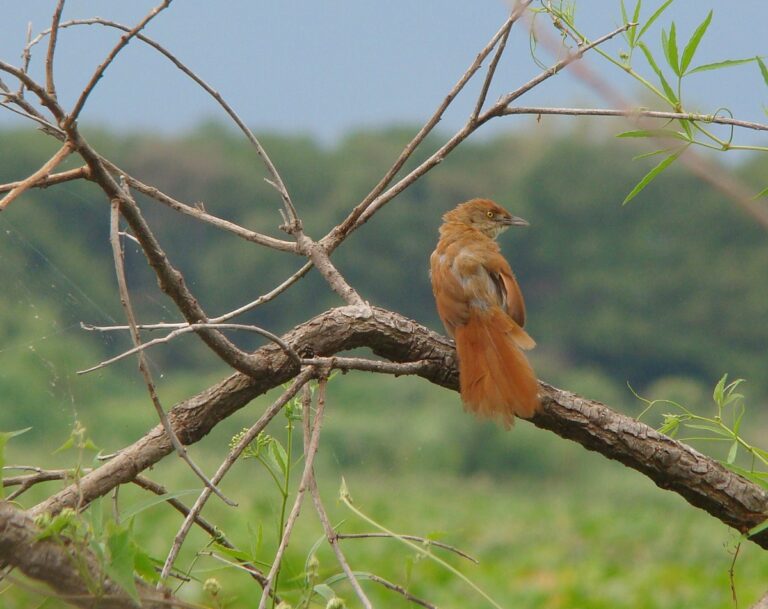
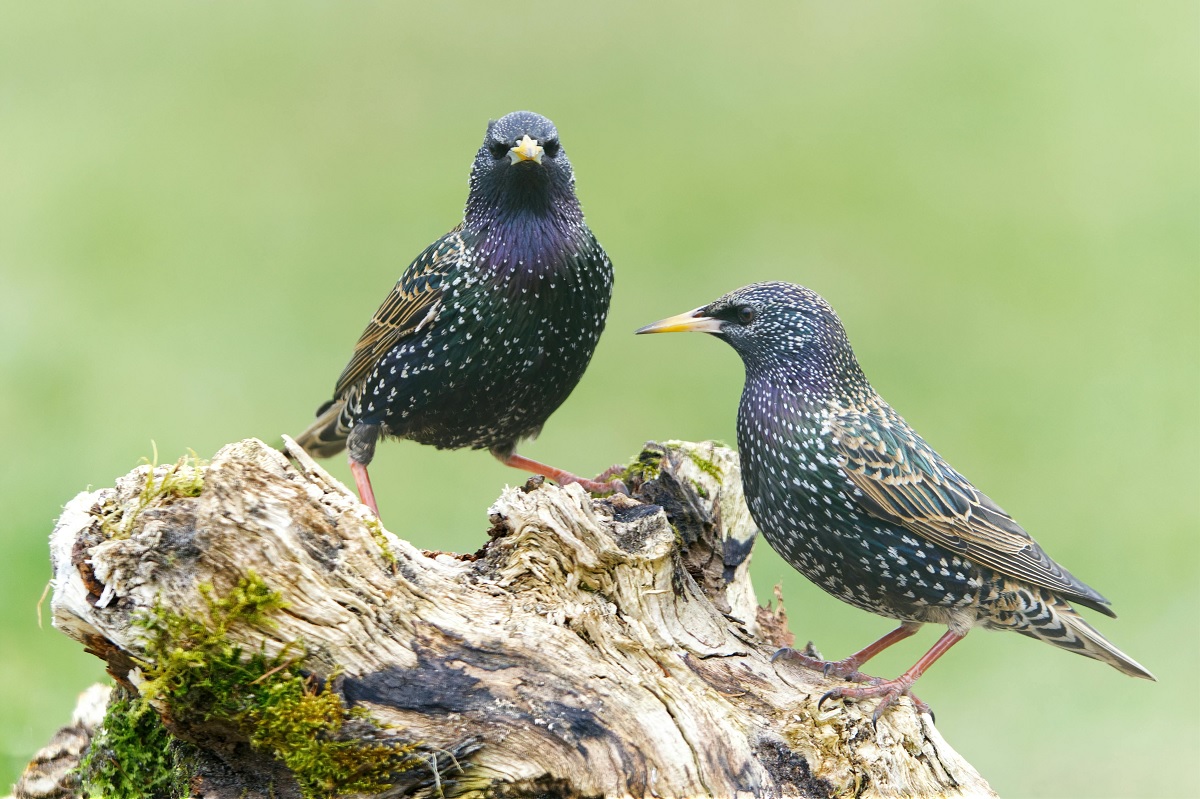
Perching birds are among the most familiar and diverse groups of birds you encounter in forests, gardens, and urban areas. Understanding what are perching birds helps you identify species that have adapted remarkable feet and toe arrangements to grasp branches securely. These birds are often small to medium in size and rely on their specialized feet to rest, feed, and navigate through trees and shrubs.
Their anatomy allows them to perch for extended periods without expending much energy, making them highly efficient in daily life. Observing perching birds also reveals interesting behaviors such as singing, foraging, and interacting with other birds in social groups. By learning about what are perching birds, you gain insight into their adaptations, ecological roles, and the ways they thrive in various habitats. These birds showcase both beauty and functional design in nature.
Common Perching Bird Species
Perching birds, also known as passerines, are the largest group of birds in the world, with thousands of species found across nearly every habitat. These birds are characterized by their specialized feet, which allow them to grip branches, wires, and other perches securely. Understanding common perching bird species gives you insight into the diversity, behavior, and ecological roles of these birds. Observing them helps you appreciate how their anatomy, feeding habits, and social interactions make them one of the most successful groups in the avian world. From songbirds to finches, each species displays unique traits that support survival and reproduction.
Sparrows
Sparrows are among the most familiar perching birds worldwide, known for their adaptability and resilience. Small in size, they often live near human settlements, feeding on seeds, insects, and small fruits. Their strong feet and toes allow them to perch securely on branches, wires, and even narrow surfaces like fence posts. You notice how sparrows can balance effortlessly, hopping from perch to perch while foraging or communicating with other members of their flock.
Social behavior is a key aspect of sparrows’ life.
They often form small flocks to feed or roost, providing safety in numbers against predators. During the breeding season, males are known for their vocal displays, using songs to attract mates and defend territory. Observing sparrows demonstrates how a combination of adaptability, perching ability, and social interaction allows these birds to thrive in diverse environments. Their presence in urban and rural areas highlights the successful integration of perching birds into human-altered landscapes.
Robins
Robins are another common group of perching birds, celebrated for their vibrant plumage and melodic songs. These medium-sized birds are often seen hopping on lawns or perching in trees as they search for insects, worms, and berries. You notice how their strong, grasping feet allow them to perch securely while scanning the ground for prey. Robins are particularly territorial, and their perching behavior plays a role in defending feeding grounds and nesting sites.
In addition to feeding and territory defense, robins use perches to communicate. Their songs, often delivered from elevated branches, serve to attract mates and signal occupancy of a territory. These vocal displays highlight the connection between perching ability and social behavior. Observing robins in their natural habitats demonstrates how perching supports daily survival, reproductive success, and social interaction. Their adaptability to gardens, parks, and forests showcases the importance of perching structures in shaping behavior and ecological success.
Finches
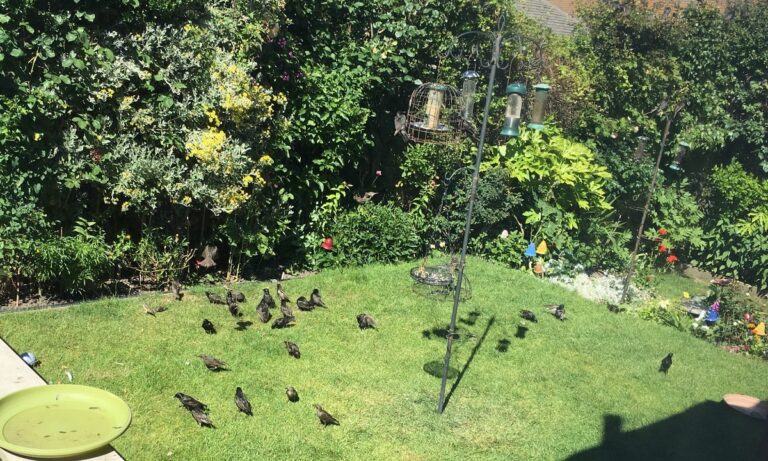
Finches are small perching birds with a remarkable diversity in color, size, and behavior. They are often seed-eaters, using their strong beaks to crack open tough shells. You notice how finches rely on their specialized feet to cling to branches, twigs, or even flower heads while feeding. This ability allows them to exploit food resources in various parts of trees and shrubs that other birds cannot reach.
Finches are highly social, often forming flocks outside of the breeding season. These flocks provide protection, improve foraging efficiency, and enhance communication among individuals. Male finches frequently use perches to sing and display for potential mates, highlighting the relationship between perching, social behavior, and reproductive success. Observing finches demonstrates how anatomical adaptations, like strong perching feet and specialized beaks, interact with behavioral strategies to ensure survival and thriving populations in a range of habitats.
Warblers
Warblers are small, agile perching birds recognized for their vibrant colors and active foraging behavior. They primarily feed on insects and small invertebrates, often gleaning them from leaves and branches. You notice how warblers use their perching ability to navigate dense foliage, hopping and flitting between twigs while maintaining balance. Their feet allow them to cling tightly to branches, making it easier to access prey in complex vegetation.
Warblers are also highly vocal, using songs to establish territory and communicate with mates. Perches serve as strategic positions for calling and monitoring rivals. Observing warblers highlights the interplay between physical adaptations, like grasping feet, and behavioral strategies, such as territorial displays and foraging efficiency. These birds showcase how specialized perching abilities enable small birds to exploit diverse ecological niches while maintaining social structures and reproductive success.
Wrens
Wrens are tiny perching birds with remarkable energy and boldness. Often inhabiting brushy areas and gardens, they use their strong, curved toes to cling to narrow perches, branches, and even vertical surfaces. You notice how wrens maneuver through dense vegetation while foraging for insects, spiders, and larvae, using their perching ability to maintain stability in complex environments.
Wrens are known for their loud, complex songs despite their small size. Perching provides them with vantage points to sing, defend territory, and attract mates. Their adaptability to both wild and urban habitats demonstrates how perching ability supports survival across diverse environments. Observing wrens illustrates how small birds can combine agility, vocalization, and social interaction, using their perching skills as a foundation for feeding, communication, and reproduction.
Chickadees
Chickadees are common perching birds that thrive in forests, gardens, and suburban areas. They are small, agile, and highly social, often moving in mixed-species flocks. You notice how chickadees use their strong feet to cling to twigs, branches, and feeders while foraging for seeds and insects. Their perching ability allows them to reach food sources that may be inaccessible to larger birds.
Communication is a key aspect of chickadee behavior. They use calls and vocalizations from perches to coordinate flock movements, warn of predators, and establish territory. Their perching skills also facilitate agility during quick escapes from threats and efficient movement through dense foliage. Observing chickadees provides insight into how perching birds combine physical adaptations with social behavior to survive, forage, and interact successfully in varied habitats.
Behavior and Habits
Perching birds exhibit a wide range of behaviors and habits that are closely tied to their survival, feeding, and social interactions. Observing these birds reveals how their anatomy, environment, and instincts shape their daily routines. From foraging strategies to vocal communication, perching birds demonstrate remarkable adaptability in diverse habitats. Studying behavior and habits provides insight into how they interact with each other, defend territory, raise young, and navigate their surroundings, highlighting the complexity and intelligence behind even small and seemingly simple bird species.
Foraging and Feeding Behavior
Perching birds display a variety of foraging strategies depending on their diet, habitat, and physical adaptations. Many feed on seeds, fruits, or insects, often hopping along branches or clinging to twigs to access food. You notice how their strong feet and specialized toe arrangement allow them to perch securely while reaching for food in challenging locations. Some species, like warblers and wrens, actively glean insects from leaves, while finches may crack seeds with their strong beaks while maintaining balance on narrow perches.
Social behavior also plays a role in feeding. Birds often forage in flocks, which provides protection against predators and improves foraging efficiency. Some species communicate the presence of food sources through calls or movement patterns. Observing perching birds during feeding illustrates how anatomy, behavior, and social strategies combine to maximize survival. Their feeding habits reveal not only their adaptability but also their reliance on coordination, agility, and careful planning in everyday life.
Territorial and Social Behavior
Territorial behavior is a prominent aspect of perching birds’ habits. Many species establish and defend territories during the breeding season to ensure access to food, nesting sites, and mates. You notice how males use song, posturing, or physical displays from elevated perches to signal ownership and deter rivals. Perches provide strategic points for observation and communication, allowing birds to monitor their territory effectively.
Social interaction is equally important. Outside the breeding season, perching birds often form flocks for foraging or roosting. This behavior enhances safety through collective vigilance and allows sharing of resources or information. Social hierarchies can develop, with dominant individuals controlling prime feeding or perching locations. Studying territorial and social behaviors reveals the balance between competition and cooperation, showing how perching birds navigate relationships, protect resources, and maintain survival strategies within their communities.
Vocalizations and Communication
Vocal communication is central to the behavior of perching birds. Songs and calls serve multiple purposes, including attracting mates, defending territory, warning of predators, and coordinating group activities. You notice how birds choose elevated perches to broadcast their vocalizations more effectively, taking advantage of height to increase sound range and clarity.
Some species exhibit complex song patterns, with males varying pitch, rhythm, or repetition to convey information. Flocks may also use calls to maintain cohesion while foraging or migrating. Vocalizations are often accompanied by visual displays, like wing or tail movements, enhancing communication. Observing vocal behaviors highlights the intelligence and adaptability of perching birds, showing how communication underpins social interaction, mating success, and survival. Their ability to combine sound, movement, and positioning demonstrates the sophisticated coordination that guides daily life.
Nesting and Reproductive Behavior
Nesting and reproductive behavior in perching birds are closely linked to survival and species propagation. Birds carefully select nesting sites, often choosing secure locations like tree branches, shrubs, or crevices to minimize predation. You notice how perching abilities allow them to access challenging sites, ensuring safety for eggs and chicks.
Parental care is another key habit. Many species take turns incubating eggs, feeding young, and defending nests from predators. Courtship displays, including singing, feather displays, or food offerings, are common and help ensure successful mating. Nesting strategies vary with species, reflecting adaptations to habitat, climate, and predation risk. Observing these behaviors illustrates the combination of instinct, physical adaptation, and learned skill that allows perching birds to reproduce effectively while maintaining survival in their environment.
Migration and Movement Patterns
Many perching birds engage in seasonal migration, traveling long distances to exploit food resources and favorable climates. You notice how perching habits support this behavior, as strong feet and versatile perching skills allow birds to rest safely during stopovers. Migratory species often move in flocks, which provides protection and navigational advantages.
Movement patterns during migration are coordinated, relying on both instinct and social cues. Birds use landmarks, the sun, and magnetic fields to navigate, while flocking behavior enhances survival by reducing predation risk and conserving energy through collective flight. Studying migration and movement patterns reveals how perching birds integrate physical adaptations, environmental awareness, and social coordination to successfully traverse long distances, showcasing the complexity of their behavioral repertoire and survival strategies.
Interaction With Ecosystems
Perching birds play a vital role in the ecosystems they inhabit, influencing plant growth, insect populations, and overall biodiversity. Their behaviors, such as foraging, nesting, and migration, create ripple effects that impact multiple species and habitats. Observing their interaction with ecosystems allows you to understand how these birds contribute to pollination, seed dispersal, and pest control. By studying their ecological roles, you gain insight into the balance of natural systems and the importance of conserving habitats that support perching birds and the broader environment.
Seed Dispersal and Plant Growth
Perching birds significantly contribute to seed dispersal, helping maintain plant diversity and forest regeneration. Many species feed on fruits and berries, consuming seeds that later pass through their digestive system and are deposited in new locations. You notice how this behavior allows plants to colonize areas beyond their immediate vicinity, promoting genetic diversity and ecosystem resilience.
Some perching birds specialize in particular plants, forming mutualistic relationships where both bird and plant benefit. Birds gain nutrition from the fruit, while plants benefit from targeted seed distribution. By moving through different habitats, birds facilitate the growth of various plant species, impacting forest structure, undergrowth composition, and overall biodiversity. Observing these interactions highlights the critical role perching birds play in sustaining healthy ecosystems, linking their foraging behavior directly to ecological balance and habitat maintenance.
Insect Population Control
Perching birds play an essential role in controlling insect populations, acting as natural pest regulators in forests, gardens, and agricultural areas. You notice how insectivorous birds, like warblers, wrens, and chickadees, forage actively on leaves, branches, and tree trunks, consuming large quantities of insects and larvae. Their feeding habits reduce the risk of outbreaks that could harm plants and crops.
This predation helps maintain ecological balance, ensuring that no single insect species dominates and disrupts the habitat. Birds often target specific insects based on seasonal abundance, contributing to natural population regulation. By observing how perching birds hunt and feed, you see their vital role in ecosystem health, linking their behavior directly to plant protection, biodiversity, and overall environmental stability.
Pollination Support
While not as common as insects, some perching birds contribute to pollination as they feed on nectar or small flowers. You notice how birds like sunbirds or certain finches brush against reproductive parts of flowers while perching or feeding, transferring pollen in the process. This activity supports the reproduction of flowering plants, particularly in areas where insect pollinators are limited.
Even minor contributions to pollination can enhance genetic diversity and plant population stability. Birds’ movements between plants, combined with their feeding habits, make them incidental yet effective pollinators in certain ecosystems. Observing this interaction highlights the interconnectedness of species, showing how perching birds indirectly influence plant reproductive success and the broader health of the ecosystems they inhabit.
Habitat Structuring and Nesting Effects
Perching birds influence habitat structure through their nesting and perching habits. Nest building can affect vegetation by breaking branches, redistributing plant material, or creating microhabitats for other species. You notice how abandoned nests provide shelter for insects, small mammals, or other bird species.
By choosing specific locations for perching and nesting, birds shape patterns of plant growth, light availability, and soil disturbance. Their presence also attracts predators, scavengers, and other species that interact with nests and surrounding vegetation. Observing these behaviors shows how perching birds are active participants in habitat structuring, contributing to biodiversity, ecological interactions, and the long-term stability of the ecosystems they occupy.
Indicator Species and Environmental Health
Perching birds often act as indicators of ecosystem health, reflecting changes in habitat quality, food availability, or pollution levels. You notice how declines in bird populations can signal environmental stress, such as habitat destruction or climate change impacts. Conversely, healthy and diverse perching bird communities often indicate thriving ecosystems.
Monitoring their behavior, abundance, and distribution provides insight into the overall condition of the habitat. Birds respond quickly to environmental changes, making them valuable for conservation efforts and ecological studies. Observing their interaction with ecosystems highlights not only their role in maintaining balance but also their importance as sentinels for environmental monitoring and protection, demonstrating the broader significance of perching birds in ecological research.
People Also Asked
What Are Perching Birds?
Perching birds, also known as passerines, are a large and diverse group of birds characterized by their specialized feet, which allow them to grip branches securely. You notice that most perching birds are small to medium in size and rely on their perching ability for feeding, resting, and social interactions. These birds include familiar species like sparrows, robins, finches, and warblers. Understanding what are perching birds helps you recognize how their physical adaptations, behavior, and social habits make them successful in a variety of habitats, from forests to urban areas.
How Do Perching Birds Hold Onto Branches?
Perching birds have a unique toe arrangement called anisodactyl, with three toes facing forward and one backward. You notice how this structure allows them to grip branches tightly without expending much energy, even while sleeping. Their strong tendons lock the toes in place, providing stability and preventing falls. This adaptation is essential for feeding, nesting, and avoiding predators. Observing perching birds shows how their feet are perfectly designed for holding onto narrow or uneven surfaces, giving them access to food sources and safe resting spots in a wide range of habitats.
What Are Common Habits Of Perching Birds?
Perching birds exhibit a variety of habits, including foraging, singing, and social interaction. You notice how they hop between branches, cling to twigs, or perch on wires while searching for seeds, insects, or fruits. Many species are highly vocal, using songs to attract mates or defend territory. Social habits include forming flocks for protection and communication outside the breeding season. Observing their behavior helps you understand how perching birds use their feet, vocalizations, and movements to survive, interact, and thrive in different environments.
Which Birds Are Considered Perching Birds?
Many birds are classified as perching birds, including sparrows, robins, finches, warblers, chickadees, and wrens. You notice that these birds are often small to medium in size and share the specialized anisodactyl foot structure that allows secure perching. Their habits, such as hopping between branches, foraging for food, and singing, are characteristic of this group. Understanding which birds are perching birds helps you identify them in gardens, forests, and urban areas, giving insight into their behavior, ecological roles, and social structures.
Why Are Perching Birds Important For Ecosystems?
Perching birds play crucial roles in ecosystems, including seed dispersal, insect control, and pollination. You notice how they help maintain plant diversity by spreading seeds and reducing insect populations that could damage vegetation. Their perching and nesting behaviors also create habitats for other species, contributing to ecological balance. Observing perching birds highlights their significance in maintaining healthy environments, showing how these small birds influence plant growth, population control, and overall biodiversity.
How Do Perching Birds Communicate?
Perching birds use songs, calls, and body movements to communicate with one another. You notice how males often sing from elevated perches to attract mates or mark territory, while flock members use calls to signal danger or coordinate movements. Some species combine vocalizations with visual displays, such as wing flutters or tail movements, to enhance communication. Observing perching birds demonstrates how their social interactions rely on both vocal and physical signals, which are essential for survival, mating success, and maintaining group cohesion in diverse habitats.
Final Thoughts
Perching birds play a vital role in maintaining the balance of ecosystems while offering endless fascination to birdwatchers and nature enthusiasts. These birds have specialized adaptations, such as strong, flexible toes and gripping mechanisms, that allow them to rest securely on branches, wires, and other perches. Their behaviors, including feeding, singing, and nesting, contribute significantly to pollination, seed dispersal, and the overall health of their habitats. Observing their seasonal migration patterns and social interactions provides insight into their intelligence and survival strategies. By understanding what are perching birds, you can better appreciate the diversity, adaptability, and ecological importance of these species. Whether in urban gardens, forests, or wetlands, perching birds demonstrate remarkable coordination and resilience, making them some of the most engaging and essential members of the avian world.