What Are Game Birds? Key Species and Their Habits
Game birds are a fascinating group of birds often sought for hunting, sport, and conservation purposes. You notice that they are typically terrestrial or ground-dwelling species, including pheasants, quails, partridges, and grouse, known for their distinctive behaviors, habitats, and physical traits. She highlights that understanding what are game birds provides insight into their ecological roles, population management, and interaction with human activities.
Observing these birds in their natural habitats reveals patterns in feeding, breeding, and movement, showing how they contribute to biodiversity and local ecosystems. Beyond hunting, game birds hold cultural and economic significance, influencing traditions, cuisine, and wildlife conservation programs. Their adaptability to varied environments, coupled with unique flight and camouflage abilities, makes them a vital and intriguing part of the avian world, combining ecological importance with recreational and educational value.
Common Types of Game Birds
Game birds are diverse, encompassing species that are hunted for sport, food, or conservation management. You notice that they are usually ground-dwelling and exhibit unique behaviors suited for survival and evasion. She highlights that understanding the common types of game birds helps you identify their habitats, feeding patterns, and physical characteristics. Observing these birds in the wild or managed environments provides insights into their ecological roles, population dynamics, and adaptations, demonstrating the intricate balance between human interaction and wildlife conservation in different ecosystems.
Pheasants
Pheasants are among the most recognizable game birds due to their colorful plumage and long tails. You notice that males display vibrant colors to attract mates, while females maintain muted tones for camouflage. She demonstrates that pheasants are primarily ground foragers, feeding on seeds, insects, and small plants, and they thrive in grasslands, farmlands, and forest edges. Their strong legs and swift, short bursts of flight help them evade predators. Pheasants also adapt well to managed habitats, making them popular targets for hunting and wildlife observation.
Breeding behavior in pheasants is fascinating. You notice that males often establish territories and perform elaborate courtship displays, including wing flapping and vocalizations, to attract females. She highlights that nesting occurs on the ground, typically hidden among tall grasses or shrubs, which protects eggs from predators. The adaptability of pheasants to human-modified landscapes contributes to their widespread distribution and success as a game species. Observing their foraging and flight patterns provides insight into how their physical and behavioral adaptations support survival.
Pheasants’ interaction with humans has also shaped their populations. You notice that captive breeding and release programs maintain pheasant numbers in many regions. She demonstrates that these efforts ensure sustainable hunting opportunities while supporting conservation initiatives. The combination of ecological adaptability, vibrant appearance, and reproductive strategies makes pheasants a cornerstone of game bird species globally, reflecting their significance in both wildlife management and recreational hunting.
Quails
Quails are small, compact game birds known for their agility and ground-dwelling habits. You notice that they often inhabit grasslands, shrublands, and agricultural areas, where they feed on seeds, insects, and vegetation. She highlights that quails’ short, rounded wings allow quick bursts of flight, which are critical for escaping predators. Their ability to blend into surroundings and move stealthily makes them challenging to spot, showcasing their resourcefulness and survival skills.
Reproductive behavior in quails is interesting. You notice that females lay multiple clutches of eggs in concealed nests on the ground, often hidden beneath grasses or low shrubs. She demonstrates that this strategy enhances survival rates, ensuring that enough chicks reach maturity despite predation risks. Quails also exhibit flocking behavior outside the breeding season, which improves foraging efficiency and protection. These small birds play a vital role in their ecosystems by controlling insect populations and dispersing seeds.
Quails are also significant in hunting culture. You notice that their small size and rapid flight make them ideal targets for sport shooting, requiring skill and precision. She highlights that sustainable hunting practices, along with habitat management, maintain healthy populations and protect their ecological role. Observing quails in the wild provides insight into their behavior, adaptability, and contribution to biodiversity in both natural and agricultural landscapes.
Partridges
Partridges are medium-sized game birds that thrive in open fields, grasslands, and scrubby areas. You notice their robust bodies and strong legs, which enable efficient ground foraging and rapid running to evade predators. She highlights that partridges feed primarily on seeds, grains, and insects, adapting well to agricultural landscapes while maintaining natural foraging behavior. Their low, explosive flight allows quick escape, though they generally prefer walking or running when threatened.
Breeding and nesting in partridges are notable for ground-based strategies. You notice that nests are shallow depressions lined with grass, providing concealment from predators. She demonstrates that partridges often produce multiple broods per season, reflecting their resilience and adaptability to environmental pressures. Family groups exhibit coordinated movements, which improves protection and foraging success, emphasizing the importance of social structure in their survival.
Partridges have also adapted to human-influenced habitats. You notice that farmland and grassland mosaics support abundant food and cover, allowing populations to thrive. She highlights that partridges’ adaptability makes them ideal candidates for game hunting and wildlife management programs. Observing partridges provides insight into how ground-oriented birds balance survival, reproduction, and coexistence with agricultural landscapes, showing their ecological and recreational significance.
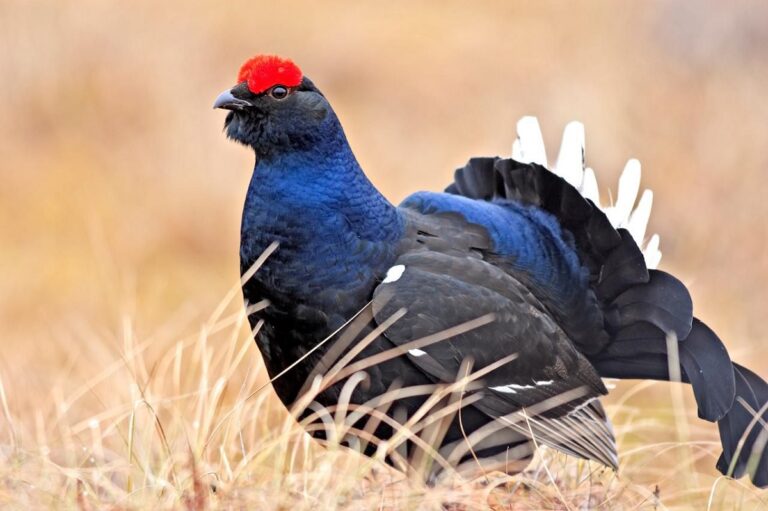
Grouse
Grouse are robust, ground-dwelling birds found in temperate and subarctic regions. You notice their remarkable camouflage, blending seamlessly with forest floors, heathlands, and tundra vegetation. She demonstrates that grouse feed primarily on leaves, buds, seeds, and insects, with their behavior influenced by seasonal changes. Their flight is short, fast, and direct, designed for predator evasion rather than long-distance travel, making them masters of stealth and quick bursts of escape.
Reproduction in grouse involves elaborate mating displays. You notice males perform courtship rituals, including drumming, vocalizations, and posturing, to attract females. She highlights that ground nests are well-concealed, and multiple eggs are laid to increase survival chances. Family groups are highly coordinated, with chicks quickly learning to forage and evade predators. These behavioral strategies ensure population resilience despite predation pressures.
Grouse also demonstrate adaptability to human activity. You notice that managed forests and conservation areas support stable populations, enabling both ecological balance and sustainable hunting practices. She observes that grouse contribute to seed dispersal and insect control, reinforcing their ecological role. Studying grouse behavior, habitat use, and reproductive strategies provides a window into the life of ground-dwelling game birds, emphasizing the balance between survival, camouflage, and human interaction.
Turkeys
Wild turkeys are among the largest game birds in North America, known for their size, strong legs, and distinctive plumage. You notice that turkeys are highly social, often forming flocks for foraging and predator awareness. She highlights that they feed on seeds, nuts, insects, and small plants, using their strong bills to scratch the ground in search of food. Turkeys are also capable of short, powerful flights, particularly when roosting or escaping danger.
Breeding behavior in turkeys is striking. You notice males, or toms, perform elaborate strutting displays, fanning tail feathers and vocalizing to attract hens. She demonstrates that turkeys nest on the ground in concealed areas, and females provide intensive parental care for chicks, teaching foraging and predator avoidance. Their social organization improves survival, as group vigilance allows early detection of threats.
Turkeys also interact closely with human landscapes. You notice that forest edges, agricultural fields, and suburban areas often support thriving populations. She highlights that sustainable hunting practices and habitat management are essential for balancing ecological roles with recreational opportunities. Observing turkeys in their natural or semi-managed habitats provides insight into the life of large, social game birds, emphasizing their ecological, cultural, and recreational importance.
Ducks and Geese
Ducks and geese are aquatic game birds adapted to wetlands, rivers, and lakes. You notice their webbed feet, streamlined bodies, and strong wings allow efficient swimming and powerful flight. She demonstrates that waterfowl feed on aquatic vegetation, seeds, and small invertebrates, adapting to seasonal changes in food availability. Migration is a key behavior, with long-distance flights supported by large wingspans and energy-efficient flight techniques.
Reproductive behavior involves ground or water-edge nesting. You notice that females construct hidden nests and provide care for hatchlings, leading them to feeding areas and teaching survival skills. She highlights that flocking behavior enhances protection during migration and foraging. Seasonal migration also allows ducks and geese to exploit rich feeding grounds while avoiding harsh climates, demonstrating the integration of physical and behavioral adaptations.
Waterfowl are popular targets for hunting and wildlife observation. You notice that population management programs, habitat conservation, and regulated hunting ensure sustainable numbers. She observes that ducks and geese contribute to seed dispersal, wetland ecosystem health, and predator-prey dynamics, emphasizing their ecological and recreational significance. Understanding their behavior, flight capabilities, and habitat preferences provides a comprehensive view of these versatile game birds.
Habitat and Distribution
Game birds occupy diverse habitats around the world, ranging from dense forests and grasslands to wetlands and agricultural landscapes. You notice that their distribution is closely linked to food availability, shelter, and breeding opportunities. She highlights that understanding habitat and distribution patterns provides insight into ecological roles, migration, and survival strategies. Observing where game birds thrive helps reveal how species adapt to environmental pressures and human activities, emphasizing the balance between conservation, hunting, and ecosystem health.
Forest and Woodland Habitats
Many game birds, such as pheasants, grouse, and wild turkeys, thrive in forested and woodland habitats. You notice that these environments provide dense cover, nesting sites, and abundant food sources like seeds, nuts, and insects. She demonstrates that ground-dwelling species use underbrush and fallen leaves for camouflage and predator avoidance, relying on the forest structure for safety and reproduction. The availability of open clearings within forests also supports foraging and mating displays, allowing birds to balance concealment with essential activities.
Forest habitats influence social and breeding behavior. You notice that male birds often perform visual or vocal displays in clearings to attract mates while females select concealed nesting sites. She highlights that the layered structure of woodlands offers microhabitats that support multiple species, promoting biodiversity. Seasonal changes in foliage and food availability further shape the movement and behavior of game birds, influencing migration, flocking, and feeding strategies. These adaptations ensure survival within dynamic forest ecosystems.
Human influence on forest habitats is significant. You notice that managed forests, selective logging, and habitat restoration programs can create optimal conditions for game birds. She demonstrates that conservation strategies, such as planting native vegetation or protecting nesting areas, help maintain stable populations while supporting ecological balance. Forested landscapes showcase how game birds adapt to both natural and human-modified environments, balancing the need for cover, food, and breeding opportunities.
Grasslands and Open Fields
Grasslands and open fields support species like quails, partridges, and certain pheasants. You notice that these habitats provide ample seeds, insects, and low vegetation for nesting and cover. She highlights that ground-dwelling birds in open areas rely on speed and camouflage to evade predators, making vegetation density and patchiness critical for survival. Open habitats also facilitate foraging efficiency and social interactions, allowing birds to detect threats and communicate within flocks.
Grasslands influence seasonal movement and reproduction. You notice that birds often form coveys or small groups for foraging and protection. She demonstrates that nesting sites are typically shallow depressions hidden among grasses or shrubs, emphasizing the importance of vegetation structure for breeding success. The interplay between predator pressure, food availability, and cover shapes behavioral adaptations, from flight patterns to foraging techniques, ensuring that game birds can thrive in these open environments.
Human activity impacts grassland habitats significantly. You notice that agriculture, grazing, and land development can reduce suitable habitat for game birds, while conservation efforts like field margins, grass strips, and hedgerows provide essential shelter and food sources. She highlights that effective habitat management supports biodiversity, promotes sustainable hunting, and ensures that game birds maintain healthy populations across grassland ecosystems.
Wetlands and Riparian Zones
Wetlands, rivers, and marshy areas are critical habitats for waterfowl and certain game bird species like ducks and geese. You notice that these areas provide aquatic vegetation, invertebrates, and open water for feeding, nesting, and predator avoidance. She demonstrates that proximity to water shapes foraging strategies, migration timing, and social behavior, allowing birds to exploit abundant food resources while maintaining safety. Wetlands also serve as stopover points during long migratory journeys, emphasizing their ecological importance.
Nesting behavior in wetlands is adapted to aquatic conditions. You notice that birds often build concealed nests on floating vegetation or near water edges, providing protection from predators. She highlights that brood care, chick development, and feeding techniques are closely tied to wetland structure, illustrating how birds exploit specific habitat features for reproductive success. Seasonal changes, such as water level fluctuations and food abundance, further influence distribution patterns and population density.
Human activities greatly affect wetland habitats. You notice that drainage, pollution, and land reclamation reduce suitable areas for game birds, while wetland restoration, protected areas, and sustainable water management improve survival rates. She demonstrates that maintaining wetlands and riparian zones is essential for ecological balance, supporting both resident and migratory game bird populations while preserving biodiversity and ecosystem function.
Geographic Distribution and Migration
Game birds are distributed globally, with species adapted to a wide range of climates and regions. You notice that their geographic distribution is influenced by habitat availability, climate conditions, and human management practices. She highlights that some species are highly localized, while others migrate seasonally to exploit optimal feeding and breeding grounds, demonstrating remarkable adaptability to environmental pressures.
Migration patterns are closely tied to habitat quality. You notice that waterfowl and certain terrestrial species travel hundreds or thousands of kilometers between breeding and wintering areas. She demonstrates that these movements ensure access to food, favorable climate, and suitable nesting sites, reflecting a balance between energy expenditure and survival needs. Migratory behavior also affects social structure, flocking patterns, and predator avoidance strategies, integrating ecological knowledge with behavioral adaptations.
Human management influences distribution as well. You notice that conservation programs, protected areas, and habitat restoration expand suitable ranges and stabilize populations. She highlights that understanding habitat and distribution patterns allows you to predict species presence, support conservation initiatives, and maintain sustainable hunting practices. Observing where game birds live and move illustrates how environment, behavior, and human influence shape global distribution and ecological success.
Behavior and Lifestyle
Game birds exhibit diverse behaviors and lifestyles that reflect their adaptations to environment, predators, and human interaction. You notice that their feeding patterns, social interactions, and reproductive strategies are finely tuned to survival in both wild and managed habitats. She highlights that studying behavior and lifestyle provides insight into their ecological roles, population dynamics, and responses to environmental changes. Observing these birds reveals how instincts, learned behaviors, and physical traits work together to ensure survival and reproductive success.
Feeding and Foraging Patterns
Game birds are primarily ground feeders, with diets varying based on species and habitat. You notice that pheasants, quails, and partridges scratch the soil to uncover seeds, insects, and vegetation, while waterfowl forage in shallow waters for aquatic plants and invertebrates. She demonstrates that their feeding behavior is closely linked to energy needs, predator avoidance, and seasonal availability of food. Birds often adjust their foraging times to reduce predation risk, feeding more actively at dawn or dusk when visibility is lower.
Social structure influences foraging efficiency. You notice that birds often form coveys or small groups, which helps detect predators and locate food sources more effectively. She highlights that cooperation and vigilance within flocks enhance survival, especially for smaller species like quails that are highly vulnerable to predation. The integration of individual effort and group behavior allows game birds to maximize food intake while minimizing risk, reflecting an evolutionary balance between energy acquisition and safety.
Adaptation to environmental conditions is also evident in foraging behavior. You notice that birds adjust their diet seasonally, consuming more protein-rich insects in the breeding season and relying on seeds and grains during winter. She demonstrates that this dietary flexibility ensures sufficient energy for survival, reproduction, and migration. Feeding and foraging patterns highlight the interconnectedness of behavior, physiology, and habitat use in shaping the lifestyle of game birds.
Social Interaction and Communication
Social behaviors play a crucial role in the lifestyle of game birds. You notice that communication through vocal calls, body language, and displays helps maintain group cohesion, establish territory, and attract mates. She highlights that males often perform visual and auditory displays during the breeding season to signal fitness and dominance, while females assess these cues when selecting partners. Group living also facilitates protection from predators and resource sharing, especially in species that forage in coveys or flocks.
Hierarchy and dominance influence social interactions. You notice that dominant males may control prime feeding areas or mating opportunities, while subordinates adopt cautious strategies to avoid conflict. She demonstrates that these dynamics ensure an organized social structure, reducing unnecessary aggression and optimizing survival chances. Seasonal changes may alter social behaviors, as breeding periods often trigger heightened competition, while non-breeding seasons emphasize cooperative foraging and predator vigilance.
Communication is essential beyond breeding and foraging. You notice that alarm calls alert group members to threats, while specific calls coordinate movement during migration or flocking. She highlights that these behaviors integrate cognitive ability, instinct, and physical adaptations, allowing game birds to navigate complex environments successfully. Observing social interactions and communication provides a deeper understanding of how behavior supports survival, reproduction, and ecological balance in their habitats.
Reproductive and Nesting Behavior
Reproduction and nesting are central to the lifestyle of game birds. You notice that ground-nesting species like pheasants, quails, and partridges rely on camouflage and concealment to protect eggs from predators. She demonstrates that males often engage in courtship displays, vocalizations, and territorial defense to attract females and secure breeding rights. Nest placement, clutch size, and parental care strategies vary between species but are consistently adapted to maximize reproductive success.
Parental investment is crucial for chick survival. You notice that females typically incubate eggs and lead chicks to foraging areas, teaching them essential survival skills. She highlights that broods may stay in family groups for extended periods, benefiting from collective vigilance and guidance. This structured parental care ensures that chicks develop the necessary behaviors for predator avoidance, efficient foraging, and social integration.
Seasonal and environmental factors shape reproductive behavior. You notice that breeding periods often coincide with peak food availability to support the energy demands of egg production and chick rearing. She demonstrates that understanding reproductive strategies, nesting habits, and parental roles provides insight into population dynamics, survival challenges, and ecological adaptation. Observing these behaviors illustrates the intricate balance between environmental pressures, physical traits, and lifestyle in game birds.
FAQs
What Are Game Birds?
Game birds are species hunted for sport, food, or conservation management. You notice that they are usually ground-dwelling and include birds like pheasants, quails, partridges, grouse, and turkeys. She highlights that understanding what are game birds helps you recognize their ecological roles, behaviors, and habitats. Observing these birds provides insight into their feeding patterns, breeding habits, and movement, revealing how they interact with their environment and human activity. Game birds play a vital role in biodiversity and wildlife management while supporting recreational and cultural practices.
Which Birds Are Considered Game Birds?
Game birds typically include pheasants, quails, partridges, grouse, turkeys, and waterfowl like ducks and geese. You notice that these species share traits such as ground foraging, camouflage, and rapid flight for predator evasion. She highlights that these birds are targeted for hunting due to their population abundance and manageable size. Observing game birds allows you to understand their social structures, breeding habits, and seasonal movements. Knowing which birds are classified as game birds helps in identifying species for conservation, sustainable hunting, and ecological study.
What Habitats Do Game Birds Prefer?
Game birds thrive in a range of habitats, including forests, grasslands, wetlands, and agricultural landscapes. You notice that habitat choice depends on food availability, cover for nesting, and predator protection. She highlights that species like pheasants and turkeys prefer woodlands, while quails and partridges favor grasslands, and ducks and geese inhabit wetlands. Observing their habitat preferences reveals how these birds adapt to environmental pressures and seasonal changes. Understanding habitat requirements is essential for conservation, wildlife management, and ensuring sustainable hunting practices.
How Do Game Birds Feed and Forage?
Game birds are primarily ground feeders, consuming seeds, grains, insects, and vegetation. You notice that species like quails and partridges scratch the soil for food, while waterfowl feed in shallow waters. She demonstrates that feeding behavior is influenced by habitat, season, and predator presence, with birds adjusting foraging times for safety. Observing how game birds feed provides insight into their energy needs, ecological roles, and survival strategies. Their foraging patterns also highlight their contribution to controlling insect populations and dispersing seeds in their ecosystems.
How Do Game Birds Reproduce and Nest?
Reproduction in game birds usually involves ground nests, where females lay eggs in concealed locations. You notice that males often perform courtship displays, vocalizations, and territorial defense to attract mates. She highlights that parental care, especially by females, is crucial for chick survival, guiding young birds in foraging and predator avoidance. Observing breeding and nesting behaviors allows you to understand population dynamics, reproductive strategies, and habitat requirements. These patterns ensure the survival of the species while reflecting adaptations to environmental pressures and predation risks.
Why Are Game Birds Important Ecologically and Culturally?
Game birds play a vital role in ecosystems by controlling insect populations, dispersing seeds, and providing prey for predators. You notice that they contribute to biodiversity and maintain ecological balance in forests, grasslands, and wetlands. She highlights that game birds also hold cultural and recreational significance, supporting hunting traditions, cuisine, and wildlife observation. Understanding their ecological and cultural importance helps you appreciate conservation efforts, habitat management, and sustainable hunting practices. Observing game birds offers insight into the interconnectedness of wildlife, humans, and environmental health.
Conclusion
Game birds play a significant role in both natural ecosystems and human culture, showcasing a variety of behaviors, adaptations, and habitats. These birds, ranging from quail and pheasants to turkeys and waterfowl, demonstrate unique survival strategies such as camouflage, social grouping, and specialized feeding habits. Observing their lifestyles provides insight into their ecological importance, including controlling insect populations, dispersing seeds, and serving as prey for larger predators.
When exploring what are game birds, it becomes clear that they are not only valued for hunting but also for their contributions to biodiversity and ecosystem balance. Conservation efforts and responsible hunting practices help maintain healthy populations, ensuring that these species continue to thrive. Understanding the habits and significance of game birds fosters appreciation for their role in nature and encourages practices that support their preservation for future generations to observe and enjoy.