Types of Messenger Birds: Features, Training, and Remarkable Abilities
Messenger birds have played a remarkable role in human history, serving as natural couriers long before modern communication methods existed. Known for their remarkable homing ability, speed, and endurance, these birds were trusted to deliver messages across vast distances, connecting people and communities in times of need. Exploring types of messenger birds allows you to understand the diversity of species used for this purpose, from pigeons to other specialized avian carriers.
Each type possesses unique traits that made them suitable for carrying messages, including navigational skills, reliability, and stamina. Studying these birds highlights the fascinating interplay between animal behavior and human ingenuity, revealing how certain species were trained and valued for their communication abilities. Understanding the different types of messenger birds provides insight into their biology, historical significance, and the incredible bond between humans and these extraordinary creatures.
Types of Messenger Birds
Messenger birds have been instrumental in human communication for centuries, serving as reliable couriers across vast distances. Exploring the types of messenger birds highlights the diversity of species that have been trained or naturally suited for delivering messages. These birds are chosen for their homing instincts, endurance, speed, and reliability, making them ideal for carrying information in times when modern communication was unavailable. Understanding these types provides insight into both their biology and historical significance, showcasing the unique ways humans have collaborated with nature to overcome communication challenges.
Homing Pigeons
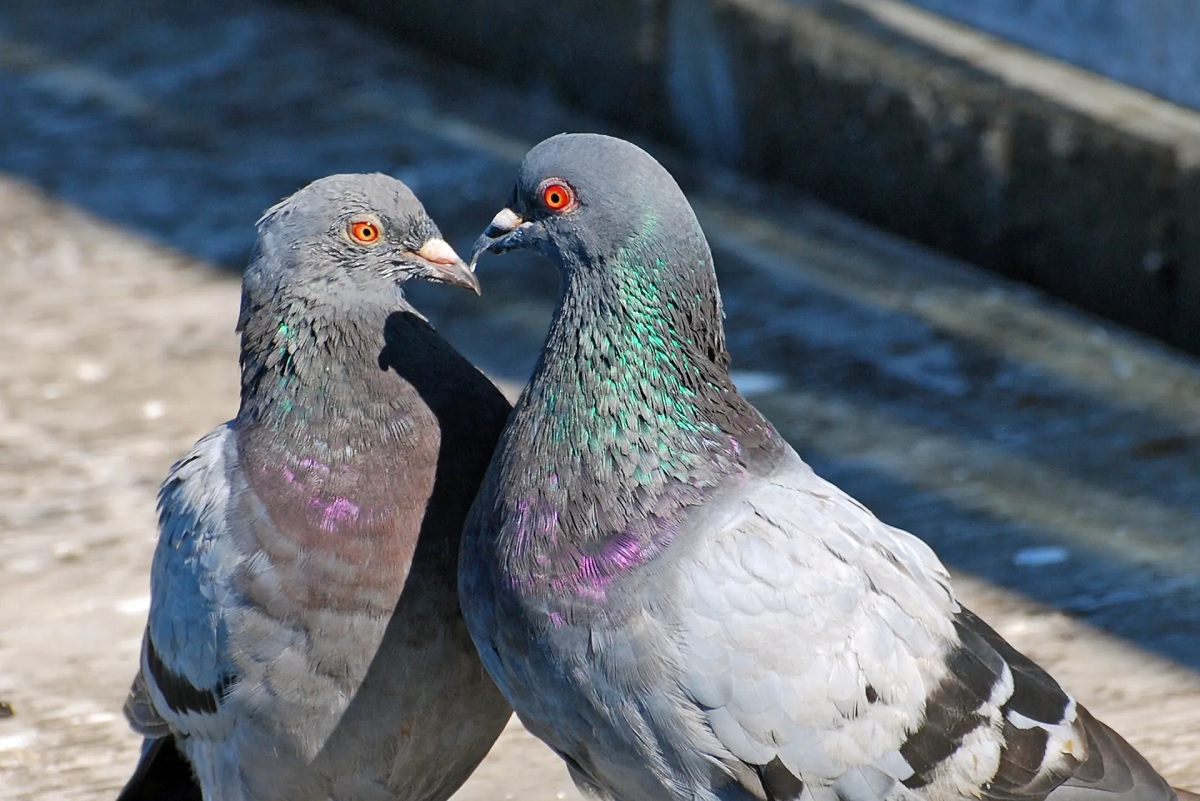
Homing pigeons are perhaps the most iconic type of messenger birds, widely recognized for their remarkable ability to find their way home over long distances. You will notice that these pigeons have been used for centuries in both civilian and military communication due to their exceptional navigational skills. Their strong homing instinct allows them to return to their lofts even when released hundreds of miles away.
Training homing pigeons involved consistent exposure to their home location, gradually increasing release distances to strengthen their navigational abilities. These birds could carry small messages attached to their legs in waterproof capsules, providing an efficient and secure way to transmit information. Historical records highlight their use during wars, where homing pigeons delivered critical messages across battlefields. Observing homing pigeons demonstrates how biology and training intersected, allowing humans to harness natural instincts for practical communication needs, a practice that remained vital until the advent of modern telecommunication.
Racing Pigeons
Racing pigeons are closely related to homing pigeons but are selectively bred for speed and endurance in competitive events. You will notice that while their primary purpose is sport, racing pigeons share the same innate homing abilities that made them effective messengers historically. These birds have been trained to cover long distances at high speeds, demonstrating both stamina and precise navigation.
Selective breeding in racing pigeons focuses on physical traits such as wing strength, muscle density, and respiratory efficiency, enhancing their capacity to fly quickly over varying terrains. Their training involves repeated flights and conditioning exercises that strengthen orientation skills. Studying racing pigeons provides insight into how humans have influenced natural abilities through selective breeding, optimizing performance for both recreational and communication purposes. The overlap between racing and messenger capabilities illustrates the adaptability of pigeons as reliable couriers in different contexts.
Carrier Pigeons in Military History
Carrier pigeons were specialized birds used extensively in military operations, demonstrating the strategic importance of messenger birds. You will notice that these pigeons carried vital messages under challenging conditions, often through inclement weather or enemy territory. Their small size, speed, and ability to navigate back to their home lofts made them invaluable for transmitting intelligence.
During both World Wars, carrier pigeons were trained and deployed to deliver orders, warnings, or updates that could not be sent through traditional channels. Their reliability and discretion often saved lives and contributed to successful military campaigns. Handling and training these birds required meticulous care, from maintaining lofts to ensuring proper nutrition and flight conditioning. Examining carrier pigeons in military contexts highlights the trust humans placed in these birds and the remarkable capabilities that enabled them to serve as critical communication tools under pressure.
Swallows and Other Messenger Birds
While pigeons dominate the history of messenger birds, other species such as swallows and certain songbirds have also been noted for their potential use in message delivery. You will notice that these birds possess strong homing instincts and endurance, though their use has historically been less widespread. Swallows, for example, exhibit remarkable navigation abilities during seasonal migrations, which could theoretically be adapted for carrying small messages.
Although not commonly employed in organized communication systems like pigeons, these birds illustrate the broader spectrum of species capable of returning to a specific location. Observing their natural homing behavior highlights the diversity of messenger bird candidates and the potential for humans to utilize unique traits in different avian species. The use of alternative messenger birds demonstrates creativity in leveraging natural instincts for communication purposes beyond the traditional pigeon systems.
Advantages of Different Messenger Birds
Different types of messenger birds provided varied advantages depending on their species, size, speed, and navigational skills. You will notice that while homing pigeons excelled at long-distance accuracy, racing pigeons added speed and endurance to the mix. Carrier pigeons were optimized for reliability under duress, whereas other species like swallows offered flexibility and adaptability in less formal communication networks.
Understanding these advantages sheds light on why humans chose certain birds for specific tasks and how selective breeding, training, and care maximized their natural abilities. The interplay between physical traits and behavioral instincts determined the effectiveness of messenger birds, emphasizing the importance of species selection in communication systems. Observing these differences illustrates how human ingenuity combined with natural adaptations to develop reliable, efficient methods for message delivery over centuries.
Training and Care of Messenger Birds
Successful use of messenger birds required careful training and maintenance. You will notice that establishing a strong homing instinct, conditioning for endurance, and ensuring proper nutrition were essential components. Birds needed consistent exposure to their home lofts and gradual increases in release distances to build confidence and reliability.
Proper care involved providing high-quality feed, monitoring health, and maintaining safe, comfortable lofts to prevent stress and injury. Training also included acclimatization to different weather conditions and gradual integration into flight routines. Observing these practices demonstrates how human management complemented natural abilities, allowing messenger birds to fulfill roles that would otherwise be impossible. The combination of training, care, and innate skill highlights the intricate relationship between humans and these birds in historical communication systems.
Modern Uses and Legacy
Although modern technology has largely replaced messenger birds, their legacy remains significant. You will notice that homing and racing pigeons are still maintained for sport, education, and historical reenactments. The principles of bird navigation, endurance, and training continue to fascinate ornithologists and enthusiasts alike.
Studying messenger birds today provides insight into animal behavior, evolutionary adaptations, and historical communication methods. Their contributions to human society, particularly in times of conflict or isolation, illustrate the remarkable partnership between humans and wildlife. Observing modern uses underscores the enduring impact of these birds and the lessons they offer in precision, reliability, and the value of natural instincts in achieving practical goals.
Training and Handling Techniques
Training and handling messenger birds has always required patience, skill, and a deep understanding of avian behavior. Effective training ensures that birds reliably return to their home lofts, navigate long distances, and carry messages safely. Handling techniques focus on maintaining the health, comfort, and motivation of the birds while fostering trust between the trainer and the bird. Studying these methods provides insight into the delicate balance of discipline, care, and natural instincts that make messenger birds effective communicators across time and geography.
Establishing Homing Instincts
The foundation of messenger bird training lies in establishing a strong homing instinct. You will notice that birds are first acclimated to a home loft where they feel safe and secure. This familiarity allows them to orient themselves and recognize the loft as a destination during flights. Repeated exposure to the home environment strengthens their navigational confidence, a critical factor for reliable message delivery.
Training often begins with short flights near the loft, gradually increasing the distance as the bird’s confidence and orientation skills improve. Birds are released from various locations to encourage adaptability and problem-solving abilities, enhancing their capacity to navigate unfamiliar terrain. Observing this step-by-step process demonstrates how carefully structured training develops a bird’s natural instincts into precise and dependable homing behavior. Establishing a strong homing instinct is not only about distance but also about building trust, consistency, and a sense of security in the bird, ensuring it can perform its messenger role effectively.
Conditioning for Endurance and Speed
Once homing instincts are established, conditioning messenger birds for endurance and speed is crucial. You will notice that these birds require gradual training to build stamina for long-distance flights. Short, frequent flights followed by rest periods enhance cardiovascular strength, muscle development, and overall fitness, preparing them for the demands of message delivery over extended distances.
Speed conditioning often involves timing flights and monitoring performance to encourage improvement. Proper nutrition supports energy needs, while hydration ensures optimal performance. Environmental exposure, including variable weather and terrain, helps birds adapt to real-world conditions, reducing the risk of disorientation or exhaustion. Observing this conditioning process reveals how training combines physical fitness, environmental adaptation, and natural instincts to create highly reliable messenger birds capable of performing under challenging circumstances.
Handling Techniques for Care and Motivation
Proper handling techniques are essential for maintaining the health and motivation of messenger birds. You will notice that gentle, consistent interaction helps build trust between the bird and trainer, reducing stress and promoting cooperation during training and transport. Handling includes routine health checks, monitoring for injury, and ensuring safe transport to release sites.
Motivation is maintained through positive reinforcement, such as rewarding successful flights with food or rest. Ensuring birds are not overworked prevents fatigue and maintains enthusiasm for training exercises. Observing handling techniques highlights the delicate balance between discipline and care required to sustain the birds’ performance, emphasizing that messenger birds thrive under attentive, respectful treatment rather than forceful methods.
Loft Management and Environmental Acclimatization
Loft management is a critical aspect of training messenger birds. You will notice that a well-maintained loft provides shelter, protection, and comfort, encouraging birds to return reliably. Temperature, lighting, cleanliness, and space all influence the birds’ sense of security and readiness for flight.
Environmental acclimatization also plays a role in successful training. Birds are gradually exposed to changing weather conditions, different release locations, and varying times of day to ensure adaptability. This reduces stress during actual message delivery and enhances survival during long flights. Studying loft management and environmental acclimatization demonstrates how proper care and strategic exposure prepare birds for reliable performance in diverse conditions, combining comfort, safety, and practical experience to optimize their messenger capabilities.
Safety Measures During Training
Ensuring safety during training is essential for the longevity and success of messenger birds. You will notice that birds are monitored closely during flights, with precautions taken to avoid predation, injury, or environmental hazards. Safe release sites are chosen, and distances are gradually increased to prevent disorientation or exhaustion.
Health checks, parasite control, and vaccination programs protect against disease, while proper nutrition supports energy and recovery. Observing these safety measures emphasizes the comprehensive approach required to train and maintain messenger birds. Attention to health, environment, and careful planning ensures that birds remain capable, reliable, and resilient, illustrating that successful training encompasses far more than basic flight instruction.
Monitoring Progress and Performance
Continuous monitoring of messenger birds’ progress is essential to effective training. You will notice that trainers record flight times, distances, and behavior during releases to assess endurance, navigation accuracy, and motivation. Adjustments are made based on performance, allowing for personalized training programs that address strengths and weaknesses.
Regular observation also helps detect early signs of fatigue, injury, or illness, ensuring prompt care and maintaining long-term performance. By tracking patterns over time, trainers can refine techniques, optimize conditioning, and enhance reliability. Observing this monitoring process demonstrates the scientific and attentive approach necessary for training messenger birds, combining observation, adaptation, and care to create highly skilled avian communicators.
FAQs
What Are The Most Common Types Of Messenger Birds?
The most common types of messenger birds are homing pigeons and racing pigeons. You will notice that these birds have a natural homing instinct that allows them to return to their lofts over long distances. Carrier pigeons were widely used historically in wars and communication networks, while racing pigeons are bred for speed and endurance. Other birds, like swallows, have occasionally been used for message delivery due to their navigational abilities, but pigeons remain the primary species because of their reliability, trainability, and adaptability in various environments.
How Do Homing Pigeons Differ From Racing Pigeons?
Homing pigeons are primarily valued for their ability to navigate home from unfamiliar locations, making them reliable messengers. You will notice that racing pigeons share this homing ability but are selectively bred for enhanced speed and stamina, often used in competitive events. While homing pigeons are trained mainly for accuracy and consistent returns, racing pigeons focus on performance and endurance. Understanding the difference helps you appreciate why each type is used in specific contexts, from historical communication to sport, and how selective breeding enhances natural instincts to meet human requirements.
Were Other Birds Besides Pigeons Used As Messengers?
Yes, though pigeons were most widely used, other birds such as swallows, canaries, and certain songbirds have occasionally been employed for message delivery. You will notice that these birds rely on strong homing instincts and endurance, but they are generally less reliable than pigeons for consistent long-distance communication. Their use was often experimental or limited to specific regions. Observing these alternative messenger birds highlights the creativity in utilizing avian species for communication and shows how humans have adapted different birds’ natural behaviors to serve practical needs.
What Traits Make A Bird Suitable For Messaging?
The key traits for messenger birds include a strong homing instinct, endurance, speed, and adaptability to varying conditions. You will notice that birds must be capable of navigating unfamiliar terrain, flying long distances, and returning reliably to their home lofts. Physical fitness, keen spatial awareness, and trainability are also essential. These traits ensure that messages are delivered accurately and on time. Observing these characteristics helps you understand why pigeons, in particular, became the preferred species for centuries of communication, as their combination of natural abilities and trainability made them uniquely effective.
How Were Messenger Birds Trained For Reliability?
Messenger birds were trained gradually to develop a strong homing instinct and endurance. You will notice that training began with short flights close to the home loft, gradually increasing in distance over time. Birds were exposed to different locations and environmental conditions to enhance navigational skills and adaptability. Positive reinforcement, proper nutrition, and careful handling played critical roles in maintaining motivation and health. Understanding these training methods allows you to see how humans enhanced natural abilities through structured programs, ensuring messenger birds could deliver messages reliably across varying distances and conditions.
Why Are Messenger Birds Less Common Today?
Messenger birds are less common today due to the advent of modern communication technologies like telegraphs, telephones, and the internet. You will notice that while messenger birds were essential for centuries, electronic communication now provides faster, more reliable, and more secure message delivery. However, they remain valuable for historical reenactments, racing, and scientific studies of navigation and homing behavior. Observing the decline in practical use highlights the evolution of human communication methods while still appreciating the unique abilities of messenger birds and their historical significance.
Conclusion
Messenger birds have played a unique role in human communication, combining natural instincts with specialized training to deliver messages across distances. Among these, homing pigeons stand out as the most reliable and widely used, prized for their remarkable navigation skills and endurance. Carrier pigeons further highlight the adaptability of certain species for message delivery, while other birds like falcons or crows have occasionally been employed under specific circumstances.
The training, handling, and care of these birds are crucial for their effectiveness, showcasing the close bond between humans and avian messengers. Even in modern times, with technological advancements, the charm and historical significance of these birds remain appreciated in competitions and ceremonial uses. Understanding the characteristics, roles, and abilities of types of messenger birds provides insight into how humans have leveraged nature’s talents for communication and connection throughout history.