Types of Kites Birds: A Complete Guide to These Graceful Raptors
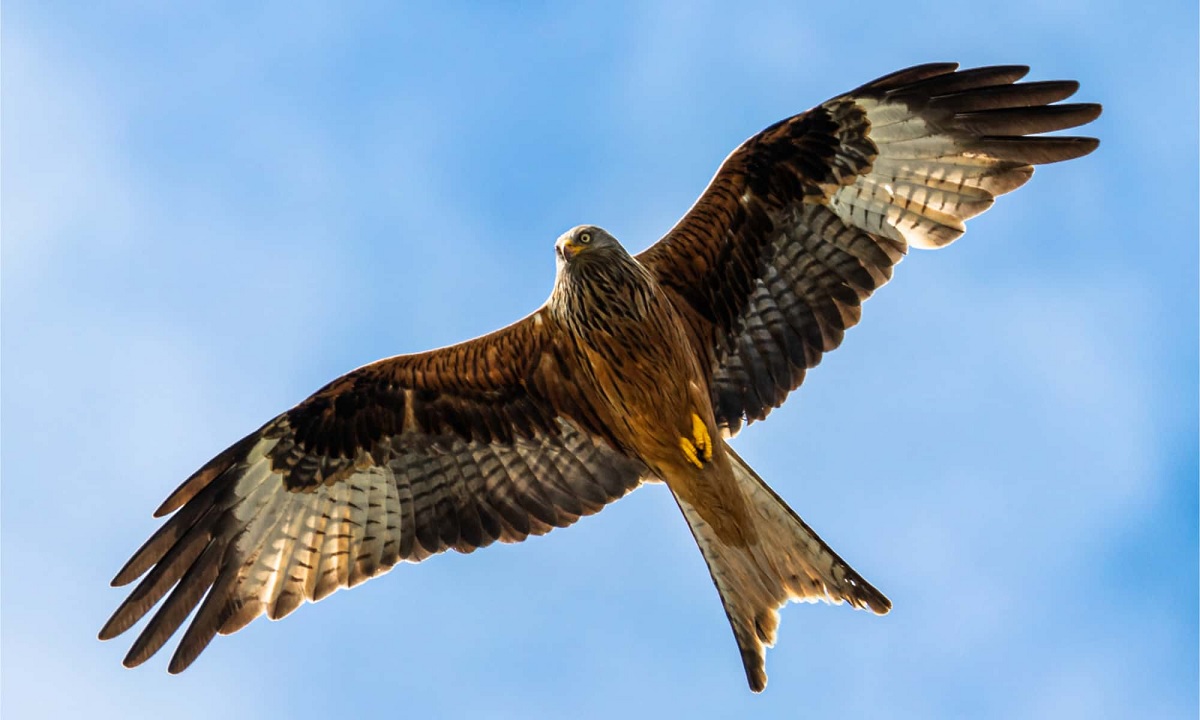
Kites are fascinating birds of prey known for their graceful flight, keen eyesight, and impressive hunting skills. Their slender bodies and long wings allow them to soar effortlessly in search of food, making them a captivating sight in the skies. Exploring the types of kites birds provides insight into their diverse species, behaviors, and habitats. From forests and wetlands to open plains, kites adapt to a variety of environments, each with unique hunting techniques and dietary preferences.
Understanding the different types of kites birds helps you recognize their physical characteristics, flight patterns, and ecological roles. Learning about these birds not only highlights their beauty and agility but also emphasizes their importance in maintaining ecological balance. Observing the variety of kites offers a deeper appreciation for avian diversity and the intricate ways these raptors navigate their world.
Types of Kites Birds
Kites are graceful birds of prey admired for their soaring flight, sharp eyesight, and hunting skills. Studying the types of kites birds helps you understand their diversity, behavior, and ecological roles. Each species shows unique adaptations in wing shape, tail structure, feeding habits, and migratory patterns.
From forests and wetlands to open plains, kites are highly versatile, demonstrating agility and intelligence in capturing prey. Learning about these birds allows you to identify them in the wild, appreciate their ecological importance, and recognize the need to conserve their habitats. Observing different types of kites birds also highlights the variety of raptor species that play vital roles in maintaining the balance of ecosystems worldwide.
Black Kite
The Black Kite is one of the most widespread and adaptable species of kites birds. You will notice them gliding effortlessly over urban areas, rivers, and open fields, often using minimal wing movement. Their dark brown plumage, lighter streaks, and slightly forked tails make them easily identifiable. Black Kites are opportunistic feeders, consuming carrion, insects, small mammals, and human scraps. This adaptability allows them to thrive in various habitats, from forests to urban environments.
These birds display remarkable social behavior, forming large communal roosts during non-breeding seasons. Roosting together provides protection and social interaction while allowing them to locate food sources collectively. Nesting occurs in tall trees or man-made structures, showing flexibility in choosing breeding sites. Juveniles gradually develop adult plumage while learning hunting skills, demonstrating intelligence and adaptability. Observing Black Kites helps you understand their ecological role as both scavengers and predators, contributing to maintaining balance in the ecosystem.
Brahminy Kite
Brahminy Kites are easily recognized by their chestnut-colored bodies and contrasting white head and breast. You will notice them near coastal regions, rivers, and wetlands, where they hunt fish and small aquatic animals. Their hooked beaks and sharp talons allow precise prey capture, while broad wings support gliding stability over water. Brahminy Kites are not only skilled hunters but also play a crucial role in controlling fish and insect populations.
During breeding, these kites form monogamous pairs and build nests in tall trees overlooking water bodies. Courtship involves aerial displays and mutual feeding, reinforcing pair bonds. Brahminy Kites adapt well to semi-urban areas, often coexisting with human activity while maintaining healthy populations. Their flight combines slow wingbeats and gliding, conserving energy while scanning for prey. Observing this species helps you appreciate their hunting strategies, territorial behavior, and ecological contributions.
Swallow-Tailed Kite
Swallow-Tailed Kites are among the most visually striking types of kites birds, with deeply forked tails and long, slender wings. You will notice them performing acrobatic aerial displays while hunting insects, small reptiles, and amphibians. Their aerodynamic body shape allows them to glide effortlessly over forests and open fields, conserving energy during long flights. Swallow-Tailed Kites are migratory, traveling thousands of kilometers between breeding and wintering grounds, demonstrating remarkable endurance and navigational ability.
These birds are highly social outside the breeding season, often roosting communally. During nesting, they select tall, isolated trees to reduce predation risk and perform coordinated aerial displays as part of courtship. Habitat loss due to deforestation is a significant threat, highlighting the need for forest conservation. Observing Swallow-Tailed Kites emphasizes their agility, precision in hunting, and ecological role as aerial insectivores, while their migration shows the importance of protecting habitats across continents.
Mississippi Kite
Mississippi Kites are small to medium-sized birds with dark gray plumage and long, slender wings suited for agile flight. You will notice them soaring above open woodlands, savannas, and grasslands while hunting large insects like cicadas and dragonflies. Their aerial hunting is precise, allowing them to capture prey mid-flight efficiently. These birds are social, often forming flocks during migration and roosting periods, which also provides protection and coordination during travel.
Breeding pairs construct stick nests in tall trees and perform aerial chases and feeding displays as part of courtship. Migration spans thousands of kilometers between North and South America, making them dependent on multiple habitats. Their diet of flying insects helps control populations, supporting ecological balance. Observing Mississippi Kites highlights their social behavior, migration endurance, and specialized hunting techniques. Conserving habitats along migratory routes ensures their survival and the ecological services they provide.
White-Tailed Kite
White-Tailed Kites are medium-sized raptors with white underparts, gray wings, and black-tipped tails. You will notice them hovering over grasslands and open fields, scanning for small mammals, particularly rodents. Hovering flight allows them to locate prey with precision, followed by rapid dives for capture. These birds are monogamous and highly territorial during breeding, building nests in isolated trees or shrubs to reduce predation risk.
Courtship includes aerial acrobatics and mutual feeding displays. White-Tailed Kites are specialized hunters, and their rodent predation supports ecological balance, especially in agricultural areas. Observing them shows how hunting strategies, territorial behavior, and habitat preference contribute to survival. Protecting grasslands and open habitats is essential to maintain their populations. These kites exemplify the connection between specialized raptors and healthy ecosystems, highlighting the importance of conserving both species and habitat.
Frequently Asked Questions
What Are The Different Types Of Kites Birds?
There are several types of kites birds, including the Black Kite, Brahminy Kite, Swallow-Tailed Kite, Mississippi Kite, and White-Tailed Kite. You will notice that each species has unique physical characteristics, such as wing shape, tail structure, and plumage color. These differences reflect their specialized hunting styles and habitats. Some kites are scavengers, like the Black Kite, while others, like the Swallow-Tailed Kite, feed on insects or small reptiles. Understanding the different types of kites birds helps you identify them in the wild and appreciate their ecological roles in various ecosystems.
Where Can Kites Birds Be Found?
Kites birds inhabit a wide range of environments, from tropical forests and wetlands to grasslands and urban areas. You will notice species like the Brahminy Kite near coastal regions and rivers, while Swallow-Tailed Kites prefer forests and open fields. Some kites, like the Black Kite, are highly adaptable and can live in urban landscapes. Migration patterns also influence their locations, with species like the Mississippi Kite traveling long distances between North and South America. Observing where kites birds are found helps you understand their habitat preferences and ecological adaptations.
How Do Kites Birds Hunt And Feed?
Kites birds use a variety of hunting techniques depending on their type. You will notice that some, like the Black Kite, are opportunistic scavengers feeding on carrion, while others, such as the Swallow-Tailed Kite, capture insects mid-air. White-Tailed Kites specialize in hunting small mammals, hovering above fields to spot prey before diving. Their flight agility, keen eyesight, and sharp talons allow precise hunting. By understanding their feeding behaviors, you can see how different types of kites birds occupy ecological niches, control prey populations, and maintain balance in their ecosystems.
What Are The Key Physical Features Of Kites Birds?
Kites birds have distinct physical features that aid in identification and survival. You will notice long, slender wings, forked or slightly notched tails, and hooked beaks across most species. Plumage colors vary: Black Kites are dark brown, Brahminy Kites have chestnut bodies with white heads, and Swallow-Tailed Kites have striking black and white patterns. These adaptations improve maneuverability, hunting efficiency, and energy conservation during flight. Observing physical traits helps you differentiate types of kites birds, understand their flight mechanics, and appreciate how evolution shapes their behavior and survival.
Are Kites Birds Migratory?
Some kites birds are migratory, while others remain resident in their habitats year-round. You will notice that species like the Swallow-Tailed Kite and Mississippi Kite travel long distances between breeding and wintering grounds. Migration helps them access abundant food and suitable climates. Resident species, such as Black Kites in tropical regions, adapt to local resources without extensive seasonal movement. Understanding migratory behavior helps you track populations, protect stopover habitats, and learn how seasonal changes impact feeding, breeding, and survival of various types of kites birds.
How Can You Help Protect Kites Birds?
You can help protect kites birds by supporting habitat conservation, avoiding disturbance in nesting areas, and participating in environmental awareness programs. You will notice that deforestation, urban expansion, and pollution threaten their habitats, reducing food availability and nesting sites. Supporting wildlife organizations and protected areas helps maintain healthy ecosystems. Educating others about the ecological importance of kites birds encourages sustainable practices. By taking action, you contribute to conserving these raptors, ensuring their survival, and preserving the biodiversity of ecosystems where various types of kites birds play crucial roles.
Final Thoughts
Kite birds are remarkable for their agility, diverse hunting techniques, and wide-ranging habitats. From the widespread Black Kite to the striking Swallow-tailed Kite, each species demonstrates unique adaptations that help them thrive in different environments. Observing their behaviors, such as soaring, hunting, and nesting, provides insight into their ecological roles and the delicate balance of the ecosystems they inhabit. Despite their resilience, many kite species face threats from habitat loss, pollution, and human activity, making conservation efforts essential.
Understanding the distinct characteristics, feeding habits, and migratory patterns of these birds allows enthusiasts and researchers to appreciate their diversity and importance. For anyone interested in avian wildlife, exploring the various species highlights both the beauty and vulnerability of these birds, emphasizing why studying and protecting them is crucial. A comprehensive look at the Types of Kites Birds reveals the richness of their species and the need for ongoing conservation.