Types of Game Birds: A Complete Guide to Popular Hunting and Wild Species
Game birds have long fascinated humans for their beauty, behavior, and role in ecosystems. These birds are often hunted for sport or food, but they also play an essential part in maintaining ecological balance. Observing their habits and habitats can provide valuable insight into wildlife management and conservation practices.
Understanding types of game birds reveals the diversity within this group, which includes species adapted to forests, grasslands, and wetlands. Each species exhibits unique behaviors, diets, and reproductive strategies, reflecting the habitats they occupy and the challenges they face in the wild.
These birds are often ground-dwelling, with strong legs for running and wings suited for short bursts of flight. Their coloration, calls, and social structures vary widely, making them fascinating subjects for birdwatchers and hunters alike.
Studying types of game birds also highlights their cultural and economic significance. From traditional hunting practices to modern conservation efforts, these species contribute to human understanding of wildlife management and biodiversity preservation.
Types of Game Birds
Game birds are a diverse group of birds hunted for sport and food, admired for their beauty, behavior, and ecological importance. These birds are typically ground-dwelling, strong runners, and capable of short, rapid flights to escape predators. Exploring Types of Game Birds provides insight into their unique adaptations, habitats, and behaviors that have allowed them to thrive in various ecosystems worldwide. Understanding their diversity also highlights their ecological roles and significance in wildlife management.
Pheasants and Their Varieties
Pheasants are among the most recognizable game birds, known for their vibrant plumage and long tails. The common pheasant, or ring-necked pheasant, features iridescent feathers and a distinctive white neck ring in males, while females are cryptically colored for camouflage. Native to Asia but introduced worldwide, these birds have adapted to open fields, forest edges, and farmland.
Other notable species include golden pheasants, copper pheasants, and silver pheasants. Golden pheasants display brilliant yellow crests and red bodies, native to western China, while silver pheasants are larger with striking black-and-white plumage. Each species demonstrates unique courtship behaviors, such as vocal calls, wing clapping, and feather displays to attract mates.
Pheasants are primarily ground-dwelling and omnivorous, feeding on seeds, fruits, and insects. Their adaptability to diverse habitats has contributed to their success both in the wild and in captive breeding programs. Regional variations in plumage, behavior, and habitat preference reflect evolutionary adaptation to specific environments.
Males are territorial during breeding season, displaying elaborate courtship rituals to defend mates and attract females. Outside the breeding season, pheasants often form small social groups or flocks. Their ecological role as foragers and prey species makes them integral to ecosystem balance.
Pheasants’ diversity, adaptability, and cultural significance make them a key example of game bird evolution and the interaction between wildlife and human activity. Their vibrant plumage and ecological roles continue to fascinate ornithologists, hunters, and conservationists alike.
Quails and Buttonquails
Quails, small plump game birds from the Phasianidae family, inhabit grasslands, scrublands, and agricultural areas. Common species include the Bobwhite quail, Japanese quail, and common quail. True quails are ground-foragers, eating seeds, insects, and small plants. Their compact bodies, short tails, and strong legs allow rapid running to evade predators, while their short, explosive flight provides an emergency escape.
Buttonquails, from the Turnicidae family, differ significantly. They are smaller and exhibit reversed sexual roles in some species, with females displaying brighter plumage and territorial behavior, while males incubate eggs and care for chicks. Buttonquails are secretive, relying on cryptic coloration and ground cover to avoid predation.
Breeding behavior varies between quails and buttonquails. Quails follow conventional reproductive strategies, with males courting females through vocal calls and displays. Nests are simple ground scrapes, and chicks are precocial but still rely on parental care. Buttonquails often demonstrate polyandrous behavior, where one female mates with multiple males, leaving males responsible for incubation.
Both groups play vital ecological roles. Their foraging helps control insect populations, and they disperse seeds across habitats. Conservation efforts focus on preserving grasslands and scrub habitats, regulating hunting, and implementing captive breeding programs to maintain populations.
The differences between quails and buttonquails highlight the diversity of reproductive strategies, behavioral adaptations, and survival techniques among ground-dwelling game birds. Their small size, adaptability, and ecological significance make them essential components of many ecosystems.
Grouse and Partridges
Grouse and partridges are medium-sized game birds often found in temperate forests, grasslands, and mountainous regions. Grouse species, such as the ruffed grouse, capercaillie, and sage grouse, are known for elaborate courtship displays and booming calls during mating season. Males often perform complex dances to attract females, while females rely on camouflage to protect eggs and chicks.
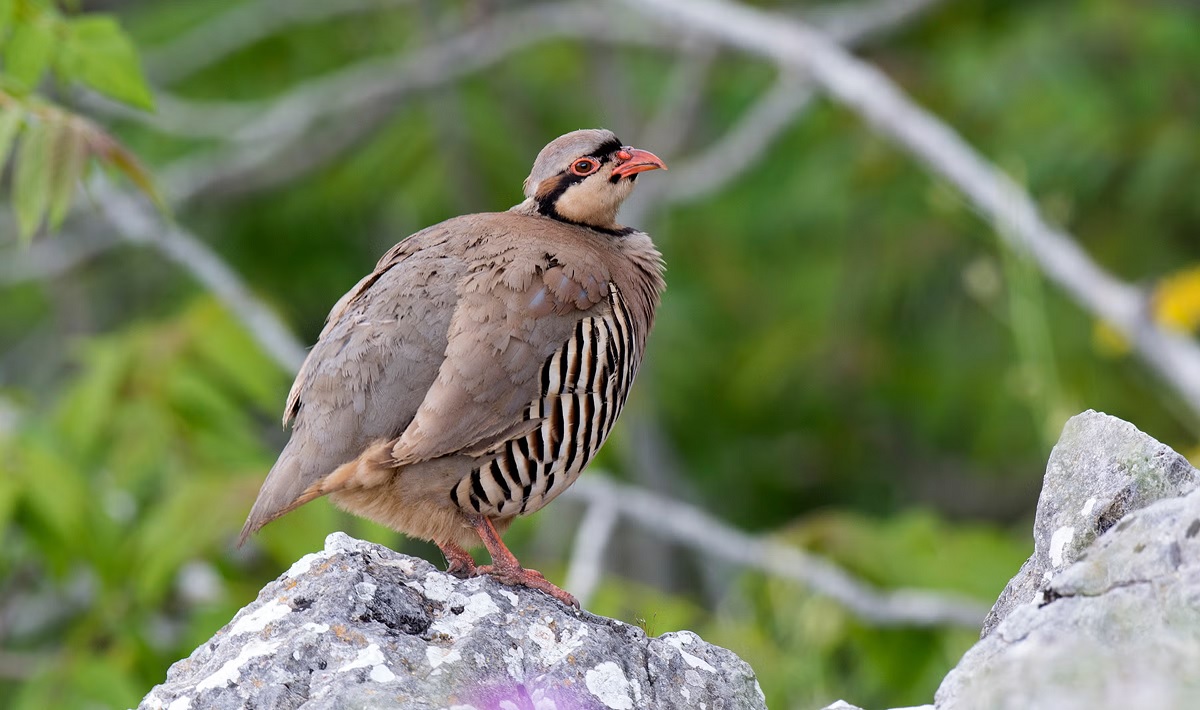
Partridges, including the grey partridge and chukar, are smaller, plump ground-dwellers with short tails and strong legs. They forage for seeds, berries, and insects and use rapid, low flight to escape predators. Their nests are shallow ground scrapes lined with grass, and chicks are precocial, following adults shortly after hatching.
Both grouse and partridges play ecological roles as prey for predators and as seed dispersers. Habitat conservation is critical for their survival, as deforestation, agriculture, and human encroachment threaten populations. In some regions, supplemental feeding and game management programs help maintain sustainable populations for hunting and conservation purposes.
Behaviorally, grouse and partridges are social outside the breeding season, forming flocks that enhance survival and foraging efficiency. Their adaptations, including cryptic plumage and strong legs, reflect evolutionary pressures to avoid predation while thriving in diverse habitats.
Grouse and partridges exemplify the diversity of medium-sized game birds, combining intricate mating behaviors, ecological significance, and adaptability to changing landscapes. Their presence highlights the interplay between natural selection and human influence in shaping avian populations.
Turkeys
Turkeys are among the largest game birds, native to North America, with wild and domesticated populations. Males, known as toms, display impressive plumage with iridescent feathers, long tails, and colorful wattles to attract females. Their size and strength make them unique among game birds, while their vocalizations, including gobbles, play a central role in communication and mating rituals.
Turkeys are omnivorous, feeding on seeds, berries, insects, and small vertebrates. They are ground foragers but can fly short distances to roost in trees for protection. Social behavior includes flocking outside breeding season, with dominance hierarchies among males during mating periods.
Breeding involves males performing elaborate displays, puffing feathers, and fanning tails while strutting to impress females. Nests are simple ground depressions lined with vegetation, where females incubate eggs and care for young. Chicks are precocial and quickly follow adults to forage.
Conservation efforts have restored wild turkey populations, including reintroductions in areas where habitat loss and hunting previously caused declines. Turkeys’ size, adaptability, and cultural significance make them a key species for studying large game bird behavior and management.
Turkeys also impact ecosystems through seed dispersal and as prey for predators, demonstrating their ecological importance. Their social structure, mating behaviors, and foraging patterns offer valuable insight into large game bird survival strategies.
Ducks and Waterfowl
Ducks and other waterfowl are popular game birds inhabiting wetlands, lakes, rivers, and marshes. Common species include mallards, teal, pintails, and wood ducks. These birds are adapted for swimming, diving, and foraging in aquatic environments, feeding on seeds, aquatic plants, insects, and small fish.
Ducks display sexual dimorphism, with males often sporting bright plumage and females exhibiting muted colors for camouflage during nesting. Courtship includes elaborate displays, vocalizations, and synchronized movements on water. Nests are built near water, often hidden in vegetation, with females incubating eggs and leading ducklings to feeding areas after hatching.
Waterfowl migrations highlight their adaptability to seasonal changes. Many species travel thousands of kilometers between breeding and wintering grounds, demonstrating impressive navigational skills and endurance. Their movement affects ecosystem dynamics, seed dispersal, and predator-prey interactions across regions.
Conservation and management focus on wetland protection, habitat restoration, and regulated hunting to sustain populations. Ducks and waterfowl illustrate the importance of aquatic habitats in supporting diverse game bird species and maintaining ecological balance.
Behaviorally, ducks are social outside the breeding season, forming large flocks that enhance survival and foraging efficiency. Their adaptability, reproductive strategies, and ecological roles make them integral to wetland ecosystems worldwide.
Summary of Game Bird Diversity
Game birds encompass a wide variety of species, from pheasants and quails to grouse, turkeys, and waterfowl. Each group exhibits unique adaptations, behaviors, and ecological roles, reflecting the diversity of habitats they occupy and the evolutionary pressures they face.
These birds are important for ecosystem functioning, serving as seed dispersers, insect controllers, and prey for predators. Human interaction through hunting, conservation, and habitat management also shapes their populations, highlighting the delicate balance between wildlife use and preservation.
Studying types of game birds provides valuable insights into avian behavior, ecological interactions, and evolutionary adaptations. Their diversity, from vivid pheasants to secretive buttonquails, underscores the complexity of wildlife management and the importance of protecting habitats for sustainable populations.
Game birds remain a central focus of conservation, hunting regulation, and ecological research, illustrating the intersection of human activity and natural ecosystems. By understanding their habits, behaviors, and ecological significance, we can better appreciate and preserve these vital members of avian biodiversity.
Conservation and Sustainable Hunting
Conservation and sustainable hunting are essential for maintaining healthy populations of game birds and preserving their habitats. Responsible hunting practices, combined with habitat protection, ensure that these species continue to thrive in the wild. Understanding the balance between human activity and ecological sustainability is key to protecting biodiversity while allowing traditional hunting practices to continue responsibly.
Importance of Habitat Protection
Habitat loss is one of the greatest threats to game bird populations. Agricultural expansion, urban development, and deforestation reduce the availability of suitable nesting, feeding, and sheltering areas. Protecting forests, grasslands, wetlands, and other critical habitats is crucial for supporting diverse species, including pheasants, quails, turkeys, and waterfowl.
Habitat protection also benefits the broader ecosystem. Conserved areas support a variety of wildlife, maintain plant diversity, and ensure the availability of natural food sources. Restoration projects, such as replanting native vegetation or creating wetland reserves, provide safe breeding and foraging grounds for game birds, enhancing their survival rates.
By preserving natural habitats, we also reduce human-wildlife conflicts. Protected areas create refuges where birds can thrive without excessive disturbance, while surrounding landscapes can be managed for sustainable hunting and recreation. This approach ensures long-term ecological balance and maintains the integrity of ecosystems for future generations.
Role of Sustainable Hunting
Sustainable hunting practices are designed to balance human use with wildlife conservation. This involves regulating hunting seasons, setting bag limits, and protecting vulnerable species. By following these rules, hunters help prevent overharvesting and allow game bird populations to replenish naturally.
Sustainable hunting also supports conservation funding. Licensing fees and hunting-related taxes are often directed toward habitat restoration, population monitoring, and research programs. Hunters play an active role in conservation, providing valuable data and participating in stewardship programs that benefit both wildlife and ecosystems.
Education is critical for promoting sustainable hunting. By teaching hunters about species identification, responsible harvest techniques, and habitat management, communities can ensure that hunting does not compromise ecological balance. Sustainable hunting combines traditional practices with modern conservation science to protect wildlife for the long term.
Community Involvement and Monitoring
Community involvement is a key component of conservation and sustainable hunting. Local communities, hunters, and conservation organizations collaborate to monitor populations, track breeding success, and identify threats. Citizen science programs allow participants to report sightings, nesting activity, and changes in habitat quality, providing crucial data for management decisions.
Engaging communities fosters a sense of responsibility and stewardship toward game birds. Educational outreach programs help hunters understand the ecological importance of species and encourage adherence to regulations. Volunteer efforts, such as habitat restoration projects and population surveys, also strengthen conservation initiatives.
Monitoring ensures that hunting practices remain sustainable. Wildlife managers use population trends, reproductive success, and habitat assessments to adjust regulations and protect vulnerable species. This adaptive management approach allows hunting to continue responsibly while maintaining healthy, thriving game bird populations.
Balancing Conservation and Recreation
Balancing conservation with recreational hunting requires careful planning and adherence to scientific guidelines. By protecting habitats, enforcing hunting regulations, and engaging communities, it is possible to maintain ecological integrity while allowing responsible human use of natural resources.
Sustainable hunting and conservation initiatives work hand in hand. When executed effectively, they ensure that game birds remain abundant, ecosystems remain healthy, and future generations can continue to enjoy hunting and wildlife observation. Integrating education, monitoring, and habitat protection creates a model for responsible wildlife management that benefits both humans and birds.
Conservation and Sustainable Hunting
Conservation and sustainable hunting are essential for maintaining healthy populations of game birds and preserving their habitats. Responsible hunting practices, combined with habitat protection, ensure that these species continue to thrive in the wild. Understanding the balance between human activity and ecological sustainability is key to protecting biodiversity while allowing traditional hunting practices to continue responsibly.
Importance of Habitat Protection
Habitat loss is one of the greatest threats to game bird populations. Agricultural expansion, urban development, and deforestation reduce the availability of suitable nesting, feeding, and sheltering areas. Protecting forests, grasslands, wetlands, and other critical habitats is crucial for supporting diverse species, including pheasants, quails, turkeys, and waterfowl.
Habitat protection also benefits the broader ecosystem. Conserved areas support a variety of wildlife, maintain plant diversity, and ensure the availability of natural food sources. Restoration projects, such as replanting native vegetation or creating wetland reserves, provide safe breeding and foraging grounds for game birds, enhancing their survival rates.
By preserving natural habitats, we also reduce human-wildlife conflicts. Protected areas create refuges where birds can thrive without excessive disturbance, while surrounding landscapes can be managed for sustainable hunting and recreation. This approach ensures long-term ecological balance and maintains the integrity of ecosystems for future generations.
Role of Sustainable Hunting
Sustainable hunting practices are designed to balance human use with wildlife conservation. This involves regulating hunting seasons, setting bag limits, and protecting vulnerable species. By following these rules, hunters help prevent overharvesting and allow game bird populations to replenish naturally.
Sustainable hunting also supports conservation funding. Licensing fees and hunting-related taxes are often directed toward habitat restoration, population monitoring, and research programs. Hunters play an active role in conservation, providing valuable data and participating in stewardship programs that benefit both wildlife and ecosystems.
Education is critical for promoting sustainable hunting. By teaching hunters about species identification, responsible harvest techniques, and habitat management, communities can ensure that hunting does not compromise ecological balance. Sustainable hunting combines traditional practices with modern conservation science to protect wildlife for the long term.
Community Involvement and Monitoring
Community involvement is a key component of conservation and sustainable hunting. Local communities, hunters, and conservation organizations collaborate to monitor populations, track breeding success, and identify threats. Citizen science programs allow participants to report sightings, nesting activity, and changes in habitat quality, providing crucial data for management decisions.
Engaging communities fosters a sense of responsibility and stewardship toward game birds. Educational outreach programs help hunters understand the ecological importance of species and encourage adherence to regulations. Volunteer efforts, such as habitat restoration projects and population surveys, also strengthen conservation initiatives.
Monitoring ensures that hunting practices remain sustainable. Wildlife managers use population trends, reproductive success, and habitat assessments to adjust regulations and protect vulnerable species. This adaptive management approach allows hunting to continue responsibly while maintaining healthy, thriving game bird populations.
Balancing Conservation and Recreation
Balancing conservation with recreational hunting requires careful planning and adherence to scientific guidelines. By protecting habitats, enforcing hunting regulations, and engaging communities, it is possible to maintain ecological integrity while allowing responsible human use of natural resources.
Sustainable hunting and conservation initiatives work hand in hand. When executed effectively, they ensure that game birds remain abundant, ecosystems remain healthy, and future generations can continue to enjoy hunting and wildlife observation. Integrating education, monitoring, and habitat protection creates a model for responsible wildlife management that benefits both humans and birds.
FAQs
What Are Game Birds?
Game birds are bird species hunted for sport, food, or both. They are typically ground-dwelling, strong runners, and capable of short, rapid flights to escape predators. Examples include pheasants, quails, turkeys, and waterfowl.
You will notice that game birds are often colorful or have cryptic plumage to blend into their habitats. Their behaviors, such as foraging, nesting, and mating displays, make them interesting subjects for hunters, birdwatchers, and wildlife enthusiasts. They also play an important ecological role as prey for predators and as seed dispersers.
Which Are The Most Common Types Of Game Birds?
Some of the most common game birds include pheasants, quails, turkeys, grouse, partridges, and waterfowl like ducks and geese. Each species has unique adaptations that allow it to thrive in specific habitats.
Pheasants are often recognized for their bright plumage and long tails, while quails are small, ground-foraging birds. Turkeys are larger and social, and waterfowl are adapted for aquatic habitats. Knowing these common types helps you identify them in the wild and understand their ecological importance and hunting regulations.
How Do Game Birds Differ From Other Birds?
Game birds differ from other birds primarily in behavior, habitat, and human interaction. They are generally ground-dwelling, with strong legs for running and wings for short bursts of flight.
They often form social groups, especially outside the breeding season, and display unique courtship behaviors. Humans interact with them through hunting, conservation, and habitat management. Unlike some other birds, game birds are heavily influenced by human activity, which has shaped their populations, distribution, and behavior over time.
What Habitats Do Game Birds Prefer?
Game birds occupy a variety of habitats, including forests, grasslands, wetlands, farmlands, and scrublands. Their habitat choice depends on the species, food availability, and nesting needs.
For example, quails prefer grasslands and agricultural areas, pheasants thrive near forest edges and open fields, while ducks and geese rely on wetlands and lakes. Proper habitat ensures protection, access to food, and suitable nesting sites, which are essential for reproduction and population sustainability. Conservation of these habitats supports both wildlife and sustainable hunting.
How Do Game Birds Reproduce And Nest?
Reproduction and nesting vary among game bird species. Most are ground-nesters, creating scrapes or shallow nests lined with grass and leaves. Eggs are usually incubated by the female, and chicks are often precocial, leaving the nest shortly after hatching.
Males often display courtship behaviors, such as feather displays, calls, or dances, to attract females. The breeding strategy is adapted to each species’ habitat and predation risk. Understanding their reproductive behavior helps in wildlife management, conservation planning, and ensuring sustainable populations.
Why Is Conservation Important For Game Birds?
Conservation ensures that game bird populations remain healthy, habitats are protected, and hunting remains sustainable. Habitat loss, overhunting, and climate change threaten many species, making protective measures essential.
By conserving wetlands, grasslands, and forests, you help maintain food sources, nesting sites, and overall biodiversity. Sustainable hunting practices, breeding programs, and community involvement support population recovery and ecosystem balance. Conservation ensures that game birds continue to thrive, benefiting both wildlife enthusiasts and ecological systems.
Final Thoughts
Game birds represent a diverse and fascinating group of wild birds that have long captured human interest for hunting, observation, and conservation. Each species, from pheasants and quails to wild turkeys and waterfowl, exhibits unique behaviors, physical traits, and habitat preferences. Observing these birds in their natural environments highlights their adaptability and the important role they play in maintaining ecological balance.
Studying the types of game birds also provides insight into their feeding habits, breeding patterns, and seasonal movements. Many species migrate or adapt their behaviors to survive harsh conditions, while others rely on specific habitats for nesting and foraging. Understanding these patterns is essential for appreciating their ecological significance and ensuring sustainable interaction with humans.
Awareness of the types of game birds emphasizes the need for conservation and responsible hunting practices. Protecting habitats, regulating populations, and supporting biodiversity helps maintain healthy ecosystems and ensures that future generations can continue to enjoy these remarkable birds.