Types Of Exotic Birds: Colorful Species, Care Tips, and Popular Choices
Exotic birds captivate bird enthusiasts and casual observers alike with their vibrant colors, unique behaviors, and rare appearances. These birds are often native to distant regions, thriving in tropical forests, islands, and remote habitats. Their striking plumage and unusual calls make them highly sought after, both for observation in the wild and as companion animals in homes around the world.
The diversity among exotic birds is remarkable, encompassing species ranging from brilliantly colored parrots and macaws to intricate songbirds and tropical finches. Each species exhibits distinct physical traits, feeding habits, and social behaviors that set them apart from more common birds. Studying these variations offers insight into their ecological roles and evolutionary adaptations.
Exploring types of exotic birds introduces enthusiasts to a wide range of species, each with its own personality, vocalization patterns, and habitat preferences. Observing their behaviors provides a deeper appreciation for avian diversity.
Awareness of these birds also emphasizes the importance of conservation, as many exotic species face threats from habitat loss and illegal trade. By understanding their needs and characteristics, people can support efforts to protect these vibrant members of the avian world.
Types Of Exotic Birds
Exotic birds are among the most fascinating creatures in the avian world, admired for their vivid colors, unique features, and fascinating behaviors. They are typically found in tropical and subtropical regions but have become popular around the globe as pets and for birdwatching. Exploring the various types of exotic birds reveals remarkable diversity in size, appearance, and personality, providing insight into their ecological roles and cultural significance.
Parrots and Macaws
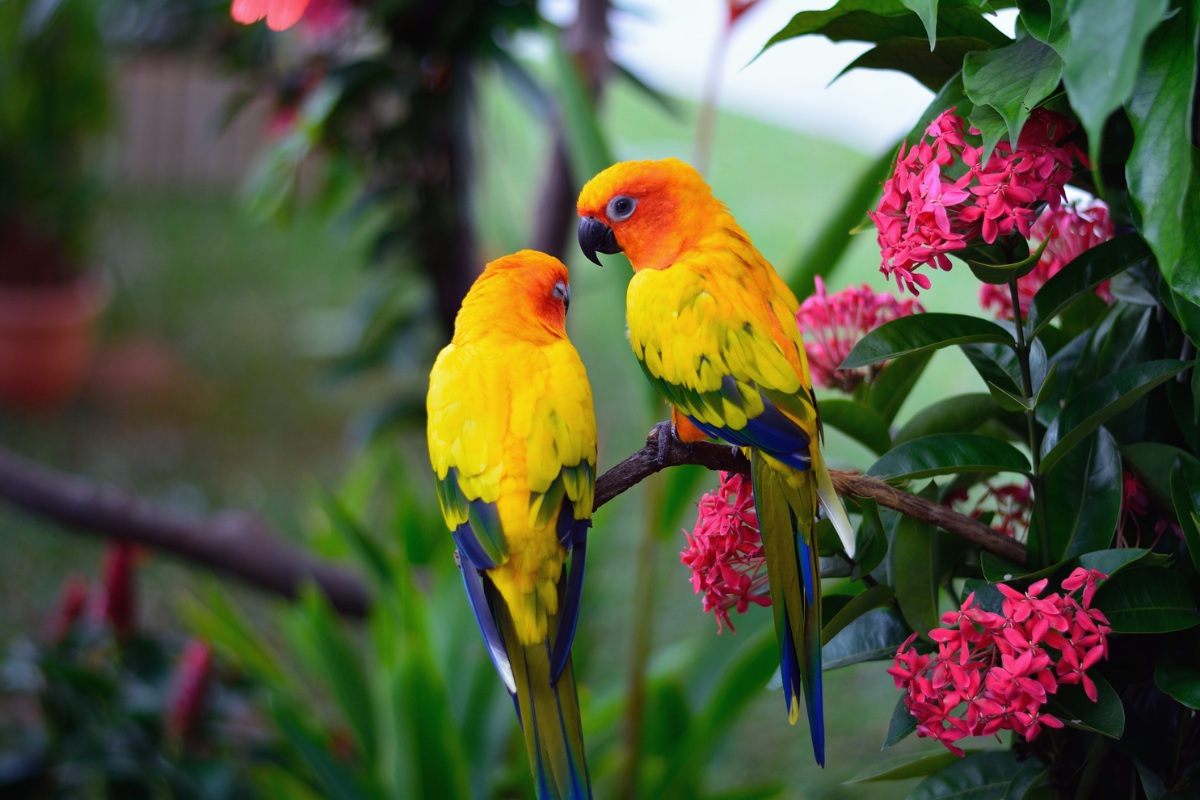
Parrots and macaws are some of the most recognized exotic birds, celebrated for their intelligence, playful behavior, and striking plumage. These birds are native to tropical regions of South America, Africa, and Australasia. Their feathers can display vivid combinations of red, blue, green, and yellow, making them visually stunning and highly sought after in aviculture.
Parrots are renowned for their ability to mimic human speech and environmental sounds, a trait that highlights their advanced cognitive abilities. Macaws, often larger and more colorful, display strong social behaviors, forming tight bonds with mates and flock members. Both parrots and macaws require enriched environments with mental stimulation, social interaction, and a diet rich in fruits, nuts, and seeds.
These birds are long-lived, with some species surviving for several decades, emphasizing the importance of long-term commitment for caretakers. Conservation efforts are crucial, as many wild populations face threats from habitat destruction and illegal capture. Observing or keeping parrots and macaws offers a glimpse into their complex behavior and intelligence.
Toucans and Hornbills
Toucans and hornbills are iconic exotic birds known for their large, colorful bills and striking appearance. Toucans are native to Central and South American rainforests, while hornbills are found primarily in Africa and Asia. Their oversized beaks are not only visually impressive but also highly functional, aiding in feeding, thermoregulation, and social displays.
These birds primarily feed on fruits, though many species supplement their diet with insects, small animals, and eggs. Their bills allow them to reach food in hard-to-access locations, while their strong feet help them maneuver through dense forest canopies. Toucans are social birds, often traveling in small flocks, while hornbills are known for their unique nesting habits, such as sealing the female inside tree cavities during incubation.
Toucans and hornbills also exhibit fascinating vocalizations and social interactions. Their calls can range from melodious tones to loud, raucous sounds that maintain group cohesion or ward off intruders. These behaviors, combined with their striking physical traits, make them standout representatives among types of exotic birds.
Finches and Canaries
Finches and canaries are smaller exotic birds admired for their vibrant colors, melodic songs, and social behavior. Finches, native to regions such as South America, Africa, and Australasia, exhibit a wide range of patterns and colorations, including red, yellow, green, and blue hues. Canaries, originally from the Canary Islands, are prized for their singing ability, particularly male birds during the breeding season.
These birds are primarily seed-eaters, though they may also consume fruits, vegetables, and insects for balanced nutrition. Their feeding habits often involve social foraging, and observing flocks of finches can reveal intricate social hierarchies and communication patterns. Canaries, on the other hand, are often kept individually or in small groups to showcase their vocal skills.
Finches and canaries are relatively low-maintenance compared to larger exotic birds, making them ideal for novice bird enthusiasts. Their breeding behavior, color variations, and song patterns are key attractions, highlighting the variety within smaller types of exotic birds. Proper habitat setup and enrichment are essential to ensure their physical and mental well-being.
Cockatoos
Cockatoos are charismatic exotic birds known for their expressive crests, sociable nature, and affectionate personalities. Native to Australia, Indonesia, and surrounding islands, these birds range from medium to large size and display a variety of colors, including white, pink, black, and gray. Their crests serve as visual signals for communication, expressing excitement, aggression, or curiosity.
Cockatoos are highly intelligent and social, forming strong bonds with their owners or flock members. They require significant attention and mental stimulation to prevent behavioral issues such as feather plucking or excessive vocalization. In the wild, cockatoos feed on seeds, fruits, nuts, and insects, foraging in both trees and on the ground.
Their playful and often mischievous behavior makes them captivating companions, while their ability to mimic sounds and interact socially demonstrates advanced cognitive skills. Cockatoos are long-lived birds, sometimes surviving 50 years or more, emphasizing the need for careful long-term commitment. Their beauty, intelligence, and sociability make them standout examples of exotic birds.
Songbirds and Other Tropical Species
Other tropical species, including songbirds, honeycreepers, and certain pigeons, expand the variety of exotic birds. These species are prized for unique plumage, melodious calls, or rare patterns that make them appealing to bird enthusiasts. Songbirds often exhibit complex vocalizations used for territory establishment, mate attraction, and social interaction.
Many tropical birds have highly specialized diets and behaviors, such as nectar feeding, insect hunting, or fruit foraging. Their lifestyles are closely tied to specific habitats, and seasonal migration is common for some species. Observing these birds in aviaries or in the wild highlights their ecological significance and adaptability.
These birds add diversity to collections and natural habitats, showcasing the range of forms, colors, and behaviors among types of exotic birds. They emphasize the balance between visual appeal and ecological function, demonstrating the interconnectedness of species within tropical ecosystems.
Tropical Birds Known For Vibrant Colors
Tropical birds are some of the most visually striking creatures in the animal kingdom. Known for their brilliant plumage and unique patterns, these birds inhabit lush rainforests, islands, and tropical wetlands. Their vivid colors serve multiple purposes, including attracting mates, signaling social status, and providing camouflage in complex habitats. Exploring these species highlights the diversity and ecological importance of tropical birds with vibrant colors.
Parrots and Macaws
Parrots and macaws are among the most iconic tropical birds recognized for their intense coloration. Native to Central and South America, these birds display a wide array of colors, including red, blue, green, yellow, and orange. Macaws, in particular, often feature bold contrasting colors that make them easily visible in dense forest canopies.
Their bright plumage plays an essential role in courtship and social interaction. Males use color displays to attract females, while groups may use visual cues to maintain cohesion during flight. Parrots are also highly intelligent and social, with behaviors that include vocal mimicry, problem-solving, and cooperative foraging.
These birds are primarily frugivorous, feeding on fruits, nuts, and seeds, though some species also consume small insects. Habitat loss and illegal capture have threatened many parrot and macaw populations, making conservation efforts vital to preserve their brilliant displays and ecological roles.
Toucans
Toucans are another group of tropical birds renowned for their vibrant colors, particularly their oversized, multicolored bills. Found in the rainforests of Central and South America, toucans use their brightly colored bills for feeding, thermoregulation, and communication. The contrast between the bill and black plumage creates a striking appearance that is unmistakably tropical.
Toucans are primarily frugivores, although they supplement their diet with insects, small lizards, and eggs. Their large bills allow them to reach fruits on distant branches and forage efficiently. Socially, toucans travel in small flocks, calling loudly to maintain contact while navigating dense forest canopies.
The visual appeal of toucans extends beyond their bills, as many species display patches of vivid blue, red, or yellow on their feathers. These colors function as visual signals for mates and rivals, showcasing the complex interplay between biology and behavior in tropical birds.
Birds of Paradise
Birds of paradise, native to Papua New Guinea and surrounding islands, are some of the most extraordinary tropical birds known for vibrant colors and elaborate courtship displays. Males often have iridescent feathers, intricate patterns, and elongated plumes used in mating dances. These displays are highly species-specific and attract females based on both color and movement.
These birds inhabit dense rainforests, where bright coloration contrasts with shadowed environments to maximize visibility during courtship. Their diet consists mainly of fruits, supplemented by insects and small animals, providing the energy needed for elaborate displays.
Birds of paradise are also an example of extreme sexual selection. Coloration, feather structure, and courtship behaviors are continuously refined over generations, resulting in a remarkable diversity of forms and hues. Their vibrant plumage and behavioral complexity make them one of the most studied groups of tropical birds.
Hummingbirds
Hummingbirds, primarily found in Central and South America, are celebrated for their brilliant, iridescent feathers. Tiny in size but dazzling in appearance, these birds can reflect sunlight to produce shimmering greens, reds, blues, and purples. Iridescence is achieved through microscopic feather structures that refract light rather than pigments alone.
These birds feed primarily on nectar, hovering precisely in front of flowers while using rapid wingbeats to maintain position. Insects and small spiders provide supplemental protein. Their bright colors play a key role in courtship and territorial defense, with males often displaying flashy feathers to attract mates and intimidate rivals.
Hummingbirds’ combination of size, agility, and vibrant coloration makes them uniquely adapted to tropical habitats. Their feeding behavior also contributes to pollination, illustrating the ecological significance of tropical birds with vibrant colors.
Tanagers and Other Tropical Songbirds
Tanagers and similar tropical songbirds also display vivid colors, ranging from deep blues and bright reds to yellows and oranges. These species are common in South and Central American forests, inhabiting both lowlands and montane regions. Coloration plays a role in mate selection, social hierarchy, and species recognition.
Tanagers primarily feed on fruits and insects, often forming mixed-species flocks to forage efficiently. Their bright colors, combined with melodic calls, make them a favorite among birdwatchers. Seasonal movements and habitat preference influence their visibility, but their striking appearance ensures they stand out in tropical ecosystems.
These songbirds highlight the incredible variety of tropical avian life, combining vibrant coloration with diverse behaviors and ecological roles. Their beauty and adaptability demonstrate the intricate relationship between appearance, habitat, and survival strategies in tropical birds.
Rare And Unique Exotic Birds
Rare and unique exotic birds capture the fascination of bird enthusiasts due to their striking appearance, unusual behaviors, and limited distribution. These birds often inhabit remote or specialized habitats, making them difficult to observe in the wild. Studying these species highlights the incredible diversity of the avian world and emphasizes the importance of conservation to preserve their populations and natural environments.
Kakapo
The kakapo, native to New Zealand, is one of the rarest and most unique exotic birds in the world. This nocturnal, flightless parrot has moss-green plumage that provides excellent camouflage in forested habitats. Kakapos are also known for their large size, owl-like facial discs, and long lifespans, which can exceed 60 years.
Kakapos are critically endangered, with only a small number surviving due to habitat loss, predation by introduced mammals, and low reproductive rates. They feed primarily on native plants, seeds, fruits, and roots, relying on the forest floor for foraging. Their breeding behavior is unusual: males engage in elaborate booming calls during mating season to attract females from great distances.
Conservation programs have focused on predator-free islands, intensive monitoring, and hand-rearing chicks to increase survival rates. The kakapo’s unique combination of flightlessness, nocturnal habits, and remarkable adaptations make it one of the most extraordinary examples of rare exotic birds.
Shoebill
The shoebill, a large wading bird found in swamps of East Africa, is instantly recognizable due to its massive, shoe-shaped bill. This rare exotic bird can grow up to five feet in height and has a striking, prehistoric appearance that often surprises observers. Its plumage is gray-blue, providing excellent camouflage in marshes and wetlands.
Shoebills are solitary hunters, feeding primarily on fish, amphibians, and small reptiles. They exhibit patient hunting techniques, standing motionless for long periods before striking swiftly with their enormous bills. Their slow, deliberate movements and almost prehistoric look contribute to their unique status among tropical birds.
Breeding is slow and seasonal, with pairs nesting on floating vegetation and raising a small number of chicks. Habitat destruction and wetland drainage have made shoebills increasingly rare, highlighting the need for protection of these specialized ecosystems. Their unusual appearance and hunting behavior make them one of the most iconic rare exotic birds.
Harpy Eagle
The harpy eagle is one of the largest and most powerful raptors in the world, found in Central and South American rainforests. Its striking features include massive talons, a prominent feathered crest, and a robust body designed for hunting medium-sized mammals and birds. These adaptations make it a unique predator among exotic birds.
Harpy eagles are apex predators, feeding on monkeys, sloths, and other arboreal animals. They require large territories with dense forest cover for hunting and nesting. The rarity of suitable habitats, along with deforestation, has led to declining populations, making the harpy eagle a rare and highly sought-after bird for observation in the wild.
Nesting involves building large platforms high in trees, where females incubate eggs and raise chicks with assistance from the male. The harpy eagle’s combination of size, hunting prowess, and striking appearance underscores its uniqueness among tropical birds.
Nicobar Pigeon
The Nicobar pigeon, native to small islands of Southeast Asia, is another rare and unique exotic bird. Its iridescent plumage, displaying green, blue, and copper hues, makes it visually stunning. Unlike common pigeons, the Nicobar pigeon inhabits remote island forests, which contributes to its rarity.
These pigeons feed on seeds, fruits, and small invertebrates, often foraging in flocks. They are strong fliers, capable of traveling between islands in search of food. Their isolated habitats and limited distribution make them highly vulnerable to hunting, habitat loss, and introduced predators.
The Nicobar pigeon is also notable for its evolutionary significance, being closely related to the extinct dodo. Its combination of vivid coloration, island-specific adaptations, and ecological importance makes it one of the most remarkable rare exotic birds.
Conclusion of Section
Rare and unique exotic birds showcase the extraordinary diversity of the avian world. From nocturnal parrots and massive raptors to prehistoric-looking waders and iridescent pigeons, these birds demonstrate specialized adaptations that allow them to survive in unique habitats. Studying and conserving these species not only highlights their beauty and ecological role but also emphasizes the importance of protecting fragile ecosystems for future generations.
Habitat And Care Requirements
Proper habitat and care are essential for the health and longevity of exotic birds. Whether kept in aviaries, sanctuaries, or private homes, these birds require environments that replicate their natural habitats as closely as possible. Adequate space, temperature, humidity, perches, and enrichment ensure physical well-being, mental stimulation, and natural behaviors, which are critical for both survival and happiness.
Space And Housing
Exotic birds need spacious and secure housing that allows free movement and flight. Cage size should be proportional to the bird’s wingspan, with larger species like macaws, cockatoos, and parrots requiring substantial vertical and horizontal space. Aviaries are ideal for providing open-air flight while keeping the birds safe from predators.
Proper housing also includes multiple perches of varying sizes and textures to maintain foot health and encourage natural climbing and gripping behaviors. Materials for cages or aviaries should be non-toxic, durable, and easy to clean. Enclosures must provide safety from drafts, excessive sunlight, and sudden temperature changes.
Housing design should allow for social interaction, either with other birds or caretakers, depending on species. For highly social birds like cockatoos or parrots, lack of interaction can lead to stress or behavioral issues. Environmental enrichment such as toys, swings, and foraging opportunities keeps birds engaged and mentally stimulated.
Temperature And Humidity
Many exotic birds originate from tropical and subtropical climates, meaning temperature and humidity are critical for their health. Maintaining a stable temperature range prevents stress and illness. Most tropical birds thrive in temperatures between 70°F and 85°F with moderate to high humidity levels.
Humidity affects feather condition, skin hydration, and respiratory health. Dry air can lead to feather plucking, cracked beaks, or respiratory infections. Misting systems, humidifiers, or access to bathing areas help replicate natural conditions. Seasonal adjustments may be necessary for species that are adapted to subtropical climates with slight variations in temperature and rainfall.
Monitoring environmental conditions also reduces the risk of stress-related behaviors, including excessive vocalization or aggression. Caretakers must provide shaded areas, temperature gradients, and ventilation to mimic natural habitats while maintaining safety. Proper temperature and humidity support immune function, feather quality, and overall well-being.
Diet And Nutrition
Providing a balanced diet is critical for exotic birds’ health. Many species require a mix of fruits, vegetables, seeds, nuts, and specialized pellets. Diet must be tailored to species-specific needs, as some birds, like macaws, need high-fat nuts, while others, such as finches, rely on seed blends.
Fresh produce provides essential vitamins and minerals, while seeds and pellets supply energy and protein. Avoiding processed human foods, chocolate, caffeine, and avocado is vital, as these can be toxic. Birds should always have access to clean, fresh water for drinking and bathing.
Feeding should also incorporate natural foraging behavior. Using foraging toys, puzzle feeders, and scattering food encourages exercise, mental stimulation, and problem-solving. This approach mimics natural feeding habits, reduces boredom, and promotes a healthier lifestyle.
Social And Behavioral Needs
Exotic birds are often highly social and intelligent, requiring daily interaction to prevent loneliness and stress. Social species, such as cockatoos and parrots, thrive on companionship, either with other birds or with human caretakers. Lack of socialization can lead to feather plucking, excessive screaming, and destructive behavior.
Behavioral enrichment is essential. Toys, swings, climbing structures, and interactive training sessions help maintain cognitive function and prevent boredom. Observing natural behaviors, such as preening, vocalizing, and flying, ensures birds remain mentally and physically active.
For more solitary species, providing safe retreats and perches away from high traffic areas allows them to exhibit natural behaviors without stress. Understanding species-specific social needs is crucial for maintaining harmonious habitats and promoting long-term health.
Health Monitoring And Maintenance
Regular health checks, proper hygiene, and veterinary care are critical components of exotic bird care. Birds require routine cleaning of cages, perches, and feeding areas to prevent bacterial and fungal infections. Observing daily behavior, appetite, and droppings helps detect early signs of illness.
Preventive care includes nail and beak maintenance, parasite control, and vaccinations if applicable. Working with avian veterinarians ensures proper diet, habitat adjustments, and treatment for any emerging health concerns. Early intervention can prevent minor issues from becoming life-threatening.
Providing an environment that replicates natural habitats while meeting all care requirements supports both physical and mental well-being. Adequate space, proper climate, balanced nutrition, social interaction, and consistent health monitoring are essential for keeping exotic birds healthy, active, and thriving.
Breeding And Lifespan Of Exotic Birds
Breeding and lifespan are critical aspects of understanding exotic birds, both for enthusiasts and conservationists. Different species exhibit unique reproductive behaviors, nesting requirements, and maturity timelines, which influence population stability. Lifespan varies widely among exotic birds, depending on species, habitat, diet, and care. Studying these factors provides insight into their biology, long-term care, and ecological roles.
Breeding Behaviors And Courtship
Exotic birds display diverse breeding behaviors and courtship rituals. Many species, such as parrots and cockatoos, engage in elaborate displays involving vocalizations, feather flaring, dancing, or synchronized movements to attract mates. These rituals demonstrate social intelligence and help strengthen pair bonds, which are essential for successful reproduction.
Courtship behaviors often include feeding displays, where males present food to females, and nest-site demonstrations, showing suitability for raising chicks. Some species are monogamous, maintaining long-term pair bonds, while others may form seasonal partnerships. Breeding readiness is influenced by environmental cues such as daylight duration, temperature, and food availability.
Juvenile and sexually mature birds exhibit different behaviors during breeding season. Observing these rituals is important for breeders and caretakers to ensure proper mating conditions, prevent aggression, and maximize reproductive success. Courtship behavior highlights both the complexity and individuality of exotic bird species.
Nesting Requirements
Nesting is a vital part of the breeding cycle, and exotic birds have highly specific requirements depending on species. Some birds, like macaws and cockatoos, prefer tree cavities or elevated nesting boxes, while smaller birds, such as finches and canaries, build nests with soft materials in concealed locations.
Environmental factors, such as temperature, humidity, and space, directly influence nesting success. Proper nesting conditions reduce stress, prevent egg damage, and improve hatchling survival rates. Materials like twigs, leaves, feathers, or shredded paper can simulate natural nesting environments for captive birds.
Parental involvement varies widely. In some species, both parents care for eggs and chicks, while in others, only one parent incubates or feeds the young. Providing secure, enriched, and quiet nesting areas encourages natural behaviors, increases breeding success, and promotes chick health.
Egg Incubation And Rearing
Egg incubation is a critical stage in the reproductive process of exotic birds. Most species incubate eggs for several weeks, maintaining optimal temperature and humidity through body warmth or environmental adjustments in captivity. The duration varies significantly depending on species, ranging from 10 days in small finches to 30 days or more in larger parrots.
After hatching, chicks are typically altricial, requiring extensive parental care. Feeding involves regurgitated food or specialized diets in captivity to provide essential nutrients. Parents or caretakers must monitor chick growth, ensuring they receive adequate hydration, warmth, and nutrition.
Social learning plays a role in chick development. Young birds observe feeding, vocalizations, and interactions from parents, gradually acquiring the skills necessary for independent survival. Proper care during this stage influences long-term health, behavior, and adaptability.
Lifespan Variations
The lifespan of exotic birds varies widely by species, size, and environmental factors. Smaller birds, like finches and canaries, may live 5 to 15 years, while larger parrots, macaws, and cockatoos can live 40 to 80 years or more under optimal conditions. Exceptional care, diet, and social interaction significantly extend their lifespan.
Long-lived species require a commitment from caretakers, as these birds form strong bonds with mates and owners. Lifespan is influenced by genetics, nutrition, disease prevention, mental stimulation, and environmental stability. Captive conditions often enhance longevity by reducing predation, providing consistent food, and ensuring veterinary care.
Understanding lifespan helps owners plan for long-term responsibilities, including housing, enrichment, and healthcare. It also underscores the importance of sustainable breeding practices and conservation efforts for species threatened in the wild.
Factors Affecting Reproductive Success
Reproductive success in exotic birds depends on multiple factors, including age, health, diet, environment, and social compatibility. Stress, inadequate nesting sites, or poor nutrition can reduce egg production, hatchling survival, and overall breeding performance.
Monitoring reproductive cycles, providing enriched environments, and pairing compatible mates are crucial for successful breeding. Seasonal changes, light exposure, and temperature regulation also play vital roles in triggering mating behavior. Proper husbandry practices help ensure that exotic birds can reproduce naturally and maintain healthy populations.
By understanding breeding behaviors, incubation, rearing, and lifespan variations, enthusiasts and conservationists can provide optimal care for exotic birds. These insights allow for responsible ownership, successful captive breeding, and effective preservation of rare and unique species.
FAQs
What Are Types Of Exotic Birds?
Types of exotic birds refer to species that are rare, colorful, or originate from tropical and subtropical regions outside your local area. These birds often have unique behaviors, vivid plumage, and specialized diets. Examples include parrots, macaws, toucans, cockatoos, and finches.
Exotic birds are typically kept as pets or observed in wildlife reserves, and each type has specific care and habitat requirements. Understanding the different types helps enthusiasts appreciate their ecological roles, intelligence, and social behaviors. Identifying types of exotic birds also guides responsible ownership and conservation efforts.
How Do I Identify Different Types Of Exotic Birds?
You can identify types of exotic birds by examining their size, color, beak shape, vocalizations, and behaviors. Parrots and macaws are known for bright, multicolored feathers and strong curved beaks. Toucans have oversized, colorful bills, while finches and canaries are smaller with distinct songs.
Behavior is also a key identifier. For example, parrots may mimic sounds, cockatoos display expressive crests, and birds of paradise perform elaborate courtship dances. Knowing their natural habitats, diet preferences, and social interactions helps distinguish among types of exotic birds.
What Are The Most Popular Types Of Exotic Birds?
Some of the most popular types of exotic birds include parrots, macaws, cockatoos, toucans, and finches. Parrots are favored for intelligence and mimicry, while macaws impress with large size and vibrant feathers. Cockatoos are social and affectionate, making them popular companion birds.
Toucans and finches are admired for their striking appearance and melodic songs. These birds are often chosen for aviaries or as pets, though their care requirements vary widely. Popularity is influenced by color, behavior, lifespan, and ease of care among the different types of exotic birds.
Where Do Exotic Birds Usually Live?
Exotic birds typically live in tropical and subtropical regions, including rainforests, islands, wetlands, and mountainous areas. Parrots and macaws are often found in South American forests, toucans in Central and South America, and cockatoos in Australia and surrounding islands.
Habitat affects their behavior, diet, and social structure. Many species require dense tree canopies for nesting, open water for feeding, or isolated islands to avoid predators. Understanding natural habitats helps in creating proper enclosures and maintaining the health of exotic birds in captivity.
What Do Types Of Exotic Birds Eat?
The diet of exotic birds varies by type. Parrots and macaws eat fruits, nuts, seeds, and sometimes insects. Toucans mainly consume fruits and small animals, while finches and canaries rely on seeds, grains, and occasional insects. Cockatoos prefer nuts, berries, and plant material.
Feeding habits are closely tied to natural behaviors. Providing a diet that replicates what they would eat in the wild ensures proper nutrition, prevents disease, and supports natural foraging instincts. A well-balanced diet is essential for maintaining feather quality, energy, and overall health of exotic birds.
How Long Do Exotic Birds Live?
The lifespan of exotic birds varies widely depending on species, size, and care. Small birds like finches and canaries may live 5–15 years, while parrots, macaws, and cockatoos can live 40–80 years or more. Some species, like certain macaws, have been recorded to live over 100 years in captivity.
Lifespan depends on proper diet, social interaction, mental stimulation, and habitat quality. Regular veterinary care and enrichment help prevent illness and stress. Knowing the lifespan of different types of exotic birds is essential for long-term planning and responsible care.
Final Thoughts
Exotic birds are among the most fascinating creatures you can encounter, showcasing an incredible diversity of colors, shapes, and behaviors. From vibrant parrots and macaws to rare species like the kakapo, these birds capture attention and inspire admiration. Observing them allows you to appreciate their unique adaptations, intelligence, and social behaviors, which make them stand out from more common bird species.
Understanding the different care needs of types of exotic birds is essential for anyone considering them as pets or observing them in the wild. Proper nutrition, suitable habitats, and mental stimulation are crucial for maintaining their health and happiness. Learning about their specific requirements ensures that you can support their well-being while enjoying their beauty and companionship.
Types of exotic birds also play important roles in ecosystems, helping with seed dispersal and maintaining ecological balance. By appreciating and protecting these remarkable creatures, you help preserve biodiversity and ensure that future generations can continue to marvel at their extraordinary colors, behaviors, and presence in nature.