Types of Beaks of Birds: Shapes, Functions, and Adaptations for Feeding and Survival
Birds are remarkable creatures, and one of the most distinctive features that sets them apart is their beak. The shape, size, and structure of a bird’s beak play a crucial role in its survival, feeding habits, and interaction with the environment. Understanding the different forms and adaptations provides insight into how birds have evolved to thrive in diverse habitats. Types of beaks of birds vary widely, reflecting their specialized functions—from cracking seeds and tearing flesh to probing flowers and catching insects.
Observing these variations not only helps in identifying bird species but also reveals the incredible diversity of feeding strategies and ecological roles. Studying beak types offers a window into evolutionary design, showing how anatomy and behavior work together to ensure birds meet their nutritional needs and navigate their surroundings effectively.
Types of Beaks of Birds
Bird beaks are among the most fascinating adaptations in the animal kingdom, reflecting the incredible diversity of feeding habits, habitats, and evolutionary strategies. Their shapes, sizes, and functions vary depending on diet, behavior, and ecological niche. Types of beaks of birds include specialized designs for cracking seeds, tearing flesh, probing flowers, catching fish, and more. Studying these beak types helps understand not only species identification but also how birds survive, interact with their environment, and adapt to changing ecosystems.
Seed-Cracking Beaks
Seed-cracking beaks are short, thick, and strong, perfectly designed for birds that feed primarily on hard seeds and nuts. He or she relies on these robust beaks to exert pressure and break open tough outer shells. Examples include finches, grosbeaks, and some sparrows. The shape and muscular structure of the beak allow precise control when handling seeds, enabling the bird to access nutrition that might be unavailable to other species.
These beaks are not just functional but highly specialized. Their strength is complemented by jaw muscles that provide the necessary force, while the pointed tip allows manipulation of small seeds. Observing seed-cracking beaks provides insight into feeding behavior, energy requirements, and competition among species. Birds with these beaks often inhabit areas where seeds are abundant, and their evolutionary adaptation has ensured survival in diverse ecosystems.
Probing Beaks
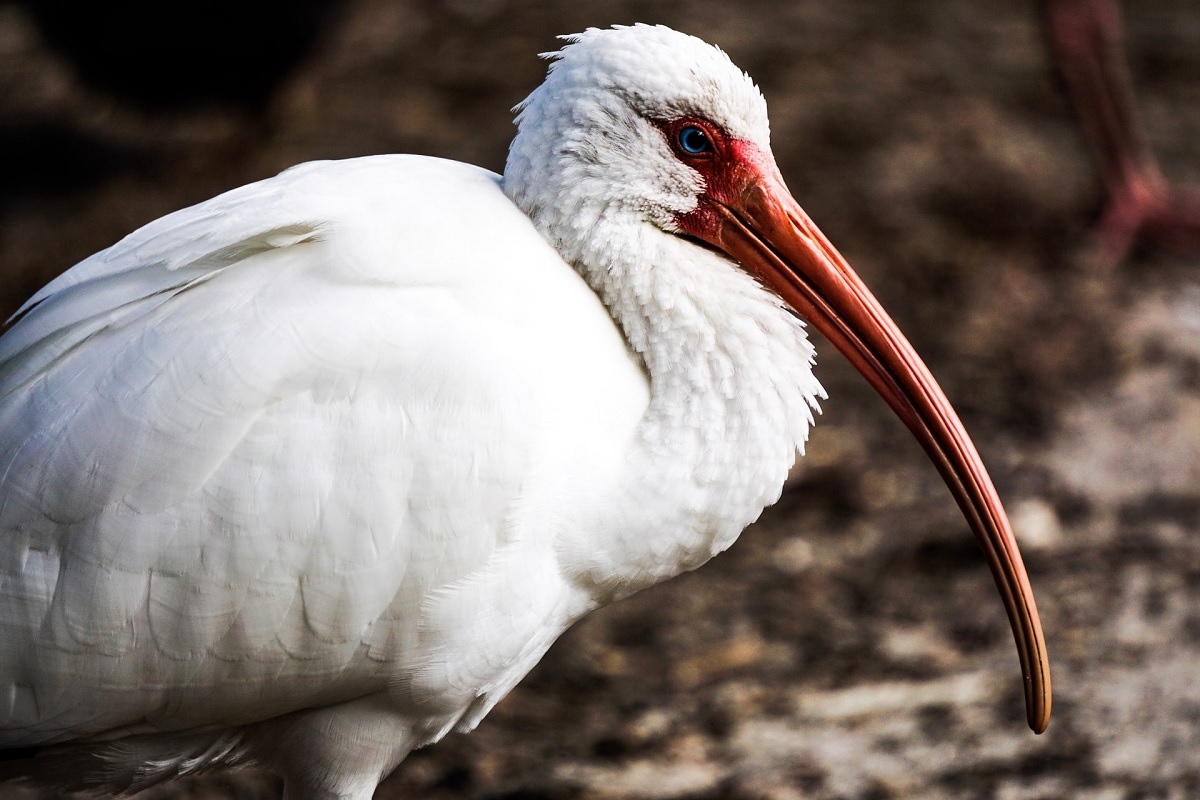
Probing beaks are long, slender, and often slightly curved, designed for extracting insects, nectar, or small invertebrates from narrow spaces. He or she may see these beaks in species such as hummingbirds, sandpipers, and ibises. The length and shape allow access to food sources hidden in flowers, soil, or mud, giving these birds a unique feeding advantage. Probing beaks are a prime example of evolutionary specialization, enabling birds to exploit niches unavailable to those with other beak types.
The versatility of probing beaks is enhanced by tactile sensitivity, allowing precise detection of prey. In nectar-feeding birds like hummingbirds, the beak works in tandem with the tongue to extract fluids efficiently. Shorebirds use probing beaks to reach invertebrates buried in sand or mud, demonstrating how physical adaptation meets ecological needs. This type of beak shows the intricate link between form and function, highlighting the dynamic interaction between anatomy and environment.
Tearing Beaks
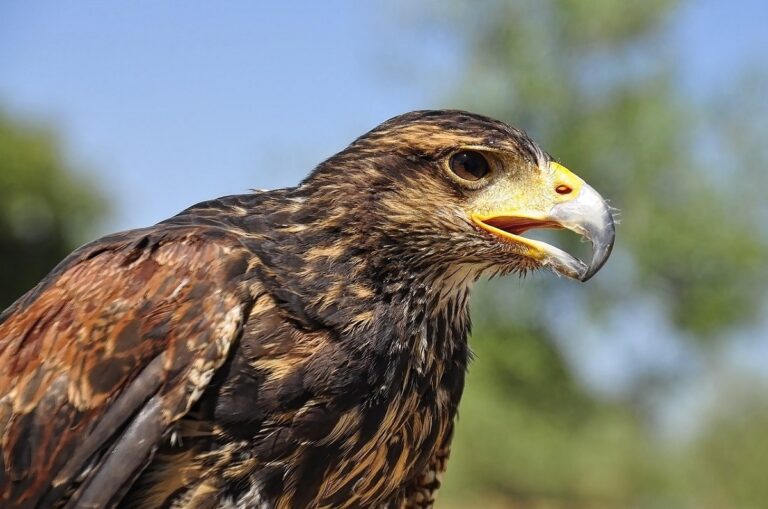
Tearing beaks are strong, hooked, and sharp, adapted for carnivorous diets, particularly for birds that consume meat. He or she may find these beaks in raptors such as eagles, hawks, and owls. The hook at the tip allows the bird to grip, tear, and dismember prey efficiently, while the overall structure provides strength for handling struggling animals. Tearing beaks are a hallmark of predatory species, reflecting the evolutionary demands of hunting and consuming animal tissue.
These beaks also aid in defense and competition. The curved tip allows precision in removing flesh from bone, while the powerful base provides leverage and force. Raptors’ tearing beaks complement talons and keen eyesight, creating a comprehensive predatory toolkit. Studying these beaks highlights the relationship between diet, hunting strategy, and anatomical adaptation, showing how form facilitates survival in predatory niches.
Fishing Beaks
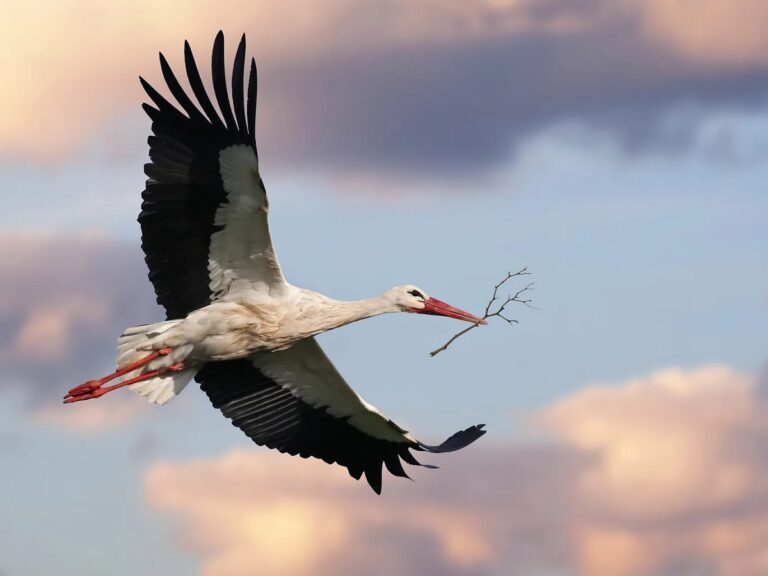
Fishing beaks are long, pointed, and often slightly flattened, designed to catch and hold slippery prey like fish. He or she may observe these beaks in species such as herons, kingfishers, and pelicans. The pointed tip pierces fish, while the beak’s length allows birds to reach into water from a distance. Some fishing birds also have specialized adaptations, such as expandable throat pouches or serrated edges, to help secure their aquatic prey.
Fishing beaks reflect the challenges of aquatic hunting. Birds must strike accurately, handle struggling prey, and sometimes extract food from water rapidly. The structural adaptations of the beak work in harmony with vision, neck length, and body posture to maximize hunting efficiency. Observing fishing beaks demonstrates how anatomical specialization allows birds to exploit specific ecological niches, providing insights into evolutionary pressures and habitat selection.
Filter-Feeding Beaks
Filter-feeding beaks are broad, flat, and equipped with lamellae or comb-like structures, allowing birds to strain small organisms from water. He or she may see these beaks in species such as ducks, flamingos, and some pelicans. The beak structure enables separation of edible matter from mud, silt, or water, providing a specialized feeding strategy that reduces competition for resources. Filter-feeding beaks highlight evolutionary innovation in exploiting abundant yet challenging food sources.
These beaks also allow efficient foraging in flocks, where birds feed together without depleting a single area quickly. Flamingos, for instance, invert their beaks to filter algae and small crustaceans, demonstrating precise control and coordination. Ducks use lamellae to sieve plankton and plant matter from shallow water. Understanding filter-feeding beaks provides insight into the complex relationship between morphology, feeding behavior, and ecological adaptation.
Chiseling Beaks
Chiseling beaks are strong, pointed, and reinforced, designed for drilling into wood to find insects or create nesting cavities. He or she may notice these beaks in woodpeckers and some specialized finches. The beak acts as both a tool and a weapon, capable of removing bark and accessing hidden prey. The structural strength and shock absorption in the skull protect the bird during repeated impacts, illustrating a remarkable evolutionary adaptation.
Chiseling beaks are closely linked to behavior. Woodpeckers combine beak action with specialized tongues to extract insects efficiently, while cavities created also serve as nests, showing multifunctional use. The pointed, reinforced design reflects selective pressures for survival in arboreal habitats, providing both sustenance and shelter. Studying chiseling beaks emphasizes the interplay of anatomy, behavior, and ecological requirements in birds’ evolutionary success.
Scoop and Spatulate Beaks
Scoop and spatulate beaks are wide, flattened, and often rounded at the tip, adapted for foraging in water or mud. He or she may observe these beaks in birds like spoonbills and ibises. The shape allows efficient scooping of crustaceans, small fish, and other invertebrates while wading. The beak’s surface area maximizes food capture, demonstrating another specialized adaptation to habitat and diet.
These beaks also reflect sensory adaptation. Many scoop-beaked birds have tactile receptors that detect prey while submerged, allowing feeding without visual confirmation. The broad shape aids in sifting water, mud, or sand, making feeding efficient and minimizing energy expenditure. Observing scoop and spatulate beaks highlights how structure meets functional requirements in diverse environments, illustrating evolutionary creativity in avian design.
Evolutionary Adaptations
Birds have evolved an astonishing array of adaptations to survive and thrive in diverse environments. These evolutionary adaptations influence their anatomy, behavior, and ecological roles. Beaks, wings, feathers, and skeletal structures have all changed over millions of years to enhance feeding efficiency, mobility, and protection. Studying evolutionary adaptations reveals how natural selection shapes survival strategies and species diversity. Understanding these adaptations helps explain why birds display such a wide range of feeding methods, habitats, and behaviors.
Beak Adaptations
Beaks are one of the most visible evolutionary adaptations in birds. He or she can observe that beak shapes and sizes are highly specialized to match diet and feeding habits. Seed-eating birds have thick, strong beaks for cracking hard shells, while nectar-feeding birds have long, slender beaks for accessing flowers. Predatory birds possess hooked beaks for tearing flesh, and wading birds often have long, pointed beaks for probing mud and shallow water.
These adaptations are not only about feeding but also survival. Beak structure allows birds to exploit specific ecological niches, reduce competition, and enhance reproductive success. Over time, natural selection favors beak shapes that maximize efficiency in obtaining food, leading to remarkable diversity across species. Observing these adaptations provides insight into the evolutionary pressures that shaped each bird’s lifestyle and environment.
Wing and Flight Adaptations
Wings are another critical evolutionary adaptation that allows birds to fly, glide, or maneuver in their habitats. He or she may notice variations in wing shapes—short, rounded wings for quick takeoffs, long, pointed wings for sustained flight, and broad wings for soaring. Each adaptation serves a specific ecological purpose, enhancing mobility, hunting efficiency, or migration capacity.
Flight adaptations also involve skeletal and muscular modifications. Lightweight bones, strong chest muscles, and aerodynamic feathers contribute to energy-efficient flight. These traits are finely tuned through evolution to meet environmental challenges, such as escaping predators, seeking food, or traveling long distances. Studying wing adaptations highlights the intricate relationship between anatomy, behavior, and survival strategies in birds.
Feather and Plumage Adaptations
Feathers are multifunctional evolutionary adaptations that provide insulation, camouflage, communication, and flight capability. He or she may observe that feather color and pattern often serve as camouflage to avoid predators or as displays during mating rituals. Specialized feathers, such as those for silent flight in owls, enhance hunting efficiency, while waterproof feathers help aquatic birds thrive in wet environments.
Feathers also contribute to thermoregulation, allowing birds to maintain body temperature in varying climates. Evolution has fine-tuned feather structure, placement, and color to maximize survival and reproductive success. Studying feather adaptations illustrates how morphology, behavior, and environmental pressures interact, providing a comprehensive understanding of avian evolution and ecological strategy.
Behavioral and Ecological Adaptations
Behavioral adaptations complement physical traits, helping birds survive in their ecological niches. He or she may observe that migration, nesting behavior, foraging strategies, and social interactions all evolve to increase survival and reproductive success. Birds adjust their behavior in response to predators, food availability, and seasonal changes, demonstrating flexibility and intelligence.
Ecological adaptations include habitat selection and diet specialization, which reduce competition and increase resource efficiency. For example, some birds feed exclusively on insects, while others focus on seeds or nectar. These behavioral strategies work alongside physical adaptations, forming an integrated system that enhances survival. Studying these adaptations highlights the dynamic interplay between evolution, environment, and species diversity.
FAQs
What Are The Main Types Of Beaks In Birds?
Birds have evolved a wide variety of beak types to match their diets and habitats. He or she can observe seed-cracking beaks for hard seeds, probing beaks for insects or nectar, tearing beaks for meat, and fishing beaks for catching aquatic prey. Other types include filter-feeding, chiseling, and scoop-shaped beaks. Each type reflects a specialized function that enhances survival and efficiency in feeding. Understanding the main types of beaks helps you identify bird species and appreciate the evolutionary adaptations that allow birds to thrive in diverse ecological niches.
How Do Seed-Cracking Beaks Function?
Seed-cracking beaks are short, thick, and powerful, allowing birds to open hard shells and extract seeds. He or she can see these beaks in finches, grosbeaks, and some sparrows. The beak’s strength is complemented by jaw muscles that provide the necessary force to break tough seed coatings. Seed-cracking beaks also allow precise handling of small seeds, giving birds access to food sources unavailable to other species. Observing these beaks helps you understand how diet and ecological pressures shape physical adaptations in birds.
What Are Probing Beaks Used For?
Probing beaks are long, slender, and often slightly curved, designed for extracting insects, nectar, or small invertebrates from narrow spaces. He or she may notice these beaks in hummingbirds, sandpipers, and ibises. Their length and shape allow access to food hidden in flowers, soil, or mud, giving these birds a unique feeding advantage. The combination of beak length and tactile sensitivity ensures efficient feeding while minimizing energy expenditure, demonstrating how evolution tailors anatomy to ecological needs.
How Do Tearing Beaks Help Predatory Birds?
Tearing beaks are strong, hooked, and sharp, adapted for carnivorous diets. He or she can find these beaks in eagles, hawks, and owls. The hooked tip allows birds to grip, tear, and dismember prey efficiently, while the overall structure provides strength for handling struggling animals. Tearing beaks are essential for hunting, feeding, and even defense. Studying these beaks highlights the relationship between diet, predatory behavior, and anatomical specialization, showing how evolution has shaped birds to thrive as effective hunters in their respective habitats.
What Is Special About Filter-Feeding Beaks?
Filter-feeding beaks are broad, flat, and equipped with lamellae or comb-like structures that allow birds to strain small organisms from water. He or she may see these beaks in ducks, flamingos, and some pelicans. The design allows efficient separation of edible matter from mud, silt, or water, reducing competition for resources. These beaks highlight evolutionary innovation, enabling birds to exploit abundant but challenging food sources. Observing filter-feeding beaks shows how structural adaptations maximize feeding efficiency while minimizing energy expenditure in aquatic or marsh environments.
How Do Chiseling And Scoop Beaks Differ?
Chiseling beaks are strong, pointed, and reinforced, designed for drilling into wood to find insects or create nesting cavities, seen in woodpeckers. Scoop or spatulate beaks, seen in spoonbills and ibises, are wide and flattened for foraging in water or mud. He or she can observe that chiseling beaks focus on precision and impact resistance, while scoop beaks maximize surface area for capturing aquatic prey. Both types demonstrate how evolution shapes beak structure to meet specific feeding and ecological needs, reflecting the diversity of avian adaptations.
Conclusion
The diversity of bird beaks reflects the incredible adaptability of avian species to their environments and diets. Each shape and structure is finely tuned to perform specific functions, from cracking seeds and catching insects to probing flowers for nectar or hunting fish. Understanding these variations provides insight into how birds survive, thrive, and interact with their ecosystems.
Observing different species demonstrates the relationship between form and function, showing how evolutionary pressures shape feeding strategies and behaviors. For anyone studying or appreciating birds, learning about types of beaks of birds highlights the connection between anatomy and survival skills. Recognizing these differences not only aids in species identification but also deepens our appreciation for the evolutionary ingenuity of birds, illustrating the remarkable ways in which nature equips animals to meet the challenges of their habitats.