Types of Beach Birds: Identification, Habits, and Coastal Behavior
Beaches are home to a remarkable variety of bird species that have adapted to the unique challenges of coastal life. He or she can observe how these birds navigate shifting sands, tides, and wind to find food, shelter, and nesting areas. From small shorebirds that dart along the water’s edge to larger seabirds soaring above the waves, the diversity of forms, behaviors, and colors is truly fascinating.
He or she can notice that these birds play important ecological roles, such as controlling insect populations, cleaning up organic debris, and dispersing seeds along the coastline. Understanding the behaviors, feeding habits, and habitats of different species allows for a deeper appreciation of coastal ecosystems. Exploring the types of beach birds reveals both the resilience and adaptability of wildlife living in dynamic coastal environments, while highlighting the connection between people and the natural beauty of seaside habitats.
Types of Beach Birds
Beaches and coastal areas host a diverse range of bird species that have adapted to the dynamic environments of sand, surf, and tidal zones. He or she can notice that these birds vary widely in size, behavior, and feeding habits, from tiny shorebirds that scuttle along the water’s edge to larger seabirds that soar above the waves. Each species has unique adaptations that allow it to thrive on beaches, including specialized beaks, legs, and plumage. Understanding the types of beach birds provides insight into ecological roles, habitat preferences, and survival strategies, highlighting the remarkable resilience and diversity of coastal wildlife.
Shorebirds
Shorebirds are small to medium-sized birds that frequent sandy and muddy beaches, tidal flats, and estuaries. He or she can observe species such as sandpipers, plovers, and snipe using their long, slender beaks to probe the sand for invertebrates, crustaceans, and small mollusks. Their legs are often long and adapted for wading, allowing them to navigate shallow waters while searching for food.
These birds are highly mobile, often migrating long distances between breeding and wintering grounds. He or she can notice that shorebirds rely on camouflage and quick movements to avoid predators. Many species form large flocks, which improves foraging efficiency and provides safety in numbers. The behaviors and adaptations of shorebirds highlight their ability to exploit the intertidal ecosystem efficiently, demonstrating a balance between predator avoidance and feeding success.
Shorebirds also play an essential ecological role by controlling populations of invertebrates and facilitating nutrient cycling. He or she can witness these birds contributing to the health of beach ecosystems, which supports both wildlife and human activities along coastlines. Observing shorebirds provides a window into the resilience and intricate interactions that define coastal environments.
Gulls and Terns
Gulls and terns are among the most recognizable beach birds, often seen soaring above waves or scavenging along the shoreline. He or she can identify gulls by their robust bodies, broad wings, and opportunistic feeding habits, while terns are typically smaller, more agile, and known for their graceful diving techniques to catch fish.
These birds are highly adaptable, thriving in diverse coastal environments and often interacting closely with human populations. He or she can notice that gulls will feed on discarded food, while terns focus more on live prey, demonstrating varied foraging strategies within beach ecosystems. Both groups exhibit complex social behaviors, including nesting in colonies and performing coordinated defense against predators.
Gulls and terns also play critical ecological roles. He or she can see them contributing to nutrient redistribution, prey population control, and even serving as indicators of environmental health. Their adaptability, intelligence, and social dynamics make them central figures in the coastal avian community, and observing them reveals how wildlife can thrive in both natural and human-influenced beach habitats.
Pelicans and Cormorants
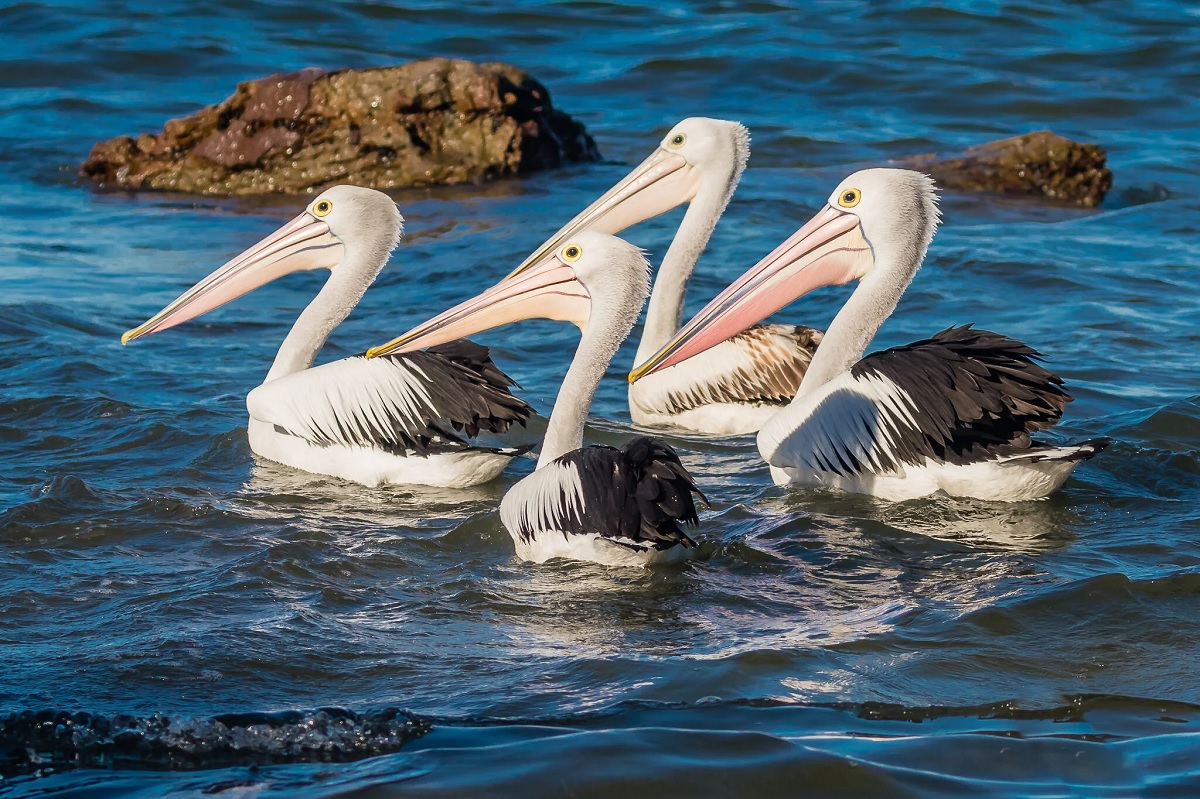
Pelicans and cormorants are larger seabirds commonly found near coasts and estuaries. He or she can observe pelicans using their iconic pouched bills to scoop up fish in cooperative hunting efforts, while cormorants are adept divers, pursuing prey underwater with remarkable agility.
These species are highly dependent on aquatic environments for feeding but can also be seen resting on sandbars, rocks, or piers. He or she can notice that their plumage, webbed feet, and strong wings reflect adaptations for swimming, diving, and long-distance flight. Breeding behaviors often involve large colonies, where nests are built on the ground, in trees, or on cliffs, providing safety and proximity to abundant food sources.
Pelicans and cormorants play important ecological roles, regulating fish populations and serving as bioindicators of marine health. He or she can appreciate their skillful hunting techniques, social interactions, and remarkable adaptability, which make them highly visible and influential components of beach and coastal ecosystems.
Sandpipers and Plovers
Sandpipers and plovers are small, agile shorebirds commonly seen running along tidal edges and sandy flats. He or she can notice that sandpipers often have slender, slightly curved bills for probing, while plovers have short, stout bills for picking prey from the surface. Their plumage typically blends with sandy environments, providing camouflage against predators.
These birds are highly active, moving constantly in search of crustaceans, worms, and other invertebrates exposed by tides. He or she can observe their characteristic quick steps, abrupt stops, and synchronized flock movements, which enhance both foraging efficiency and predator awareness. Many species undertake long migratory journeys, relying on coastal stopover sites to refuel.
Sandpipers and plovers contribute to ecosystem health by controlling invertebrate populations and aerating the sand through their feeding. He or she can appreciate how these birds’ behaviors and adaptations exemplify the delicate balance between survival, feeding strategies, and environmental dependence in beach habitats.
Shoreline Specialists
Some beach birds, like oystercatchers and avocets, specialize in foraging for specific prey types, such as mollusks, clams, and small crustaceans. He or she can notice their specialized bills and feeding techniques, such as prying shells apart or sweeping shallow water with their upward-curved bills.
These specialists often have distinct habitats, including rocky shores, mudflats, and tidal pools, requiring precise adaptations to access food efficiently. He or she can see that their long legs, sharp vision, and coordinated foraging behavior allow them to thrive in areas where other birds may struggle.
Shoreline specialists also contribute to ecosystem health by regulating prey populations and shaping intertidal community dynamics. He or she can understand how these birds exemplify evolutionary adaptation and ecological specialization, highlighting the intricate relationships that sustain coastal biodiversity.
Seabirds of Open Waters
Seabirds such as skimmers, shearwaters, and gulls often forage offshore but return to beaches for nesting or roosting. He or she can observe their remarkable flight capabilities, long-distance navigation, and social structures. Many species form large colonies on isolated beaches, cliffs, or islands, reducing predation risk and facilitating mate selection.
Feeding strategies vary widely, from plunge-diving to surface-feeding, reflecting adaptation to oceanic prey availability. He or she can see that seabirds play key ecological roles by transferring nutrients between marine and terrestrial ecosystems and serving as indicators of ocean health.
The presence of seabirds enriches coastal biodiversity and provides opportunities to study complex behaviors, navigation, and social interactions. He or she can appreciate their resilience and adaptability in navigating dynamic coastal and marine environments, making them an essential part of beach bird communities.
Threats and Conservation
Beach birds face numerous challenges due to human activity, climate change, and habitat loss. He or she can observe that these threats directly impact nesting sites, feeding areas, and migratory routes, putting many species at risk. Conservation efforts are essential to ensure the survival of coastal bird populations and maintain healthy ecosystems. Protecting habitats, monitoring populations, and raising public awareness are key strategies that help mitigate these threats. Understanding the pressures facing beach birds emphasizes the importance of environmental stewardship and highlights the role humans play in preserving coastal wildlife for future generations.
Habitat Loss and Human Disturbance
One of the primary threats to beach birds is habitat loss caused by coastal development, tourism, and recreational activities. He or she can notice that nesting sites on sandy beaches are often disturbed by foot traffic, vehicles, and construction, leading to abandoned nests and reduced breeding success. Shoreline modification, such as seawalls and artificial dunes, can alter natural landscapes, limiting access to traditional feeding and nesting grounds.
Human presence also introduces noise and pollution, which can stress birds and disrupt feeding patterns. He or she can see that beach birds are particularly vulnerable during breeding season when they require undisturbed areas for nesting and chick rearing. Conservation strategies include creating protected areas, enforcing seasonal restrictions, and educating the public about minimizing disturbance. By understanding and mitigating human impact, we can help ensure that beach bird populations remain healthy and resilient.
Predation and Invasive Species
Predation by both native and introduced species poses another significant threat to beach birds. He or she can observe that animals such as foxes, raccoons, and gulls may prey on eggs and chicks, while invasive species like rats and feral cats can devastate breeding colonies. These pressures are often intensified in areas where human activity has disrupted natural predator-prey balances.
Beach birds rely on camouflage, nest concealment, and vigilant behaviors to survive predation, but these defenses are sometimes insufficient against non-native predators. He or she can notice that conservation measures, such as predator control programs, fencing nesting areas, and monitoring populations, are critical in protecting vulnerable species. Reducing the impact of invasive predators helps restore ecological balance and increases the chances of successful breeding for sensitive beach bird populations.
Climate Change and Rising Sea Levels
Climate change is a growing threat that affects beach birds through rising sea levels, increased storm frequency, and temperature shifts. He or she can see that nesting sites on low-lying beaches and tidal flats are at risk of flooding, leading to egg loss and habitat destruction. Changes in prey availability due to ocean warming can also disrupt feeding patterns for both shorebirds and seabirds.
Migratory birds may face altered stopover conditions, making long-distance travel more challenging. He or she can observe that conservation strategies, such as protecting high-elevation nesting areas, restoring dunes, and monitoring climate impacts, are essential for long-term survival. Addressing climate-related threats helps ensure beach bird populations remain resilient, preserving biodiversity and maintaining the ecological integrity of coastal environments.
Pollution and Human Waste
Pollution, including plastics, chemicals, and oil spills, poses serious risks to beach birds. He or she can notice that ingestion of plastic debris can lead to digestive blockages, malnutrition, or death, while chemical contaminants accumulate in tissues and affect reproduction. Oil spills coat feathers, reducing insulation and buoyancy, making it difficult for birds to regulate body temperature or forage effectively.
Efforts to reduce pollution, such as beach cleanups, stricter waste management, and public education campaigns, help mitigate these risks. He or she can see that community involvement in keeping beaches clean directly supports the survival of shorebirds and seabirds. Minimizing pollution not only protects individual birds but also enhances overall ecosystem health, ensuring that coastal habitats remain vibrant and sustainable for all species.
Conservation Programs and Protected Areas
Conservation programs and protected areas play a vital role in safeguarding beach bird populations. He or she can observe that wildlife refuges, sanctuaries, and designated nesting zones provide safe habitats away from human disturbance and predators. These areas are often monitored for breeding success, population trends, and ecological health.
Community-based programs also educate the public about responsible recreation, highlighting the importance of avoiding nesting sites and minimizing disturbances. He or she can see that conservation efforts extend to habitat restoration, predator management, and policy advocacy, ensuring long-term protection. By combining research, protection, and public awareness, these initiatives help maintain diverse and thriving beach bird communities while fostering a deeper appreciation for coastal ecosystems.
People Also Asked
What Are The Most Common Types Of Beach Birds?
He or she can observe that common beach birds include gulls, terns, sandpipers, plovers, pelicans, and oystercatchers. These birds are adapted to coastal environments and can be seen foraging along sandy shores, tidal flats, and rocky outcrops. He or she can notice that each species has unique behaviors, feeding strategies, and physical adaptations such as specialized beaks, webbed feet, or camouflage plumage. Understanding these common types helps identify species in their natural habitats and provides insight into how they interact with the coastal ecosystem.
How Can You Identify Different Types Of Beach Birds?
He or she can identify beach birds by observing size, color, markings, bill shape, leg length, and behavior. For example, sandpipers have long, slender bills for probing sand, while plovers have short, stout bills for picking surface prey. He or she can also notice flight patterns, social behavior, and vocalizations to differentiate species. Using binoculars, field guides, or birding apps enhances identification accuracy. Understanding habitat preferences, such as tidal flats for shorebirds or piers for gulls, also helps in recognizing and learning about the various types of beach birds.
Do All Beach Birds Feed In The Same Way?
No, beach birds have diverse feeding strategies adapted to their environment. He or she can observe that sandpipers and plovers probe the sand for invertebrates, terns dive into water to catch fish, and gulls scavenge along the shoreline. Pelicans use their pouched bills to scoop fish, while oystercatchers pry open mollusks. He or she can notice that these different feeding habits reflect the ecological roles of each species. Studying these behaviors provides insight into how beach birds maintain coastal ecosystem balance while demonstrating remarkable adaptations to diverse feeding niches.
Why Are Some Beach Birds Migratory?
Many beach birds migrate seasonally to exploit food resources and suitable breeding conditions. He or she can see that species like sandpipers and plovers travel thousands of miles between breeding grounds in the north and wintering areas in the south. Migration helps avoid harsh weather, predation, and food scarcity. He or she can notice that stopover sites along coastlines are crucial for refueling during these long journeys. Understanding migration patterns provides insight into how beach birds survive and adapt, highlighting the importance of protecting critical habitats along migratory routes to ensure the survival of these species.
How Do Beach Birds Adapt To Their Environment?
Beach birds have specialized adaptations that help them survive in dynamic coastal habitats. He or she can observe long legs for wading, webbed feet for swimming, and specialized bills for probing or catching prey. Plumage often provides camouflage against sand or rocks, while social behaviors like flocking reduce predation risk. He or she can notice that these adaptations allow birds to exploit different niches, maintain feeding efficiency, and navigate tidal changes. Studying these adaptations demonstrates the resilience and evolutionary success of beach birds in coping with challenging coastal environments.
What Threats Do Beach Birds Face And How Can You Help?
Beach birds are threatened by habitat loss, human disturbance, pollution, climate change, and predators. He or she can notice that nesting sites are especially vulnerable to foot traffic, vehicles, and artificial development. He or she can help by respecting protected areas, avoiding disturbing nesting birds, participating in beach cleanups, and supporting conservation programs. Understanding these threats and taking action promotes the survival of beach bird populations and protects the coastal ecosystem. By observing and conserving beach birds, he or she contributes to maintaining biodiversity and the ecological health of seaside habitats.
Final Words
Beach ecosystems are home to a fascinating variety of avian species, each uniquely adapted to life along the shoreline. From agile shorebirds that probe the sand for food to majestic seabirds gliding above the waves, these creatures display remarkable behaviors and survival strategies. Observing their feeding habits, migratory patterns, and interactions with the coastal environment reveals how well they are suited to these habitats.
Awareness of their adaptations, from specialized beaks to salt tolerance, enhances appreciation for the diversity and resilience of coastal birds. Protecting beaches and minimizing human disturbance ensures that these species continue to thrive for future generations. Understanding types of beach birds not only enriches birdwatching experiences but also emphasizes the importance of conserving coastal ecosystems. By valuing and safeguarding their habitats, we support both the birds and the broader health of the shoreline environment.