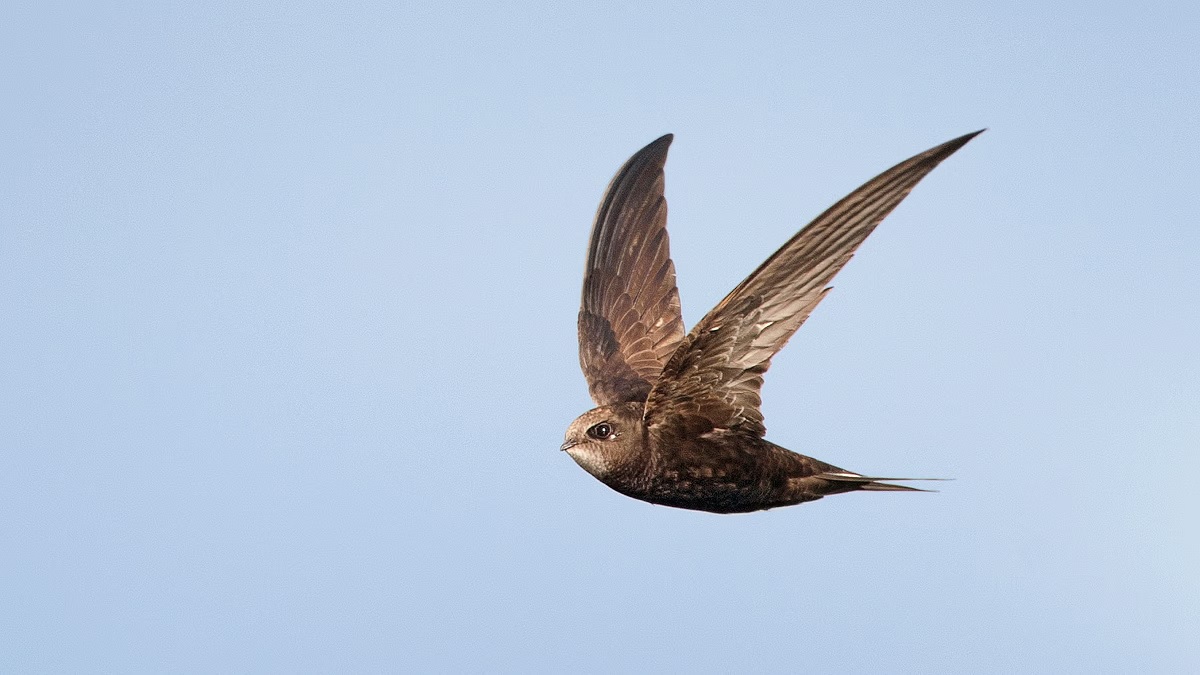
Is There a Bird That Never Lands: Facts About the Ultimate Aerial Travelers
Some birds exhibit extraordinary abilities that capture the imagination of scientists and bird enthusiasts alike. One of the most fascinating behaviors is the ability to stay airborne for extended periods, covering thousands of miles without touching the ground. These incredible adaptations allow certain species to feed, navigate, and even sleep while flying.
The question of is there a bird that never lands has intrigued researchers for decades. Studies of avian physiology and behavior have revealed that some seabirds, like the common swift, spend the majority of their lives in flight, descending only rarely. Their wings, muscles, and metabolic systems are optimized for continuous soaring, gliding, and hunting on the wing.
This remarkable adaptation is not just about endurance; it also reflects the ecological niches these birds occupy. Constant flight allows them to travel across oceans, find food efficiently, and avoid terrestrial predators.
Exploring whether there is a bird that never lands offers insight into the limits of avian flight, the diversity of adaptations in the bird world, and the extraordinary ways nature solves survival challenges.
The Phenomenon of Continuous Flight
Continuous flight is one of the most remarkable behaviors in the avian world, showcasing extraordinary endurance, navigational skill, and physiological adaptation. Certain bird species spend weeks or even months in the air, traveling vast distances without landing. Understanding The Phenomenon of Continuous Flight reveals how birds manage energy, avoid predators, and exploit ecological opportunities while remaining aloft for prolonged periods.
Species Known For Continuous Flight
Several bird species are renowned for their ability to stay airborne for extended durations. Among the most notable is the common swift, which can remain in flight for up to ten months, only descending occasionally for nesting. These birds hunt, feed, and even sleep while flying, relying on constant motion to survive.
Other seabirds, such as frigatebirds, also demonstrate long periods of flight over oceans, often covering thousands of kilometers without resting on land or water. These species have evolved specialized wing shapes, lightweight bodies, and strong flight muscles that allow gliding and soaring over long distances with minimal energy expenditure.
Continuous flight is not limited to migration periods. Some species engage in near-constant flight year-round, using it to locate food, avoid predators, and maintain social interactions. Observing these birds highlights the adaptability and ingenuity of avian physiology and behavior.
Physiological Adaptations For Continuous Flight
Birds capable of continuous flight possess remarkable physiological adaptations. Their wing structure is long and narrow, enabling efficient gliding and reducing energy use. Strong pectoral muscles provide the power for sustained flapping, while lightweight skeletons minimize the burden of prolonged flight.
Metabolic efficiency is equally important. These birds can regulate energy use, alternating between active flapping and passive gliding to conserve resources. They feed while airborne, catching insects in flight or snatching small prey from the ocean surface. Sleep is adapted as well; studies suggest that some birds can rest one hemisphere of the brain at a time, maintaining vigilance while partially asleep.
Efficient respiratory and circulatory systems ensure a constant supply of oxygen to muscles during prolonged exertion. These adaptations collectively enable birds to remain aloft for weeks or months, highlighting the incredible evolutionary solutions that continuous flight requires.
Ecological Significance of Continuous Flight
Continuous flight offers significant ecological advantages. By remaining airborne, birds can exploit dispersed food sources, travel long distances to breeding or wintering grounds, and avoid terrestrial predators. For migratory species, nonstop flight reduces the need for frequent stopovers, allowing rapid travel between regions with seasonal abundance.
Over oceans, seabirds rely on constant motion to locate fish, plankton, or squid, feeding opportunistically without needing to land. Similarly, aerial insectivores such as swifts catch insects mid-flight, sustaining themselves while on the wing. Continuous flight also facilitates mating and social interactions, as some species use extended flight displays to attract mates or assert territory.
This behavior shapes ecosystems by influencing predator-prey dynamics, nutrient distribution, and interspecies competition. Birds capable of continuous flight connect distant habitats, linking food webs across continents and oceans through their movement and feeding habits.
Challenges And Limits Of Continuous Flight
Despite impressive adaptations, continuous flight presents challenges. Energy demands are high, requiring efficient foraging strategies and minimal unnecessary movement. Environmental conditions, such as storms or unfavorable winds, can force birds to adjust flight paths or seek temporary refuge.
Maintaining hydration and energy balance is critical, particularly over open oceans where resting opportunities are limited. Birds have evolved to optimize fat storage and fuel use, yet prolonged flights still demand precise timing and favorable conditions. Juveniles and inexperienced individuals may struggle to sustain nonstop flight until they develop skill and endurance.
Understanding these challenges emphasizes the extraordinary nature of continuous flight. Birds that achieve extended airborne journeys demonstrate an intricate combination of behavioral, physiological, and ecological adaptations that allow them to thrive in environments that would challenge most other species.
Observational Insights
Studying birds capable of continuous flight provides unique insights into the limits of animal endurance and navigational precision. Modern tracking technology, including GPS and accelerometers, has revealed flight patterns, stopover decisions, and sleep strategies, shedding light on how these birds manage weeks of nonstop travel.
Field observations confirm that continuous flight is not random but highly strategic. Birds select favorable air currents, feeding zones, and altitudes to conserve energy while maximizing efficiency. Social behaviors, such as flocking, also contribute to aerodynamic benefits and collective vigilance.
These insights expand our understanding of avian ecology, highlighting how flight adaptations influence survival, reproduction, and ecosystem interactions. Continuous flight is a testament to evolutionary innovation, showcasing the extreme capabilities of birds in their natural habitats.
The Common Swift
The common swift is one of the most extraordinary birds in the world, renowned for its aerial lifestyle and remarkable flight endurance. Observing The Common Swift offers insight into how some species have evolved to spend almost their entire lives in the air. Their unique adaptations, behavior, and ecological significance make them a fascinating subject for both birdwatchers and researchers interested in avian biology.
Physical Characteristics and Identification
The common swift is a medium-sized bird with a streamlined body, long, narrow wings, and a short forked tail, all optimized for continuous flight. Its plumage is predominantly dark brown with a slightly paler throat, which can appear almost black in certain lighting. These features make it highly aerodynamic, allowing for rapid, sustained flight and agile maneuvering while hunting aerial insects.
You can recognize the common swift by its rapid, swooping flight pattern and long scythe-like wings. Unlike many other birds, it rarely perches on trees or the ground, preferring vertical surfaces such as cliffs or building walls when nesting. Their high-speed aerial movement, combined with distinctive high-pitched calls, makes them identifiable even from a distance.
The combination of wing shape, tail structure, and streamlined body contributes to its efficiency in flight. These physical traits are essential for feeding, migration, and avoiding predators, reflecting the evolutionary pressures that shaped this remarkable species.
Flight Behavior and Aerial Lifestyle
The common swift spends the majority of its life in the air, feeding, mating, and even sleeping while airborne. Its wings are adapted for gliding and flapping over long periods, enabling continuous flight that can last for several months without touching land. This aerial lifestyle allows swifts to exploit flying insects efficiently and remain out of reach of terrestrial predators.
While in flight, common swifts use sophisticated aerial maneuvers to catch insects mid-air. They often feed in groups, forming feeding flocks that can include hundreds of individuals. The ability to remain airborne almost constantly reduces energy lost to landing and takeoff, further optimizing their feeding strategy.
Research has shown that swifts can sleep while gliding, with one hemisphere of the brain resting at a time. This adaptation allows them to sustain long flights during migration and over open landscapes, demonstrating a remarkable combination of endurance, balance, and neurological adaptation.
Breeding and Nesting Habits
Despite their airborne lifestyle, common swifts breed in colonies, usually nesting on vertical surfaces such as cliffs, walls, or under roof eaves. The nest is small, cup-shaped, and constructed from twigs, feathers, and other materials held together with saliva. Breeding colonies provide safety through numbers, as many birds together can detect and deter predators.
Males perform aerial courtship displays to attract females, showcasing agility and endurance in flight. Once paired, the female lays a clutch of two to three eggs, which are incubated for about 19 to 21 days. Both parents share feeding duties, catching insects mid-air and delivering them directly to the nestlings without ever landing.
The colony structure, nesting location, and aerial feeding strategies highlight the unique adaptations of common swifts. Their dependence on vertical nesting sites and communal breeding ensures reproductive success while minimizing exposure to ground-based threats.
Migration Patterns and Global Distribution
Common swifts are long-distance migratory birds, breeding across Europe and Asia before flying to sub-Saharan Africa for the winter. Migration is timed to coincide with seasonal insect abundance, allowing them to maximize feeding efficiency during both breeding and wintering periods.
During migration, swifts travel thousands of kilometers non-stop, often flying in groups to conserve energy and maintain navigation. They rely on air currents and thermal updrafts to reduce fatigue, while their continuous flight allows them to cover vast distances with minimal rest. These birds connect distant ecosystems through their migratory behavior, contributing to the dispersal of insects and maintaining ecological balance across continents.
Their migration demonstrates exceptional endurance, navigation skills, and adaptability. By studying these patterns, researchers gain insight into how extreme flight behavior and aerial adaptations have evolved to allow survival across a wide geographic range.
Ecological Role and Significance
The common swift plays a vital role in controlling aerial insect populations, feeding on flies, mosquitoes, and other small insects. Their high-altitude feeding helps reduce insect numbers in both urban and rural areas, providing an important ecological service.
Swifts also act as indicators of insect abundance and wetland health. Declines in swift populations can signal environmental changes, including habitat loss, pesticide overuse, or climate impacts. Observing their behavior and numbers provides valuable data for conservation efforts.
Through their exceptional flight abilities, breeding habits, and ecological contributions, the common swift illustrates the extraordinary ways birds have adapted to life almost entirely in the air. Their aerial mastery highlights both the wonders of evolution and the intricate balance of ecosystems.
Other Notable Long-Flying Birds
While the common swift is famous for its continuous flight, several other bird species also exhibit extraordinary long-flying abilities. These birds demonstrate remarkable endurance, navigation skills, and adaptations that allow them to spend extended periods in the air. Exploring Other Notable Long-Flying Birds highlights the diversity of flight strategies in the avian world and provides insight into how different species meet ecological challenges through prolonged flight.
Alpine Swift
The alpine swift is another species renowned for long-duration flight. Closely related to the common swift, alpine swifts spend months airborne during migration, feeding on flying insects while soaring over mountainous regions and open landscapes. Their long, pointed wings and streamlined bodies allow efficient gliding and maneuvering, minimizing energy expenditure during extended flights.
These birds are known to cover hundreds of kilometers in a single day, often remaining aloft for several consecutive months. Like other swifts, they can sleep with one hemisphere of the brain at a time, ensuring vigilance and energy conservation. Alpine swifts breed in cliffs and tall structures, relying on vertical surfaces to minimize predation risk while providing access to foraging areas.
Their long flights are not only for feeding but also for migration, connecting breeding grounds in Europe and Asia with wintering sites in Africa. This continuous aerial lifestyle showcases the evolutionary adaptations required for survival in extreme environments and highlights their ecological importance in controlling insect populations.
Frigatebird
Frigatebirds are remarkable seabirds capable of remaining airborne for weeks without landing. Equipped with enormous wingspans relative to their body size and minimal weight, they glide effortlessly over oceans, using thermal currents to cover vast distances with minimal effort. Frigatebirds primarily feed on flying fish, squid, and other marine prey, often snatching food from the water surface or even stealing from other birds.
Their unique flight adaptations allow them to exploit marine environments efficiently, avoiding the energy cost of landing on water, which their bodies are ill-equipped to support. During breeding, frigatebirds return to coastal colonies, where males perform spectacular aerial displays to attract mates.
Frigatebirds’ long flights also aid in migration, linking tropical and subtropical regions while navigating vast oceanic distances. Their aerial endurance underscores the relationship between morphology, feeding strategy, and ecological niche in sustaining survival over long periods without rest.
Sooty Shearwater
Sooty shearwaters are oceanic birds known for exceptional migratory flights. They travel up to 40,000 kilometers annually, moving between breeding grounds in the Southern Hemisphere and feeding areas in the Northern Hemisphere. This long-distance migration is facilitated by strong, narrow wings adapted for dynamic soaring over open seas.
Sooty shearwaters feed on fish, squid, and crustaceans, often following nutrient-rich currents to maximize foraging efficiency during flight. They can remain aloft for days, using gliding techniques to conserve energy while covering immense distances. These birds also demonstrate impressive navigation skills, relying on environmental cues such as stars, magnetic fields, and ocean currents.
The species’ migratory patterns connect distant ecosystems, transporting energy and influencing prey populations across hemispheres. Sooty shearwaters exemplify the extraordinary endurance and navigational ability required for prolonged flight over challenging environments like open oceans.
Common Murre
The common murre, while primarily a diving seabird, is capable of sustained flight during migration and foraging. These birds exhibit strong wing flapping, enabling them to travel hundreds of kilometers between feeding and breeding grounds. Their long flights are crucial for connecting nesting colonies on coastal cliffs with rich offshore feeding areas.
During migration, common murres travel in flocks, often at low altitudes over open water. Their wings are adapted for both flying and diving, making them versatile foraging birds. Extended flight allows them to exploit scattered food resources while maintaining breeding success by returning to colonies promptly during nesting season.
Observing the common murre emphasizes the diverse flight strategies among seabirds, highlighting how morphology, feeding behavior, and migratory needs shape long-duration flight abilities across species.
Ecological Significance of Long-Flying Birds
Long-flying birds play critical roles in their ecosystems. By covering vast distances, they help regulate prey populations, transport nutrients across regions, and connect geographically distant habitats. Their migratory and aerial behaviors influence food webs, ecological balance, and biodiversity in both terrestrial and marine environments.
Studying these birds provides insight into the evolutionary adaptations that enable extreme endurance, energy efficiency, and precise navigation. From swifts to frigatebirds and shearwaters, long-flying birds demonstrate the incredible diversity of survival strategies in the avian world, highlighting the wonders of continuous flight and the resilience of life in dynamic ecosystems.
Physiological Adaptations for Extended Flight
Extended flight is one of the most demanding activities in the animal kingdom, requiring birds to balance energy, endurance, and survival. Physiological adaptations enable certain species to remain airborne for weeks or months, covering thousands of kilometers without landing. Understanding Physiological Adaptations for Extended Flight provides insight into the remarkable anatomy, metabolism, and neurological strategies that allow birds to sustain continuous movement over long distances.
Wing Structure and Muscle Adaptations
One of the most critical adaptations for extended flight is the specialized wing structure. Birds that engage in prolonged flight typically have long, narrow wings with pointed tips, optimized for gliding and reducing energy expenditure. These wings generate lift efficiently, allowing birds to soar for hours without constant flapping.
Muscle composition also plays a significant role. Flight muscles, particularly the pectoralis major, are highly developed in long-flying species, containing a high proportion of oxidative fibers for sustained aerobic activity. These fibers support endurance by providing continuous energy from aerobic metabolism. The supracoracoideus muscles, responsible for wing elevation during the upstroke, are equally adapted to minimize fatigue over long flights.
In addition to structural adaptations, birds maintain precise wing angles and flapping patterns to optimize energy efficiency. Subtle adjustments in wingbeat frequency and gliding posture reduce drag and conserve energy during long migratory journeys. These adaptations demonstrate the intricate link between anatomy and flight performance.
Metabolic Efficiency and Energy Storage
Sustaining extended flight requires extraordinary metabolic efficiency. Birds capable of continuous flight have high basal metabolic rates but can regulate energy use during flight to prevent exhaustion. They rely heavily on fat stores as the primary fuel source because fats provide more than twice the energy per gram compared to carbohydrates or proteins.
Before migration or long flights, birds increase food intake to build fat reserves, ensuring sufficient energy for sustained movement. In-flight feeding, observed in species like swifts, also contributes to energy maintenance without the need to land. Additionally, birds can switch between fuel sources depending on intensity and duration, alternating between fat and carbohydrate metabolism to optimize energy output.
Efficient respiratory and circulatory systems support these metabolic processes. High oxygen delivery to flight muscles enables continuous aerobic activity, while dense capillary networks and a large heart ensure adequate blood flow to sustain long-duration effort. These metabolic adaptations are essential for survival during nonstop flight.
Neurological Adaptations and Sleep Strategies
Extended flight also requires specialized neurological adaptations. Birds capable of long-term airborne activity often utilize unihemispheric slow-wave sleep, allowing one hemisphere of the brain to rest while the other remains alert. This enables them to maintain orientation, detect predators, and navigate while partially asleep.
Navigation during prolonged flights relies on a combination of innate instincts and environmental cues. Birds integrate celestial navigation, geomagnetic fields, and visual landmarks to maintain precise migratory routes over thousands of kilometers. Neurological adaptations for spatial memory and sensory integration ensure that birds can sustain long journeys without disorientation.
Coordination between muscle activity, sensory input, and cognitive processing allows birds to adjust flight patterns dynamically. Foraging while flying, avoiding obstacles, and responding to weather changes are all mediated by these neurological adaptations, highlighting their role in endurance flight.
Cardiovascular and Respiratory Efficiency
The cardiovascular and respiratory systems are crucial for sustaining prolonged flight. Birds capable of long-duration flights possess large, efficient hearts that pump oxygen-rich blood to flight muscles continuously. Their lungs and air sacs facilitate unidirectional airflow, maximizing oxygen extraction with each breath and supporting sustained aerobic metabolism.
This high oxygen delivery system prevents muscle fatigue and supports continuous flapping and gliding. Additionally, the combination of lightweight skeletons and efficient gas exchange reduces energy expenditure, allowing birds to remain airborne for extended periods. Environmental challenges, such as thin air at high altitudes, are mitigated by these physiological adaptations.
Together, cardiovascular and respiratory efficiency allows birds to meet the immense oxygen demands of sustained flight. These adaptations complement muscular and metabolic traits, creating an integrated system capable of supporting extraordinary endurance and navigational precision during extended aerial journeys.
Behavioral Adaptations Supporting Physiology
Physiology alone is not enough to maintain extended flight; birds also exhibit behavioral adaptations that complement their physical traits. Birds use thermals, wind currents, and updrafts to conserve energy during long-distance flight, reducing reliance on constant wing flapping.
They also employ flocking strategies that minimize aerodynamic drag, with trailing birds benefiting from upwash generated by leaders. Strategic feeding during stopovers or mid-flight, as seen in swifts and frigatebirds, ensures energy stores are replenished without compromising travel efficiency.
By combining behavioral strategies with specialized physiology, birds achieve remarkable endurance, covering thousands of kilometers without landing. These integrated adaptations demonstrate how evolution has shaped the capacity for continuous flight, allowing certain species to exploit ecological niches inaccessible to most other animals.
Feeding and Survival While Airborne
Feeding and survival while airborne is one of the most remarkable aspects of long-flying birds. Certain species spend weeks or months in continuous flight, yet they manage to hunt, eat, and maintain energy without ever landing. Understanding Feeding and Survival While Airborne reveals the strategies, adaptations, and behaviors that allow birds to sustain themselves in the air while navigating vast distances across oceans, continents, and open landscapes.
Aerial Foraging Techniques
Birds that remain airborne for extended periods have developed specialized foraging techniques. Insectivorous species, such as swifts, catch flying insects on the wing, using agile flight and rapid maneuvering to snatch prey mid-air. This requires precise coordination of vision, wing movement, and timing to capture food efficiently.
Seabirds, such as frigatebirds and shearwaters, feed on fish, squid, and plankton from the water surface without landing. They swoop, skim, or snatch prey from just above the waves, often using thermal currents and updrafts to maintain altitude while hunting. These strategies minimize energy expenditure while maximizing caloric intake, enabling birds to sustain long flights over oceans and open terrain.
The ability to feed continuously in flight reduces the need for stopovers, allowing birds to cover thousands of kilometers without compromising energy reserves. This adaptation is essential for migration, survival, and reproductive success in aerial specialists.
Energy Management and Fat Reserves
Survival while airborne relies heavily on efficient energy management. Birds capable of long-duration flight accumulate fat reserves prior to departure, as fat provides the densest source of energy for sustained activity. During flight, they metabolize these fat stores gradually, balancing energy expenditure with intake whenever possible.
In some species, mid-air feeding supplements fat reserves, maintaining caloric balance for extended journeys. For example, swifts consume insects while flying, and frigatebirds catch small fish or steal prey from other birds. Their metabolic systems are optimized for continuous activity, switching between fat and carbohydrate metabolism depending on flight intensity and prey availability.
Efficient energy use is critical for survival in unpredictable conditions. Birds adjust flight speed, altitude, and foraging intensity to conserve energy while maintaining forward progress, demonstrating the intricate relationship between physiology and behavior during extended flight.
Water and Hydration Strategies
Maintaining hydration while airborne is another survival challenge. Birds often rely on water-rich prey, such as insects or fish, to meet hydration needs during continuous flight. Some seabirds ingest seawater and excrete excess salt through specialized salt glands, allowing them to remain hydrated without freshwater sources.
Behavioral adaptations also contribute to water balance. Birds may adjust flight altitude or feeding location based on humidity, temperature, or prey availability to reduce dehydration risk. These strategies ensure that hydration requirements are met without requiring frequent landings, further supporting survival during long-distance journeys.
Hydration, combined with energy management, forms the foundation for endurance. Birds that successfully balance food and water intake while flying can remain airborne for weeks or months, covering vast migratory routes with minimal interruption.
Navigational and Behavioral Strategies
Survival in continuous flight is supported by advanced navigational abilities and adaptive behaviors. Birds rely on celestial cues, geomagnetic fields, visual landmarks, and air currents to maintain direction and conserve energy. They also use thermals and wind patterns to glide efficiently, reducing the need for constant flapping.
Flocking behavior can enhance survival, as birds take advantage of aerodynamic benefits, such as reduced drag, and increase collective vigilance against predators. Strategic timing of feeding and resting during flight also minimizes energy loss, ensuring birds reach breeding or wintering grounds in optimal condition.
The combination of physiological, behavioral, and navigational strategies highlights the extraordinary adaptations that allow birds to feed, hydrate, and survive while airborne. This integrated approach to continuous flight underscores the resilience and ingenuity of these remarkable avian species.
Ecological Implications
Feeding and survival while airborne have significant ecological implications. By remaining in flight, birds connect distant habitats, transfer nutrients across regions, and regulate insect or fish populations in multiple ecosystems. Their ability to exploit aerial and marine food sources reduces predation pressure on terrestrial environments and maintains ecological balance.
Studying these adaptations provides valuable insight into the energy strategies, flight efficiency, and survival mechanisms of long-flying birds. It also emphasizes the importance of protecting critical feeding habitats along migratory routes to ensure the continued survival of these extraordinary species.
Migration and Long-Distance Travel
Migration and long-distance travel are among the most impressive feats in the animal kingdom, especially in birds that cover thousands of kilometers between breeding and wintering grounds. These journeys require extraordinary endurance, navigational skill, and energy management. Understanding Migration and Long-Distance Travel reveals how birds adapt physically and behaviorally to survive seasonal changes, locate resources, and maintain reproductive success across vast geographic ranges.
Seasonal Triggers and Timing
Migration is driven primarily by seasonal changes in temperature, food availability, and daylight. As insect populations decline and wetlands freeze in northern regions, many birds embark on southward journeys to milder climates with abundant resources. These seasonal triggers ensure that migration coincides with optimal conditions for feeding, resting, and survival.
Timing is critical, as birds must leave early enough to reach wintering grounds before harsh conditions make travel dangerous, but not so early that food sources are still scarce. Spring migration is similarly synchronized with increasing daylight and the emergence of prey, allowing birds to arrive at breeding grounds in peak condition. These temporal patterns are essential for reproductive success, as arriving too late can reduce nesting opportunities and food availability for chicks.
Environmental cues such as weather, wind patterns, and geomagnetic signals help birds determine the optimal timing for migration. By integrating these cues, birds can adjust departure dates and flight paths dynamically, ensuring energy efficiency and survival throughout their long journeys.
Migration Routes and Stopover Sites
Birds undertaking long-distance travel follow well-established migration routes, often called flyways, which connect breeding and wintering areas. Coastal lines, river valleys, and mountain ranges serve as natural guides, providing orientation and access to vital stopover sites. Stopovers are critical for rest, hydration, and foraging, allowing birds to replenish energy reserves before continuing their journey.
Stopover sites vary depending on species and geographic location. Coastal mudflats and estuaries are common for waders and seabirds, providing rich food sources like crustaceans and small fish. Inland wetlands and forests support insectivorous and omnivorous species, offering abundant prey during migration. Birds may spend days or even weeks at these sites, feeding intensively to accumulate fat reserves for the next leg of travel.
The availability and quality of stopover habitats directly influence survival rates. Birds adjust routes and timing based on environmental conditions, demonstrating remarkable flexibility and awareness of resource distribution. Understanding these routes is crucial for conservation, as habitat loss along flyways can threaten entire populations.
Physiological and Behavioral Adaptations
Long-distance travel requires a combination of physiological and behavioral adaptations. Birds store energy in the form of fat, the most efficient fuel for sustained flight, and optimize muscle efficiency for continuous flapping and gliding. Respiratory and cardiovascular systems are highly developed to deliver oxygen efficiently during high-intensity activity.
Behaviorally, birds take advantage of favorable wind currents, thermals, and updrafts to conserve energy. Many species travel in flocks, gaining aerodynamic benefits and collective vigilance against predators. In addition, some birds can sleep with one hemisphere of the brain at a time, maintaining orientation and alertness during extended flights.
Feeding strategies during migration are equally important. Birds may forage opportunistically while airborne, such as aerial insectivores catching prey mid-flight, or rely on high-density stopover areas to restore energy reserves. This combination of physical and behavioral adaptations ensures that long-distance travelers maintain endurance, hydration, and nutrition throughout their journey.
Navigational Skills
Navigation is a critical component of long-distance travel. Birds rely on multiple mechanisms, including visual landmarks, celestial cues, geomagnetic fields, and polarized light patterns, to maintain accurate routes over vast distances. Young birds often learn migratory routes by following experienced adults, combining innate instincts with learned behavior.
Advanced spatial memory and sensory integration allow birds to adapt to changing conditions, such as storms, habitat loss, or shifts in food availability. Some species adjust flight altitude and speed dynamically to cope with environmental challenges, demonstrating remarkable cognitive flexibility. These navigational skills ensure that birds reach their intended destinations, supporting survival and reproductive success across generations.
Ecological Significance
Long-distance migration connects ecosystems across continents, influencing food webs, nutrient cycles, and predator-prey dynamics. Migratory birds transport energy from one region to another, regulate insect and fish populations, and support biodiversity in breeding and wintering habitats.
Studying migration and long-distance travel highlights the interplay between physiology, behavior, and ecology. These journeys illustrate the remarkable endurance, intelligence, and adaptability of birds, offering valuable insights into evolutionary strategies that enable species to survive and thrive across diverse environments.
FAQs
Is There A Bird That Never Lands?
Yes, there is a bird known for spending almost its entire life in the air: the common swift. These birds remain airborne for months, performing essential activities like feeding, mating, and even sleeping while flying. Their wings, metabolism, and behavior are all adapted to continuous flight, allowing them to avoid predators and cover vast distances without needing to land.
The common swift only lands briefly for nesting. This remarkable adaptation makes it one of the most extraordinary examples of a bird that can stay aloft for nearly its entire life, demonstrating extreme endurance and aerial skill.
How Do Birds Survive Without Landing?
Birds that rarely land have developed extraordinary adaptations to survive in flight. They catch insects, fish, or plankton mid-air, obtaining food without touching the ground. Their metabolism is highly efficient, allowing fat reserves to be used gradually over long periods. Additionally, some species can sleep with one hemisphere of the brain at a time, maintaining alertness and orientation while partially resting.
These combined strategies of feeding, energy conservation, and sleep management allow birds to sustain months of continuous flight, highlighting the incredible physiological and behavioral adaptations necessary for life almost entirely in the air.
Which Birds Are Known For Continuous Flight?
Several bird species are renowned for long-duration flight. The common swift is the most famous, capable of staying airborne for up to ten months. Alpine swifts exhibit similar endurance during migration. Among seabirds, frigatebirds and shearwaters can glide over oceans for weeks without landing, relying on air currents to maintain energy efficiency.
These birds have evolved specialized wings, lightweight bodies, and advanced navigation skills. By observing their flight patterns, you can see how different species use continuous flight for feeding, migration, and predator avoidance, making them some of the most impressive aviators in the natural world.
How Do Birds Sleep While Flying?
Birds capable of long-term flight use a strategy called unihemispheric slow-wave sleep. This allows one hemisphere of the brain to rest while the other remains awake, ensuring the bird can maintain balance, orientation, and predator awareness. Some swifts even achieve short naps while gliding or circling in air currents.
This adaptation is crucial for survival, as it enables birds to rest without landing. Combined with efficient metabolism and feeding strategies, unihemispheric sleep allows birds to sustain weeks or months of continuous flight, demonstrating the remarkable neurological and behavioral adaptations required for life in the air.
Why Do Some Birds Never Land During Migration?
Some birds avoid landing during migration to conserve energy and reduce risk from predators or adverse environmental conditions. Flying continuously allows them to exploit abundant food sources in the air, maintain optimal speed, and cover long distances without stopping. Migratory birds like swifts and frigatebirds rely on this strategy to travel between breeding and wintering grounds efficiently.
By staying airborne, they minimize the energy costs of takeoff and landing while accessing aerial prey. This strategy ensures survival during extreme long-distance journeys and highlights the evolutionary advantages of continuous flight for migratory species.
How Do Birds Navigate While Never Landing?
Birds that rarely land use a combination of navigational cues to travel accurately over long distances. They rely on the sun, stars, magnetic fields, visual landmarks, and polarized light patterns to maintain orientation. Young birds often learn routes by following experienced adults, while innate instincts guide first-time migrations.
Navigation is critical for survival, especially during continuous flight over oceans or uninhabited areas. By integrating multiple cues, birds can maintain direction, locate food, and reach breeding or wintering grounds successfully, demonstrating a remarkable blend of innate ability, learning, and environmental awareness.
Conclusion
Some birds have evolved extraordinary adaptations that allow them to spend the vast majority of their lives in the air, showcasing the incredible possibilities of avian flight. Species like the common swift can remain airborne for months, feeding, drinking, and even resting while gliding through the skies. Their ability to travel long distances without landing is a testament to nature’s ingenuity and the specialized physiology that supports continuous flight.
Understanding the question of is there a bird that never lands reveals the balance between survival, energy efficiency, and environmental adaptation. While no bird literally stays in the air forever, these remarkable species minimize time on the ground, relying on wind currents, metabolic adaptations, and specialized behaviors to thrive during migration and daily foraging. Observing these patterns deepens appreciation for their endurance and skill.
Studying is there a bird that never lands also emphasizes the importance of protecting aerial habitats and migratory routes. Conserving these environments ensures that extraordinary birds can continue their high-flying lifestyles and maintain the delicate balance of ecosystems around the world.