Is Bird Poop Dangerous: Health Risks and Safety Tips
Bird droppings are a common sight in urban areas, parks, and gardens, often landing on sidewalks, cars, and outdoor furniture. Understanding is bird poop dangerous is important for both public health and property maintenance. While bird droppings might seem harmless, they can carry bacteria, fungi, and parasites that pose health risks to humans and pets. In addition to potential disease transmission, bird feces are acidic and can damage surfaces such as metal, paint, and stone over time.
Observing where and how birds deposit droppings can help you assess risk levels and implement proper hygiene measures. Awareness about the potential hazards of bird droppings allows you to take precautions, protect your living spaces, and reduce exposure to pathogens, while also appreciating the role birds play in urban and natural ecosystems.
Health Risks Associated With Bird Poop
Bird droppings may appear harmless, but they can pose significant health risks. Understanding the health risks associated with bird poop is essential for protecting yourself, your family, and pets. Bird feces can carry a variety of bacteria, fungi, and parasites capable of causing infections and respiratory issues. Accumulated droppings in urban areas, roofs, or ventilation systems increase exposure risks. Awareness of these dangers helps you take proper precautions, maintain hygiene, and reduce potential health threats linked to bird waste.
Bacterial Infections from Bird Droppings
Bird droppings are a potential source of harmful bacteria that can affect humans. Pathogens such as Salmonella and E. coli are commonly present in feces and can contaminate surfaces, food, and water sources. Contact with contaminated surfaces or inhalation of dried droppings can lead to gastrointestinal infections, causing symptoms like diarrhea, abdominal pain, fever, and dehydration. People with weakened immune systems, young children, and the elderly are particularly vulnerable.
Preventing exposure is crucial, especially in areas where birds congregate, such as rooftops, parks, or outdoor seating spaces. Regular cleaning of surfaces, wearing gloves when handling bird droppings, and washing hands thoroughly afterward significantly reduce the risk of infection. Understanding bacterial risks associated with bird poop emphasizes the importance of hygiene and preventive measures in both urban and rural environments.
Fungal Diseases Linked to Bird Feces
Fungi thriving in bird droppings can also cause serious health issues. One of the most notable risks is histoplasmosis, a respiratory infection caused by inhaling spores from dried bird feces. The spores can become airborne when droppings are disturbed, leading to coughing, fever, fatigue, and lung complications in severe cases. Individuals with compromised immune systems are at higher risk of developing severe fungal infections.
Prevention involves minimizing exposure to areas with heavy accumulations of bird droppings, wearing protective masks when cleaning, and using safe removal methods to prevent spores from becoming airborne. Proper ventilation and regular sanitation of areas prone to bird infestations can further reduce fungal hazards. Awareness of these risks ensures safer interaction with urban and natural environments where birds are present.
Parasites and Vector-Borne Concerns
Bird droppings can harbor parasites such as Cryptosporidium and Toxoplasma, which can infect humans and animals. These parasites are often transmitted through contact with contaminated surfaces or accidental ingestion of contaminated water or food. Symptoms vary depending on the parasite, ranging from mild digestive discomfort to severe illness in immunocompromised individuals. Birds themselves may carry ectoparasites like mites and ticks that can transfer from feces-laden areas to humans or pets.
Regular cleaning and avoiding direct contact with bird droppings are critical for reducing parasite-related health risks. Using protective gloves, masks, and disinfectants can prevent contamination, especially in areas where droppings accumulate in large quantities. Understanding parasite transmission highlights the need for proper handling and sanitation practices when dealing with bird waste.
Respiratory and Allergic Reactions
In addition to infections, bird droppings can trigger respiratory and allergic reactions. Dried droppings and feathers produce dust that, when inhaled, may aggravate asthma, cause allergic rhinitis, or lead to hypersensitivity pneumonitis. Individuals who frequently clean bird-infested areas or work in environments with heavy bird activity are at higher risk.
Reducing airborne dust, wearing protective masks, and ensuring proper ventilation are essential strategies to minimize respiratory risks. Regular removal of bird droppings and cleaning of surfaces can prevent prolonged exposure to allergens and irritants. Awareness of these reactions is key for maintaining health while living or working in bird-populated areas.
Bird Poop and Human Exposure
Human exposure to bird droppings can pose significant health concerns, making it important to understand the risks and safe practices. Observing bird poop and human exposure highlights how bacteria, fungi, and parasites present in feces can transfer to people through direct contact, contaminated surfaces, or airborne particles. Exposure can occur at homes, workplaces, parks, or urban areas where birds congregate. Awareness of these risks allows you to take precautions, reduce potential infections, and maintain hygiene while coexisting with birds in shared environments.
Direct Contact and Contaminated Surfaces
One of the most common ways humans are exposed to bird droppings is through direct contact or touching contaminated surfaces. Bird feces can carry pathogens like Salmonella, E. coli, and Campylobacter, which can cause gastrointestinal illnesses if ingested or transferred from hands to mouth. Surfaces such as windowsills, garden furniture, vehicles, and roofs are often contaminated when birds roost or forage nearby.
Avoiding direct contact and using gloves when cleaning areas with droppings are essential preventive measures. Disinfecting surfaces regularly with appropriate cleaning agents minimizes the risk of infection. Hand hygiene is critical—thorough washing with soap and water after handling contaminated items or areas ensures that bacteria and parasites are removed effectively. Understanding direct contact risks emphasizes the importance of safety measures in reducing human exposure.
Inhalation of Dried Droppings
Bird droppings can dry and break into fine particles, which may become airborne and inhaled by humans. This exposure is particularly concerning for fungal infections like histoplasmosis or cryptococcosis, which can develop when spores from dried feces are breathed in. Respiratory symptoms may include coughing, fever, shortness of breath, and, in severe cases, lung inflammation. People cleaning attics, chimneys, or areas with heavy droppings are especially at risk.
Minimizing inhalation involves wearing protective masks, ventilating enclosed spaces, and using wet-cleaning methods to prevent dust from becoming airborne. Avoid sweeping or dry-brushing large amounts of dried droppings, as this increases exposure risk. Awareness of airborne risks ensures that human exposure is controlled and health hazards are reduced, particularly in areas heavily frequented by birds.
Secondary Exposure Through Food and Water
Humans can also be exposed indirectly when bird droppings contaminate food, water sources, or outdoor surfaces where meals are prepared or consumed. Pathogens from feces can survive on vegetables, fruits, and rainwater puddles, leading to accidental ingestion. This is particularly relevant in urban gardens, parks, or farms where birds feed or roost.
Preventive measures include washing fruits and vegetables thoroughly, covering water containers, and avoiding consumption of food that has been in contact with droppings. Regular inspection and cleaning of rainwater harvesting systems or outdoor taps help reduce contamination risks. Understanding secondary exposure highlights the need for vigilance in both domestic and public settings to maintain safe and hygienic conditions.
Occupational and Recreational Risks
Certain occupations and recreational activities increase the likelihood of exposure to bird droppings. Workers in construction, agriculture, pest control, and maintenance may come into contact with droppings more frequently. Similarly, hikers, bird watchers, and urban residents in areas with high bird activity face occasional exposure.
Using personal protective equipment, such as gloves, masks, and coveralls, and following proper sanitation protocols is critical in occupational settings. Recreational exposure can be minimized by avoiding roosting sites, not touching droppings, and maintaining clean outdoor spaces. Awareness of these occupational and recreational risks ensures individuals can enjoy outdoor activities safely while reducing potential health hazards associated with bird droppings.
Bird Poop and Property Damage
Bird droppings are not just a hygiene concern—they can also cause significant damage to property. Understanding bird poop and property damage helps you take preventive measures to protect buildings, vehicles, outdoor furniture, and landscaping. The acidic nature of bird feces can erode paint, corrode metal, stain concrete, and deteriorate roofing materials over time. Recognizing the risks allows you to maintain your property effectively while coexisting with urban and rural bird populations.
Damage to Vehicles and Outdoor Surfaces
Bird droppings are highly acidic, and prolonged contact with vehicle surfaces can lead to paint etching and permanent staining. Fresh droppings may seem harmless, but when left for hours or days, the acids begin to eat through clear coats and paint layers. Wind, sun, and rain can exacerbate this process by spreading the acid and embedding it further into the surface. Regularly cleaning droppings from cars, motorcycles, and bicycles is essential to prevent long-term damage.
Similarly, outdoor surfaces such as patios, decks, and garden furniture can suffer from discoloration and corrosion. Concrete, wood, and metal surfaces are particularly vulnerable, as acidic droppings slowly break down protective coatings and finishes. Using protective covers, frequent cleaning, and sealants can reduce the cumulative damage caused by bird feces. Observing which areas birds frequent most helps you prioritize cleaning and preventive measures for property longevity.
Roofs, Gutters, and Building Materials
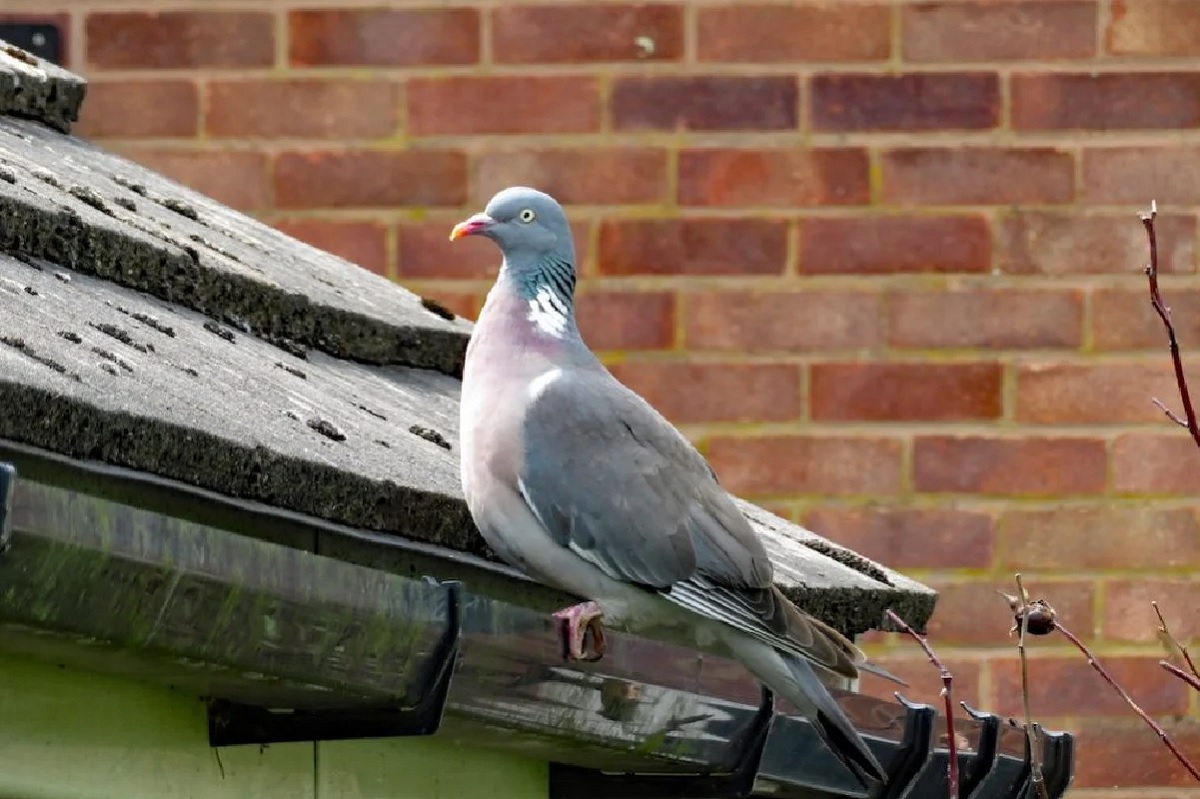
Bird droppings on roofs and in gutters can create long-term maintenance issues. Acidic feces corrode roofing materials such as tiles, metal sheets, and shingles, reducing their lifespan. Accumulated droppings in gutters can block drainage, leading to water damage, leaks, and structural deterioration over time. This issue is especially pronounced in buildings near trees, power lines, or open spaces where birds commonly roost.
Regular inspections and cleaning of roofs, gutters, and downspouts help minimize the risk of damage. Installing bird deterrents such as spikes, nets, or reflective objects can prevent roosting and reduce the accumulation of droppings. Awareness of bird activity patterns and high-risk areas allows property owners to take proactive steps, ensuring that buildings and infrastructure remain protected from long-term corrosion and structural wear.
Damage to Landscaping and Vegetation
Bird droppings can also affect plants, lawns, and garden beds. The high nitrogen content in feces can sometimes act as a fertilizer, but concentrated droppings may burn leaves, flowers, or grass, leaving unsightly marks and damaging plant tissues. Repeated exposure in the same areas can alter soil pH and nutrient balance, negatively affecting plant health and growth.
Gardeners and homeowners can mitigate these effects by planting hardy species in high-traffic areas or creating barriers to discourage birds from perching above vulnerable plants. Frequent cleaning of foliage and soil helps reduce damage and maintain healthy landscaping. Understanding the impact of bird droppings on vegetation emphasizes the importance of proactive garden management to preserve both aesthetic appeal and plant vitality.
Long-Term Implications for Property Maintenance
Over time, repeated exposure to bird droppings can accelerate wear and tear on paint, metal, roofing, and outdoor furnishings. Ignoring the accumulation of droppings leads to costly repairs, repainting, or replacement of damaged materials. Property maintenance routines that include bird poop removal and preventive measures not only protect aesthetics but also extend the life of structures and surfaces.
Using bird deterrents, protective coatings, and regular cleaning schedules minimizes long-term property damage. Being aware of high-risk areas and seasonal patterns of bird activity ensures that preventive strategies are efficient and effective. Understanding the long-term implications of bird droppings reinforces the need for vigilance in property management, balancing coexistence with wildlife and protecting investments from preventable harm.
Frequently Asked Questions
Is Bird Poop Harmful To Humans?
Yes, bird poop can be harmful to humans because it may carry bacteria, fungi, and parasites. Direct contact or inhalation of dried droppings can lead to illnesses such as histoplasmosis, salmonella, and cryptococcosis. Symptoms vary from mild respiratory irritation to severe lung infections or gastrointestinal issues. Children, the elderly, and people with weakened immune systems are particularly vulnerable. Practicing good hygiene, avoiding direct contact, and using protective equipment when cleaning droppings helps reduce the risk and keeps you safe while interacting with areas where birds frequently roost.
Can Bird Droppings Cause Diseases?
Bird droppings can transmit several diseases to humans. Feces often contain pathogens like Salmonella, E. coli, and fungi such as Histoplasma capsulatum. Infection can occur through ingestion of contaminated surfaces or inhalation of airborne particles from dried droppings. Symptoms can include fever, cough, diarrhea, and fatigue, depending on the specific pathogen. People with compromised immune systems are at higher risk. Avoiding contaminated areas, wearing gloves, masks, and practicing thorough handwashing after cleaning droppings can minimize the likelihood of contracting diseases from bird feces.
Are Certain Birds More Dangerous Than Others?
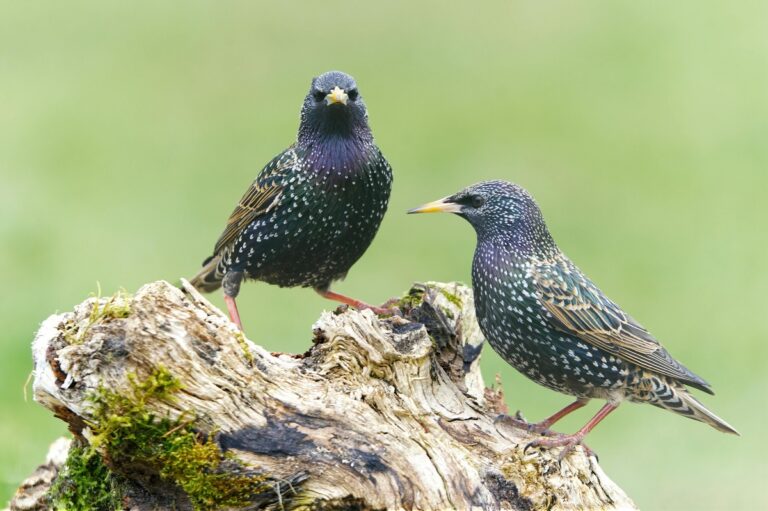
Yes, certain bird species pose higher health risks due to the bacteria and fungi present in their droppings. Pigeons, seagulls, sparrows, and starlings are known to carry pathogens that can infect humans. Birds that gather in large colonies increase exposure risks because droppings accumulate in greater quantities, making airborne particles and contaminated surfaces more common. Observing which bird species frequent your area helps you take targeted precautions. Limiting contact and implementing cleaning and deterrent strategies in high-risk areas reduces the danger from droppings of these particular birds.
Can Bird Poop Affect Your Lungs?
Yes, inhaling dust or spores from dried bird droppings can impact lung health. Fungal infections like histoplasmosis and cryptococcosis are common risks associated with airborne particles. Symptoms may include coughing, shortness of breath, chest pain, and fever. People who clean attics, rooftops, or barns with accumulated droppings are especially vulnerable. Wearing protective masks, ventilating enclosed areas, and using wet cleaning methods to prevent dust from becoming airborne are effective preventive measures. Being aware of these risks is crucial to safeguard respiratory health while dealing with bird droppings.
Can Bird Poop Contaminate Food or Water?
Yes, bird droppings can contaminate food and water, posing a risk of gastrointestinal illness. Pathogens like Salmonella or E. coli can survive on fruits, vegetables, or water sources exposed to droppings. Accidental ingestion may cause diarrhea, vomiting, or abdominal pain. To reduce contamination risks, wash all produce thoroughly, avoid consuming food exposed to droppings, and cover outdoor water containers. Regular cleaning of surfaces and preventing birds from perching above food-preparation areas are practical steps to ensure food and water safety while minimizing the health risks associated with bird feces.
How Can You Protect Yourself From Bird Droppings?
Protecting yourself from bird droppings involves hygiene and safety precautions. Always wear gloves and masks when cleaning areas with feces, and use wet-cleaning methods to avoid dust. Wash hands thoroughly with soap and water afterward. Regularly clean and disinfect surfaces prone to droppings, such as patios, roofs, and outdoor furniture. Installing bird deterrents like nets or spikes can reduce frequent contact areas. Awareness of bird activity patterns and high-risk locations helps you minimize exposure, reducing the chance of infection and maintaining a safe environment around homes, gardens, and workplaces.
Final Thoughts
Bird droppings can pose serious health risks if proper precautions are not taken. Understanding is bird poop dangerous helps in recognizing the potential for bacterial, fungal, and viral infections that may affect humans and pets. Direct contact or inhalation of dried droppings can lead to illnesses such as Salmonella or Histoplasmosis, making it essential to handle contaminated areas carefully. Beyond health concerns, bird poop can also damage property by corroding surfaces, staining vehicles, and degrading building materials.
Observing is bird poop dangerous encourages individuals to adopt safe cleaning practices, use protective gear, and implement preventive measures to reduce exposure. By maintaining cleanliness, monitoring bird activity, and employing deterrents where necessary, the risks associated with bird droppings can be minimized. Awareness and proactive management ensure both personal safety and the protection of property while coexisting with birds in urban or rural environments.