Indian Peafowl: Behavior, Habitat, and Unique Traits
The Indian peafowl is one of the most striking and iconic birds native to the Indian subcontinent, known for its vibrant plumage and majestic courtship displays. Recognized for the male’s iridescent tail feathers adorned with eye-like patterns, the Indian peafowl captivates both bird watchers and nature enthusiasts alike. These birds are not only admired for their beauty but also play important roles in their ecosystems, helping control insect populations and dispersing seeds.
Typically found in forests, farmlands, and areas near human settlements, they adapt well to diverse habitats. Observing the Indian peafowl offers fascinating insights into avian behavior, including their unique calls, mating rituals, and social interactions. Their cultural significance in India further elevates their prominence, symbolizing beauty, pride, and grace, making them a subject of fascination for both naturalists and the general public.
Physical Characteristics of Indian Peafowl
The Indian peafowl is celebrated for its striking appearance and remarkable physical traits. Understanding the physical characteristics of Indian peafowl helps you appreciate their beauty and evolutionary adaptations. Males, known as peacocks, are renowned for their vibrant tail feathers, iridescent plumage, and long train, while females, or peahens, display more subdued colors for camouflage. Observing these features reveals insights into mating behavior, social hierarchy, and survival strategies, highlighting the link between appearance, reproductive success, and ecological adaptation in this iconic species.
Plumage and Coloration
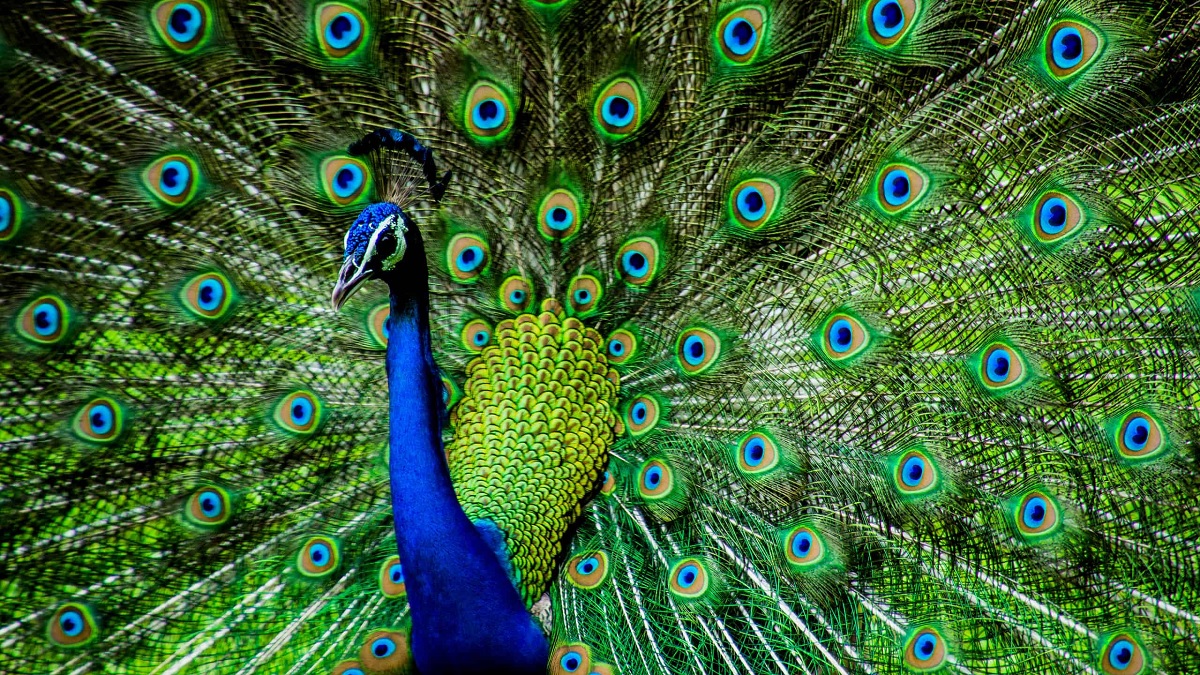
One of the most notable features of the Indian peafowl is its spectacular plumage. Male peafowls, or peacocks, display a brilliant array of iridescent blues, greens, and metallic hues, which are especially prominent in the neck and breast areas. The long tail feathers, or train, adorned with eye-like patterns, can reach up to 1.5 meters in length and are used during courtship displays to attract females. These feathers are not used for flight but serve as a visual signal of fitness and genetic quality.
Females, or peahens, have more muted brown and grey feathers, allowing them to blend into the environment while nesting or caring for young. The contrast in coloration between males and females reflects sexual dimorphism, where males evolve striking features to increase reproductive success, while females benefit from camouflage for protection. Observing the plumage provides insight into evolutionary pressures and mating strategies, as well as the balance between attraction and survival.
Size and Body Structure
Indian peafowls are large, ground-dwelling birds with strong legs and upright posture. Males typically measure between 2 and 2.5 meters including their tail train, while females are smaller, usually around 1 meter in length. The body is muscular, with powerful legs that enable quick terrestrial movement and short bursts of flight to escape predators. The wings are relatively short, primarily supporting balance and brief aerial maneuvers rather than sustained flight.
Their head is small but adorned with a prominent crest, enhancing visual appeal during courtship. Beaks are strong yet slender, adapted for foraging on seeds, insects, and small creatures. Eyes are sharp, aiding in spotting predators and rivals, while facial markings, including white cheek patches, accentuate their striking appearance. The size and structure of the Indian peafowl reflect an evolutionary compromise between display, mobility, and survival, making them both visually impressive and functionally adapted to their environment.
Sexual Dimorphism and Courtship Displays
Sexual dimorphism in Indian peafowls is particularly evident in the dramatic difference between males and females. Peacocks use their long trains and vibrant coloration in elaborate courtship displays, fanning feathers and vibrating them to produce rustling sounds. This display signals strength, health, and genetic quality to potential mates. Males may also perform strutting dances and vocal calls to assert dominance and attract females within their territory.
Females evaluate these displays carefully, selecting mates based on feather size, symmetry, and iridescence, which are indicators of fitness. The energy investment in growing and maintaining the train reflects the balance between reproductive success and predation risk, as long feathers can make escape from predators more challenging. Understanding sexual dimorphism and courtship in Indian peafowls provides insight into behavioral ecology and evolutionary strategies that shape both appearance and social interactions.
Legs, Feet, and Adaptations for Survival
Indian peafowls possess strong legs and feet, adapted for walking long distances on the ground, scratching for food, and escaping threats. The legs are muscular, ending in sharp claws that assist in defense against small predators and foraging through leaf litter. While primarily terrestrial, peafowls are capable of short flights to reach trees or escape danger, using their wings for lift and balance.
Leg and foot adaptations also play a role in courtship. During displays, peacocks maintain balance while fanning their train and strutting, requiring strength and coordination. For peahens, strong legs aid in nesting, incubation, and movement through dense underbrush. Observing these physical adaptations highlights how Indian peafowls balance terrestrial mobility, predator avoidance, and reproductive behaviors, making their anatomy a perfect combination of strength, agility, and ornamental display.
Habitat and Geographic Distribution
Indian peafowls are native to the Indian subcontinent, thriving in diverse habitats ranging from forests and grasslands to farmlands and human-inhabited areas. Understanding the habitat and geographic distribution of Indian peafowl provides insight into their ecological preferences, adaptability, and survival strategies. These birds rely on a combination of open areas for foraging and dense vegetation for shelter and nesting. Observing their distribution and habitat use helps explain behavioral patterns, population density, and interactions with humans and other wildlife across different regions.
Natural Forest and Grassland Habitats
Indian peafowls are commonly found in deciduous and semi-evergreen forests, where trees provide shade, roosting spots, and protection from predators. Open grasslands or scrublands nearby allow them to forage efficiently for seeds, insects, and small animals. The availability of both dense cover and open foraging areas is crucial for their survival. These habitats support their social behaviors, such as courtship displays, which require visible open spaces for males to showcase their train.
In natural habitats, peafowls often stay near water sources, which are essential for drinking and bathing. Forest floors with leaf litter and shrubs provide ideal conditions for nesting and camouflage. Population densities in these areas can vary depending on food availability, predation pressure, and human disturbance. Studying peafowls in forests and grasslands reveals how habitat structure influences feeding, mating, and daily activity patterns, illustrating the intricate link between environment and behavior.
Farmland and Agricultural Areas
Indian peafowls have adapted well to agricultural landscapes, often frequenting farmlands in search of grains, seeds, and insects. These open areas provide abundant food resources, particularly during harvest seasons. However, the presence of humans and domestic animals introduces both opportunities and risks. Peafowls benefit from supplementary food but must navigate potential threats, such as farm machinery, pesticide exposure, and occasional hunting.
Their ability to coexist in farmland areas demonstrates behavioral flexibility and opportunistic feeding strategies. Peacocks are often seen near crop fields early in the morning or late afternoon, foraging in groups and returning to forested patches for rest and protection. Observing their activity in agricultural habitats highlights their adaptability and the balance between exploiting food sources and avoiding risks, showcasing the species’ resilience in human-modified environments.
Human Settlements and Urban Adaptation
Indian peafowls are increasingly observed in human settlements, including villages, parks, and temple grounds. These areas provide supplemental food, water sources, and relative safety from natural predators. Temples and protected areas often serve as roosting sites, allowing peafowls to thrive near humans while maintaining essential behaviors such as courtship and nesting.
Urban adaptation demonstrates the species’ flexibility, as they learn to navigate roads, gardens, and human activity without significant stress. However, living close to humans can also pose risks, including vehicle collisions, pet predators, and interference with natural foraging. Studying peafowl presence in urban and semi-urban environments reveals how they balance opportunity and risk, adapt their daily routines, and maintain population viability despite human pressures.
Geographic Distribution Across Regions
Indian peafowls are native to India, Sri Lanka, and parts of Pakistan and Nepal, with some populations introduced in other countries. Within these regions, distribution depends on habitat suitability, food availability, and human tolerance. They are most abundant in areas where forest cover, open grasslands, and water sources coexist. Seasonal movements may occur in response to food scarcity, water availability, or breeding requirements.
Understanding their geographic distribution helps in conservation planning, population monitoring, and human-wildlife conflict management. It also provides insights into ecological preferences, such as elevation range, climate tolerance, and interaction with sympatric species. Observing regional populations demonstrates how habitat diversity, environmental pressures, and human influence shape where Indian peafowls live, thrive, and maintain social and reproductive behaviors across their natural range.
Frequently Asked Questions
What Is An Indian Peafowl?
The Indian peafowl, also known as the peacock, is a large, colorful bird native to the Indian subcontinent. Males, called peacocks, are famous for their iridescent plumage and long train adorned with eye-like patterns, while females, called peahens, have more muted brown and grey feathers. Indian peafowl are ground-dwelling birds but can fly short distances. They are omnivorous, feeding on seeds, insects, small reptiles, and plants. Observing an Indian peafowl offers insight into their unique behaviors, mating displays, and social interactions, making them a symbol of beauty and cultural significance.
Where Do Indian Peafowl Live?
Indian peafowl are native to India, Sri Lanka, and parts of Pakistan and Nepal, thriving in diverse habitats. They are commonly found in forests, grasslands, farmlands, and areas near human settlements. They prefer locations with open foraging grounds and dense vegetation for shelter and nesting. Water sources are crucial for drinking and bathing. Indian peafowl also adapt to temple grounds, parks, and urban areas where human activity is low. Studying their habitats helps you understand how they balance food availability, predator avoidance, and reproductive behavior in both natural and human-influenced environments.
What Do Indian Peafowl Eat?
Indian peafowl are omnivorous, feeding on a variety of foods depending on availability. Their diet includes seeds, grains, fruits, insects, small reptiles, and occasionally small mammals. Peafowls forage on the ground, scratching leaf litter and soil to uncover food. They may also take advantage of agricultural crops, eating grains and seeds from farmlands. Their dietary flexibility allows them to survive in diverse habitats, from forests to human settlements. Observing their feeding behavior provides insight into their nutritional needs, foraging strategies, and the ways they adapt to seasonal food availability.
How Do Indian Peafowl Mate?
Mating in Indian peafowl involves elaborate courtship displays performed by males to attract females. Peacocks fan out their long tail feathers, showcasing iridescent eye patterns while strutting and vibrating them to produce rustling sounds. Females observe these displays, selecting mates based on feather size, symmetry, and color vibrancy. Mating success depends on the male’s physical condition and display performance. This behavior highlights sexual selection, where visual and behavioral traits signal fitness. Courtship also involves vocal calls, which help males assert dominance and attract multiple females within their territory.
How Long Do Indian Peafowl Live?
Indian peafowl can live between 15 to 20 years in the wild, though longevity depends on habitat quality, predation, and human impact. In captivity, with proper care, they may live longer due to consistent food supply and protection from predators. Survival rates are influenced by seasonal food availability, environmental conditions, and social structure. Observing their lifespan helps you understand the timing of growth, maturation, and reproductive behavior. Long-lived individuals contribute to the population’s genetic diversity by passing on traits like strong plumage, resilience, and adaptive behaviors.
Are Indian Peafowl Threatened or Protected?
Indian peafowl are currently not considered globally threatened and are classified as Least Concern by conservation authorities. However, they face localized threats, including habitat loss, hunting, and human disturbances. In India, they are protected under wildlife laws, and hunting is prohibited. Conserving their habitats, monitoring populations, and reducing conflicts with humans are crucial for maintaining healthy populations. Observing these birds in protected areas helps you appreciate their ecological role, cultural significance, and the importance of conservation efforts to ensure that Indian peafowl continue to thrive in their natural and semi-urban environments.
Conclusion
The Indian peafowl is one of the most striking and recognizable birds in the world, known for its vibrant plumage and elaborate courtship displays. Observing Indian peafowl provides insight into their unique behaviors, including mating rituals, territorial patterns, and social interactions within flocks. Their diet and foraging habits reflect adaptability to different habitats, from dense forests to farmlands, and highlight their role in local ecosystems.
Understanding Indian peafowl also emphasizes the importance of conserving their natural environments, as human activities and habitat loss pose significant threats to their populations. These birds not only contribute to biodiversity but also offer educational and ecotourism opportunities, attracting birdwatchers and researchers alike. By protecting habitats and promoting awareness, the Indian peafowl can continue to thrive, showcasing its beauty and ecological significance for generations to come.