Great Horned Owl Sounds: Identify And Understand Their Unique Calls
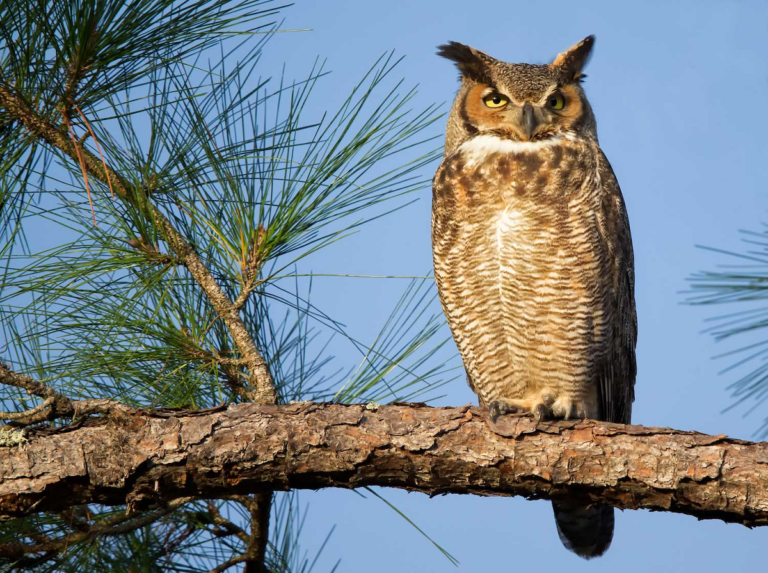
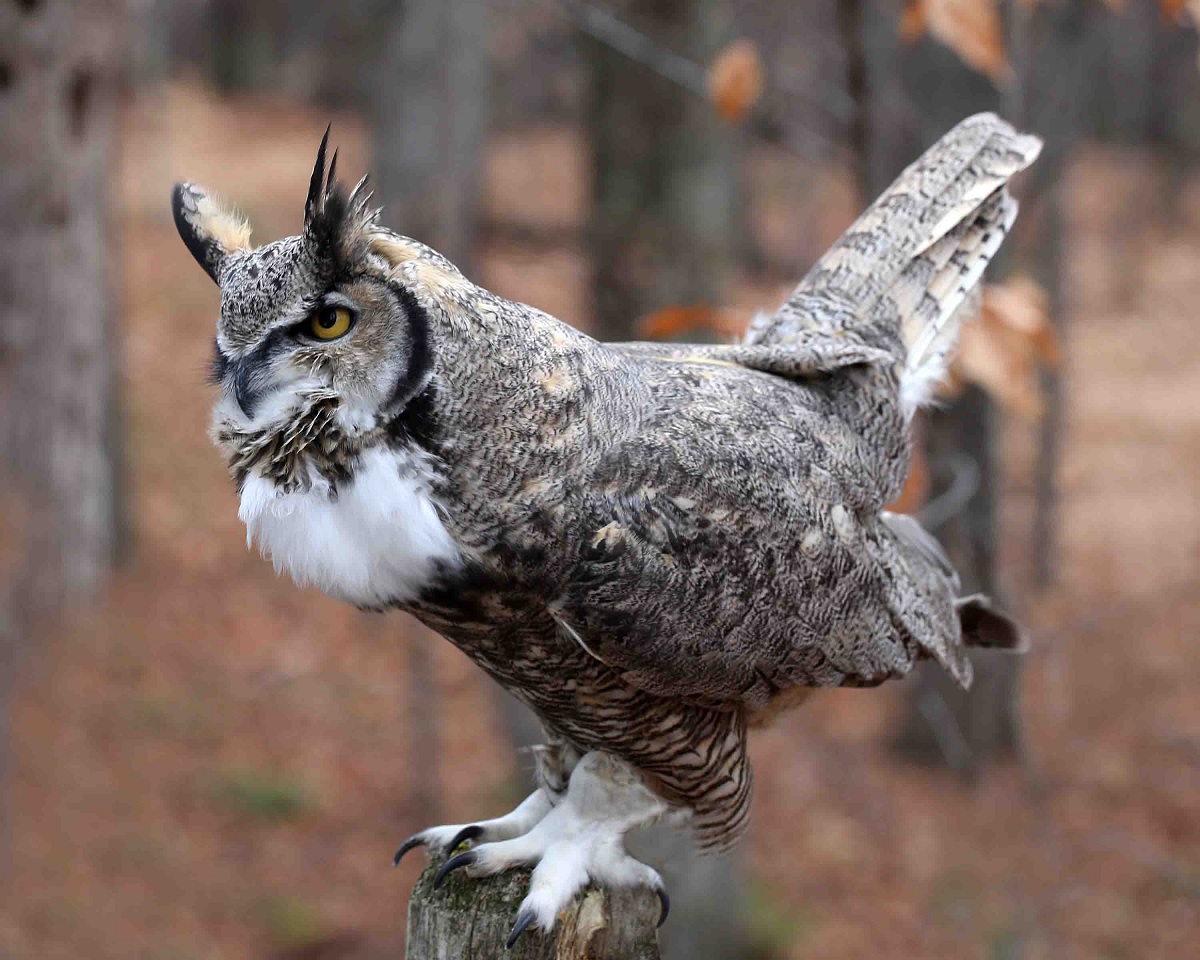
The great horned owl is one of the most iconic and widespread owls in North America, known not only for its striking appearance but also for its distinctive vocalizations. Hearing its deep, resonant calls echo through forests, fields, or even suburban areas instantly signals the presence of this powerful nocturnal predator. The sounds carry far and are often associated with mystery and the quiet of night.
These owls use vocalizations for communication, marking territory, attracting mates, and coordinating with partners. Their hoots and other calls are highly recognizable, making them a favorite subject for bird watchers and wildlife enthusiasts. The variation in their calls can convey different messages depending on context, from warning intruders to signaling readiness for mating.
Many people are fascinated by great horned owl sounds because they are so distinct from the calls of other birds. Learning to recognize these vocalizations adds a new dimension to observing wildlife, connecting you more closely with the natural environment.
Understanding their sounds also provides insight into their behavior, social interactions, and survival strategies. By paying attention to these calls, you gain a deeper appreciation of the role they play in the ecosystem.
Types Of Great Horned Owl Sounds
Great horned owls produce a variety of sounds that serve specific purposes in communication, hunting, and social interactions. Their vocalizations are highly versatile, ranging from deep hoots to screeches and hisses. Recognizing these sounds helps bird watchers, wildlife enthusiasts, and researchers understand owl behavior and environmental interactions, as each call conveys unique information.
Hoots
The most recognizable sound of a great horned owl is its deep, resonant hoot. Typically described as “hoo-h’HOO-hoo-hoo,” this call is used primarily for territorial purposes and mate communication. Male owls often hoot to mark their territory, signaling their presence to rivals and maintaining control over nesting areas.
Hooting also plays a role in attracting mates during the breeding season. The depth and repetition of the hoot can indicate the health and strength of the owl, helping potential partners assess suitability. You may notice that hoots vary slightly between individuals, creating a unique “voice” for each owl.
Hoots can be heard over long distances, especially at night, as their low-frequency tones carry well through forests and open areas. Listening carefully to hoots allows observers to detect owl locations without seeing them, offering insight into territory size, population density, and social interactions.
Screeches And Alarm Calls
Great horned owls also produce loud, high-pitched screeches and alarm calls, which differ significantly from their signature hoots. These sounds are usually shorter and more abrupt, used to alert other owls of potential threats or to warn intruders away from nests.
Screeches may occur during hunting encounters when an owl is startled or defending its prey. They also play a role in interactions with humans or predators, communicating agitation or caution. Unlike hoots, which are calm and rhythmic, these calls are sharp and urgent, designed to grab attention immediately.
Alarm calls help maintain safety for both adults and chicks. You may hear a series of screeches during nighttime disturbances or when predators approach a nesting site. Understanding the context of these sounds provides insight into owl vigilance and behavioral strategies for survival.
Hisses And Threat Sounds
In addition to vocal calls, great horned owls produce hisses, bill snaps, and other threat sounds, primarily when confronted at close range. These non-vocal sounds are often defensive, used to intimidate predators or intruders and protect nests and territory.
Hissing is usually accompanied by a defensive posture, such as raising feathers, spreading wings, and staring directly at the perceived threat. These behaviors make the owl appear larger and more intimidating, enhancing the effectiveness of the sound. Bill snapping can create a sharp, startling noise that further deters predators or competitors.
These sounds are particularly common near nests or roosting sites. Observing hisses and threat calls allows you to understand the owl’s protective instincts and the lengths it will go to secure its young or resources.
Courtship And Interaction Calls
Great horned owls also use specific sounds for courtship and social interaction. Pairs may exchange soft hoots, trills, or repeated calls to strengthen pair bonds, coordinate hunting, or signal readiness for nesting. These calls are usually quieter and more rhythmic compared to territorial hoots, emphasizing communication rather than intimidation.
During the breeding season, males and females engage in duet-like calling patterns. This vocal coordination helps synchronize nesting behaviors, ensures both parents participate in care, and reinforces long-term pair bonds. Young owls may also produce begging calls to signal hunger or request attention from parents.
Understanding these interaction calls adds depth to observing owl behavior. It highlights the social complexity of a species often perceived as solitary and showcases the variety of communication tools used beyond hunting and territorial defense.
Variation And Regional Differences
Great horned owl sounds can vary slightly based on region, individual, and context. While the general hoot pattern is recognizable, local populations may have subtle differences in tone, pace, or frequency. These variations can help researchers identify individuals or distinguish between neighboring territories.
Environmental factors, such as forest density or urban noise, can also influence how calls are produced and heard. Owls may adjust volume, pitch, or repetition to compensate, ensuring that their communication remains effective despite changing conditions.
This diversity in vocalizations emphasizes the adaptability of great horned owls. By learning to recognize different types of sounds, you can better understand their behaviors, interactions, and survival strategies across various habitats.
How To Recognize Great Horned Owl Sounds In The Wild
Recognizing great horned owl sounds in the wild is a rewarding skill for bird watchers and wildlife enthusiasts. These owls produce distinctive calls that convey information about territory, mating, or alertness. By learning the tone, rhythm, and context of their vocalizations, you can identify them even without visual confirmation. Developing this skill requires careful listening, observation, and understanding of their behavior patterns.
Listen For The Classic Hoot
The most recognizable sound of a great horned owl is its deep, resonant hoot. Typically, it follows a pattern like “hoo-h’HOO-hoo-hoo,” with low-frequency notes that carry long distances through forests, fields, or suburban areas. This hoot is often used to establish territory and communicate with potential mates.
Pay attention to the spacing and repetition of the hoots. Males often produce a series of evenly spaced calls, while females may respond with slightly higher-pitched hoots. This interaction can help you detect not only the presence of an owl but also social dynamics between pairs.
The low tone allows the call to travel effectively, especially during calm nights. Even without seeing the bird, hearing this characteristic hoot repeatedly is a strong indicator that a great horned owl is nearby, giving you a clear auditory cue for identification.
Identify Screeches And Alarm Calls
Great horned owls also produce screeches and alarm calls that differ from their signature hoots. These sounds are sharp, high-pitched, and urgent, used when an owl senses danger, defends its territory, or protects its nest. Unlike hoots, screeches are abrupt and irregular, making them stand out in a quiet environment.
Listen for context clues when you hear these calls. Screeches often occur in response to predators, human activity, or loud disturbances, signaling heightened alertness. You may also hear them during hunting encounters when the owl is startled or chasing prey.
Recognizing these alarm calls allows you to interpret the owl’s behavior and environment. Distinguishing between a territorial hoot and a defensive screech provides insight into the owl’s mood, location, and immediate activity.
Note Hisses And Threat Sounds
In addition to vocal calls, great horned owls produce hisses, bill snaps, and other threat sounds. These sounds are typically used at close range to intimidate predators or intruders and protect eggs or chicks. They are less common in casual observation but highly distinctive when encountered.
You can often hear these sounds near nesting sites or roosting areas. Hissing and snapping are accompanied by visual cues, such as raised feathers and a wide, alert stance. Even without seeing the owl, hearing these sounds signals proximity and defensive behavior.
Understanding these non-vocal cues helps in identifying owl presence and interpreting their reactions to threats. Recognizing hisses and bill snaps complements hoot and screech detection, providing a complete picture of their communication in the wild.
Observe Timing And Habitat
Timing and habitat play a crucial role in recognizing great horned owl sounds. These owls are primarily nocturnal, with vocal activity peaking around dusk and nighttime. You are most likely to hear hoots, screeches, or calls during these hours when they are active and hunting.
Their preferred habitats—wooded areas, open fields, cliffs, and even suburban parks—affect how sound travels. Hoots may carry farther in open areas, while dense forests can muffle or scatter calls. Paying attention to surroundings and timing improves detection and interpretation of calls.
By combining auditory cues with knowledge of activity patterns and habitat preferences, you can increase your chances of identifying great horned owl sounds accurately. This approach allows for both effective observation and a deeper understanding of their ecological role.
Recognize Vocal Patterns And Responses
Great horned owl communication often involves call-and-response patterns between mates or neighboring owls. Males may hoot to establish territory, and females respond with slightly different tones. Observing these interactions helps you distinguish individual birds, pairs, and territorial boundaries.
Repeated listening is key to learning these patterns. Over time, you can identify subtle differences in pitch, tone, and rhythm, which may vary between individuals or regions. Recognizing these patterns enhances your ability to track owl behavior without relying on sight.
Understanding these vocal interactions allows you to interpret more than just presence. You can gauge mating activity, territorial disputes, or alertness levels, deepening your connection with the natural environment and improving your wildlife observation skills.
Communication Purpose Behind Great Horned Owl Sounds
Great horned owls are highly vocal birds whose calls serve multiple communication purposes. Their sounds are not random; each hoot, screech, or hiss conveys specific information to other owls or potential threats. Understanding the communication purpose behind great horned owl sounds provides insight into their behavior, social interactions, and survival strategies in the wild.
Territory Establishment And Defense
One of the primary purposes of great horned owl sounds is to establish and defend territory. Male owls often hoot loudly to signal ownership of a particular area, warning rival owls to keep their distance. These territorial calls help reduce conflicts by asserting dominance without physical confrontation.
Territorial hoots are usually deep, resonant, and repeated at regular intervals. The low-frequency tones allow the sound to carry over long distances, effectively communicating presence to other owls even when visual contact is impossible. Female owls may respond with a slightly higher-pitched hoot, reinforcing the pair’s claim.
By listening to these calls, you can often identify the boundaries of an owl’s territory. Territorial communication helps maintain social order among neighboring owls, ensuring that resources such as food and nesting sites are shared without unnecessary conflict.
Mate Attraction And Bonding
Another critical purpose of great horned owl sounds is attracting and bonding with a mate. During the breeding season, males use hoots and calls to advertise their strength, health, and suitability as partners. The depth, repetition, and rhythm of the call provide cues about the male’s fitness.
Once a pair forms, vocalizations continue to play a role in maintaining their bond. Duet-like exchanges of hoots, trills, or soft calls between mates coordinate activities such as hunting, nesting, and caring for chicks. These interactions reinforce cooperation and ensure both parents participate in reproductive responsibilities.
Mate-related communication highlights the social complexity of owls. Even though they are often perceived as solitary, these sounds demonstrate that vocal interaction is essential for reproduction and pair stability.
Alerting And Warning Signals
Great horned owls also use sounds to alert others to potential threats. Screeches, alarm calls, hisses, and bill snaps serve as warning signals to predators, intruders, or even humans. These calls communicate danger and trigger defensive behavior among adult owls or chicks in the nest.
Alarm calls differ from territorial or mating hoots. They are often high-pitched, sharp, and abrupt, designed to grab attention immediately. Hearing these calls may indicate that an owl is disturbed, defending food, or protecting its offspring from perceived threats.
By interpreting these warning sounds, you can better understand the owl’s response to its environment. Alert calls provide crucial insight into risk assessment, predator avoidance, and overall vigilance.
Parent-Offspring Communication
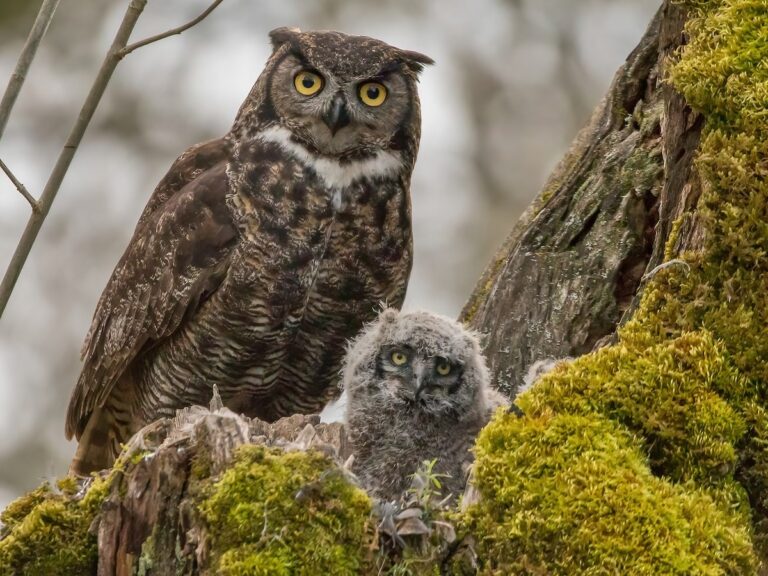
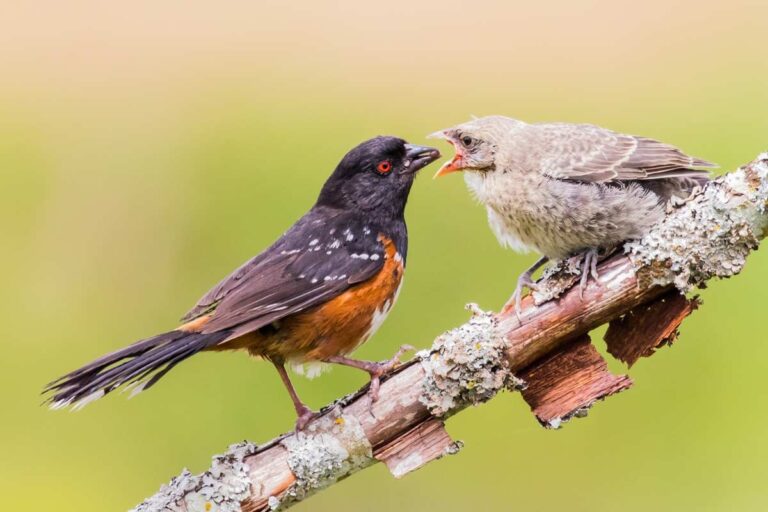
Communication between parent owls and their chicks is another essential purpose of their vocalizations. Young owls produce begging calls to signal hunger or request attention, while parents respond with feeding or comforting calls. This dialogue ensures that chicks receive the care and nourishment needed for growth and survival.
Parent-offspring communication also teaches chicks important behavioral skills. By listening to parental hoots and responses, young owls learn to identify threats, locate prey, and recognize social interactions. These early vocal exchanges form the foundation for adult communication skills.
Effective communication between parents and offspring increases survival rates and strengthens family cohesion. It also ensures that chicks are prepared for independent life once they leave the nest.
Social Coordination Among Owls
Great horned owl sounds facilitate social coordination beyond mating or parenting. Vocalizations help maintain spacing between neighboring owls, reduce conflicts, and signal activity levels within a territory. Even solitary owls may use calls to indicate presence, locate partners, or assess the environment.
Listening for call patterns and responses allows you to observe social interactions in the wild. Owls use different sounds strategically, adapting tone, repetition, and volume based on distance, audience, and context. This flexibility demonstrates intelligence and situational awareness.
Overall, vocal communication is central to great horned owl survival. Each sound has a purpose—whether defending territory, attracting mates, warning of danger, caring for young, or coordinating socially—highlighting the complexity and sophistication of their behavioral ecology.
Regional And Seasonal Variations In Calls
Great horned owls exhibit regional and seasonal variations in their calls, reflecting differences in habitat, climate, and social interactions. These variations affect the tone, frequency, and repetition of their vocalizations, helping owls adapt to specific environments. Understanding these differences allows bird watchers and researchers to interpret owl behavior more accurately and recognize local populations in diverse regions.
Regional Differences In Hoot Patterns
The calls of great horned owls can vary depending on the region in which they live. Owls inhabiting forests, deserts, grasslands, or urban areas may alter the pitch, tone, or spacing of their hoots to suit their environment. For instance, dense forests may encourage lower-pitched calls that travel farther through trees, while open fields may allow slightly higher-frequency hoots to carry efficiently over open terrain.
Regional differences may also arise due to population density. In areas with many neighboring owls, calls may be longer, more frequent, or repeated in unique patterns to reduce territorial disputes. Conversely, in sparsely populated regions, hoots may be simpler and less repetitive. Understanding these variations helps identify local owl populations and provides insight into how owls communicate under different environmental pressures.
Seasonal Changes In Vocalizations
Great horned owl calls also change with the seasons, primarily in response to mating, nesting, and territorial needs. During the breeding season, typically in late winter and early spring, males increase the frequency and intensity of their hoots to attract mates and assert dominance over territory. These seasonal calls are often louder, deeper, and more prolonged than those heard outside the breeding period.
In contrast, during the non-breeding season, vocal activity may decrease. Calls are usually less frequent and more subdued, used mainly for maintaining territory or communicating with a mate. Seasonal changes in vocalizations also reflect adjustments to prey availability, weather conditions, and daylight hours, allowing owls to conserve energy while continuing essential communication.
Environmental Influence On Call Variations
Environmental factors significantly influence the way great horned owls vocalize. Temperature, wind, and ambient noise levels affect how far and clearly a call travels. In urban areas with higher background noise, owls may adjust pitch, volume, or repetition patterns to ensure their calls are heard. In quieter rural or forested areas, they can rely on lower-frequency tones that carry long distances without interference.
Vegetation density also affects call structure. In heavily wooded areas, owls may produce slower, more deliberate hoots to prevent sound distortion caused by obstacles like trees and shrubs. These environmental adaptations demonstrate the flexibility and intelligence of great horned owls in optimizing communication under varying conditions.
Individual And Population Variation
Even within the same region and season, individual owls may exhibit slight variations in their calls. Factors such as age, health, and experience influence hoot quality, frequency, and rhythm. Older, dominant males often produce deeper, more resonant calls, while younger owls may have higher-pitched or less controlled hoots.
Population-level differences can also emerge due to geographic isolation. Local “dialects” develop over time, with certain patterns or sequences unique to specific groups. Recognizing these subtle variations allows researchers to track owl distribution, monitor populations, and study social interactions among individuals.
Observing And Interpreting Variations
To fully understand regional and seasonal variations in great horned owl calls, careful observation is necessary. By noting differences in tone, repetition, and context, you can interpret whether a call signals mating, territoriality, alertness, or social interaction. Seasonal and regional awareness adds depth to wildlife observation, helping enthusiasts and researchers identify patterns in behavior, habitat adaptation, and communication strategies.
These variations highlight the adaptability of great horned owls and underscore the complexity of their communication systems. Observing these patterns over time provides valuable insight into their ecology and interactions within diverse environments.
Frequently Asked Questions
How Can You Identify Great Horned Owl Sounds?
You can identify great horned owl sounds by listening for their deep, resonant hoots, often described as “hoo-h’HOO-hoo-hoo.” These calls are slow, rhythmic, and carry over long distances, making them distinguishable from other owls. Paying attention to tone, repetition, and rhythm helps you recognize individual owls and understand their behavior.
Listening during nighttime hours increases your chances of identification since great horned owls are primarily nocturnal. Observing patterns, such as territorial calls or duets between mates, provides additional context for distinguishing these sounds from other wildlife or bird species.
What Is The Most Common Call Of A Great Horned Owl?
The most common call of a great horned owl is its deep hoot. Typically repeated several times, this hoot is used for territory marking and communication with potential mates. The call’s low frequency allows it to travel through forests, fields, and suburban areas, making it audible over long distances.
You may notice slight variations between individuals, including differences in pitch, volume, or tempo. These subtle differences help bird watchers and researchers distinguish one owl from another. Recognizing the signature hoot is key to identifying great horned owls in the wild.
How Do Alarm Calls Differ From Hoots?
Alarm calls from great horned owls are sharp, high-pitched, and abrupt, unlike the deep, rhythmic hoots used for territory or mating. These calls signal danger, alerting other owls to predators or intruders and helping protect nests and young.
Screeches and hisses often accompany these alarm calls, especially when an owl is threatened at close range. Observing the context, such as nearby disturbances or human activity, helps you identify these calls accurately. Understanding the difference between alarm calls and hoots ensures correct interpretation of owl behavior.
Can You Identify Owls By Screeches And Hisses?
Yes, screeches and hisses are distinctive sounds that help identify great horned owls, especially during defensive or aggressive encounters. Hisses are often accompanied by wing spreading, raised feathers, and bill snaps, indicating the owl feels threatened.
Screeches are shorter and higher-pitched than hoots, used to startle predators or warn intruders. Paying attention to these contextual cues allows you to differentiate these sounds from calls made by other nocturnal birds or mammals. Recognizing them improves your understanding of owl behavior in the wild.
How Do Regional Differences Affect Identification?
Regional differences can influence how great horned owl sounds are produced. Owls in forests may produce lower-pitched, slower hoots to carry through dense vegetation, while owls in open areas may have slightly higher-pitched calls. Urban owls may adjust volume to overcome background noise.
Being aware of these regional variations allows you to identify owls accurately in different habitats. Comparing pitch, rhythm, and repetition patterns helps you distinguish local populations and interpret the calls based on the surrounding environment.
Do Seasonal Changes Affect Owl Calls?
Yes, seasonal changes significantly affect great horned owl vocalizations. During the breeding season, hoots become more frequent, louder, and prolonged to attract mates and assert territory. Outside of the breeding season, calls are generally less frequent and shorter, used mainly for communication with a mate or nearby owls.
Observing these seasonal patterns helps you identify whether the owl is engaged in mating, nesting, or territorial behavior. Timing your listening sessions based on seasons improves your chances of detecting and recognizing these vocalizations effectively.
Can Young Owls Be Identified By Their Calls?
Yes, young great horned owls can be identified by their distinct begging calls. These are higher-pitched, repetitive sounds used to signal hunger or attract parental attention. Unlike adult hoots, these calls are less resonant and more urgent, reflecting the chicks’ dependency.
Listening for these calls near nesting sites can help you identify the presence of juveniles. Understanding the differences between adult and chick vocalizations allows you to interpret family interactions, feeding behavior, and parental care strategies in the wild.
Final Thoughts
The vocalizations of owls are some of the most distinctive sounds in the night, and the great horned owl is no exception. Their deep, resonant hoots can carry over long distances, signaling territory, attracting mates, or warning intruders. By paying attention to the variations in pitch, rhythm, and repetition, you can learn to identify these calls with increasing accuracy in the wild.
Understanding great horned owl sounds also provides insight into their behavior and social interactions. Male and female calls may differ slightly, and seasonal changes often influence the frequency and type of vocalizations. Observing these sounds alongside physical behavior, like flight patterns or nest activity, allows for a deeper appreciation of their communication strategies.
Studying great horned owl sounds enriches your connection to nature while highlighting their ecological importance. These calls not only mark their presence but also indicate healthy ecosystems, helping you recognize the vital role owls play in maintaining balance among nocturnal wildlife.