Great Horned Owl Diet: Prey, Hunting Techniques, and Feeding Habits
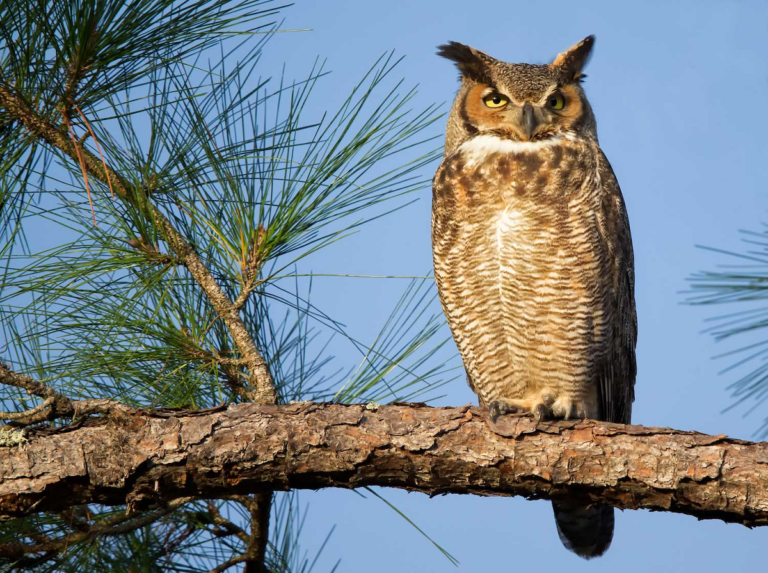
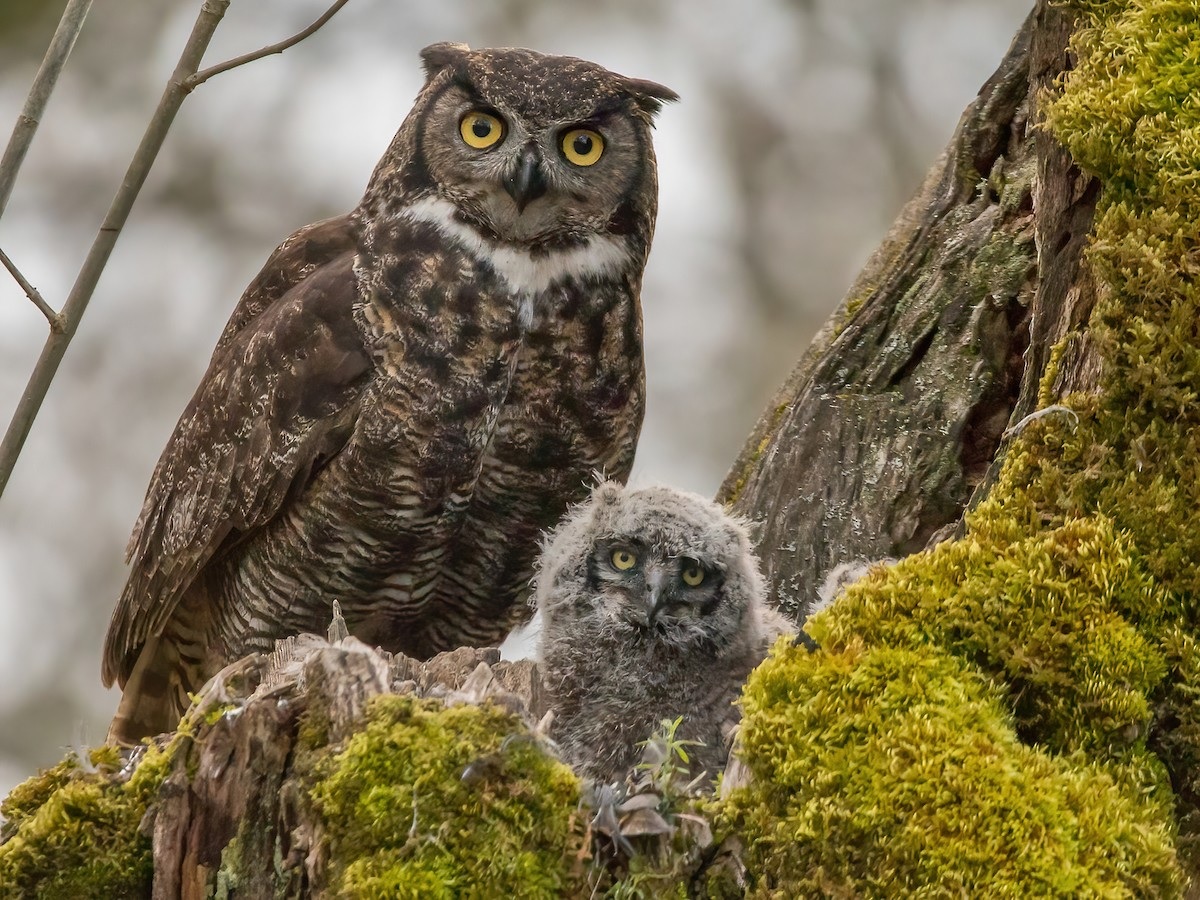
Owls are fascinating nocturnal predators, and among them, the great horned owl stands out for its adaptability and hunting prowess. Its feeding habits are carefully tuned to the habitats it occupies, from dense forests to open fields, allowing it to thrive in diverse environments. Observing a great horned owl in action reveals both its stealth and precision, making its diet a critical aspect of its survival strategy.
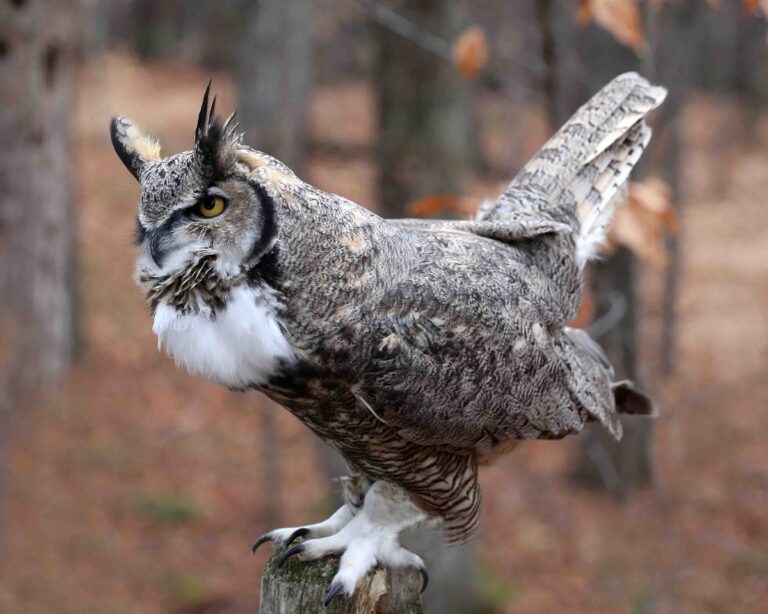
The great horned owl diet is varied and opportunistic, reflecting its status as a top predator. It hunts a wide range of prey, including mammals, birds, reptiles, and even insects. Its sharp talons and powerful beak make it capable of subduing animals larger than itself, demonstrating remarkable strength and hunting skill.
Hunting is primarily nocturnal, but great horned owls are known to take advantage of early morning or late evening light to locate prey. They rely on exceptional hearing and night vision to detect even the slightest movement in their territory.
Understanding the great horned owl diet provides insight into its role in the ecosystem. By controlling populations of small mammals and other prey, it helps maintain balance in the environments it inhabits.
The diversity of its diet showcases the owl’s adaptability, ensuring survival across seasons and habitats. Observing feeding patterns reveals both the intelligence and efficiency of this formidable raptor.
Key Prey Species
The great horned owl is an apex predator with a diverse diet that includes a wide range of prey species. Its feeding habits are influenced by habitat, prey availability, and seasonal changes. Understanding the key prey species of this owl provides insight into its hunting strategies, ecological impact, and adaptability in various environments. From mammals to birds and reptiles, the great horned owl diet reflects its versatility as a nocturnal hunter.
Small Mammals
Small mammals are a primary component of the great horned owl diet. Rabbits, squirrels, mice, and voles are commonly targeted because they are abundant and provide significant nutritional value. The owl uses silent flight and keen hearing to detect movement even under dense vegetation or snow cover.
Hunting small mammals requires patience and precision. The owl often perches silently near known animal trails, striking swiftly with talons when prey passes. This predation helps control populations of rodents and rabbits, maintaining ecological balance in the owl’s habitat. Seasonal fluctuations in prey availability can influence the owl’s hunting range and frequency, forcing adaptation in diet or hunting tactics.
Juvenile mammals may be preferred at certain times due to their smaller size and easier capture. Great horned owls are known to consume multiple small mammals in a single night, showcasing both efficiency and versatility in their feeding habits.
Birds
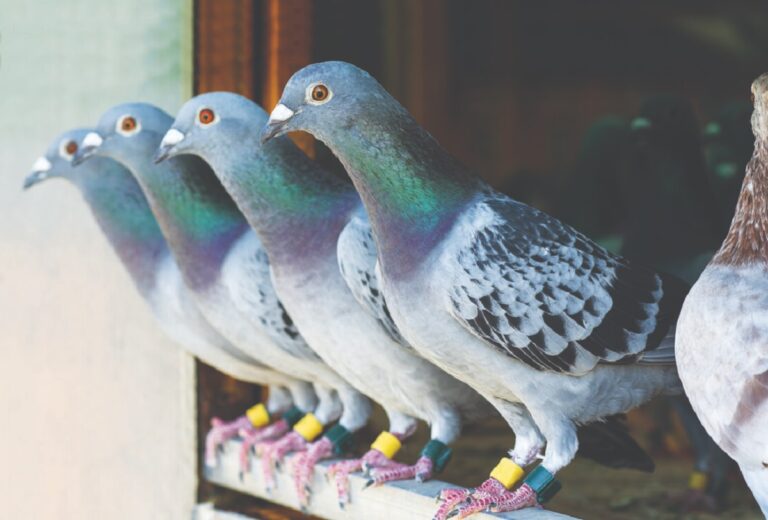
Birds are also an important part of the great horned owl diet. Species such as ducks, pigeons, songbirds, and even other raptors can become prey. Owls often hunt birds at night when they are roosting, using stealth and silent flight to approach undetected.
Predation on birds allows the owl to supplement its diet with high-protein meals. It may ambush waterfowl near wetlands or target smaller songbirds in forested areas. The owl’s sharp talons and strong beak enable it to carry birds away from the capture site, even if the prey is relatively large compared to the owl’s body size. Hunting birds demonstrates the owl’s adaptability, as it can switch prey based on seasonal abundance and habitat type.
In addition to nutritional benefits, preying on birds helps reduce competition for other resources. The owl’s diverse diet ensures it remains a dominant predator in multiple ecosystems.
Reptiles and Amphibians
Although less common, reptiles and amphibians are occasionally part of the great horned owl diet. Snakes, lizards, and frogs provide additional protein sources, especially in warmer months when these animals are active. The owl can spot movement at night and quickly seize these prey items with precision.
Hunting reptiles and amphibians often requires specialized techniques. The owl may swoop down silently or ambush prey near water or sun-warmed areas. While these species may not make up the majority of its diet, they provide valuable diversity and help the owl adapt to habitats with varying prey availability. Seasonal changes, such as the emergence of frogs in spring, can influence hunting patterns.
Reptiles and amphibians also allow the owl to exploit niche food sources that are less contested by other predators. Including these prey in its diet illustrates the owl’s opportunistic feeding behavior and ecological flexibility.
Insects and Other Small Creatures
Insects and other small creatures, including beetles, crickets, and even small crustaceans, are occasionally consumed by great horned owls. These prey are typically targeted when other preferred prey is scarce, showcasing the owl’s opportunistic nature.
Although insects provide less nutritional value than mammals or birds, they serve as a supplemental food source, particularly for juvenile or smaller owls. Hunting insects requires acute visual and auditory senses, and the owl may catch them during flight or from perches near vegetation. This dietary flexibility allows the owl to survive in environments where larger prey is temporarily unavailable.
In addition, consuming a variety of small creatures reduces competition and allows the owl to maintain energy balance. By including insects and other small animals in its diet, the great horned owl demonstrates the breadth of its ecological role as a predator.
Hunting Techniques of Great Horned Owls
Great horned owls are apex predators with highly refined hunting skills. Their techniques combine stealth, strength, and acute sensory perception, making them capable of capturing a wide variety of prey. Understanding these hunting methods provides insight into how this raptor maintains its dominant position in multiple ecosystems. From silent flight to ambush strategies, each hunting behavior demonstrates adaptability and precision.
Nocturnal Hunting and Stealth
Great horned owls are primarily nocturnal hunters, taking advantage of the cover of darkness to ambush prey. Their silent flight is facilitated by specialized feathers with soft fringes that reduce sound, allowing them to approach without detection. Combined with excellent night vision, these adaptations make them formidable predators in low-light conditions.
Owls often perch silently near known prey trails or open areas, patiently waiting for movement. Using acute hearing, they can detect even slight rustling or vibrations caused by small mammals, birds, or reptiles. Once the prey is located, the owl launches a sudden, powerful strike, seizing it with sharp talons. Nocturnal hunting allows the owl to exploit niches with minimal competition, giving it access to abundant prey that may be less active during the day.
Perch-and-Pounce Strategy
The perch-and-pounce method is a common hunting technique for great horned owls. The bird selects a high vantage point, scanning the area for potential prey. When a target is spotted, it glides silently from the perch, descending quickly and accurately to capture the prey.
This technique is particularly effective for mammals like rabbits, squirrels, or rodents. By remaining stationary until the perfect moment, the owl conserves energy while maximizing hunting success. The perch-and-pounce approach also allows the owl to hunt over both open fields and forested areas, adapting its position based on prey density and type. Juvenile owls often learn this method by observing adults, gradually mastering timing and accuracy.
Precision is critical, as a failed strike can alert prey or waste energy. The forked and broad wings aid in controlling descent and balancing during sudden maneuvers, ensuring the owl maintains stability and speed during the attack.
Low-Flight and Aerial Pursuit
Great horned owls occasionally hunt using low-flight or aerial pursuit, particularly when targeting birds or more agile prey. They glide close to the ground or vegetation, using stealth and speed to surprise prey. Their broad wings allow for sudden bursts of acceleration and sharp turns during pursuit.
Aerial hunting is effective in open areas where prey has few obstacles to hide behind. The owl’s acute vision allows it to track moving prey across varied terrain, while powerful talons ensure a secure grip upon capture. Low-flight hunting also helps the owl remain undetected, as shadows and vegetation provide natural cover, enhancing the effectiveness of this technique.
This method is often combined with keen auditory cues, allowing the owl to detect prey even when visibility is partially obstructed. By alternating between perch-and-pounce and low-flight strategies, the owl maximizes its hunting efficiency across multiple habitats.
Opportunistic and Versatile Hunting
Great horned owls are highly opportunistic hunters, adjusting their techniques based on prey availability, season, and environmental conditions. They can hunt mammals, birds, reptiles, amphibians, and even insects, demonstrating extreme versatility. The owl may use ambush tactics, chase prey across the ground, or dive from the air depending on what is most efficient.
Seasonal changes, such as winter scarcity of small mammals, may prompt the owl to expand its hunting range or shift focus to birds or reptiles. This adaptability ensures survival across diverse habitats, from forests and grasslands to suburban areas. By using multiple hunting strategies in combination with physical adaptations, the great horned owl maintains its role as a top predator year-round.
Hunting for Young and Nesting Prey
Great horned owls also target nesting birds and juvenile mammals, exploiting their vulnerability. They may silently approach nests at night or perch nearby, waiting for fledglings or unguarded eggs. Forked wings and silent flight are essential for approaching without alerting adult birds.
Targeting young or nesting prey is energy-efficient, as these individuals are often slower or less wary. This hunting strategy contributes to the owl’s adaptability and broad diet, ensuring it can maintain nutrition even when adult prey is scarce. Observing this behavior highlights the owl’s intelligence, patience, and strategic approach to securing food in a competitive ecosystem.
Seasonal Variations in Diet
The great horned owl is an adaptable predator whose diet changes throughout the year in response to seasonal prey availability. Shifts in weather, temperature, and prey behavior all influence what the owl hunts and consumes. Understanding seasonal variations in diet highlights the owl’s flexibility, showing how it maintains its role as a top predator across diverse ecosystems.
Winter Diet Adjustments
During winter, small mammals such as mice, voles, and rabbits become primary prey for great horned owls. Snow cover and reduced insect activity limit other food sources, making nocturnal hunting for mammals essential. Owls rely heavily on their exceptional hearing and night vision to locate prey under dense vegetation or snow.
Winter presents challenges in terms of energy conservation. Hunting larger or more abundant prey helps the owl maintain caloric intake despite harsher conditions. Owls may also extend their hunting range during this season, exploring forests, open fields, and suburban areas where rodents are concentrated. Seasonal adjustments in diet ensure survival even in environments with limited alternative prey.
Snow and low temperatures also make prey movements more predictable. Tracks in the snow allow owls to locate active rodents efficiently, reducing wasted energy and improving hunting success. The winter diet highlights the owl’s reliance on mammals as a staple food source.
Spring and Breeding Season Diet
In spring, the great horned owl diet expands to include more birds, amphibians, and occasionally reptiles. This change corresponds with increased activity of prey during breeding season. Young birds and newly hatched animals become easier targets, providing high-protein meals for the owl and its chicks.
During the breeding season, energy demands increase, particularly for females incubating eggs or feeding young. Hunting birds, small mammals, and amphibians ensures adequate nutrition to support reproduction. Owls may target nesting birds and their fledglings, taking advantage of unguarded or less wary prey.
Spring also coincides with longer nights and higher prey availability, allowing owls to vary hunting strategies. By incorporating diverse prey into the diet, great horned owls meet increased energy requirements while maintaining flexibility in their feeding habits.
Summer Diet and Opportunistic Feeding
In summer, insects, reptiles, and juvenile mammals contribute more significantly to the great horned owl diet. Warm temperatures and abundant vegetation increase the activity of prey, making small mammals and birds more accessible. Insects and amphibians also provide supplemental nutrition, especially for younger or smaller owls.
Opportunistic hunting is essential in summer, as prey availability can fluctuate rapidly. The owl adjusts its hunting techniques based on what is most abundant, switching between perch-and-pounce, low-flight hunting, and occasional aerial captures. Young mammals and fledgling birds are particularly targeted, as they are easier to catch.
Summer feeding helps build fat reserves and support the growth of fledglings. The diet diversity during this season underscores the owl’s adaptability and ability to exploit seasonal resources efficiently. Seasonal prey variety ensures continued survival and successful reproduction.
Fall Diet and Pre-Migration Preparations
In fall, the great horned owl focuses on fat-rich prey like larger mammals and abundant birds. This diet supports energy storage for colder months when prey may become scarce. Juvenile mammals that emerged over summer are prime targets, providing a reliable food source.
Owls continue to hunt opportunistically, responding to prey behavior and environmental changes. Migration of smaller birds in some regions may temporarily supplement the diet with new prey options. Increased predation on rodents and other mammals helps maintain energy levels before winter.
Fall also highlights the owl’s role in controlling prey populations. By targeting abundant young mammals and migratory birds, great horned owls balance prey numbers, contributing to ecosystem stability while preparing for the challenges of winter survival.
Feeding Behavior and Digestion
The great horned owl demonstrates fascinating feeding behavior and efficient digestion that support its role as a top nocturnal predator. Its diet is diverse, but the methods of consuming and processing food are highly specialized. Studying feeding and digestion provides insight into how the owl extracts nutrients, stores energy, and adapts to changing prey availability in different habitats.
Prey Capture and Handling
Great horned owls rely on stealth, sharp talons, and powerful beaks to capture and subdue prey. They often hunt from a high perch, scanning for movement before launching a sudden, silent strike. Once the prey is secured, the owl uses its strong beak to immobilize it and, if necessary, tear it into manageable pieces.
Large prey may be dismembered to facilitate swallowing, while smaller prey like rodents or birds are swallowed whole. Owls demonstrate remarkable precision, targeting critical areas such as the neck or head to ensure a quick, effective kill. This careful handling reduces energy expenditure and limits the risk of injury during feeding.
Hunting strategy and prey handling vary depending on prey type and size. Birds, amphibians, and small mammals require slightly different approaches, but in all cases, the owl’s behavior is efficient and calculated, ensuring maximum energy gain from each capture.
Swallowing and Stomach Processing
Once consumed, prey passes through the esophagus to the stomach, where digestion begins. The great horned owl’s stomach has two chambers: the muscular gizzard and the glandular stomach. The gizzard grinds indigestible parts such as bones, fur, and feathers, while digestive enzymes in the glandular stomach break down soft tissue.
This dual system allows the owl to extract nutrients efficiently while safely handling indigestible material. Large bones are compacted in the gizzard and later expelled as pellets. This process ensures that the owl gains maximum caloric benefit without accumulating harmful waste in the digestive tract.
By separating digestion into mechanical and chemical processes, the great horned owl can handle a wide range of prey types, from mammals to birds, reptiles, and insects. This adaptability contributes to its success across multiple habitats.
Pellet Formation and Regurgitation
Indigestible materials, such as fur, feathers, and bones, are compacted into pellets in the gizzard. These pellets are later regurgitated rather than passing through the intestines. Pellet formation is a key aspect of the owl’s digestive efficiency, preventing obstruction and allowing the bird to maintain optimal body condition.
Analyzing pellets provides valuable information about the owl’s diet, prey size, and hunting success. Each pellet contains identifiable components that reflect recent meals, offering insight into feeding patterns without disturbing the bird. This behavior also demonstrates the owl’s energy-efficient digestion and specialized adaptations for consuming prey whole.
Pellet production typically occurs several hours after feeding, depending on prey size and type. By processing indigestible material separately, the owl avoids wasting energy and reduces digestive strain, enabling continuous hunting and nutrient absorption.
Feeding Frequency and Energy Management
Great horned owls consume varying amounts of prey depending on size, availability, and season. Small mammals may be consumed multiple times in one night, while large prey such as rabbits or ducks may sustain an owl for one or two days. Feeding frequency is influenced by caloric needs, particularly during breeding or when rearing chicks.
Energy management is critical, as the owl relies on its powerful hunting skills to maintain body condition. Efficient digestion ensures that energy from each prey item is fully utilized, supporting flight, hunting, and thermoregulation. Seasonal changes in prey abundance also influence feeding patterns, highlighting the owl’s adaptability and metabolic efficiency.
This combination of precise hunting, specialized digestion, and energy management allows the great horned owl to thrive in diverse habitats, making it one of the most effective nocturnal predators in North America.
Impact of Great Horned Owl Diet
The diet of the great horned owl has a significant influence on ecosystems, shaping prey populations and maintaining ecological balance. As apex predators, their feeding habits affect small mammals, birds, and even reptiles. Studying the impact of their diet reveals the owl’s role in controlling prey abundance, preventing overpopulation, and supporting overall biodiversity.
Controlling Small Mammal Populations
One of the most noticeable impacts of the great horned owl diet is its regulation of small mammal populations. By hunting rodents, rabbits, and squirrels, owls prevent these animals from reaching overpopulation levels, which can lead to habitat degradation and crop damage.
The owl’s predation pressure helps maintain balance in ecosystems, indirectly benefiting plants and other species that compete with rodents for resources. This population control is especially critical in agricultural and suburban areas, where small mammals can otherwise become pests. Owls target both juvenile and adult mammals, ensuring a sustainable reduction in numbers without completely eliminating prey species.
The consistent predation by great horned owls over time stabilizes population cycles, supporting long-term ecological health. Their ability to hunt efficiently in various habitats, from forests to open fields, makes them vital regulators of small mammal abundance.
Influence on Bird Populations
Great horned owls also prey on birds, which impacts both local and migratory species. By targeting nesting birds, fledglings, and adult birds during nocturnal hunts, they contribute to regulating avian populations. While this predation may seem harsh, it helps prevent overpopulation and maintains ecological balance in forests, wetlands, and coastal habitats.
Owls often hunt birds that are abundant or less cautious, helping shape community dynamics. Predation can influence breeding behavior, nesting site selection, and population distribution. Birds in owl territories may adapt by nesting in more concealed locations or increasing vigilance.
The diet’s impact on bird populations illustrates the interconnectedness of species within ecosystems. By influencing avian abundance and behavior, great horned owls play a subtle but essential role in maintaining diversity and preventing imbalances among prey species.
Effects on Reptiles and Amphibians
Though less frequent, predation on reptiles and amphibians also contributes to ecosystem stability. By consuming snakes, frogs, and small lizards, great horned owls help regulate populations of these species, which may otherwise affect insect and rodent communities.
This predation helps maintain trophic balance by controlling secondary prey populations and preventing them from overexploiting other resources. For example, frogs play a key role in insect population control, and their numbers are indirectly influenced by owl predation. Similarly, snakes that hunt rodents are kept in check, further stabilizing small mammal populations.
Even occasional predation on reptiles and amphibians highlights the owl’s adaptability and broad ecological influence. By feeding on a variety of species, great horned owls ensure that energy flow and population dynamics remain balanced across multiple trophic levels.
Indirect Ecological Benefits
The great horned owl diet also has indirect effects on ecosystems. By controlling prey populations, owls reduce pressure on vegetation and other resources. This allows plant communities to thrive, supporting additional wildlife that relies on these habitats.
Predation patterns influence prey behavior, encouraging species to use diverse foraging areas and nesting sites. This behavior reduces localized overgrazing or overpopulation effects. Additionally, owl pellets contribute to nutrient cycling, as they return undigested material to the soil, indirectly benefiting plant growth and soil health.
The combination of direct predation and indirect ecological effects highlights the integral role of the great horned owl diet in sustaining healthy, balanced ecosystems. Their feeding habits shape species interactions and maintain biodiversity across habitats.
FAQs
What Does A Great Horned Owl Eat?
The great horned owl has a highly varied diet, allowing it to adapt to different environments. You will notice that it primarily hunts small mammals like rabbits, mice, and squirrels, which provide high energy for nocturnal activity.
In addition to mammals, the owl also preys on birds, reptiles, amphibians, and insects. Its opportunistic feeding habits mean that you might even see it hunting larger prey like skunks or raccoons. Understanding this diet shows how versatile and powerful this predator is in the ecosystem.
How Does A Great Horned Owl Hunt Its Prey?
You can observe that great horned owls are primarily nocturnal hunters, relying on their exceptional night vision and acute hearing. They often perch silently, scanning their surroundings for movement before swooping down with precise accuracy.
Their large, strong talons are designed to grasp and immobilize prey instantly, while their silent flight helps them approach undetected. When you watch one in action, you’ll notice the combination of patience, stealth, and power that makes this owl a top predator.
Does A Great Horned Owl Eat Birds?
Yes, birds are a significant part of the great horned owl diet. You will see that it often preys on medium-sized birds like ducks, pigeons, and smaller owls.
Hunting other birds requires incredible speed and agility, and the owl uses its forked talons and silent flight to surprise its prey. By including birds in its diet, the owl maintains its role as a versatile predator capable of thriving in various habitats, from forests to urban areas.
How Much Food Does A Great Horned Owl Eat Daily?
A great horned owl typically consumes 1 to 2 pounds of food per day, depending on prey size and availability. You can see that larger meals allow it to remain active during its nocturnal hunting sessions.
The owl may adjust its feeding frequency based on seasonal variations, with more frequent hunting in winter when prey is scarce. Observing its diet helps you understand how this bird balances energy needs with the demands of being a top predator.
Do Great Horned Owls Eat Skunks?
Yes, great horned owls are one of the few predators that can hunt skunks. You will notice that they rely on their stealth and strong talons to strike quickly, avoiding the skunk’s defensive spray.
This ability demonstrates the owl’s adaptability and fearless hunting behavior. Including skunks in the diet shows you just how opportunistic the great horned owl can be, targeting prey that many other predators would avoid due to their defenses.
How Does A Great Horned Owl Digest Its Food?
After capturing prey, the owl swallows smaller animals whole while tearing larger prey into manageable pieces. You will also notice that indigestible parts, like bones and fur, are later regurgitated as pellets.
Studying these pellets provides you with valuable insights into the owl’s diet and hunting patterns. The digestion process allows the owl to efficiently extract nutrients while disposing of materials it cannot digest, highlighting its adaptation as a skilled predator in its ecosystem.
Conclusion
The great horned owl is a highly adaptable predator whose feeding habits reflect its skill and versatility. Its diet includes a wide range of prey, from small mammals and birds to reptiles and amphibians, demonstrating its ability to exploit diverse habitats and seasonal food sources. By adjusting hunting techniques and prey choices, the owl maintains its energy needs efficiently throughout the year.
The great horned owl diet plays a crucial role in regulating prey populations and maintaining ecological balance. By controlling rodents, rabbits, and other small animals, it prevents overpopulation and reduces damage to vegetation and crops. Predation on birds and other species further contributes to the stability of local ecosystems, highlighting the owl’s significance as an apex predator.
Understanding the great horned owl diet offers insight into its adaptability, hunting strategies, and ecological impact. Observing feeding behavior and seasonal variations emphasizes the owl’s intelligence, precision, and role in sustaining biodiversity across North American habitats.