Common Redshank: A Complete Guide to Its Habitat, Behavior, and Identification
The wetlands and estuaries of Europe and Asia are home to a variety of wading birds, each uniquely adapted to life along shores and tidal flats. Among them, the common redshank stands out for its distinctive plumage, bright red legs, and lively behavior. Observing this bird in its natural habitat offers insight into the delicate ecosystems of mudflats and marshes.
Common redshank are highly adaptable, thriving in saltmarshes, riverbanks, and coastal wetlands. Their long, slender legs and pointed bills make them efficient foragers, allowing them to probe mud and shallow water for invertebrates and small aquatic creatures.
During the breeding season, common redshank exhibit characteristic courtship displays, which include vocal calls and aerial movements to attract mates and defend territories. These behaviors are crucial for maintaining population stability and ensuring the survival of offspring.
By learning about the common redshank, you gain a deeper understanding of wetland ecology, bird behavior, and the importance of conserving these vital habitats for future generations.
Physical Appearance and Identification
The physical appearance of a bird is often the first clue to identifying its species, behavior, and ecological role. In the case of the common redshank, distinctive markings, coloration, and body structure make it relatively easy to recognize among other waders. Understanding Physical Appearance and Identification provides insight into how these birds adapt to their environment and how you can observe them accurately in the wild.
Plumage and Coloration
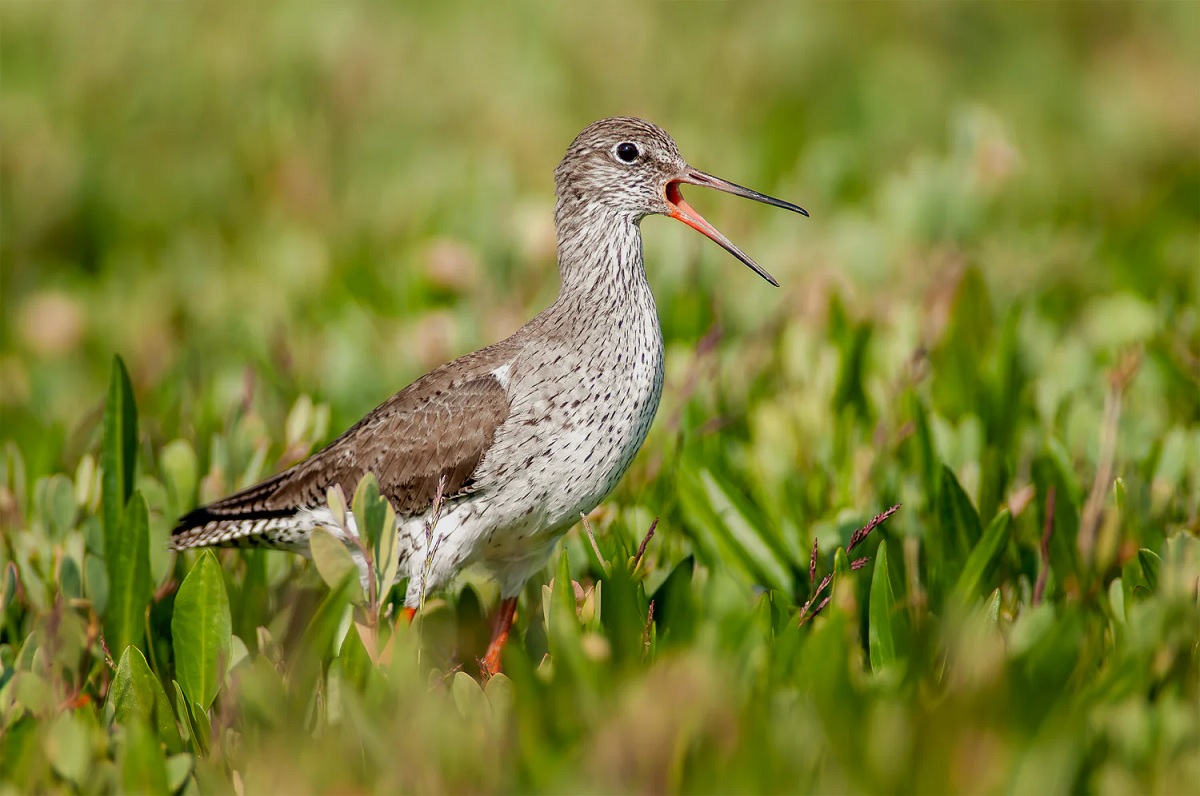
The common redshank displays a mix of earthy tones and subtle patterns that help it blend into wetland habitats. Its upperparts are generally brown with darker streaks, while the underparts are lighter with occasional mottling. During the breeding season, plumage becomes more vibrant, with slightly richer tones enhancing visibility during courtship displays.
Coloration extends to the bird’s legs and bill, which are bright red, making it a standout feature among mudflat waders. The bill is straight, medium-length, and slightly darker at the tip, ideal for probing mud and shallow water for invertebrates. Seasonal changes can influence plumage brightness, and juvenile birds may show duller tones compared to adults.
The combination of body color, streaking, and contrasting red legs allows you to distinguish the common redshank from similar species like the spotted redshank or common greenshank. Observing plumage details also provides clues about age, breeding condition, and seasonal status.
Size, Shape, and Body Structure
The common redshank is a medium-sized wader, measuring approximately 27–30 centimeters in length, with a wingspan of 50–55 centimeters. Its body structure is well-suited to wetland habitats, featuring long, slender legs for wading in shallow water and a streamlined body for efficient movement across mudflats.
The head is moderately small with a rounded crown and prominent eyes, which give it excellent vision for spotting prey and predators. The neck is proportionate, allowing for flexibility while feeding. The wings are relatively long and pointed, providing strong flight capability during migration or escape from threats.
The overall shape of the common redshank balances the need for stability while foraging and agility during flight. Its posture while standing is upright, often alert, with frequent head movement as it scans for prey. This combination of size and structure helps birdwatchers and researchers quickly identify the species in its natural habitat.
Leg and Bill Features
One of the most distinctive features of the common redshank is its bright red legs, which contrast sharply with its earthy plumage. The legs are long and thin, designed for wading through mud and shallow water while maintaining balance. The red coloration is particularly vivid during the breeding season and serves as a visual signal during social interactions and mating displays.
The bill is another key identification feature. Medium-length and slightly tapered, the bill is primarily pinkish-red with a darker tip. It is perfectly adapted for probing the mud for worms, crustaceans, and small invertebrates. The bill’s shape allows for precision while feeding and distinguishes the common redshank from similar waders with differently shaped bills.
Observing the combination of leg color and bill structure makes field identification much easier. Even at a distance, the bright red legs are often the first clue that the bird is a common redshank.
Flight Patterns and Movement
In addition to physical features, flight patterns and movement are important for identification. The common redshank exhibits a strong, direct flight with rapid wingbeats, often rising above mudflats or marshes before landing gracefully. Its wings are edged with white, creating a distinctive flashing pattern visible during flight.
When foraging, the common redshank moves in short, deliberate steps, probing mud with its bill. It often pauses to scan for predators or nearby competition, displaying an alert and upright posture. Juveniles may move more hesitantly, while adults are confident and precise in their movements.
Flight calls, combined with wing patterns and body shape in flight, provide additional identification cues. Observers can often confirm the species even before the bird lands, particularly during migratory movements or when flocks are present in wetlands.
Seasonal and Sexual Variation
Physical appearance in common redshank can vary slightly between seasons and sexes. Breeding adults tend to display more vibrant plumage, with richer brown tones and more contrasting streaks. Juveniles and non-breeding adults often appear duller, with less defined markings and softer leg coloration.
Sexual dimorphism is subtle, with males and females appearing similar, though males may be slightly larger or more vividly colored during courtship displays. Seasonal molting can also affect the intensity of plumage and leg coloration, which is important to note when identifying birds at different times of the year.
By observing these seasonal and sexual variations, you gain a more accurate understanding of identification cues. Attention to plumage, leg color, body shape, and flight behavior allows you to recognize the common redshank in all stages of its life cycle.
Habitat and Distribution
The habitat and distribution of the common redshank reveal much about its adaptability and ecological preferences. These waders occupy a variety of wetland environments across Europe, Asia, and parts of Africa. Understanding Habitat and Distribution helps you appreciate how this species navigates seasonal changes, breeding needs, and food availability while maintaining its presence across such wide geographic ranges.
Preferred Wetland Habitats
Common redshank are highly associated with wetlands, favoring saltmarshes, estuaries, tidal flats, freshwater marshes, and riverbanks. These areas provide abundant food resources such as worms, mollusks, and small crustaceans. The soft, muddy substrate is ideal for probing with their long, slender bills, while shallow water allows efficient wading without excessive energy expenditure.
During the breeding season, common redshank often select marshy grasslands or wet meadows with dense vegetation to conceal nests from predators. Coastal and estuarine areas, particularly those with a mixture of mudflats and low vegetation, offer both feeding opportunities and safe nesting grounds.
Habitat selection reflects the bird’s need for food, shelter, and breeding sites simultaneously. Their presence in diverse wetland types demonstrates ecological flexibility, enabling the species to exploit a range of environments while maintaining survival and reproductive success.
Geographic Range and Distribution
The common redshank has a wide geographic distribution, breeding across northern and temperate Europe and parts of Asia. During the non-breeding season, many populations migrate south to coastal areas of southern Europe, Africa, and South Asia. This seasonal movement ensures access to food and milder climates when northern wetlands freeze or resources diminish.
Distribution also varies based on local habitat availability. Coastal estuaries, tidal flats, and freshwater wetlands support the highest densities, whereas inland areas with suitable wet grasslands or flooded meadows host smaller, scattered populations. Migration corridors link breeding and wintering grounds, with stopover sites critical for refueling during long journeys.
The broad distribution of common redshank highlights its adaptability. By occupying both temperate breeding zones and subtropical or tropical wintering habitats, the species demonstrates remarkable resilience to environmental variation.
Seasonal Movements and Migration
Migration is a key aspect of the common redshank’s distribution. Birds breeding in northern Europe travel hundreds to thousands of kilometers southward to reach wintering grounds in milder regions. Migration timing is influenced by daylight, temperature, and food availability, ensuring that individuals arrive at feeding areas when resources are abundant.
Along migration routes, common redshank utilize estuaries, saltmarshes, and wetlands as stopover sites. These areas are vital for rest, foraging, and energy replenishment, allowing birds to complete long journeys successfully. Juveniles often follow experienced adults to learn traditional routes and stopover locations.
Seasonal movement contributes to ecological connectivity, linking breeding and wintering habitats across continents. Understanding these patterns helps in conservation planning, as protecting stopover sites is essential to maintain population stability during migration.
Threats and Habitat Changes
Human activities and environmental changes significantly impact the habitat and distribution of common redshank. Coastal development, wetland drainage, pollution, and climate change alter both breeding and feeding areas. Loss of tidal flats and marshes reduces food availability, forcing birds to compete for limited resources.
Habitat fragmentation also disrupts migratory corridors, increasing energy expenditure and mortality risks. Changes in water levels due to damming or agricultural practices can affect foraging efficiency, particularly in estuaries and floodplains. Conservation efforts, including habitat restoration and protected wetland management, are critical to maintaining sustainable populations.
Monitoring habitat use and distribution patterns provides insight into how environmental pressures influence common redshank populations. By understanding these dynamics, you can better appreciate the species’ ecological role and the importance of preserving wetlands across its range.
Adaptability to Different Environments
Despite environmental challenges, common redshank show remarkable adaptability. They can exploit a range of wetland types, from saline coastal areas to freshwater marshes, adjusting foraging behavior and nesting strategies according to local conditions. Some populations even inhabit man-made habitats like flooded fields or reservoirs when natural wetlands are scarce.
Flexibility in habitat use allows the species to maintain distribution across broad geographic areas. Their ability to shift between feeding sites, adjust migration timing, and exploit varied wetland types ensures survival even under changing environmental conditions.
This adaptability underscores the resilience of common redshank. Observing their habitat preferences and distribution offers insight into how wetland ecosystems support diverse avian life and the importance of maintaining these environments for ecological stability.
Feeding Habits and Diet
Feeding habits and diet are essential aspects of understanding the ecology and behavior of the common redshank. These wading birds rely on wetlands, mudflats, and shallow waters to find the nutrition needed for survival, reproduction, and migration. Studying Feeding Habits and Diet reveals how the species interacts with its environment, how it sustains energy levels, and how it contributes to wetland ecosystems.
Foraging Behavior
Common redshank exhibit highly active foraging behavior, moving steadily across mudflats, shallow waters, and marshes. They use their long, slender bills to probe mud and sand, extracting worms, insect larvae, crustaceans, and other small invertebrates. Their movement is deliberate, combining quick pecks with probing actions to maximize food capture.
While feeding, they often maintain an alert posture, lifting their heads frequently to scan for predators. Flocks sometimes forage together, allowing birds to locate areas of high prey abundance efficiently. Social foraging also reduces the risk for individuals, as multiple eyes detect threats more effectively.
Juveniles often learn foraging techniques from adults, observing how to probe efficiently and identify high-yield feeding spots. This learned behavior ensures that young birds develop essential skills for survival. Seasonal changes influence foraging intensity, with higher activity during breeding and migration periods when energy demands are elevated.
Diet Composition
The diet of common redshank primarily consists of invertebrates, including worms, mollusks, crustaceans, and insect larvae. These protein-rich foods provide essential energy for daily activity, migration, and reproduction. In addition, birds occasionally consume small fish or amphibians when available, showcasing dietary flexibility.
Diet composition varies with habitat type and season. Coastal birds feeding in tidal flats consume more crustaceans and mollusks, while freshwater marsh dwellers may rely on worms and aquatic insects. During the breeding season, protein-rich prey is particularly important to support chick growth.
Common redshank also take advantage of seasonal abundance. For example, the emergence of insect larvae in spring or summer provides high-energy food, while tidal exposure in estuaries uncovers hidden crustaceans and worms. This opportunistic feeding strategy allows the species to adapt to fluctuating environmental conditions.
Seasonal Variations in Feeding
Feeding habits of the common redshank change with the seasons to meet energy demands and food availability. During the breeding season, adults increase foraging effort to provide for growing chicks. They target nutrient-dense prey to ensure rapid chick development and survival.
In winter, some populations migrate to coastal regions where mudflats and estuaries remain productive. Foraging focuses on abundant crustaceans, mollusks, and worms, which provide energy to maintain body heat and fat reserves during colder months. Juveniles and non-breeding adults adjust their feeding patterns according to local prey abundance.
These seasonal shifts in feeding behavior demonstrate the species’ adaptability. Birds optimize energy intake by selecting habitats with the highest prey availability, balancing effort with nutritional reward. Seasonal feeding adjustments are crucial for survival and reproductive success across their range.
Techniques and Adaptations
Common redshank have evolved specific adaptations for efficient foraging. Their long, sensitive bills allow precise probing into mud and sand to detect prey hidden below the surface. This tactile method is particularly effective in soft substrates where invertebrates burrow.
Leg length is another adaptation, allowing birds to wade through shallow water without submerging their bodies. This enables access to prey in both tidal flats and freshwater wetlands. In addition, their agile, alert movements help them respond quickly to threats or sudden changes in prey availability.
Behavioral adaptations complement physical traits. Birds may feed in small groups to locate high-density prey areas, or forage alone when competition is high. These strategies ensure that energy expenditure is minimized while food intake is maximized, illustrating the species’ ecological efficiency.
Role in Wetland Ecosystems
Through their feeding habits, common redshank play an important ecological role. By consuming invertebrates, they help regulate populations of worms, crustaceans, and insect larvae, maintaining a balanced food web. Their foraging also aerates the mud and sediment, indirectly benefiting plant growth and aquatic organisms.
Seed dispersal is less common than in frugivorous birds, but their movements across mudflats and marshes contribute to nutrient redistribution, supporting microhabitats used by other species. Observing feeding behavior provides insight into ecosystem health, highlighting how the presence of a single wader species influences wetland dynamics.
The feeding habits and diet of common redshank showcase their adaptability, energy management, and contribution to wetland ecosystems. By studying these aspects, you gain a deeper appreciation for how this species interacts with its environment and sustains itself across changing seasons.
Breeding and Nesting Behavior
Breeding and nesting behavior are central to understanding the life cycle of the common redshank. These behaviors ensure the survival of offspring and influence population stability across wetland habitats. Observing Breeding and Nesting Behavior provides insight into territoriality, courtship displays, nest construction, and parental care, highlighting the intricate adaptations that allow this species to thrive in coastal and freshwater environments.
Courtship and Mating Displays
During the breeding season, common redshank engage in a variety of courtship behaviors to attract mates and establish territories. Males perform aerial displays, including swooping flights and exaggerated wing movements, often accompanied by loud, repeated calls to signal fitness and ward off rivals. These vocalizations are crucial for maintaining territory boundaries and attracting females.
Visual displays also play a role in courtship. Bright red legs and contrasting plumage become more pronounced during this period, enhancing the male’s attractiveness. Pair formation typically involves mutual recognition and repeated interactions, with both birds assessing compatibility before nesting begins.
Timing of courtship is synchronized with environmental cues such as increasing daylight and food abundance. This ensures that eggs are laid when resources are sufficient to support chick development. By observing courtship behavior, you can gain a clear understanding of social interactions and reproductive strategies in common redshank.
Nest Site Selection
Nest site selection is critical for the survival of eggs and chicks. Common redshank prefer wet meadows, marshes, and saltmarsh edges with dense vegetation that provides concealment from predators. Nests are usually built on the ground in shallow depressions, sometimes lined with grass, moss, or other soft plant material.
The choice of site balances proximity to feeding areas with protection from environmental hazards such as flooding or trampling. Birds may adjust nest placement based on local conditions, demonstrating flexibility and adaptability. Nests are often spaced to maintain territorial boundaries while minimizing competition with neighboring pairs.
Nest site selection reflects an evolutionary strategy to maximize reproductive success. By choosing secure locations, the species ensures higher egg survival rates and increased chances of raising healthy chicks. The ability to identify optimal sites is essential for population stability.
Egg Laying and Incubation
Once a nest is established, the female lays a clutch of typically three to five eggs. These eggs are camouflaged with mottled brown and green patterns, blending with surrounding vegetation and reducing predation risk. Incubation lasts approximately 22 to 24 days, with both parents participating in nest defense, although the female primarily incubates.
During incubation, the birds remain highly alert, frequently scanning for predators such as foxes, gulls, or corvids. Parents may perform distraction displays, feigning injury to draw threats away from the nest. This protective behavior is crucial for ensuring that eggs hatch successfully.
Incubation also involves thermoregulation, keeping eggs at a stable temperature despite fluctuating weather conditions. By sharing responsibilities, parents maintain energy for feeding and defense, balancing their own survival needs with the requirements of their developing chicks.
Chick Rearing and Parental Care
After hatching, chicks are semi-precocial, meaning they are mobile but still rely heavily on parental care. Both parents provide food, primarily invertebrates, and protect the young from predators. Frequent feeding ensures rapid growth, while vigilance minimizes risk from environmental and biological threats.
Parental care also includes guiding chicks to safe foraging areas and teaching them essential survival skills. The family may move together across mudflats or marshes, taking advantage of abundant prey while avoiding high-risk zones. Parents remain highly attentive during this period, with alarm calls and protective posturing common behaviors.
Effective chick rearing is crucial for reproductive success. Survival rates depend on food availability, predator pressure, and habitat quality. Observing parental care provides insight into the species’ complex social behavior and strategies for maximizing the success of each breeding attempt.
Seasonal Breeding Patterns
Breeding in common redshank is tightly linked to seasonal changes. In northern Europe and Asia, nesting typically occurs during spring and early summer, coinciding with peak food availability and longer daylight hours. This timing ensures that chicks hatch when insect larvae and other prey are abundant, supporting rapid growth.
Some populations may adjust breeding schedules in response to local environmental conditions, demonstrating flexibility. Coastal and estuarine birds may begin nesting slightly earlier or later depending on tidal patterns and vegetation growth. Seasonal breeding patterns are a critical adaptation, aligning reproductive efforts with optimal environmental conditions for raising healthy offspring.
Understanding these seasonal and behavioral patterns highlights the intricate strategies common redshank use to ensure reproductive success. Their courtship, nest selection, incubation, and parental care reflect evolutionary adaptations that support survival in diverse wetland habitats.
Migration Patterns
Migration patterns of the common redshank reveal how this species adapts to seasonal changes and fluctuating resource availability. These wading birds travel between breeding and wintering grounds to access food, favorable climates, and safe habitats. Understanding Migration Patterns provides insight into how common redshank navigate vast distances, select stopover sites, and maintain population stability across their wide geographic range.
Seasonal Movements and Timing
Common redshank are migratory in much of their range, particularly those breeding in northern Europe and Asia. Migration is closely linked to seasonal shifts in temperature and food availability. As wetlands freeze and invertebrate populations decline in the north, birds move south to coastal areas, estuaries, and mudflats that remain productive throughout winter.
The timing of migration is influenced by environmental cues such as decreasing daylight, temperature changes, and food scarcity. Birds begin their southward journey in late summer to early autumn, ensuring arrival at wintering grounds before harsh conditions set in. Spring migration back to breeding grounds coincides with increasing food availability and favorable weather conditions, allowing adults to establish territories and begin courtship displays promptly.
Migration is energetically demanding, so timing is critical. Birds that depart too early risk encountering unfavorable weather or scarce food, while late migrants may face overcrowding at stopover sites or reduced breeding opportunities. Seasonal movements are thus a carefully tuned strategy for survival.
Migration Routes and Stopover Sites
Common redshank follow well-established migration routes, often along coastlines, river valleys, and inland wetlands. These flyways connect northern breeding grounds with southern wintering areas in southern Europe, Africa, and parts of South Asia. Stopover sites along these routes are essential for resting, foraging, and replenishing energy reserves.
Stopover sites include tidal flats, estuaries, and marshes rich in invertebrates. Birds may remain at these locations for several days, feeding intensively to build fat reserves for the next leg of migration. Juveniles often rely on experienced adults to navigate these routes, learning the locations of critical feeding and resting areas for future journeys.
Migration routes are flexible to some degree. Birds may alter paths in response to weather, predation pressure, or habitat changes. This adaptability ensures that even environmental fluctuations do not entirely disrupt migratory success. Effective use of stopover sites directly influences survival rates during long-distance travel.
Factors Influencing Migration Patterns
Several factors shape the migration patterns of common redshank. Food availability is a primary driver, as birds move to regions where prey such as worms, crustaceans, and insects remain abundant. Weather conditions, including wind direction and storm patterns, also influence flight paths and timing.
Habitat quality at breeding, wintering, and stopover sites is equally important. Wetland degradation or loss can force birds to alter traditional routes, increasing energy expenditure and mortality risk. Predation pressure and competition at feeding sites may also affect the timing and duration of stopovers.
Adaptability is key to successful migration. Common redshank adjust departure times, route selection, and stopover duration to maximize energy efficiency and survival. By monitoring these factors, researchers gain valuable insight into population dynamics and conservation needs.
Long-Distance Travel and Behavior
During migration, common redshank exhibit strong, direct flight with rapid wingbeats, often flying at low altitudes over estuaries and wetlands. They travel in small groups or loosely associated flocks, which provides protection and facilitates locating suitable stopover sites.
Behavior during migration is highly focused on energy management. Birds feed intensively before departure and during stopovers to accumulate fat reserves, which serve as fuel for long flights. Navigation relies on a combination of innate instincts, celestial cues, magnetic fields, and landscape features, enabling precise travel over hundreds to thousands of kilometers.
Observing long-distance travel patterns highlights the resilience and adaptability of common redshank. Their migratory behavior reflects a complex interplay of environmental cues, physiology, and learned knowledge, ensuring that populations successfully complete seasonal movements and maintain reproductive success.
FAQs
What Is A Common Redshank?
The common redshank is a medium-sized wading bird known for its bright red legs and distinctive call. It is widely found in wetlands, estuaries, marshes, and mudflats across Europe, Asia, and parts of Africa.
You will notice its brown-streaked upperparts and lighter underparts, which help it blend into wetland habitats. The straight, medium-length bill is ideal for probing mud for worms, crustaceans, and other invertebrates. Its vibrant leg color, agile movements, and loud, repeated calls make it easily recognizable among other waders in its environment.
Where Does The Common Redshank Live?
Common redshank prefer shallow wetlands, coastal estuaries, tidal flats, and freshwater marshes. During the breeding season, they favor wet meadows or marshy grasslands with dense vegetation that provides cover for nests and chicks.
In winter, many migrate to southern Europe, Africa, and South Asia to access milder climates and abundant food. Both inland and coastal habitats are utilized depending on food availability. Observing these habitats provides insight into how common redshank select environments that balance feeding opportunities, safety, and nesting needs.
What Does The Common Redshank Eat?
The diet of the common redshank mainly consists of invertebrates, including worms, insect larvae, mollusks, and small crustaceans. Occasionally, they may consume tiny fish or amphibians.
You will see them actively foraging by walking across mudflats or shallow water and probing the substrate with their long, slender bills. Seasonal variation influences diet, with more protein-rich prey consumed during breeding to feed chicks. Their feeding behavior also contributes to ecosystem health by regulating invertebrate populations and redistributing nutrients across wetland habitats.
How Can You Identify A Common Redshank?
Identifying a common redshank involves observing its bright red legs, straight medium-length bill, and brown-streaked plumage. During flight, the white trailing edges of the wings and a direct, rapid wingbeat pattern are noticeable.
You can also recognize them by their alert posture, frequent head movements while feeding, and loud, repetitive calls. Seasonal changes slightly affect plumage, with adults appearing brighter during breeding season, while juveniles are duller. Paying attention to these characteristics allows you to distinguish common redshank from similar wading species.
How Does The Common Redshank Breed?
Common redshank breed in wet meadows, marshes, and saltmarsh edges. Males perform aerial displays and loud calls to attract mates and establish territories. Nests are shallow depressions lined with grass and moss, often concealed by vegetation.
Females lay three to five camouflaged eggs, which both parents help protect. Incubation lasts around 22–24 days, with parents performing distraction displays to deter predators. After hatching, chicks receive intensive care, including feeding and guidance to safe foraging areas. Breeding strategies are closely aligned with seasonal food availability to maximize chick survival.
When Do Common Redshank Migrate?
Common redshank migrate seasonally between northern breeding grounds and southern wintering areas. Southward migration usually begins in late summer or early autumn to reach milder climates and productive coastal wetlands.
Spring migration back to breeding grounds coincides with longer daylight and peak prey availability. Birds follow established routes along coastlines, rivers, and estuaries, using stopover sites to rest and refuel. Timing and route flexibility allow them to cope with weather, food scarcity, and habitat changes, ensuring survival and reproductive success throughout their migratory cycle.
Final Thoughts
The common redshank is a remarkable wader that thrives in wetlands, estuaries, and coastal areas, playing an important role in these ecosystems. Its distinctive red legs and speckled plumage make it easily recognizable, while its feeding habits contribute to controlling insect and invertebrate populations. Observing the common redshank in its natural habitat reveals a bird well-adapted to both tidal zones and inland marshes, showcasing its agility and resilience.
Understanding the behavior and migration of the common redshank highlights the importance of preserving critical habitats. Seasonal movements across regions ensure access to food and breeding grounds, while their vocalizations and social interactions maintain territory and facilitate mating. This adaptability emphasizes how species survival is closely tied to the health of their environment.
Studying the common redshank not only enriches birdwatching experiences but also underscores the need for conservation. Protecting wetlands and minimizing human disturbances ensures that these striking birds continue to thrive for generations to come.