Can Kiwi Birds Fly: Facts, Adaptations, and Survival Strategies
Kiwi birds are among the most unique and intriguing species in the bird world, known for their small size, long beaks, and nocturnal habits. Native to New Zealand, these birds have evolved in isolated forests, adapting to a life on the forest floor rather than in the skies. Their wings are tiny and hidden under dense feathers, making them unable to lift into flight. Understanding their lifestyle and survival strategies raises the question of can kiwi birds fly, and the answer highlights fascinating aspects of evolution and adaptation.
Despite their flightlessness, kiwi birds are highly efficient at navigating dense undergrowth, foraging for insects and worms, and evading predators through stealth and speed. Studying kiwi behavior and physiology provides insight into how flightlessness can coexist with remarkable survival skills, demonstrating that evolution can produce extraordinary adaptations beyond the ability to fly.
Physical Characteristics of Kiwi Birds
Kiwi birds are among the most distinctive avian species, with unique physical traits that set them apart from other birds. Their small, rounded bodies, hair-like feathers, and long, sensitive beaks make them specially adapted to life on the forest floor. Flightless by nature, kiwis rely on strong legs and acute sensory organs to navigate dense vegetation and find food. Examining their physical characteristics provides insight into evolutionary adaptations, survival strategies, and ecological roles. By understanding these traits, you gain a deeper appreciation for how kiwi birds thrive in their specialized habitats.
Feather Structure and Body Size
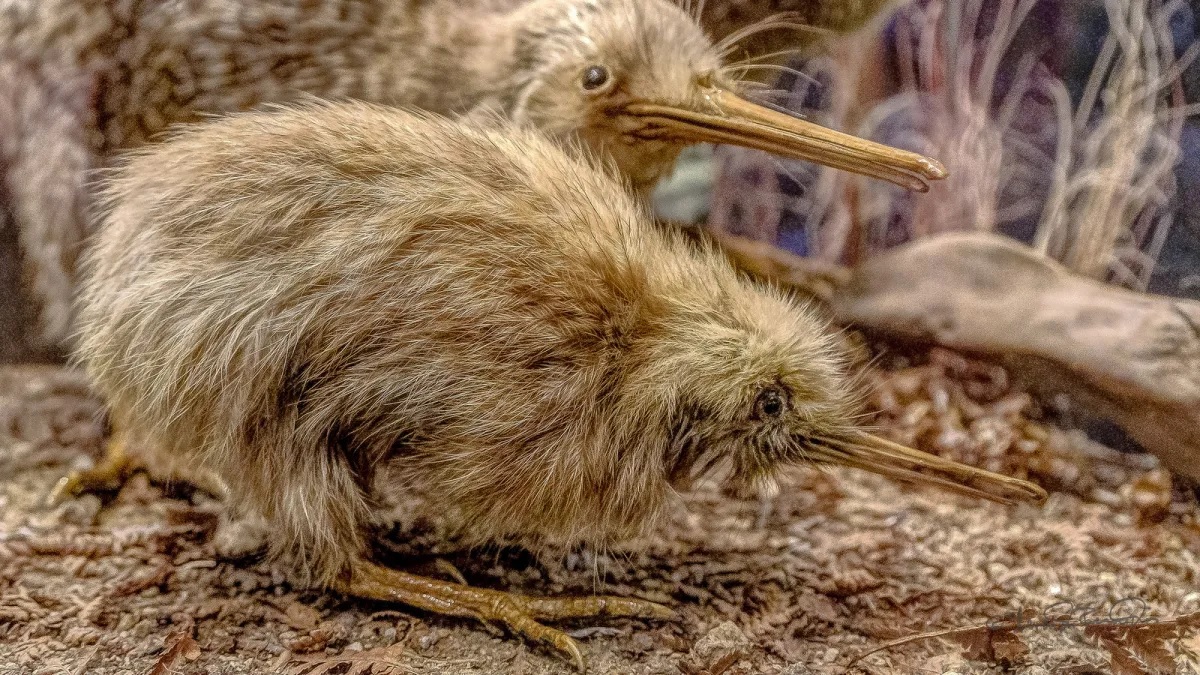
Kiwi birds possess feathers that differ significantly from those of typical birds. He or she has hair-like, soft plumage that provides insulation and camouflage, blending seamlessly with leaf litter and forest undergrowth. Unlike most birds, kiwi feathers lack the stiff central shaft, giving them a shaggy appearance that enhances protection against cold and moisture while allowing quiet movement through dense vegetation.
Kiwis are relatively small, typically ranging from 14 to 18 inches in length, with body weight varying between 2 to 9 pounds depending on the species. Their compact, rounded body shape is well-suited for ground-dwelling life, with reduced wings hidden beneath feathers and insufficient for flight. Observing their feather structure and body size emphasizes the evolutionary trade-offs between flight and terrestrial adaptation, highlighting how specialized features allow kiwi birds to thrive in their forest habitats.
Beak and Sensory Adaptations
One of the most remarkable features of kiwi birds is their long, slender beak, equipped with nostrils at the tip. He or she uses this specialized beak to probe soil, leaf litter, and decaying wood for insects, worms, and other invertebrates. Unlike most birds, kiwi rely heavily on olfaction and tactile senses rather than vision, making their elongated beak an essential tool for locating prey in low-light conditions.
The beak is complemented by highly sensitive nerve endings, allowing kiwi to detect vibrations and movements underground. Their keen sense of smell, rare among birds, helps them identify food sources and avoid predators. Studying these adaptations reveals how physical characteristics go beyond appearance, directly influencing feeding strategies, survival, and ecological interactions. The kiwi’s unique beak exemplifies the intricate balance between morphology and function in evolution.
Legs and Locomotion
Kiwis possess strong, muscular legs that support their primarily terrestrial lifestyle. He or she uses these legs for walking, running, and digging, compensating for the inability to fly. Their three-toed feet, equipped with sharp claws, enable efficient movement through leaf litter, soil, and dense undergrowth, as well as defensive actions when threatened.
Leg strength allows kiwi birds to cover significant ground in search of food during nighttime foraging. Unlike flighted birds that rely on wings for mobility, kiwis demonstrate remarkable endurance and agility on the forest floor. Observing leg structure, muscle composition, and locomotion patterns highlights the adaptation of kiwi birds to a ground-dwelling lifestyle. These physical traits emphasize survival strategies that have evolved over millions of years in response to predation pressures and environmental conditions.
Wings and Flightlessness
Kiwi birds are entirely flightless, with wings reduced to tiny, vestigial structures hidden beneath feathers. He or she cannot use these wings for lift, relying instead on legs for mobility and balance. Flightlessness has evolved due to their isolated habitats and historical absence of mammalian predators, allowing energy to be redirected toward foraging, reproduction, and ground-based survival.
Despite the absence of flight, the vestigial wings are structurally important for maintaining balance during walking and maneuvering through uneven terrain. Studying kiwi wings illustrates how certain physical traits may persist despite the loss of original function. This adaptation demonstrates a trade-off in evolutionary design, highlighting that flightlessness can coexist with highly specialized terrestrial abilities and ecological success.
Eye and Sensory Features
Kiwi birds have relatively small eyes and rely less on vision compared to other birds. He or she is primarily nocturnal, navigating through forests at night using acute hearing, smell, and touch. Their eyes are adapted to detect movement in low-light conditions rather than to rely on color vision or long-distance sight.
In combination with their beak and nerve-rich facial structures, kiwi birds exhibit extraordinary spatial awareness in darkness. Observing eye size, sensory distribution, and nocturnal behavior shows how physical characteristics support ecological needs. These features emphasize the integration of sensory adaptation with morphology, allowing kiwi birds to thrive as nocturnal foragers despite limited visual capacity.
Flight Capabilities and Limitations
Kiwi birds are well-known for their inability to fly, a characteristic that distinguishes them from most other bird species. While wings are a hallmark of avian mobility, kiwis have evolved tiny, vestigial wings that cannot generate lift. This limitation has shaped their behavior, ecology, and physical adaptations, influencing how they navigate, forage, and avoid predators. Understanding kiwi flight capabilities and limitations provides insight into evolutionary trade-offs, energy allocation, and survival strategies that allow these unique birds to thrive despite their inability to take to the skies.
Vestigial Wings and Their Function
Kiwi birds possess wings that are dramatically reduced in size, hidden beneath their shaggy, hair-like feathers. He or she cannot use these wings for flight, making them completely dependent on terrestrial locomotion. Despite being flightless, the wings are not entirely useless; they provide balance and stability while walking, running, or navigating uneven forest floors.
The vestigial wings also play a subtle role in courtship displays and mating behavior, where minor wing movements signal readiness or dominance. Evolutionarily, the reduction of wing size is an energy-saving adaptation. Instead of investing in large flight muscles, kiwis allocate energy toward robust legs, sensory development, and reproductive functions. Observing the wings emphasizes how flightlessness can coexist with specialized terrestrial survival strategies, demonstrating that the absence of flight does not equate to reduced ecological success.
Leg Strength Compensates for Flightlessness
Strong legs are a defining feature of kiwi birds, compensating for their inability to fly. He or she uses muscular legs for walking, running, and digging for food, allowing efficient navigation through dense undergrowth and leaf litter. The legs also provide stability, enabling kiwis to maintain balance over uneven terrain.
Kiwis have three-toed feet with sharp claws, which support foraging, digging, and defensive behavior. The evolutionary trade-off between wing development and leg strength illustrates how energy is redirected to maximize terrestrial survival. Flightlessness encourages nocturnal habits, enabling kiwis to forage at night and avoid predation without relying on wings. Understanding leg adaptations alongside vestigial wings reveals a comprehensive strategy for living in a forest floor environment where flight is unnecessary but mobility remains crucial.
Behavioral Adaptations Due to Limited Flight
The inability to fly has influenced many behavioral traits of kiwi birds. He or she is primarily nocturnal, reducing exposure to predators and conserving energy that would otherwise be spent in flight. Kiwis rely on stealth, camouflage, and a keen sense of smell and touch to locate prey and navigate their environment.
Limited flight also affects social behavior, nesting, and territoriality. Kiwis build burrows or hide nests in dense vegetation, minimizing the need for escape by air. Territorial disputes are often settled on the ground rather than through aerial displays. These behavioral adaptations demonstrate that the lack of flight has shaped evolutionary strategies beyond physical morphology, integrating sensory, ecological, and social traits into a cohesive survival strategy optimized for ground-based living.
Ecological Impact of Flightlessness
Flightlessness affects how kiwi birds interact with their environment. He or she plays a role in soil aeration through digging, insect population control through foraging, and seed dispersal in some habitats. Being flightless limits migration and restricts the birds to specific territories, which makes habitat quality crucial for survival.
Predation and human-induced changes have significant impacts due to their limited escape options. Introduced predators such as dogs, cats, and stoats pose a severe threat, highlighting the importance of conservation and protected habitats. Studying these ecological effects emphasizes how flightlessness is intertwined with survival, reproduction, and ecological roles, providing insight into both the advantages and vulnerabilities of kiwi birds in their natural environment.
Behavior and Daily Activities
Kiwi birds exhibit unique behaviors shaped by their nocturnal lifestyle, flightlessness, and specialized habitats. Their daily activities revolve around foraging, territorial maintenance, nesting, and social interactions. He or she relies heavily on keen senses of smell, touch, and hearing to navigate dense forests and locate food. Studying their behavior provides insight into how evolution has influenced activity patterns, survival strategies, and ecological interactions. Observing kiwis’ daily routines reveals remarkable adaptations that allow them to thrive in environments where flight is unnecessary.
Nocturnal Foraging and Feeding Habits
Kiwi birds are primarily nocturnal, becoming active at dusk to forage for insects, worms, and other invertebrates. He or she uses a long, sensitive bill with nostrils at the tip to detect prey beneath leaf litter, soil, and decaying wood. Their excellent sense of smell, uncommon among birds, helps them locate food in low-light conditions where vision is limited.
During nightly foraging sessions, kiwis travel several kilometers to find adequate food. Their slow, deliberate movements allow them to probe soil efficiently while avoiding predators. The tactile sensitivity of their beak provides precise feedback, enabling the capture of hidden prey. Nocturnal habits reduce competition with diurnal species and minimize exposure to predators. Observing kiwi foraging behavior demonstrates how sensory adaptations, coupled with ground-based locomotion, enable efficient and effective feeding without reliance on flight.
Territorial and Social Behavior
Kiwis are generally solitary and territorial, maintaining defined areas for foraging and nesting. He or she marks territory using vocalizations, scent, and physical presence to communicate boundaries with other kiwis. Males are often more vocal, producing loud, distinctive calls during the night to establish territory and attract mates.
Encounters with conspecifics are usually brief, involving displays of aggression or avoidance rather than prolonged interaction. Territorial behavior ensures adequate food resources and nesting sites. Despite their solitary nature, kiwi pairs form monogamous bonds for breeding, often maintaining long-term relationships. Observing social and territorial behavior highlights how flightlessness influences interactions, forcing kiwis to adapt communication and defense strategies suitable for ground-based living.
Nesting and Breeding Activities
Nesting and breeding occupy a significant portion of kiwi daily life. He or she constructs burrows, crevices, or sheltered areas to lay eggs, providing protection from predators and environmental stressors. Kiwis are known for producing unusually large eggs relative to body size, requiring careful incubation.
The male typically incubates the egg, sometimes for several weeks, while the female may assist in feeding or defending the territory. Daily activities during the breeding season revolve around nest maintenance, feeding, and monitoring for threats. Flightlessness influences nesting behavior by necessitating ground-level sites that are secure and easily accessible. Studying these behaviors illustrates the interplay between reproductive needs, ecological constraints, and physical adaptations in shaping daily routines.
Locomotion and Ground-Based Activities
Kiwi birds are highly adapted to terrestrial movement, using strong legs to walk, run, and navigate uneven terrain. He or she spends most of the day resting or conserving energy, becoming active primarily at night for foraging and territorial patrol. Short bursts of speed enable them to escape immediate threats.
Their clawed feet facilitate digging, scratching, and movement through dense undergrowth, while balance is maintained by a low center of gravity and subtle wing use. Ground-based locomotion influences their daily energy budget, predation avoidance strategies, and foraging efficiency. Observing kiwi movement demonstrates how a flightless bird compensates with agility, endurance, and specialized limbs to thrive in forest floor ecosystems.
Interaction with the Environment
Daily activities of kiwis are closely tied to their habitat. He or she navigates forest floors, using leaf litter, fallen logs, and underbrush for cover. Foraging, nesting, and territorial patrols are all influenced by environmental features, ensuring safety and resource availability.
Kiwis also play ecological roles, such as aerating soil through digging and controlling invertebrate populations. These interactions demonstrate how behavior and environment are intertwined, with flightlessness influencing activity patterns, survival strategies, and ecological contributions. Studying these environmental interactions provides insight into the adaptive behaviors that allow kiwi birds to thrive despite their unique limitations.
Habitat and Environmental Adaptations
Kiwi birds are uniquely adapted to the forests, grasslands, and shrublands of New Zealand. Their habitat preferences, combined with physical and behavioral adaptations, allow them to thrive despite being flightless and nocturnal. He or she relies on dense undergrowth for cover, abundant leaf litter for foraging, and burrows for nesting. Understanding kiwi habitat and environmental adaptations provides insight into how evolution has shaped their survival strategies, energy conservation, and ecological roles within a specialized and often fragile ecosystem.
Forest Floor Specialization
Kiwi birds are primarily forest dwellers, relying on dense vegetation for protection and foraging opportunities. He or she thrives in environments rich with leaf litter, fallen logs, and shrubs that provide shelter from predators and harsh weather. The low-light conditions of the forest floor align with their nocturnal lifestyle, allowing kiwis to forage for insects, worms, and other invertebrates with minimal competition.
Their strong legs, sensitive bills, and tactile adaptations make navigating complex forest terrain efficient. By moving quietly through dense undergrowth, kiwis can detect prey while avoiding predators. This specialization emphasizes that flightlessness is not a disadvantage in a habitat that offers abundant resources, protection, and the opportunity to exploit ecological niches inaccessible to other species. Understanding their forest floor adaptations illustrates the intricate connection between behavior, morphology, and environmental demands.
Burrowing and Nesting Adaptations
Kiwi birds rely heavily on burrows and sheltered nesting sites to reproduce safely. He or she digs or occupies natural crevices, providing protection for eggs and chicks against predators and extreme weather. Burrow locations are often chosen based on soil type, vegetation cover, and proximity to foraging areas.
Flightlessness influences nesting behavior, requiring ground-level sites that are secure and easily defended. Kiwis have evolved the ability to move quietly and cautiously around nesting areas, minimizing the risk of detection. These nesting adaptations demonstrate a balance between environmental pressures and survival needs, ensuring that reproductive success is optimized despite mobility limitations. Observing kiwi burrowing and nesting behavior underscores how habitat and morphology interact to support survival in specialized ecosystems.
Adaptations to Nocturnal Life
Kiwis are nocturnal birds, a behavior shaped by environmental conditions and predator presence. He or she uses the cover of night to forage efficiently, avoiding diurnal predators and reducing competition with other birds. Dense forest floors provide an ideal environment for low-light navigation, allowing kiwis to exploit resources safely.
Adaptations for nocturnal living include highly developed olfactory senses, sensitive beaks, and acute hearing. These traits compensate for limited vision in the dark, enabling effective prey detection and spatial awareness. Nocturnal habits also influence movement patterns, social interactions, and predator avoidance strategies. Studying these adaptations demonstrates how kiwi birds have evolved behaviors and sensory capabilities specifically suited to their environment, allowing them to thrive in conditions that challenge many other species.
Terrain Navigation and Locomotion
Kiwi birds are adapted to navigating varied terrain, including forests, grasslands, and wetlands. He or she relies on strong, muscular legs for walking, running, and climbing over obstacles, compensating for their inability to fly. Feet with sharp claws allow them to dig for food and maneuver through leaf litter, soil, and roots.
Ground-based locomotion supports foraging efficiency and predator evasion. The low center of gravity and subtle use of vestigial wings help maintain balance during movement. Terrain adaptability ensures access to resources across a range of microhabitats within their home range. Observing kiwi movement demonstrates the close link between physical adaptations and environmental specialization, highlighting how flightless birds optimize survival within complex ecosystems.
Climate and Environmental Resilience
Kiwis inhabit regions with variable climates, from temperate rainforests to subtropical forests. He or she relies on dense plumage for insulation against cold and damp conditions, while nocturnal behavior minimizes exposure to extreme temperatures. Environmental adaptations include energy conservation strategies, burrow use for shelter, and activity timing aligned with optimal foraging conditions.
Survival depends on habitat quality and resource availability. Introduced predators, deforestation, and human activity threaten these sensitive ecosystems, making conservation essential. Studying kiwi environmental adaptations emphasizes how flightlessness, nocturnality, and terrestrial specialization are intricately linked to survival in specific climates and habitats. These adaptations illustrate the delicate balance between morphology, behavior, and environmental pressures in shaping kiwi bird populations.
FAQs
Can Kiwi Birds Fly At All?
Kiwi birds cannot fly. He or she has tiny, vestigial wings hidden under shaggy feathers, which are incapable of generating lift. Flightlessness has evolved over millions of years due to the absence of mammalian predators in New Zealand, allowing kiwis to thrive on the forest floor. Instead of flying, kiwis rely on strong legs for walking, running, and digging. Understanding their flight limitation highlights how evolution can favor terrestrial survival strategies, sensory development, and nocturnal behavior over aerial mobility.
Why Are Kiwi Birds Flightless?
Kiwi birds are flightless primarily due to evolutionary adaptations. He or she developed small wings and heavy, muscular bodies suited for terrestrial life rather than flight. Their isolated habitats lacked natural predators, reducing the need for escape through flying. Flightlessness allowed energy to be redirected to strong legs, enhanced senses, and reproductive functions, optimizing survival on the forest floor. Studying kiwi birds demonstrates how environmental pressures shape morphology, showing that the absence of flight can be advantageous when ground-based survival and nocturnal habits are more critical.
How Do Kiwi Birds Compensate For Lack Of Flight?
Kiwi birds compensate for their inability to fly with specialized adaptations. He or she uses powerful legs to run and navigate uneven terrain efficiently, while a long, sensitive beak detects food underground. Nocturnal habits reduce predator encounters, and heightened senses of smell, touch, and hearing guide foraging and navigation. Flightlessness is offset by these terrestrial and sensory skills, allowing kiwi birds to survive and thrive in dense forests. Observing these compensatory adaptations highlights how evolution can prioritize specialized survival traits over flight in certain ecological niches.
Can Kiwi Birds Escape Predators Without Flying?
Kiwis rely on stealth, camouflage, and speed to evade predators. He or she moves quietly through dense vegetation, blending with leaf litter to avoid detection. Strong legs allow quick bursts of running, and nocturnal habits reduce encounters with daytime predators. While they cannot fly to escape, these strategies provide effective defense mechanisms in their natural environment. Studying kiwi predator avoidance shows how flightlessness drives alternative survival adaptations, emphasizing the importance of habitat, behavior, and sensory capabilities in minimizing predation risk.
Do Kiwi Birds Have Wings At All?
Yes, kiwi birds have wings, but they are extremely small and hidden under feathers. He or she cannot use these wings for flight, making them vestigial structures. Instead, the wings help maintain balance while walking or maneuvering through dense undergrowth. This adaptation reflects evolutionary trade-offs, showing that flight is unnecessary for survival in their predator-free, ground-based habitats. Observing kiwi wings demonstrates how certain features can persist despite losing their primary function, serving secondary roles like balance or display while conserving energy for other vital functions.
How Does Flightlessness Affect Kiwi Behavior?
Flightlessness shapes nearly every aspect of kiwi behavior. He or she forages primarily at night, relies on tactile and olfactory senses, and builds burrows for nesting rather than using aerial escape. Territorial defense, movement, and predator avoidance are all ground-based. Flightlessness also influences energy conservation and social interactions. Understanding how kiwis behave without flight highlights the connection between morphology, ecology, and survival strategies, showing that evolution can produce highly specialized behaviors adapted to terrestrial and nocturnal life rather than reliance on aerial mobility.
Final Thoughts
Kiwi birds are remarkable examples of how evolution shapes species to thrive in their unique environments without relying on flight. Their small wings and heavy bodies make flying impossible, yet they have developed incredible adaptations to survive on the ground. From keen senses that help them forage at night to strong legs that allow swift movement through dense vegetation, kiwi birds are well-equipped for life on the forest floor.
Understanding their behavior and habitat sheds light on how these flightless birds maintain their survival despite natural predators and human threats. For wildlife enthusiasts and conservationists, exploring the question of can kiwi birds fly highlights the importance of preserving their natural habitats and ensuring their continued protection. Appreciating their unique adaptations allows a deeper connection with these extraordinary birds and underscores the diversity and resilience of avian life.