Black Winged Stilt: Key Facts, Behavior, And Habitat Insights
The black winged stilt is a striking wader known for its long, thin legs and contrasting black-and-white plumage. This elegant bird can often be seen wading through shallow waters, searching for insects, crustaceans, and other small aquatic prey. Its remarkable height, combined with agile movements, allows it to navigate wetlands, marshes, and estuaries with ease. The black winged stilt’s distinctive appearance and behavior make it a favorite among birdwatchers and nature enthusiasts, drawing attention wherever it is found.
Observing this species provides valuable insights into wetland ecosystems, as its feeding habits, social interactions, and migratory patterns reflect the health of aquatic habitats. Studying the black winged stilt also highlights the importance of conservation efforts, as protecting its habitats ensures the survival of this visually captivating and ecologically significant wader.
Physical Characteristics
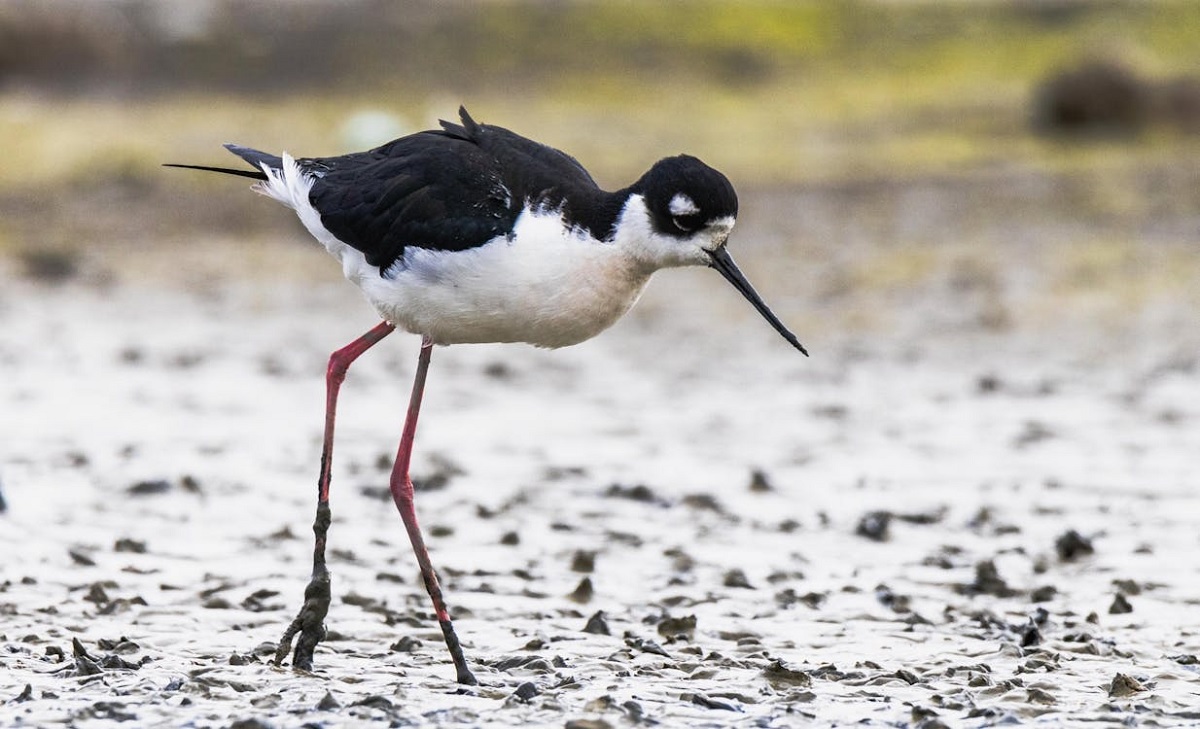
The black winged stilt is easily recognizable due to its striking physical features, which set it apart from other wading birds. Its long, thin legs, slender neck, and contrasting black-and-white plumage make it both elegant and highly adapted to its wetland environment. These physical traits are not only visually distinctive but also functionally important, enabling the bird to navigate shallow waters, forage efficiently, and maintain balance while moving through mudflats, marshes, and shallow lagoons. Observing these characteristics helps you identify the species and understand its ecological adaptations.
Long Legs and Adaptations for Wading
One of the most notable features of the black winged stilt is its exceptionally long, thin legs, which allow it to wade comfortably in deeper waters than many other shorebirds. These legs provide the bird with the height necessary to reach prey in shallow water while keeping its body above the surface. The legs are also strong and flexible, giving the bird balance as it navigates muddy or uneven terrain, which is common in wetlands and estuarine environments.
The length and structure of the legs are complemented by partially webbed toes, which help distribute weight and prevent sinking into soft mud. This adaptation is critical for foraging, as the black winged stilt feeds on small aquatic invertebrates, insects, and crustaceans that inhabit shallow waters. Its wading ability allows it to exploit food sources that might be inaccessible to shorter-legged birds, giving it a competitive advantage in its habitat. By examining these leg adaptations, you can understand how physical traits directly support survival and efficient feeding in wetland ecosystems.
Plumage and Body Structure
The black winged stilt’s plumage is another defining feature. Its body is primarily white, with contrasting black wings and back, creating a sharp visual distinction that makes identification easier. This coloration is not only striking but may also provide some camouflage against predators when the bird is standing in shallow water with reflections and shadows. The slender neck and streamlined body shape enhance its agility, allowing quick movements during foraging or flight.
The bird’s lightweight body, combined with long wings, enables efficient flight over long distances, which is important during migration and dispersal between wetlands. The black winged stilt’s bill is thin, straight, and slightly elongated, perfectly adapted for picking small prey from the water’s surface or mud. These physical characteristics collectively enhance its ability to thrive in aquatic habitats, balancing foraging efficiency, mobility, and predator avoidance. Observing the plumage and body structure helps you understand how each feature contributes to the bird’s ecological success.
Eye Color and Sensory Adaptations
The black winged stilt also exhibits distinctive red eyes, which stand out against its black-and-white plumage. This eye coloration may play a role in social signaling among individuals, especially during mating or territorial displays. Beyond appearance, the eyes are highly adapted for detecting movement in water, allowing the bird to spot prey efficiently. Its keen vision is essential for survival, particularly in habitats where subtle movement in shallow waters indicates food or potential threats.
Additionally, the positioning of the eyes provides a wide field of view, helping the bird remain vigilant while foraging in exposed areas. Sensory adaptations like acute vision, combined with physical traits such as long legs and specialized bills, make the black winged stilt an expert forager. Understanding these adaptations demonstrates how the bird’s physical characteristics are intricately linked to its behavior, ecological role, and ability to thrive in diverse wetland environments.
Habitat And Distribution
The black winged stilt thrives in shallow wetlands, marshes, estuaries, and mudflats, where it can forage efficiently for aquatic invertebrates, insects, and small crustaceans. Its preferred habitats often include brackish or freshwater areas with exposed mud or sand for wading. Understanding the habitats and global distribution of this species provides insight into its ecological preferences, migration patterns, and adaptability to environmental conditions. Observing their habitat choices helps you appreciate the critical role these birds play in wetland ecosystems.
Preferred Habitats
Black winged stilts are commonly found in shallow bodies of water with open, unobstructed surfaces, such as lakes, ponds, marshes, and tidal flats. They favor areas with minimal vegetation, which allows them to spot and capture prey efficiently. The presence of mudflats or sandbanks is especially important, as these surfaces provide both foraging grounds and resting areas.
The availability of food and suitable nesting sites heavily influences habitat selection. Black winged stilts feed on insects, crustaceans, mollusks, and small aquatic invertebrates, making wetlands rich in these resources ideal. Additionally, shallow waters enable them to wade with their long legs, while open spaces provide visibility to detect predators. By studying their preferred habitats, you can understand how environmental features directly support feeding, breeding, and survival strategies for this species.
Geographic Distribution
The black winged stilt has a widespread distribution across parts of Europe, Asia, Africa, and Australasia. In Europe, they are frequently observed in southern regions during breeding seasons, while migratory populations move southward to Africa or the Indian subcontinent for wintering. In Asia, they inhabit wetlands across India, Southeast Asia, and parts of the Middle East, demonstrating adaptability to varied climates and water conditions.
Their presence in diverse geographic locations highlights their flexibility in exploiting different wetland ecosystems. Distribution patterns are closely tied to seasonal changes, water availability, and food resources. Understanding their geographic spread helps birdwatchers, ecologists, and conservationists identify key habitats that require protection. The species’ ability to thrive across continents underscores its resilience and ecological importance within global wetland environments.
Impact of Habitat Changes
Changes in wetlands, including drainage, pollution, and urban development, can significantly affect black winged stilt populations. Habitat degradation reduces available foraging areas, nesting sites, and protective cover, which can lead to declines in local populations. Conservation efforts, such as wetland restoration and protection of mudflats, are crucial for maintaining healthy populations of these wading birds.
Observing their response to habitat changes provides insight into ecological resilience and adaptability. Some populations have shifted to man-made wetlands, salt pans, or reservoirs, showing flexibility in habitat use. Understanding the impact of habitat alteration helps you recognize the importance of conserving wetlands not only for black winged stilts but also for the many other species that depend on these ecosystems. Protecting their habitats ensures continued ecological balance and biodiversity.
Feeding Behavior And Diet
The black winged stilt exhibits specialized feeding behaviors that allow it to exploit shallow wetland environments efficiently. Its diet primarily consists of aquatic invertebrates, small crustaceans, insects, and occasionally plant matter. Observing its foraging techniques provides insight into its ecological role as a predator in wetland food webs. Understanding feeding behavior and diet helps you appreciate how the black winged stilt sustains itself, interacts with prey populations, and adapts to varying environmental conditions.
Foraging Techniques
Black winged stilts employ a variety of foraging techniques to locate and capture food in shallow waters. They often wade slowly through mudflats, ponds, and marshes, using their long legs to maintain balance while probing the water and soft sediment with their slender bills. This method allows them to detect and capture small aquatic invertebrates such as insects, crustaceans, and mollusks with precision.
Some stilts also exhibit a “pecking” technique, quickly snapping up prey from the water’s surface or the edges of puddles and shallow streams. Their keen eyesight enables them to detect subtle movements, making hunting efficient even in murky or reflective water. These foraging behaviors demonstrate adaptability to different wetland conditions, allowing them to exploit a variety of prey items. By observing these techniques, you can understand how their physical traits, such as long legs and slender bills, are perfectly adapted to their feeding habits and ecological niche.
Diet Composition
The diet of black winged stilts primarily includes insects, small crustaceans, and other aquatic invertebrates. Species such as beetles, flies, larvae, and tiny shrimp-like creatures form a significant portion of their daily intake. Occasionally, they may consume seeds or plant matter, particularly when animal prey is scarce, but they are predominantly carnivorous in feeding habits.
Diet composition often varies depending on habitat and seasonal availability. In freshwater wetlands, insects and larvae dominate, while brackish environments provide more crustaceans and mollusks. This dietary flexibility allows the black winged stilt to exploit different food sources and maintain energy levels throughout breeding and migration periods. Understanding the diet helps you appreciate their role in controlling invertebrate populations, supporting ecosystem balance, and contributing to the overall health of wetland habitats.
Ecological Significance
Feeding behavior of black winged stilts has important ecological implications. By preying on insects and small aquatic organisms, they help regulate populations of invertebrates, preventing overpopulation that could damage wetland vegetation. Their foraging also contributes to nutrient cycling, as the movement through sediment redistributes nutrients and supports microhabitats for other organisms.
Additionally, the black winged stilt serves as prey for larger predators, linking multiple trophic levels. Observing their diet and foraging patterns provides insight into wetland ecosystem dynamics, predator-prey relationships, and energy transfer. Their feeding behavior illustrates the interconnectedness of species within aquatic environments and emphasizes the critical role that even a single wader species plays in maintaining ecological balance.
Breeding And Nesting Habits
The black winged stilt exhibits fascinating breeding and nesting behaviors that reflect its adaptation to wetland habitats. These birds typically form monogamous pairs during the breeding season and carefully select nesting sites near shallow waters for easy access to food. Understanding their breeding patterns, nest construction, and parental care provides insight into their reproductive strategies and the importance of wetland ecosystems for sustaining populations. Observing these behaviors helps you appreciate their ecological and social adaptations.
Nesting Sites And Construction
Black winged stilts prefer to nest on the ground in open areas near shallow water bodies, such as marshes, mudflats, and the edges of lakes and ponds. Nests are usually simple scrapes in the soil or sand, sometimes lined with plant material, pebbles, or shells to provide stability and slight camouflage. The choice of nesting site is strategic, balancing proximity to food sources with safety from predators.
Both male and female stilts participate in nest building, demonstrating cooperative behavior. The location is typically elevated slightly to avoid minor flooding, yet close enough to foraging areas to minimize energy expenditure during feeding trips. By observing their nesting habits, you can understand how black winged stilts optimize reproductive success while adapting to environmental conditions. These practices also highlight the critical importance of conserving wetland habitats, as the availability of safe nesting areas directly affects population stability.
Egg Laying And Incubation
During the breeding season, the female black winged stilt lays a clutch of typically three to four eggs. The eggs are small, oval, and often speckled, providing natural camouflage against the substrate of mud, sand, or gravel. Both parents share the responsibility of incubating the eggs, taking turns to maintain appropriate temperature and protect the clutch from potential threats.
The incubation period lasts approximately three to four weeks, during which the birds remain vigilant and responsive to disturbances. Incubation requires careful timing, as both overexposure to sun and predation risks can threaten the eggs. Observing these behaviors illustrates the dedication of black winged stilt parents and emphasizes the importance of shared parental investment in ensuring the survival of offspring. The cooperative nature of incubation reflects their social structure and adaptation to open wetland environments.
Chick Rearing And Fledging
Once the eggs hatch, both parents actively participate in feeding and protecting the chicks. Newly hatched chicks are precocial, meaning they are relatively mobile and covered with down feathers, allowing them to follow their parents and explore shallow waters shortly after birth. Parents guide them to suitable foraging areas and demonstrate defensive behaviors against predators.
Chick rearing involves continuous vigilance and teaching foraging skills, ensuring the young birds develop survival capabilities. The fledging period typically lasts four to five weeks, after which chicks become independent but may remain in loose family groups. Observing chick rearing behaviors highlights the adaptive strategies black winged stilts employ to maximize offspring survival in challenging wetland environments, demonstrating the intricate balance of care, feeding, and protection within their breeding ecology.
People Also Asked
What Are The Key Physical Features Of A Black Winged Stilt?
The black winged stilt is easily recognizable by its striking black and white plumage and long, slender pink legs. You can notice its thin, straight bill, which is perfect for probing shallow waters for food. He or she has a lightweight body and relatively long wings, allowing agile flight. Their size and leg length make them stand out among wading birds. Observing these features helps you quickly identify the species in wetlands or shallow water habitats. Their unique appearance not only serves a practical purpose but also makes them a favorite for birdwatchers.
Where Can You Commonly Find Black Winged Stilts?
Black winged stilts are typically found in shallow wetlands, marshes, lagoons, and flooded fields. You can see them in parts of Europe, Asia, Africa, and Australia depending on the season. He or she often prefers areas with muddy or sandy substrates that make foraging easier. Seasonal migration allows them to adapt to different climates and food availability. By understanding their preferred habitats, you can predict where to spot them during birdwatching trips. Their presence often indicates healthy wetland ecosystems, as they rely on clean, shallow water for feeding and nesting.
What Does A Black Winged Stilt Eat?
Black winged stilts mainly feed on insects, small crustaceans, mollusks, and other tiny aquatic animals. He or she uses their long, thin bill to probe mud or shallow water, picking up prey efficiently. Their diet allows them to play an essential role in controlling insect populations and maintaining wetland ecosystem balance. You can often see them foraging in groups, moving methodically across shallow areas. Understanding their diet helps you appreciate how they contribute to nutrient cycling and energy transfer in their habitat. Seasonal changes in prey availability may also influence their movement and feeding patterns.
How Do Black Winged Stilts Reproduce And Care For Their Young?
During the breeding season, black winged stilts perform courtship displays to attract mates. He or she builds nests on the ground near shallow water, often using vegetation, mud, or pebbles. A typical clutch contains two to four eggs, which both parents incubate. After hatching, chicks are semi-precocial, meaning they can move around but still rely on parents for protection and guidance. Observing their breeding behavior helps you understand the effort these birds put into ensuring offspring survival. Their reproductive strategy supports the maintenance of stable populations despite environmental challenges.
How Do Black Winged Stilts Behave Socially?
Black winged stilts are generally social birds, often seen in pairs or small groups. He or she communicates through calls and body language, especially during foraging or territorial disputes. While feeding, they may form loose flocks, which improves safety from predators. You can observe their territoriality during breeding, as they defend nesting sites from intruders. Understanding their social behavior allows you to predict movements and interactions in the wild. Their communication and flocking patterns are essential for survival, foraging efficiency, and maintaining cohesion within groups.
What Threats Do Black Winged Stilts Face And How Are They Protected?
Black winged stilts face threats primarily from habitat loss due to wetland drainage, pollution, and human activity. He or she is also vulnerable to predation on eggs and chicks. Conservation efforts focus on protecting wetland habitats, regulating human interference, and monitoring populations. By preserving shallow wetlands and marshes, you help ensure these birds continue to thrive. Understanding their threats highlights the importance of ecological balance and responsible environmental management. Protecting black winged stilts also benefits other wetland-dependent species, contributing to overall biodiversity conservation.
Final Words
The black winged stilt is a remarkable wading bird whose unique physical traits, specialized feeding behaviors, and adaptable breeding habits make it a fascinating subject for birdwatchers and researchers alike. Its long legs, slender body, and striking black-and-white plumage allow it to thrive in shallow wetlands, while its diet of aquatic invertebrates, insects, and occasional plant matter demonstrates its ecological versatility. Observing its breeding strategies and chick-rearing behavior provides insight into the cooperative parenting and survival tactics that sustain populations.
The black winged stilt’s preference for diverse wetland habitats highlights the importance of conserving these ecosystems, which support not only this species but countless other organisms. By studying its behavior, distribution, and interactions within the food web, you gain a deeper appreciation for its role in maintaining ecological balance and biodiversity, underscoring the significance of protecting and understanding this elegant and adaptable bird.