Are Birds Primary Or Secondary Consumers: Understanding Their Role In The Food Chain
Birds occupy a fascinating place in the food chain, and understanding their role helps you appreciate the balance of ecosystems. Different species of birds consume a variety of foods, ranging from seeds and fruits to insects and small animals, which determines their position as primary or secondary consumers. Observing feeding habits and dietary preferences allows you to identify whether a bird primarily eats producers like plants or feeds on other animals that have already consumed plants.
When considering [are birds primary or secondary consumers], it becomes clear that their classification depends on species and context. Some birds, like sparrows and finches, are primarily herbivorous, acting as primary consumers, while others, such as hawks and owls, feed on other animals, placing them higher as secondary consumers. Understanding these distinctions is essential for studying food webs, ecological interactions, and the impact of birds on their environments.
Birds as Primary Consumers
Birds can play a vital role as primary consumers within ecosystems. Primary consumers feed directly on producers, such as plants, seeds, fruits, and nectar, and help transfer energy from autotrophs to higher levels of the food chain. Many birds are herbivorous or omnivorous, consuming plant-based diets for nutrition and energy. Observing these feeding habits provides insight into ecological balance, plant propagation, and the role birds play in shaping environments. Understanding their function as primary consumers helps you appreciate their importance in sustaining biodiversity.
Seed-Eating Birds
Seed-eating birds, or granivores, are classic examples of primary consumers. Species like finches, sparrows, and doves rely heavily on seeds for their daily energy requirements. By consuming seeds from grasses, trees, and shrubs, these birds directly transfer the energy stored in plants into the animal kingdom. This feeding behavior allows you to see the critical role birds play in the food chain, acting as the link between producers and secondary consumers like predatory birds or mammals.
In addition to energy transfer, seed-eating birds also contribute to plant reproduction. Many seeds pass through the digestive tract unharmed and are dispersed across wide areas, promoting germination and plant diversity. These ecological services are vital for maintaining healthy ecosystems, particularly in forests, grasslands, and urban green spaces. By observing seed-eating behavior, you can gain a deeper understanding of how primary consumers support plant life and provide the foundation for higher trophic levels.
Fruit-Eating Birds
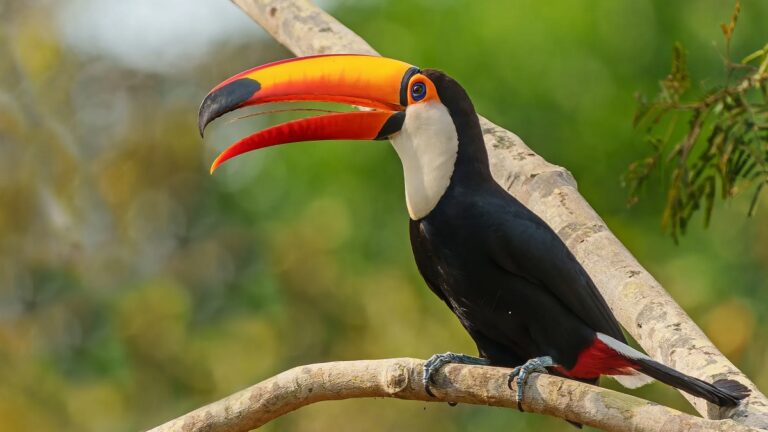
Fruit-eating birds, or frugivores, are another key group of primary consumers. Birds like orioles, toucans, and thrushes consume fruits for energy while assisting in seed dispersal. This interaction highlights a mutualistic relationship where plants gain reproductive benefits, and birds obtain essential nutrients. You can observe fruit-eating birds visiting orchards, forests, and gardens, playing a crucial role in spreading seeds over large distances, sometimes far from the parent plant.
The contribution of frugivorous birds to ecosystems extends beyond nutrition and energy transfer. By dispersing seeds in various locations, they promote genetic diversity, aid in habitat regeneration, and support ecosystem resilience. Many trees and shrubs rely heavily on birds for propagation, making them essential components of natural landscapes. Understanding the role of frugivorous birds as primary consumers helps you see how individual feeding habits can have far-reaching ecological impacts, reinforcing the interconnectedness of species within food webs.
Nectar-Feeding Birds
Some birds specialize in feeding on nectar from flowers, making them important primary consumers and pollinators. Hummingbirds, sunbirds, and honeycreepers extract nectar as a high-energy food source, relying on plant producers for survival. As they feed, these birds inadvertently transfer pollen from flower to flower, facilitating reproduction in flowering plants. By examining nectar-feeding behavior, you can appreciate how birds influence both energy flow and plant reproduction in ecosystems.
The ecological role of nectar-feeding birds goes beyond nutrition; they maintain floral diversity and productivity. Plants that depend on birds for pollination often have co-evolved traits like brightly colored flowers, tubular shapes, and high nectar content. Observing these interactions helps you understand how birds as primary consumers not only feed on producers but also actively shape the structure and diversity of plant communities. Their dual role as consumers and pollinators demonstrates the vital ecological contributions of birds within ecosystems.
Birds as Secondary Consumers
Birds occupy various trophic levels in ecosystems, and many function as secondary consumers by feeding on other animals rather than directly on plants. These birds play a critical role in controlling prey populations and maintaining ecological balance. Observing their predatory behavior reveals how energy moves from primary consumers to higher levels of the food chain. Understanding birds as secondary consumers allows you to appreciate their contribution to biodiversity, predator-prey dynamics, and the overall stability of ecosystems.
Birds of Prey
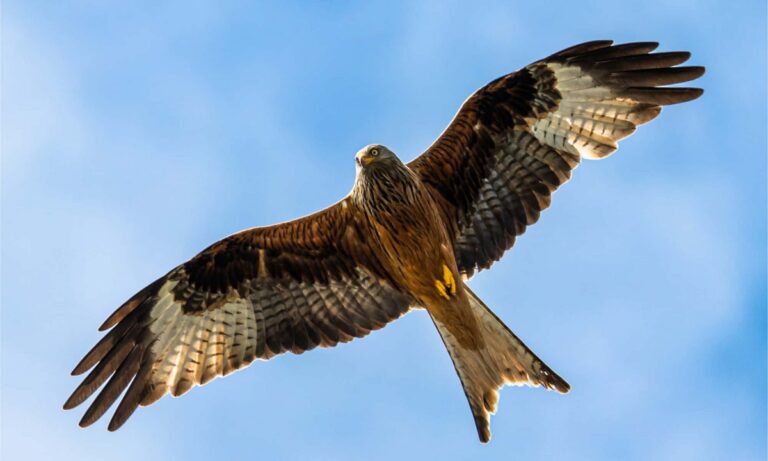
Birds of prey, or raptors, are prime examples of secondary consumers. Species like hawks, eagles, falcons, and owls primarily feed on other animals, including rodents, small birds, insects, and reptiles. Their hunting strategies are highly specialized, utilizing keen eyesight, sharp talons, and strong beaks to capture and consume prey efficiently. This feeding behavior places them above primary consumers in the food chain and makes them crucial for regulating populations of smaller animals.
Raptors also indirectly support plant life by controlling herbivore populations, which prevents overgrazing and ensures plant species diversity. By observing raptors in their natural habitats, you can understand how secondary consumers contribute to energy flow and maintain ecosystem equilibrium. Their role highlights the interconnectedness of species, showing that predators are essential for sustaining the health and balance of ecosystems. These birds demonstrate the complex adaptations and behaviors required to thrive as secondary consumers.
Insectivorous Birds
Many birds act as secondary consumers by feeding primarily on insects and other invertebrates. Species such as flycatchers, swallows, woodpeckers, and warblers consume large quantities of insects, including caterpillars, beetles, and grasshoppers. By doing so, they regulate insect populations, reducing the risk of plant damage and helping maintain ecological balance. Insectivorous birds are particularly important in agricultural and forest ecosystems, where unchecked insect populations can cause significant harm.
The diet of insectivorous birds also contributes to nutrient cycling within ecosystems. By consuming insects that feed on plants and then excreting waste, they redistribute nutrients to the soil, indirectly supporting plant growth. Observing insectivorous birds allows you to see how secondary consumers maintain balance between herbivores and producers while supporting ecosystem productivity. Their role emphasizes the importance of these birds in connecting multiple trophic levels, illustrating the complex relationships that sustain biodiversity.
Omnivorous Birds
Some birds occupy a flexible niche, feeding on both plants and animals, making them opportunistic secondary consumers. Species such as crows, gulls, and starlings consume insects, small animals, eggs, as well as seeds and fruits. This dietary versatility allows them to adapt to changing food availability and thrive in diverse habitats, from urban areas to forests. Omnivorous birds illustrate the dynamic nature of food webs, as they can act as primary consumers in one context and secondary consumers in another.
Omnivorous feeding behavior has ecological significance beyond energy transfer. By preying on small animals and insects, these birds help regulate populations, while consuming seeds and fruits aids in plant dispersal. Their dual role highlights the interconnectedness of ecosystems, demonstrating how species can influence multiple trophic levels. Observing omnivorous birds provides insight into adaptive feeding strategies, ecological resilience, and the important balance maintained by secondary consumers in natural habitats.
Omnivorous Birds and Flexible Feeding
Omnivorous birds display remarkable adaptability in their feeding habits, consuming both plant and animal matter depending on availability. This flexibility allows them to thrive in diverse habitats, from forests and wetlands to urban areas. Their diets often include seeds, fruits, insects, small animals, and eggs, making them both primary and secondary consumers. Observing omnivorous feeding behavior provides insight into their ecological role, how they interact with multiple trophic levels, and how their versatility supports survival in changing environments.
Adaptations for Diverse Diets
Omnivorous birds possess physical and behavioral adaptations that allow them to exploit a wide range of food sources. Species such as crows, gulls, and starlings have strong, versatile beaks capable of handling seeds, fruits, and small prey. Their digestive systems are also adapted to process both plant and animal matter efficiently. These adaptations enable them to take advantage of seasonal changes in food availability, switching between insects, small vertebrates, fruits, and seeds as needed.
Behavioral flexibility is equally important. Omnivorous birds often explore new foraging methods, such as scavenging human food waste, raiding nests for eggs, or probing soil for insects. This ability to adjust feeding strategies allows them to survive in environments where specialized feeders might struggle. By observing these birds, you can appreciate how omnivory promotes resilience, energy acquisition, and ecological balance. Their adaptable diet ensures they play multiple roles in the ecosystem, acting as both regulators of prey populations and dispersers of plant material.
Ecological Impact of Omnivorous Feeding
Omnivorous birds influence multiple levels of the food web due to their flexible diets. When feeding on insects, small animals, or eggs, they control populations of primary consumers, indirectly benefiting plant communities. At the same time, consuming fruits and seeds helps disperse plant species across various habitats, promoting biodiversity and ecosystem regeneration. Their dual role as consumers and dispersers makes them key players in maintaining ecological balance.
This adaptability also helps them thrive in urban and disturbed environments, where traditional food sources may be scarce. Omnivorous birds contribute to pest control, seed dispersal, and nutrient cycling, demonstrating their importance across ecosystems. Observing these birds provides insight into the interconnectedness of food webs and how versatile feeding strategies can support both survival and ecosystem health. Their ability to occupy multiple trophic levels highlights the dynamic nature of avian ecological roles and underscores their significance as adaptable consumers.
Frequently Asked Questions
What Does It Mean For Birds To Be Primary Consumers?
When a bird is a primary consumer, it mainly eats plants, seeds, fruits, or nectar. You can see this in species like finches, pigeons, and hummingbirds. By feeding on plants, these birds transfer energy from producers to higher levels in the food chain. He or she plays a key role in seed dispersal, which helps plants grow in new areas. Understanding which birds are primary consumers helps you see how energy moves through ecosystems. This role supports the balance of nature and ensures that both plants and herbivorous animals thrive.
Can Birds Be Secondary Consumers?
Yes, many birds act as secondary consumers when they eat insects, small animals, or even other birds. Predatory species like hawks, owls, and kingfishers hunt to obtain energy from other animals rather than plants. He or she contributes to controlling prey populations and maintaining ecological balance. By acting as secondary consumers, birds help prevent overpopulation of herbivores or insects. Observing their feeding habits allows you to understand how they fit into the food chain and their importance in supporting biodiversity in various habitats.
Are Some Birds Omnivores And Eat Both Plants And Animals?
Absolutely, some birds are omnivorous, meaning they feed on both plant material and animal matter. Species like crows, seagulls, and robins switch between being primary and secondary consumers depending on food availability. You can notice them eating fruits, seeds, insects, or small animals in different seasons. He or she has the flexibility to adapt to environmental changes, which makes omnivorous birds highly resilient. Knowing which birds are omnivores helps you understand the complex role they play in energy flow and nutrient cycling within ecosystems.
How Do Birds Contribute To The Food Chain As Consumers?
Birds act as consumers by transferring energy from one trophic level to another. Primary consumers feed on plants, while secondary consumers feed on herbivores or other animals. He or she helps maintain the balance of ecosystems by controlling populations and supporting plant reproduction. Birds also serve as prey for higher-level predators, linking multiple layers of the food chain. By observing their diets, you can understand how birds regulate energy flow and influence biodiversity. Their role ensures that ecosystems remain functional, stable, and productive over time.
Do All Birds Fit Into One Type Of Consumer?
No, not all birds fit neatly into a single category. Some are strictly herbivores, making them primary consumers, while others are carnivorous, functioning as secondary consumers. He or she might also be omnivorous, switching roles depending on seasonal food availability. Understanding these distinctions helps you categorize birds based on diet rather than appearance alone. Recognizing that birds can occupy multiple positions in the food chain illustrates the flexibility and diversity of bird species and highlights their importance in supporting ecosystem stability.
Why Is It Important To Know If Birds Are Primary Or Secondary Consumers?
Knowing whether birds are primary or secondary consumers helps you understand their ecological role and impact. Primary consumers help with seed dispersal and plant growth, while secondary consumers control insect or small animal populations. He or she plays a critical role in maintaining balance in the ecosystem. This knowledge also aids in conservation efforts, habitat management, and studying biodiversity. By identifying a bird’s consumer type, you can predict its behavior, diet, and interactions with other species, helping you appreciate the intricate connections that keep ecosystems healthy and thriving.
Final Words
Understanding the role of birds in food chains reveals their diverse ecological functions. Birds occupy multiple trophic levels depending on their diet, habitat, and behavior. Some birds feed primarily on plants, seeds, fruits, or nectar, acting as primary consumers and directly transferring energy from producers to higher levels. Others feed on insects, small animals, or even other birds, functioning as secondary consumers and helping regulate prey populations. Omnivorous species further blur the distinction, switching between plant and animal-based diets as needed.
By examining these feeding behaviors, you gain a clearer picture of energy flow, predator-prey dynamics, and ecosystem balance. Observing and studying these patterns allows you to answer the question of [are birds primary or secondary consumers] with nuance, recognizing that their role is not uniform but varies across species and environmental contexts. Birds play a crucial part in maintaining biodiversity and ecosystem stability.