What Did Dodo Birds Eat: Exploring the Feeding Behavior of the Dodo
The dodo bird, often remembered as one of history’s most famous extinct species, continues to capture curiosity and fascination. Understanding what did dodo birds eat helps you gain insight into their daily lives, survival strategies, and the ecosystems they inhabited. Native to Mauritius, these flightless birds relied on the island’s abundant resources, which shaped their diet and behavior. Examining their feeding habits reveals how they interacted with plants, fruits, and possibly small invertebrates, offering a glimpse into the balance of their natural environment.
Studying what dodo birds ate also sheds light on how environmental changes and human activity contributed to their decline. By exploring the foods that sustained them, you can better appreciate their ecological role and the factors that led to the disappearance of a species that continues to intrigue scientists, historians, and nature enthusiasts alike.
Primary Diet of Dodo Birds
The primary diet of dodo birds was largely shaped by the unique ecosystem of Mauritius, their native island. Understanding what these flightless birds primarily ate provides insight into their feeding habits, survival strategies, and ecological role. Dodos were herbivorous, relying on a variety of fruits, seeds, nuts, and possibly small plants or invertebrates to meet their nutritional needs. Examining their diet helps you appreciate how they adapted to available resources and how changes in food availability may have contributed to their eventual extinction.
Fruits and Seeds
Fruits and seeds made up a significant portion of the dodo’s diet. You will notice that the dodo’s robust beak was well-adapted to consuming large, tough fruits and cracking seeds that other animals might have struggled with. These foods provided essential nutrients such as sugars, fats, and proteins, which sustained their energy needs. Dodos likely consumed a variety of native fruits that grew abundantly on the island, including those that fell naturally from trees as well as fruits accessible at lower branches.
The consumption of seeds also played a role in the ecosystem by aiding in seed dispersal. As dodos moved across the island, they would excrete seeds in different locations, contributing to forest regeneration. Their dietary habits illustrate a close relationship between the birds and the plants of Mauritius, showing how species can co-evolve and support one another. Observing this interaction highlights the importance of dodos not just as consumers, but also as active participants in maintaining the ecological balance of their habitat.
Nuts and Plant Matter
In addition to fruits and seeds, dodos consumed nuts and various types of plant matter. You will notice that their strong, curved beaks allowed them to access hard-shelled nuts that provided concentrated energy and nutrients. Leaves, bulbs, and roots may also have supplemented their diet, offering fibers and additional minerals necessary for survival. These food sources enabled the dodo to maintain a balanced diet throughout seasonal changes in fruit availability.
Their foraging behavior likely included ground-level exploration for fallen nuts and low-lying plants, demonstrating their adaptability and opportunistic feeding habits. By consuming diverse plant materials, dodos could withstand periods when preferred fruits were scarce. This varied diet reflects how flightless birds evolved to exploit all accessible resources, enhancing their resilience in a relatively isolated environment. Understanding the types of plant matter dodos consumed gives you a clearer picture of how they thrived and why the disruption of their food sources significantly impacted their survival.
Occasional Animal Matter
While primarily herbivorous, some evidence suggests that dodo birds may have occasionally consumed small invertebrates or insects. You will notice that opportunistic consumption of animal matter could have provided additional protein, particularly during breeding seasons or times when plant-based resources were limited. This dietary flexibility demonstrates their ability to adapt to available food sources, which was crucial for survival in the isolated island ecosystem.
Ingesting invertebrates might have helped supplement essential nutrients like amino acids and minerals, supporting growth and reproductive health. Observing this occasional consumption reveals that dodos were not strictly limited to plant matter but could exploit multiple resources when necessary. Such flexibility, while advantageous, was insufficient to protect them from drastic ecological changes caused by human settlement, invasive species, and habitat destruction. Their varied diet underscores the complex interplay between species and environment that is essential to understanding extinction dynamics.
Feeding Habits and Ecological Impact
The feeding habits of dodo birds had a notable ecological impact on Mauritius. You will notice that by consuming fruits, seeds, nuts, and occasional invertebrates, dodos played a critical role in seed dispersal and forest regeneration. Their movements across the island helped spread plant species, maintain habitat diversity, and contribute to the balance of their ecosystem.
By studying their diet, you can see how interconnected dodos were with their environment. Their extinction disrupted these natural processes, affecting plant reproduction and the structure of forests. Understanding the primary diet of dodo birds provides insight into the importance of herbivorous birds in island ecosystems and highlights the consequences of human-induced changes on species that are integral to ecological balance. Observing these patterns emphasizes the role that diet plays not only in survival but also in shaping the broader environment.
Foraging Behavior and Feeding Habits
The foraging behavior and feeding habits of dodo birds reveal much about their ecological role and survival strategies. As flightless birds native to Mauritius, dodos had unique adaptations that allowed them to efficiently exploit ground-level resources. Their diet primarily included fruits, seeds, nuts, and occasional invertebrates, and their feeding strategies reflected both opportunistic behavior and careful selection. Studying these habits helps you understand how dodos interacted with their environment, contributed to seed dispersal, and maintained the ecological balance of their habitats.
Ground Foraging and Food Selection
Dodo birds were primarily ground foragers, using their strong beaks to pick up fallen fruits, seeds, and nuts. You will notice that this feeding strategy allowed them to access a variety of food resources that were abundant at the forest floor. Their large, curved beaks were capable of crushing hard shells and extracting edible parts from tough fruits and nuts, demonstrating a specialization that supported their herbivorous diet.
During foraging, dodos likely moved in small groups or alone, exploring open forest areas and edges where fallen food was plentiful. This behavior minimized competition and allowed them to exploit multiple food sources efficiently. By carefully selecting ripe or nutrient-rich items, they maximized energy intake while minimizing effort. Their foraging not only supported their nutritional needs but also influenced the spread of seeds, contributing to plant regeneration and maintaining the balance of the island ecosystem. Understanding ground foraging highlights how dodos adapted to their environment, utilizing both their physical traits and behavioral strategies to thrive.
Seasonal Feeding Patterns
The feeding habits of dodo birds were closely linked to seasonal changes in food availability. You will notice that during periods when fruits and nuts were abundant, dodos could feed more selectively, focusing on high-energy items. In contrast, during leaner seasons, they may have consumed a wider variety of plant materials, including leaves, roots, and fallen vegetation. This seasonal flexibility was crucial for maintaining energy levels and supporting reproductive activities throughout the year.
Their ability to adapt to seasonal variations demonstrates opportunistic foraging behavior, allowing dodos to survive in an environment where food resources fluctuated. By observing these patterns, you can appreciate the close relationship between environmental cycles and feeding behavior. Seasonal adjustments in diet also affected their movement patterns and habitat use, with dodos likely migrating short distances across the island to locate sufficient food. This dynamic approach to feeding reflects the adaptive strategies that flightless birds employed to maintain survival in isolated ecosystems.
Interaction with Habitat and Seed Dispersal
Foraging behavior directly influenced the broader ecosystem through seed dispersal and habitat interaction. You will notice that as dodos consumed fruits and seeds, they often transported these items across the forest floor before excreting them in new locations. This process facilitated the propagation of various plant species and contributed to forest regeneration, highlighting the ecological importance of their feeding habits.
Dodos’ preference for certain fruits and seeds may have shaped the composition of the island’s vegetation over time, as plants that relied on these birds for dispersal thrived. Their feeding and movement patterns created microhabitats and supported biodiversity by promoting plant diversity. Studying these interactions provides insight into how animal behavior can influence ecosystem structure and function. The foraging habits of dodos, therefore, were not just a survival mechanism but also a vital ecological service that helped maintain the health and balance of their native environment.
Opportunistic and Adaptive Feeding Strategies
Dodo birds exhibited opportunistic feeding strategies, adjusting their diet and behavior based on resource availability and environmental conditions. You will notice that while they preferred fruits and seeds, they could also consume invertebrates, leaves, or nuts when necessary, reflecting a high degree of dietary flexibility. This adaptability allowed them to exploit a wide range of food sources and survive in the variable island ecosystem of Mauritius.
Their feeding strategies also included selecting food items that were nutrient-rich and energy-dense, maximizing caloric intake while minimizing energy expenditure. By adjusting foraging techniques based on availability, dodos could maintain body condition and reproductive success. Understanding these adaptive strategies highlights how behavioral flexibility can support survival, even in isolated habitats with fluctuating resources. Observing dodo foraging behavior provides a detailed view of how ecological pressures shape dietary habits and illustrate the critical link between animal behavior and ecosystem function.
Feeding in Relation to Social Behavior
Dodo birds may have exhibited social aspects in their feeding behavior. You will notice that while some foraged alone, small groups likely fed together, providing safety in numbers and facilitating efficient exploration of food-rich areas. Social foraging may have helped in locating new food sources or avoiding potential predators, even in the absence of flight.
Interactions during feeding likely included subtle communication, such as vocalizations or body language, signaling the presence of food or alerting to danger. Observing these social behaviors alongside diet reveals how dodos combined individual adaptability with group dynamics to optimize survival. Their feeding habits, therefore, were influenced not only by environmental availability but also by social strategies, reinforcing the interconnectedness of behavior, ecology, and community dynamics in shaping their life history.
Animal-Based Food Sources
While dodo birds were primarily herbivorous, evidence suggests that their diet occasionally included animal-based food sources. Understanding these occasional protein supplements provides insight into their nutritional strategies and survival adaptations. Consuming insects, small invertebrates, and other protein-rich sources would have offered essential amino acids and minerals that complemented their plant-based diet. Exploring animal-based food sources helps you appreciate how dodos maintained a balanced diet, adapted to seasonal or resource-limited conditions, and utilized available ecological opportunities in their native habitat of Mauritius.
Insects and Small Invertebrates
Dodo birds likely supplemented their diet with insects and small invertebrates when plant resources were limited. You will notice that these protein-rich foods provided essential nutrients such as amino acids, calcium, and other minerals necessary for growth, reproduction, and overall health. While their primary diet consisted of fruits, seeds, and nuts, occasional consumption of insects would have helped maintain a balanced nutritional profile.
Foraging for invertebrates may have involved pecking through leaf litter, fallen fruits, or soft soil to locate beetles, worms, or larvae. This behavior demonstrates their opportunistic feeding habits and adaptability in sourcing nutrients beyond plant matter. By including small animals in their diet, dodos were able to survive periods of scarcity and supplement critical dietary components necessary for survival. Observing this aspect of their feeding behavior highlights the importance of dietary flexibility in maintaining health and energy balance.
Worms, Grubs, and Soil-Based Protein
In addition to insects, dodos may have consumed worms, grubs, and other soil-dwelling invertebrates. You will notice that these items were easily accessible in the forest floor environment of Mauritius and provided concentrated sources of protein and minerals. Such food items would have been particularly valuable during reproductive periods when higher protein intake was necessary for egg production and chick development.
Dodos likely used their strong beaks to probe soil, leaf litter, and decomposing plant material to uncover hidden protein sources. This behavior reflects their opportunistic nature and ability to exploit a wide variety of available resources. Incorporating soil-based invertebrates into their diet also suggests an ecological connection between the birds and the nutrient cycles of their habitat, as feeding on decomposing matter helped recycle nutrients. Understanding this component of their diet provides insight into how dodos balanced herbivorous feeding with occasional animal protein consumption.
Occasional Opportunistic Feeding
Animal-based food sources were likely consumed opportunistically rather than being a consistent part of the dodo’s diet. You will notice that their primary reliance on fruits, seeds, and nuts made them primarily herbivorous, but opportunistic feeding on invertebrates or other small animals allowed them to supplement nutrition as needed. Such behavior reflects adaptability and a strategy for coping with fluctuating resource availability in their isolated island environment.
Opportunistic consumption of protein-rich items would have supported energy needs, particularly during periods when high-calorie fruits were scarce. This strategy also demonstrates the dodo’s ability to assess and exploit environmental opportunities, ensuring survival in a habitat with seasonal variations in food availability. Observing the occasional use of animal-based food sources highlights how even primarily herbivorous species can diversify their diet to meet nutritional requirements. This flexibility underscores the importance of adaptive feeding behaviors in maintaining health and supporting survival in dynamic ecosystems.
Nutritional Benefits and Survival
Incorporating animal-based foods offered dodos nutritional benefits that plant matter alone could not provide. You will notice that protein, essential amino acids, and trace minerals from insects, worms, and other small animals were crucial for growth, reproduction, and immune system maintenance. These supplements enhanced their overall health and ability to thrive in a fluctuating environment.
By diversifying their diet to include occasional animal matter, dodos could maintain energy levels and reproductive fitness, even when preferred fruits or seeds were scarce. Observing this aspect of their feeding strategy illustrates the importance of dietary balance and the evolutionary advantage of opportunistic behaviors. Animal-based food sources, although secondary, played a vital role in the dodo’s survival, complementing their primary herbivorous diet and supporting their ecological role in the Mauritius ecosystem.
Adaptations for Eating
Dodo birds developed specialized adaptations that allowed them to efficiently exploit the diverse food resources of Mauritius. Their unique physical features, feeding behaviors, and digestive mechanisms all contributed to their ability to consume a variety of plant and occasional animal-based foods. Studying these adaptations provides insight into how dodos met their nutritional needs, navigated their environment, and survived as flightless birds. Understanding their eating adaptations also sheds light on how evolutionary pressures shaped their anatomy, behavior, and ecological role within their native habitat.
Beak Structure and Function
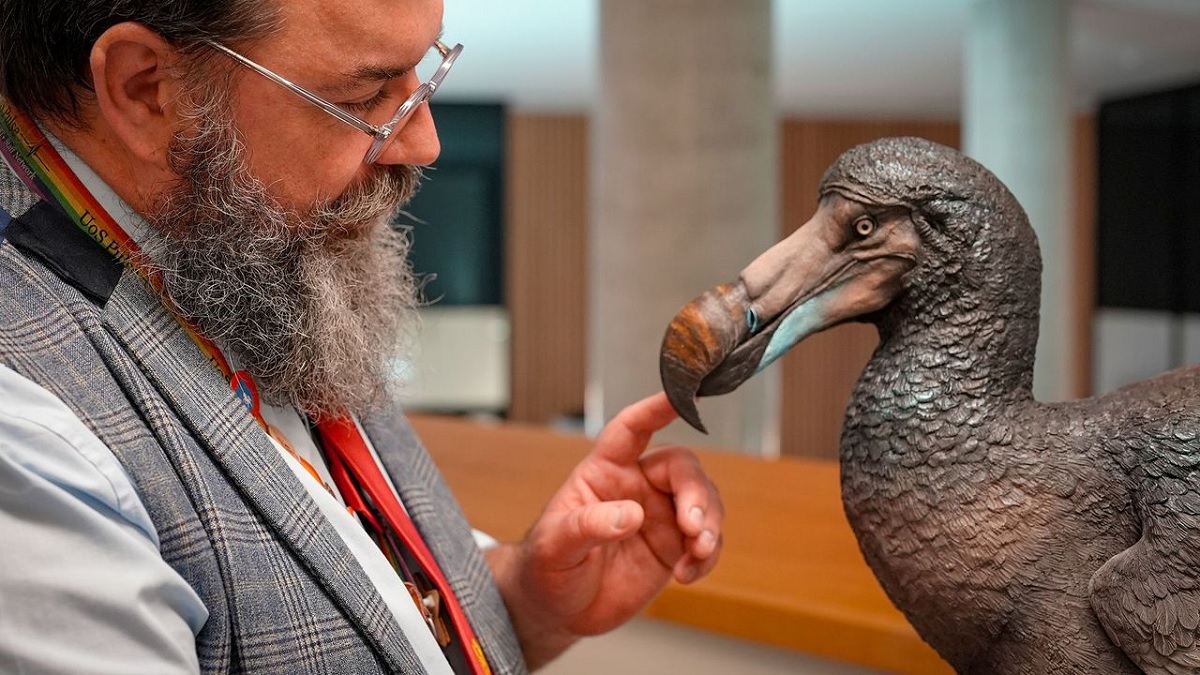
The dodo’s most notable adaptation for eating was its robust and uniquely shaped beak. You will notice that their large, hooked beak allowed them to crack open tough seeds, crush hard nuts, and manipulate fruits effectively. The curvature of the beak also enabled them to pick up fallen fruits from the forest floor with precision, making it easier to access food sources unavailable to smaller or less-equipped species.
This specialized beak structure was complemented by strong jaw muscles, which provided the necessary force for breaking shells and tough plant material. Observing their beak in action illustrates how form and function evolved together to match the demands of their herbivorous diet. Additionally, the beak may have facilitated occasional consumption of small invertebrates, allowing for dietary flexibility. By combining strength, precision, and versatility, the dodo’s beak was perfectly suited to meet the challenges of a ground-foraging lifestyle in an isolated ecosystem.
Digestive System Adaptations
Dodo birds possessed a digestive system adapted to processing a primarily plant-based diet, while also accommodating occasional animal-based foods. You will notice that their large crop and gizzard played crucial roles in breaking down tough plant matter, such as fibrous fruits and seeds. The gizzard, aided by ingested small stones, helped grind and digest hard food items efficiently, maximizing nutrient absorption.
These digestive adaptations allowed dodos to extract energy and essential nutrients from a variety of foods, supporting their relatively large body size and sedentary lifestyle. Additionally, their digestive system may have been flexible enough to handle small amounts of protein from insects or invertebrates, providing a balanced diet when plant resources were scarce. Understanding these adaptations highlights the interplay between anatomical features and dietary habits, demonstrating how dodos evolved specialized mechanisms to thrive in their unique island environment.
Feeding Behaviors and Strategies
Behavioral adaptations were equally important for the dodo’s feeding success. You will notice that their foraging strategies included ground-level exploration, careful selection of ripe fruits, and opportunistic consumption of available plant and animal matter. These behaviors maximized energy intake while minimizing risk and effort, allowing them to efficiently exploit their environment.
Dodos may have employed selective feeding to choose nutrient-rich items and avoid unripe or toxic plants. Their movements across the forest floor likely facilitated seed dispersal, creating a mutualistic relationship with the flora of Mauritius. Observing these behaviors reveals how physical adaptations, such as beak structure, were complemented by learned or instinctual strategies to optimize food acquisition. Behavioral flexibility combined with anatomical features ensured that dodos could thrive in an ecosystem with fluctuating resources.
Energy Efficiency and Survival
Adaptations for eating also contributed to the dodo’s energy efficiency, crucial for survival as a flightless bird. You will notice that by combining specialized beak morphology, a robust digestive system, and effective foraging behaviors, dodos could process a wide variety of foods with minimal energy expenditure. This efficiency allowed them to maintain body condition, reproduce successfully, and survive seasonal fluctuations in food availability.
These adaptations highlight the importance of evolutionary pressures in shaping the feeding ecology of island species. By understanding how dodos ate and processed their food, you gain insight into the broader ecological dynamics of Mauritius, including plant-bird interactions and nutrient cycling. Observing their adaptations emphasizes the intricate balance between anatomy, behavior, and environment that allowed dodos to occupy a unique ecological niche.
Niche Specialization and Ecological Role
The dodo’s adaptations for eating also reflect its role as a specialized herbivore in Mauritius. You will notice that their ability to consume a range of fruits, seeds, nuts, and occasional invertebrates positioned them as key participants in seed dispersal and habitat maintenance. Their feeding habits shaped forest composition and contributed to ecosystem health by promoting plant diversity.
Specialized eating adaptations allowed dodos to exploit resources that other animals could not, reducing competition and reinforcing their ecological niche. Studying these adaptations provides insight into the relationship between anatomy, behavior, and ecosystem function. The dodo’s evolutionary modifications for feeding illustrate how species adapt to isolated environments and how these adaptations can influence both survival and ecological impact within their habitat.
FAQs
What Did Dodo Birds Primarily Eat?
Dodo birds primarily consumed a variety of fruits, seeds, and nuts found on the island of Mauritius. You will notice that their strong, curved beaks allowed them to crack open hard seeds and manipulate tough fruits with ease. These plant-based foods provided essential nutrients, including sugars, fats, and proteins, which sustained their energy needs. By feeding on a diverse range of fruits and seeds, dodos not only nourished themselves but also played a vital role in dispersing seeds, helping maintain the island’s forest ecosystem and contributing to plant regeneration.
Did Dodo Birds Eat Animals or Insects?
While primarily herbivorous, dodo birds may have occasionally consumed small invertebrates and insects. You will notice that consuming insects and other protein-rich sources would have supplied essential amino acids and minerals, complementing their plant-based diet. Such opportunistic feeding likely occurred when preferred fruits or seeds were scarce. This occasional consumption reflects the dodo’s adaptive behavior and ability to exploit available resources, providing additional nutrition needed for growth, reproduction, and survival in their isolated island ecosystem.
How Did Their Diet Affect Their Beak Structure?
The dodo’s diet directly influenced the development of its large, robust beak. You will notice that their beak was perfectly adapted for cracking nuts, crushing hard seeds, and handling various fruits efficiently. This specialization allowed dodos to access a wide range of plant foods that other species might have struggled with. Additionally, the beak may have facilitated occasional consumption of invertebrates. Observing this connection highlights how evolutionary pressures shaped both anatomy and diet, enabling dodos to thrive in their unique island environment while optimizing energy intake.
Did Seasonal Changes Affect Their Diet?
Yes, seasonal variations in food availability likely influenced what dodo birds ate. You will notice that during fruit-abundant periods, they could feed selectively on high-energy foods, while leaner seasons may have forced them to consume a broader range of plant material, including leaves, bulbs, and roots. This dietary flexibility allowed them to adapt to fluctuations in resource availability. Seasonal changes in diet also affected their foraging patterns and movement across the island, demonstrating how environmental factors shaped feeding behavior and contributed to their survival strategies.
How Did Dodos Help With Seed Dispersal?
By eating fruits and seeds, dodo birds played a crucial role in seed dispersal across Mauritius. You will notice that seeds consumed by dodos were often excreted in different locations, promoting forest regeneration and plant diversity. This behavior created a mutualistic relationship between the birds and native flora, as plants relied on dodos for spreading seeds effectively. Their feeding habits, therefore, not only met their nutritional needs but also maintained ecological balance, highlighting the dodo’s integral role in shaping the island’s natural environment.
Did Dodo Birds Rely on Specific Foods?
Dodo birds were generalist feeders, meaning they did not rely on a single food source. You will notice that their diet included a variety of fruits, seeds, nuts, and occasional invertebrates, allowing them to adapt to seasonal and environmental changes. This dietary flexibility reduced competition with other species and enabled them to survive in an isolated ecosystem. By exploiting multiple food resources, dodos maintained nutritional balance, supported reproduction, and contributed to the health of their habitat, illustrating how a diverse diet is essential for survival in fluctuating ecological conditions.
Conclusion
The diet of dodo birds reveals much about their lifestyle, behavior, and ecological role. These birds primarily fed on fruits, seeds, and other plant materials available in their native habitats, supplemented occasionally by small invertebrates. Their feeding habits were closely tied to the availability of resources, influencing their daily movements and interactions within the forest environment. Specialized beak structures and digestive adaptations allowed them to efficiently process fibrous and nutrient-rich foods.
Understanding their diet also sheds light on the factors that made them vulnerable to environmental changes and human interference. By studying these patterns, scientists gain insight into the ecological balance of island ecosystems and the importance of food availability in species survival. Overall, examining what did dodo birds eat helps paint a clearer picture of their natural history and the delicate interactions that supported their existence.