Which Birds Can Fly Backwards: Species, Adaptations, and Amazing Facts
Flight is one of nature’s most fascinating adaptations, allowing birds to navigate skies with remarkable agility and precision. Among the diverse abilities of birds, some possess the rare skill of flying backwards, an ability that showcases incredible wing control and muscular coordination. Understanding which birds can fly backwards provides insight into their unique anatomy and ecological adaptations.
This unusual flight pattern is not just a party trick of nature; it serves specific purposes, such as precise hovering for feeding, maneuvering in tight spaces, or maintaining stability in changing air currents. Observing these birds in action reveals the intricate balance of strength, flexibility, and instinct required for such movement. By exploring which birds can fly backwards, you gain a deeper appreciation for their evolution, behavior, and the ways in which they interact with their environment, highlighting the extraordinary diversity of avian flight.
Which Birds Can Fly Backwards
The ability to fly backwards is one of the most remarkable adaptations in the avian world. Not all birds can perform this feat; it requires exceptional wing flexibility, muscle strength, and precise control. Understanding which birds can fly backwards helps you appreciate the unique evolutionary strategies that certain species have developed for feeding, maneuvering, and surviving in complex environments. Observing these birds reveals a combination of agility, energy efficiency, and specialized anatomy that allows them to hover, move in reverse, and maintain stability in midair.
Hummingbirds
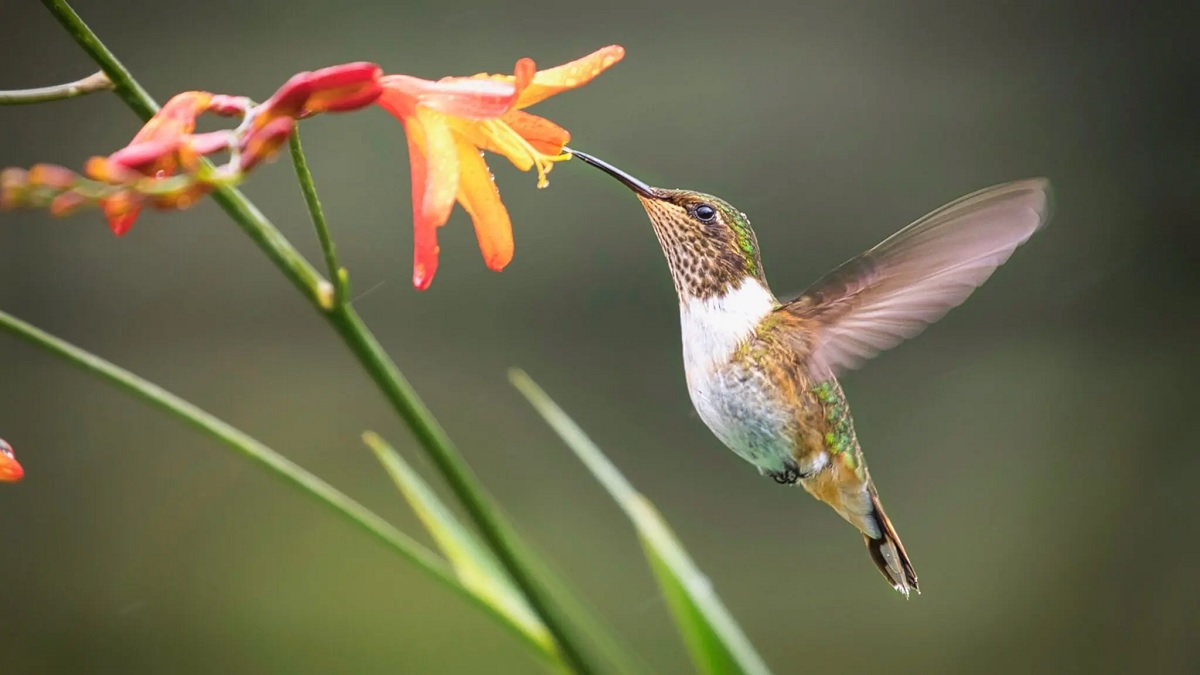
Hummingbirds are the most well-known birds capable of flying backwards, a skill that sets them apart in the avian world. You will notice that their rapid wing beats, often exceeding 50 times per second, generate lift on both the upstroke and downstroke, enabling precise control in all directions. This unique wing motion allows them to hover in place, fly sideways, and even retreat backward while feeding from flowers. Their small size, lightweight bodies, and extraordinary muscle structure are critical to achieving this remarkable agility.
Backwards flight in hummingbirds is primarily linked to feeding behavior. While hovering near a flower, they can adjust position with exact precision, ensuring access to nectar while avoiding obstacles or competing insects. Additionally, their backward flight aids in territorial defense, allowing quick retreats when confronted by rivals or predators. Observing hummingbirds demonstrates how evolutionary adaptations in wing anatomy, muscle configuration, and energy management create extraordinary flight capabilities. Their agility and control highlight how flight mechanics can evolve to meet specific ecological and survival needs.
Kingfishers and Their Hovering Skills
Although less commonly recognized, some kingfishers exhibit limited backward flight, especially when hovering over water before diving for prey. You will notice that hovering allows them to maintain a fixed position while scanning for fish, which requires rapid wing beats and precise body adjustments. While their backward movement is less sustained than hummingbirds, it illustrates how wing flexibility and balance are utilized to enhance hunting efficiency.
Kingfishers’ backward adjustments are often subtle, involving short, controlled retreats to avoid collisions or correct positioning mid-hover. This maneuvering is essential for targeting fish accurately and reducing splash noise that could alert prey. By observing kingfishers, you gain insight into how birds can adapt flight patterns for precise feeding techniques, even if full backward flight is uncommon. Their ability to adjust in midair demonstrates the interplay between muscular control, aerodynamic design, and environmental demands in avian flight.
Swifts and Aerial Maneuvering
Swifts, known for their extraordinary aerial agility, can make brief backward adjustments during flight, particularly when navigating tight spaces or avoiding obstacles. You will notice that swifts rely on rapid wing strokes and lightweight bodies to execute these subtle maneuvers while maintaining high-speed flight. Their backward motion is generally short-lived and situational, but it showcases their precision and control in three-dimensional space.
This limited backward flight allows swifts to correct trajectories, avoid collisions with surfaces, and maintain stability when hunting insects midair. Unlike hummingbirds, swifts depend on speed and wing shape rather than hovering for feeding efficiency. Observing swifts demonstrates how different species evolve varying strategies for aerial control. The ability to move slightly backward complements their forward flight, reflecting how minor adaptations in wing mechanics can enhance survival in cluttered environments and support foraging success.
Sunbirds and Nectar-Feeding Adaptations
Sunbirds, primarily found in tropical regions, exhibit behaviors similar to hummingbirds when feeding on nectar, including limited backward motion. You will notice that they can hover briefly and adjust position to access flowers efficiently, using flexible wing motion and precise hovering techniques. Their backward flight is usually short and focused on feeding rather than sustained movement, demonstrating how evolutionary pressures shape flight mechanics to match ecological requirements.
The backward adjustments in sunbirds allow them to maintain balance while feeding, especially when flowers are surrounded by foliage or competing insects. Their small size, rapid wing movement, and lightweight frame make these corrections possible. By observing sunbirds, you can see how specialized feeding behavior drives adaptations in flight control, including backward movement. Their agility emphasizes the connection between ecological niche, energy-efficient flight, and the evolution of unique wing mechanics.
Ospreys and Limited Backward Motion
Ospreys are powerful raptors that can exhibit minor backward adjustments during hovering or when preparing to dive for fish. You will notice that these adjustments are typically short and tactical, helping maintain position against wind currents or while gripping prey. Although not capable of sustained backward flight like hummingbirds, ospreys use their strength, wing flexibility, and precise control to refine movements during hunting.
These limited backward motions assist in stabilizing the body when hovering over water and preparing for a precise dive. Observing ospreys highlights how even large birds with specialized hunting techniques can incorporate minor backward adjustments into their flight. Their adaptations illustrate how wing design, body weight distribution, and muscular coordination support controlled aerial maneuvers, even when full backward flight is impossible.
Evolutionary and Anatomical Insights
The ability of some birds to fly backwards reveals remarkable evolutionary adaptations. You will notice that species like hummingbirds evolved unique shoulder joints and wing muscles, enabling rotation and lift generation on both wing strokes. Smaller birds with high-energy metabolisms are more likely to develop backward flight, while larger birds use it sparingly for stability and minor positional corrections.
Backward flight is closely tied to ecological pressures, including feeding on stationary or moving resources, predator avoidance, and spatial navigation in complex habitats. Observing these behaviors allows you to appreciate how anatomy, behavior, and environment converge to create extraordinary flight capabilities. Comparing hummingbirds, sunbirds, and raptors underscores how evolution tailors flight mechanics to specific survival needs, highlighting the diversity and sophistication of avian locomotion.
Observing Backward Flight in Nature
Watching birds fly backward is a rare and captivating experience. You will notice that hummingbirds are the easiest to observe, particularly near nectar-rich flowers or feeders. Sunbirds can be seen performing similar maneuvers in tropical gardens. Kingfishers and ospreys exhibit more subtle backward adjustments while hunting, requiring patience and careful observation.
These observations provide insight into energy management, wing mechanics, and behavioral strategies. Documenting backward flight also helps researchers understand species-specific adaptations and ecological roles. By creating bird-friendly environments with food, water, and safe spaces, you increase the likelihood of witnessing these unique movements. Observing which birds can fly backwards enriches your understanding of avian biology, demonstrating the intricate relationship between anatomy, behavior, and environment in the natural world.
FAQs
Which Birds Can Fly Backwards?
Hummingbirds are the most well-known birds capable of flying backwards, thanks to their unique wing structure and rapid wing beats. You will notice that they can hover, move sideways, and even retreat backward with precision. Some sunbirds and certain small tropical birds also demonstrate limited backward flight, usually while feeding. Larger birds, like kingfishers or ospreys, may make short backward adjustments during hovering or hunting but cannot sustain backward flight. Observing these birds highlights how wing anatomy, muscle control, and feeding strategies influence their ability to move in reverse.
How Do Hummingbirds Fly Backwards?
Hummingbirds fly backwards using their extraordinary wing flexibility and rapid motion. You will notice that their wings rotate at the shoulder joint, allowing lift to be generated on both the upstroke and downstroke. This enables them to hover in place and move precisely in all directions, including backward. Their lightweight bodies and high-energy metabolism support this intense activity. Backward flight is particularly useful when feeding from flowers or avoiding obstacles. Observing hummingbirds demonstrates how evolution has fine-tuned anatomy and behavior to allow one of the most agile and unique flight patterns in the avian world.
Can Other Birds Besides Hummingbirds Fly Backwards?
Yes, although backward flight is extremely rare. You will notice that some sunbirds can hover and make minor backward adjustments while feeding on nectar. Certain raptors, such as ospreys and kingfishers, may perform short backward movements while hovering over water to maintain position or balance before striking prey. These adjustments are limited compared to hummingbirds, highlighting how backward flight is mostly a specialized adaptation for small, agile birds that feed on stationary resources or navigate complex environments. Observing these behaviors shows how different species use limited backward motion to enhance survival and efficiency.
Why Is Backward Flight Rare Among Birds?
Backward flight is rare because it requires specialized wing anatomy, muscle strength, and energy efficiency. You will notice that most birds have wings optimized for forward thrust and gliding, which makes sustained backward movement difficult. Only small, highly agile birds like hummingbirds and some sunbirds have evolved the unique shoulder rotation and rapid wingbeats necessary for backward motion. This adaptation is primarily linked to feeding needs, hovering stability, and maneuverability in tight spaces. Observing these rare flight patterns highlights the incredible diversity of avian adaptations and the evolutionary pressures that create specialized behaviors.
What Purpose Does Backward Flight Serve?
Backward flight serves specific purposes, primarily related to feeding and maneuverability. You will notice that hummingbirds use it to adjust position while feeding on nectar from flowers, allowing precise access to food without losing balance. Minor backward adjustments in kingfishers or ospreys help maintain stability when hovering over water or preparing to strike prey. Backward flight allows birds to navigate complex environments, avoid obstacles, and optimize energy use while maintaining control. Understanding this behavior illustrates how specialized flight patterns support survival, feeding efficiency, and ecological adaptation.
How Can You Observe Birds Flying Backwards?
To observe birds flying backwards, focus on hummingbirds, sunbirds, or other small nectar-feeding birds. You will notice that setting up feeders or planting flowering plants attracts them consistently. Observe during feeding times when they hover near flowers or feeders, adjusting position frequently, including backward movements. For raptors like kingfishers, watch near water bodies where they hover before diving for prey. Using binoculars or cameras helps capture these rapid maneuvers. Observing backward flight provides insight into bird agility, wing mechanics, and behavior, revealing one of the most fascinating adaptations in the avian world.
Conclusion
The ability of certain birds to fly backwards is a remarkable example of nature’s engineering, combining specialized wing structures, agility, and precise control. Among these, hummingbirds stand out as the primary masters, using rapid wing beats and unique shoulder joints to hover, maneuver, and even reverse mid-air with ease. While other small birds may occasionally exhibit limited backward movements, none match the sustained and controlled flight of hummingbirds. This unique skill provides significant advantages, such as accessing nectar from flowers, avoiding predators, and navigating complex environments with precision.
Observing these behaviors can deepen our appreciation for avian diversity and the intricate adaptations that enable such feats. Understanding the mechanics and benefits behind this rare ability highlights why certain species captivate scientists and bird enthusiasts alike. Recognizing which birds can fly backwards offers insight into the extraordinary capabilities present in the natural world.