What Are Bird Feet Called: Types, Functions, And Adaptations
Birds rely on their feet for balance, movement and survival, and exploring what are bird feet called helps you understand how uniquely adapted they are to different habitats. Each foot structure reveals how a bird lives, hunts, climbs or perches, making these features far more meaningful than simple body parts. From strong talons that grip prey to slender toes that help wade through shallow water, every shape serves a purpose.
Learning the names and functions of these feet gives you a clearer view of bird behavior and the roles they play in nature. As you look closer, you see how these specialized designs help birds thrive in forests, wetlands, deserts and even urban spaces. Understanding what are bird feet called opens the door to appreciating the diversity and skill hidden in every step a bird takes.
ChatGPT said:
Common Terms Used for Bird Feet
Understanding the common terms used for bird feet helps you recognize how each structure supports a bird’s lifestyle. These terms describe toe arrangements, gripping abilities and movement patterns that vary across species. From the delicate feet of perching birds to the powerful talons of raptors, each type reveals how a bird survives in its environment. Learning these names gives you a clearer view of bird behavior and the adaptations that allow them to thrive.
Anisodactyl Feet
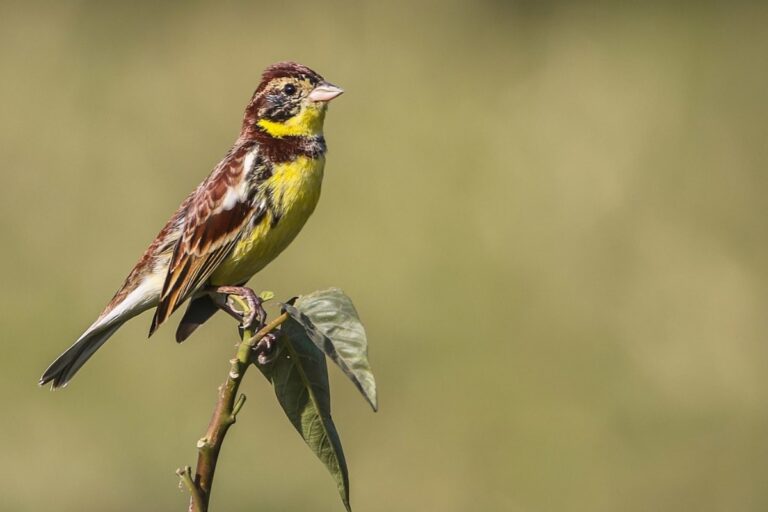
Anisodactyl feet are the most common toe arrangement in birds, especially among songbirds. This structure has three toes facing forward and one toe facing backward, creating a natural grip that helps birds perch securely.
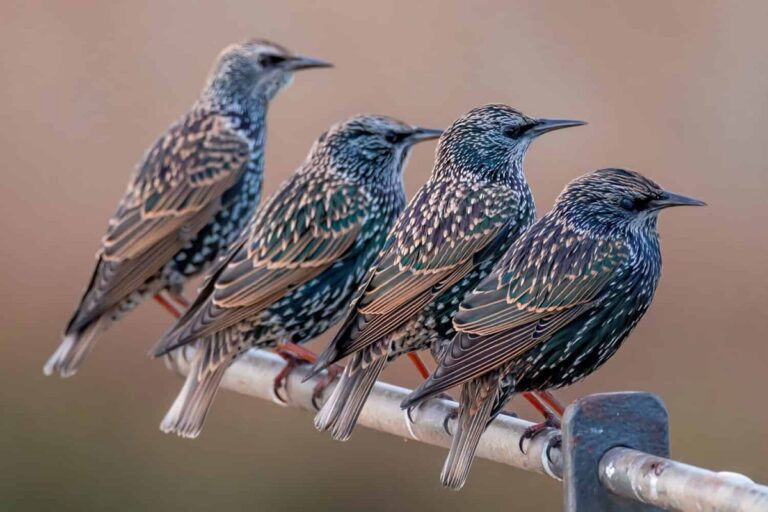
You see anisodactyl feet in species like sparrows, robins and thrushes. The backward-pointing hallux acts as an anchor, allowing birds to balance easily on thin branches, wires and uneven surfaces. This grip tightens automatically when they perch, helping them rest without using extra energy.
These feet also support quick movements such as hopping, clinging and climbing through dense vegetation. Their versatility makes anisodactyl feet essential for birds that rely on agility and balance in their daily routines.
Zygodactyl Feet
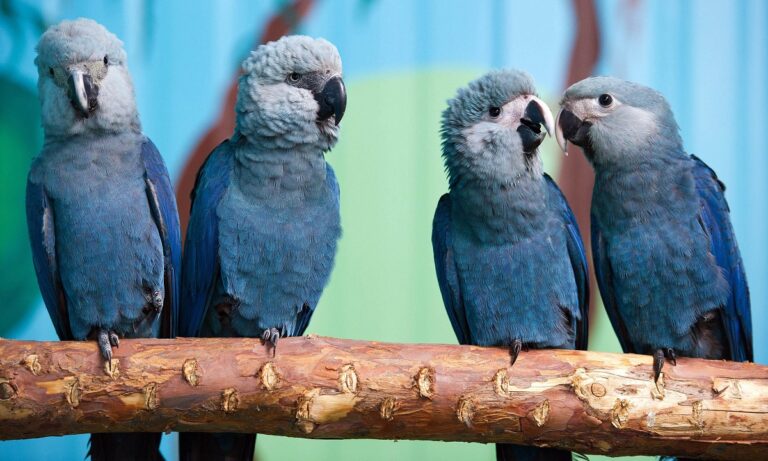
Zygodactyl feet feature two toes pointing forward and two pointing backward. This arrangement creates a powerful and balanced grip that is perfect for climbing, grasping and holding onto surfaces.
Woodpeckers, parrots and some owls commonly have this foot type. Woodpeckers use their strong grip to cling vertically to tree trunks while searching for insects or carving nesting holes. Parrots benefit from these feet when climbing branches or manipulating objects with impressive precision.
Owls rely on zygodactyl feet to capture and secure prey during nighttime hunts. The evenly split toes give these birds greater control, stability and strength, supporting activities that require secure grasping.
Palmate Feet
Palmate feet consist of three forward-facing toes connected by webbing, while the fourth toe remains separate. This structure helps birds move efficiently through water by acting like a natural paddle.
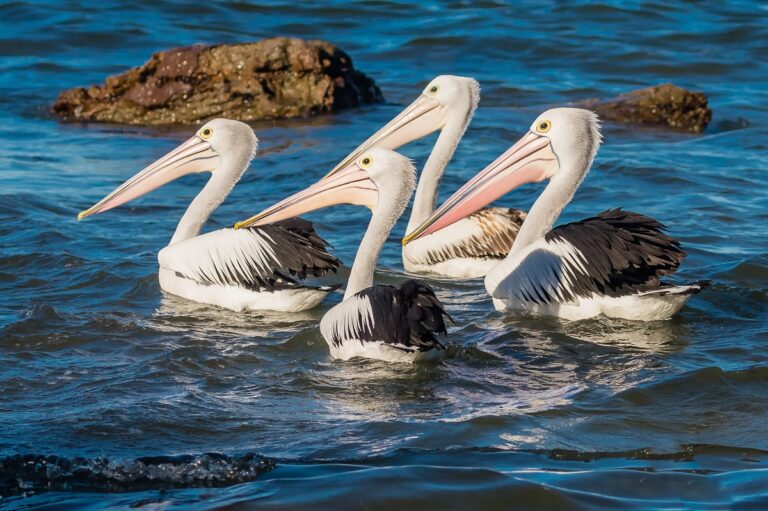
Ducks, pelicans and gulls commonly have palmate feet. The webbing pushes against water to create thrust, allowing smooth swimming and diving. These feet also help birds take off from the water’s surface with strong, steady strokes.
Palmate feet make walking on soft or sandy terrain easier because the webbing spreads out their weight. This adaptation supports birds that spend much of their time near lakes, oceans or wetlands, enhancing their mobility and feeding abilities.
ChatGPT said:
Types Of Bird Feet Based On Toe Arrangement
Types of bird feet based on toe arrangement help you understand how birds adapt to different habits, movements and environments. Each arrangement offers a unique advantage, whether for perching, climbing, walking or hunting. From gripping branches to swimming in open water, these structures reveal how birds survive and thrive in various habitats. Learning these toe patterns shows you how foot design connects directly to behavior, feeding style and daily activity, making bird feet one of the most fascinating features to explore.
Anisodactyl Toe Arrangement
Anisodactyl feet are the most widespread toe arrangement found in birds, especially those that spend much of their time perched on branches. This structure features three toes pointing forward and one toe positioned behind, forming a strong and balanced grip ideal for clinging to narrow surfaces. You often notice this design in robins, sparrows and other songbirds that hop, jump and maneuver through dense foliage with ease.
The backward toe, called the hallux, acts like a locking mechanism, helping these birds stay secure even while sleeping. Their tendons naturally tighten during perching, allowing them to hold on without using much energy. Because these feet support both agility and stability, anisodactyl birds can move efficiently through trees, search for food and escape predators quickly. This arrangement plays a critical role in the daily life of birds that depend on balance and precision.
Zygodactyl Toe Arrangement
Zygodactyl feet feature two toes facing forward and two toes pointing backward, creating a highly effective gripping structure. This type of arrangement is commonly seen in parrots, woodpeckers and some owl species, all of which rely on a powerful and stable grip for climbing, foraging or capturing prey. Woodpeckers use their zygodactyl feet to cling firmly to vertical tree trunks while drilling for insects or excavating nesting cavities.
Parrots benefit from this arrangement when climbing branches or handling food with incredible accuracy, often using one foot almost like a hand. Owls depend on their strong grip during nighttime hunts, allowing them to seize and hold prey securely. The balanced distribution of toes gives birds exceptional control and stability, making this foot structure essential for species that navigate complex terrains or require strong grasping ability during feeding and movement.
Heterodactyl Toe Arrangement
Heterodactyl feet are a specialized toe arrangement similar to the zygodactyl structure but differ in the placement of the toes. In this design, the first and second toes face backward while the third and fourth face forward. This rare arrangement is found primarily in trogons, birds known for their vibrant colors and preference for dense forest habitats. The unique positioning of the toes helps them maintain excellent balance while sitting upright on branches, often remaining still for long periods as they watch for insects or fruit.
Their feet provide enough grip to hold onto smooth or slender branches without exerting much effort. This toe pattern also supports short bursts of movement when they need to snatch food or shift perches quickly. Although less common, heterodactyl feet show how specific species evolve unique structures to match their lifestyle, feeding behavior and natural environment.
Functional Types Of Bird Feet
Functional types of bird feet highlight how each species adapts its movement and behavior to survive in different environments. These structures support essential actions such as perching, climbing, swimming and hunting. Each type reflects a specific lifestyle, from delicate branch balancing to powerful swimming strokes. By recognizing these functional categories, you understand how birds rely on their feet for stability, feeding and mobility. These adaptations show how foot structure directly influences a bird’s ability to thrive in forests, wetlands, open water or rocky landscapes.
Perching Feet
Perching feet allow birds to stay securely on thin branches, wires and uneven surfaces without losing balance. With three toes facing forward and one pointing backward, these feet naturally form a strong grip that tightens automatically through a tendon system.
This feature helps birds such as sparrows, robins and finches rest safely even during windy conditions. Their feet lock into position, allowing them to sleep or stay still without constant effort or muscle strength.
These birds also use their perching feet for quick movement through branches. Hopping, jumping and balancing become easy as the toes adjust instantly to shifting surfaces. This function supports feeding, nesting and avoiding predators while navigating dense vegetation.
Climbing Feet
Climbing feet are built for gripping vertical surfaces such as tree trunks, rough bark or tall branches. These feet often have two toes facing forward and two facing backward, creating a secure hold that keeps birds steady during movement.
Woodpeckers depend on this design to anchor themselves while drilling into trees for insects. Their strong grip reduces slipping and helps them maintain control while pecking rapidly. Parrots also benefit from climbing feet, using them to grasp branches and even manipulate food with incredible coordination.
These feet allow upward, sideways and downward climbing without losing balance. Birds with this structure can explore complex habitats, forage efficiently and maintain stability during demanding activities, especially when building nests or searching for hidden prey.
Swimming Feet
Swimming feet are adapted for life in water, giving birds the ability to move smoothly through lakes, rivers and oceans. These feet usually feature webbing between the toes, creating a natural paddle that boosts propulsion.
Ducks, pelicans and gulls use their swimming feet to glide across water with minimal effort. The broad webbing pushes water backward, helping them move forward efficiently whether diving, floating or chasing prey.
These feet also assist in takeoffs from the water’s surface, providing support and balance during rapid wingbeats. Swimming birds rely on this structure not just for movement but also for feeding, resting and avoiding predators. The webbing enhances stability, making aquatic environments easier to navigate and more accessible for daily survival.
Adaptations And Importance Of Bird Feet
Adaptations and importance of bird feet reveal how each species relies on specialized structures shaped by movement, habitat and feeding needs. These adaptations help birds grip branches, walk through mud, hunt effectively or swim with speed. Foot shapes and toe arrangements allow birds to survive in forests, wetlands, oceans and grasslands. By understanding these modifications, you see how foot design affects mobility, stability and behavior. Each adaptation supports daily tasks such as perching, climbing, scratching for food or navigating difficult terrain, showing how essential feet are to a bird’s overall survival.
Structural Adaptations In Bird Feet
Structural adaptations in bird feet demonstrate how birds evolve to match their habitats and routines. Perching birds have a backward-facing toe that locks automatically, allowing them to grip narrow branches securely. This structure helps them rest, balance and hop between twigs with ease.
Climbing birds such as parrots and woodpeckers rely on split toe arrangements that improve their stability on vertical surfaces. These toes act like climbing tools, helping them move upward, sideways or downward without slipping or losing balance.
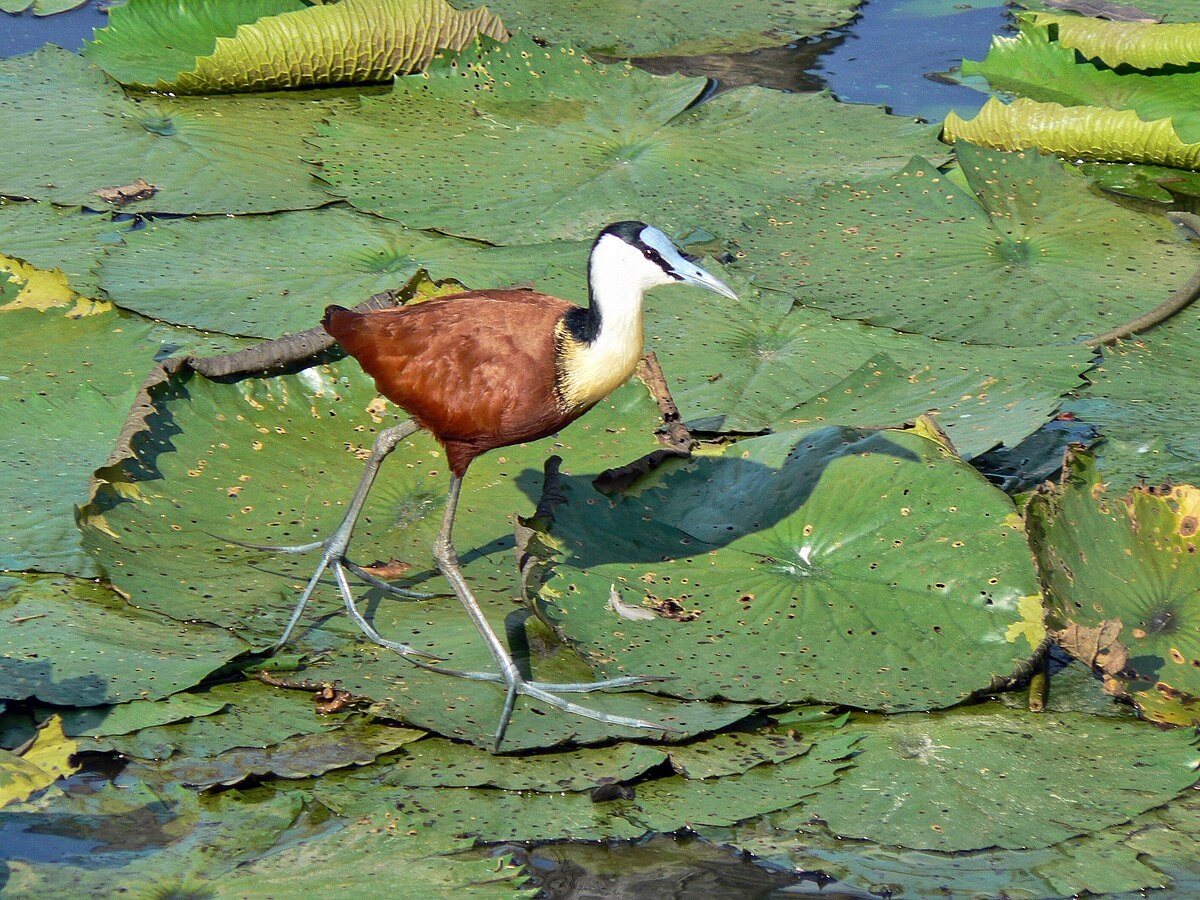
Water birds show another type of adaptation through webbed toes that create a natural paddle. This enables smooth, powerful swimming and allows them to dive, glide and maneuver efficiently in open water. Birds like herons and sandpipers develop long, spreading toes that distribute their weight across soft mud, preventing them from sinking while they search for food.
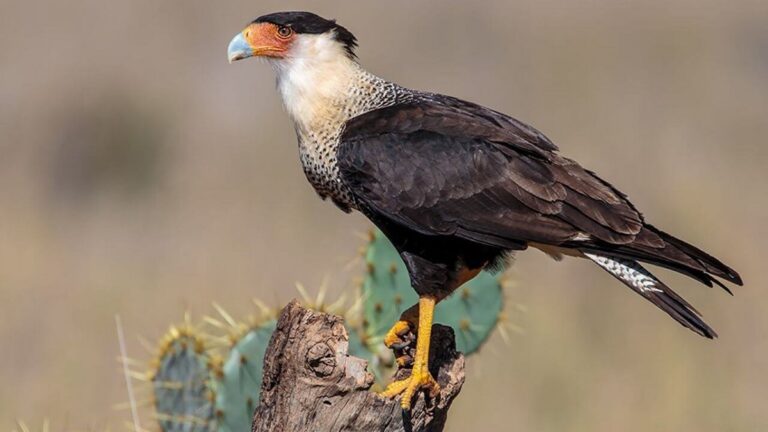
Raptors depend on curved talons that give them a strong, piercing grip useful for hunting. These feet help them catch prey in midair or on the ground, offering both power and precision. Each structure reveals how birds adjust physically to meet the demands of their environment and lifestyle.
Importance Of Bird Feet In Daily Survival
The importance of bird feet in daily survival becomes clear when you look at how each type supports essential behaviors. For many birds, feet provide balance while resting, nesting or moving through treetops. Their grip allows them to stay stable even in windy conditions or on narrow branches.
Hunting birds rely on their feet as primary tools for catching and holding prey. Their strong talons help them secure food quickly, giving them an advantage during fast, unexpected strikes. Water birds depend on their feet for efficient swimming, enabling them to cover long distances and access deeper feeding areas.
Birds living in muddy or marshy environments benefit from wide or elongated toes that spread their weight to prevent sinking. Ground feeders use their feet to scratch soil, uncovering seeds or insects hidden beneath the surface.
Some birds also use their feet for temperature regulation, releasing heat during warm seasons. Whether for movement, feeding or protection, bird feet support countless activities, making them essential tools for survival in every environment.
FAQs
What Are Bird Feet Called And Why Are They Important?
Bird feet are called by different names depending on their structure and function, such as anisodactyl, zygodactyl, palmate, or lobate. These names describe how the toes are arranged and how they help birds survive. You will notice that perching birds, swimming birds, and climbing birds have distinct foot structures that reflect their lifestyle. Understanding what bird feet are called helps you identify how birds balance, perch, swim, or catch prey. It also reveals the fascinating adaptations that allow them to thrive in various habitats, from forests to wetlands.
How Do Anisodactyl Feet Function In Birds?
Anisodactyl feet are the most common toe arrangement, with three toes facing forward and one backward. You will see these feet in many songbirds, such as sparrows and robins. This structure helps you understand how these birds perch securely on branches or wires without falling. The backward toe, known as the hallux, acts as a natural lock, giving stability even while resting. Anisodactyl feet allow birds to hop, cling, and maneuver efficiently through trees and shrubs while foraging or escaping predators, making them an essential adaptation for daily survival.
What Are Zygodactyl Feet And Which Birds Have Them?
Zygodactyl feet feature two toes pointing forward and two pointing backward, creating a strong grip for climbing and holding objects. You will find these feet in birds like parrots, woodpeckers, and some owls. This toe arrangement helps you see how birds cling to vertical surfaces, climb tree trunks, and manipulate food with precision. Raptors like owls also use zygodactyl feet to catch and secure prey. These feet provide balance, control, and strength, allowing birds to perform complex movements in trees or during hunting without losing stability.
How Are Palmate Feet Adapted For Swimming?
Palmate feet have three toes connected by webbing, with the fourth toe free, and are common in ducks, gulls, and pelicans. You will notice that this structure acts like a paddle, pushing water backward to help birds swim efficiently. These feet also provide stability on soft or muddy surfaces, preventing sinking. By understanding palmate feet, you can see how aquatic birds glide through water, dive for food, and take off from the surface with ease. This adaptation shows how foot design supports movement and survival in watery habitats.
Why Do Some Birds Have Lobate Feet?
Lobate feet have individual toes with lobes of skin along the sides, found in birds like grebes and coots. You will notice that these lobes expand during swimming to increase propulsion and retract when walking on land. Lobate feet help birds navigate both water and soft ground effectively, giving them versatility in feeding and movement. By observing these feet, you can see how birds adapt to specialized environments, using their unique structure to swim quickly, chase prey, or maintain balance while walking in muddy or shallow water.
How Can You Identify Bird Feet Types In The Wild?
You can identify bird feet types by observing toe arrangement, size, and webbing. Perching birds have a backward-facing toe, climbing birds show split toes, and swimming birds have webbing or lobes. By studying what bird feet are called, you can predict their behavior, habitat preference, and feeding style. For example, anisodactyl feet indicate perching habits, zygodactyl feet suggest climbing or grasping, and palmate feet signal swimming abilities. Recognizing these differences helps you understand birds in their natural environment and appreciate how their feet support survival and daily activities.
Conclusion
Understanding the incredible variety of avian adaptations becomes easier when you explore how different species use their feet for survival, balance, movement, and feeding. By looking closely at what are bird feet called, you see how each structure reflects a bird’s lifestyle, whether it perches, climbs, hunts, swims, or wades through wetlands. These feet are more than simple limbs; they serve as essential tools that help birds grasp branches, capture prey, navigate diverse environments, and maintain stability in motion.
Each toe arrangement and foot shape reveals important clues about behavior and habitat, showing how specialized and purposeful these features truly are. As you continue learning about birds, paying attention to their feet offers a deeper understanding of how unique adaptations shape their daily lives and ensure their survival across different ecosystems.