What Birds Are Edible: Key Species And Safety Tips
Humans have relied on birds as a food source for centuries, appreciating their nutritional value, taste, and versatility in cooking. Knowing [what birds are edible] is essential for both survival situations and culinary exploration, as not all birds are suitable or safe to eat. Common edible birds range from domesticated poultry like chickens, turkeys, and ducks to certain wild species such as quail, pheasants, and grouse. Each type offers distinct flavors, textures, and preparation methods, making them popular choices in various cuisines around the world.
Understanding which birds are edible helps you make informed decisions about sourcing, cooking, and enjoying bird meat safely. Additionally, knowledge of edible birds connects culinary practices with cultural traditions, ecological awareness, and sustainable hunting or farming practices, allowing you to appreciate both the nutritional and environmental aspects of consuming bird species.
Commonly Consumed Birds
Birds have been a staple in human diets for centuries, offering both nutrition and versatility in cooking. Certain species are widely consumed across cultures due to their availability, taste, and ease of farming or hunting. Understanding commonly consumed birds allows you to explore culinary traditions, nutritional benefits, and the role these birds play in global diets. From domestic poultry to select wild species, these birds are integral to both everyday meals and gourmet dishes, making them familiar and important food sources worldwide.
Chickens
Chickens are arguably the most commonly consumed birds globally, valued for their adaptability, flavor, and ease of farming. They provide a reliable source of protein and essential nutrients, including vitamins and minerals. Chickens can be prepared in countless ways, from roasting and grilling to stewing and frying, making them a versatile ingredient in various cuisines.
Domesticated chickens are selectively bred for meat or egg production, resulting in different breeds suited to specific purposes. Meat-focused breeds tend to grow faster and produce larger carcasses, while layers are optimized for egg-laying efficiency. Chickens’ manageable size, relatively low cost, and adaptability to different farming environments make them accessible to communities worldwide. Their widespread consumption has also influenced cultural traditions, with certain dishes and preparations becoming iconic in regional cuisines. Observing the prevalence of chicken in diets highlights its importance as a reliable, nutritious, and versatile source of sustenance across the globe.
Ducks And Geese
Ducks and geese are also widely consumed birds, prized for their rich, flavorful meat and high fat content, which contributes to tender and savory dishes. These waterfowl are often raised in both small-scale farms and commercial operations, with certain breeds adapted to specific climates and feeding conditions. Duck and goose meat is used in a variety of preparations, including roasting, confit, braising, and in traditional recipes such as Peking duck or foie gras.
In addition to meat, duck and goose eggs are consumed in many cultures, providing additional nutritional value. Their distinct flavor profile, higher fat content, and versatility in cooking have made them staples in both everyday meals and celebratory feasts. Observing their use in different cuisines highlights the cultural and culinary significance of these birds, showcasing how edible birds extend beyond common poultry to include flavorful waterfowl that enrich diets and traditions worldwide.
Wild Game Birds
Certain wild birds, such as quail, pheasant, and grouse, are consumed for their delicate flavor, lean meat, and connection to hunting traditions. These birds are often seasonal and prized for their unique taste compared to domesticated poultry. Game birds are typically prepared through roasting, grilling, or braising, with attention to preserving their natural flavors.
These birds provide a lean protein source and are often considered a delicacy in gourmet cuisine. Hunting and consuming wild birds also connect people to sustainable food practices and traditional skills, including tracking, harvesting, and preparation. Understanding the role of wild game birds in diets highlights their significance not just nutritionally but culturally and environmentally, emphasizing the diversity of edible birds and the various ways humans have incorporated them into meals throughout history.
Wild Edible Birds
Wild edible birds have long been an important food source in many cultures, offering unique flavors and nutritional benefits that differ from domesticated poultry. These birds often live in natural habitats, resulting in leaner meat and richer taste profiles. Understanding which wild birds are commonly consumed helps you appreciate the diversity of traditional diets, hunting practices, and sustainable foraging. Exploring wild edible birds also highlights the importance of responsible harvesting, ensuring species conservation while enjoying the culinary value they provide in various regions.
Quail
Quail are among the most popular wild edible birds due to their tender meat and delicate flavor. They are small, easy to prepare, and prized in many culinary traditions. Their naturally lean meat makes them a healthier alternative to fattier poultry, and they can be grilled, roasted, or braised depending on the dish. Many cultures appreciate quail for its mild taste, making it suitable for a wide range of seasonings and cooking styles.
In the wild, quail feed on seeds, insects, and vegetation, which enhances the complexity of their flavor. Hunters often seek quail during designated seasons, following regulations to protect wild populations. These birds are also farm-raised in some areas, but wild-caught quail remain highly valued for their authenticity. Understanding why quail are favored as edible birds gives insight into traditional hunting practices and the unique qualities that make game birds a treasured food source.
Pheasants
Pheasants are another well-known wild bird consumed for their distinct, slightly gamey flavor. Their meat is lean yet flavorful, often enhanced by slow-cooking methods that preserve moisture. Pheasants are frequently prepared through roasting, stewing, or grilling, and they appear in many traditional recipes across Europe, Asia, and North America. Their colorful plumage and graceful behavior also make them a prized species among hunters.
Wild pheasants forage on grains, insects, and berries, contributing to their unique taste profile. Properly handled and cooked, pheasant meat offers a rewarding culinary experience. Hunting pheasants also carries cultural significance, often passed down through generations as a seasonal activity. Understanding their role in cuisine and tradition helps you appreciate why pheasants remain a beloved choice among wild edible birds and an important component of regional dishes around the world.
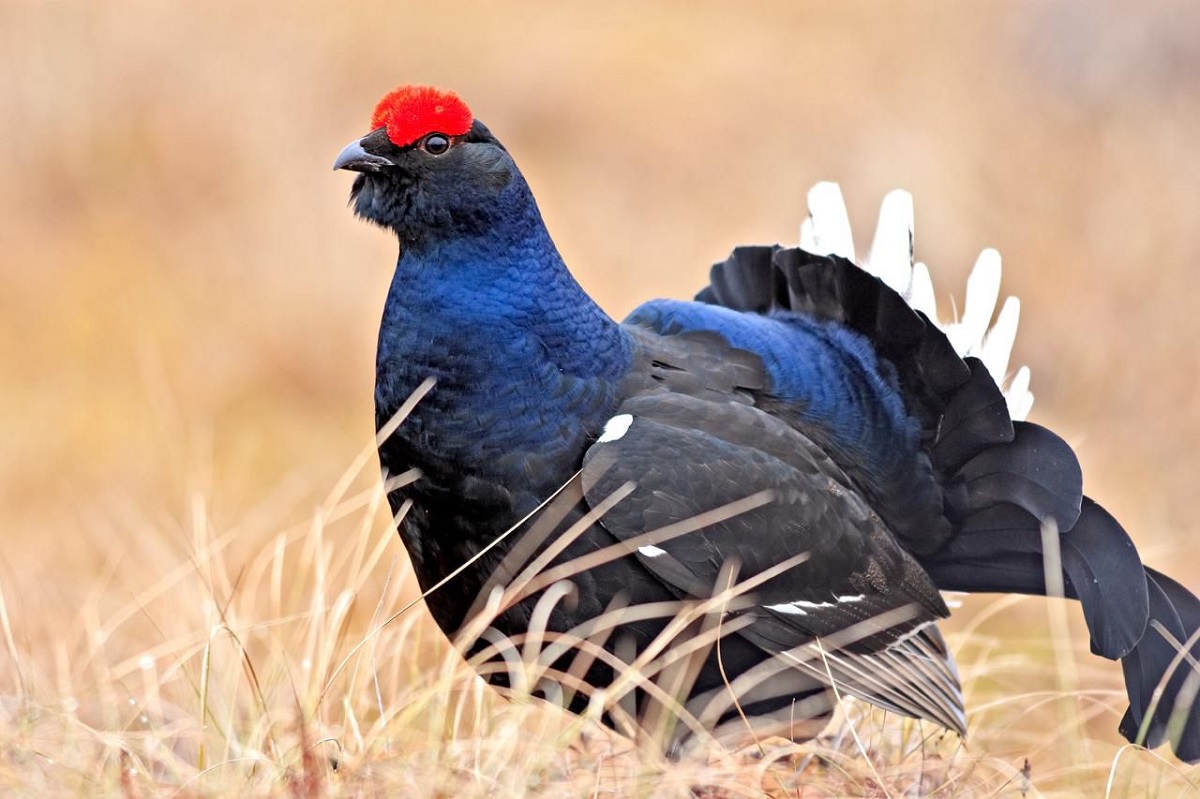
Grouse
Grouse are valued for their bold, earthy flavor, which sets them apart from many other edible birds. They inhabit forests, mountains, and open fields, feeding on berries, buds, and foliage. Their diet greatly influences their taste, making them particularly appealing in gourmet cooking. Grouse meat is best prepared through roasting or slow-cooking to bring out its natural richness and maintain tenderness.
Hunting grouse is a traditional practice in many northern and mountainous regions, often tied to seasonal foraging and sustainable wildlife management. Because these birds thrive in natural environments, they offer a purer, more robust flavor compared to domesticated poultry. Their availability depends on habitat conditions and hunting regulations designed to protect population levels. Appreciating grouse as an edible bird involves recognizing both its culinary value and its ecological importance in maintaining balanced ecosystems.
Nutritional Value Of Edible Birds
Understanding the nutritional value of edible birds helps you recognize why they remain an important food source across cultures. Many species offer lean protein, essential vitamins, and minerals that support various bodily functions. These nutrients contribute to muscle growth, energy levels, immunity, and overall wellness. When you explore how different birds support a balanced diet, you gain a better understanding of their importance in traditional and modern meals.
Protein Content And Amino Acids
The protein content found in edible birds is one of the primary reasons they are widely consumed. Their meat provides all essential amino acids your body needs but cannot produce. These amino acids help repair muscle tissue, support hormone development, and maintain cellular health.
Birds such as chicken, duck, quail, and pigeon offer leaner protein compared to many red meats, making them a healthier option for regular meals. Their protein composition promotes efficient nutrient absorption and helps with muscle recovery after physical activity.
Including edible birds in your diet ensures a reliable supply of high-quality protein. This supports your daily functions, contributes to long-term strength, and helps maintain stable energy levels throughout the day.
Vitamins And Minerals
Edible birds supply a wide range of vitamins and minerals that are essential for healthy living. Their meat contains high levels of B vitamins, especially B6 and B12, which support brain performance, energy metabolism, and red blood cell production.
Iron and zinc found in many edible bird species help boost your immune system and improve oxygen transportation in the bloodstream. Birds like duck also contain selenium, a mineral known for supporting thyroid function and providing antioxidant protection.
Some birds offer beneficial levels of vitamin A, which promotes good vision and healthy skin. When you include various edible birds in your meals, you naturally increase your intake of these vital micronutrients. This helps strengthen your body and maintain proper organ function.
Fat Content And Heart Health
The fat content of edible birds varies between species, and each type offers different health benefits. Lean birds such as quail and chicken contain low levels of fat, making them suitable for those who want to reduce calorie intake while still maintaining energy.
Birds like goose and duck contain higher amounts of fat, yet much of it includes monounsaturated and polyunsaturated fats. These healthier fats can help manage cholesterol levels when consumed in moderation. They also support hormone balance, improve nutrient absorption, and keep you feeling full for longer periods.
Choosing skinless cuts or using healthier cooking methods can help reduce the intake of unhealthy fats. Understanding how each bird differs in fat composition allows you to make informed choices that support heart health and overall dietary balance.
FAQs
What Birds Are Commonly Considered Edible?
You often find chickens, turkeys, ducks, and geese listed as the most commonly consumed edible birds. These species are widely farmed and preferred for their mild flavor and high nutritional value. Many people also enjoy quail, pheasant, and squab because they offer richer taste and tender meat. These birds are part of everyday meals across various cultures, and you can find them in markets, restaurants, or home kitchens. Their availability, safety, and long history of consumption make them the most reliable choices when deciding what birds are edible.
Are Wild Birds Safe For You To Eat?
Wild birds can be edible, but you must ensure they are safe, legal, and healthy to consume. Species like grouse, partridge, dove, and wild duck are commonly eaten in regions where hunting is regulated. You should always follow local laws because certain birds are protected or endangered. It’s also essential to check for health risks, as wild birds may carry parasites or diseases. When properly cleaned, cooked, and sourced from reputable hunters, they can be part of a safe and flavorful meal.
Are All Birds Edible For Humans?
Not all birds are edible, and you shouldn’t assume every species is safe to eat. Some birds are toxic due to their diet, while others may carry strong, unpleasant flavors that make them unsuitable for consumption. Certain species are also legally protected and cannot be hunted or eaten. Your best approach is to stick to well-known edible birds such as chickens, ducks, quail, and turkeys. If you’re considering wild birds, you should first check local regulations and ensure they pose no health or safety risks.
What Nutritional Benefits Do Edible Birds Provide You?
Edible birds are excellent sources of protein, essential amino acids, and vital nutrients such as iron, zinc, and B vitamins. When you choose birds like chicken or turkey, you’re getting lean protein that supports muscle growth and overall health. Ducks and geese provide richer meat with higher fat content, giving you more calories and deeper flavor. Wild birds often contain more minerals due to their natural diet. Including these birds in your meals can offer balanced nutrition while giving you a variety of taste and texture options.
Which Birds Should You Avoid Eating?
You should avoid birds that are endangered, protected by law, or known to carry toxins. Some tropical species accumulate toxins from poisonous insects or plants, making them unsafe for consumption. You should also stay away from birds found sick, injured, or displaying unusual behavior. It’s risky to eat scavenging birds like vultures or certain seabirds because they may contain harmful bacteria or heavy metals. Always choose birds that are safely farmed, legally hunted, and known to be edible to protect your health.
How Do You Safely Prepare Edible Birds?
Preparing edible birds safely begins with proper handling and hygiene. You should always clean the bird thoroughly, remove internal organs, and cook it at a safe temperature to eliminate harmful bacteria. Wild birds often require extra care because they may contain shot pellets or parasites. Using a food thermometer helps ensure the meat reaches safe internal temperatures. You should also store raw bird meat separately from other foods to avoid cross-contamination. When handled correctly, edible birds provide flavorful and safe meals.
Conclusion
Understanding the wide range of species people consume around the world helps you see how deeply food traditions and nutrition needs shape our choices. When exploring what birds are edible, you discover that domestic options like chicken, duck, and turkey remain popular for their flavor, availability, and nutritional balance, while wild birds such as quail, pigeon, and grouse offer unique culinary experiences tied to regional cultures.
By learning how these birds differ in taste, nutrient content, and cooking uses, you gain a clearer picture of how they fit into both modern diets and historical food practices. This knowledge not only answers the question of what birds are edible but also helps you make informed, safe, and sustainable decisions about the types of birds included in your meals.