What Bird Is On The Mexico Flag: Symbolism And Meaning
The Mexican flag is one of the most iconic national symbols, rich in history, culture, and symbolism. At its center lies a striking emblem that captures attention and tells a story of heritage and legend. Many people are curious about the central figure, prompting the question of [what bird is on the Mexico flag]. This bird, perched on a prickly pear cactus and holding a serpent in its beak, is deeply rooted in Aztec mythology and represents strength, resilience, and the founding of Mexico City.
Understanding this symbol allows you to appreciate the deeper cultural and historical significance embedded in the flag’s design. The bird is not merely decorative—it embodies centuries of tradition, national pride, and the triumphs of the Mexican people, making it an essential element of the country’s identity.
Identification Of The Bird
The bird featured on the Mexico flag is a central symbol with deep historical and cultural significance. Identifying this bird involves examining its appearance, behavior, and symbolic role in Mexican heritage. Its depiction on the flag is not only artistic but also rooted in ancient legends, making its identification both a matter of visual recognition and cultural understanding. Learning to identify the bird helps you appreciate the symbolism embedded in Mexico’s national emblem and its importance in national identity.
Physical Characteristics Of The Bird
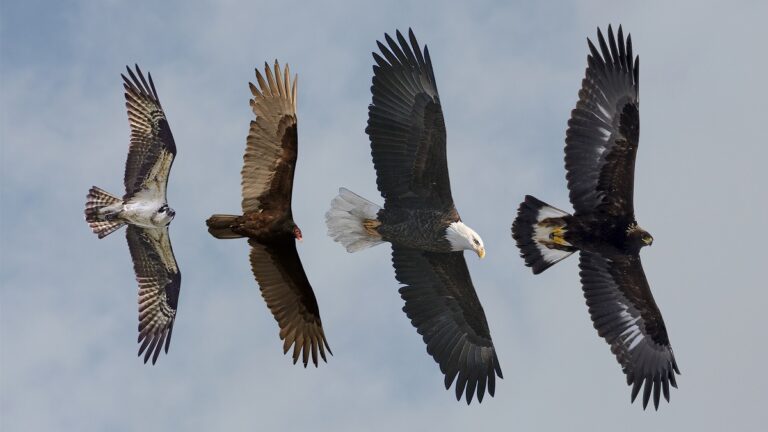
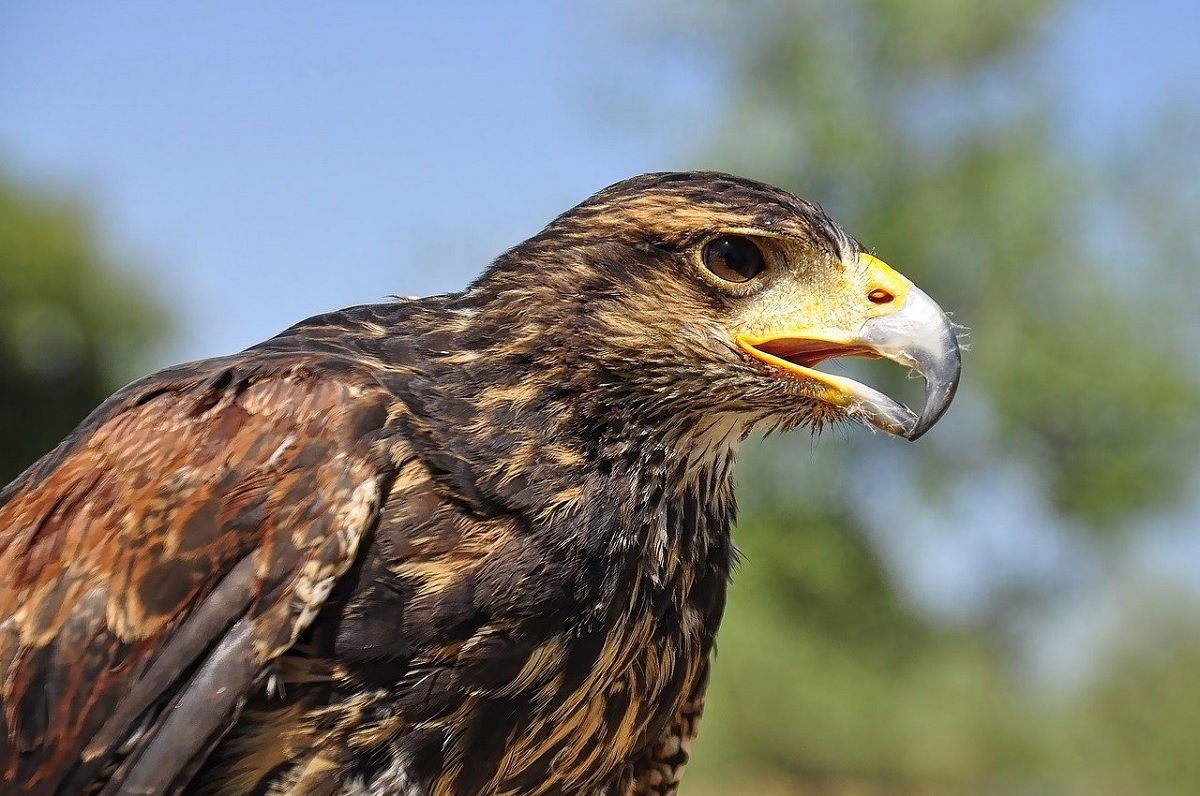
The bird on the Mexico flag is the golden eagle, one of the most powerful and revered birds in the Americas. Its depiction on the flag shows a majestic bird perched on a prickly pear cactus while clutching a serpent in its beak and talon. The golden eagle is known for its impressive wingspan, sharp talons, and keen eyesight, all of which symbolize strength, courage, and dominance.
In reality, golden eagles are large raptors with dark brown feathers and golden plumage on the back of their heads and necks, giving them their distinctive name. They are apex predators, hunting a variety of prey such as rabbits, birds, and reptiles. This majestic appearance, combined with its predatory prowess, made the golden eagle a natural symbol for the Aztecs, who associated it with divine power and leadership. By understanding these physical traits, you can distinguish the golden eagle from other birds of prey and appreciate why it was chosen as a national symbol for Mexico.
Symbolic Significance And Legend
The golden eagle on the Mexico flag is more than just a bird; it represents a foundational legend of Mexican history. According to Aztec mythology, the gods instructed the Aztecs to settle in a place where they saw an eagle perched on a cactus, eating a serpent. This vision indicated the location where they would build their capital, Tenochtitlan, now modern-day Mexico City.
The eagle, therefore, symbolizes divine guidance, strength, and resilience. Its prey, the serpent, represents challenges or enemies that must be overcome, while the cactus reflects the land and resources of Mexico. By learning about this legend, you gain a deeper understanding of how the golden eagle’s identity is intertwined with Mexico’s cultural heritage. This symbolic depiction immortalizes the bird’s role in national identity and highlights its importance as a cultural and historical icon.
Symbolic Significance
The bird on the Mexico flag carries profound symbolic meaning that extends beyond its physical presence. Representing the golden eagle, it embodies strength, resilience, and divine guidance. This emblem is deeply rooted in Aztec mythology and national history, connecting modern Mexico with its ancestral heritage. Understanding the symbolic significance of the bird allows you to appreciate the cultural, historical, and spiritual dimensions that make it a central figure in the nation’s identity and pride.
Historical And Mythological Roots
The golden eagle’s depiction on the Mexico flag is inspired by Aztec legend. According to mythology, the gods instructed the Aztecs to find a place where an eagle perched on a prickly pear cactus, devouring a serpent. This vision signaled the site where they would establish Tenochtitlan, the future capital of the Aztec Empire, now Mexico City. The eagle became a symbol of divine guidance, courage, and leadership, reflecting the nation’s connection to its ancient roots.
This legend reinforces the bird’s significance, as it represents triumph over adversity and adherence to divine will. The serpent, held in the eagle’s talons, symbolizes challenges or enemies that must be overcome, while the cactus signifies the land and resources of Mexico. Observing this imagery on the flag allows you to connect the historical and mythological context with Mexico’s enduring identity. The golden eagle thus serves not only as a visual emblem but also as a reminder of cultural resilience and heritage.
National Identity And Pride
Beyond its mythological background, the golden eagle symbolizes national pride and unity. It is a reminder of Mexico’s rich cultural history and the struggles and triumphs of its people. Displayed prominently on the flag, the eagle inspires reverence, patriotism, and respect for the country’s heritage. It is also present in official emblems, coins, and governmental symbols, reinforcing its role as a unifying figure.
The bird’s image conveys strength and vigilance, inspiring citizens to uphold values of courage and determination. Its presence on the flag links contemporary Mexico to its ancestral past, serving as a bridge between tradition and modern national identity. Understanding this symbolic significance allows you to see how a single emblem can encapsulate centuries of history, cultural pride, and collective memory, making the golden eagle an enduring icon of Mexico’s spirit and resilience.
Depiction On The Flag
The depiction of the golden eagle on the Mexico flag is both striking and symbolic, capturing attention at the center of the national emblem. Placed atop a prickly pear cactus and clutching a serpent, the eagle embodies strength, resilience, and divine guidance. Its artistic representation is rich with historical and cultural meaning, making it more than a decorative element. Understanding how the bird is depicted on the flag allows you to appreciate the visual storytelling and symbolism inherent in Mexico’s national identity.
Artistic Elements And Positioning
The golden eagle is positioned at the center of the Mexican flag, emphasizing its importance as the nation’s emblematic figure. The bird stands proudly on a prickly pear cactus growing from a rock emerging from a lake, directly referencing the Aztec legend of Tenochtitlan’s founding. The serpent, held firmly in the eagle’s beak and talons, represents both challenges overcome and protection of the land.
Artists pay careful attention to details such as the eagle’s posture, the spread of its wings, and the fierce expression, conveying power and vigilance. The intricate depiction reflects the importance of precision in maintaining the symbolism and national pride associated with the flag. Colors are also thoughtfully applied: the green, white, and red stripes surrounding the emblem complement the central imagery, enhancing its visual impact while reinforcing the connection to Mexican heritage and culture. This careful design ensures that the flag communicates historical, cultural, and spiritual significance through a single, cohesive image.
Symbolism Embedded In The Design
The flag’s depiction of the eagle atop a cactus holding a serpent is deeply symbolic. Each element conveys specific meanings tied to Mexico’s history and identity. The eagle represents strength, courage, and divine guidance, while the cactus symbolizes the land and its natural resources. The serpent signifies challenges, enemies, or obstacles, reflecting triumph over adversity. Together, these elements narrate the Aztec legend and highlight resilience, vigilance, and cultural pride.
This visual storytelling connects contemporary Mexico with its ancestral roots. By displaying the eagle in this specific manner, the flag communicates unity, national identity, and historical continuity. Observing the flag allows you to understand how artistic choices—posture, position, color, and details—convey profound symbolism. The depiction is more than imagery; it encapsulates centuries of tradition, mythology, and the enduring spirit of the Mexican people, making the eagle a central and recognizable symbol of the nation.
Bird Behavior And Traits Related To Symbolism
The golden eagle on the Mexico flag is not just a cultural emblem; its behavior and natural traits reinforce the symbolism it represents. Observing the bird’s hunting techniques, flight patterns, and territorial instincts provides insight into why it was chosen as a national icon. Understanding these behaviors helps you appreciate the eagle’s association with strength, vigilance, and resilience, highlighting the deep connections between natural characteristics and their symbolic meanings in Mexican history and heritage.
Predatory Skills And Strength
One of the most striking behaviors of the golden eagle is its predatory skill. As an apex predator, it hunts with precision, using sharp talons and a powerful beak to capture prey such as rabbits, snakes, and small mammals. This ability to dominate its environment and secure food effectively reflects traits of strength, determination, and mastery over challenges.
These predatory traits align with the symbolic meaning of the eagle on the Mexico flag. The eagle’s control over its prey mirrors the triumph over obstacles represented by the serpent it holds. Its keen eyesight, which allows it to spot prey from great distances, further reinforces the idea of vigilance and awareness. By understanding these natural behaviors, you can see how the eagle’s predatory prowess embodies the qualities of resilience and foresight, which are central to its role as a symbol of Mexican pride and identity.
Flight Patterns And Vigilance
The flight behavior of the golden eagle also contributes to its symbolic significance. Known for soaring at high altitudes with minimal effort, the eagle demonstrates freedom, perspective, and adaptability. Its ability to glide effortlessly while scanning vast areas below represents foresight and vigilance, essential traits for survival in the wild.
This aerial dominance mirrors the eagle’s symbolic role on the flag, where it is depicted observing and protecting the land while maintaining control over its environment. The bird’s territorial instincts, including defending its nesting area and hunting grounds, reinforce themes of guardianship, authority, and vigilance. Observing these behaviors highlights the connection between natural traits and the qualities that the eagle symbolizes in Mexican culture, illustrating why this particular species was chosen to represent the nation’s strength and resilience.
Social Behavior And Independence
While golden eagles are often solitary hunters, they exhibit careful parental care and territorial interactions, demonstrating a balance between independence and responsibility. These behaviors emphasize self-reliance, strategy, and protective instincts—traits mirrored in the eagle’s symbolic meaning on the Mexican flag.
The combination of solitary strength and attentive care for offspring underscores resilience, vigilance, and strategic thinking. These characteristics were ideal for representing the ideals of leadership and protection in Aztec culture, which the flag commemorates. By observing the eagle’s behavior, you gain insight into how natural traits of independence, focus, and guardianship translate into symbolic messages about courage, responsibility, and national pride. The bird’s real-world actions reinforce its emblematic role, making it a powerful and enduring cultural symbol.
FAQs
What Bird Is Featured On The Mexico Flag?
The bird on the Mexico flag is the golden eagle. He or she is depicted perched on a prickly pear cactus, holding a snake in its beak and talon. This iconic imagery makes the eagle instantly recognizable and is deeply tied to Mexican identity. You can see the golden eagle symbolizing strength, courage, and resilience, reflecting the nation’s history and culture. Observing the flag closely helps you appreciate the careful artistic design and the symbolic meaning behind choosing this particular bird for Mexico’s national emblem.
Why Was The Golden Eagle Chosen For The Mexico Flag?
The golden eagle was chosen because of its cultural and legendary significance in Mexico. He or she represents power, bravery, and the fulfillment of a prophecy that led to the founding of Tenochtitlan. The eagle’s position on the cactus holding a snake is based on Aztec legend, symbolizing victory and divine guidance. By featuring this bird, you can understand how Mexico honors its heritage and ancient traditions. Its placement on the flag reflects both historical importance and national pride, making it more than just a decorative emblem.
What Does The Eagle Holding A Snake Symbolize?
The eagle holding a snake symbolizes triumph over adversity and the founding of Mexico City according to Aztec legend. He or she represents strength, vigilance, and the ability to overcome challenges. You can see this imagery as a metaphor for courage and resilience, highlighting the nation’s perseverance. The combination of the eagle, snake, and cactus is a powerful visual that tells a story of destiny and cultural heritage. Understanding this symbolism helps you appreciate why the golden eagle was chosen to occupy the central position on Mexico’s flag.
How Is The Golden Eagle Depicted On The Flag?
On the Mexico flag, the golden eagle is depicted perched on a prickly pear cactus in the center of the white stripe. He or she holds a snake in its beak and talon, surrounded by oak and laurel branches forming a semi-circle. This artistic representation is detailed and highly symbolic, emphasizing the eagle’s majesty and strength. You can observe the flag and notice the vibrant colors and intricate design, which highlight the importance of the eagle as a national emblem. Its depiction connects both natural beauty and cultural meaning.
Where Can You See Golden Eagles In Mexico?
Golden eagles are native to various regions in Mexico, including mountainous areas and open plains. He or she typically nests in cliffs or tall trees, preferring habitats that provide hunting opportunities. You can spot these birds in the wild if you visit protected natural reserves or national parks. Observing the golden eagle in its natural environment helps you connect the symbolism on the flag with the real-life majesty of the species. It also demonstrates why this bird was chosen to represent strength and courage for the nation.
Are There Any Interesting Facts About The Golden Eagle On The Flag?
The golden eagle on the Mexico flag is not just a symbol but also a reflection of national identity. He or she can have a wingspan of over two meters and is one of the most powerful birds of prey in North America. You can learn that the eagle’s depiction follows strict heraldic rules and has been part of the flag design since its creation. This bird is also revered in Mexican folklore and art. Understanding these facts gives you deeper insight into how the golden eagle represents heritage, pride, and the natural strength of Mexico.
Conclusion
The golden eagle holds a central place in Mexican history, culture, and national identity. Its powerful presence, remarkable predatory skills, and striking appearance have made it an enduring symbol of strength, vigilance, and resilience. Embedded in the legend of Tenochtitlan’s founding, the eagle perched on a cactus while clutching a serpent represents triumph over adversity, divine guidance, and connection to ancestral heritage. Understanding [what bird is on the Mexico flag] allows you to appreciate the deeper layers of meaning behind the national emblem.
Beyond its mythological significance, the bird’s natural traits—soaring flight, keen eyesight, and territorial instincts—reinforce its symbolic role, embodying qualities admired in Mexican culture. Observing the eagle on the flag reveals a story of perseverance, unity, and pride, linking modern Mexico to its rich history and traditions, making it a timeless and powerful representation of the nation’s spirit.