When Baby Birds Leave the Nest Do They Return? Surprising Facts Every Bird Lover Should Know
Watching a young bird step out of its nest for the first time is a moment that feels emotional and uncertain. You may notice the parents calling nearby while the fledgling hops, flutters, and explores its surroundings. This stage often raises curiosity and concern at the same time.
Many people wonder what happens after that first flight. You might look at an empty nest and question whether it has been abandoned forever or temporarily left behind. These moments spark common questions about bird behavior and survival.
This curiosity leads directly to one important topic: when baby birds leave the nest do they return. Understanding this helps you recognize normal bird development rather than assuming something has gone wrong. Nature follows a careful process that supports learning and independence.
As you observe birds around your home, park, or garden, knowing what is natural can bring peace of mind. Learning how young birds grow, move, and rely on their parents gives you a clearer picture of life beyond the nest.
Parent Birds’ Behavior After Fledging
After fledging, parent birds shift their role from constant nest care to active guidance and protection in open spaces. This phase is critical because young birds are no longer hidden or fully dependent, yet they are not independent either. Understanding how parents behave during this time helps you recognize natural patterns of feeding, teaching, and defense that support a fledgling’s survival outside the nest.
Continued Feeding And Nutritional Support
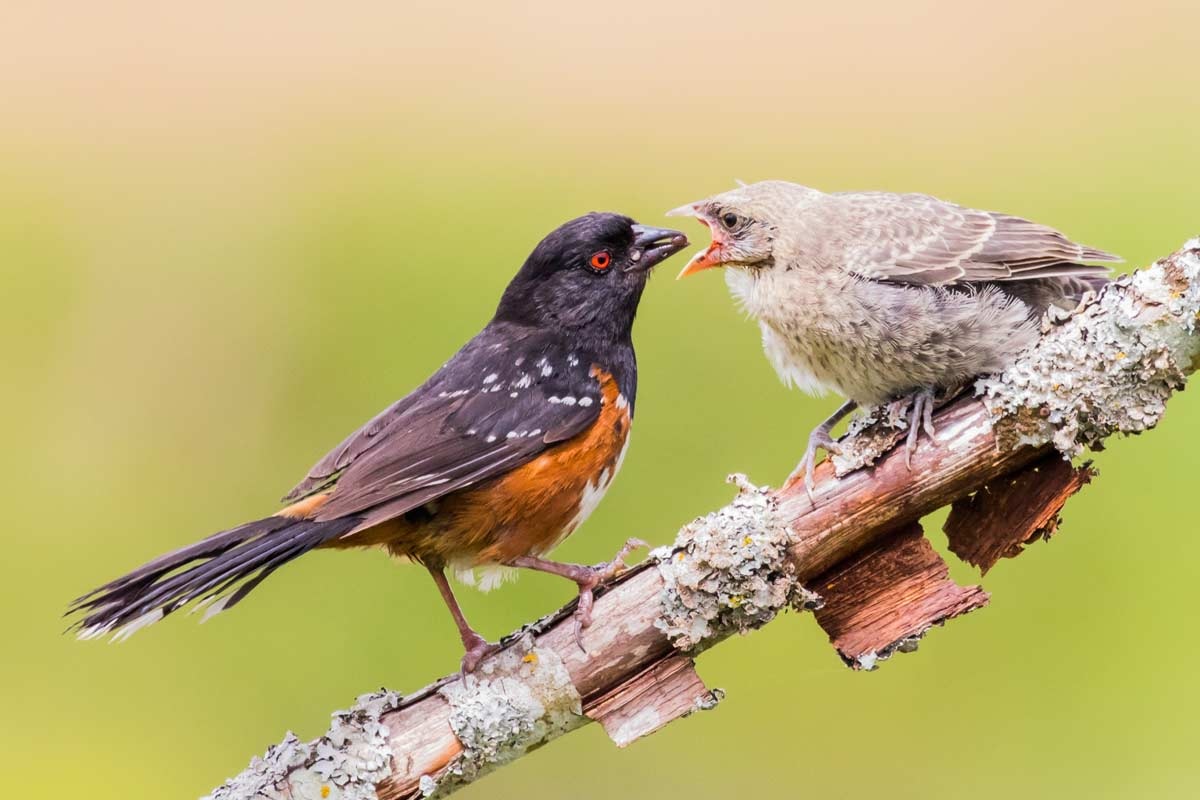
Once chicks leave the nest, parent birds continue feeding them for days or even weeks, depending on the species. You may see adult birds carrying insects, seeds, or small prey and delivering food to fledglings perched on branches or even on the ground. This feeding period helps young birds build strength, improve coordination, and develop the energy needed for sustained flight. Parents gradually reduce the frequency of feeding rather than stopping suddenly.
During this stage, feeding becomes a teaching tool. Parents often encourage fledglings to follow them to new locations where food is available. Instead of placing food directly into open beaks as they did in the nest, adults may hold food slightly out of reach. This behavior motivates young birds to hop, flutter, or fly short distances to claim their meal, reinforcing movement and confidence.
You might notice fledglings calling loudly and frequently. These calls help parents locate them in dense foliage or open areas. While the noise may seem risky, it strengthens communication between parent and chick. Over time, calls decrease as fledglings learn to forage on their own. Feeding support slowly transitions into independence without sudden separation.
Teaching Flight Skills And Survival Techniques
After fledging, parents focus heavily on teaching essential survival skills. Flight practice is one of the most important lessons. You may observe adults flying short distances, then waiting as fledglings attempt to follow. These short flights help young birds improve balance, wing strength, and landing accuracy. Parents stay nearby, ready to respond if a fledgling struggles or falls.
Beyond flying, parents demonstrate how to navigate the environment. This includes choosing safe perches, avoiding open ground, and recognizing escape routes. Fledglings often imitate adult movements, learning through observation rather than direct instruction. This learning style allows them to adapt quickly to their surroundings.
Parents also play a role in predator awareness. When danger appears, adult birds give alarm calls or perform distraction behaviors to draw attention away from their young. These warning signals teach fledglings how to recognize threats and respond appropriately. Over time, young birds begin reacting independently to these cues. Survival skills learned during this phase directly influence a fledgling’s chances of reaching adulthood.
Protection And Territory Management
Protection remains a top priority for parent birds after fledging. Although fledglings can move, they are still vulnerable to predators and environmental hazards. Parents actively guard the area where their young spend time, often staying within close visual or vocal range. You may see adults chasing away other birds, squirrels, or animals that approach too closely.
Territorial behavior can intensify during this period. Parents defend feeding zones and safe perching areas to reduce competition and danger. This protection ensures fledglings have access to resources without constant threats. In some species, parents temporarily expand their territory to accommodate the movement of their young.
Parents also guide fledglings toward safer habitats. Dense shrubs, tree canopies, or hidden branches offer protection while young birds develop strength and awareness. You might notice parents leading fledglings away from busy human areas or open spaces. This guidance helps reduce risks from traffic, pets, or human interference. Protective behavior gradually decreases as fledglings demonstrate stronger flight and awareness skills.
Gradual Independence And Parental Withdrawal
As fledglings grow more capable, parent birds slowly reduce their involvement. This process is gradual and intentional, allowing young birds to adapt without sudden loss of support. Feeding becomes less frequent, and fledglings are encouraged to search for food independently. Parents may still observe from a distance, intervening only when necessary.
You might see parents ignoring begging calls during this stage. This behavior teaches fledglings persistence and problem-solving. By exploring different feeding methods and locations, young birds refine their survival instincts. Independence develops through experience rather than isolation.
Eventually, parental presence fades almost completely. Parents may begin preparing for another brood or shift focus to their own survival. Fledglings disperse into nearby areas, establishing their own territories or joining flocks. This natural withdrawal marks the final step in post-fledging care, ensuring young birds enter adulthood with the skills and confidence needed to thrive.
Parent Birds’ Behavior After Fledging
After fledging, parent birds shift their role from constant nest care to active guidance and protection in open spaces. This phase is critical because young birds are no longer hidden or fully dependent, yet they are not independent either. Understanding how parents behave during this time helps you recognize natural patterns of feeding, teaching, and defense that support a fledgling’s survival outside the nest.
Continued Feeding And Nutritional Support
Once chicks leave the nest, parent birds continue feeding them for days or even weeks, depending on the species. You may see adult birds carrying insects, seeds, or small prey and delivering food to fledglings perched on branches or even on the ground. This feeding period helps young birds build strength, improve coordination, and develop the energy needed for sustained flight. Parents gradually reduce the frequency of feeding rather than stopping suddenly.
During this stage, feeding becomes a teaching tool. Parents often encourage fledglings to follow them to new locations where food is available. Instead of placing food directly into open beaks as they did in the nest, adults may hold food slightly out of reach. This behavior motivates young birds to hop, flutter, or fly short distances to claim their meal, reinforcing movement and confidence.
You might notice fledglings calling loudly and frequently. These calls help parents locate them in dense foliage or open areas. While the noise may seem risky, it strengthens communication between parent and chick. Over time, calls decrease as fledglings learn to forage on their own. Feeding support slowly transitions into independence without sudden separation.
Teaching Flight Skills And Survival Techniques
After fledging, parents focus heavily on teaching essential survival skills. Flight practice is one of the most important lessons. You may observe adults flying short distances, then waiting as fledglings attempt to follow. These short flights help young birds improve balance, wing strength, and landing accuracy. Parents stay nearby, ready to respond if a fledgling struggles or falls.
Beyond flying, parents demonstrate how to navigate the environment. This includes choosing safe perches, avoiding open ground, and recognizing escape routes. Fledglings often imitate adult movements, learning through observation rather than direct instruction. This learning style allows them to adapt quickly to their surroundings.
Parents also play a role in predator awareness. When danger appears, adult birds give alarm calls or perform distraction behaviors to draw attention away from their young. These warning signals teach fledglings how to recognize threats and respond appropriately. Over time, young birds begin reacting independently to these cues. Survival skills learned during this phase directly influence a fledgling’s chances of reaching adulthood.
Protection And Territory Management
Protection remains a top priority for parent birds after fledging. Although fledglings can move, they are still vulnerable to predators and environmental hazards. Parents actively guard the area where their young spend time, often staying within close visual or vocal range. You may see adults chasing away other birds, squirrels, or animals that approach too closely.
Territorial behavior can intensify during this period. Parents defend feeding zones and safe perching areas to reduce competition and danger. This protection ensures fledglings have access to resources without constant threats. In some species, parents temporarily expand their territory to accommodate the movement of their young.
Parents also guide fledglings toward safer habitats. Dense shrubs, tree canopies, or hidden branches offer protection while young birds develop strength and awareness. You might notice parents leading fledglings away from busy human areas or open spaces. This guidance helps reduce risks from traffic, pets, or human interference. Protective behavior gradually decreases as fledglings demonstrate stronger flight and awareness skills.
Gradual Independence And Parental Withdrawal
As fledglings grow more capable, parent birds slowly reduce their involvement. This process is gradual and intentional, allowing young birds to adapt without sudden loss of support. Feeding becomes less frequent, and fledglings are encouraged to search for food independently. Parents may still observe from a distance, intervening only when necessary.
You might see parents ignoring begging calls during this stage. This behavior teaches fledglings persistence and problem-solving. By exploring different feeding methods and locations, young birds refine their survival instincts. Independence develops through experience rather than isolation.
Eventually, parental presence fades almost completely. Parents may begin preparing for another brood or shift focus to their own survival. Fledglings disperse into nearby areas, establishing their own territories or joining flocks. This natural withdrawal marks the final step in post-fledging care, ensuring young birds enter adulthood with the skills and confidence needed to thrive.
write a blog section for [Typical Age When Baby Birds Leave the Nest] with h2 and h3 format within 600+ words, write 50-70 words for h2 then start h3 and each h3 around 200 to 220 words minimum and in 4-5 paragraph without any final thoughts
Typical Age When Baby Birds Leave the Nest
The age at which baby birds leave the nest varies widely based on species, environment, and developmental needs. This moment, known as fledging, marks a major transition from nest-bound care to learning survival skills outside. Understanding the typical age range helps you recognize whether a young bird is following a normal growth pattern rather than being abandoned or at risk.
Songbirds And Small Perching Birds
Most songbirds and small perching birds leave the nest between 10 and 15 days after hatching. During this short time, their growth happens rapidly. Feathers develop quickly, eyes open early, and wing strength increases just enough to support short flights. You may be surprised at how small and unsteady these fledglings appear when they first leave the nest, yet this early departure is intentional and natural.
Leaving the nest early reduces the risk of predators finding a stationary target. Although fledglings cannot fly well at this stage, they can hop, flutter, and hide in nearby shrubs or low branches. Parents stay close, continuing to feed and protect them while they adjust to life outside the nest. This period is often mistaken for distress, especially when fledglings are seen on the ground.
Different songbird species show slight variations in timing. Sparrows, robins, and finches may leave at slightly different ages, but the general window remains consistent. Rapid fledging allows these birds to adapt quickly to changing environments and seasonal conditions.
Birds Of Prey And Larger Species
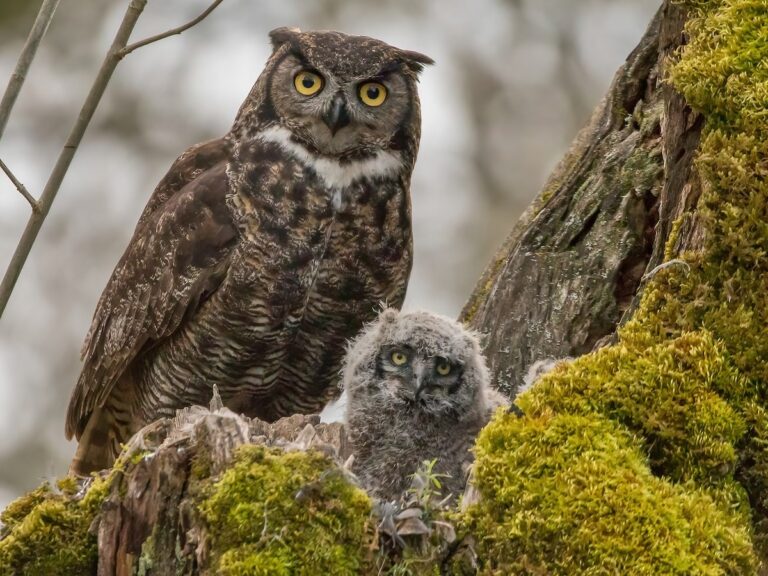
Larger birds, including birds of prey, remain in the nest much longer than small songbirds. Hawks, eagles, and owls typically fledge between 6 and 10 weeks of age. This extended nest period allows for full feather development, strong muscles, and advanced coordination needed for powerful flight and hunting.
During this time, young raptors practice wing flapping and balance within the nest. Parents provide large amounts of food to support steady growth. You may notice young birds standing taller, stretching their wings, and testing their strength long before they leave the nest. These behaviors signal preparation rather than readiness.
When fledging finally occurs, it often involves strong initial flights rather than short hops. Even so, parents continue providing food and guidance for weeks afterward. Larger species rely heavily on parental support while learning complex skills like soaring, diving, and prey capture. The longer nest period reflects the higher physical demands placed on these birds once they become independent.
Water Birds And Ground Nesting Species
Water birds and ground nesting species follow a different pattern. Ducks, geese, and shorebirds often leave the nest within hours or days of hatching. Unlike songbirds, these chicks are born with open eyes, downy feathers, and the ability to walk and swim almost immediately. This early mobility allows families to move away from vulnerable nesting sites quickly.
Parents guide their young to water sources or feeding areas rather than providing constant nest care. You may see ducklings following their mother in a line, learning where to find food and how to avoid danger. Although these chicks leave the nest early, they remain dependent on parental protection and guidance for several weeks.
Ground nesting birds benefit from early movement because nests are exposed and easily discovered by predators. Quick departure reduces risk and increases survival chances. Despite their independence in movement, these young birds still rely heavily on parents for warmth, safety, and learning essential behaviors in their environment.
Environmental Factors That Influence Fledging Age
Environmental conditions play a significant role in determining when baby birds leave the nest. Weather patterns, food availability, and predator pressure can all affect fledging timing. In areas with high predation risk, birds may leave earlier to avoid drawing attention to the nest. In contrast, abundant food sources may allow parents to support longer nest stays.
Urban environments also influence fledging age. Noise, human activity, and artificial structures can alter nesting behavior. Some birds adapt by fledging earlier or choosing different nesting sites. Seasonal timing matters as well, with late-season broods sometimes leaving sooner to prepare for migration or changing conditions.
Parental experience also affects timing. Older, experienced birds may better judge when their chicks are ready to leave. These factors work together to shape the typical age when baby birds leave the nest, creating natural variation even within the same species.
Do Baby Birds Return to the Nest at Night
After fledging, nighttime behavior often causes confusion for people observing young birds. The empty nest and quiet evenings can raise concerns about safety and warmth. Understanding how fledglings rest at night helps explain whether nests are reused or replaced by new sleeping habits during this important stage of development.
Nighttime Behavior Immediately After Fledging
In most cases, baby birds do not return to the nest at night once they have fledged. Even on the very first day after leaving, fledglings usually sleep outside the nest. Although this may seem risky, it is a natural part of bird development. The nest is no longer the safest place because it has already served its purpose and may attract predators familiar with its location.
During the first few nights, fledglings typically roost close to the nest site. They may settle on low branches, dense shrubs, or hidden ledges where they can stay protected. Parents remain nearby, often choosing nearby perches to monitor their young. This close proximity provides reassurance and quick response if danger appears.
You may notice fledglings appearing clumsy or quiet at dusk. As daylight fades, their movement slows, and they instinctively seek cover. This behavior reduces visibility and noise, lowering the risk of predators. Even without returning to the nest, fledglings rely on instinct and parental presence to remain safe throughout the night during these early days.
Why Nests Are Rarely Used Again at Night
Once baby birds leave the nest, returning to it offers little benefit. Nests are often small, fragile, and unsuitable for growing bodies. As fledglings increase in size and mobility, the nest becomes cramped and uncomfortable. Staying elsewhere allows better positioning for balance and quick escape if threatened.
Another reason nests are avoided is predator awareness. Many predators learn to locate nests by observing adult bird activity. Returning to the same nest repeatedly increases the risk of attack. By sleeping in different locations nearby, fledglings reduce predictability and improve survival chances. Parents encourage this behavior by guiding young birds away from the nest area.
Environmental exposure also plays a role. Nests are often exposed to wind, rain, and temperature changes. Roosting in sheltered foliage or dense vegetation offers better insulation and concealment. Even though nests were once safe for hatchlings, they no longer meet the needs of fledglings. Avoiding the nest at night is a strategic decision shaped by survival instincts rather than abandonment or neglect.
Where Baby Birds Sleep Instead of the Nest
After fledging, baby birds choose sleeping spots that provide safety rather than structure. Common roosting places include bushes, hedges, tree branches, tall grass, and thick vines. These locations offer camouflage and reduce visibility to nocturnal predators. You might not see fledglings at night because they instinctively remain still and hidden.
Parents often influence roosting choices. Adult birds may lead fledglings to suitable areas during evening hours. While parents usually do not share the exact same perch, they stay close enough to respond to danger. This nearby presence offers protection without drawing attention to a single location.
As nights pass, fledglings begin choosing their own roosting spots. They learn which areas feel safest based on experience. Height, cover density, and distance from ground threats all factor into these choices. Over time, fledglings gain confidence and consistency in their nighttime routines. Sleeping away from the nest supports independence and prepares them for adult life without relying on a fixed structure.
Seasonal And Species Differences in Night Roosting
Nighttime behavior varies depending on species and season. Songbirds generally roost alone or in loose family groups near their fledging area. Water birds, on the other hand, may sleep near water edges or float with their parents shortly after leaving nesting sites. Ground-nesting species often rely on tall grasses or concealed terrain for nighttime rest.
Weather conditions also influence roosting habits. On colder nights, fledglings may choose denser cover to conserve warmth. In warmer climates, elevated perches improve airflow and comfort. Seasonal timing matters as well, especially for late broods that must adjust quickly before migration or changing temperatures.
Some species show brief nest revisits during the day but still avoid using it at night. These short visits usually involve resting or feeding rather than sleeping. Overall, returning to the nest at night is uncommon. Roosting behavior reflects adaptation, safety awareness, and gradual independence shaped by each bird’s environment and biological needs.
How Long Parents Care for Baby Birds After Leaving the Nest
After baby birds leave the nest, parental care does not end immediately. Instead, it enters a new phase focused on guidance, feeding, and protection in open environments. The length of this care varies by species and conditions, but it plays a vital role in helping fledglings survive, gain strength, and learn essential skills needed for independent life.
Care Duration For Small Songbirds
For most small songbirds, parental care continues for one to three weeks after fledging. During this time, fledglings are mobile but inexperienced. Parents stay close, feeding them frequently while encouraging movement and exploration. You may notice adult birds following their young from branch to branch or ground to shrub, responding quickly to begging calls.
Feeding remains the most visible form of care. Parents gradually reduce how often they provide food, allowing fledglings to observe and attempt foraging on their own. This slow reduction helps young birds avoid sudden hunger while learning how to identify and collect food. Parents may also demonstrate where to forage by repeatedly visiting productive areas.
Protection is equally important. Adult birds actively defend fledglings from predators, issuing alarm calls or performing distraction displays. Even though fledglings appear independent, they rely heavily on this support. As flight skills improve and begging calls decrease, parents begin spending less time nearby, signaling the gradual end of direct care.
Care Period For Larger Birds And Raptors
Larger birds and birds of prey require much longer post-fledging care. Hawks, owls, and eagles often receive parental support for six to twelve weeks after leaving the nest. These species need time to master complex skills such as soaring, hunting, and prey handling, which cannot be learned quickly.
Parents continue providing food well after fledging, sometimes dropping prey near fledglings rather than delivering it directly. This approach encourages practice while still ensuring survival. You may observe young raptors awkwardly handling prey or making repeated flight attempts under close parental supervision.
Territorial guidance is another key aspect of care. Parents teach fledglings where to perch safely and how to navigate large territories. They also demonstrate responses to threats and competitors. Because these birds sit higher on the food chain, mistakes can be costly. Extended parental care increases survival rates by allowing fledglings to develop strength, coordination, and judgment before complete independence.
Water Birds And Ground Nesting Species
Water birds and ground nesting species follow a different caregiving pattern. Ducks, geese, and similar birds leave the nest very early, often within a day of hatching. However, parental care continues for several weeks afterward. Instead of feeding directly, parents guide their young to food sources and protect them from predators.
You may see ducklings following their mother closely, learning where to swim, rest, and forage. Parents remain highly alert during this stage, positioning themselves between danger and their young. While chicks feed themselves, they rely on parents for safety and direction.
As weeks pass, young water birds grow stronger and more aware. Parents gradually loosen control, allowing chicks to spread out and explore. Eventually, family groups dissolve as young birds integrate into flocks or establish independence. Although care looks different from nest-feeding species, the duration remains significant and essential for survival.
Factors That Influence Length Of Parental Care
Several factors influence how long parents care for baby birds after leaving the nest. Species type plays the largest role, but environmental conditions also matter. Food availability affects how quickly fledglings can learn to feed themselves. In areas with abundant resources, parental care may shorten slightly.
Predator presence can extend care periods. In high-risk environments, parents stay nearby longer to defend and guide their young. Weather conditions also impact development. Cooler temperatures or frequent storms may slow progress, requiring extended protection and feeding.
Parental experience influences care duration as well. Older, experienced birds often manage care more efficiently, helping fledglings become independent sooner. Younger parents may remain attentive longer. These combined factors shape how long parents care for baby birds after leaving the nest, ensuring each fledgling has the best possible chance to survive and adapt.
Situations When Baby Birds Might Return
Although most baby birds do not go back to the nest after fledging, there are specific situations where brief returns can happen. These moments are usually temporary and driven by safety, weather, or developmental needs rather than dependence. Understanding these situations helps you recognize when a return is part of normal behavior instead of a sign of trouble.
Short Returns Due To Weak Flight Ability
In the early hours or days after fledging, some baby birds may return to the nest briefly because their flight skills are still developing. Their wings may support short hops or fluttering flights, but not sustained movement. When they struggle to reach safe perches, the nest can feel like a familiar and stable location.
Parents may allow these short returns, especially during daylight hours. The nest offers a place to rest and regain strength between practice flights. You might see a fledgling climb or flutter back into the nest after a failed landing. This behavior is most common among small songbirds that fledge early.
These returns usually stop quickly as wing strength improves. Within a day or two, fledglings gain confidence and mobility, making the nest unnecessary. The brief use of the nest during this phase does not mean the bird is dependent again. It simply reflects a short adjustment period while learning to navigate the surrounding environment safely.
Extreme Weather And Environmental Stress
Harsh weather conditions can sometimes cause baby birds to return to the nest temporarily. Heavy rain, strong winds, sudden temperature drops, or intense heat may push fledglings to seek shelter. The nest, despite no longer being ideal, can still provide some protection from exposure during extreme conditions.
Parents may guide fledglings back toward the nest area when weather becomes dangerous. You might notice increased adult activity around the nest during storms. In these cases, the return is often brief and focused on survival rather than comfort. Once conditions improve, fledglings usually leave again.
Environmental stress beyond weather can also play a role. Loud disturbances, nearby predators, or sudden habitat changes may cause young birds to retreat to familiar locations. The nest represents a known space in an unfamiliar world. These returns are rare and situational, fading as fledglings adapt and learn alternative safe spots in their environment.
Nighttime Confusion During Early Fledging
In rare cases, baby birds may return to the nest at night shortly after fledging. This usually happens during the first one or two evenings when fledglings are still adjusting to roosting outside the nest. Low light and unfamiliar surroundings can cause temporary disorientation.
Parents may remain close and guide fledglings toward the nest area if no safer roosting spot is immediately available. The nest may serve as a short-term resting place rather than a regular sleeping site. This behavior is more likely in species that nest in sheltered areas, such as dense trees or building ledges.
These nighttime returns typically stop quickly as fledglings learn to choose appropriate roosting locations. Once they understand where to perch safely after dark, the nest is no longer used. Nighttime returns should be seen as part of the learning curve rather than a setback in independence.
Injury Or Developmental Delays
Injuries or developmental delays can also lead baby birds to return to the nest. A fledgling with a minor wing injury or slower feather development may lack the ability to move confidently. In such cases, the nest offers temporary safety and proximity to parental care.
Parents often continue feeding and monitoring these fledglings closely. You might see adults visiting the nest more frequently or staying nearby longer than usual. This increased attention helps the young bird recover or catch up developmentally.
These situations are less common and usually resolve as the bird heals or strengthens. Parents naturally adjust care to meet the fledgling’s needs. Once the young bird regains mobility and confidence, it leaves the nest again and resumes normal fledging behavior without long-term dependence.
FAQs
When Baby Birds Leave The Nest Do They Return?
When baby birds leave the nest do they return is a common question because the nest often remains empty afterward. In most cases, fledglings do not return once they leave. Leaving the nest is a natural step toward independence, not abandonment.
You may still see parents nearby feeding and protecting their young. Even though the nest stays empty, care continues outside. Returning to the nest usually offers no advantage once fledglings start learning to fly and hide elsewhere.
Why Do Baby Birds Leave The Nest So Early?
You might feel baby birds leave the nest too soon, especially when they look small or weak. This early departure reduces the risk of predators finding a fixed nest location.
Parents know the right time based on feather growth and strength. Once fledglings can hop or flutter, they are safer spreading out. Even though they seem unprepared, leaving early helps them survive while parents remain close to guide and feed them.
Do Parent Birds Still Care After Babies Leave The Nest?
Yes, parent birds continue caring for their young after they leave the nest. You may notice adults feeding fledglings on branches, bushes, or even the ground.
Care often lasts one to three weeks for small birds and much longer for larger species. Parents teach flying, foraging, and danger awareness. Even without the nest, strong parental support continues until the young birds gain confidence and independence.
Can Baby Birds Ever Go Back To The Nest?
In rare situations, baby birds may briefly return to the nest. This can happen when flight skills are weak, weather is extreme, or confusion occurs during early fledging days.
These returns are usually short and stop quickly as strength improves. The nest becomes too small and unsafe for growing birds. A brief return does not mean failure. It reflects adjustment during a critical learning phase.
Where Do Baby Birds Sleep After Leaving The Nest?
After leaving the nest, baby birds usually sleep in bushes, trees, tall grass, or dense vegetation. These places provide camouflage and protection from predators.
Parents often stay nearby but choose separate perches. You may not notice fledglings at night because they remain quiet and still. Sleeping away from the nest helps young birds learn safe roosting habits needed for adult life.
Should You Help A Baby Bird That Has Left The Nest?
You usually should not interfere when you see a baby bird outside the nest. Most fledglings are not abandoned, even if they are on the ground. Parents are often watching from a distance.
You should only help if the bird is injured or in immediate danger. Moving a healthy fledgling can disrupt natural learning. Observing calmly allows nature to take its course while parents continue their care nearby.
Final Thoughts
Watching young birds take their first steps into the world often raises concern and curiosity. It is natural to wonder what happens after that moment and whether the nest still plays a role in their lives. Understanding this stage helps you avoid unnecessary intervention and trust the natural process.
In most cases, the nest is left behind for good once fledging begins. Parents remain nearby, offering food, protection, and guidance while encouraging independence. This explains why people often ask when baby birds leave the nest do they return, even though returning is uncommon and usually temporary.
Knowing this behavior allows you to appreciate bird development without panic. By observing from a distance and respecting wildlife boundaries, you support healthy growth and survival during this critical transition period.