What Are Baby Birds Called: Complete Guide to Bird Hatchling Names
When observing birds in nature, you may notice small, fluffy creatures in nests or hopping near adults and wonder about their proper name. Understanding what are baby birds called helps you recognize their stages of development and the terminology used in ornithology. Young birds go through distinct phases, from hatching as helpless chicks to growing feathers and learning to fly. Each stage has unique characteristics that influence their care, feeding, and behavior.
Knowing what are baby birds called also enhances your ability to observe and identify species in the wild, as many adult behaviors are closely tied to nurturing their young. By learning these terms, you gain insight into the growth process of birds, the parental strategies involved, and how fledglings gradually develop independence. It reveals both the fragility and resilience of young birds in their early life.
Key Terms Used for Baby Birds
Understanding the key terms used for baby birds helps you recognize each stage of their early life and how they develop under parental care. These terms describe their physical traits, level of dependence, and readiness to leave the nest. When you learn these words, you gain a clearer view of how birds grow from fragile newborns into independent flyers. Exploring these terms also helps you connect behaviors you see in nests or in the wild with the proper developmental stage, making bird observation more meaningful and accurate.
Hatchling
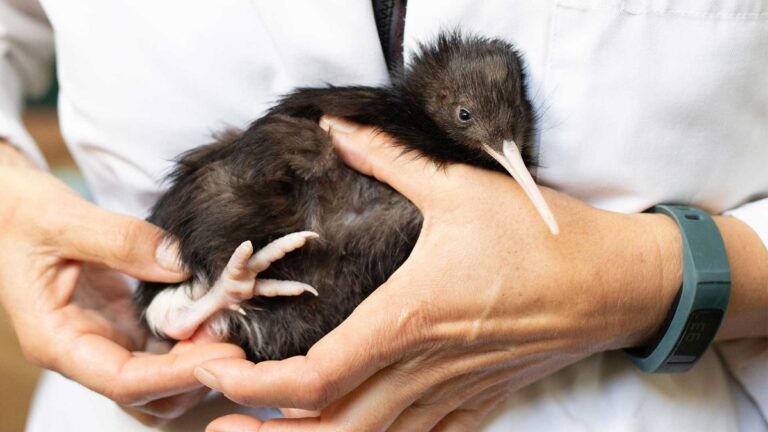
A hatchling is the very first stage of a baby bird’s life, and you notice how small and vulnerable they are right after breaking out of the egg. At this point, they usually have closed eyes and very little to no feathers, relying entirely on their parents for warmth and food. You see hatchlings lying in the nest, unable to move much beyond stretching their necks when hungry. Their early days are focused on rapid growth and gaining essential strength. Observing a hatchling helps you understand how dependent young birds are during the beginning of their lives and how crucial constant care from parent birds becomes during this delicate phase.
Nestling
A nestling is a baby bird that has grown past the hatchling stage but still remains in the nest. You notice that nestlings have their eyes open and small feathers beginning to develop, although they remain unable to leave the nest. They depend heavily on their parents for feeding and protection. This stage shows you how quickly young birds grow and how much effort adult birds put into caring for them. Nestlings often sit upright in the nest, stretching their wings slightly as they strengthen their bodies. Watching nestlings gives you a closer look at the transition between complete helplessness and early development, showcasing an important phase of growth.
Fledgling
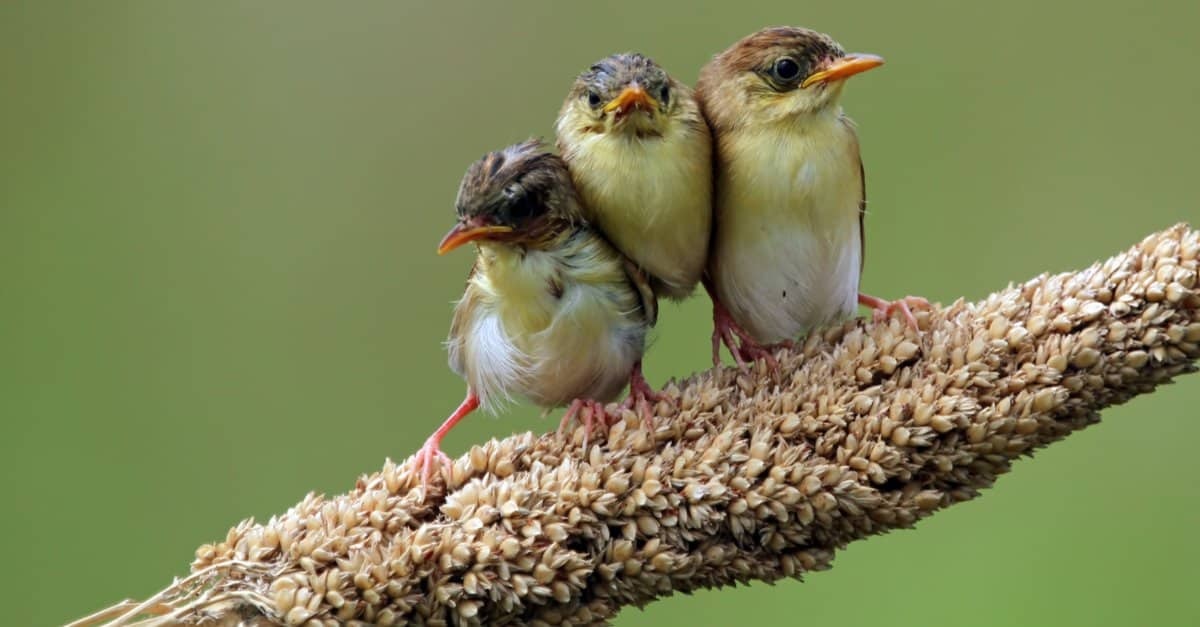
A fledgling is a young bird that has developed enough feathers to attempt short flights but still relies partly on its parents. You might notice fledglings perched on branches or hopping on the ground as they practice flying skills. They look more like miniature versions of adults but still lack the confidence and experience to survive alone. Parents continue feeding them while encouraging their independence. Observing fledglings helps you understand how birds learn essential survival skills outside the nest. This stage is a blend of exploration and learning, revealing how young birds adapt to the environment while slowly reducing their dependence on parental care.
Juvenile
A juvenile is a young bird that has left the fledgling stage and can now fly confidently, explore independently, and feed on its own. You notice juveniles looking almost like adult birds but often with slightly duller or streaked plumage. Although they no longer need constant parental care, some juveniles may remain near adults for guidance. This stage shows you how birds refine their skills and gain confidence as they grow. Watching juveniles interact with their surroundings helps you see how they adapt to finding food, avoiding predators, and socializing with other birds during the final stage before reaching adulthood.
How Baby Birds Grow Through Stages
Understanding how baby birds grow through stages helps you follow their journey from fragile hatchlings to confident juveniles. Each step in their development reveals how they gain strength, mobility, and independence. Watching this growth allows you to appreciate the dedication of parent birds and the rapid changes young birds undergo in a short time. By learning how baby birds move through these stages, you gain a deeper insight into their survival challenges, feeding needs, and overall progression toward adulthood.
Early Hatchling Development
During the early hatchling stage, you notice how delicate and dependent baby birds are as soon as they emerge from the egg. Their eyes are usually closed, their skin appears bare, and they rely completely on their parents for warmth and nutrition. This period focuses on rapid physical development, with parents visiting the nest frequently to deliver soft, high-protein foods that support early growth. As the days pass, hatchlings start opening their eyes and showing small signs of movement. Though they appear fragile, this stage is crucial for building the foundation of their future strength. Observing hatchlings reminds you how essential constant parental care is, guiding them safely through the very beginning of life and preparing them for the next stage.
Nestling Growth And Strength
As baby birds enter the nestling stage, their bodies become more defined and active. You notice feathers starting to emerge, giving them a bit more warmth and protection. Nestlings keep their place inside the nest and rely heavily on their parents for food, but they begin exercising their necks, wings, and legs. This movement builds the muscles they need later for perching and flying. During this stage, they become more alert, reacting to sounds and recognizing their parents’ calls. Their increasing strength allows them to sit more upright and explore their surroundings within the nest. Observing nestlings helps you see how each day brings noticeable changes, showing how quickly young birds prepare themselves for more independence while still benefiting from constant parental care.
Fledgling Exploration And Practice
The fledgling stage is one of the most exciting phases, as young birds start leaving the nest but still stay close to their parents. You notice fledglings perched on low branches or hopping on the ground while testing their balance and wing strength. They look nearly grown but still lack the full skill set needed for survival. Parents continue feeding them, offering encouragement while allowing them to practice short flights. This stage teaches fledglings essential lessons, such as identifying food sources, recognizing dangers, and navigating their environment. Their curiosity drives them to explore more while relying on the safety net of parental guidance. Watching fledglings highlights how this stage blends new independence with learning through trial and error, shaping their confidence and mobility.
Juvenile Independence And Skills
The juvenile stage marks the point where young birds develop full mobility and begin mastering survival skills. You notice juveniles flying confidently, feeding on their own, and interacting more freely with other birds. They no longer depend on their parents for daily care, yet they may still stay within familiar territory as they learn to navigate the world. Their plumage often looks different from adults, with more muted patterns that gradually change as they mature. This stage demonstrates how growth continues even after independence, as juveniles refine their instincts, recognize predators, and adapt to their chosen habitat. Observing juveniles gives you a clear picture of how baby birds transform into capable adults ready to thrive on their own.
Identifying Baby Birds by Appearance
Identifying baby birds by appearance helps you understand which stage of development they are in and how dependent they remain on their parents. Each stage comes with unique physical traits, making it easier for you to distinguish a hatchling from a nestling or fledgling. Recognizing these differences also helps you avoid disturbing young birds that may appear abandoned but are actually in normal developmental phases. By learning the visual cues of each stage, you gain confidence in identifying baby birds safely and accurately in natural settings.
Recognizing Hatchlings
Hatchlings are the easiest stage to identify because they appear extremely fragile and undeveloped. You notice that hatchlings typically have closed eyes, bare or sparsely covered skin, and very limited movement. Their small, soft bodies are unable to regulate temperature, so they rely entirely on their parents for warmth. The beaks of hatchlings often appear proportionally large, and their necks may wobble when they attempt to reach upward for food. When you see a hatchling in a nest, it is usually lying flat or curled together with its siblings. The absence of feathers and the presence of translucent skin reveal just how new to the world these young birds are. Observing these features helps you quickly recognize a hatchling and understand the extreme level of parental care they require during this early stage.
Spotting Nestlings
Nestlings are slightly older babies that begin showing visible signs of growth, making them easier for you to identify. They have partially developed feathers, often appearing as pinfeathers or small tufts covering their wings and body. Their eyes are typically open, and their heads become steadier as neck muscles strengthen. You notice nestlings sitting upright in the nest, moving more actively, and reacting to sounds around them. Their beaks remain wide and soft, with a bright gape that makes feeding easier for parent birds. Nestlings still lack the ability to leave the nest, but their growing feathers provide a hint of insulation and future flight capability. When you observe a nestling, its mix of baby-like softness and emerging feather structure gives you a clear sign that it is in a transitional stage, gaining strength while remaining dependent on the nest environment.
Identifying Fledglings
Fledglings are often mistaken for abandoned birds because they spend time on the ground or low branches, but their appearance helps you distinguish them from helpless chicks. Fledglings have most of their feathers, though they may still look slightly scruffy or uneven as their plumage finishes developing. You notice their wings and tails are shorter than those of adult birds, giving them a compact look. Their movements are more coordinated, allowing them to hop, flutter, or attempt short flights. Fledglings also have a more alert expression, watching their surroundings closely as they learn to navigate the world. Their gape may still be visible, hinting at their young age. When you identify a fledgling, you recognize it as a bird transitioning toward independence, practicing essential skills while receiving occasional help from its parents.
Noticing Juvenile Features
Juvenile birds can appear almost identical to adults, but distinct features make them easy for you to identify once you know what to look for. Their plumage is usually duller, with streaks or patterns that differ from the sharp, defined colors of mature birds. Juveniles are fully feathered, capable of flying confidently, and able to search for food independently. However, you may still notice their slightly shorter tail feathers or softer facial features. Juveniles often stay near familiar territory, sometimes following parents or siblings during feeding or exploration. Their behavior appears curious and energetic, as they refine the skills needed for long-term survival. When identifying juveniles, these subtle details—muted coloring, gentle expressions, and developmental behavior—help you distinguish them from experienced adults while understanding their place in the final phase of bird growth.
What Baby Birds Eat at Each Stage
Understanding what baby birds eat at each stage helps you see how their diet changes as they grow stronger and more independent. Each phase of development comes with different nutritional needs, and parent birds adjust their feeding habits to match those needs. By learning these feeding patterns, you gain a clearer picture of how baby birds survive, gain strength, and prepare for life outside the nest. This knowledge also helps you avoid offering the wrong foods when you encounter young birds that seem vulnerable.
Hatchling Nutrition
Hatchlings rely entirely on their parents for soft, protein-rich foods that support rapid development. You notice that hatchlings cannot digest solid foods, so parent birds often regurgitate pre-digested insects or soft materials to make swallowing easier. Their diet typically includes insects, worms, and small invertebrates packed with nutrients. This protein-heavy feeding helps hatchlings grow quickly, strengthening their bones and organs during their earliest days of life. You also see parents feeding frequently, sometimes every few minutes, to meet the high energy demands of hatchlings. Their growing bodies depend on constant nourishment, and the soft consistency of the food ensures they can swallow without difficulty. Understanding this diet highlights how essential parental feeding is for survival at this delicate stage.
Nestling Dietary Needs
Nestlings continue to receive a protein-rich diet, but their food gradually becomes slightly firmer as they grow stronger. You notice that parent birds still bring insects and worms, but they may introduce small fruits or seeds depending on the species. Nestlings are capable of opening their mouths wider and swallowing bigger portions, so parents adjust the size and type of food accordingly. As feathers begin to develop, their nutritional needs shift to support muscle growth and energy levels. You often observe nestlings responding eagerly to feeding, showing how quickly their bodies use the nutrients provided. Although still dependent on their parents, nestlings show increased energy and awareness, and their food intake reflects their transition toward greater physical activity and strength.
Fledgling And Juvenile Diet
Fledglings start eating foods that prepare them for independence, even though parents continue to assist with feeding. You notice fledglings receiving insects, small fruits, seeds, or nectar depending on the bird species. Their digestive systems are stronger, allowing them to handle a wider variety of foods. As fledglings explore their surroundings, they learn to identify safe food sources while still relying on parents for guidance. This stage introduces more diverse textures and nutritional options, helping them practice feeding independently. Juveniles, who follow soon after, are capable of finding and eating food on their own. Their diet closely resembles that of adult birds, giving them the energy needed for flying, exploring, and establishing territory. Understanding this diet shift helps you see how young birds gradually transition from complete dependence to confident self-feeding.
ChatGPT said:
Role of Parent Birds in Raising Babies
Understanding the role of parent birds in raising babies helps you appreciate how dedicated and resourceful they are throughout each stage of their chicks’ development. Parent birds work tirelessly to protect, feed, and teach their young, ensuring they grow strong enough to survive on their own. Their involvement begins even before the eggs hatch and continues well into the juvenile stage. Observing these behaviors gives you a deeper sense of how parent birds balance instinct, care, and survival strategies while raising their offspring.
Feeding and Nourishing the Young
Parent birds play a critical role in feeding their babies from the moment they hatch. You notice how they gather insects, worms, and other nutrient-rich foods to support rapid growth. Hatchlings depend entirely on their parents to provide soft, digestible meals, often delivered through regurgitation. As the babies grow into nestlings, parents adjust what they bring, offering slightly firmer food as chicks gain strength. This constant feeding requires parents to make frequent trips, demonstrating their dedication. You also see how parents respond quickly to the loud begging calls of their chicks, ensuring each one gets enough food. This stage highlights how essential parental nourishment is for developing strong bones, feathers, and energy reserves. By watching these interactions, you understand how feeding remains the backbone of early survival for baby birds.
Protecting and Teaching Survival Skills
Parent birds also serve as protectors and teachers, guiding their young as they move toward independence. You notice how they guard the nest from predators, using distraction displays or alarm calls to keep danger away. Once the chicks reach the fledgling stage, parents stay close, offering guidance through calls and movements that encourage exploration. They demonstrate how to find food, avoid threats, and navigate their environment safely. You may see fledglings hopping on branches or attempting short flights while parents supervise nearby. Even juveniles benefit from this protection and guidance, learning essential skills that shape their future survival. Observing this behavior shows you how parent birds do more than provide food—they teach, defend, and prepare their young for life beyond the nest.
Understanding Baby Bird Behavior
Understanding baby bird behavior helps you recognize the actions and signals young birds use as they grow through different stages. Each phase shows unique behaviors that reflect their needs, abilities, and level of dependence on parents. By observing these patterns, you gain insight into how young birds communicate hunger, fear, and readiness to explore. This knowledge also helps you avoid misinterpreting normal behaviors—such as a fledgling being on the ground—as distress. Learning these behaviors provides a clearer picture of how baby birds develop and adapt.
Communication and Begging Signals
Baby birds use specific behaviors to communicate their needs, especially during feeding times. You often notice hatchlings stretching their necks upward with wide-open mouths, signaling hunger to their parents. This begging call becomes louder and more coordinated as nestlings grow stronger, helping parents decide which chick needs food most urgently. Their vocalizations vary depending on species, but the purpose remains the same—to attract parental attention.
In addition to sound, physical movements also play a role in communication. Nestlings may shuffle or nudge siblings to position themselves closer for feeding. These behaviors not only ensure nourishment but also help strengthen their muscles as they grow. Observing these signals helps you understand how communication evolves as young birds develop, revealing how essential clear cues are for survival during the early stages.
Exploration and Early Learning
As baby birds reach the fledgling stage, their behavior shifts toward exploration, and you notice them testing their surroundings more actively. They start hopping, fluttering, and attempting short flights, even though their skills are not yet fully developed. These actions allow fledglings to build confidence, strengthen their wings, and learn how to maneuver safely.
You may also see fledglings observing their parents closely, mimicking actions such as pecking at the ground or scanning for food. This stage blends curiosity with caution, as young birds remain dependent while practicing independence. Their behavior may seem clumsy, but every movement teaches balance, coordination, and awareness. Understanding these early learning behaviors helps you recognize that fledglings on the ground are often not abandoned—they are simply practicing essential skills that prepare them for survival as juveniles.
Role of Parent Birds in Raising Babies
Understanding the role of parent birds in raising babies helps you appreciate how devoted they are during every stage of their chicks’ development. From providing food to teaching survival, parent birds take on many responsibilities that shape the future of their young. Their care begins before hatching and continues long after fledglings leave the nest. When you observe these behaviors, you gain a deeper sense of how much effort and instinct guide parent birds as they support their growing families.
Feeding and Nourishing the Young
Parent birds play a critical role in feeding their babies from the moment they hatch. You notice how they gather insects, worms, and other nutrient-rich foods to support rapid growth. Hatchlings depend entirely on their parents to provide soft, digestible meals, often delivered through regurgitation.
In this early stage, parents make constant trips back and forth to the nest, responding immediately to the begging calls of hungry chicks. As the babies grow into nestlings, their food becomes slightly firmer, matching their developing digestive systems. Parents shift their feeding rhythm to accommodate these changes, showing how attentive they are to their chicks’ needs.
This stage highlights how essential parental nourishment is for developing strong bones, growing feathers, and building the energy required for mobility. By watching these interactions, you understand how feeding forms the foundation of early survival, with parents ensuring every chick receives enough nourishment throughout the day.
Protecting and Teaching Survival Skills
Parent birds also serve as protectors and teachers, guiding their young as they move toward independence. You notice how they guard the nest from predators, using calls or wing displays to distract or scare off threats. Their vigilance ensures that hatchlings and nestlings can develop safely without facing constant danger.
Once the chicks reach the fledgling stage, parents remain nearby, offering guidance through sounds and movements that encourage exploration. They demonstrate how to search for food, recognize predators, and navigate their surroundings. You might see fledglings hopping on branches, attempting short flights, or calling out for reassurance while parents supervise from close range.
Even juvenile birds benefit from this support, learning essential survival skills that influence their chances of thriving on their own. Observing this level of care helps you understand how parent birds provide not only protection and nourishment but also the crucial training needed for their young to become self-sufficient.
Frequently Asked Questions
What Are Baby Birds Called?
Baby birds are generally called chicks, but the exact term depends on their stage of development. When you refer to a bird right after it hatches, it is known as a hatchling. As it grows feathers but still stays in the nest, it becomes a nestling. Once it leaves the nest but still relies on its parents, it is called a fledgling. These terms help you identify how dependent the bird is and what stage of growth it has reached. Understanding these names makes it easier to recognize young birds in nature.
What Is A Hatchling?
A hatchling is the youngest stage of a baby bird, found right after it emerges from the egg. You can identify a hatchling by its closed eyes, bare skin, and weak movements. Hatchlings cannot regulate their body temperature or feed themselves, so they rely completely on their parents for warmth and food. You might see them lying low in the nest, often with translucent skin. This stage is extremely delicate, and the behavior of hatchlings reflects their total dependence on parental care for survival and early development.
What Is A Nestling?
A nestling is a baby bird that has grown slightly older and developed partially formed feathers. You notice that nestlings remain inside the nest, sitting upright and becoming more active as their muscles strengthen. Their eyes are open, and they respond more clearly to sounds and movements. Although they still depend on their parents for food, they require less warmth because of their developing feather covering. Nestlings show a mix of baby-like fragility and early independence. Recognizing a nestling helps you understand that it is in a crucial stage of growth before learning to leave the nest.
What Is A Fledgling?
A fledgling is a young bird that has left the nest but still stays close to its parents while learning essential survival skills. You often see fledglings hopping on the ground or perched on low branches, appearing slightly fluffy or awkward. They have most of their feathers but may still look scruffy. Fledglings practice short flights and explore their surroundings while parents continue to feed and guide them. Many people mistake fledglings for abandoned birds, but they are usually healthy and simply learning to navigate life outside the nest.
How Can You Tell The Difference Between Baby Bird Stages?
You can tell the difference between stages by looking at a young bird’s feathers, movements, and behavior. Hatchlings have no feathers and remain flat in the nest. Nestlings show pinfeathers or small tufts and sit upright, responding to sounds. Fledglings have mostly developed feathers and move outside the nest, practicing flight. Each stage displays a distinct level of independence and mobility. By observing these traits, you can easily identify whether a young bird is still dependent on the nest or progressing toward self-sufficiency.
Why Is It Important To Know What Baby Birds Are Called?
Knowing what baby birds are called helps you understand their level of dependence, care needs, and natural behaviors. When you encounter a young bird outdoors, identifying whether it is a hatchling, nestling, or fledgling guides you in deciding whether it needs help. This knowledge also improves your ability to observe bird families and appreciate their development stages. By recognizing these terms, you gain a clearer picture of how birds grow and how parents support them, making your birdwatching experiences more informed and meaningful.
FInal Thoughts
Observing young birds and understanding their development provides fascinating insight into nature, especially when exploring What Are Baby Birds Called. Each term, from hatchling to nestling to fledgling, reflects a unique stage in their growth, showing how they progress from being completely dependent on their parents to gradually gaining independence. Recognizing these stages helps identify the changes in their appearance, behavior, and feeding needs, offering a clearer understanding of how birds survive and thrive in the wild.
Knowing What Are Baby Birds Called also enhances birdwatching experiences, allowing enthusiasts to connect more deeply with the life cycles of different species. It highlights the crucial role parent birds play in nurturing and protecting their young until they are ready to face the world on their own. Ultimately, learning these names and stages fosters appreciation for the delicate and fascinating process of bird development.