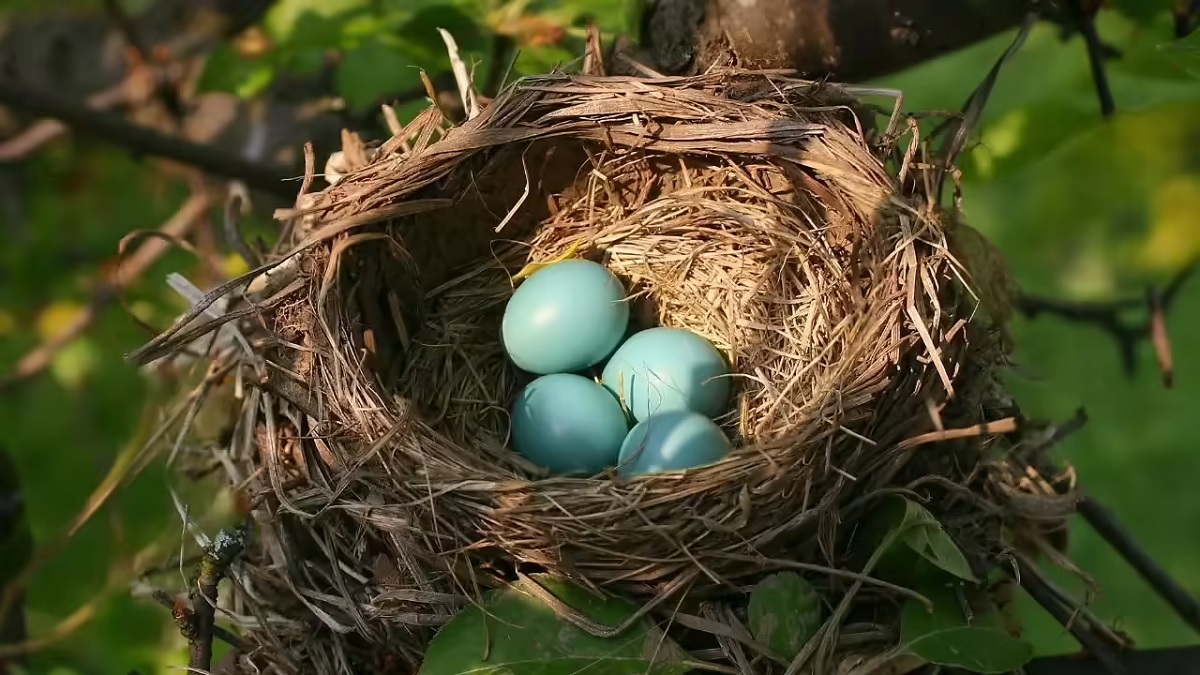
What Birds Lay Eggs in Other Birds Nests: Secrets of Brood Parasitism
Some birds have developed fascinating reproductive strategies that challenge traditional notions of parenting and nest-building. Among these behaviors, certain species rely on the nests of other birds to raise their young. This unique approach allows them to conserve energy, avoid predation risks, and increase the survival chances of their offspring.
Exploring what birds lay eggs in other birds nests sheds light on an intriguing survival tactic known as brood parasitism. Birds that practice this behavior do not build their own nests or care for their chicks directly. Instead, they rely on host species to incubate eggs and feed the young, often tricking the host into raising chicks that are not their own.
This behavior is observed across several bird families, with each species employing specific strategies to ensure the acceptance of their eggs. Some birds mimic the appearance of host eggs, while others rely on timing and stealth to lay eggs unnoticed.
Studying these birds provides insight into the complexity of avian behavior, evolutionary adaptation, and the fascinating ways in which survival strategies shape reproductive success.
Brood Parasitism
Brood parasitism is one of the most remarkable and controversial reproductive strategies in the bird world. It involves certain species laying their eggs in the nests of other birds, relying on the host to incubate and rear their chicks. Understanding Brood Parasitism provides insight into the evolutionary adaptations, behavioral tactics, and ecological interactions that shape the survival and reproductive success of these unique avian species.
How Brood Parasitism Works
Brood parasitism involves a parasitic bird depositing its eggs into the nest of a host species, often going unnoticed. The host then incubates the eggs and feeds the hatched chicks as though they were its own. This strategy allows the parasitic bird to conserve energy that would otherwise be spent on nest building, incubation, and chick rearing.
Parasitic birds often select hosts carefully, targeting species with similar egg sizes or nesting patterns. Some species, like the common cuckoo, have evolved the ability to mimic the appearance of host eggs, reducing the likelihood that the host will reject them. Timing is critical; eggs are usually laid during the host’s laying period to increase the chances of successful incubation and hatching.
This approach demonstrates an advanced understanding of host behavior, as parasitic birds must balance stealth, timing, and egg placement. It highlights the complexity of avian reproductive strategies and the lengths to which species will go to ensure the survival of their offspring.
Notable Species That Practice Brood Parasitism
Several bird species are well-known for brood parasitism. The common cuckoo is one of the most studied examples, laying its eggs in the nests of smaller songbirds. The cuckoo chick often hatches earlier than the host’s eggs and may push host eggs or chicks out of the nest, securing all parental attention and resources.
Other species, such as cowbirds in North America, also rely on brood parasitism but employ different tactics. Cowbird chicks are less aggressive and often compete with host chicks for food rather than eliminating them. Parasitic finches and honeyguides demonstrate further variations, showing that brood parasitism has evolved multiple times in different families.
The diversity of species practicing brood parasitism illustrates the evolutionary benefits of this strategy. It allows birds to reproduce successfully without investing in the demanding task of parental care, while simultaneously challenging host species to develop defensive mechanisms against exploitation.
Host Adaptations and Defense Mechanisms
Hosts of brood parasitic birds have evolved several strategies to counteract parasitism. Egg recognition is one of the most effective defenses, where hosts identify and reject eggs that do not match their own in color, size, or pattern. Some birds abandon parasitized nests entirely, starting a new clutch elsewhere.
Other defensive behaviors include increased nest vigilance and aggressive attacks on parasitic intruders. Hosts may also adjust their nesting timing or location to reduce the risk of parasitism. Despite these adaptations, parasitic birds often evolve counter-strategies, such as egg mimicry, rapid egg laying, and stealthy behavior, leading to an evolutionary arms race between parasite and host.
These interactions highlight the dynamic relationship between species and show how brood parasitism drives both behavioral and evolutionary changes, influencing host reproductive success and shaping avian community structures.
Ecological and Evolutionary Significance
Brood parasitism has far-reaching ecological and evolutionary implications. By outsourcing parental care, parasitic birds can increase reproductive output without increasing energy expenditure. This strategy also influences host population dynamics, as parasitized nests may experience reduced reproductive success.
The evolutionary arms race between parasites and hosts drives adaptations in both parties, fostering diversity in egg appearance, nesting behavior, and chick-rearing strategies. Studying brood parasitism offers insight into natural selection, coevolution, and the complex interplay between species within ecosystems.
Understanding these interactions sheds light on the sophisticated behavioral strategies birds use to survive and reproduce. Brood parasitism exemplifies the innovative ways in which animals exploit ecological opportunities, demonstrating the remarkable adaptability and evolutionary creativity of avian species.
Common Cuckoos and Their Strategies
The common cuckoo is one of the most famous examples of brood parasitism in birds. Known for its distinctive call and stealthy reproductive tactics, this species has developed extraordinary strategies to ensure its eggs are raised by other birds. Studying Common Cuckoos and Their Strategies offers a fascinating glimpse into avian adaptation, behavioral ingenuity, and the evolutionary arms race between parasite and host species.
Egg Mimicry and Stealth
One of the most remarkable strategies of the common cuckoo is egg mimicry. Female cuckoos carefully select host species and lay eggs that closely resemble the color, size, and pattern of the host’s own eggs. This disguise reduces the likelihood of detection, allowing the host to incubate the foreign egg unknowingly.
Cuckoos are also masters of timing and stealth. They often lay their eggs while the host is away from the nest, minimizing the chance of confrontation. Some females even remove a host egg before depositing their own, keeping the total number of eggs consistent and avoiding suspicion.
This combination of mimicry and stealth demonstrates how the cuckoo has evolved sophisticated behaviors to exploit host species. These strategies maximize reproductive success while minimizing the energy and risk associated with parental care, highlighting the precision of evolutionary adaptation in avian species.
Chick Behavior and Survival
The success of common cuckoo eggs extends beyond hatching. Cuckoo chicks often hatch earlier than host eggs and display instinctive behaviors that secure their survival. One of the most striking behaviors is ejecting host eggs or chicks from the nest, eliminating competition for food and parental attention.
Host parents, unaware of the deception, feed the cuckoo chick as if it were their own. The cuckoo chick grows rapidly, demanding frequent feeding, which ensures it receives ample nourishment. Its size and begging behavior dominate the nest, compelling hosts to prioritize its care over any remaining or late-hatching host offspring.
This behavior illustrates the combination of innate instinct and survival strategy that makes the common cuckoo one of the most successful brood parasites. By securing both parental care and resources, the cuckoo ensures that its offspring thrive even at the expense of the host’s reproductive success.
Host Selection and Targeting
Common cuckoos are selective in choosing host species, often targeting smaller songbirds like warblers, pipits, or reed warblers. The female carefully observes potential hosts, monitoring their nesting behavior, laying patterns, and incubation timing before laying her egg.
This careful targeting ensures compatibility between the cuckoo egg and the host’s incubation period. Hosts with similar nesting timelines and egg characteristics are more likely to accept and incubate the cuckoo’s egg successfully. The selection process highlights the cuckoo’s intelligence and adaptability in exploiting specific ecological niches.
Through careful observation and host selection, cuckoos maximize the chances of their eggs being raised successfully, demonstrating an advanced behavioral strategy shaped by evolutionary pressures and ecological opportunities.
Migration and Seasonal Strategy
Common cuckoos are long-distance migrants, traveling between Europe and Africa depending on the season. Migration is timed to align with the breeding cycles of their host species, ensuring that cuckoos arrive when nests are available for parasitism.
During migration, cuckoos rely on strong flight muscles, efficient metabolism, and navigational skills to cover thousands of kilometers. Once at breeding grounds, the female quickly locates suitable hosts, laying eggs with precision during a short window of opportunity. Seasonal timing is essential, as delays could reduce the success of parasitism and impact overall reproductive output.
The combination of migratory skill and reproductive timing illustrates the interconnected nature of behavior, physiology, and ecology in the common cuckoo. Migration is not just a movement between habitats—it is a crucial part of the species’ reproductive strategy and long-term survival.
Ecological and Evolutionary Impact
Common cuckoos influence the evolution of their host species through an ongoing arms race. Hosts develop defenses such as egg recognition, nest guarding, and aggressive behavior to prevent parasitism. In response, cuckoos evolve more precise egg mimicry, stealthy laying behaviors, and strategic timing.
This evolutionary interaction drives diversity in egg patterns, nesting behavior, and chick-rearing strategies across bird species. The cuckoo’s strategies also impact host population dynamics, as parasitized nests often experience reduced reproductive success.
Studying common cuckoos provides deep insight into the complexity of avian behavior, the adaptive power of natural selection, and the delicate balance of predator-prey and parasitic relationships in ecosystems. Their sophisticated strategies make them a quintessential example of evolutionary ingenuity in the bird world.
Cowbirds and Nest Parasitism
Cowbirds are among the most well-known examples of nest parasitism in North America. Unlike many birds that build and care for their own nests, cowbirds lay eggs in the nests of other species, leaving host parents to raise their chicks. Studying Cowbirds and Nest Parasitism reveals how these birds have adapted behaviorally and ecologically to exploit other species for reproductive success while shaping host-parasite interactions across ecosystems.
Brood Parasitism Strategy of Cowbirds
Cowbirds employ a unique form of brood parasitism that differs from some other parasitic birds. They do not mimic host eggs closely in appearance, yet they successfully rely on hosts to incubate and raise their young. Females observe potential hosts, identifying suitable nests during the host’s laying period. Timing is essential; the cowbird lays its egg when the host is away, ensuring minimal detection and maximizing the chances of acceptance.
Once the egg is laid, the host incubates it alongside its own clutch. Unlike some parasitic species, cowbird chicks do not always push host eggs or chicks out of the nest. Instead, they compete for food aggressively, often growing faster and demanding more parental care than the host’s biological offspring. This competitive advantage allows cowbird chicks to dominate resources, ensuring their survival and growth at the expense of host nestlings.
The strategy of cowbirds demonstrates a balance between opportunism and specialization. By targeting multiple host species and adapting their timing and placement behavior, cowbirds maximize reproductive output without investing in parental care. This strategy highlights the evolutionary benefits of nest parasitism in terms of energy efficiency and reproductive success.
Host Selection and Target Species
Cowbirds are generalist brood parasites, targeting a wide variety of small to medium-sized songbirds, including sparrows, warblers, and finches. Their broad host range increases the likelihood that eggs will be successfully incubated and chicks raised. Observing hosts closely allows female cowbirds to identify suitable nests that are active, accessible, and likely to provide adequate care for their offspring.
Host selection is influenced by factors such as nest accessibility, timing of the host’s laying period, and the presence of sufficient food resources for growing chicks. Cowbirds adapt their laying behavior depending on host species and environmental conditions. This opportunistic approach reduces risk and ensures that eggs are deposited in nests with the highest likelihood of success.
By exploiting a wide range of host species, cowbirds reduce dependence on any single bird population, enhancing their resilience to environmental changes. This generalist strategy is a key factor in their ecological success and widespread distribution across North America.
Chick Development and Survival
Once hatched, cowbird chicks exhibit behaviors that ensure their survival in host nests. They are typically larger and grow faster than host chicks, giving them a competitive edge in soliciting food from the foster parents. Their intense begging behavior often monopolizes parental attention, resulting in higher feeding rates compared to the host’s own chicks.
While cowbird chicks rarely eliminate host eggs entirely, their dominance in the nest can significantly reduce the survival chances of biological offspring. This competitive advantage highlights the effectiveness of their parasitic strategy. Host parents continue to feed and care for the chicks, unaware that they are raising young that are not genetically their own.
The survival of cowbird chicks depends on the careful selection of nests, precise timing of egg-laying, and their aggressive feeding behavior. These traits collectively ensure that they thrive despite relying entirely on another species for parental care.
Ecological and Evolutionary Impact
Cowbirds’ nest parasitism has a significant impact on host populations and avian community dynamics. Hosts may experience reduced reproductive success due to competition from cowbird chicks, which can influence population sizes and nesting strategies over time. Some host species have evolved defenses such as egg rejection, nest abandonment, or aggressive defense against intruding cowbirds.
This ongoing interaction creates an evolutionary arms race, where both the parasitic cowbirds and their hosts continuously adapt to each other’s strategies. Studying cowbirds provides valuable insight into behavioral ecology, species interactions, and the evolutionary pressures that shape reproductive strategies in birds.
By examining Cowbirds and Nest Parasitism, researchers gain a deeper understanding of how opportunistic behaviors influence survival, reproduction, and ecological balance, highlighting the complex relationships that define avian ecosystems.
Other Birds That Practice Nest Parasitism
Nest parasitism is a fascinating strategy that has evolved in several bird species beyond the well-known cuckoos and cowbirds. These birds rely on the nests of other species to raise their young, exploiting host parental care for reproductive success. Exploring Other Birds That Practice Nest Parasitism reveals the diversity of behaviors, adaptations, and ecological impacts associated with this reproductive strategy across avian families.
Honeyguides and Their Unique Strategy
Honeyguides, native to Africa, are one of the most unusual brood parasites. Unlike many parasitic birds that rely on subtlety, some honeyguides actively destroy host eggs or young to eliminate competition. Female honeyguides lay their eggs in the nests of small passerines, such as warblers or cisticolas, ensuring their chicks receive undivided attention from foster parents.
The hatchlings of honeyguides exhibit specialized behaviors that give them an advantage over host chicks. Some honeyguide chicks have sharp beaks or aggressive tendencies that allow them to dominate the nest and secure the majority of food brought by foster parents. This strategy maximizes survival rates and demonstrates a remarkable evolutionary adaptation for parasitic success.
Honeyguides also show an intricate understanding of timing and host behavior. By laying eggs when hosts are away or distracted, they minimize detection and rejection. This combination of aggression, timing, and host exploitation highlights the extreme specialization of honeyguides among parasitic birds.
Black-headed Duck
In South America, the black-headed duck employs nest parasitism in a unique aquatic environment. Unlike many parasitic birds, black-headed ducks lay eggs in the nests of other waterfowl, such as coots, without relying on their young to eliminate host offspring. The host incubates the eggs, and after hatching, the ducklings are capable of swimming and feeding independently almost immediately.
This strategy reduces the need for parental care while still providing protection during incubation. By targeting aggressive or vigilant hosts, black-headed ducks increase the survival chances of their offspring without requiring extensive parental investment. Timing and nest selection are crucial, as eggs must be laid during the host’s active nesting period to ensure acceptance.
The black-headed duck demonstrates that nest parasitism can evolve in diverse ecological contexts. Its adaptation to aquatic environments shows how birds can exploit the reproductive effort of others while minimizing energy expenditure, highlighting the flexibility and evolutionary potential of parasitic strategies.
Brown-headed Cowbird Variations
Beyond the common cowbird, other cowbird species also practice nest parasitism, each with slight behavioral variations. Brown-headed cowbirds, found widely in North America, target over 200 different host species. Unlike cuckoos, cowbirds rarely mimic host eggs, yet they successfully rely on host parents for incubation and chick-rearing.
Brown-headed cowbird chicks compete aggressively with host chicks for food, often growing faster and demanding more attention from foster parents. Host species have evolved defensive behaviors such as nest guarding, egg recognition, or even deserting parasitized nests to counteract these tactics. These ongoing interactions create an evolutionary arms race, driving adaptations in both parasite and host.
The generalist approach of cowbirds ensures they are not dependent on any single host species. This flexibility contributes to their widespread distribution and success, demonstrating how variations in nest parasitism strategies can evolve to exploit multiple ecological niches effectively.
Vidua Finches and Songbird Parasitism
In Africa, Vidua finches, also known as whydahs, practice a specialized form of brood parasitism targeting estrildid finches. Female whydahs lay eggs in the nests of specific host species, with hatchlings mimicking the begging calls of the host chicks to secure feeding. Some species even mimic the host’s eggs to reduce detection.
Vidua finches often synchronize their egg-laying with the host’s clutch, increasing the likelihood that their offspring will hatch concurrently and receive care. The young may compete with host chicks for parental attention but generally avoid killing them, relying instead on behavioral mimicry to gain resources.
This strategy illustrates how nest parasitism can evolve through sensory deception rather than direct aggression. By mimicking host calls and behaviors, Vidua finches secure parental care without eliminating host offspring, showing the diversity and sophistication of parasitic adaptations among birds.
Ecological and Evolutionary Implications
Nest parasitism by these diverse bird species has profound ecological and evolutionary effects. Host species face selective pressures that drive the development of defensive behaviors, while parasitic birds evolve counter-strategies for successful reproduction. This coevolution shapes nesting habits, chick development, and population dynamics across ecosystems.
Studying other birds that practice nest parasitism highlights the innovative ways species adapt for reproductive success. From aggressive honeyguides to independent black-headed ducks and mimicking Vidua finches, parasitic strategies reveal the complexity, creativity, and evolutionary significance of avian reproductive behaviors.
Effects on Host Birds
Nest parasitism has significant consequences for host birds, influencing their reproductive success, behavior, and even evolutionary trajectory. Parasitic species, such as cuckoos, cowbirds, and honeyguides, exploit the parental care of host birds, which can lead to reduced survival of the host’s own offspring. Understanding the Effects on Host Birds sheds light on the complex ecological and evolutionary interactions that shape avian communities.
Reduced Reproductive Success
One of the most immediate effects of parasitism on host birds is reduced reproductive success. Parasitic chicks often outcompete host offspring for food and attention, growing faster and demanding more feeding visits. In some cases, parasitic chicks may push host eggs or chicks out of the nest entirely, leaving the host with no surviving biological offspring.
This impact can be particularly severe for species with small clutch sizes or limited resources. Even if host chicks survive, they may receive insufficient nutrition, leading to stunted growth and decreased survival rates. Over time, repeated parasitism can reduce overall population productivity and influence the distribution and abundance of host species in affected habitats.
Hosts must expend additional energy feeding and caring for the parasitic chicks, diverting resources from their own reproductive efforts. This energy drain can affect future breeding attempts, survival, and overall fitness, highlighting the profound cost of brood parasitism.
Behavioral Changes and Nest Defense
Hosts often develop behavioral adaptations in response to parasitism. These include increased vigilance, aggressive defense of the nest, or the removal of foreign eggs. Some species abandon parasitized nests entirely and start new clutches elsewhere, while others may reject eggs that appear different from their own.
Behavioral changes can also influence nesting site selection. Hosts may choose concealed or more inaccessible locations to reduce the risk of parasitism, altering traditional nesting habits. Increased nest guarding or vigilance can reduce time spent foraging, which may impact adult nutrition and survival.
These behavioral adaptations reflect the dynamic evolutionary “arms race” between parasitic birds and their hosts. The continuous pressure from parasites drives hosts to refine recognition, defense, and reproductive strategies over generations.
Physiological and Stress Impacts
Parasitism can also impose physiological stress on host birds. Raising a larger or more demanding parasitic chick requires increased energy expenditure, leading to higher metabolic rates and reduced fat reserves. Hosts may experience elevated stress hormone levels, which can negatively affect immune function, health, and lifespan.
This stress can influence reproductive cycles, potentially delaying future breeding attempts or reducing clutch size in subsequent seasons. Chronic parasitism may also lead to long-term declines in population health and resilience, particularly in small or vulnerable host populations.
The cumulative effects of energy drain, competition, and stress demonstrate the far-reaching consequences of parasitism on host fitness and survival. These pressures shape both individual behavior and species-level traits over evolutionary time.
Evolutionary Implications
Brood parasitism has driven remarkable evolutionary adaptations in host species. Some birds have developed precise egg recognition skills, distinct egg patterning, or specialized nesting behaviors to counteract parasitic strategies. In turn, parasitic birds evolve more sophisticated mimicry, timing, and egg-laying tactics to circumvent host defenses.
This coevolutionary arms race highlights how parasitism influences the trajectory of species interactions, promoting diversity in behavior, morphology, and reproductive strategies. Hosts not only adapt to survive parasitism but also contribute to shaping the evolution of parasitic birds, demonstrating the interconnected nature of these ecological relationships.
Frequently Asked Questions
What Birds Lay Eggs In Other Birds Nests?
Several bird species are known for laying eggs in the nests of other birds, a behavior called brood parasitism. Common examples include cuckoos, cowbirds, honeyguides, and Vidua finches. These birds rely on host species to incubate their eggs and raise their chicks, avoiding the energy costs of building nests and caring for young.
By selecting suitable host nests, these parasitic birds increase the chances of survival for their offspring. The strategy allows them to reproduce efficiently while exploiting the parental care of other species.
Why Do Some Birds Lay Eggs In Other Birds Nests?
Birds lay eggs in other birds’ nests primarily to save energy and improve reproductive success. By avoiding the effort of nest building, incubation, and chick-rearing, parasitic birds can invest more in producing additional eggs. This strategy also reduces exposure to predators during nesting, increasing the likelihood that their offspring survive.
Brood parasitism provides an evolutionary advantage by outsourcing parental care. Birds that use this strategy can reproduce across a wider range of environments and host species, enhancing their survival and population growth over time.
How Do Parasitic Birds Choose Their Hosts?
Parasitic birds carefully select their host species based on nest accessibility, egg compatibility, and parental behavior. They often target species with similar egg size or incubation periods to ensure successful hatching. Observation of host behavior allows the parasite to determine the optimal time to lay eggs without being detected.
Some birds, like cuckoos, have evolved to specialize in a few host species, while others, such as cowbirds, are generalists and exploit many different hosts. Host selection is critical for maximizing the survival and growth of parasitic chicks.
Do Host Birds Recognize Foreign Eggs?
Some host birds have developed the ability to recognize and reject eggs that do not match their own. They use cues like color, pattern, and size to detect intruders. In response, parasitic birds often evolve egg mimicry, laying eggs that closely resemble those of the host species.
Despite these defenses, many host birds fail to detect parasitic eggs, allowing the foreign chick to hatch and be raised. This evolutionary “arms race” drives adaptations in both parasite and host, shaping nesting behaviors and reproductive strategies over generations.
How Do Parasitic Chicks Survive In Host Nests?
Parasitic chicks often hatch earlier than host eggs and display behaviors that secure parental attention and resources. Some species, like cuckoos, push host eggs or chicks out of the nest to eliminate competition, while others, like cowbirds, compete aggressively for food.
These behaviors ensure that the parasitic chick receives sufficient care and nutrition from the foster parents. Rapid growth, loud begging calls, and larger size often give the parasitic chick a survival advantage over the host’s own young.
Which Environments Favor Nest Parasitism?
Nest parasitism is most successful in environments where host species are abundant and nests are easily accessible. Open woodlands, grasslands, wetlands, and tropical regions with high bird diversity provide ample opportunities for parasitic birds to find suitable nests.
Seasonal timing also plays a role, as parasitic birds must lay eggs when hosts are actively nesting. Favorable environmental conditions ensure sufficient food for both the host and parasitic chicks, increasing the chances of survival and reproductive success for parasitic birds.
Final Thoughts
Some birds have developed a fascinating reproductive strategy that allows them to rely on other species for raising their young. By laying their eggs in the nests of unsuspecting hosts, these birds ensure their offspring receive care and protection without investing in parental duties themselves. Species like cuckoos and cowbirds have perfected this strategy, often timing their egg-laying to match the host’s breeding cycle and sometimes even mimicking the host’s eggs to avoid detection.
Learning about what birds lay eggs in other birds nests highlights the complexity of avian interactions and survival tactics. Parasitic chicks often compete fiercely with host offspring, displaying rapid growth and behavioral adaptations that increase their chances of survival. Meanwhile, host birds may evolve strategies to detect or reject foreign eggs, creating an ongoing evolutionary arms race between parasite and host.
Studying what birds lay eggs in other birds nests provides insight into ecological balance and species dynamics. Understanding these behaviors underscores the importance of protecting habitats and maintaining healthy bird populations, ensuring that both parasitic and host species continue to thrive in their natural environments.