Types of Birds in the Rainforest: Discover Colorful and Exotic Species
Rainforests are among the most vibrant and diverse ecosystems on Earth, teeming with life in every layer from the forest floor to the canopy. These dense, humid forests provide shelter, food, and breeding grounds for an incredible variety of bird species. Observing their behavior and colors offers a glimpse into the complex interactions that sustain rainforest biodiversity.
Exploring types of birds in the rainforest reveals how species have adapted to unique habitats. Some thrive in the dense canopy, feeding on fruits and nectar, while others dwell near the forest floor, foraging for insects and small animals. Each species plays a vital role in pollination, seed dispersal, and maintaining ecological balance.
The rainforest is also home to some of the most colorful and exotic birds in the world. From vibrant parrots and toucans to elusive trogons and hummingbirds, these birds display remarkable adaptations in plumage, diet, and behavior.
By learning about types of birds in the rainforest, you gain insight into the complexity of these ecosystems and the vital importance of conserving them for future generations.
Types of Birds in the Rainforest
Rainforests are home to an astonishing variety of bird species, each uniquely adapted to thrive in dense vegetation, humid climates, and diverse ecological niches. Understanding types of birds in the rainforest allows you to appreciate their roles in pollination, seed dispersal, and maintaining ecological balance. These birds range from vibrant canopy dwellers to elusive ground foragers, each contributing to the rainforest’s remarkable biodiversity.
Canopy-Dwelling Birds
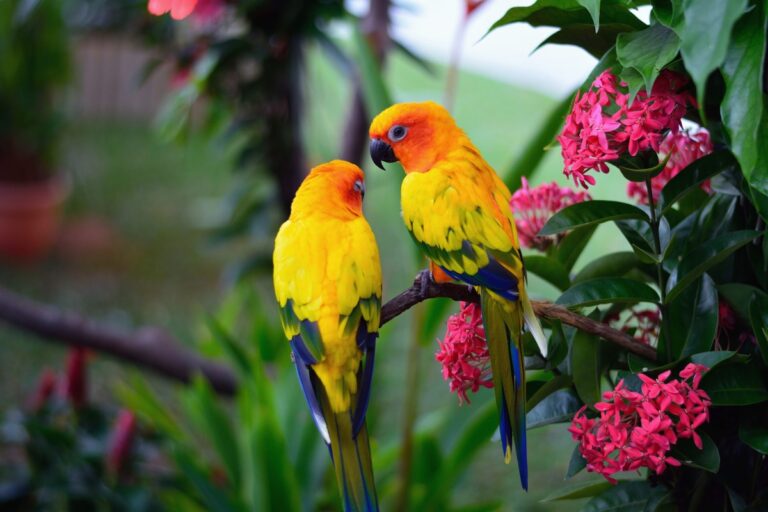
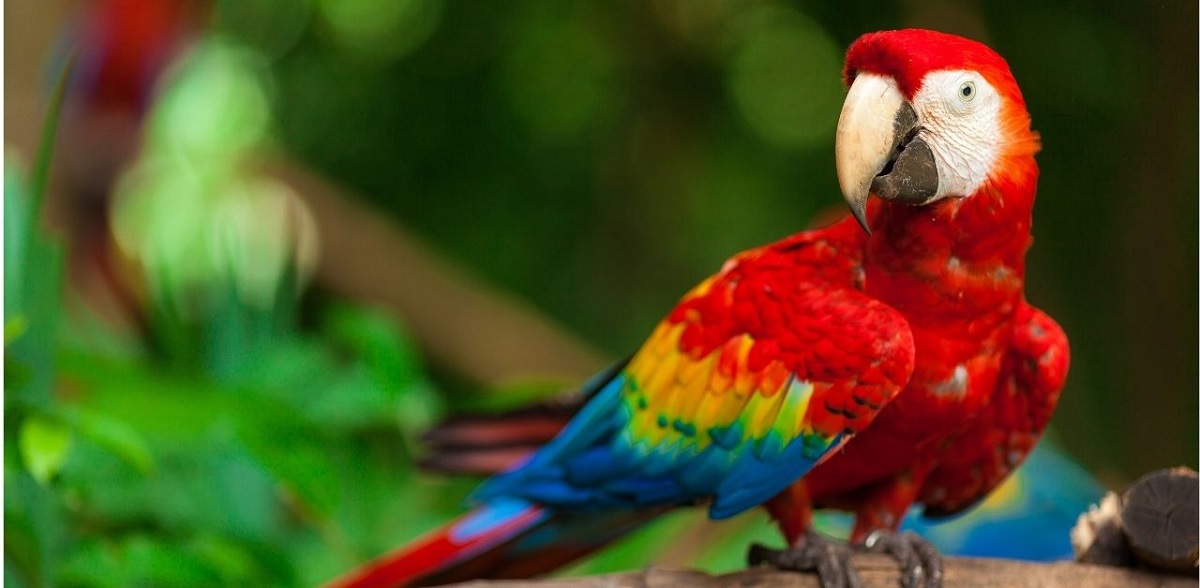
Many types of birds in the rainforest spend most of their lives in the upper canopy, where sunlight filters through dense foliage. Parrots, macaws, and hornbills are classic examples of canopy dwellers, recognized for their striking colors and loud calls. These birds feed primarily on fruits, nuts, and nectar, making them important seed dispersers and pollinators.
Canopy birds often exhibit strong social behavior. Parrots and macaws form flocks that communicate with loud calls to maintain group cohesion and warn of predators. Their strong beaks allow them to crack hard shells and access nutritious seeds that other animals cannot reach.
Adaptations to life in the canopy include strong, curved claws for gripping branches and powerful wings for navigating the dense treetops. Bright coloration may serve multiple purposes, from attracting mates to signaling territory. Canopy dwellers demonstrate how specialization allows birds to exploit vertical habitats in the rainforest successfully.
The complex interactions in the canopy create a dynamic ecosystem. Birds feed on fruits while inadvertently spreading seeds across the forest, supporting plant regeneration. These species also prey on insects and small animals, helping maintain ecological balance.
The presence of canopy birds illustrates the rainforest’s vertical diversity. By observing their behavior, you can learn how birds adapt to a high-light, high-food environment while navigating crowded treetops.
Ground-Dwelling Birds
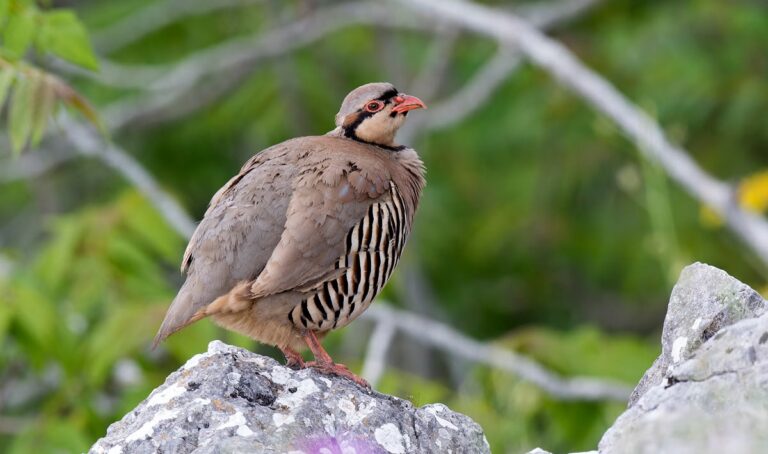
Not all types of birds in the rainforest stay above the canopy. Many species are adapted to life on the forest floor, where light is limited, and vegetation is dense. Ground-dwelling birds such as tinamous, trumpeters, and certain pheasants rely on camouflage and stealth to survive.
These birds often feed on insects, worms, seeds, and fallen fruits. Their foraging behavior includes scratching leaf litter and probing soil to locate hidden prey. Ground-dwelling birds also play a critical role in dispersing seeds from fruits they consume, contributing to forest regeneration.
Adaptations include muted coloration to blend with leaf litter, strong legs for walking and running, and short, rounded wings suited for brief bursts of flight rather than long-distance travel. Many ground birds are secretive, avoiding predators by remaining motionless or moving quietly through undergrowth.
Social behavior varies among species. Some ground birds are solitary, while others form small groups or family units. Vocal communication often involves soft calls to maintain contact without attracting predators.
Ground-dwelling birds demonstrate the rainforest’s horizontal and vertical complexity. By occupying the forest floor, they complement canopy species, ensuring all layers of the ecosystem are utilized and contributing to biodiversity.
Mid-Story and Understory Birds
Between the canopy and the forest floor lies the understory, a shadowed layer rich in insects, fruits, and small prey. Many types of birds in the rainforest occupy this mid-story, including trogons, motmots, and certain species of tanagers. These birds exploit the dense foliage for feeding, nesting, and protection from predators.
Understory birds often feed on a mix of insects, fruits, and small vertebrates. Their foraging behavior includes gleaning insects from leaves, hovering briefly to capture prey, and consuming berries and nectar. These birds help regulate insect populations and aid in seed dispersal.
Adaptations to the understory include strong, versatile feet for perching on branches, slender bills for catching insects or probing fruits, and plumage that balances camouflage with subtle displays to attract mates. Many species also have vocalizations adapted to travel through dense vegetation, using whistles or repeated calls to communicate.
Some understory birds display remarkable behavioral diversity. Trogons often perch quietly for long periods before darting quickly to capture prey. Motmots use their distinctive tail movements as visual signals while navigating tight spaces.
The mid-story serves as a vital transitional layer. Birds that inhabit this zone connect the canopy and ground layers through feeding and seed dispersal, supporting the rainforest’s ecological balance.
Aquatic and Wetland Birds
Rainforests often contain rivers, streams, and flooded areas, supporting specialized aquatic and wetland birds. Kingfishers, herons, and jacanas are examples of species that rely on these habitats for food and nesting. These birds are primarily carnivorous, feeding on fish, amphibians, and aquatic insects.
Aquatic birds exhibit physical adaptations for their lifestyle. Kingfishers have sharp, pointed bills for catching fish, while jacanas have long toes that allow them to walk on floating vegetation. Plumage may be waterproof or water-resistant, enabling extended contact with water.
Behavioral adaptations include diving, wading, and perching near water edges to ambush prey. Some species, such as herons, hunt alone, while others may forage in small groups for better efficiency. Vocal communication varies, often involving loud calls to establish territory along waterways.
These birds contribute to nutrient cycling within aquatic ecosystems. By preying on fish and insects, they regulate population levels and disperse nutrients across wetland areas, supporting plant growth and other animal life.
Aquatic and wetland birds highlight the rainforest’s habitat diversity beyond terrestrial zones. Their presence emphasizes the importance of water ecosystems in maintaining overall rainforest health and supporting multiple layers of biodiversity.
Specialized Birds of the Rainforest
Rainforests are home to many specialized birds with unique adaptations. Hummingbirds, for example, feed exclusively on nectar and are vital pollinators. Their rapid wingbeats allow them to hover mid-air while feeding, and their long, slender bills reach deep into flowers.
Frugivorous birds like toucans have large bills designed to grasp and consume a wide variety of fruits. Their feeding habits support seed dispersal, ensuring the growth of diverse plant species throughout the rainforest.
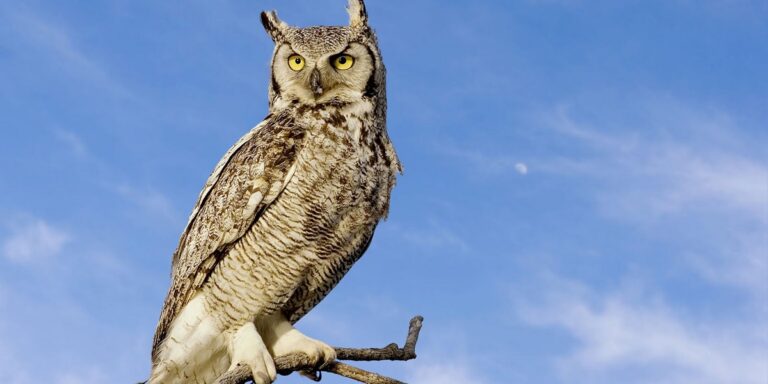
Some birds, such as the potoos and owlet-nightjars, are nocturnal, hunting insects at night and avoiding daytime predators. Camouflage and silent flight enable them to thrive in low-light conditions.
Specialized behaviors also include cooperative breeding, mimicry, and complex vocalizations. Many rainforest birds have intricate calls to establish territory, attract mates, and communicate across dense vegetation. These unique adaptations demonstrate evolutionary innovation in response to specific ecological niches.
Specialized birds play critical roles in rainforest ecology. Pollination, seed dispersal, and insect regulation ensure the survival of countless plant and animal species, maintaining the rainforest’s extraordinary biodiversity.
Migratory and Seasonal Birds
Not all rainforest birds remain in one place year-round. Some species are migratory, moving seasonally to exploit food abundance or avoid adverse conditions. Swifts, some tanagers, and certain hummingbirds travel between tropical and temperate regions, taking advantage of seasonal fruiting and insect availability.
Migratory birds use innate navigation skills and learned routes to travel long distances. Stopover sites within and around the rainforest provide rest, shelter, and food, allowing birds to sustain energy during migration. Timing is critical to ensure they arrive at feeding or breeding grounds when resources peak.
These seasonal visitors contribute to rainforest dynamics by adding new species interactions, competing for food, and dispersing seeds across regions. Their presence reflects the rainforest’s connectivity to broader ecological networks, highlighting its importance not only locally but also in global biodiversity.
Migratory and seasonal birds illustrate how rainforest ecosystems support both resident and transient species. Their movement ensures gene flow, resource utilization, and ecological resilience, reinforcing the rainforest’s role as a haven for diverse avian life.
Frequently Asked Questions
What Are The Most Common Types Of Birds In The Rainforest?
The rainforest hosts a wide variety of bird species, each adapted to specific habitats. Common types include parrots, macaws, toucans, hummingbirds, trogons, hornbills, and tanagers. These birds vary in size, coloration, and feeding habits, ranging from colorful canopy dwellers to secretive ground foragers.
You will notice that each species plays a unique ecological role. Parrots and toucans aid in seed dispersal, hummingbirds pollinate flowers, and trogons regulate insect populations. Observing these birds highlights the rainforest’s complex food webs and diverse avian life.
How Do Birds Adapt To Life In Different Rainforest Layers?
Birds in the rainforest have adapted to different vertical layers: the canopy, understory, mid-story, and forest floor. Canopy birds, like macaws, feed on fruits and nuts, using strong beaks to access hard shells. Understory birds, such as trogons, rely on insects and berries while navigating dense foliage.
Ground-dwelling birds like tinamous and pheasants use camouflage and strong legs for foraging through leaf litter. These adaptations help each bird type thrive in its preferred layer, ensuring access to food, shelter, and nesting sites while minimizing competition.
What Do Rainforest Birds Eat?
Diet varies among types of birds in the rainforest, depending on species and habitat. Many canopy birds feed on fruits, seeds, and nectar, supporting plant pollination and seed dispersal. Insects, small vertebrates, and larvae form the main diet of understory and mid-story species, providing essential protein.
Ground-dwelling birds often consume worms, insects, and fallen fruits. Aquatic and wetland birds feed on fish, amphibians, and aquatic insects. These diverse feeding strategies allow birds to occupy unique niches and maintain ecological balance across the rainforest ecosystem.
Are All Rainforest Birds Colorful?
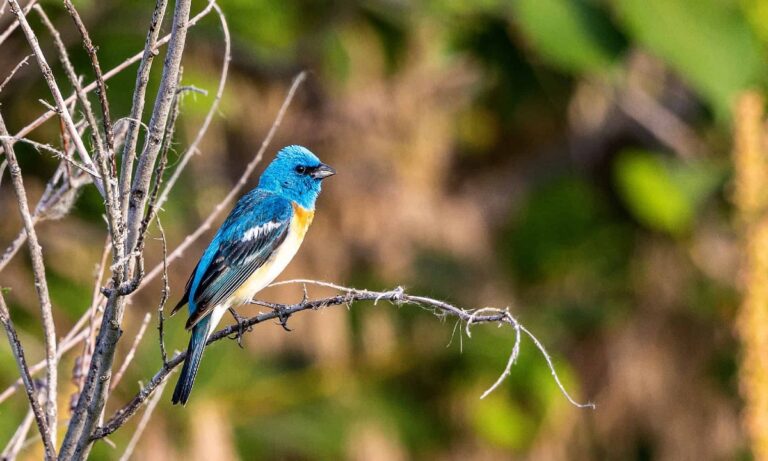
While many rainforest birds are known for their vibrant plumage, not all species are brightly colored. Canopy birds like macaws and parrots display vivid red, blue, and yellow feathers, often for mating and territorial signaling. In contrast, ground-dwelling or nocturnal birds tend to have muted colors, helping them blend with leaf litter or low-light environments.
Coloration also relates to habitat and behavior. Camouflage protects secretive species from predators, while bright colors in open areas or during courtship attract mates and convey health. Plumage diversity reflects adaptation to both survival and social interaction.
Do Rainforest Birds Migrate Or Stay Year-Round?
Most rainforest birds are non-migratory and remain in their habitats year-round due to stable food availability. However, some species, like certain swifts, tanagers, and hummingbirds, are migratory, traveling to exploit seasonal resources or breeding opportunities.
Resident birds maintain consistent territories, feeding and nesting throughout the year, while migratory species depend on stopover sites for rest and nourishment. Both resident and migratory birds contribute to ecosystem balance by pollinating plants, dispersing seeds, and controlling insect populations.
How Do Rainforest Birds Contribute To Ecosystem Health?
Birds in the rainforest play critical roles in maintaining ecosystem health. Frugivorous birds, like toucans and parrots, disperse seeds across the forest, enabling plant regeneration. Hummingbirds and other nectar feeders pollinate flowers, supporting plant reproduction.
Insect-eating species control pest populations, while ground foragers recycle nutrients by consuming fallen fruits and invertebrates. Each type of bird contributes to ecological balance, ensuring biodiversity and the survival of countless species. Observing their interactions provides insight into the rainforest’s complex and interconnected ecosystem.
Final Thoughts
Rainforests are home to some of the most vibrant and diverse bird species on the planet, each contributing to the ecosystem in unique ways. From the striking colors of parrots and macaws to the distinctive bills of toucans, these birds showcase an incredible range of adaptations that help them thrive in dense, layered habitats. Their behaviors, diets, and nesting patterns reflect the complexity of rainforest life.
Exploring the types of birds in the rainforest highlights the importance of every species, from tiny hummingbirds pollinating flowers to powerful raptors maintaining balance in the food chain. Each bird plays a role in seed dispersal, insect control, and maintaining overall biodiversity. Observing their interactions provides insight into the delicate harmony of this ecosystem and the interconnectedness of its inhabitants.
Studying the types of birds in the rainforest also emphasizes the need for conservation. Protecting these species and their habitats ensures the survival of vibrant avian diversity and preserves the ecological balance crucial for both wildlife and humans.