Why Birds Fly South for the Winter: Reasons Behind Their Seasonal Migration
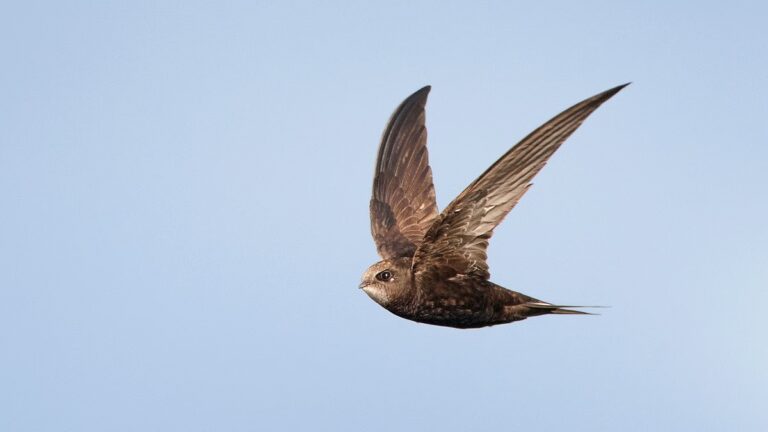
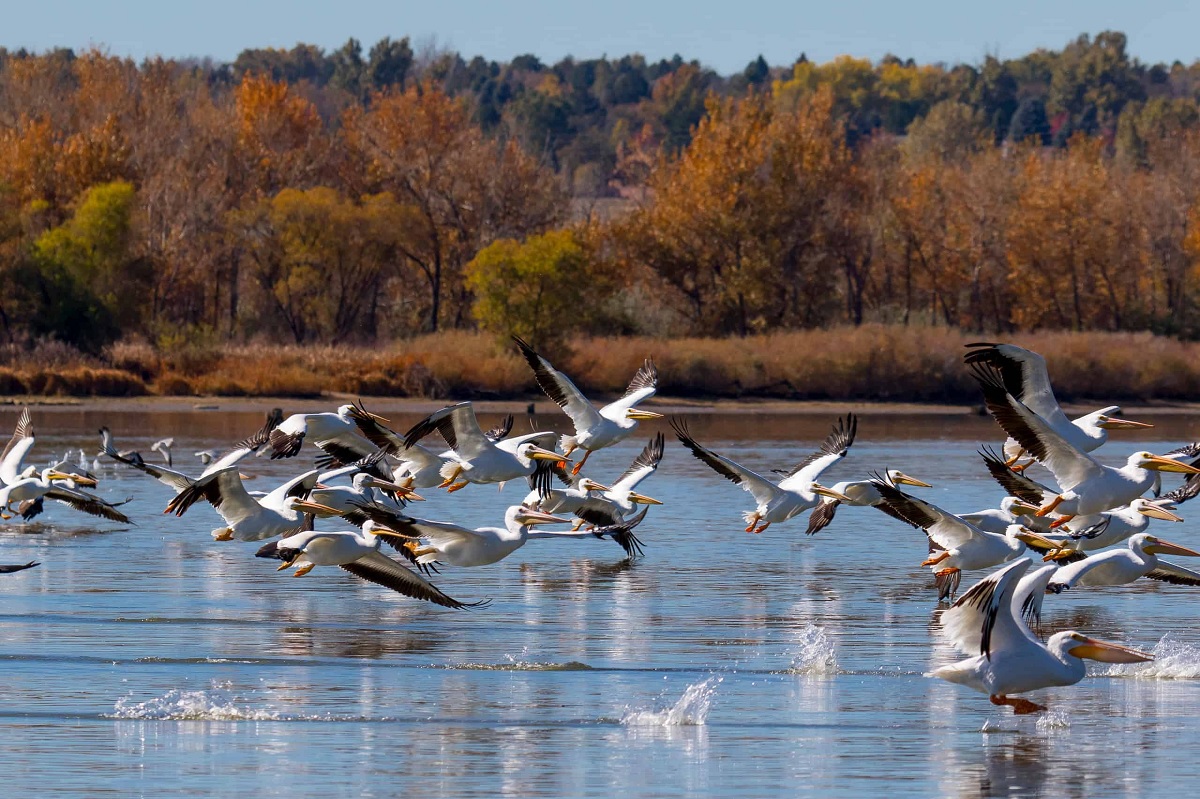
As the temperatures drop and daylight hours shorten, you may notice flocks of birds taking to the skies, heading toward warmer regions. This seasonal journey is a remarkable natural phenomenon driven by survival instincts, food availability, and environmental conditions. Observing these migrations provides insight into how birds respond to the changing seasons.
Understanding why birds fly south for the winter involves exploring their need for consistent food sources. In colder climates, insects, seeds, and fruits become scarce, making it difficult for many species to meet their energy requirements. By moving to milder regions, birds secure access to abundant resources throughout the winter months.
The journey south also plays a role in reproduction and territory. Birds often return to familiar breeding grounds once conditions improve, ensuring they can nest and raise chicks in areas rich in food.
By learning about why birds fly south for the winter, you gain a deeper appreciation for their incredible navigation skills, endurance, and the environmental cues that guide these migrations.
Energy Conservation and Food Availability
Energy conservation and food availability are key factors that influence bird migration and survival during the colder months. Birds must balance the energy they expend in flight with the calories they obtain from food sources. Understanding this balance helps you see why birds migrate, alter behavior, and adapt feeding strategies to endure winter challenges.
How Birds Conserve Energy During Migration
Birds employ several strategies to conserve energy during long migratory journeys. One major method is building fat reserves before departure. Fat acts as a high-energy fuel, providing essential calories during nonstop flights over vast distances. Birds also reduce unnecessary activity prior to migration, spending more time feeding and resting to store energy efficiently.
Flight techniques further aid energy conservation. Many species use soaring or gliding when possible, taking advantage of wind currents to reduce wing flapping. V-formation flying in certain species helps individuals save energy by riding air currents created by birds in front. Even minor behavioral adjustments, like reducing vocal activity, help minimize calorie expenditure.
These energy-saving measures ensure that birds arrive at their wintering grounds with enough reserves to feed, avoid predators, and maintain body temperature. Energy management is as critical as navigation in ensuring successful seasonal movement.
Role Of Food Availability In Winter Survival
Food availability plays a critical role in whether birds can survive winter conditions. In temperate regions, insects and worms become scarce due to frozen soil and lower temperatures. Seed-bearing plants, fruits, and berries often become the primary food sources, providing vital carbohydrates and energy.
Birds actively adjust foraging behavior based on food presence. Some species expand their range to find abundant feeding grounds, while others form flocks to locate scarce resources more efficiently. Certain birds specialize in feeding from shrubs, tree canopies, or even urban bird feeders, demonstrating adaptability to varying environments.
Availability of high-energy food is particularly important for migratory species. Before embarking on long flights, birds must find nutrient-dense meals that support fat accumulation. Failure to locate sufficient food can delay migration or reduce survival chances during extreme weather conditions.
Interaction Between Energy Conservation And Food Access
Energy conservation and food availability are closely linked, creating a dynamic balance for birds. Birds adjust daily activity levels depending on the predictability of food. When food is plentiful, they may forage longer but expend less effort per calorie gained. Scarcity, however, forces birds to travel farther and use more energy, increasing the risk of exhaustion.
Seasonal changes often dictate these strategies. In autumn, birds focus on energy accumulation to prepare for migration, while in winter, conserving energy becomes equally crucial for survival. Certain species also shift to more calorie-rich diets to offset energy loss due to cold temperatures.
Even habitat structure influences this relationship. Areas with dense vegetation provide cover and moderate microclimates, reducing energy spent on thermoregulation while offering consistent food sources. Birds that successfully manage this balance are more likely to survive until favorable conditions return.
Behavioral Adaptations Related To Energy And Food
Birds display behavioral adaptations to optimize energy use and food intake. Many species feed during peak daylight hours to maximize foraging efficiency. Some gather in communal roosts, which reduce heat loss and conserve energy during cold nights.
Changes in flocking behavior also reflect energy management. By flying or foraging in groups, birds reduce individual effort and improve chances of locating food. In addition, migration timing is often adjusted to align with periods of abundant food along the route, ensuring energy needs are met throughout the journey.
Even minor behaviors, like altering posture to reduce heat loss or reducing vocalizations, contribute to energy conservation. These adaptations demonstrate how intricately energy balance and food availability influence bird survival during seasonal challenges.
Seasonal Variation In Food Sources And Energy Needs
Throughout the year, seasonal variation affects both the energy requirements of birds and the availability of food. During breeding seasons, energy demand increases due to nesting and chick rearing, requiring higher intake of protein-rich insects. Conversely, winter requires a focus on sustaining body heat and maintaining fat reserves.
Environmental conditions, such as snow cover or drought, can dramatically impact food accessibility. Birds adjust by shifting foraging areas, consuming alternative food sources, or increasing storage behavior in species that cache food. The timing of migration often coincides with predictable peaks in food availability, allowing birds to maintain energy reserves across challenging periods.
Understanding these seasonal dynamics highlights the importance of energy conservation and food availability as interdependent factors. Birds rely on the careful balance between energy expenditure and intake to survive, migrate, and reproduce successfully.
Breeding and Reproductive Success
Breeding and reproductive success are critical aspects of bird survival, shaping population stability and species continuity. Birds rely on optimal timing, suitable habitats, and abundant food resources to maximize reproductive outcomes. Understanding Breeding and Reproductive Success allows you to appreciate how environmental factors, behavior, and biology work together to support the next generation of birds.
Nesting Habits and Habitat Selection
The choice of nesting site is a crucial factor in breeding success. Birds often select locations that provide safety from predators, shelter from weather, and proximity to food. Woodland birds may choose dense foliage or tree branches, while ground-nesting species prefer hidden areas with ample cover.
Nest construction varies among species, reflecting different survival strategies. Songbirds often build cup-shaped nests using twigs, mud, and leaves, while some thrushes line nests with soft materials for insulation. The durability and placement of nests influence egg survival, chick development, and overall reproductive success.
Habitat quality directly impacts the ability to rear healthy offspring. Areas with abundant food allow parents to feed chicks frequently, promoting rapid growth and higher survival rates. Birds adjust nesting strategies to match available resources, showing remarkable adaptability in diverse environments.
Timing of Breeding and Seasonal Influence
Timing plays a critical role in breeding and reproductive success. Birds synchronize mating and nesting with periods of maximum food availability to ensure that chicks receive adequate nutrition during early development. Spring and early summer often coincide with insect abundance, providing protein-rich diets essential for growing chicks.
Migration patterns also affect breeding timing. Species that travel long distances must arrive at breeding grounds promptly to claim territories and secure mates. Early arrivals may gain access to prime nesting sites, while delayed birds face increased competition and reduced reproductive success.
Environmental conditions such as temperature, rainfall, and daylight hours influence breeding schedules. Birds monitor these cues carefully, adjusting mating behavior and nest construction to optimize reproductive outcomes. Seasonal synchronization is a key factor in population health and long-term species survival.
Parental Care and Feeding Strategies
Parental care is essential for maximizing reproductive success. Most bird species engage in shared responsibilities, with one or both parents feeding and protecting chicks. Feeding frequency is often intense during the first weeks after hatching, as chicks require frequent nourishment to grow rapidly.
Different species adopt specialized strategies depending on food type and habitat. Insect-eating birds may forage multiple times daily, while fruit-eating species may feed less frequently but provide high-energy food. Parents also defend nests aggressively, deterring predators and minimizing risks to eggs or chicks.
Parental investment extends beyond feeding. Birds may regulate nest temperature, remove waste, and teach fledglings essential survival behaviors. These efforts directly impact chick survival and overall reproductive output. Effective parental care ensures that energy invested in breeding yields the highest possible success rate.
Factors Affecting Reproductive Success
Multiple factors influence breeding and reproductive success. Food abundance, habitat quality, predation pressure, and weather all play significant roles. A shortage of any resource can reduce chick survival, while stable conditions enhance reproductive outcomes.
Social behavior also affects success. Territoriality, mate selection, and competition for resources shape reproductive opportunities. Birds with strong territories and preferred mates often produce larger or healthier broods, while those facing high competition may experience lower reproductive output.
Adaptations to these challenges are evident in nesting behavior, timing, and parental care strategies. Birds that effectively navigate environmental pressures and resource limitations achieve higher reproductive success, contributing to population stability and long-term survival.
Impact of Breeding Success on Population Dynamics
Breeding and reproductive success directly influence bird population dynamics. High reproductive success ensures population growth and resilience, while low success can lead to declines, especially in threatened or migratory species.
Successful breeding supports species distribution across habitats, maintaining ecological balance. Chicks that survive to adulthood contribute to genetic diversity, enhancing adaptability to changing environments. Birds that optimize nesting, timing, and parental care play a key role in sustaining healthy populations.
By studying breeding and reproductive success, you gain insight into how environmental conditions, behavior, and biology intersect to shape the survival and continuity of bird species across seasons and regions.
Navigational Skills and Migration Routes
Bird migration is one of nature’s most fascinating phenomena, requiring remarkable navigational skills and precise route planning. Birds travel hundreds to thousands of miles between breeding and wintering grounds, relying on innate abilities and learned behaviors. Understanding Navigational Skills and Migration Routes helps you appreciate how birds navigate vast landscapes, cope with environmental challenges, and ensure survival during seasonal movements.
Innate Navigation Abilities
Birds possess remarkable innate navigation abilities that guide them during migration. Many species are born with an internal sense of direction, often referred to as a “biological compass.” This ability allows them to orient themselves using the position of the sun, stars, and Earth’s magnetic field.
For example, nocturnal migrants rely heavily on celestial cues. By observing star patterns, they maintain consistent flight paths even over open oceans or dense forests. Daytime migrants use the sun’s position and its movement across the sky to adjust direction. These innate abilities are complemented by environmental cues such as landmarks, wind patterns, and water bodies, which help birds fine-tune their navigation.
Innate navigation ensures that even young birds on their first migration can reach wintering grounds with surprising accuracy. These natural abilities form the foundation for survival and successful seasonal movement.
Learned Migration Routes and Experience
While innate abilities provide initial guidance, experience plays a crucial role in shaping migration routes. Birds learn optimal pathways by following older, more experienced individuals during their first journeys. This knowledge transfer helps them identify stopover sites, feeding grounds, and safe corridors.
Repeated migrations allow birds to refine timing and route selection. They remember locations with abundant food, favorable weather conditions, and fewer predators. Over time, migration routes become highly efficient, minimizing energy expenditure and maximizing survival chances.
Environmental changes can also influence route adjustments. Birds may deviate from traditional paths to avoid storms, deforested areas, or urban development. Learning and adaptation ensure that migration remains flexible, allowing birds to cope with both predictable and unpredictable challenges along their journey.
Importance of Stopover Sites Along Migration Routes
Stopover sites are essential components of migration routes, providing rest, shelter, and nourishment. Birds rely on these areas to replenish energy reserves, especially during long, non-stop flights across oceans or deserts. Rich feeding grounds allow birds to accumulate fat stores, which act as fuel for the next leg of migration.
The quality and availability of stopover sites directly affect migration success. Poor-quality habitats can delay travel, reduce energy reserves, or increase vulnerability to predators and extreme weather. Many migratory birds time their journey to coincide with peak food abundance at key stopover locations.
Conservation of stopover habitats is critical. Forest patches, wetlands, and coastal areas serve as vital “pit stops” for millions of birds annually. Birds that successfully use these sites maintain strength, improve survival, and complete migration efficiently.
Environmental Cues and Adaptive Navigation
Birds rely on multiple environmental cues to maintain accurate migration routes. Magnetic fields help them maintain direction over long distances, while visual landmarks such as rivers, coastlines, and mountains provide orientation. Seasonal changes in temperature, wind, and daylight hours also influence timing and flight paths.
Adaptive navigation is evident in birds that alter routes in response to weather conditions. Strong headwinds, storms, or sudden temperature drops can force deviation from established paths. Birds demonstrate flexibility by selecting alternative corridors, slowing migration, or extending stopovers to conserve energy.
This combination of innate abilities, learned experience, and environmental cues allows birds to navigate complex landscapes with incredible precision. It ensures that migratory species successfully reach breeding and wintering grounds, maintaining population stability and ecological balance.
Role of Group Dynamics in Migration Navigation
Flocking behavior enhances navigational efficiency during migration. Birds flying in groups benefit from shared knowledge of routes and stopover sites. Experienced individuals guide younger birds, reducing the risk of getting lost and improving overall success.
Group dynamics also provide aerodynamic advantages. Flying in formations, such as the V-shape, reduces energy expenditure for trailing birds and allows for longer, sustained flights. Social learning within flocks ensures that essential route information is passed down through generations, maintaining consistency across migratory populations.
Understanding how navigational skills and migration routes interact highlights the complexity and adaptability of migratory birds. From innate compasses to learned strategies, these mechanisms ensure that birds traverse vast distances safely and efficiently each season.
FAQs
Why Do Birds Fly South For The Winter?
Birds fly south for the winter primarily to find food and survive harsh weather. In colder regions, insects, seeds, and other essential food sources become scarce, making it difficult for birds to meet their energy needs. By migrating south, they access milder climates with abundant food, ensuring survival during the winter months.
You may notice that migration also helps birds conserve energy. Traveling to warmer regions reduces exposure to freezing temperatures and allows them to maintain body heat. This seasonal movement is a natural survival strategy that has evolved over thousands of years.
How Do Birds Know When To Fly South For The Winter?
Birds use a combination of environmental cues and innate instincts to know when to fly south for the winter. Changes in daylight length, temperature, and food availability trigger hormonal responses that prepare them for migration.
Many birds also rely on experience from previous years. Migratory species remember the timing that worked best for reaching wintering grounds safely. Younger birds may follow older, experienced individuals to learn the correct timing. These mechanisms ensure birds leave and arrive at the right time for optimal survival.
What Routes Do Birds Take When Flying South For The Winter?
The routes birds take when flying south for the winter often follow traditional pathways known as flyways. These routes are shaped by geography, food availability, and safe resting sites. Rivers, coastlines, and mountain ranges often guide their navigation.
Birds rely on innate navigation skills, environmental cues, and sometimes social learning to stay on track. Stopover sites along the route provide rest and food, allowing birds to replenish energy for the next leg of their journey. This careful planning ensures they reach wintering areas successfully.
Do All Birds Fly South For The Winter?
Not all birds fly south for the winter. Some species, known as residents, stay in their native regions year-round, often because food remains available and the climate is mild. Other birds, particularly those in temperate and northern areas, migrate to avoid freezing temperatures and food scarcity.
Partial migration also occurs in some species, where only part of the population moves south. Whether birds migrate depends on food availability, species characteristics, and environmental conditions. Understanding this helps you see that migration is a flexible survival strategy rather than a universal behavior.
How Long Does It Take Birds To Reach Their Wintering Grounds?
The time it takes birds to reach their wintering grounds varies depending on species, distance, and environmental conditions. Some birds travel a few hundred miles over several days, while long-distance migrants, like swallows or thrushes, may cover thousands of miles over weeks.
Stops along the route are essential. Birds rest and feed at stopover sites to maintain energy reserves, allowing them to continue migration safely. Weather conditions, wind patterns, and availability of food also influence the duration of the journey.
What Challenges Do Birds Face When Flying South For The Winter?
Birds face multiple challenges when flying south for the winter. Harsh weather, storms, and strong winds can slow progress or force detours. Predation risk increases, especially when crossing open landscapes or unfamiliar regions.
Habitat loss along migration routes is another major concern. Reduced stopover sites and food scarcity make it harder for birds to rest and refuel. Despite these challenges, birds have evolved incredible endurance, navigation skills, and adaptive behaviors to complete migration successfully and reach safe wintering grounds.
Final Thoughts
Seasonal migration is a remarkable survival strategy that allows birds to adapt to changing environmental conditions. By traveling to warmer regions, they secure access to food and suitable habitats, ensuring their energy needs are met during the harsh winter months. This movement also minimizes exposure to extreme weather, which can be life-threatening for many species.
Understanding why birds fly south for the winter highlights the intricate balance between instinct and survival. Birds rely on precise navigational skills, physiological adaptations, and behavioral strategies to complete long-distance journeys successfully. Each species has evolved unique patterns, timing, and routes that maximize their chances of survival while avoiding predators and conserving energy.
Studying why birds fly south for the winter not only deepens our appreciation for their resilience but also emphasizes the importance of protecting migratory pathways and habitats. Ensuring safe environments along these routes supports biodiversity and allows future generations to witness these extraordinary journeys.