Types of Thrush Birds: A Complete Guide to Identifying Popular Species
Thrush birds are admired for their melodious songs, graceful movements, and calm presence in forests, gardens, and open woodlands. These birds belong to a diverse group found across many parts of the world, from dense tropical regions to temperate landscapes. Their soothing calls often create a peaceful atmosphere, making them a favorite among bird lovers and nature observers.
Understanding the types of thrush birds helps you recognize how varied this bird family truly is. Some species are known for their rich, flute-like songs, while others stand out because of their spotted chests, earthy colors, or unique behaviors. Each type has adapted to its environment in fascinating ways.
The study of types of thrush birds also reveals their important role in nature. They help control insect populations and support seed dispersal, which contributes to healthy ecosystems. Observing them closely allows you to appreciate their contribution to biodiversity.
By learning more about these birds, you gain deeper insight into their habits, habitats, and seasonal movements. This knowledge makes birdwatching more meaningful and strengthens your connection with the natural world.
Song Thrush Species and Vocal Traits
The Song Thrush is widely respected for its musical ability and complex vocal patterns, making it one of the most studied songbirds. Known for rich tones and structured melodies, this bird uses sound as a key part of survival and communication. Exploring Song Thrush species and their vocal traits helps you understand how environment, behavior, and biology shape their distinctive songs across different regions.
Common Song Thrush Species and Their Geographic Influence
Several Song Thrush species are distributed across Europe, Asia, and parts of North Africa, with each population showing slight variations in sound. The most recognized species, Turdus philomelos, is commonly found in woodlands, gardens, and farmlands. Its vocal traits are strongly influenced by habitat, as open spaces encourage louder, clearer songs, while dense forests result in softer but more layered melodies.
Regional climate also plays a major role in shaping vocal output. Birds living in cooler regions tend to sing longer and more frequently during breeding seasons to establish territory quickly. In contrast, Song Thrush species in milder climates may spread their singing activity throughout the year, creating more diverse song structures over time.
Migration patterns further affect vocal traits among Song Thrush species. Migratory populations often develop strong, repetitive phrases that help maintain communication during movement and territory establishment. These differences allow you to identify regional Song Thrushes by listening closely to pitch, rhythm, and repetition.
The diversity of Song Thrush species highlights how geography shapes vocal identity. Each environment encourages specific adaptations, resulting in songs that are not only beautiful but also deeply connected to place.
Signature Vocal Patterns of the Song Thrush
The vocal traits of the Song Thrush are best known for their repeated musical phrases. Unlike many birds that vary sounds constantly, the Song Thrush repeats each phrase two to four times before moving to the next. This structured pattern creates a rhythmic and memorable song that carries well across long distances.
Pitch variation is another defining feature. Song Thrush songs often combine high, clear notes with deeper, resonant tones. This contrast adds richness and makes their songs easily distinguishable from other thrush species. You may notice that these birds adjust pitch depending on surroundings, raising volume in open areas and softening tones in enclosed spaces.
Timing also matters in Song Thrush vocal behavior. Early morning and late evening are peak singing hours, when sound travels efficiently. During these times, males sing extensively to attract mates and defend territory. The consistency of these performances reinforces their dominance and presence within a given area.
These signature vocal patterns reflect intelligence and adaptability. Through repetition, pitch control, and timing, the Song Thrush creates a soundscape that is both functional and artistically complex.
Learning and Imitation in Song Thrush Songs
One of the most fascinating vocal traits of Song Thrush species is their ability to learn and refine songs over time. Young Song Thrushes listen closely to adult birds during early development, absorbing phrases that later become part of their own vocal repertoire. This learning process allows songs to evolve slightly across generations.
Imitation plays a subtle but important role. Song Thrushes may mimic fragments of other bird calls or environmental sounds, blending them into their repeated song structure. While imitation is not as extensive as in some species, it adds variation and uniqueness to individual performances.
Practice is essential for mastering vocal skills. Juvenile birds often produce imperfect or broken phrases before developing the smooth, confident melodies associated with mature Song Thrushes. Over time, repetition improves accuracy, rhythm, and tonal clarity.
This learning-based approach to singing ensures that Song Thrush vocal traits remain adaptable. By adjusting to local sounds and conditions, each bird develops a personalized song while still maintaining the recognizable structure of the species.
Role of Vocal Traits in Communication and Survival
Vocal traits are central to how Song Thrush species communicate and survive. Songs function primarily as territorial signals, warning rivals to keep their distance. A strong, consistent song reduces the need for physical confrontation, helping conserve energy and avoid injury.
Mating communication is another critical role. Females assess males based on song quality, repetition, and stamina. A bird that sings clearly and persistently demonstrates good health and strong genetics, increasing its chances of attracting a mate.
Alarm calls differ from melodic songs but are equally important. Short, sharp sounds alert other birds to predators, enhancing group awareness and safety. These calls are usually faster and less musical, designed for immediate response rather than attraction.
Through these vocal traits, Song Thrush species maintain social order, protect territory, and support reproduction. Sound becomes a powerful tool that shapes daily life and long-term survival within their natural environments.
American Thrush Birds and Regional Varieties
American thrush birds are known for their subtle beauty, melodic voices, and wide geographic distribution. Found across forests, wetlands, mountains, and urban green spaces, these birds display remarkable diversity in appearance and behavior. Exploring American Thrush Birds and Regional Varieties helps you understand how climate, landscape, and seasonal movement shape each species and influence their unique characteristics.
Forest-Dwelling American Thrush Species
Many American thrush birds thrive in forested environments where dense trees provide shelter and abundant food. The Wood Thrush is one of the most recognized forest species, admired for its rich, flute-like song and reddish-brown upper body. This species prefers mature deciduous forests, where leaf litter supports insects and small invertebrates essential to its diet.
Another notable forest inhabitant is the Hermit Thrush, often found in coniferous and mixed forests. Its soft, echoing song carries through quiet woodland areas, especially during early morning hours. Forest-dwelling thrushes rely heavily on camouflage, using speckled chests and muted colors to blend into shaded surroundings.
Seasonal changes within forests also affect behavior. During breeding periods, these thrushes become highly vocal and territorial. Outside of breeding season, they remain quieter and focus on foraging. Forest habitats shape not only their physical traits but also their survival strategies, making these environments essential to their success.
Thrush Birds of Mountains and Northern Regions
Mountainous and northern regions support distinct American thrush birds adapted to cooler climates and rugged terrain. The Varied Thrush is a prime example, commonly found in the Pacific Northwest and mountainous areas. Its striking orange and black markings set it apart from other thrushes, while its long, haunting whistle echoes through misty forests.
In colder northern zones, thrushes develop thicker plumage to conserve body heat. These birds often rely on berries and hardy insects when food becomes scarce. Short breeding seasons encourage efficient nesting and rapid chick development, ensuring survival before harsh weather returns.
Altitude influences vocal behavior as well. Songs in mountainous regions tend to be slower and more spaced out, allowing sound to travel across valleys. Migration patterns also play a role, as some mountain thrushes move to lower elevations during winter months.
The adaptability of American thrush birds in northern and mountainous environments highlights their resilience. These regions demand physical endurance and behavioral flexibility, shaping species that are uniquely suited to challenging conditions.
Urban and Suburban American Thrush Varieties
Not all American thrush birds remain in remote wilderness. Several species have adapted successfully to urban and suburban settings. The American Robin is the most familiar example, commonly seen in lawns, parks, and residential areas. Its bold behavior and tolerance of human presence make it highly visible throughout cities.
Urban thrush varieties often adjust feeding habits, relying on earthworms, insects, and fruit from ornamental trees. Man-made structures provide nesting opportunities, while open lawns mimic natural foraging grounds. These birds tend to sing earlier in the morning, reducing competition with urban noise.
Despite adaptability, urban environments present challenges. Light pollution, traffic noise, and habitat fragmentation can affect breeding success. However, many thrush species demonstrate remarkable flexibility, altering vocal patterns and nesting locations to cope with these pressures.
Urban and suburban thrushes show how American thrush birds can coexist with human development. Their presence adds natural balance to city ecosystems and offers daily opportunities for bird observation.
Migration Patterns and Regional Adaptations
Migration plays a crucial role in shaping American Thrush Birds and Regional Varieties. Many species travel long distances between breeding and wintering grounds, responding to changes in temperature and food availability. The Swainson’s Thrush, for example, breeds in North America and migrates to Central and South America during colder months.
Regional adaptations emerge along migration routes. Birds passing through coastal regions may develop stronger flight endurance, while those traveling inland rely on forest corridors for rest and feeding. Timing is critical, as arriving too early or too late can affect breeding success.
Vocal traits also change during migration. Thrushes become quieter while traveling, conserving energy and avoiding predators. Once settled in breeding areas, singing resumes as territories are established.
These migration-driven adaptations demonstrate how American thrush birds remain closely connected to their environments. Movement across regions shapes their behavior, diet, and survival strategies throughout the year.
European Thrush Birds and Woodland Species
European thrush birds are closely associated with woodlands, hedgerows, and traditional countryside landscapes. Known for their melodic songs and subtle plumage, these birds play an important role in forest ecosystems. Exploring European Thrush Birds and Woodland Species allows you to understand how habitat, climate, and seasonal cycles influence their behavior, feeding patterns, and breeding success across different regions of Europe.
Common Woodland Thrush Species in Europe
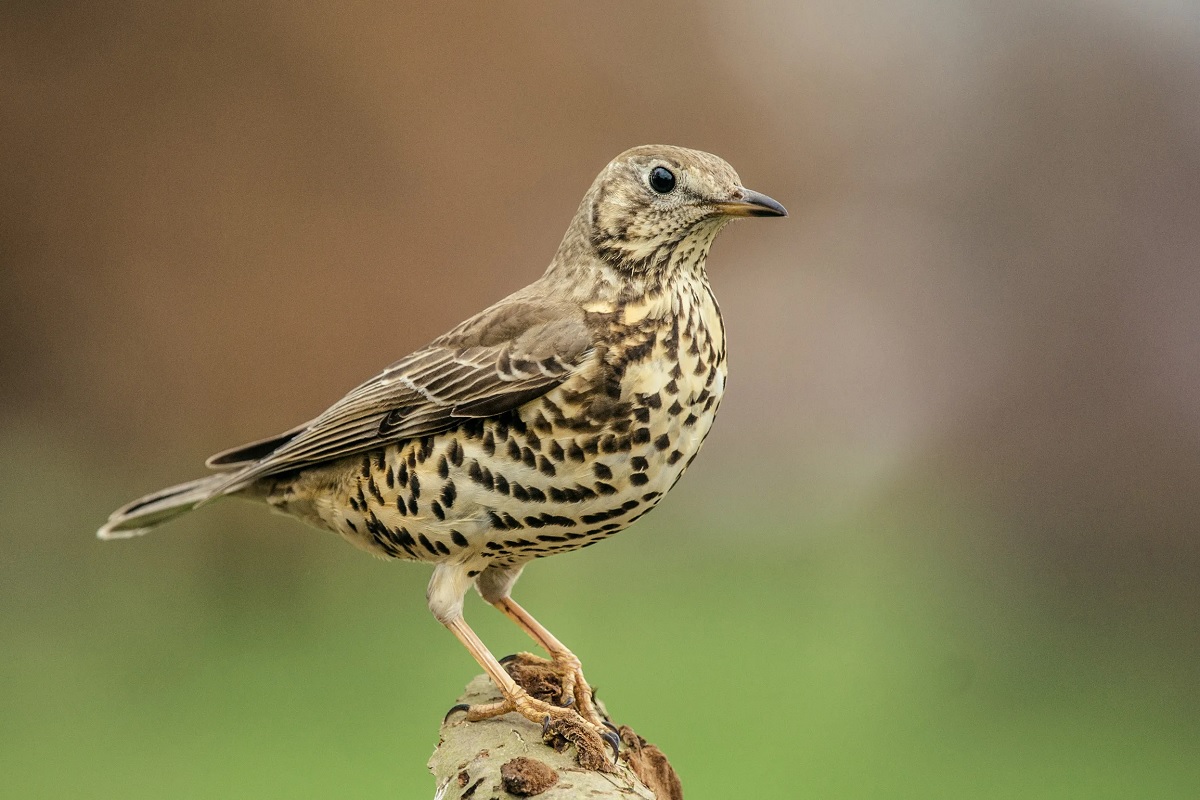
Several well-known European thrush birds depend heavily on woodland habitats for survival. The Song Thrush is one of the most widespread species, recognized by its spotted breast and powerful, repetitive song. It favors mixed woodlands where leaf litter supports insects and earthworms, which form a major part of its diet.
Another prominent woodland species is the Blackbird, often seen along forest edges and shaded clearings. Although adaptable to gardens, it still relies on woodland cover for nesting and protection. Its rich, fluting song is especially noticeable during early morning and evening hours.
The Mistle Thrush also occupies woodland areas, particularly open forests and wooded farmland. Larger than many thrushes, it is known for its bold behavior and preference for berry-bearing trees. These species highlight how European woodlands support diverse thrush populations by providing food, shelter, and safe breeding sites throughout the year.
Feeding Behavior of European Woodland Thrushes
Feeding strategies among European thrush birds are closely tied to woodland resources. Insects, larvae, earthworms, and snails are primary food sources during warmer months. Thrushes often forage on the forest floor, turning leaves aside with quick movements to locate hidden prey.
Seasonal shifts strongly influence diet. During autumn and winter, berries become essential. Rowan, holly, yew, and mistletoe provide energy-rich food when insects are scarce. The Mistle Thrush is particularly known for defending berry trees, ensuring a reliable winter food supply.
Woodland structure affects feeding efficiency. Dense undergrowth offers protection while foraging, while open patches allow easier access to ground prey. Thrushes adapt their feeding times to avoid predators, often becoming more active during quieter daylight hours.
These feeding behaviors support healthy woodland ecosystems. By consuming insects and dispersing seeds through berry feeding, European thrush birds contribute to natural balance and plant regeneration within forest environments.
Breeding and Nesting in Woodland Habitats
Breeding success for European thrush birds depends greatly on woodland conditions. Nesting sites are typically located in dense shrubs, tree branches, or thick hedgerows. The Song Thrush constructs a sturdy cup-shaped nest, often lined with mud to provide insulation and stability.
Breeding seasons usually begin in early spring when food availability increases. Males use vocal displays to establish territory and attract mates, filling woodlands with song. Females select nest sites that offer camouflage and protection from predators.
Woodland diversity influences breeding outcomes. Areas with varied tree species and layered vegetation provide more nesting options and reduce competition. Weather patterns also affect success, as prolonged rain or cold can limit food access for chicks.
These nesting behaviors show how closely European thrush birds are linked to woodland health. Well-managed forests support stable breeding populations by offering shelter, food, and safe environments for raising young.
Seasonal Movements and Woodland Dependence
Seasonal movement patterns further shape European Thrush Birds and Woodland Species. Some species, like the Song Thrush, are partially migratory, with northern populations moving south during winter. Others, such as the Blackbird, may remain in the same region year-round if conditions are favorable.
Woodlands act as vital stopover points for migrating thrushes. These habitats provide rest, shelter, and feeding opportunities during long journeys. Mixed forests with abundant berries are especially important during autumn migration.
Winter survival depends on access to woodland food sources. Thrushes adjust their behavior by forming loose groups and expanding foraging ranges. Dense trees and shrubs offer protection from harsh weather and predators.
Seasonal dependence on woodlands highlights their importance beyond breeding. European thrush birds rely on these habitats throughout the year, making woodland conservation essential for sustaining healthy thrush populations across the continent.
Asian Thrush Birds and Tropical Diversity
Asian thrush birds represent one of the most diverse groups within the thrush family, thriving across tropical forests, mountain ranges, and temperate regions. Their wide distribution and striking variations in color, size, and song reflect the richness of Asian ecosystems. Exploring Asian Thrush Birds and Tropical Diversity reveals how climate, vegetation, and elevation shape their lifestyles and support exceptional biodiversity.
Tropical Forest Thrush Species of Asia
Many Asian thrush birds are closely tied to tropical forests, where dense vegetation and high humidity influence their behavior. Species such as the Orange-headed Thrush and Scaly Thrush are commonly found in lowland rainforests and moist evergreen forests. Their plumage often features warm tones and patterned markings that blend naturally with leaf litter and forest shadows.
Tropical forest thrushes rely heavily on insects, worms, and fallen fruits. The constant availability of food allows them to remain active throughout the year, unlike temperate species that face seasonal shortages. These birds usually forage on the forest floor, moving quietly through undergrowth to avoid predators.
Vocal behavior in tropical forests tends to be softer and more spaced out. Thick vegetation absorbs sound, encouraging slower, melodic calls rather than loud, repetitive songs. This adaptation helps maintain communication without attracting unnecessary attention. Tropical forest thrush species demonstrate how dense environments shape feeding, movement, and vocal traits.
Mountain and Highland Asian Thrush Varieties
Asian mountain regions support unique thrush birds adapted to cooler temperatures and steep terrain. The White-collared Blackbird and Chestnut Thrush are examples of species commonly found in Himalayan and highland forests. These birds often inhabit mixed woodlands where elevation creates distinct ecological zones.
Thicker plumage and strong legs help mountain thrushes withstand cold conditions and navigate rocky landscapes. Their diets shift seasonally, focusing on insects during warmer months and berries when temperatures drop. Short breeding seasons encourage efficient nesting and rapid chick development.
Vocal traits in highland regions differ from those of tropical lowlands. Songs are often clearer and slightly louder, allowing sound to travel across open valleys. Migration patterns may occur within elevation ranges, with birds moving to lower altitudes during winter.
Mountain thrush varieties highlight the adaptability of Asian thrush birds. Elevation-driven challenges shape their physical features, feeding habits, and vocal styles, creating distinct regional identities.
Role of Tropical Diversity in Asian Thrush Evolution
Tropical diversity plays a major role in shaping Asian Thrush Birds and Tropical Diversity. Asia’s vast range of climates and habitats encourages speciation, resulting in numerous closely related thrush species with subtle differences. Rainforests, monsoon zones, and island ecosystems each contribute to this evolutionary process.
Island populations often develop unique traits due to isolation. Differences in size, coloration, or song patterns emerge over generations. In mainland regions, overlapping habitats promote competition, pushing species to specialize in specific food sources or microhabitats.
Seasonal monsoon cycles also influence behavior. Increased rainfall boosts insect populations, supporting breeding and chick growth. Thrushes time nesting activities to coincide with these favorable conditions, improving survival rates.
This complex interaction between environment and adaptation explains the richness of Asian thrush diversity. Tropical conditions provide constant opportunities for variation, shaping a dynamic and evolving group of birds closely tied to their ecosystems.
Ground-Feeding Thrush Birds and Diet Patterns
Ground-feeding thrush birds are well known for their foraging behavior on forest floors, grasslands, and open woodlands. Their feeding habits are closely linked to soil health, seasonal food availability, and habitat structure. Understanding Ground-Feeding Thrush Birds and Diet Patterns helps you recognize how these birds locate food, adapt to changing environments, and maintain balance within natural ecosystems.
Common Foods in the Diet of Ground-Feeding Thrushes
Ground-feeding thrush birds rely on a varied diet that supports their active lifestyle. Insects such as beetles, ants, caterpillars, and larvae form a major part of their daily intake. Earthworms are especially important, providing high protein and moisture content. Thrushes often locate worms by listening for subtle soil movement before pulling them from the ground.
During warmer seasons, soft-bodied insects and spiders become more abundant, allowing thrushes to feed efficiently. As seasons change, their diet shifts to include fruits and berries found near ground level. Fallen berries from shrubs and trees offer essential energy during colder months.
Feeding behavior involves quick hopping movements and head tilting to scan the ground. Thrushes use strong beaks to probe soil and leaf litter, uncovering hidden prey. This diverse diet ensures survival across different habitats while supporting their nutritional needs throughout the year.
Foraging Techniques and Ground-Based Adaptations
The success of ground-feeding thrush birds depends on specialized foraging techniques. These birds use a combination of visual and auditory cues to detect prey beneath soil and leaves. Head cocking is a common behavior, allowing them to pinpoint movement before striking accurately.
Physical adaptations support this feeding style. Strong legs help thrushes hop and maintain balance on uneven surfaces. Their beaks are designed for probing, lifting debris, and handling both soft insects and tougher food items. Plumage coloration often blends with natural surroundings, providing protection while feeding in exposed areas.
Timing also plays an important role. Thrushes prefer feeding during early morning or after rainfall when earthworms and insects are closer to the surface. Moist soil makes foraging easier and increases food availability.
These techniques and adaptations allow ground-feeding thrush birds to maximize efficiency. Their feeding style reduces competition with tree-feeding birds and enables them to exploit food resources often overlooked by other species.
Seasonal Diet Changes and Environmental Influence
Seasonal variation strongly shapes Ground-Feeding Thrush Birds and Diet Patterns. In spring and summer, breeding demands increase nutritional needs. High-protein insects support egg production and chick growth. Thrushes intensify foraging activity during these periods, often covering larger areas.
Autumn introduces a gradual shift in diet. As insects decline, thrushes turn to berries, seeds, and fallen fruits. This dietary change helps them build fat reserves for colder months or upcoming migration. Berry-rich habitats become particularly important during this season.
Winter conditions create challenges. In frozen or snow-covered areas, thrushes rely on remaining fruits and sheltered feeding grounds. Some species adjust by moving to milder regions, while others remain and adapt their feeding schedules.
Environmental factors such as soil quality, rainfall, and vegetation directly affect food availability. Thrush birds respond quickly to these changes, demonstrating flexibility and resilience in their ground-feeding diet patterns.
Migratory Thrush Birds and Seasonal Movement
Migratory thrush birds are known for their long-distance travel between breeding and wintering grounds. These seasonal movements are driven by changes in climate, food availability, and daylight hours. Studying Migratory Thrush Birds and Seasonal Movement helps you understand how timing, navigation, and habitat selection influence survival and reproduction across different regions.
Reasons Behind Seasonal Migration in Thrush Birds
Seasonal migration among thrush birds is primarily influenced by food availability. During spring and summer, insects and other invertebrates become abundant in northern breeding areas, providing essential nutrition for raising young. Thrushes move north to take advantage of these rich feeding conditions and longer daylight hours.
Temperature changes also play a critical role. Cold winters reduce access to soil-based prey and berries, forcing thrushes to relocate to milder climates. Migration allows them to avoid harsh conditions while maintaining steady food sources throughout the year.
Breeding success is closely tied to migration timing. Arriving too early may expose birds to late cold spells, while arriving too late can increase competition for nesting sites. Thrushes rely on environmental cues such as day length and temperature to time their movement accurately.
These combined factors explain why migration remains a vital strategy. Seasonal movement supports survival, reproductive success, and population stability among migratory thrush birds.
Migration Routes and Stopover Habitats
Migration routes used by thrush birds often follow established pathways shaped by geography and habitat availability. Forest corridors, river valleys, and coastal areas provide guidance and protection during long journeys. These routes offer access to food and shelter, reducing energy loss.
Stopover habitats are essential for rest and refueling. Thrushes rely on woodlands, wetlands, and berry-rich areas to regain strength. During these brief pauses, they feed intensively, storing energy for the next stage of migration.
The quality of stopover sites directly affects migration success. Habitat loss or environmental disruption can force thrushes to travel longer distances without adequate resources. This increases stress and mortality risks, especially for younger birds.
Migration routes may vary slightly between populations of the same species. Differences in geography, climate, and food availability influence path selection. These variations highlight the adaptability of migratory thrush birds as they navigate complex landscapes during seasonal movement.
Behavioral and Physical Adaptations for Migration
Migratory thrush birds possess specialized adaptations that support long-distance travel. Before migration begins, they increase food intake to build fat reserves, which serve as primary energy during flight. This physiological change is essential for sustaining endurance over extended distances.
Wing structure also plays a role. Thrushes have balanced wings that allow efficient flight without excessive energy use. Muscle development strengthens prior to migration, enhancing flight performance and stamina.
Behavioral changes accompany these physical adaptations. Thrushes become less territorial and more focused on feeding. Vocal activity often decreases during migration to conserve energy and reduce detection by predators.
Navigation skills are another critical adaptation. Thrush birds use a combination of visual landmarks, the position of the sun, and Earth’s magnetic field to maintain direction. These abilities ensure accurate seasonal movement and successful arrival at breeding or wintering grounds.
Impact of Climate and Environmental Change on Migration
Climate and environmental change increasingly affect Migratory Thrush Birds and Seasonal Movement. Shifts in temperature patterns can alter migration timing, causing birds to arrive earlier or later than usual. These changes may disrupt synchronization with food availability and breeding conditions.
Habitat loss along migration routes poses additional challenges. Deforestation, urban expansion, and agricultural development reduce stopover sites. Thrushes may struggle to find adequate feeding and resting areas during long journeys.
Weather extremes also impact migration. Strong storms, droughts, or unseasonal cold spells increase energy demands and mortality risks. Birds may be forced to reroute or delay migration, affecting overall population health.
These environmental pressures highlight the sensitivity of migratory thrush birds to change. Seasonal movement remains a finely balanced process, influenced by both natural cycles and human-driven environmental shifts.
FAQs
What Are The Main Types Of Thrush Birds?
When you explore the types of thrush birds, you find a diverse group spread across different continents. Common types include the Song Thrush, American Robin, Wood Thrush, Hermit Thrush, Blackbird, and Mistle Thrush. Each type differs in size, color, and song, yet all share similar body shapes and feeding habits.
You often notice that thrush birds adapt closely to their environment. Some thrive in forests, while others prefer gardens or open woodlands. This variety makes thrush birds easy to recognize but fascinating to study in different regions.
How Do Different Types Of Thrush Birds Differ In Appearance?
The types of thrush birds show noticeable differences in plumage and body structure. Some, like the American Robin, have bright breast colors, while others, such as the Song Thrush, display spotted patterns on their chest. These markings help with camouflage and species recognition.
You may also see variation in size and beak shape. Woodland thrushes often have earth-toned feathers, while tropical species may appear more vibrant. These visual differences help you identify specific thrush types in the wild.
Where Do Most Types Of Thrush Birds Live?
Most types of thrush birds live in forests, woodlands, and shrub-rich areas, but their range is widespread. You can find them across Europe, Asia, Africa, and the Americas, adapting to both temperate and tropical climates.
Some thrush birds prefer dense forests for nesting, while others live comfortably in gardens and parks near human settlements. This flexibility allows many thrush species to survive in changing environments and expand their range across different regions.
Are All Types Of Thrush Birds Known For Singing?
Many types of thrush birds are famous for their melodious songs, but not all sing in the same way. Species like the Song Thrush and Wood Thrush are especially admired for rich, musical calls that echo through forests.
You may notice that some thrushes sing loudly to defend territory, while others use softer calls for communication. Song complexity often depends on habitat, breeding season, and individual learning, making each thrush’s vocal style unique.
Do Different Types Of Thrush Birds Have Similar Diets?
The types of thrush birds generally share similar diets, but food choices can vary by habitat and season. Most thrushes feed on insects, earthworms, and larvae, especially during breeding periods when protein is essential.
You often see thrush birds switching to berries and fruits in autumn and winter. This flexible diet helps them survive food shortages and adapt to seasonal changes, whether they live in forests, gardens, or open landscapes.
Are Some Types Of Thrush Birds Migratory?
Yes, several types of thrush birds are migratory, while others remain resident year-round. Species such as the Swainson’s Thrush and Hermit Thrush travel long distances between breeding and wintering grounds.
You can observe that migration depends on climate and food availability. Thrushes living in colder regions often migrate to warmer areas, while those in mild climates may stay in the same region throughout the year.
Final Thoughts
Exploring the rich diversity of thrushes helps you appreciate how adaptable and widespread these birds truly are. From melodic singers in quiet woodlands to hardy species thriving in gardens and urban areas, each thrush plays a unique role in maintaining natural balance. Their feeding habits, migration patterns, and distinct calls make them an important part of many ecosystems across the world.
Understanding the types of thrush birds also allows you to recognize the subtle differences between species found in different regions. Plumage colors, song styles, and habitat preferences vary greatly, offering bird enthusiasts endless opportunities for observation and learning. This knowledge can deepen your connection with nature and improve your birdwatching experience.
By learning about the types of thrush birds, you gain insight into their ecological importance and the need for conservation. Protecting their habitats ensures future generations can continue to enjoy their beauty, songs, and vital contribution to healthy environments.