Is A Duck A Bird Yes Or No: Facts, Characteristics, and Common Questions
Ducks are familiar creatures in ponds, lakes, and rivers, often admired for their colorful plumage and distinctive quacking. Their presence in both wild and domestic settings makes them one of the most recognized waterfowl species around the world. Understanding their classification is essential for anyone interested in biology, ornithology, or simply observing wildlife.
The question “is a duck a bird yes or no” often arises from curiosity about their unique characteristics. Ducks have feathers, lay eggs, and possess wings for flight, all classic features associated with birds. Their beaks, webbed feet, and vocalizations further support this classification.
Observing ducks in their natural habitat demonstrates typical bird behaviors, such as flying, nesting, and foraging. They interact socially within flocks, displaying communication and mating behaviors similar to other avian species.
Exploring whether ducks are birds provides insight into their anatomy, behavior, and evolutionary history. Their adaptations for both water and air showcase the versatility and defining traits of true birds.
Basic Identification
Identifying ducks involves observing physical features, behaviors, and habitats. Although ducks share common traits like webbed feet and flattened bills, subtle differences in size, plumage, and markings can help distinguish species. Basic identification is essential for birdwatchers, researchers, and nature enthusiasts, as it provides the foundation for understanding behavior, feeding habits, and ecological roles. Recognizing these features in the wild enhances observation skills and appreciation for waterfowl diversity.
Plumage and Color Patterns
One of the easiest ways to identify ducks is by examining their plumage and color patterns. Male ducks, known as drakes, often display vibrant, distinctive feathers during breeding season, while females typically have muted, camouflaged tones. For example, a male mallard has a glossy green head, white neck ring, and chestnut breast, whereas the female is mottled brown.
Plumage is not only useful for species recognition but also provides insight into age, sex, and seasonal changes. Juvenile ducks may display duller or partially developed feather patterns, gradually adopting adult coloration as they mature. Observing these features in combination with body shape and behavior allows accurate identification, especially in mixed flocks where multiple species coexist.
Feather patterns also serve ecological functions. Camouflage helps nesting females avoid predators, while bright colors in males attract mates. Seasonal changes in plumage further complicate identification, requiring careful attention to details such as wing markings, tail feathers, and iridescence.
Body Shape and Size
Body shape and size are crucial factors in basic duck identification. Ducks range from compact, stocky species to larger, elongated types. Observing overall proportions, neck length, bill shape, and tail structure can help differentiate species at a glance.
Smaller ducks, like teal, have shorter bodies and faster wingbeats, while larger ducks, such as canvasbacks or pintails, appear more elongated and glide gracefully over water. Body size also influences flight patterns, swimming behavior, and feeding style, providing additional identification cues. Comparing ducks within the same habitat or flock allows observers to notice relative size differences, which is often more practical than absolute measurements.
Shape distinctions extend to head and bill morphology. A rounded head and wide, flat bill are typical of dabbling ducks, whereas diving ducks may have narrower, pointed bills suited for underwater foraging. Tail shape and posture also provide clues, as some species hold tails higher or fan them during courtship or display.
Behavior and Movement
Behavioral cues are equally important for identifying ducks. Observing how a duck swims, dives, or flies provides insight into its species and feeding style. Dabbling ducks often feed near the surface, tipping forward in shallow water, while diving ducks plunge completely underwater.
Flight patterns are another identifying feature. Ducks exhibit varying wingbeat speeds, formations, and calls during flight. Mallards, for example, have rapid, steady wingbeats, while mergansers display slower, more deliberate movement. Courtship behavior, including head-bobbing, wing-flapping, and vocal displays, can further aid identification during breeding season.
Social behavior also provides clues. Some species are highly gregarious, forming large flocks, while others are more solitary. Observing interactions, feeding habits, and response to threats can help distinguish similar-looking species in shared habitats.
Bill and Feet Characteristics
A duck’s bill and feet offer additional identification markers. Bills vary in length, shape, and color depending on diet and species. For example, mallards have broad, flat bills for filtering plants and insects, whereas mergansers have serrated, narrow bills adapted for catching fish.
Feet are typically webbed, enabling efficient swimming, but size and color differences exist. Some species have bright orange or red feet, while others have muted tones. Observing the alignment and movement of feet during swimming or walking provides subtle clues for distinguishing species.
Bill and feet characteristics are also linked to feeding behavior. Dabbling ducks use bills to strain food from water, while diving species rely on feet for propulsion underwater. Recognizing these physical adaptations enhances understanding of both identification and ecological role.
Behavior That Confirms Ducks Are Birds
Ducks display behaviors that clearly demonstrate their classification as birds. Observing their movement, communication, and social interactions provides direct evidence of avian characteristics. From flying and swimming to vocalization and mating rituals, these behaviors highlight the unique adaptations that define ducks as true members of the bird class. Understanding these behaviors reinforces their biological classification and illustrates their role in various ecosystems.
Flight and Wing Movement
Flight is one of the most obvious behaviors that confirm ducks are birds. Ducks have strong, muscular wings adapted for sustained flight, migration, and escape from predators. Observing ducks taking off from water or land demonstrates the coordinated effort of wingbeats and body positioning, characteristic of avian anatomy.
Migration is a critical aspect of duck behavior, showcasing their ability to navigate long distances. Many species fly in V-shaped formations, which reduces wind resistance and conserves energy. Young ducks often learn migratory routes by following experienced adults, reflecting a combination of instinct and social learning.
Even in species that are primarily water-adapted, such as diving ducks, flight is a necessary behavior for survival. The ability to fly highlights skeletal and muscular adaptations unique to birds, including hollow bones, fused clavicles, and powerful pectoral muscles, confirming ducks’ avian identity.
Vocalizations and Communication
Ducks also exhibit vocal behaviors typical of birds. Quacking, whistling, and other calls serve multiple purposes, from attracting mates to warning of predators or signaling group movement. Each species has unique calls that reflect both social structure and environmental adaptation.
Communication through vocalizations is particularly important during breeding season. Males may produce loud calls to establish territory and attract females, while females use softer calls to maintain contact with ducklings. These calls are innate behaviors that reflect complex neurological and muscular control, hallmarks of bird species.
Observing vocal interactions also demonstrates social learning. Juvenile ducks often mimic adult calls, reinforcing group cohesion and survival strategies. Such communication behaviors underscore the sophistication of ducks’ social systems and confirm their classification as birds.
Nesting and Reproduction
Nesting behavior in ducks provides additional confirmation that they are birds. Ducks lay eggs in nests made of vegetation, feathers, and other materials, demonstrating avian reproductive strategies. The incubation process, primarily carried out by females, involves careful temperature regulation and protection from predators.
Parental care is another avian trait. Ducklings are often precocial, leaving the nest shortly after hatching, yet they rely on the mother for guidance, warmth, and protection. This behavior highlights the interplay between instinctual survival skills and learned behaviors in birds.
Different species exhibit diverse nesting strategies, such as cavity nesting, ground nesting, or using floating platforms. Despite these variations, the underlying behaviors—egg-laying, incubation, and parental care—align with traits universally observed in birds, confirming ducks’ classification.
Feeding and Foraging Behaviors
Ducks exhibit feeding behaviors that are distinctly avian. Dabbling ducks tip forward in shallow water to forage, while diving ducks submerge completely to access aquatic plants, insects, and small fish. These methods reflect adaptations in bill structure, webbed feet, and neck mobility unique to birds.
Foraging behavior is often social, with ducks feeding in flocks to increase efficiency and safety. Seasonal changes influence diet and feeding strategies, demonstrating flexibility in response to environmental conditions—a hallmark of bird survival behavior.
These behaviors also reflect the use of sensory adaptations, such as vision and touch, to locate and capture food efficiently. Observing ducks feeding reveals coordination, precision, and instinctual learning that reinforce their avian characteristics.
Social Interaction and Migration
Social behavior in ducks, including flocking, courtship displays, and migration, further confirms their bird status. Flocking provides protection from predators, facilitates foraging, and supports complex social hierarchies. Courtship behaviors, including head-bobbing, wing-flapping, and synchronized swimming, are typical avian mating rituals.
Migration demonstrates advanced navigational skills and endurance, requiring coordination of physiological and behavioral traits unique to birds. Ducks use celestial cues, magnetic fields, and learned routes to travel thousands of miles between breeding and wintering grounds.
These social and migratory behaviors illustrate the complexity of duck life cycles and reinforce the characteristics that define birds. Observing ducks in natural habitats provides clear evidence of flight, communication, nesting, feeding, and social interaction—all behaviors that confirm ducks as true birds.
Habitat and Lifestyle of Ducks
Ducks are highly adaptable birds that thrive in a wide range of habitats, from freshwater lakes and rivers to coastal wetlands and marshes. Their lifestyle is closely linked to the environment they inhabit, influencing feeding, breeding, and social behavior. Understanding duck habitats and daily routines provides insight into their survival strategies and ecological importance.
Freshwater and Wetland Habitats
Many ducks prefer freshwater lakes, ponds, rivers, and marshes as primary habitats. These environments provide abundant food sources, including aquatic plants, insects, small fish, and crustaceans. Shallow waters allow dabbling ducks to feed efficiently by tipping forward to reach submerged vegetation and prey.
Wetlands also offer shelter and nesting sites. Reeds, grasses, and floating vegetation provide concealment from predators, ensuring higher survival rates for eggs and ducklings. Some species, such as mallards and teal, are highly adaptable and may inhabit urban ponds and reservoirs, demonstrating flexibility in habitat selection.
Water availability influences seasonal migration and local movements. Ducks often relocate to areas with abundant resources, highlighting the connection between habitat conditions and lifestyle. Conserving wetland ecosystems is critical for supporting duck populations worldwide.
Coastal and Marine Environments
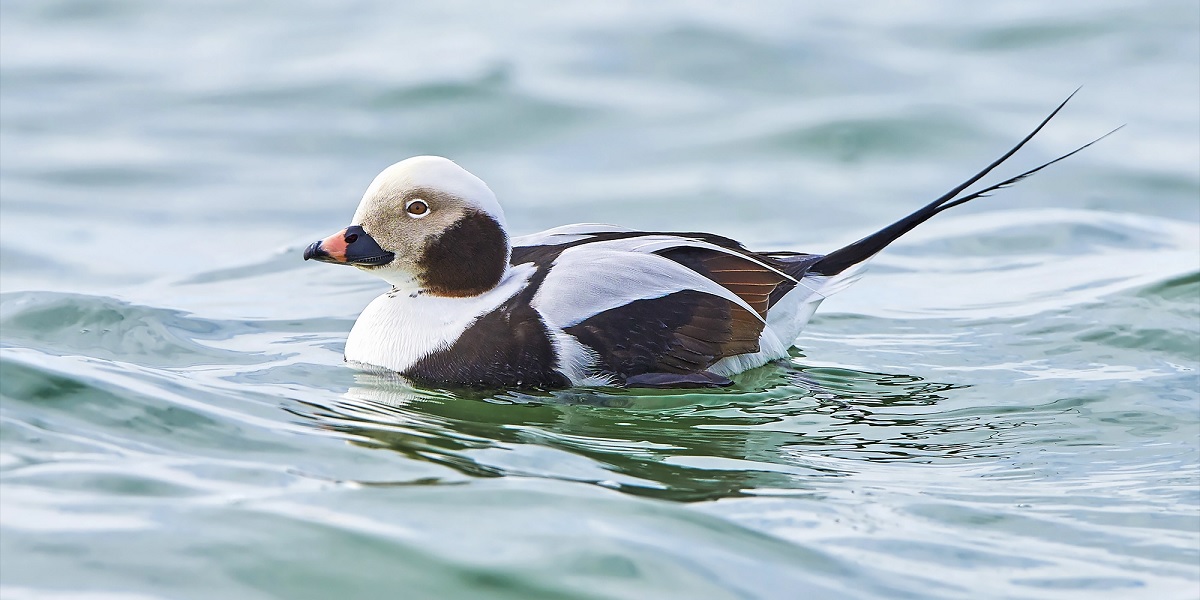
Certain duck species inhabit coastal areas, estuaries, and tidal flats. Sea ducks, such as eiders and scoters, rely on marine ecosystems for food like mollusks, crustaceans, and small fish. These ducks often dive or forage along rocky shorelines and shallow waters, adapting their feeding techniques to the environment.
Marine habitats influence duck behavior, including flocking, migration, and courtship displays. Exposure to tides and waves requires strong swimming and diving abilities, as well as efficient energy management. Coastal ducks are often migratory, moving seasonally between breeding and wintering grounds to access abundant food and suitable nesting sites.
The lifestyle of coastal ducks also involves social interaction and territorial behavior. Large flocks provide safety from predators, while small groups or pairs defend nesting areas. Adaptations to marine environments, combined with behavioral flexibility, enable these ducks to thrive in dynamic coastal ecosystems.
Nesting and Breeding Lifestyle
Ducks exhibit diverse nesting and breeding behaviors depending on their habitat. Ground-nesting species select concealed locations near water, often using vegetation or natural depressions to hide eggs. Cavity-nesting species, like wood ducks, utilize tree holes or man-made nest boxes to protect offspring.
Breeding behavior is closely tied to habitat quality. Adequate food supply, shelter, and water access ensure higher reproductive success. Mating rituals, including displays of plumage, vocalizations, and synchronized swimming, are influenced by environmental conditions and social interactions within flocks.
Ducklings are typically precocial, leaving the nest shortly after hatching and following the mother to water. This lifestyle requires both instinctual guidance and learned behavior for feeding, predator avoidance, and social integration. Habitat selection directly impacts the success of these early life stages.
Daily Lifestyle and Activity Patterns
Ducks balance feeding, resting, and social interaction throughout the day. Many are diurnal, actively foraging during daylight hours, while others adjust activity patterns based on predator presence or environmental conditions. Dabbling, diving, and grazing are primary feeding behaviors, each suited to the specific habitat.
Resting and preening are vital for maintaining feather health, insulation, and waterproofing. Social behavior, such as flocking, enhances safety and supports communication, including warning calls and courtship signals. Seasonal changes in daylight, temperature, and food availability also influence daily routines and migratory behavior.
The combination of habitat preferences and daily lifestyle ensures that ducks can exploit diverse resources efficiently. Their adaptability to both freshwater and coastal environments highlights the resilience and ecological versatility of these birds.
Diet and Feeding Habits
Ducks exhibit diverse diets and feeding habits that vary by species, habitat, and season. Understanding their diet provides insight into their ecological role and adaptive strategies. From dabbling and grazing to diving, ducks employ specialized techniques to locate and consume food, demonstrating a combination of instinctual behavior and learned skills essential for survival.
Dabbling and Surface Feeding
Many duck species are dabblers, feeding primarily in shallow water or near the water’s surface. They tip forward, submerging their heads and necks while keeping their tails above water to reach aquatic plants, seeds, insects, and small invertebrates. Dabbling allows ducks to exploit food resources in marshes, ponds, and river edges efficiently.
Dabbling ducks, such as mallards and teal, may also feed on land, grazing on grasses, grains, and agricultural crops. This versatility in diet ensures that they can adapt to seasonal changes in food availability. Group feeding is common, as it provides safety in numbers and allows young ducks to learn essential foraging techniques from adults.
Surface feeding is energy-efficient and reduces exposure to predators compared to diving. It also allows ducks to consume a wide variety of plant and animal matter, contributing to their omnivorous and opportunistic feeding behavior.
Diving and Subaquatic Feeding
Diving ducks employ a different technique, plunging below the water surface to access aquatic plants, fish, mollusks, and crustaceans. Species like scaups, scoters, and canvasbacks rely on strong legs and webbed feet to propel themselves underwater, often staying submerged for several seconds to locate prey.
Diving requires precise timing and coordination, as ducks must resurface to breathe while maintaining balance and energy efficiency. These ducks often feed in deeper lakes, rivers, and coastal waters where dabbling is ineffective. Diving allows access to high-protein food sources, especially during winter or when surface vegetation is scarce.
Juvenile diving ducks gradually learn these techniques by observing adults, demonstrating the combination of instinct and social learning in feeding behavior. Diversified feeding strategies, such as alternating between dabbling and diving, further enhance dietary flexibility and survival across habitats.
Grazing and Terrestrial Feeding
Some ducks supplement their diet by grazing on land, feeding on grasses, grains, seeds, and small invertebrates. This behavior is especially common in agricultural fields, meadows, and grasslands near water bodies. Grazing allows ducks to access high-energy plant matter, supporting growth, migration, and reproduction.
Grazing is often combined with foraging in water, giving ducks a mixed diet that balances protein and carbohydrates. Ducks may feed during early morning or late evening to avoid human activity or predators. Social learning plays a role here as well, as ducklings observe adults and adopt effective grazing techniques.
This terrestrial feeding behavior also illustrates ducks’ adaptability to human-altered landscapes. Fields, parks, and urban ponds provide supplemental food, but reliance on such areas requires careful consideration to avoid risks from pesticides or habitat disturbance.
Opportunistic and Seasonal Feeding
Ducks are opportunistic feeders, adjusting their diet based on seasonal availability. During spring and summer, they may consume more insects, aquatic invertebrates, and small fish to meet higher protein requirements for breeding and raising young. In fall and winter, seeds, grains, and aquatic plants become dominant food sources.
Opportunistic feeding ensures survival during periods of scarcity and allows ducks to exploit new habitats effectively. Migration also influences diet, as ducks move between breeding and wintering grounds to access abundant resources. Flexibility in food selection is key to their resilience in diverse environments.
By combining dabbling, diving, grazing, and opportunistic strategies, ducks maintain a versatile diet that supports their energy needs year-round. Observing these behaviors reveals the complexity and adaptability of their feeding habits in both natural and human-altered habitats.
FAQs
Is A Duck A Bird Yes Or No?
Yes, a duck is a bird. You can tell because ducks share the key characteristics of birds, such as having feathers, wings, and beaks. Their body structure and ability to lay eggs also confirm their classification as birds.
When you observe a duck swimming or flying, its behaviors align with typical bird traits. Their anatomy, including webbed feet for swimming and hollow bones for flight, further proves that ducks are true birds. Knowing this helps you understand the fundamental biology behind these familiar waterfowl.
Can Ducks Fly Like Other Birds?
Yes, ducks are capable fliers, although their flight patterns differ depending on species. You will notice that many ducks migrate long distances, showcasing endurance and navigation skills similar to other birds.
While some ducks may appear clumsy on land, their wings are strong and adapted for both short bursts and long migratory flights. Observing them in the wild confirms that their flight behavior is consistent with what defines birds, reinforcing the answer that ducks are indeed birds.
Do Ducks Lay Eggs Like Other Birds?
Absolutely, ducks lay eggs, which is one of the primary characteristics of birds. You will notice that female ducks build nests to lay and incubate eggs, just like most avian species.
The eggs are typically cared for until hatching, and ducklings exhibit behaviors similar to young birds in other species. Understanding this reproductive pattern shows that ducks share the same basic life cycle as other birds, further proving their classification.
Are Ducks Warm-Blooded Like Other Birds?
Yes, ducks are warm-blooded, maintaining a constant body temperature similar to other birds. This allows you to see them active during different weather conditions, from cold winters to warm summers.
Being warm-blooded helps ducks survive in diverse habitats, including ponds, rivers, and wetlands. Their metabolic system and energy use are consistent with birds, reinforcing the fact that ducks fall within the avian group.
Can Ducks Swim And Still Be Considered Birds?
Yes, swimming does not change the fact that ducks are birds. Ducks are specially adapted for aquatic environments with webbed feet and water-resistant feathers, but these adaptations do not remove their classification as birds.
Their swimming ability complements their flying and feeding behaviors, demonstrating versatility in movement. You can observe that, despite spending a lot of time on water, ducks retain all typical bird features, confirming they are birds regardless of their swimming habits.
Why Are Ducks Sometimes Mistaken For Other Animals?
People sometimes confuse ducks with mammals because they swim like aquatic mammals or have a waddling walk like some land animals. However, ducks have feathers, lay eggs, and possess beaks, all of which clearly identify them as birds.
When you study their anatomy and behavior carefully, it becomes clear that ducks are fully avian. Their flight, reproduction, and vocalizations align with other birds, helping you distinguish them from mammals or other non-bird species.
Conclusion
Ducks are unmistakably classified as birds, and their physical traits and behaviors provide clear evidence of this. They have feathers, lay eggs, possess wings for flight, and exhibit other avian characteristics such as beaks, webbed feet, and hollow bones. Observing these features in both wild and domestic ducks confirms their place in the bird class.
The question of “is a duck a bird yes or no” can also be answered through their behaviors. Ducks fly, communicate through vocalizations, build nests, and engage in social interactions like flocking and courtship. These behaviors align perfectly with those of other bird species, highlighting instincts and adaptations that are unique to avian life.
Understanding that ducks are birds allows us to appreciate their ecological role, feeding habits, and reproductive strategies. Answering “is a duck a bird yes or no” reinforces the importance of recognizing these waterfowl as true members of the avian world, showcasing their adaptability and contribution to ecosystems.