Is A Bat A Bird Or A Mammal? Uncovering The Truth About Bats
Bats are one of the most fascinating and often misunderstood creatures in the animal kingdom. Their ability to fly, nocturnal habits, and unique behaviors frequently lead to confusion about their classification. Many people struggle to determine whether these winged animals belong to birds, mammals, or a completely different category altogether.
Understanding the biology and characteristics of bats sheds light on their true nature. They share certain traits with birds, such as flight and winged movement, but they also possess features that are distinctly mammalian. Examining these differences helps clarify their classification and role in ecosystems.
The question “is a bat a bird or a mammal” arises because of the bat’s unusual combination of abilities and traits. From feeding habits to reproductive methods, bats demonstrate a mix of behaviors that are sometimes bird-like but fundamentally mammalian.
By exploring anatomy, reproduction, and other biological features, you can understand why bats occupy a unique position in the natural world. This knowledge not only answers the classification question but also highlights their importance in ecosystems worldwide.
Key Physical Traits That Define Bats
Bats possess unique physical traits that set them apart from birds and other mammals. These features are central to understanding their biology, behavior, and classification. From their specialized wings to distinct skeletal structures, bats demonstrate remarkable adaptations that allow them to thrive as the only truly flying mammals.
Wing Structure And Flight Adaptations
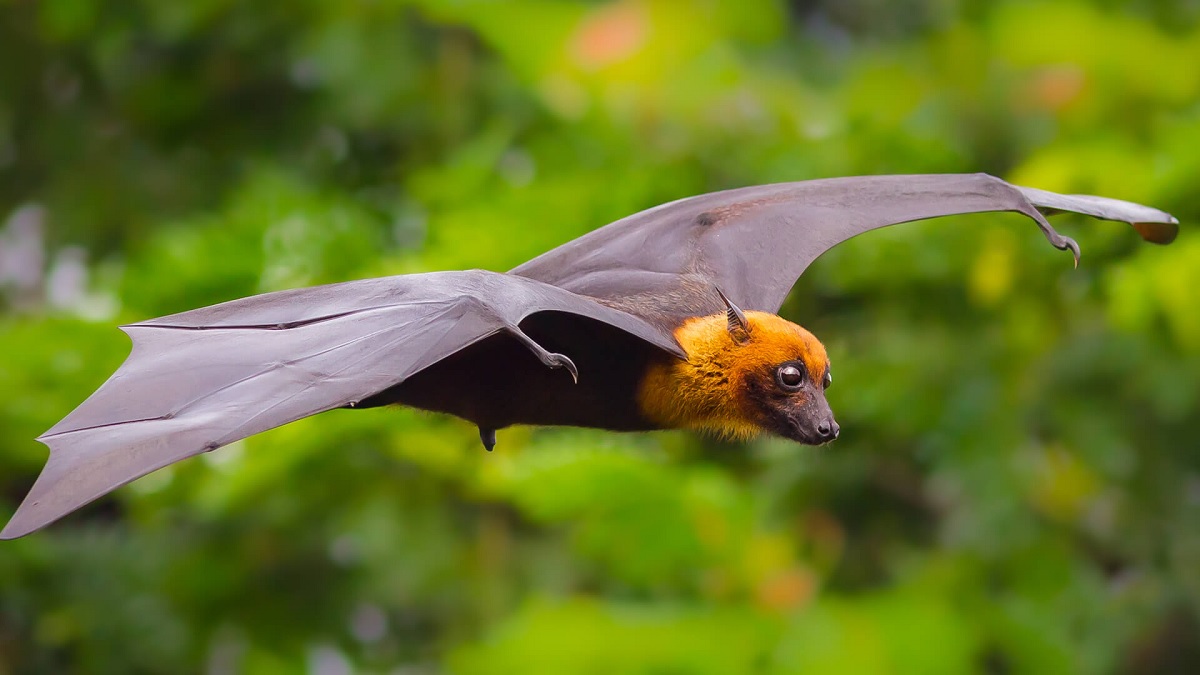
The wings of bats are their most defining physical trait. Unlike birds, bat wings are formed by elongated finger bones covered with a thin membrane called the patagium. This structure allows for highly maneuverable flight, enabling precise control during hunting and navigation in tight spaces such as caves and dense forests.
The wing membrane is highly sensitive, containing nerve endings that provide tactile feedback during flight. This sensitivity helps bats detect airflow changes and adjust wing position for efficient lift and maneuverability. Their flexible wings allow hovering, gliding, and even backward flight in some species, a capability birds lack.
Additionally, the lightweight skeletal structure supports sustained flight without compromising strength. The combination of wing design, musculature, and bone configuration makes bats unique among mammals, highlighting their evolutionary specialization for aerial life.
Echolocation And Sensory Adaptations
Many bat species have evolved highly developed echolocation systems, which complement their physical traits. While not visible externally, the facial and ear structures are designed to produce and detect high-frequency sound waves, enabling precise navigation and prey detection in complete darkness.
Large, often highly mobile ears enhance sound reception, allowing bats to determine the size, distance, and movement of objects and prey. Some species also have facial adaptations, such as nose leaves, that help direct echolocation calls efficiently. These adaptations demonstrate how physical features support survival, complementing flight capabilities.
Echolocation is a physical and behavioral adaptation that reinforces their classification as mammals rather than birds, as birds rely predominantly on vision for hunting and navigation. This sensory specialization illustrates how bats integrate anatomy with advanced environmental perception.
Dental And Feeding Adaptations
Bats also possess distinct dental and jaw structures adapted to their diets, which vary from insects to fruit, nectar, and even small vertebrates. Insectivorous bats have sharp, pointed teeth for piercing exoskeletons, while frugivorous species exhibit flatter molars for crushing fruit. Vampire bats have specialized incisors for feeding on blood.
These adaptations are critical for survival and highlight bats’ ecological roles as pest controllers, pollinators, and seed dispersers. Their feeding mechanisms differ significantly from birds, which often have beaks adapted for specific diets rather than teeth for mechanical processing.
Jaw musculature and skull shape further reflect dietary specialization, demonstrating evolutionary refinement. These physical traits reinforce bats’ classification as mammals while showing their ability to thrive in diverse ecological niches.
Fur, Skin, And Thermoregulation
Bats are covered in fur, another defining mammalian trait. Fur provides insulation, aiding in thermoregulation during flight and rest. The wing membrane itself is mostly hairless, allowing flexibility, but some species have fine hair along the edges or near joints for sensory purposes.
The skin of the wings is highly vascularized, contributing to heat exchange and water balance. Some bats also have specialized fur coloration or patterns that provide camouflage or social signaling. These features support survival across a wide range of habitats, from tropical forests to temperate caves.
Fur and skin adaptations are another key factor distinguishing bats from birds, which have feathers instead of hair. These mammalian traits, combined with flight adaptations, illustrate the unique physical blueprint that allows bats to occupy their ecological niche successfully.
Limb And Skeletal Characteristics
Bats retain typical mammalian skeletal traits in addition to wing modifications. They have a flexible spine, strong shoulder girdle, and elongated forelimbs that support flight. Hind limbs are rotated for hanging upside down, which aids in roosting, escaping predators, and launching into flight.
Claws on both forelimbs and hind limbs allow climbing, gripping, and navigating complex environments. Unlike birds, bats cannot perch in the same way but use their feet and claws for hanging in caves, trees, or human structures. This combination of skeletal adaptations supports both mobility and protection.
These limb and skeletal traits, combined with wing and sensory adaptations, define bats as mammals uniquely equipped for flight. Their physical characteristics provide the foundation for survival strategies that are unmatched in the animal kingdom.
Reproduction And Development Differences
Bats exhibit reproductive and developmental traits that clearly differentiate them from birds and highlight their classification as mammals. From internal fertilization to live birth and lactation, these unique features influence their survival, population dynamics, and ecological roles. Understanding these differences provides insight into their life cycles and the adaptations that allow bats to thrive in diverse environments.
Internal Fertilization And Gestation
Bats reproduce through internal fertilization, a hallmark mammalian trait. After mating, fertilization occurs internally, and the female carries the developing embryo during a gestation period that varies by species, typically ranging from six weeks to six months. Some species even delay implantation to ensure birth coincides with optimal environmental conditions, such as abundant food availability.
Gestation is followed by live birth, unlike birds that lay eggs externally. This reproductive strategy provides embryos with protection and a stable developmental environment, increasing survival chances. The female’s body supports the growing young with nutrients and hormonal regulation, which is a key distinction from oviparous species like birds.
Internal fertilization also influences mating behaviors and social structures. Some bat species form seasonal colonies where mating is synchronized to maximize reproductive success. Understanding gestation and internal development is essential for appreciating how bats balance reproduction with environmental pressures.
Live Birth And Neonatal Development
Unlike birds, bats give birth to fully formed live young, usually one pup per reproductive cycle, though twins can occur in some species. Newborn bats are altricial, meaning they are born relatively helpless, blind, and dependent on parental care for warmth, food, and protection.
During the first weeks of life, pups rely entirely on their mother’s milk, which provides essential nutrients and antibodies. Mothers carry pups during flight in some species or leave them in roosting colonies while foraging. This dependency period fosters strong parent-offspring bonds, which are crucial for learning survival behaviors.
Neonatal development also involves rapid growth and muscle strengthening, particularly in the wings, to prepare for independent flight. The extended parental care distinguishes bats from most birds, which may provide limited care after hatching. Observing live birth and development demonstrates the mammalian characteristics that define bats.
Lactation And Parental Care
Lactation is a defining reproductive trait of bats and a key difference from birds, which feed young through regurgitated food. Female bats produce milk rich in nutrients to support rapid pup growth, often adjusting production based on litter size and environmental conditions.
Parental care extends beyond feeding. Mothers teach pups essential behaviors, such as recognizing predators, navigating roosts, and practicing flight skills. Some species form communal nurseries where multiple mothers care for young collectively, enhancing survival rates.
The reliance on milk and prolonged parental investment illustrates the significant energy expenditure involved in bat reproduction. This strategy contrasts sharply with birds, whose young may become independent shortly after fledging. Lactation and parental care reflect evolutionary adaptations that ensure offspring survival in complex ecological niches.
Flight Skill Development And Independence
One of the most critical developmental milestones for bats is learning to fly. Wing muscles and coordination develop gradually, and pups practice flapping and gliding under parental supervision. This period of flight training can last several weeks, during which pups are highly vulnerable to predators.
Flight development requires physical strength, balance, and spatial awareness. Pups gradually transition from clinging to mothers or roosts to independent foraging flights. Unlike birds, which often have innate flight abilities shortly after hatching, bats rely on extensive parental guidance and gradual practice to achieve proficiency.
Mastering flight is essential for survival, affecting hunting efficiency, predator avoidance, and social interactions. This developmental difference highlights how mammalian care strategies are closely tied to physical and behavioral maturation.
Reproductive Timing And Environmental Adaptation
Bats have evolved reproductive timing strategies that synchronize birth and development with environmental conditions. Delayed implantation, seasonal mating, and synchronized colony births ensure pups are born when food is abundant and temperatures are favorable, enhancing survival.
These strategies differ from most birds, which often rely on nesting cycles and external temperature regulation. By controlling gestation timing and providing prolonged care, bats optimize offspring survival despite environmental fluctuations. Understanding these reproductive adaptations demonstrates how bats integrate mammalian biology with ecological pressures to thrive in diverse habitats.
Reproduction and development in bats emphasize their distinct mammalian traits, including internal fertilization, live birth, lactation, and extended parental care. These differences provide critical insight into why bats cannot be classified as birds and highlight the evolutionary strategies that make them successful nocturnal flyers.
Flight And Movement Comparison
Bats and birds both possess the ability to fly, yet their flight mechanisms and movement patterns differ dramatically due to distinct evolutionary adaptations. Comparing these differences reveals why bats are classified as mammals rather than birds, despite sharing aerial capabilities. Understanding flight and movement provides insight into hunting strategies, habitat use, and behavioral adaptations that define these nocturnal and diurnal flyers.
Wing Anatomy And Mechanics
Bats have a unique wing structure that sets them apart from birds. Their wings are formed by elongated finger bones covered with a thin, flexible membrane called the patagium. This design allows precise control over flight, enabling agile maneuvers, hovering, and even backward motion in some species. In contrast, birds have rigid wings supported by fused bones and feathers, optimized for lift and gliding efficiency rather than intricate aerial navigation.
The flexible bat wing allows subtle adjustments in surface area and shape during flight, giving them an advantage in cluttered environments such as caves or dense forests. Birds rely more on wing flapping and tail adjustments for maneuvering, with feathers providing lift and reducing turbulence. The contrast between bat and bird wing mechanics highlights evolutionary specialization tailored to ecological niches.
Additionally, bat wings are highly vascularized, aiding thermoregulation and sensitivity, whereas bird wings focus on aerodynamics and energy-efficient long-distance travel. These structural differences illustrate why bats’ flight is more maneuverable but generally slower than most birds, reflecting their nocturnal hunting strategies.
Muscle Structure And Energy Use
Flight in bats relies on powerful chest and shoulder muscles that control their highly flexible wings. These muscles support rapid, continuous flapping necessary for hovering and maneuvering in tight spaces. Birds, on the other hand, rely on rigid pectoral muscles to flap strong, feathered wings that enable long-distance flight, gliding, and migration.
Bats expend energy differently, often using short bursts of agile flight to capture insects or avoid obstacles. Birds may conserve energy through gliding or soaring, especially in open habitats. This difference affects hunting strategies: bats often hunt close to vegetation or near water bodies at night, while birds may patrol wide areas during daylight.
The musculature also impacts endurance. Bats’ highly specialized muscles allow for precise motion but can limit long-distance migration compared to birds. Understanding muscle structure and energy expenditure clarifies how anatomy shapes movement patterns and ecological roles.
Landing, Roosting, And Perching
Bats and birds also differ significantly in landing and perching behaviors. Bats hang upside down using specialized tendons and curved claws, allowing them to launch into flight quickly from roosts. Birds perch upright on branches or wires, using clawed feet for balance, and require additional wing movement to take off efficiently.
This difference in landing strategy influences habitat choice. Bats select caves, tree cavities, or man-made structures that accommodate inverted roosting, providing protection from predators and environmental elements. Birds rely on branches, ledges, or ground surfaces for perching, which affects predation risk and feeding opportunities.
Additionally, inverted roosting allows bats to conserve energy, as gravity aids in their launch into flight. Birds must use muscular effort to overcome gravity, demonstrating a fundamental divergence in movement strategy and anatomy.
Hunting Movements And Navigation
Flight differences also reflect hunting behavior. Bats often rely on echolocation and short, agile flight patterns to capture prey in darkness. Their maneuverable wings allow sudden changes in direction and hovering above prey, ideal for nocturnal insect hunting. Birds, conversely, rely primarily on vision, speed, and long glides to capture prey, often during daylight.
The contrast in sensory input also shapes movement. Bats integrate wing flexibility with auditory feedback for precise navigation, while birds combine wing and tail movements with visual cues to hunt efficiently. These differences highlight how flight mechanics are tailored to ecological roles and time of activity.
Migration And Long-Distance Flight
Birds commonly engage in long-distance migration, using aerodynamic wings and energy-efficient gliding. Bats migrate less frequently and typically in shorter distances, relying on maneuverability rather than endurance. Some species, like the Mexican free-tailed bat, are exceptions, traveling hundreds of miles, but this is rare compared to avian migration patterns.
The difference in migration reflects anatomical adaptations: birds’ rigid wing structures and large muscle groups are optimized for sustained flight, whereas bats’ flexible membranes favor precise maneuvering in localized areas. Comparing these flight patterns underscores why bats are uniquely suited for nocturnal, agile hunting rather than long-distance travel.
The comparison of flight and movement between bats and birds highlights profound anatomical and behavioral differences. Wing structure, muscle function, roosting behavior, hunting techniques, and migration patterns collectively demonstrate that bats, while capable of flight, are fundamentally mammals with specialized adaptations for nocturnal aerial life.
Dietary Habits And Feeding Behavior
Bats display a wide range of dietary habits and feeding behaviors that reflect their ecological diversity. From insectivory to frugivory, nectar feeding, and even carnivory, these dietary strategies influence their movement patterns, social behavior, and role in ecosystems. Understanding feeding behavior helps distinguish bats from birds and highlights the specialized adaptations that support their survival.
Insectivorous Bats And Nocturnal Hunting
The majority of bat species are insectivorous, feeding on moths, beetles, mosquitoes, and other insects. These bats rely heavily on echolocation to detect, track, and capture prey during nighttime foraging. Their flight is highly maneuverable, allowing rapid changes in direction and speed to catch agile insects.
Insectivorous bats consume hundreds or thousands of insects per night, playing a crucial role in controlling pest populations. They often hunt over water bodies or near vegetation where insects congregate. Feeding occurs almost entirely at night, which reduces competition with birds and other predators.
Physical adaptations, such as sharp teeth and agile wing membranes, facilitate efficient prey capture. The combination of echolocation, nocturnal activity, and flight specialization illustrates how feeding behavior is tightly linked to anatomical and sensory traits, defining bats as highly specialized mammalian hunters.
Frugivorous And Nectar-Feeding Bats
Some bat species primarily feed on fruits or nectar, serving as essential pollinators and seed dispersers. Frugivorous bats consume soft fruits and often carry them away from the parent plant before eating, aiding plant reproduction. Nectar-feeding bats have elongated snouts and tongues adapted to accessing floral nectar.
These feeding behaviors shape movement patterns, as bats travel between roosting sites and fruiting trees or flowering plants. Foraging often occurs in coordinated groups or along established routes, maximizing energy efficiency and minimizing predation risk. Bats also play a vital ecological role by pollinating plants that bloom at night.
Dietary adaptations, such as specialized dentition and digestive systems, support efficient nutrient extraction from fruits or nectar. Their feeding strategies differ sharply from birds, which often rely on pecking or probing rather than precise nocturnal navigation, emphasizing the unique mammalian traits of bats.
Carnivorous And Opportunistic Feeding
A small number of bat species are carnivorous, feeding on small vertebrates such as frogs, fish, birds, or other bats. These species exhibit powerful jaws, sharp teeth, and strong talons for capturing and consuming prey. Hunting often involves precise flight maneuvers and nocturnal echolocation to detect movement in complex environments.
Opportunistic feeding allows carnivorous bats to exploit a variety of food sources depending on availability. Their behavior demonstrates remarkable flexibility and adaptation to environmental conditions. Hunting strategies include aerial capture, gleaning from surfaces, or ambushing prey near water or roosting sites.
This dietary diversity underscores the versatility of bats as mammals. Unlike birds, which often specialize in certain prey types and rely predominantly on vision, bats combine echolocation, nocturnal activity, and flexible hunting techniques to maintain survival across habitats.
Social Foraging And Feeding Communication
Bats often exhibit social behaviors related to feeding. Many species forage in groups, using vocalizations or echolocation calls to coordinate movements and avoid collisions. Mothers teach pups to recognize food sources and capture techniques, facilitating skill development for survival.
Social foraging enhances efficiency, reduces predation risk, and strengthens social bonds within colonies. Some bats even share roosting sites near abundant food sources to minimize travel and maximize energy intake. These behaviors highlight the connection between dietary habits, sensory adaptation, and social structure.
Seasonal And Environmental Influences On Feeding
Feeding behavior in bats is closely linked to seasonal and environmental changes. Insect availability, fruiting cycles, and flowering patterns dictate foraging times, routes, and migration patterns for many species. Bats adjust activity levels, hunting strategies, and roosting behavior to align with optimal feeding conditions.
During scarce periods, some bats reduce energy expenditure, switch food sources, or travel greater distances to find prey. These adaptive strategies demonstrate the resilience and flexibility of bats in responding to environmental pressures, ensuring survival and reproductive success.
Dietary habits and feeding behaviors reveal the specialized adaptations that define bats as mammals. From nocturnal insect hunting to fruit and nectar foraging, these behaviors highlight their ecological roles, sensory sophistication, and evolutionary distinctions from birds.
Skeletal And Biological Systems
Bats possess a unique combination of skeletal and biological systems that support their classification as mammals and enable their extraordinary flight capabilities. Their anatomy integrates specialized bone structures, muscle arrangements, and organ systems designed for agile movement, echolocation, and high metabolic demands. Examining these features reveals how bats differ from birds and other flying animals while thriving in diverse habitats.
Skeletal Structure And Wing Anatomy
The skeletal system of bats is highly specialized for flight. Their forelimbs are elongated, with finger bones forming the framework for the wing membrane, or patagium. Unlike birds, whose wings are primarily supported by fused bones and feathers, bat wings rely on flexible joints and stretched skin to allow precise maneuvering and controlled flight in confined spaces.
The lightweight skeleton reduces energy expenditure during flight, while robust shoulder and chest muscles provide the power for rapid flapping. Hind limbs are rotated backward to enable upside-down roosting, a behavior unique to bats. Claws on forelimbs and hind limbs assist in climbing and grasping surfaces. These skeletal adaptations reflect an evolutionary balance between mobility, flexibility, and strength, defining bats as highly specialized mammals rather than avian species.
Muscular And Locomotor Systems
Bats’ muscular system complements their skeletal adaptations, providing precise control for flight and roosting. Large pectoral muscles power wing flaps, while smaller stabilizing muscles along the wing membrane allow subtle adjustments during gliding, hovering, or sudden maneuvers. Hind limb muscles are adapted for hanging, crawling, and launching into flight.
Muscle coordination is essential for energy-efficient movement, particularly during nocturnal hunting. The combination of strength and flexibility enables bats to navigate complex environments, pursue prey midair, and avoid obstacles. Unlike birds, whose muscle groups prioritize long-distance flight, bat muscles optimize agility and precision, reflecting their nocturnal, insectivorous, and ecologically diverse lifestyles.
Respiratory And Circulatory Adaptations
Flight imposes high oxygen demands, and bats have evolved advanced respiratory and circulatory systems to meet these needs. Large lungs, efficient alveoli, and rapid breathing rates allow for oxygen-rich blood to fuel prolonged flapping. The circulatory system supports high metabolic rates, delivering oxygen and nutrients to wing muscles and other active tissues.
Heart size and rate are adapted to sustain energy during extended flights. Some species exhibit elevated metabolic flexibility, adjusting energy use during periods of inactivity or torpor. These systems work together to support nocturnal hunting, rapid maneuvering, and sustained flight, distinguishing bats from birds that rely on different cardiovascular adaptations for long-distance gliding and migration.
Nervous And Sensory Systems
Bats’ nervous and sensory systems are finely tuned to support flight, navigation, and hunting. Echolocation relies on specialized brain regions, auditory nerves, and facial structures to process high-frequency sounds, enabling detection of prey and obstacles in complete darkness. Vision is generally adapted for low-light conditions, complementing echolocation.
Proprioception, the sense of body position, is critical for controlling wing movement and coordination during complex maneuvers. These sensory adaptations are integrated with muscular and skeletal systems, allowing bats to respond rapidly to environmental stimuli. Birds, by contrast, rely heavily on vision and less on auditory spatial processing for flight navigation.
Digestive And Thermoregulatory Systems
Bats’ digestive and thermoregulatory systems support their varied diets and high-energy lifestyles. Insectivorous species have short, efficient digestive tracts for rapid nutrient absorption, while frugivorous and nectar-feeding bats have adaptations for processing sugars and plant matter. Thermoregulation is aided by wing membrane vascularization and fur insulation, maintaining stable body temperature during active flight and periods of rest.
These systems reflect mammals’ ability to maintain homeostasis in diverse environments, supporting nocturnal activity and ecological versatility. Skeletal, muscular, respiratory, sensory, and digestive adaptations together define bats as mammals with highly specialized biological systems for aerial life, distinguishing them clearly from birds.
Frequently Asked Questions
How Can You Determine If A Bat Is A Bird Or A Mammal?
You can determine that a bat is a mammal by examining its key biological traits. Unlike birds, bats give birth to live young instead of laying eggs. They also produce milk to feed their offspring, a defining mammalian characteristic.
Bats have fur instead of feathers, and their skeletal structure includes elongated fingers that support a wing membrane rather than rigid feathered wings. They rely on echolocation and mammalian sensory systems for navigation, further differentiating them from birds. Observing reproduction, anatomy, and physiology confirms bats are mammals.
Do Bats Have Feathers Like Birds?
Bats do not have feathers; they are covered in fur. This fur provides insulation and aids in thermoregulation, which is crucial for nocturnal activity and energy conservation. Birds, in contrast, rely on feathers for flight, temperature regulation, and display purposes.
The absence of feathers is a clear indicator of a mammalian classification. In bats, the wing is formed by a flexible skin membrane stretched between elongated fingers, allowing precise maneuverability during flight. This anatomical difference reinforces why bats are mammals, even though they share the ability to fly with birds.
Do Bats Lay Eggs Like Birds?
No, bats do not lay eggs like birds. Female bats give birth to live young, which are dependent on parental care for several weeks. This live birth is a key feature of mammals and contrasts with the oviparous reproduction of birds.
After birth, bat pups are fed with milk produced by the mother, another mammalian trait. The combination of live birth and lactation ensures the young develop safely and receive essential nutrients during early life stages. These reproductive characteristics confirm that bats are mammals, not birds.
How Do Bats Feed Their Young Compared To Birds?
Bats feed their young through lactation, producing milk that provides nutrients and antibodies essential for growth. Bird parents, by contrast, often regurgitate food or provide insects and seeds directly to chicks.
This difference in feeding methods highlights the mammalian trait of nursing offspring, which is absent in birds. Bat pups rely entirely on maternal care for nourishment in their early life, emphasizing parental investment. Feeding behavior, along with other reproductive traits, confirms the mammalian classification of bats.
Do Bats Have Bones Like Birds Or Mammals?
Bats have a mammalian skeletal structure with elongated finger bones forming their wings, while birds have fused wing bones to support feathers. Bats’ bones are lightweight but flexible, allowing precise flight control and maneuverability in cluttered environments, unlike the rigid wing structures of birds.
Additionally, bats have specialized hind limbs for hanging upside down, a trait not found in birds. The combination of mammalian bones, joint flexibility, and muscular attachments further distinguishes bats from birds, reinforcing that they are mammals despite their ability to fly.
Can Bats Fly Like Birds And Still Be Mammals?
Yes, bats can fly like birds and still be mammals. Flight alone does not determine classification. Bats have mammalian traits such as fur, live birth, lactation, and internal organs consistent with mammals, which differentiate them from birds.
Their wings are supported by finger bones covered in a skin membrane rather than feathers, allowing agile and precise flight. Echolocation and nocturnal hunting further separate them from birds, showing that flight is an adaptation, not a defining factor for avian classification.
Why Are Bats Considered Mammals And Not Birds?
Bats are considered mammals because they exhibit defining mammalian traits, including fur, live birth, lactation, and complex sensory systems. Unlike birds, bats do not lay eggs, have feathers, or rely on vision alone for navigation.
Their skeletal structure, wing membranes, and specialized muscles support flight, but these are mammalian adaptations rather than avian characteristics. By observing reproductive methods, anatomy, and behavior, you can confirm that bats belong to the mammalian class, making them unique among flying animals.
Conclusion
Bats are often misunderstood because their ability to fly makes them appear bird-like, but their biological characteristics tell a different story. Features such as fur-covered bodies, live births, and nursing young clearly align them with mammals rather than birds. Observing their wing structure, skeletal system, and nocturnal habits further confirms this classification, distinguishing them from avian species.
Answering the question of is a bat a bird or a mammal requires careful consideration of reproduction, anatomy, and behavior. Unlike birds, bats do not lay eggs, and their wings are extensions of their forelimbs rather than feathered appendages. Their echolocation abilities and nocturnal hunting techniques are also unique adaptations that set them apart from most birds, emphasizing their role as specialized mammals.
Recognizing bats as mammals highlights their ecological significance. From controlling insect populations to aiding in pollination and seed dispersal, understanding that bats are mammals rather than birds allows for better conservation strategies and a deeper appreciation of their essential role in ecosystems.