Is An Owl Considered A Bird? Clear Facts About Owl Classification
Owls have always fascinated people with their silent flight, intense eyes, and mysterious nighttime habits. Seeing one perched quietly or hearing its call after dark often raises curiosity about where this creature truly belongs in the animal world. Many people pause to think about how owls compare to other winged animals they see during the day.
Their unique behavior sets them apart from many familiar birds. From hunting at night to rotating their heads with ease, owls seem different in ways that invite questions. This difference often leads to confusion, especially for those who associate birds only with daytime activity and cheerful songs.
Because of these traits, people frequently search online asking is an owl considered a bird to better understand its classification. The question comes from genuine curiosity rather than doubt, driven by how distinct owls appear.
Learning about owls helps bridge the gap between appearance and biological facts. Understanding their features and role in nature makes it easier to see where they truly fit within the bird family.
Biological Traits That Confirm Owls As Birds
Owls possess several distinct biological traits that clearly place them in the bird category. These traits, from feathers to skeletal structures, align them with other avian species. Understanding these characteristics helps clarify why owls, despite their nocturnal habits and silent flight, are true birds rather than a separate type of animal.
Feathers And Flight Adaptations
One of the most obvious traits confirming owls as birds is their feathered body. Feathers serve multiple purposes, including insulation, camouflage, and aiding in flight. Owl feathers are uniquely adapted for silent movement, with soft edges that reduce sound when flying. This feature allows owls to hunt effectively at night without alerting prey.
Their wings are broad and strong, supporting gliding and precise maneuvers through forests or open areas. The feather arrangement and wing shape are classic avian traits, demonstrating evolutionary adaptations for flight. Even with differences in flight style compared to songbirds or raptors, these features place owls firmly within the bird class.
Additionally, feather patterns vary by species, helping with identification, mating, and survival. Observing their plumage confirms they share essential characteristics with other birds while showcasing specialized adaptations.
Hollow Bones And Skeletal Structure
Owls also share the hollow bones and lightweight skeletal structure typical of birds. Hollow bones reduce overall body weight, making flight more energy-efficient. Despite their size, this structure allows owls to remain agile in the air while carrying prey.
Their skeletal anatomy includes a rigid yet flexible backbone and strong breastbones for wing muscle attachment. These features are consistent with all bird species, supporting flight mechanics and maintaining balance. Unique adaptations, such as a larger skull relative to body size, accommodate their exceptional vision and hearing without deviating from avian skeletal norms.
The combination of hollow bones, strong pectoral muscles, and skeletal design confirms that owls evolved as birds with specialized traits. Observing their bone structure, particularly through study or X-ray, reinforces their placement in the bird family.
Beaks And Feeding Structures
Owls possess hooked beaks, a characteristic trait of many predatory birds. Their beaks are sharp and curved, perfect for tearing flesh from prey. Unlike mammals with teeth, owls rely entirely on their beaks to capture, kill, and consume food. This adaptation is a defining avian feature.
Additionally, their tongue and throat are structured to swallow prey efficiently, further distinguishing them from non-bird predators. These feeding adaptations, paired with keen eyesight and hearing, demonstrate the specialized tools birds develop for survival. The absence of teeth and reliance on beaks reinforce the classification of owls as birds rather than another animal group.
Beak structure also aids in vocalization. The shape of their beak, combined with air sacs, helps produce calls, hoots, and other sounds. This reinforces the bird-like nature of their communication methods.
Reproduction And Egg-Laying
Another defining bird trait of owls is their method of reproduction. Like all birds, owls lay eggs rather than giving live birth. Their eggs are protected by shells and incubated by one or both parents until hatching, following classic avian reproductive patterns.
Nesting behavior also mirrors other birds. Owls choose elevated or concealed nesting sites, such as tree cavities, cliffs, or abandoned nests of other birds. They carefully incubate eggs and care for chicks after hatching, demonstrating parental behaviors consistent with the bird class.
Egg size, color, and incubation period vary by species but still align with avian norms. This reproductive strategy confirms that despite their nocturnal habits and predatory nature, owls adhere to the biological systems that define birds.
Respiratory And Circulatory Systems
Owls share the high-efficiency respiratory and circulatory systems typical of birds. Their lungs and air sacs allow continuous oxygen flow during flight, supporting their active hunting lifestyle. This respiratory design is a hallmark of avian species, crucial for sustained flight.
The circulatory system includes a four-chambered heart, ensuring efficient oxygen delivery to muscles and organs. Coupled with keen sensory organs, these systems allow owls to hunt effectively at night, maintain energy, and survive in diverse environments.
These internal features, alongside external traits like feathers and beaks, make it clear that owls fit within the bird classification. Their bodies are perfectly designed for avian life, confirming that owls are indeed birds.
Unique Characteristics That Set Owls Apart
Owls are fascinating creatures with traits that distinguish them from other birds. While they share core avian features like feathers and egg-laying, several unique adaptations make them exceptional predators of the night. From silent flight to specialized sensory abilities, these characteristics reveal why owls are often regarded as mysterious and highly effective hunters in the animal kingdom.
Silent Flight Adaptations
One of the most remarkable features of owls is their silent flight. Unlike other birds, their feathers are specially structured with soft edges and a velvety texture that reduces turbulence and muffles sound. This adaptation allows them to fly almost completely silently, making it easier to approach prey without detection.
Their wing shape also contributes to stealth. Owls have broad wings relative to their body size, allowing for slow, controlled flight. This combination of feather structure and wing morphology ensures minimal noise while maximizing maneuverability. You may notice that even when an owl takes off nearby, its movement is almost imperceptible compared to other birds.
Silent flight provides a significant hunting advantage, allowing owls to swoop down on prey without triggering early warning signals. This unique feature, combined with sharp talons and strong beaks, makes owls highly efficient nocturnal predators.
Exceptional Night Vision
Owls are renowned for their extraordinary night vision, setting them apart from most other birds. Their large, forward-facing eyes provide binocular vision, giving depth perception and the ability to judge distances precisely in low-light conditions. The size of their eyes allows more light to enter, enhancing their ability to see clearly at night.
Additionally, their retinas contain a high concentration of rod cells, which are highly sensitive to dim light. This adaptation allows them to detect even subtle movements of small mammals, insects, and birds during nighttime hunts. Unlike humans, their eyes are fixed in their sockets, so they rotate their heads up to 270 degrees to scan the environment thoroughly.
This visual specialization gives owls a decisive advantage over prey that cannot detect them in darkness. Their exceptional night vision, combined with silent flight, makes them nearly undetectable hunters.
Advanced Hearing Capabilities
Owls also possess hearing abilities that are among the most advanced in the bird world. Their ears are asymmetrically positioned on their heads, which allows them to pinpoint the exact location of sounds in three dimensions. This adaptation is particularly useful for detecting prey under leaves, snow, or dense foliage.
Facial discs play a critical role in their hearing. These specialized feathers funnel sound toward the ears, amplifying even the faintest noises. As a result, an owl can locate a moving mouse or insect entirely by sound, often in complete darkness.
The combination of silent flight and exceptional auditory abilities makes owls highly efficient predators. They can strike with precision even when visual cues are limited, demonstrating an evolutionary advantage that few other birds possess.
Specialized Hunting Techniques
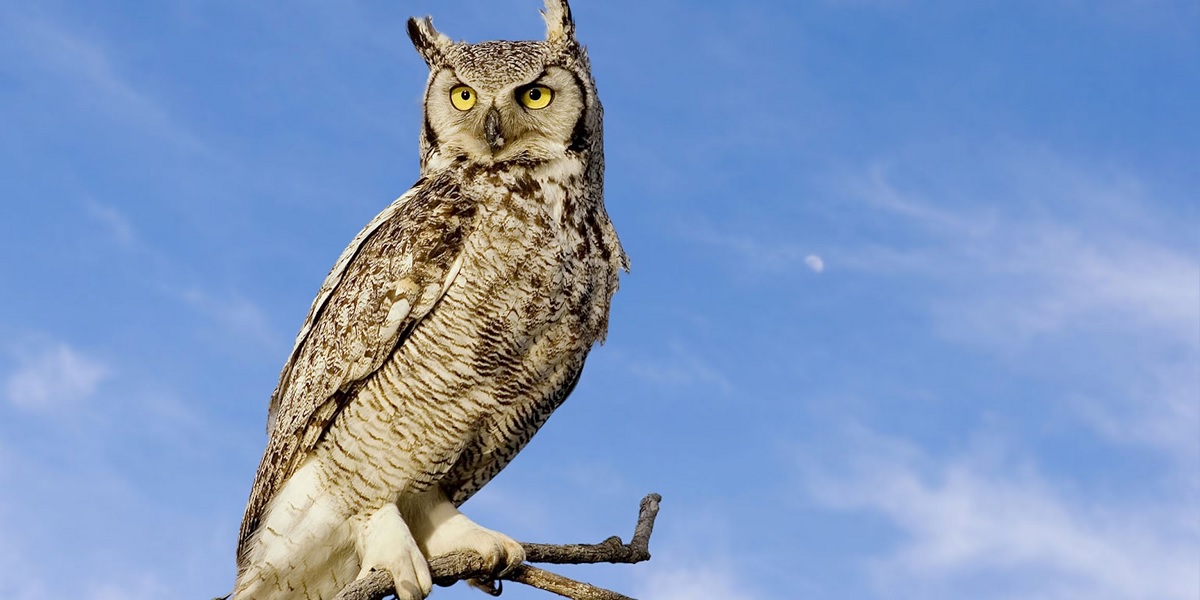
Owls employ hunting techniques that are unique compared to other birds of prey. They rely on stealth, patience, and calculated attacks rather than chasing prey over long distances. You often observe them perching quietly, scanning their surroundings for movement before silently swooping down.
Their talons are strong and curved, designed for gripping and killing prey instantly. Coupled with a powerful beak, they can tear apart food efficiently. This combination of physical tools and strategic hunting sets them apart from falcons, hawks, and other daytime predators, who often depend more on speed and chase.
Owls’ hunting methods reflect a blend of specialized anatomy and behavioral adaptations. Their ability to coordinate vision, hearing, and flight ensures that they can thrive in diverse habitats, from dense forests to open grasslands.
Remarkable Head Rotation
Another distinctive characteristic of owls is their ability to rotate their heads up to 270 degrees. Unlike most birds, whose head movement is limited, owls compensate for fixed eyes by rotating their necks extensively. This rotation allows them to scan the environment thoroughly without moving their bodies, maintaining stealth.
This adaptation is possible because owls have 14 neck vertebrae, twice as many as humans. Blood vessels and arteries are uniquely structured to maintain circulation during extreme rotation, preventing injury. You may notice owls turning their heads slowly and deliberately, which appears almost eerie but is a critical hunting adaptation.
The ability to rotate their heads so widely enhances their sensory perception, allowing them to combine hearing and vision efficiently. This feature, alongside silent flight, night vision, and advanced hearing, makes owls some of the most specialized birds in the world.
How Owls Compare To Other Bird Species
Owls are unique birds, yet they share many fundamental traits with other bird species, such as feathers, wings, and egg-laying. Comparing owls to other birds highlights both these commonalities and the adaptations that make them exceptional. Understanding these similarities and differences provides insight into their role in the avian world and their specialized ecological niche.
Nocturnal Behavior Versus Diurnal Birds
A major difference between owls and many other birds is their nocturnal lifestyle. While most birds, such as sparrows, robins, and hawks, are active during the day, owls are primarily active at night. Their hunting strategies, feeding patterns, and sensory adaptations are tailored for darkness rather than daylight.
Night activity requires unique adaptations. Owls rely heavily on silent flight, exceptional night vision, and advanced hearing, which are less developed or unnecessary in diurnal birds. Other birds may use bright colors, songs, or visual displays to communicate and attract mates, while owls depend on stealth and sound detection.
Despite this difference, owls share fundamental bird traits with daytime species, including feathered wings, beaks, and egg-laying behaviors. The contrast lies in how they apply these traits to survive and thrive in low-light environments, demonstrating evolutionary specialization within the bird class.
Physical Size And Wing Structure
Owls often differ from other birds in size and wing design. Many owls have broad wings relative to their body size, designed for gliding and silent flight rather than speed. In contrast, birds like falcons and swifts have narrow wings built for rapid flight and chasing prey over long distances.
This difference in wing morphology reflects hunting strategies. Owls rely on patience and stealth, while other birds pursue active hunting or scavenging. Their wings allow precise control during slow flight, which is essential for approaching prey silently. Despite these differences, both groups share lightweight skeletal structures and strong flight muscles, key traits of birds.
Even among larger birds like hawks or eagles, owls maintain distinct wing shapes that prioritize stealth over speed. This structural adaptation highlights how evolution shaped their anatomy to fit nocturnal hunting needs while remaining firmly within the bird category.
Sensory Capabilities
Owls’ sensory adaptations make them stand out compared to other birds. While many birds rely heavily on vision during daylight, owls combine exceptional night vision and highly sensitive hearing for nocturnal activity. Their asymmetrical ear placement and facial discs enhance sound detection, allowing them to locate prey in complete darkness.
Other birds, such as songbirds or pigeons, rely more on visual cues and less on hearing for survival. Birds of prey like hawks and eagles have excellent vision but less developed auditory abilities, reflecting daytime hunting. Owls’ unique combination of senses demonstrates how different avian species adapt to distinct ecological niches.
Despite these specialized senses, owls share basic avian sensory systems, such as a three-part ear structure and well-developed eyes. Their adaptations are refinements rather than entirely separate systems, highlighting both common ancestry and functional divergence among birds.
Feeding And Hunting Strategies
Owls’ hunting methods also contrast with many other birds. They typically hunt at night, using stealth, silent flight, and acute sensory perception to capture prey like rodents, insects, and small birds. Diurnal predators, such as hawks or falcons, hunt primarily by sight, relying on speed and keen daylight vision.
Owls’ hooked beaks and sharp talons are similar to other raptors, reflecting a shared avian predatory design. However, the reliance on stealth and night activity sets them apart. They often perch quietly for long periods, striking only when prey is detected, unlike active daytime hunters that chase or soar continuously.
These differences illustrate how birds adapt to specific ecological niches. Owls evolved for nocturnal hunting, while other species evolved for diurnal survival. Both strategies demonstrate the versatility and diversity of birds, with owls occupying a unique role within the broader avian world.
Vocalizations And Communication
Communication methods further distinguish owls from other birds. While songbirds produce melodic tunes primarily for mating and territory, owls use hoots, screeches, and calls to mark territory, attract mates, or signal danger. Their vocalizations are often slower, deeper, and more deliberate, fitting their nocturnal lifestyle.
Daytime birds often rely on visual signals, bright plumage, and rapid calls, while owls’ communication is adapted for low-light conditions where sight is limited. The timing, volume, and pattern of owl calls allow them to convey information efficiently without exposing themselves to predators or alerting prey.
Even with these differences, owls share the basic avian vocal apparatus, including syrinx structure and airflow mechanisms, with other birds. Their communication reflects evolutionary refinement to meet their specific environmental and behavioral needs, emphasizing both their uniqueness and connection to the bird family.
Owl Feeding And Hunting Behavior
Owls are highly skilled nocturnal predators, and their feeding and hunting behaviors are finely tuned for survival. Unlike many daytime birds, owls rely on a combination of stealth, acute senses, and specialized anatomy to locate and capture prey efficiently. Understanding these behaviors provides insight into how owls thrive in diverse habitats while maintaining their role as apex predators of the night.
Hunting Strategies And Techniques
Owls employ patient and calculated hunting strategies that set them apart from other birds of prey. They often perch silently in elevated spots such as trees, cliffs, or rooftops, scanning the area for movement. Their large, forward-facing eyes provide binocular vision, allowing precise distance judgment, while their asymmetrically placed ears detect subtle sounds from prey hiding under leaves, snow, or soil.
Once prey is detected, owls swoop down with minimal noise thanks to specialized wing feathers that reduce turbulence. This silent flight ensures that prey rarely hears the owl approaching. Owls often strike with powerful talons, delivering a swift and lethal grip. Unlike diurnal predators that rely on speed and pursuit, owls emphasize stealth, timing, and precision, conserving energy while increasing hunting success.
This method is particularly effective for small mammals like mice, voles, or rabbits, as well as insects and smaller birds. Hunting behavior also varies by species, with some preferring open fields, others forested areas, and some adapting to urban environments.
Diet And Prey Selection
Owls have a highly varied diet, which depends on their size, species, and habitat. Smaller owls primarily consume insects, amphibians, and small rodents, while larger species, such as the great horned owl, can target rabbits, birds, and occasionally other predators. Their diet flexibility allows them to adapt to seasonal availability and environmental changes.
Owls swallow smaller prey whole and regurgitate indigestible parts, like bones and fur, as pellets. Observing these pellets provides valuable insight into their hunting efficiency and feeding habits. Larger prey is typically torn apart using their strong, hooked beaks, which are designed for gripping and tearing flesh efficiently.
Dietary habits are closely tied to hunting behavior. Nocturnal activity, keen senses, and silent flight allow owls to exploit food sources that many other predators cannot access, reducing competition and increasing survival rates.
Role Of Sensory Adaptations
Sensory adaptations play a crucial role in owl feeding and hunting. Their exceptional night vision, combined with sensitive hearing, allows them to detect prey in complete darkness. Some species even have the ability to detect movement through subtle environmental cues, such as rustling grass or shifting leaves.
Facial discs help funnel sound directly to the ears, enhancing auditory perception. This precise localization allows owls to strike accurately even when prey is hidden or partially obscured. The integration of hearing, sight, and head rotation up to 270 degrees ensures that no movement goes unnoticed.
These sensory abilities make owls highly effective hunters, allowing them to capture prey with minimal effort and avoid competition from less specialized predators.
Feeding Behavior And Energy Conservation
Owls’ feeding behavior is closely linked to energy conservation. Because hunting at night requires careful planning and patience, they often remain motionless for long periods while waiting for prey. This strategy conserves energy and increases the likelihood of a successful strike.
After a successful hunt, owls may consume food immediately or carry prey to a safer location. Feeding efficiency is enhanced by anatomical adaptations such as strong talons, flexible necks, and specialized beaks, allowing them to maximize nutrient intake while minimizing effort.
This combination of strategic hunting, dietary flexibility, and sensory precision ensures that owls maintain their place as top nocturnal predators, capable of thriving in varied environments and maintaining ecological balance.
Reproduction And Nesting Habits Of Owls
Owls exhibit fascinating reproductive and nesting behaviors that reflect both their bird lineage and their unique nocturnal lifestyle. Their breeding strategies, choice of nesting sites, and parental care are adapted to ensure the survival of their young in a variety of environments. Understanding these habits provides insight into how owls maintain their populations across forests, grasslands, and urban areas.
Mating Behavior And Pair Bonds
Owls generally form monogamous pairs during the breeding season, with some species maintaining long-term bonds that last multiple years. Courtship involves vocalizations, displays, and sometimes gift offerings to attract a mate. You may hear the male hooting to establish presence and attract a female, signaling readiness for reproduction.
Visual displays are also common. Male owls may show off their plumage, perform wing stretches, or engage in aerial maneuvers to demonstrate strength and suitability. These displays help females select partners capable of providing protection and food for offspring.
Once a pair forms, they typically remain close throughout the season, coordinating hunting and nesting activities. Strong pair bonds increase reproductive success, ensuring that eggs are incubated and chicks receive adequate care. Vocal communication strengthens these bonds, even when the pair is not in direct sight.
Nest Site Selection
Owls are versatile in choosing nesting sites, often selecting locations that provide safety, camouflage, and proximity to food sources. Many species use natural cavities in trees, cliffs, or large hollows, while others adapt to urban environments by nesting in abandoned buildings, old nests of other birds, or man-made platforms.
Ground-nesting species select areas with dense vegetation or rocks to conceal their nests from predators. Some owls do not build elaborate nests, instead laying eggs directly on the surface of the cavity or platform, relying on camouflage and parental protection.
Nest location is critical for survival. It protects eggs and chicks from predators, harsh weather, and disturbances. By choosing elevated or hidden sites, owls increase the likelihood that their young will survive until they are ready to fledge.
Egg-Laying And Incubation
Female owls typically lay between one and seven eggs per clutch, depending on species and environmental conditions. Eggs are usually white and oval-shaped, blending subtly with the nesting site. Incubation begins immediately after the first egg is laid in some species, leading to asynchronous hatching.
The female primarily incubates the eggs, keeping them warm and protected, while the male hunts and provides food. Incubation periods vary by species but usually range from 25 to 35 days. Hatching is staggered in species with asynchronous laying, giving older chicks a size advantage if food is scarce.
This incubation strategy allows owls to manage resources effectively. It ensures that at least some chicks survive in times of limited prey, demonstrating a balance between reproductive effort and environmental conditions.
Chick Rearing And Parental Care
Once hatched, owl chicks are dependent on their parents for warmth, food, and protection. The female stays near the nest, feeding and sheltering the young, while the male continues to hunt and bring prey. Chicks grow rapidly, developing feathers and strength over several weeks.
Parents teach essential survival skills, such as handling prey, flying, and responding to threats. Nestlings remain in the nest until they are capable of independent flight and hunting, which can take four to eight weeks depending on species. Parental care ensures the next generation is well-prepared for life outside the nest.
Parental roles and coordinated care increase the survival rate of the offspring, reinforcing the success of their reproductive strategy. Owl chicks benefit from both protection and learning, ensuring they are ready to thrive in their natural habitat.
Is An Owl Considered A Bird?
Yes, an owl is considered a bird. Like all birds, owls have feathers, lay eggs, and possess wings and a beak. These features clearly place them within the avian class. Despite their nocturnal habits and unique appearance, their biological and anatomical traits align with those of other birds.
Owls share characteristics such as hollow bones, a lightweight skeleton, and strong flight muscles, all typical of birds. Their reproduction through egg-laying and parental care further confirms their status as birds. Observing their behavior and physiology demonstrates that owls are fully integrated into the bird family.
What Traits Make Owls Birds?
Owls share fundamental traits with other birds, including feathers, wings, and the ability to lay eggs. Their skeletal structure, with hollow bones and a keeled sternum for flight muscle attachment, is another defining characteristic. These features support flight, hunting, and survival, just like in other bird species.
Additionally, owls have beaks, talons, and a respiratory system designed for high-efficiency oxygen delivery during flight. Their sensory adaptations, while specialized, are variations of avian systems. These combined traits confirm that owls are not mammals or reptiles but are fully classified as birds.
How Do Owls Differ From Other Birds?
While owls are birds, they differ from many others in behavior and physical adaptations. They are primarily nocturnal, relying on silent flight, advanced hearing, and exceptional night vision to hunt effectively in darkness. Other birds, like songbirds or hawks, are often diurnal and depend on vision and vocalizations during daylight.
Owls also have unique head rotation capabilities, allowing them to turn up to 270 degrees, which is uncommon among other birds. Despite these differences, they retain all fundamental bird characteristics, including feathers, beaks, and egg-laying, confirming their classification as birds.
Are Owls Related To Other Birds Of Prey?
Yes, owls are related to other birds of prey, sharing similar predatory traits. Like hawks, eagles, and falcons, owls have strong talons, hooked beaks, and keen hunting instincts. However, owls are adapted for nocturnal hunting, while many other raptors are active during the day.
Owls’ silent flight, facial discs, and asymmetrical ears set them apart but do not remove them from the avian predator category. Their anatomical and behavioral traits align with the bird family, particularly the raptors, highlighting both shared ancestry and specialized adaptations.
Can You Identify An Owl As A Bird Without Seeing It?
Yes, you can often identify an owl as a bird by its sounds and behavior. Their hoots, screeches, or calls are characteristic, and hearing these vocalizations at night can indicate the presence of an owl. Observing the rhythm and tone of their calls can also help confirm their identity.
Behavioral clues, such as perching on elevated spots, sudden silent flights, and head rotation, further support identification. Combining vocal and behavioral evidence with knowledge of bird traits, like feathers and talons, confirms that the creature is indeed a bird, even without direct visual confirmation.
Do Owls Lay Eggs Like Other Birds?
Yes, owls lay eggs just like other birds, reinforcing their classification as avian species. Depending on the species, a female owl may lay between one and seven eggs per clutch. Eggs are incubated, and the young are cared for by one or both parents until they can survive independently.
Owl eggs are usually white and placed in protected nests, such as tree cavities, cliffs, or abandoned nests of other birds. This reproductive strategy aligns with typical bird behavior, demonstrating that despite their nocturnal habits and unique adaptations, owls share fundamental life processes with all birds.
Final Words
Owls are fascinating creatures that often spark curiosity due to their unique appearance and nocturnal habits. Their distinctive features, including feathers, wings, beaks, and egg-laying behavior, align them closely with other birds, confirming their place in the avian world. Observing their hunting techniques, flight patterns, and social behaviors further reinforces their classification as birds rather than mammals or any other group.
When examining the question of is an owl considered a bird, it’s clear that biological evidence leaves little doubt. Owls share key characteristics with other birds of prey, including specialized talons, sharp beaks, and an efficient respiratory system that supports flight. Even their silent nocturnal hunting adaptations are sophisticated extensions of typical avian traits.
Understanding these traits not only answers is an owl considered a bird but also highlights the owl’s ecological importance. They help control rodent populations, maintain balance in ecosystems, and serve as indicators of environmental health. Recognizing them as birds allows us to appreciate their role in nature fully.