Was the Turkey Almost the National Bird: Complete Details
The story behind America’s national bird is more surprising than many realize. Long before the bald eagle was officially chosen, Benjamin Franklin famously admired the turkey for its qualities and even suggested it might be a worthy symbol for the nation. Its resourcefulness, strong presence in North American culture, and role as a staple food made the turkey a contender in early discussions about national symbols.
When exploring the question, was the turkey almost the national bird, you uncover a fascinating glimpse into the values and debates of the founding era. Advocates for the turkey argued that it embodied honesty and courage, traits Franklin admired, while critics believed it lacked the majesty and strength associated with the bald eagle. Understanding this historical consideration helps you appreciate how symbols are chosen and why one bird ultimately triumphed over another in representing the identity and ideals of the United States.
Key Figures Involved in the Decision
The decision about America’s national bird involved several influential figures whose opinions shaped the outcome. These leaders and thinkers weighed symbolic meaning, cultural significance, and national identity when discussing which bird should represent the United States. Their debates, preferences, and writings offer a fascinating insight into the early formation of American ideals and values. Understanding the perspectives of these key figures helps you see why the bald eagle ultimately became the nation’s symbol, while the turkey almost captured the honor.
Benjamin Franklin
Benjamin Franklin is often the first person that comes to mind when discussing the turkey as a potential national symbol. He admired the bird for its resourcefulness, courage, and presence in North American life. In his letters and personal writings, Franklin highlighted qualities of the turkey that he believed were reflective of the American spirit. He appreciated its domestic usefulness and saw it as a bird that was intelligent and capable of defending itself. Franklin’s admiration was partly satirical, as he compared the turkey favorably to the bald eagle, which he criticized for being opportunistic and scavenging food rather than hunting it honestly.
Franklin’s influence in the early United States was significant because he was a founding father, diplomat, and intellectual force. His opinions, often expressed in letters to friends or in public commentary, carried weight among policymakers and other influential figures. When you examine his perspective on the turkey, you understand that symbolism mattered deeply in shaping the identity of the new nation. Franklin’s commentary sparked discussion about what qualities should define American ideals and how these traits could be embodied by an animal, particularly a bird that was familiar to the population and grounded in local culture.
John Adams
John Adams played a key role in early discussions about national symbols and also weighed in on the choice of a bird. Although he did not explicitly champion the turkey as Franklin did, Adams was deeply involved in debates about how America should present itself to the world. He believed that national symbols should convey strength, independence, and dignity, which guided the eventual preference for the bald eagle. Nevertheless, Adams’ participation in these discussions indirectly brought attention to alternatives, including the turkey, highlighting the importance of evaluating both symbolic meaning and cultural relevance.
Adams’ broader vision for the country included creating national emblems that represented unity and self-reliance. While Franklin focused on practical and moral qualities, Adams prioritized grandeur and inspiration. Their differing perspectives illustrate how multiple viewpoints influenced the symbolic decisions in early America. The deliberations involving Adams demonstrate that selecting a national bird was not a trivial matter; it involved careful consideration of national identity, public perception, and the message that a symbol would convey to both Americans and the international community.
Charles Thomson
Charles Thomson, secretary of the Continental Congress, was another key figure who indirectly shaped the debate over the national bird. He was responsible for recording and organizing discussions and correspondence among the founding fathers, which included opinions on national emblems. Thomson’s work helped ensure that ideas like Franklin’s preference for the turkey were preserved, even if they were not ultimately adopted. His meticulous records provide modern historians with insight into the debates and reasoning behind the selection of the bald eagle.
Thomson’s influence is less about advocating for a particular bird and more about maintaining a historical record of the discourse. By documenting correspondence and arguments, he preserved the nuance and complexity of early American symbolic decisions. Understanding Thomson’s role allows you to see how administrative and organizational contributions can shape public memory and historical understanding. Through his records, the discussion around whether the turkey was almost the national bird is kept alive, offering a window into the competing ideas and personalities that defined the symbolic choices of the new nation.
Other Influential Figures
Other figures, including various members of Congress and early government officials, also contributed to the discussions about a national symbol. These individuals examined both the practical and emblematic significance of birds in North America. While the bald eagle ultimately aligned with their vision of strength, resilience, and grandeur, the turkey remained a contender due to its widespread recognition, cultural significance, and Franklin’s vocal support. These contributors offered perspectives on ethics, representation, and public perception, helping shape the framework for the eventual decision.
The discussions among these figures demonstrate that selecting a national bird was a thoughtful process involving debate, negotiation, and consideration of multiple values. Their influence underscores how national symbols are rarely chosen based on aesthetics alone; they reflect collective ideals and societal priorities. By examining these individuals’ roles, you gain a clearer understanding of how the founding fathers balanced personal preference, cultural symbolism, and political considerations in shaping the identity of the United States.
Arguments Against the Turkey
Despite its consideration as a national symbol, the turkey faced several strong arguments against its selection. Critics questioned its majesty, strength, and overall suitability to represent a new nation. Leaders debated whether the turkey truly embodied the qualities of power, independence, and dignity that the United States sought to project. Understanding the arguments against the turkey gives you insight into why the bald eagle ultimately prevailed and highlights the symbolic priorities of early American decision-makers.
Lack of Majestic Appeal
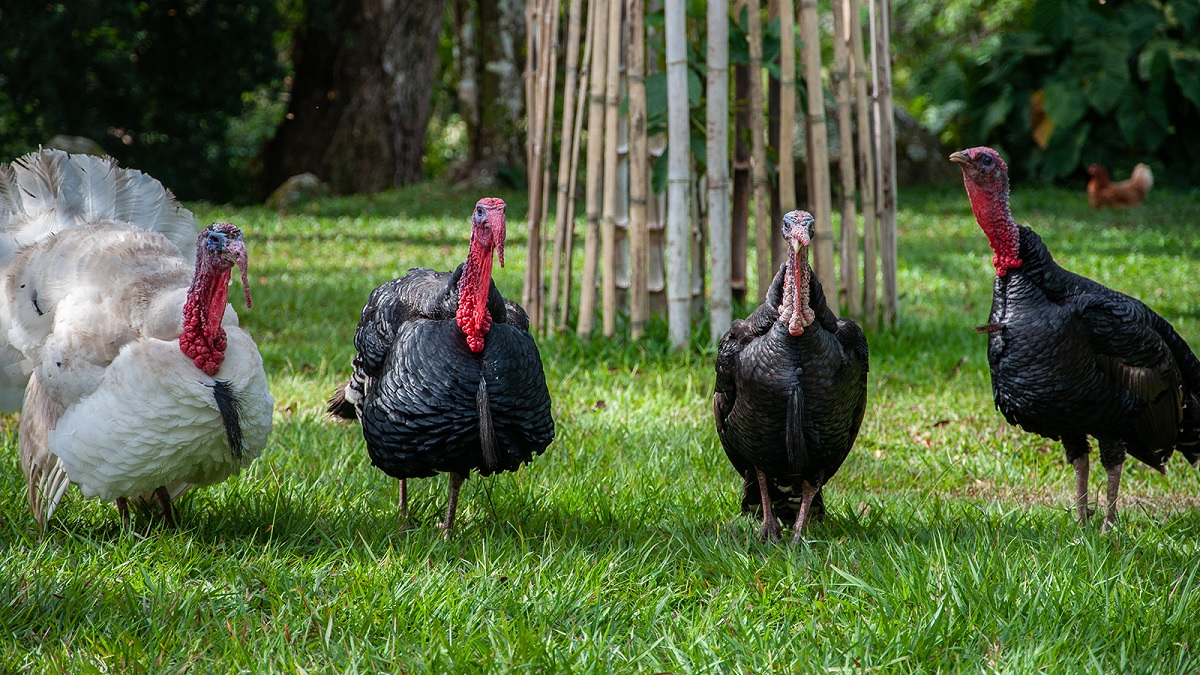
One of the main arguments against choosing the turkey was its perceived lack of majesty compared to other birds. Critics believed that a national symbol should convey grandeur, strength, and dignity. The bald eagle, with its soaring flight, sharp features, and commanding presence, naturally embodied these qualities, whereas the turkey appeared more domestic and grounded. Its physical appearance and behavior were often seen as less impressive, making it less suitable to symbolize a nation aspiring to power and respect on the global stage.
The turkey’s association with domestic life and as a common food source further diminished its appeal. While it represented practicality and abundance, critics argued that a national emblem should inspire awe rather than familiarity. Some leaders feared that using a turkey could project an image of weakness or ordinariness, which conflicted with the desired perception of the United States as strong and independent. This argument emphasized the importance of visual impact in selecting a symbol, showing that practicality alone was not enough to justify the turkey’s candidacy.
Questions of Symbolic Strength
Another major criticism was that the turkey did not convey the symbolic strength necessary for a national emblem. Early leaders wanted a bird that represented courage, power, and the ability to defend the nation. Although Benjamin Franklin praised the turkey’s bravery in defending itself, many felt that it lacked the commanding presence and authority of the bald eagle. The eagle’s predatory skills and ability to soar at great heights made it a natural choice for representing resilience and dominance, qualities the fledgling nation wanted to emphasize.
The debate also included considerations of perception by other countries. Leaders were concerned about how foreign nations would interpret the symbolism of the turkey. Choosing a bird perceived as less formidable could potentially undermine the country’s image abroad. The eagle, on the other hand, projected strength and confidence, sending a clear message about the nation’s aspirations. These symbolic concerns played a crucial role in the decision-making process, showing that leaders valued a combination of moral, practical, and visual qualities in their national emblem.
Public Perception And Seriousness
Critics of the turkey also argued that it lacked the seriousness and gravitas necessary for a national symbol. While the bird was admired for its practicality and moral associations, it was often linked to humor, domesticity, and common life, which some felt were inappropriate for representing the United States. Leaders wanted a symbol that would command respect and inspire citizens, rather than a bird that might be viewed as comical or ordinary.
The turkey’s everyday presence in homes and feasts also worked against it. While familiarity can be valuable, critics believed that a national emblem should rise above ordinary life to represent lofty ideals and aspirations. The bald eagle, with its majestic flight and predatory prowess, offered a sense of awe and authority. Public perception and the desire for a serious, dignified emblem ultimately influenced the decision, highlighting how symbolic resonance and societal expectations played a key role in the rejection of the turkey as the national bird.
Public Perception and Legacy
The public perception of the turkey and its legacy in American history reflect a fascinating blend of admiration, humor, and cultural significance. While it was never officially chosen as the national bird, the turkey remains an enduring symbol in the collective imagination, thanks in part to Benjamin Franklin’s advocacy. Exploring its public perception and legacy helps you understand how cultural values, symbolism, and historical debates continue to shape the way Americans view this iconic bird.
Early Public Views
In the early years of the United States, the turkey enjoyed a mix of respect and practical appreciation from the public. Many settlers valued it as a vital food source, making it a familiar and culturally significant animal. Its role in daily life, from farmyards to festive meals, gave it a level of recognition and relatability that few other native birds could match. People saw the turkey as industrious, abundant, and resourceful, qualities that resonated with the values of the emerging nation.
Benjamin Franklin’s writings elevated the turkey beyond mere practicality. By praising its courage and moral qualities, he framed it as a potential symbol of the nation’s ideals. While his views were partly satirical, they captured the imagination of many and sparked discussions about the symbolic role of animals in national identity. Early public perception, therefore, combined admiration for the bird’s practical benefits with curiosity about its symbolic potential. This duality helped solidify the turkey’s place in American cultural consciousness, even though it was not selected as the national bird.
Legacy in American Culture
The turkey’s legacy extends far beyond debates over national symbolism. Its association with Thanksgiving and North American identity cemented its place in American traditions. People continue to celebrate the turkey for its historical, cultural, and culinary significance, linking it to themes of abundance, family, and heritage. Even though the bald eagle became the official emblem, the turkey remains a uniquely American symbol that embodies practical virtues and historical narratives.
The public’s perception of the turkey also reflects an enduring sense of humor and national storytelling. Franklin’s commentary, historical anecdotes, and popular culture references have kept the discussion alive, giving the bird a symbolic role that contrasts with the more formal stature of the bald eagle. This legacy demonstrates how public opinion, cultural practices, and historical debate can preserve the relevance of a symbol, even when it is not officially recognized. You can see that the turkey’s continued prominence in festivals, literature, and public imagination ensures its lasting place in American identity.
Influence on Modern Symbolism
The turkey’s cultural and symbolic legacy continues to influence modern American symbolism and identity. Its story reminds you that national symbols are not chosen solely for grandeur but also for the values they represent and the connection they create with the public. The turkey represents practicality, honesty, and a grounded American spirit, offering a counterbalance to the majesty and power symbolized by the bald eagle.
Modern media, education, and holiday traditions reinforce the turkey’s role as a culturally significant figure. Children learn about Franklin’s unusual suggestion, families celebrate it during Thanksgiving, and the bird appears in literature and artwork as a uniquely American emblem. These influences show how public perception shapes the legacy of a species, even one that did not achieve official recognition. By examining the turkey’s symbolic impact, you understand how collective memory, historical advocacy, and cultural practices can preserve the significance of a figure in national identity for generations.
Frequently Asked Questions
Was The Turkey Almost The National Bird?
Yes, the turkey was seriously considered as the national bird of the United States. Benjamin Franklin, in particular, admired its qualities, praising its courage, resourcefulness, and moral character. Early discussions about national symbols included the turkey as a potential contender because it was native to North America, widely recognized, and culturally significant. You should understand that while it was never officially chosen, the turkey’s candidacy highlights debates about which traits best represented the emerging nation and why symbolism mattered deeply to the founding fathers.
Why Did Benjamin Franklin Favor The Turkey?
Benjamin Franklin favored the turkey because he believed it embodied honesty, courage, and practical virtues. He admired the bird’s ability to defend itself and its usefulness in daily American life. Franklin even compared it to the bald eagle, criticizing the eagle for being opportunistic and less morally admirable. You should know that Franklin’s endorsement was partly satirical but also reflected his view of the turkey as a bird that represented American values, including industriousness, resilience, and independence. His advocacy played a major role in keeping the turkey in early debates about national symbolism.
Why Was The Bald Eagle Chosen Instead?
The bald eagle was chosen over the turkey because it symbolized power, majesty, and freedom. Critics of the turkey argued that it lacked the grandeur and commanding presence expected of a national emblem. You should understand that leaders wanted a bird that would inspire respect and project strength to both Americans and the international community. The bald eagle’s soaring flight, sharp features, and predatory prowess made it a more suitable emblem of independence and authority, aligning with the vision the founding fathers had for the nation’s image and ideals.
Did The Public Support The Turkey?
Public support for the turkey as a national symbol was limited but present. Many people recognized the turkey’s cultural significance and its role as a staple food, especially in rural communities. You should know that its domestic familiarity made it relatable and practical, but critics argued it lacked the majesty and seriousness of the bald eagle. While Benjamin Franklin’s writings drew attention to the turkey, most of the public and political leaders ultimately valued symbols that conveyed strength, leadership, and international recognition, which contributed to the eagle’s selection over the turkey.
What Qualities Made The Turkey A Contender?
The turkey was considered because of its symbolic and practical qualities. It represented resourcefulness, courage, and honesty, traits that Benjamin Franklin praised. Its abundance and importance in daily American life also made it a recognizable and relatable symbol. You should understand that the turkey’s candidacy reflected a desire to choose a bird that connected with citizens’ everyday experiences while symbolizing moral and cultural values. These qualities made it a serious contender, even though it ultimately lost to the bald eagle, which better conveyed grandeur and national power.
How Is The Turkey Remembered Today?
Today, the turkey is remembered as a symbol of American culture and history, even though it was not chosen as the national bird. Its legacy is preserved through Benjamin Franklin’s advocacy, cultural references, and its central role in Thanksgiving traditions. You should know that the turkey continues to represent practicality, abundance, and uniquely American values. Its story also serves as a reminder of the debates and considerations that went into national symbolism, showing how historical discussions and cultural perceptions can preserve the significance of a figure, even without official recognition.
Final Words
The debate over America’s national bird highlights the intriguing role of symbolism, values, and perception in shaping national identity. While the bald eagle ultimately became the emblem of the United States, the turkey was seriously considered for its uniqueness, resilience, and significance in early American life. Benjamin Franklin famously admired the turkey for its industrious nature and thought it better represented the nation’s character than the more aggressive bald eagle.
Examining was the turkey almost the national bird sheds light on the decision-making process of the founding fathers and the qualities they valued in national symbols. It also offers a glimpse into how cultural preferences and public perception influenced the final choice. The story endures as a reminder of the symbolic power animals can hold and how even a bird often associated with Thanksgiving nearly became a lasting emblem of American identity.