What Birds Have a Penis: Complete Species List and Key Traits
Understanding which birds have a penis can feel confusing because most people assume every bird has the same kind of reproductive system. The truth is far more interesting and reveals how diverse bird anatomy really is. Only a small group of species actually have a penis, while the majority rely on a different method for mating. This difference often surprises readers because it challenges common assumptions about how birds reproduce.
Learning about these species helps you see how evolution shapes behavior, mating strategies, and physical traits across the avian world. Some birds developed this feature for protection, while others retained it due to their unique environments and lifestyles. Exploring what birds have a penison gives you a clearer picture of how varied the bird kingdom is, making it easier to understand their biology and the reasons behind their reproductive differences.
Types of Birds That Have a Penis
Birds with a penis make up only a small portion of all bird species, yet they offer important insight into avian evolution. Their anatomy shows how certain species adapted to their environments, behaviors, and breeding challenges. By learning about these birds, you understand why some lineages kept this structure while most others evolved without it.
Waterfowl: Ducks
Ducks are among the most well-known birds with a penis, and their reproductive system is highly adapted for life in aquatic environments. Water currents often make stable mating difficult, so having a penis helps males ensure proper alignment and successful sperm transfer. This advantage is especially important because duck mating interactions can be brief and competitive.
Another key factor is the intense sexual competition among male ducks. Many species face strong evolutionary pressure to maximize reproductive success, leading to unique anatomical adaptations. Female ducks have evolved complex reproductive tracts that allow them to maintain control over fertilization, creating an evolutionary balance between both sexes.
When you study ducks, you see a clear example of how environmental challenges and mating behaviors shape reproductive structures. Their anatomy highlights the evolutionary push-and-pull that occurs when males and females develop competing traits over time. Ducks help you understand why certain birds retained a penis while others moved toward different reproductive methods.
Geese
Geese share the same broad family as ducks, which explains why they also have a penis, though theirs is generally less exaggerated. Their anatomy supports reproductive stability, particularly because geese are large birds that often mate in environments with unpredictable terrain or weather. This makes a secure reproductive structure helpful during the breeding season.
Geese are known for forming long-term pair bonds. Their monogamous nature reduces intense mating competition but increases the need for efficient and reliable fertilization. Since breeding timing must stay synchronized for migration and nesting, a penis helps ensure mating success during short windows of opportunity.
Their reproductive design also fits the physical demands of their lifestyle. Geese migrate long distances and often raise young in challenging conditions. A reproductive system built for reliability strengthens the survival chances of offspring. Understanding geese in this category shows how stability, timing, and environmental pressures influence reproductive development among waterfowl.
Swans
Swans are admired for their beauty and strong pair bonds, and they also belong to the small group of birds with a penis. Their reproductive anatomy helps them succeed in environments where water movement or thick vegetation might make stable mating difficult. The penis allows partners to maintain contact and ensure successful fertilization.
Swans typically form lifelong bonds, which reduces the competitive pressures seen in ducks but increases the importance of successful reproduction within a limited breeding period. Their reproductive anatomy works well with their large bodies, helping maintain balance during mating, especially in water.
Their environment plays a major role in shaping this trait. Swans often nest in areas with reeds, shifting water levels, and natural obstacles. Keeping a reproductive feature that supports accurate mating helps them overcome these challenges. When you examine swans, you see how anatomy, environment, and pair bonding all work together to maintain reproductive success.
Ratites
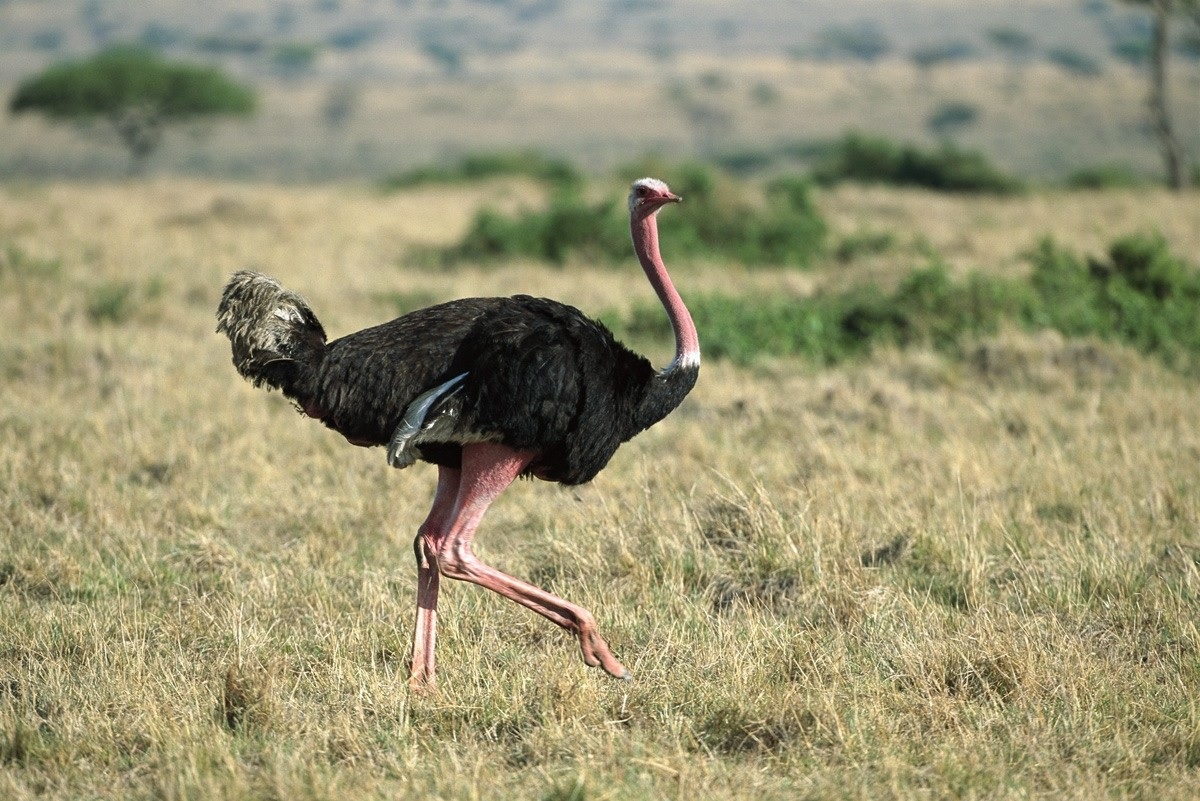
Ostriches belong to one of the oldest bird lineages, and they retained a penis as part of their ancient evolutionary design. Unlike waterfowl, their anatomy reflects traits inherited from early bird ancestors. Ostriches live in open grasslands where mating involves running, chasing, and quick movements, and the penis helps ensure successful reproduction in such active situations.
Their large bodies and fast-paced behavior make precise mating difficult. A penis provides stability and increases fertilization success even in dusty, uneven environments. Ostriches also engage in complex social systems where males compete for dominance and access to females.
Sexual competition further supports the retention of this trait. The size and structure of their penis give males an advantage during mating opportunities. Studying ostriches helps you understand how certain ancient traits persist because they remain functionally valuable for modern species living in demanding environments.
Emus
Emus, another member of the ratite group, also possess a penis, though theirs is generally smaller than that of ostriches. This reproductive feature is essential for ensuring proper mating in the dense vegetation and open plains where emus live. Their rapid movements and large size make stability important during the mating process.
One of the unique aspects of emu reproduction is that males take on most of the parental duties. They incubate the eggs and care for the chicks. Before this stage begins, however, accurate and reliable fertilization must occur, making the penis an advantageous trait for reproductive success.
Emus also face environmental pressures such as heat, predators, and long-distance movement. These challenges make efficient and well-timed mating critical. When you look at emus, you see how ancient evolutionary traits continue to support species with demanding lifestyles and carefully coordinated breeding cycles.
Cassowaries
Cassowaries are striking, powerful birds that inhabit rainforest regions, and they too have a penis as part of their reproductive structure. Their environment includes dense foliage, fallen logs, and uneven ground, all of which create difficulties during mating. The penis helps ensure secure reproductive contact in these complex landscapes.
Cassowaries display strong physical movements during courtship. Their size, speed, and territorial behavior require precise alignment during mating. The penis allows reproduction to remain effective despite these demanding physical conditions.
Another interesting feature is the role of male cassowaries in raising chicks. While they take on much of the parental care, successful mating must occur in short seasonal windows. Their retained reproductive anatomy reflects their ancient lineage and provides functional benefits that modern birds without a penis do not need. Understanding cassowaries shows how habitat and behavior support the persistence of this trait.
Rheas
Rheas, native to South America, also fall into the group of birds with a penis. Their reproductive anatomy reflects traits from early avian evolution combined with adaptations to their modern habitats. Rheas live in open fields and shrublands, where mating often includes fast movements and elaborate displays.
During rapid or unpredictable courtship, a penis helps maintain proper alignment and increases the success of fertilization. This becomes especially important because male rheas build nests, incubate eggs, and care for chicks from multiple females. Reliable fertilization ensures that their efforts produce viable offspring.
Their reproductive strategy depends on timing, cooperation, and multiple partners. A reproductive organ that supports accurate fertilization helps maintain this system. Studying rheas highlights how ancient traits can remain effective for species with complex breeding behaviors and open-habitat lifestyles.
Some Species of Tinamous
Tinamous are unusual because they can fly, unlike most other birds with a penis. However, they spend much of their time on the ground in forests and grasslands where mating can be challenging. The penis helps them achieve proper positioning during mating in tight or heavily vegetated areas.
Tinamous show a mix of ancient and modern bird features. Their reproductive anatomy links them to early bird ancestors, while their behaviors resemble more contemporary species. Many male tinamous incubate eggs from multiple females, making accurate fertilization essential.
Their environments require adaptability. Whether navigating dense forests or open grasslands, tinamous rely on reliable reproductive mechanics to ensure their eggs develop successfully. This mix of traits shows how certain ancestral features survived because they continue to offer benefits in modern ecological conditions.
ChatGPT said:
Why Most Birds Do Not Have a Penis
Most birds do not have a penis because they developed a more efficient reproductive method known as the cloacal kiss. This adaptation emerged as birds evolved for flight, allowing them to reduce unnecessary body weight and streamline their anatomy. Over time, the majority of species shifted to simpler reproductive structures that support quick mating and lower physical demands. Understanding why this shift occurred helps you recognize how evolution, energy conservation, and selective pressures shaped the reproductive systems of modern birds.
Evolutionary Adaptation Toward Flight
The evolution of flight played a major role in the disappearance of the penis in most bird species. As early birds adapted to the demands of aerial movement, reducing body weight and eliminating unnecessary structures became essential for survival. A lightweight body made it easier for birds to fly efficiently, escape predators, and cover large distances with minimal energy. Because a penis offered no direct contribution to flight capabilities, natural selection gradually favored individuals with simpler reproductive organs.
Another factor involves body shape. Streamlining the underside of the bird helped them reduce air resistance while flying. Internalizing reproductive structures contributed to this aerodynamic design, making flight more sustainable over long periods. The cloacal kiss, despite its simplicity, allowed birds to reproduce successfully without adding extra weight or complexity. This change also minimized the risk of injuries during flight, especially for species that maneuver quickly or chase prey.
Over time, this evolutionary path became dominant across most bird lineages. Those that lived in environments where flight precision mattered most retained slim, lightweight bodies that worked with a simplified reproductive method. This shift shows how deeply anatomy can change when survival depends on maximizing flight performance and reducing all unnecessary biological burdens.
Reduced Risk and Better Protection
Another reason most birds do not have a penis is the increased protection offered by internal reproductive structures. External organs are more vulnerable to injury, infection, and environmental hazards, which can reduce reproductive success. By relying on a cloacal kiss, birds avoid the risks associated with exposed reproductive anatomy. This protection is especially important for species that live in dense forests, thorny environments, or habitats where physical contact with branches and debris is unavoidable.
Many birds also engage in high-speed takeoffs, rapid landings, and complex aerial maneuvers. External organs could easily be damaged during these activities, reducing an individual’s ability to reproduce. Internalizing reproductive structures minimizes this risk and supports long-term survival. Even during aggressive interactions such as territorial disputes, male birds face fewer vulnerabilities compared to species with external organs.
From an evolutionary perspective, lower risk leads to higher reproductive success. Birds with safer and simpler reproductive systems produced more offspring, which reinforced the prevalence of the trait across generations. As a result, the cloacal kiss became the standard method of reproduction, not because it is more complex, but because it reduces danger and increases survival odds in diverse environments.
Efficient and Faster Mating
Most birds benefit from fast mating behavior, and the absence of a penis makes this process quicker and more efficient. The cloacal kiss allows birds to transfer sperm in a matter of seconds, which is essential for species that must avoid predators or time their mating with specific environmental cues. Quick mating reduces vulnerability during the breeding season, allowing birds to maintain awareness of their surroundings.
Speed is important for social and migratory species that live in large groups or must complete reproduction before seasonal changes occur. A penis would slow down the process, making birds more exposed to threats. Instead, the simplified method allows them to reproduce rapidly and return to essential tasks such as nesting, feeding, or protecting their territory.
This efficient reproductive approach also matches the physical limitations of many bird species. Small-bodied birds rely on agility and swift flight, so they benefit from a reproductive system that does not interfere with movement. Over many generations, natural selection favored individuals capable of mating quickly and safely. This advantage helped solidify the widespread use of the cloacal kiss and explains why only a few ancient or specialized bird groups retained a penis.
FAQs
What Birds Have A Penis?
You might be surprised to learn that only a small number of birds have a penis. Most species rely on the cloacal kiss for reproduction, but waterfowl and ratites are exceptions. Ducks, geese, and swans in the waterfowl family, as well as ostriches, emus, cassowaries, and rheas among ratites, possess this organ. Some tinamous also have a penis. You should understand that the presence of a penis is linked to evolutionary history, mating behavior, and environmental adaptations, which explains why only certain birds retain this reproductive feature.
Why Do Ducks Have A Penis?
Ducks have a penis to ensure successful mating in aquatic environments where water currents and unstable surfaces make copulation challenging. You should know that male ducks face intense sexual competition, so anatomical adaptations increase reproductive success. The penis allows them to transfer sperm efficiently during brief mating encounters. Females have evolved complex reproductive tracts to control fertilization, creating an evolutionary balance. Observing ducks shows you how reproductive anatomy is shaped not only by physical necessity but also by mating strategies and environmental pressures within the species.
Do All Waterfowl Have A Penis?
Not all waterfowl have a penis, but many do. Ducks, geese, and swans are well-known examples, though the size and complexity vary among species. Ducks typically have longer, more intricate penises, while geese and swans usually have shorter, simpler structures. You should understand that this variation reflects differences in mating behavior, environmental conditions, and sexual selection pressures. Studying waterfowl reveals how closely related species evolve reproductive adaptations suited to their specific habitats, helping them maintain successful fertilization under varying ecological and competitive pressures.
Do Ratites Have A Penis?
Yes, most ratites, such as ostriches, emus, cassowaries, and rheas, have a penis. You should know that this is a retained ancestral trait from early bird evolution. Ratites are ground-dwelling birds that often engage in fast-paced courtship and mating behaviors, making stable sperm transfer crucial. Male ratites also play a major role in incubation and caring for chicks, so successful mating is essential. Retaining a penis provides them with a reproductive advantage during complex breeding behaviors, showing how ancient anatomical traits can persist when they offer functional benefits in modern species.
Why Do Some Tinamous Have A Penis?
Some tinamous have a penis because they inherited this trait from early bird ancestors, even though most birds lost it over time. You should understand that tinamous are ground-dwelling and often live in dense forests or grasslands, where precise alignment during mating is necessary. Males may incubate eggs from multiple females, so accurate fertilization is essential for reproductive success. Their reproductive anatomy allows them to overcome environmental obstacles and maintain effective reproduction. Tinamous demonstrate how ancient traits can persist when they provide practical advantages in survival and breeding strategies.
How Does Having A Penis Help Birds?
Having a penis helps certain birds increase reproductive success, especially in environments where mating is physically challenging. You should know that in waterfowl, it allows males to maintain proper contact with females in aquatic settings. In ratites and other ground-dwelling birds, it stabilizes mating during fast or complex courtship behaviors. This anatomical feature ensures efficient sperm transfer, improving the chances of producing viable offspring. Understanding how a penis benefits these birds shows you why only certain lineages retained it, while most other species evolved simpler reproductive systems for safety, efficiency, and energy conservation.
Conclusion
The reproductive anatomy of birds varies widely, with most species relying on cloacal contact for mating. However, a small number of birds have retained fully developed or partially functional penises, demonstrating unique evolutionary adaptations. Observing these exceptions provides insight into how anatomy, behavior, and environmental pressures shape reproductive strategies. Waterfowl such as ducks, geese, and swans, along with certain ratites like ostriches and emus, are notable for this trait, often influenced by seasonal changes that affect reproductive activity.
Understanding what birds have a penis helps explain the advantages these structures provide, from enhancing mating success to supporting reproductive competition among males. Studying these rare adaptations not only reveals the complexity of avian evolution but also highlights the remarkable diversity of bird reproductive strategies, offering a fascinating perspective on how certain species maintain traits that most birds have lost over time.