What Are Female Birds Called: Names and Gender Differences
In the world of birds, distinguishing between males and females is an essential part of understanding their behavior, reproduction, and ecology. Exploring what are female birds called allows you to learn more about avian biology and the roles each sex plays in nesting, feeding, and raising young. Female birds often exhibit differences in size, coloration, and behavior compared to males, which can influence mate selection and survival strategies.
While some species have brightly colored females, many show more subdued tones to provide camouflage while incubating eggs. Knowing the proper terms for female birds and understanding their characteristics helps you appreciate the diversity and complexity of avian life. Observing these traits also sheds light on mating habits, parental care, and social interactions, offering a deeper insight into how female birds contribute to the balance and continuity of bird populations across various ecosystems.
General Terms for Female Birds
Female birds are often identified using specific terms that vary across species, reflecting their role in reproduction, behavior, and social interactions. Understanding general terms for female birds helps you recognize differences between males and females in appearance, behavior, and ecology. While some birds share common names like “hen” or “fowl,” other species have unique terms for females. Learning these distinctions enhances your ability to observe, study, and communicate about avian life accurately and effectively.
Hens and Fowls
One of the most widely recognized terms for female birds is “hen,” which commonly refers to female chickens, turkeys, and other domesticated fowl. In these species, hens are responsible for laying eggs, incubating them, and often caring for chicks. The term extends to other poultry, though it may vary slightly in informal or regional usage.
Hens are typically less brightly colored than males, which helps provide camouflage while nesting. They play a crucial role in reproduction and flock dynamics, influencing mating patterns, egg-laying cycles, and chick survival. In many bird species, the term “fowl” refers collectively to domestic or wild birds, with hens being the specific female counterparts. Understanding these terms allows you to accurately identify and describe female birds in agricultural, ecological, and observational contexts.
Matrons in Larger Bird Species
In larger bird species, such as swans, eagles, or cranes, female birds are sometimes referred to in context-specific terms like “matron” or simply as “female” followed by the species name. These females are often larger than their male counterparts or possess distinct behavioral traits crucial for mating, nesting, and chick-rearing. The terminology emphasizes their role within social hierarchies or pair bonds.
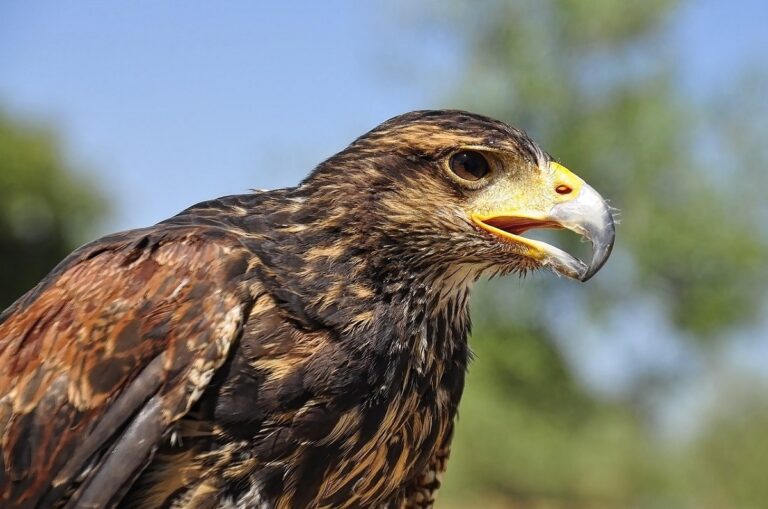
For example, in swan pairs, the female—sometimes called a pen—is responsible for incubating eggs while the male guards the territory. Similarly, female raptors are often larger and more dominant in hunting territories than males. Recognizing these specific roles and terminology allows you to understand the ecological and behavioral significance of females in species where size, strength, or nesting responsibilities differ from males.
Species-Specific Female Terms
Many bird species have unique terms for females that reflect traditional naming conventions or behavioral observations. For instance, female pheasants are called hens, female peafowl are known as peahens, and female ducks are often simply referred to as hens or ducks depending on context. These species-specific terms are essential for clarity in ornithology, birdwatching, and ecological studies.
Knowing these terms also helps differentiate females from males when observing mating rituals, nesting, or feeding behaviors. Female birds often exhibit more subdued coloration than males, which aids in camouflage, especially during incubation. By understanding species-specific terminology, you can accurately document observations, participate in research, and communicate clearly about female birds across various habitats and contexts.
Importance of Proper Terminology
Using the correct general and species-specific terms for female birds is more than a matter of nomenclature; it reflects an understanding of their biological and ecological roles. Accurate terminology helps you identify reproductive behaviors, parental care strategies, and social interactions within bird populations.
For example, recognizing a hen or peahen allows you to infer nesting behavior, egg-laying patterns, and potential parental investment. Observing these females in the wild provides insights into species survival strategies and population dynamics. Proper terminology ensures clarity in research, birdwatching, and educational contexts, enhancing your ability to study and appreciate avian life comprehensively.
Female Birds in Wild Species
Female birds in wild species play critical roles in reproduction, survival, and social structure. Understanding female birds in wild species helps you appreciate how they contribute to egg-laying, nesting, and raising chicks, as well as how their behaviors influence mating and flock dynamics. Unlike domesticated birds, wild females often face greater challenges such as predation, food scarcity, and environmental pressures, requiring specific adaptations in coloration, size, and behavior. Studying these females provides insight into survival strategies and ecological balance in natural habitats.
Nesting and Reproductive Roles
Female birds in the wild are primarily responsible for reproduction, including selecting nesting sites, laying eggs, and incubating them until hatching. Nest placement is often strategic, designed to protect eggs from predators, environmental hazards, and extreme weather. Some species, like songbirds, choose dense foliage, while ground-nesting birds rely on camouflage to hide their nests. The physical characteristics of females, such as muted colors compared to males, often aid in staying concealed during incubation.
Beyond egg-laying, female birds regulate incubation temperature and humidity by adjusting their positioning and movements on the nest. In certain species, females engage in nest-building behaviors, collecting materials to ensure structural integrity and insulation. These activities directly impact the survival of the next generation. Observing nesting and reproductive roles highlights the female’s critical influence on population maintenance and overall ecosystem health.
Foraging and Feeding Responsibilities
In addition to reproduction, female wild birds play a significant role in foraging and feeding. Many females actively search for food for themselves and their offspring, balancing energy needs for egg production and chick-rearing. Diets vary widely among species, including seeds, insects, small vertebrates, nectar, and fruits, depending on habitat and nutritional requirements.
Parental investment often extends beyond feeding chicks, with females guiding young in recognizing food sources, teaching foraging skills, and defending feeding territories. In species with cooperative breeding, females may also receive assistance from other group members, but the primary responsibility often rests on the mother. Understanding these behaviors illustrates the complex interactions between nutrition, survival, and reproductive success in wild bird populations.
Protective and Defensive Behaviors
Female birds in wild species exhibit numerous protective and defensive behaviors to safeguard themselves and their offspring. Camouflage, alarm calls, distraction displays, and aggressive responses to predators are common strategies. Ground-nesting females may feign injury to lure predators away from nests, while tree-nesting species rely on dense foliage or elevated nesting sites for protection.
Additionally, females often coordinate with males or other flock members to defend territories or warn of danger. These behaviors are crucial for ensuring the survival of both the female and her eggs or chicks. Studying these protective strategies emphasizes how behavioral adaptations have evolved to enhance reproductive success and maintain population stability in wild bird species.
Social and Mating Dynamics
In many wild species, female birds influence social and mating dynamics within the flock or population. Mate choice often depends on male displays, vocalizations, or territory quality, and females actively select mates that enhance the likelihood of reproductive success. Some species form long-term pair bonds, while others may engage in seasonal or multiple mating strategies.
Female behavior can affect hierarchy, group cohesion, and breeding success. Their interactions with males, juveniles, and other females often determine access to nesting sites, food resources, and protection from predators. Observing these dynamics highlights the importance of females in shaping social structures, reproductive strategies, and ecological interactions in wild bird populations.
Physical and Behavioral Differences
Physical and behavioral differences between female and male birds are key to understanding avian biology, ecology, and reproduction. Studying physical and behavioral differences helps you observe how coloration, size, vocalizations, and nesting habits vary between sexes. Females often exhibit adaptations for camouflage and protection, while males display traits to attract mates or defend territories. Behavioral distinctions, including foraging, mating strategies, and parental care, are essential to survival and reproductive success. Examining these differences provides insight into the evolutionary pressures shaping bird species.
Coloration and Plumage Variations
One of the most noticeable physical differences between female and male birds is coloration. In many species, males have bright, vibrant plumage used to attract mates and assert dominance, while females tend to have more subdued, camouflaged colors. This muted coloring helps females remain inconspicuous while nesting or incubating eggs, reducing predation risk.
For example, in species like peafowl, males display elaborate tail feathers to impress females, whereas peahens maintain earth-toned feathers for concealment. Similarly, in songbirds, males often have distinct patterns or bright patches to signal fitness to potential mates. Understanding these coloration differences allows observers to identify sexes in the wild and gain insights into mating systems, reproductive strategies, and ecological adaptations.
Size and Morphological Differences
Beyond coloration, size and morphology often differ between sexes. In many raptor species, females are larger than males, an adaptation that may allow them to handle eggs and chicks or dominate nesting sites. Conversely, in other bird species, males are larger to better compete for mates or defend territories. Wing shape, beak size, and leg strength can also vary, reflecting different ecological roles or feeding strategies.
These physical distinctions influence behaviors such as hunting, territorial defense, and parental duties. Observing size and morphological differences aids in understanding sexual dimorphism, resource allocation, and reproductive roles. It also helps in field identification and monitoring of populations, offering a more comprehensive picture of avian life and the evolutionary pressures that drive these adaptations.
Behavioral Distinctions in Nesting and Mating
Behavioral differences between sexes are often tied to reproduction and survival strategies. Female birds typically focus on nesting, egg incubation, and caring for young, while males may engage in courtship displays, territory defense, and resource acquisition to support the female and offspring.
For example, in many passerines, males sing to attract mates and deter rivals, while females select nest sites and regulate incubation. In cooperative species, females may receive assistance from males or other group members, but the primary nurturing role often falls to the mother. These behaviors reflect evolutionary pressures, emphasizing survival, reproductive success, and species continuity. Observing these differences allows you to appreciate the complex social and reproductive dynamics in bird populations.
Vocalization and Communication Differences
Vocalizations often vary significantly between males and females, serving distinct purposes in communication and survival. Males frequently use songs or calls to attract females, establish dominance, or defend territories, whereas females may produce softer or subtler calls for communication within the nest or with offspring.
In some species, female vocalizations signal readiness to mate, coordinate parental care, or alert chicks to danger. Studying these vocal differences provides insight into social structures, mating strategies, and survival tactics. Understanding how physical and behavioral traits interplay with communication enables observers to better interpret bird interactions and the evolutionary adaptations that sustain species across diverse habitats.
Frequently Asked Questions
What Are Female Birds Called?
Female birds are generally referred to as hens in many species, particularly in domesticated poultry like chickens, turkeys, and ducks. In wild species, the term often depends on the bird type; for example, female peafowl are called peahens, and female pheasants are also referred to as hens. Using the correct term helps you distinguish females from males, especially when observing mating behaviors, nesting, or parental roles. Recognizing these names enhances your understanding of avian biology and facilitates accurate communication about bird species in research, birdwatching, or educational contexts.
Are There Different Names for Female Birds in Wild Species?
Yes, many wild species have unique names for their females. For instance, female swans are called pens, female eagles are simply referred to as female eagles, and female ducks may be called hens or ducks depending on context. These terms often reflect the bird’s role in reproduction, nesting, and social behavior. Knowing the proper name allows you to identify behaviors like egg-laying, incubation, and chick-rearing. Using accurate terminology also helps you communicate clearly when documenting observations in natural habitats or reporting wildlife research findings.
How Can You Identify Female Birds by Appearance?
Female birds often exhibit physical differences from males, such as more muted or camouflaged plumage. This coloration helps protect them while nesting or incubating eggs. In some species, females are slightly smaller than males or lack distinctive markings and ornamental feathers. Observing these traits allows you to distinguish females in the field and understand their behaviors related to reproduction and survival. Recognizing appearance differences is essential for birdwatching, scientific studies, and understanding the ecological roles females play in maintaining healthy bird populations.
Do All Female Birds Lay Eggs?
Yes, female birds are responsible for egg-laying, which is their primary reproductive role. The number, size, and frequency of eggs vary across species and are influenced by environmental conditions and the bird’s health. Female birds often select suitable nesting sites, incubate eggs, and protect them from predators. Understanding this reproductive behavior allows you to observe and interpret nesting patterns, chick development, and parental care, highlighting the importance of females in sustaining avian populations and the balance of ecosystems.
What Behavioral Roles Do Female Birds Have?
Female birds play critical behavioral roles, including nest building, incubation, and raising chicks. They often choose optimal nesting locations, regulate incubation temperature, and protect eggs and young from predators. In some species, females collaborate with males or other group members for feeding and defense, while in others, they take full responsibility. Observing these behaviors helps you understand social dynamics, reproductive strategies, and survival mechanisms in different bird species, emphasizing the female’s integral role in maintaining population health.
Are Female Bird Names Universal Across Species?
No, female bird names vary depending on species, culture, and context. Common terms like hen apply to poultry, while specific wild species may have unique names, such as peahen for female peafowl or pen for female swans. These names reflect biological roles, reproductive strategies, or traditional usage. Using accurate terminology is essential for research, birdwatching, and education, as it clarifies communication about behaviors, mating, and nesting while helping you identify and study females across diverse avian species.
Final Thoughts
Female birds play essential roles in reproduction, nurturing, and maintaining species populations across diverse habitats. Understanding what are female birds called helps in identifying their unique characteristics, from coloration and size to behavioral traits, which often differ significantly from males. These distinctions are particularly important for birdwatchers, researchers, and conservationists who study mating rituals, nesting patterns, and chick-rearing behaviors.
Observing what are female birds called also highlights their contributions to the survival of their species, as they are typically responsible for laying eggs, incubating them, and caring for hatchlings. In both wild and domesticated species, knowing the correct terminology and recognizing females aids in monitoring populations, supporting breeding programs, and ensuring ecological balance. Appreciating the role of female birds emphasizes their importance in biodiversity and the interconnectedness of all bird species within their ecosystems.